

Case Study: Stone & Steel House, DGN Studio

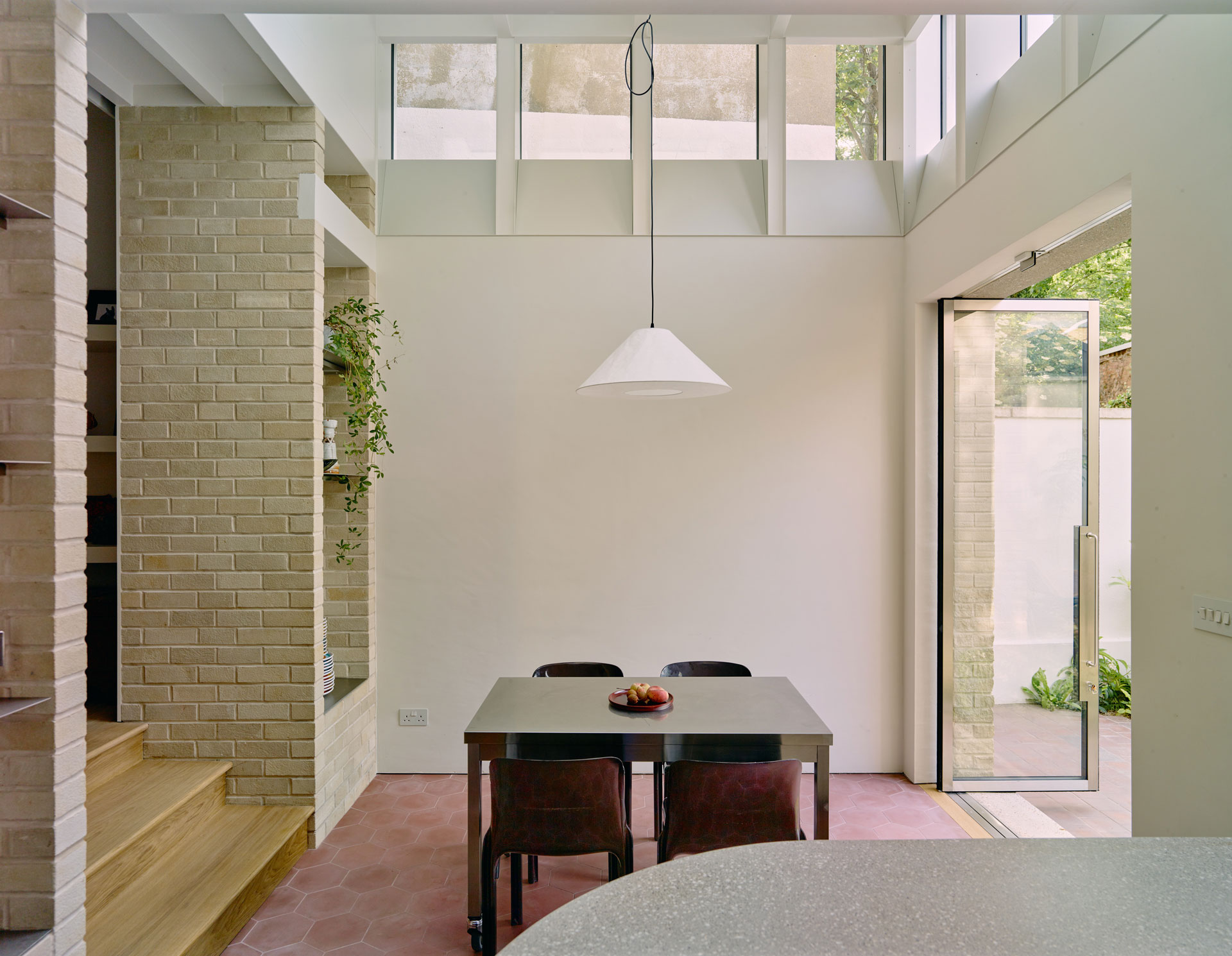
In a tightly constrained Highbury plot, DGN Studio has reworked a Victorian terrace into a light-filled family home whose architectural character is defined by a carefully calibrated progression of materials – from robust stone and mineral textures at ground level to refined metalwork and glazing above.
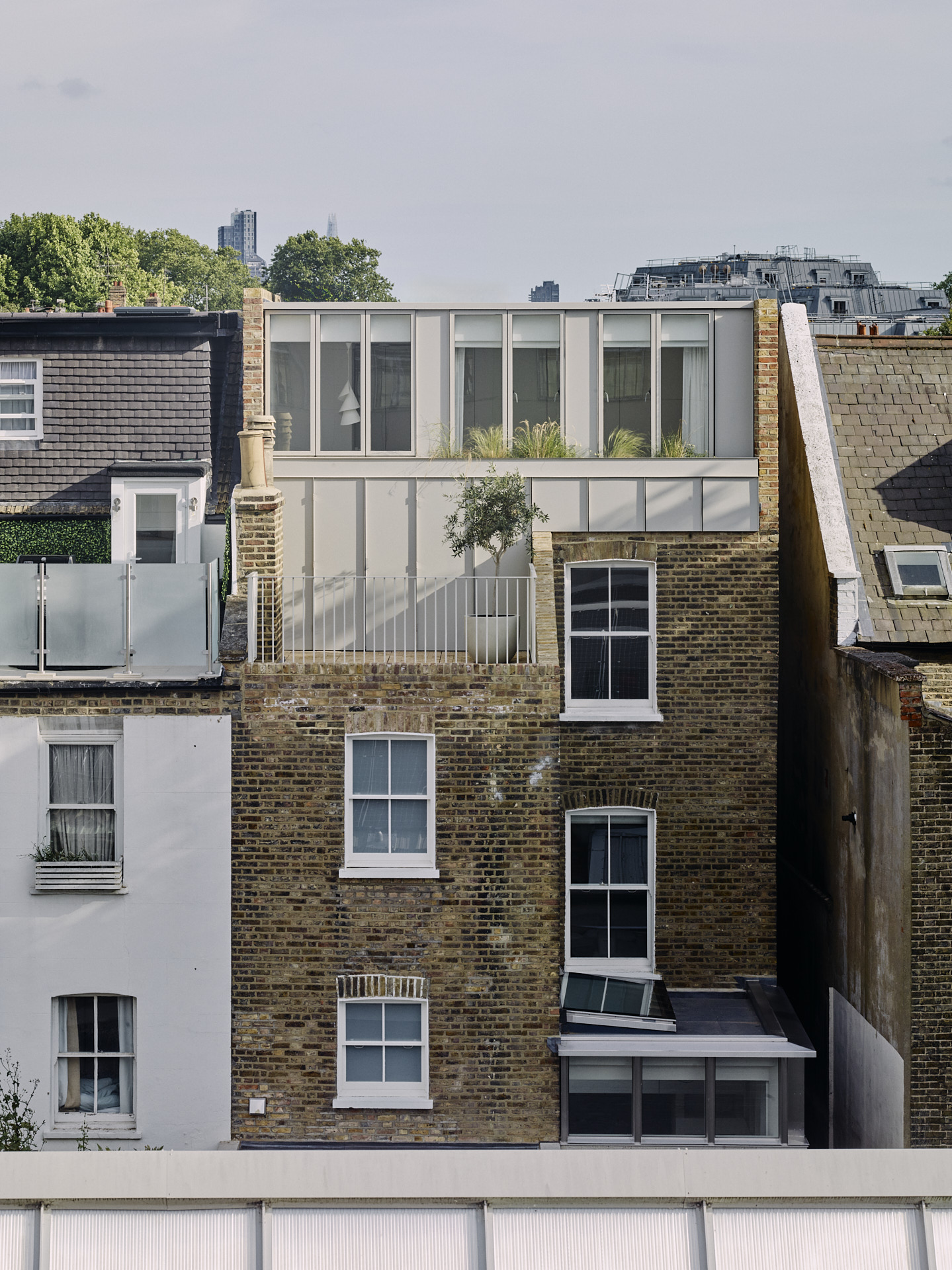
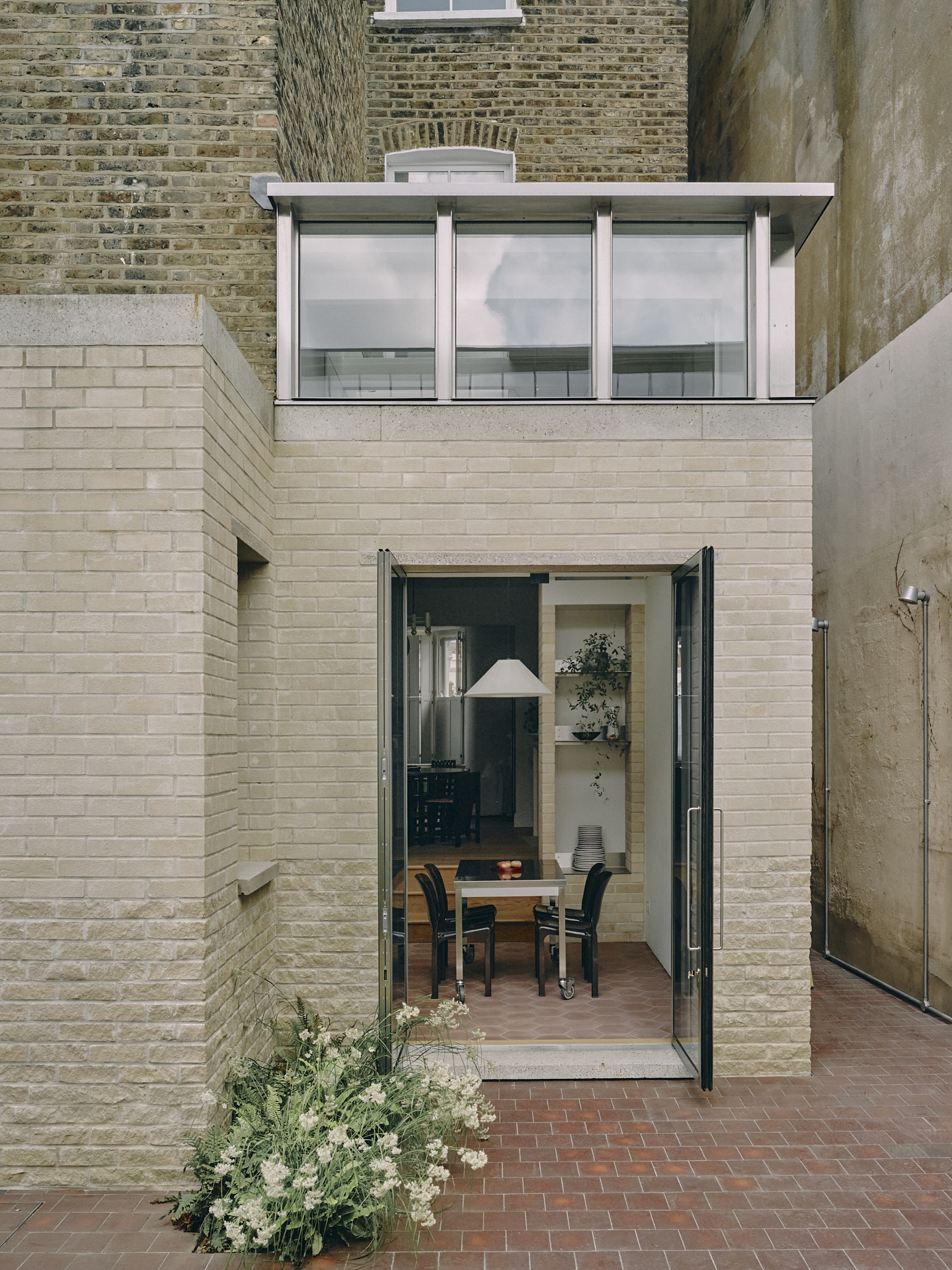
At the base of the scheme is a stone-brick extension, capped by a lightweight stainless-steel and glazed roof structure. The approach allows the house to remain grounded in the earthy tones and textures of its London context, while opening the interior to sky and light. Throughout, the architects pursued a material language in which mass, tactility and weight gradually give way to lightness and precision, producing a spatial sequence that mirrors the vertical journey through the building.
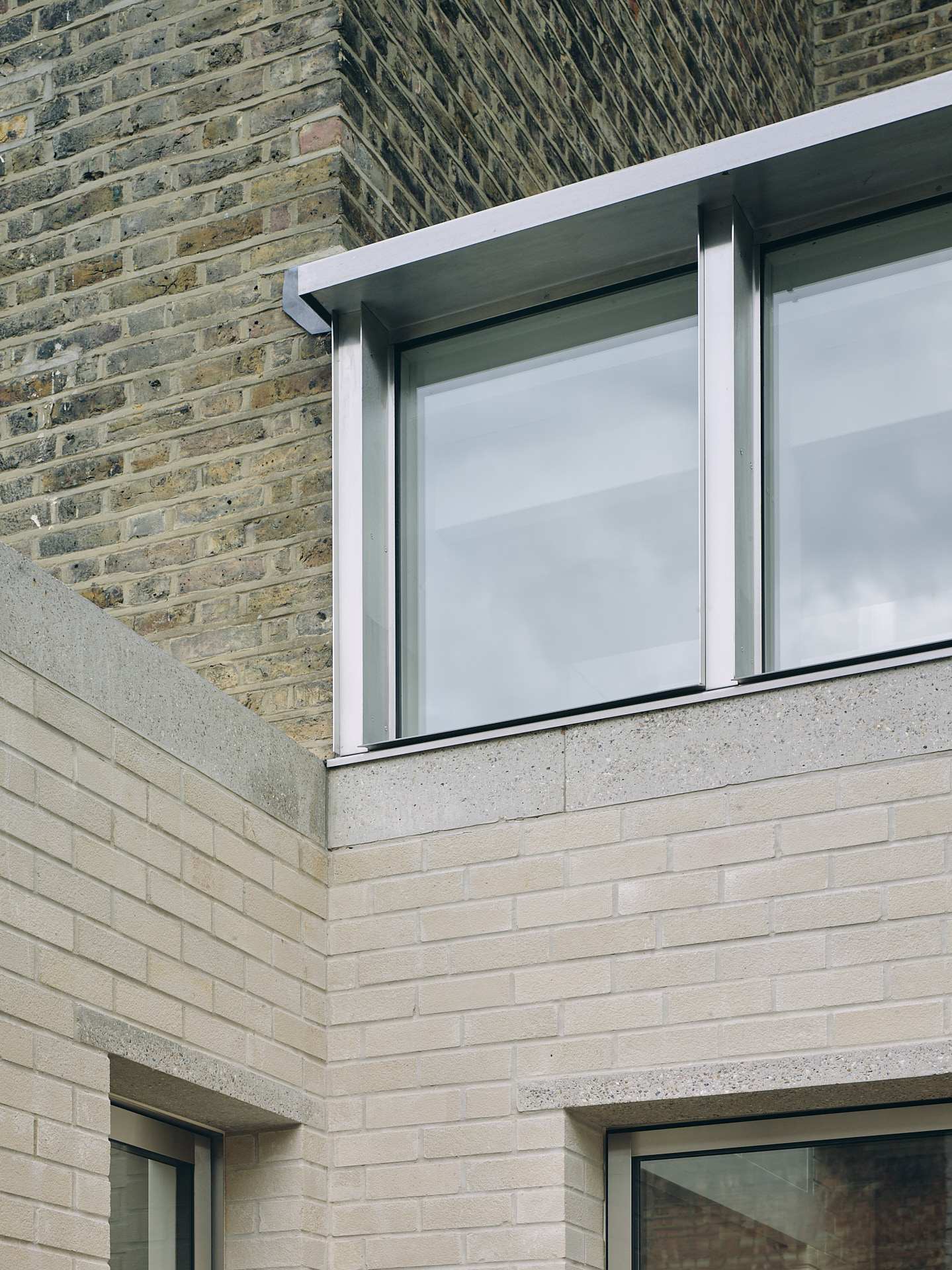
Stone plays a central role in establishing this character. Sandblasted and split-face sandstone bricks form the external envelope of the new ground-floor volumes, their rusticated finish anchoring the building firmly to the site. Above, a smoother sandblasted texture begins a gradual refinement that continues through ground-back concrete detailing and into the fine stainless-steel elements of the upper storeys. This progression is echoed internally, where thick stone walls, clay finishes and lime plaster create a grainy, tactile backdrop to everyday family life.
The decision to use stone brick in place of conventional clay alternatives was also driven by environmental considerations. By substituting a carbon-intensive material with stone, the architects were able to reduce the embodied impact of the extension. This approach is reinforced by a fully breathable wall build-up incorporating hemp insulation, wood-wool boards and internal lime plaster, allowing the building fabric to regulate moisture and contribute to a healthier internal environment.
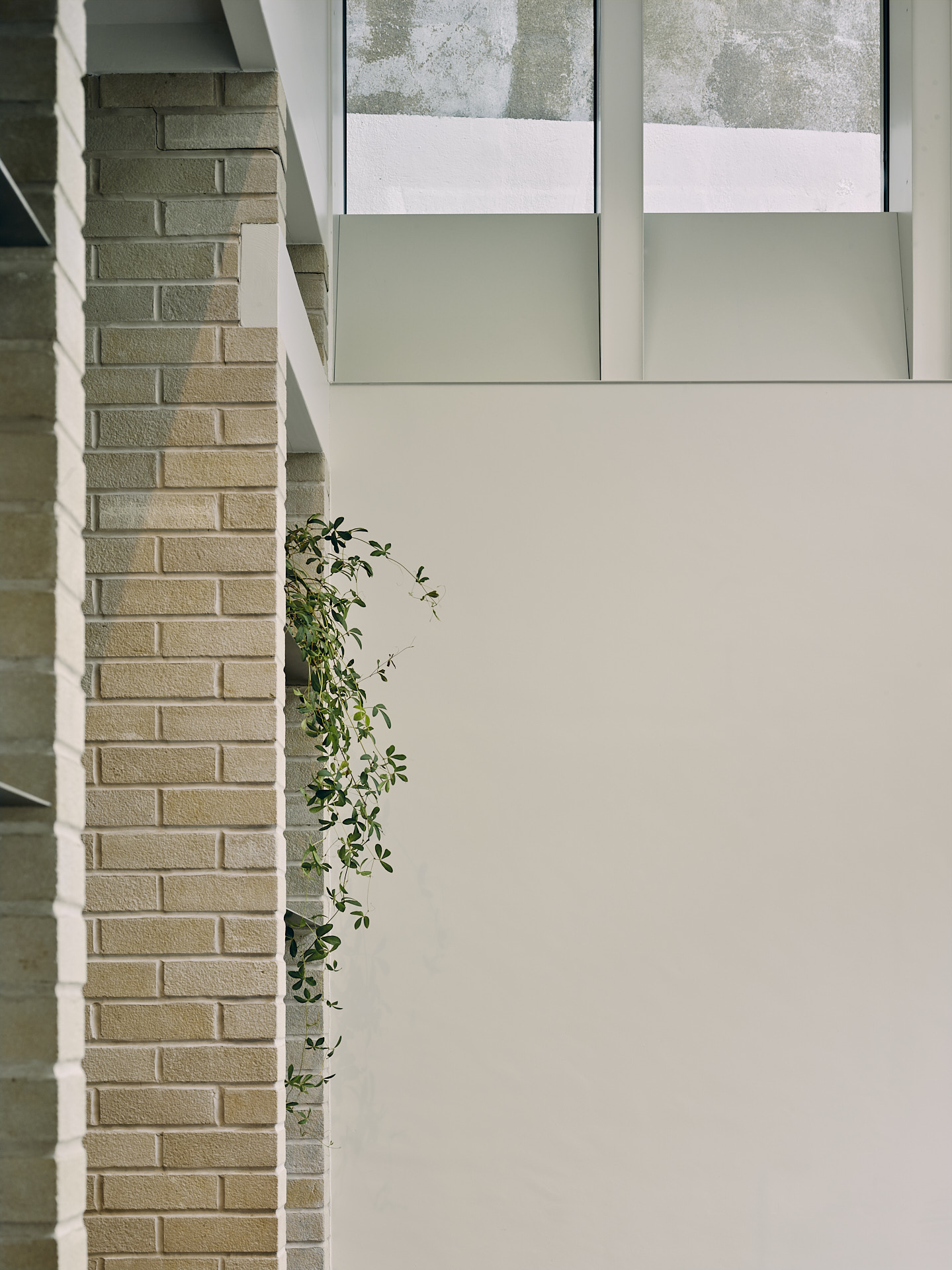
Working with minimal external space and a compact north-facing garden, DGN limited the depth of the rear extension in order to preserve outdoor amenity. Instead, the practice exploited vertical volume, creating a double-height dining space that brings daylight deep into the plan. High-level clerestory windows framed in stainless steel introduce a band of light across the rear elevation, lending a sense of generosity and scale that belies the modest footprint.
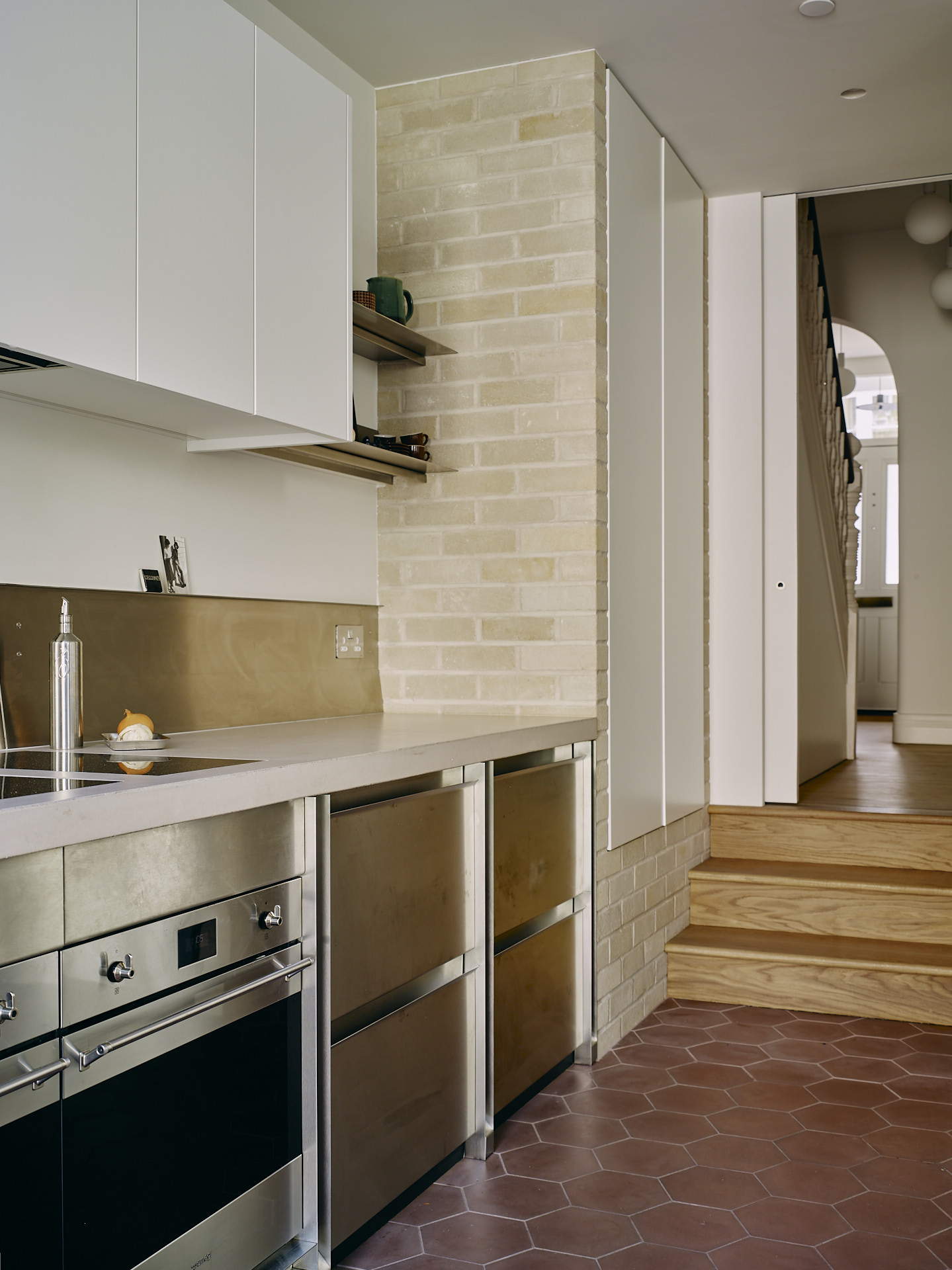
At ground floor, the stone brickwork is expressed internally as a thickened threshold between old and new. Niches carved into the masonry provide space for display and storage, fitted with bespoke steel shelving. Underfoot, hexagonal clay tiles define the kitchen zone, while the central island combines high-gloss cabinetry with a metal framework beneath a curved concrete worktop. The exposed aggregate finish of the concrete introduces subtle texture, creating a natural focal point for gathering, while trowelled surfaces to the working side provide a smoother finish for food preparation. Bespoke stainless-steel cabinetry and splashbacks reinforce the kitchen’s functional character, their folded detailing echoing the chamfered stone sills and mullions of the clerestory windows.
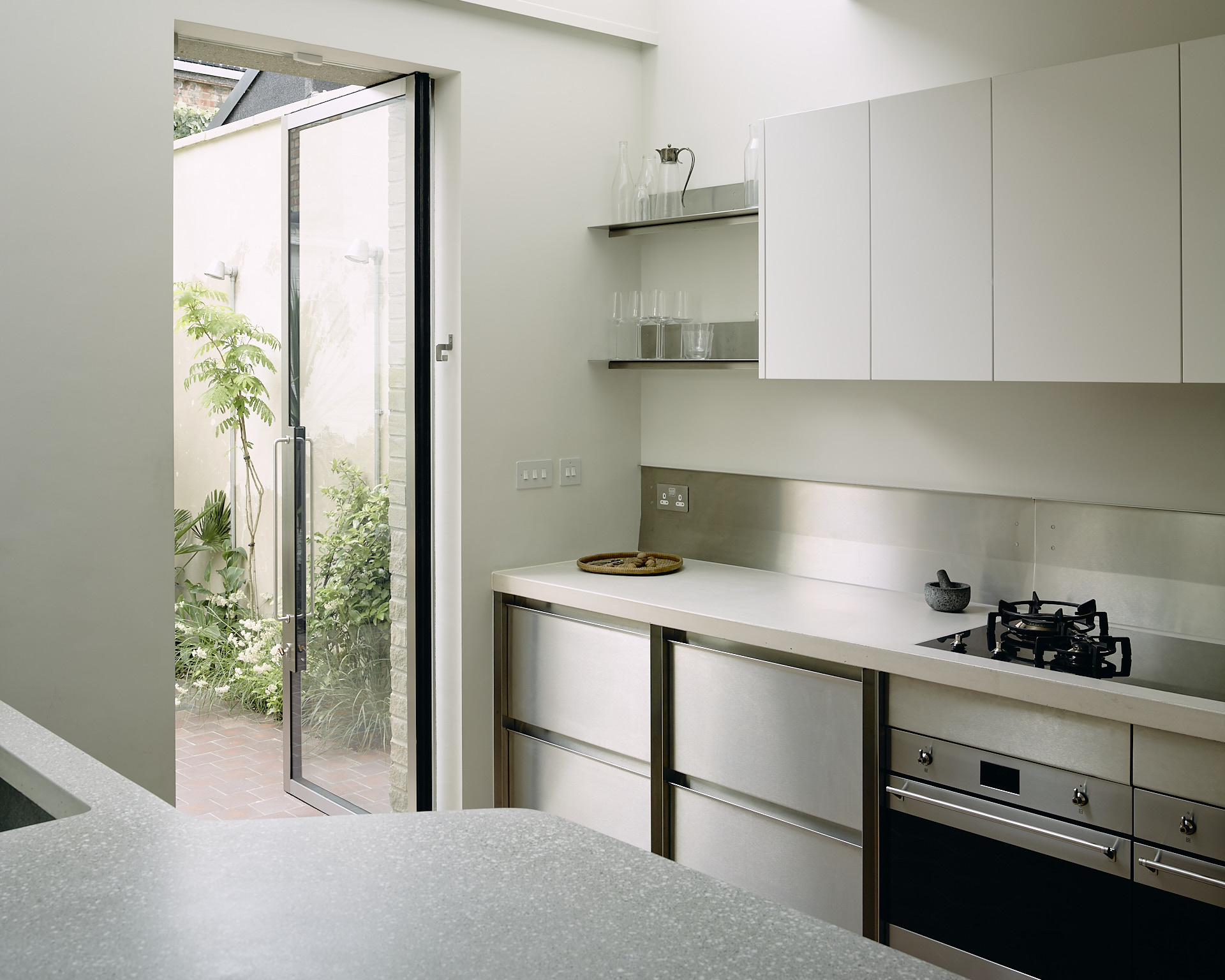
Sleek steel-framed pivot doors and casement windows are set deep within the stone walls, framing controlled views into the newly planted courtyard garden. This thickness lends the openings a sense of solidity, while emphasising the contrast between weight and lightness that runs through the project.
Beyond the kitchen, a centrally positioned drawing room acts as a hinge between spaces, accommodating family circulation and daily rituals around a much-loved heirloom dining table. Large sliding wall panels allow surrounding rooms to be opened or closed as required, enabling the house to adapt to changing patterns of use as the family grows.
Upper floors focus on subtle spatial refinement rather than radical alteration. Sloping staircases and uneven floors have been carefully reworked to accommodate new oak flooring, while light-filled front rooms provide workspace for a resident fashion designer. Bedrooms occupy the quieter upper levels, where privacy increases and views extend across neighbouring rooftops.
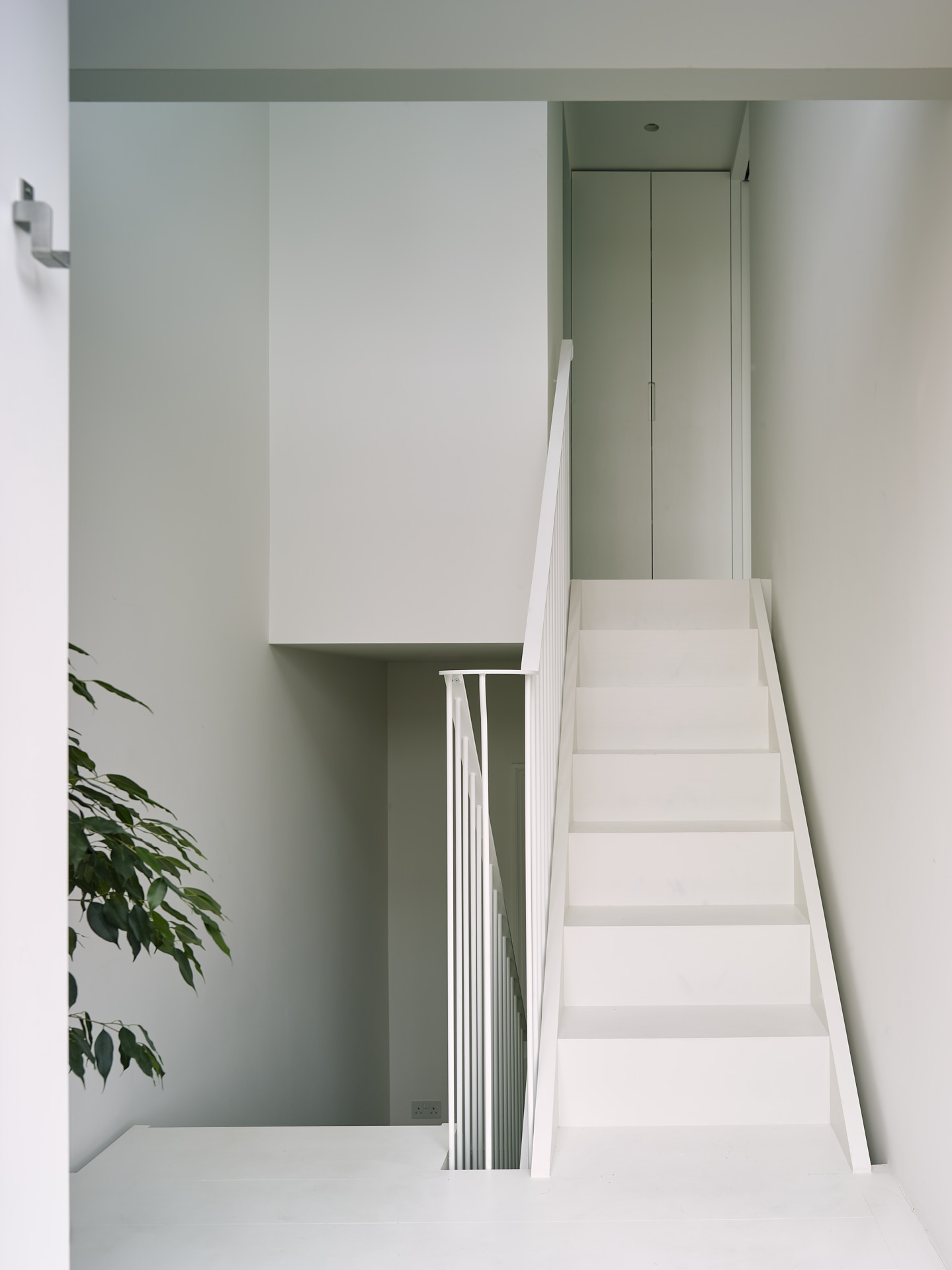
As the stair rises, the material language shifts decisively towards lightness. Offset from enclosing walls, the staircase is traced by a fine metal balustrade, drawing the eye upwards to a final clerestory opening that floods the stairwell with soft north light. At half-landing level, a door opens onto a newly formed roof terrace, offering long views across the city. Above, the loft is conceived as a calm retreat, its white-painted timber floorboards and powder-coated metal reveals forming a serene, gallery-like interior, complemented by a top-lit microcement bathroom.
Throughout the project, stone is deployed not simply as surface finish, but as an active architectural element – shaping thresholds, defining structure and anchoring the house to its urban setting. In combination with steel, concrete and carefully controlled glazing, the stone brickwork establishes a material hierarchy that allows the house to feel simultaneously grounded and expansive, robust and refined.
All images courtesy of Tim Crocker