

Insights: An Insider Scoop From the Stone & Surfaces Show

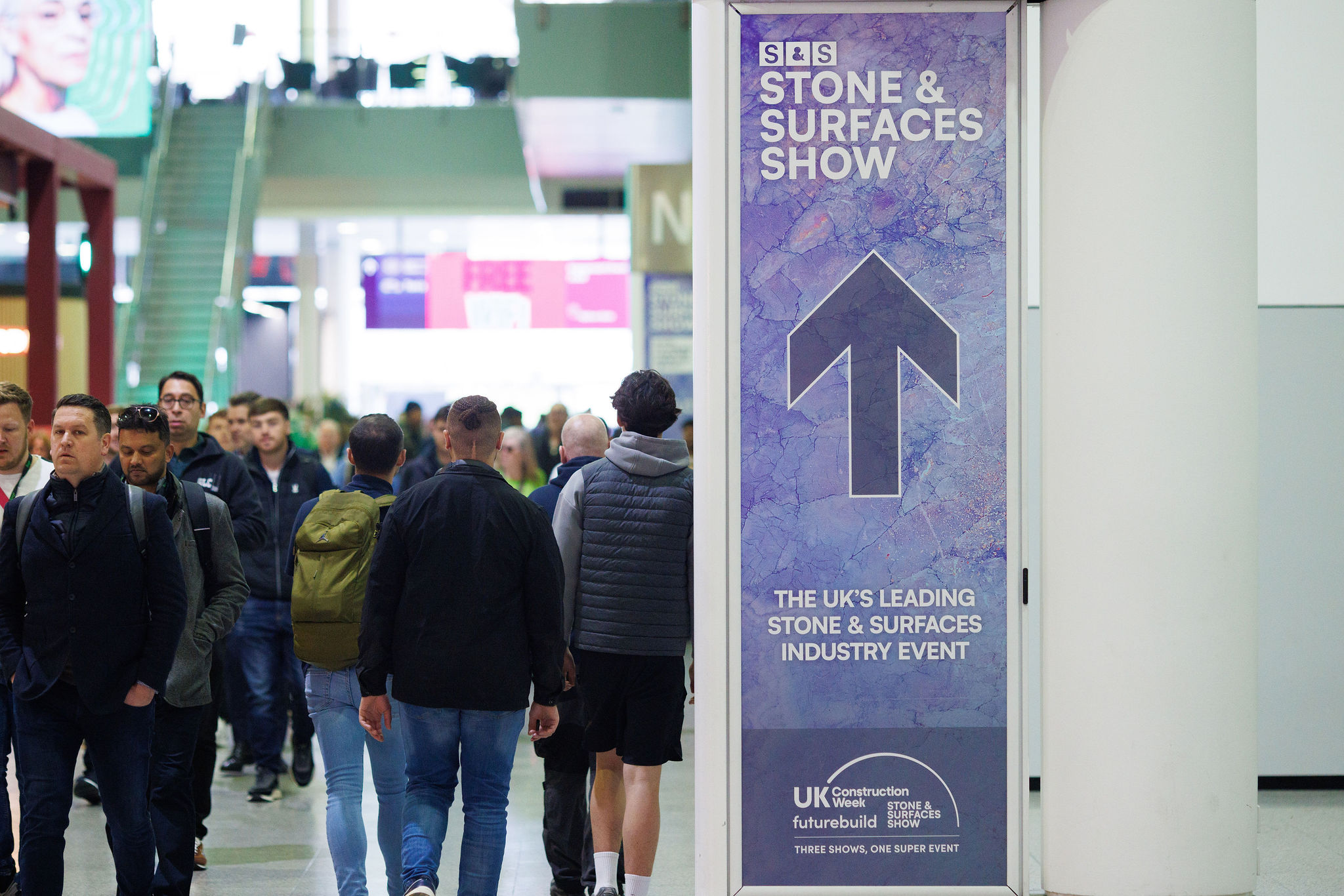
It’s hard to believe that The Stone & Surfaces Show 2026 opened a week ago already.
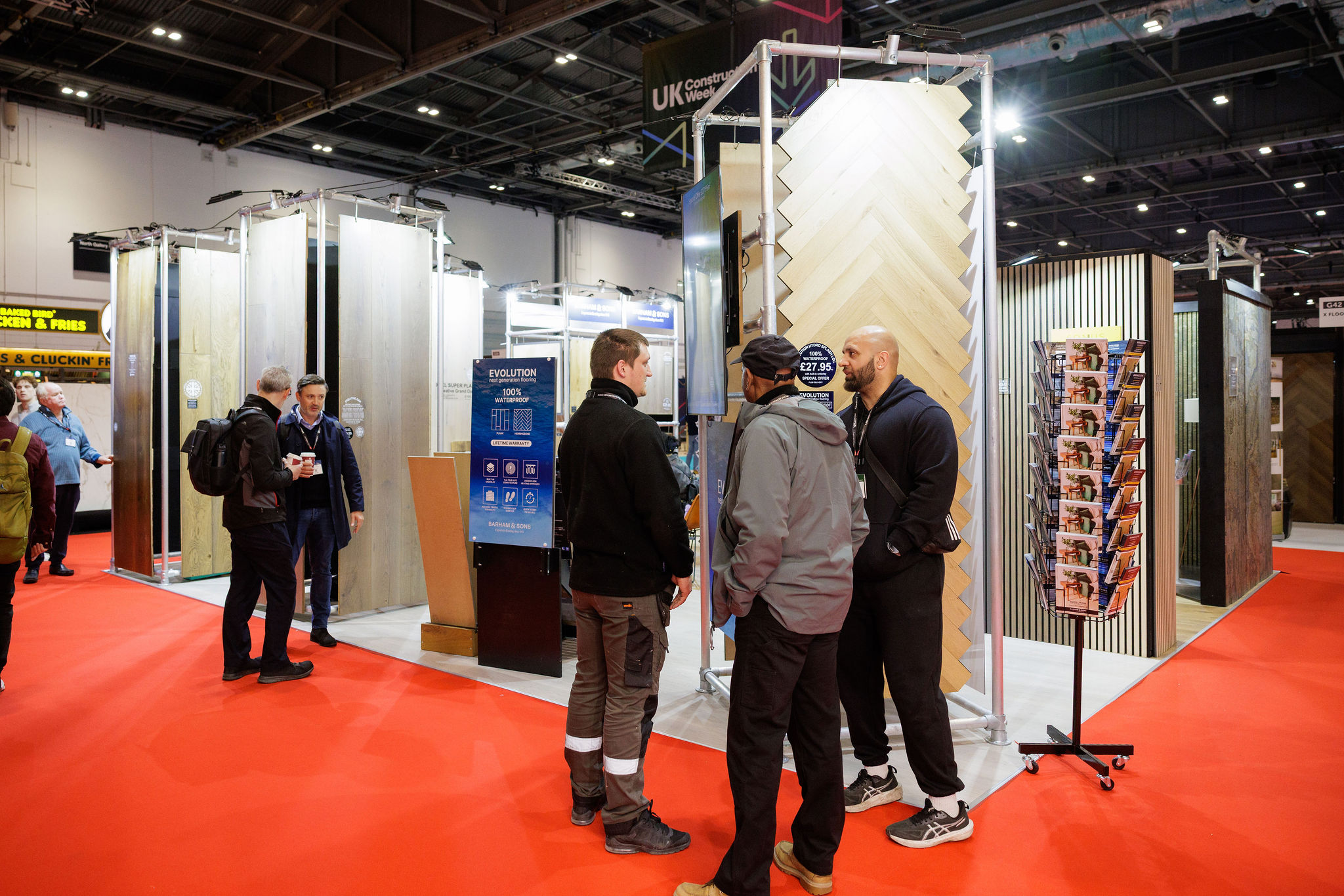
Returning to ExCeL London with renewed confidence and a noticeably broadened outlook, it’s a pleasure to reflect on three days of content that took shape in the form of material displays, installations, talks and demonstrations.
Repositioned to reflect the evolving surfaces sector, the exhibition demonstrated how natural stone continues to sit at the centre of architectural material thinking while sharing the stage with ceramics, engineered materials and hybrid surface technologies.
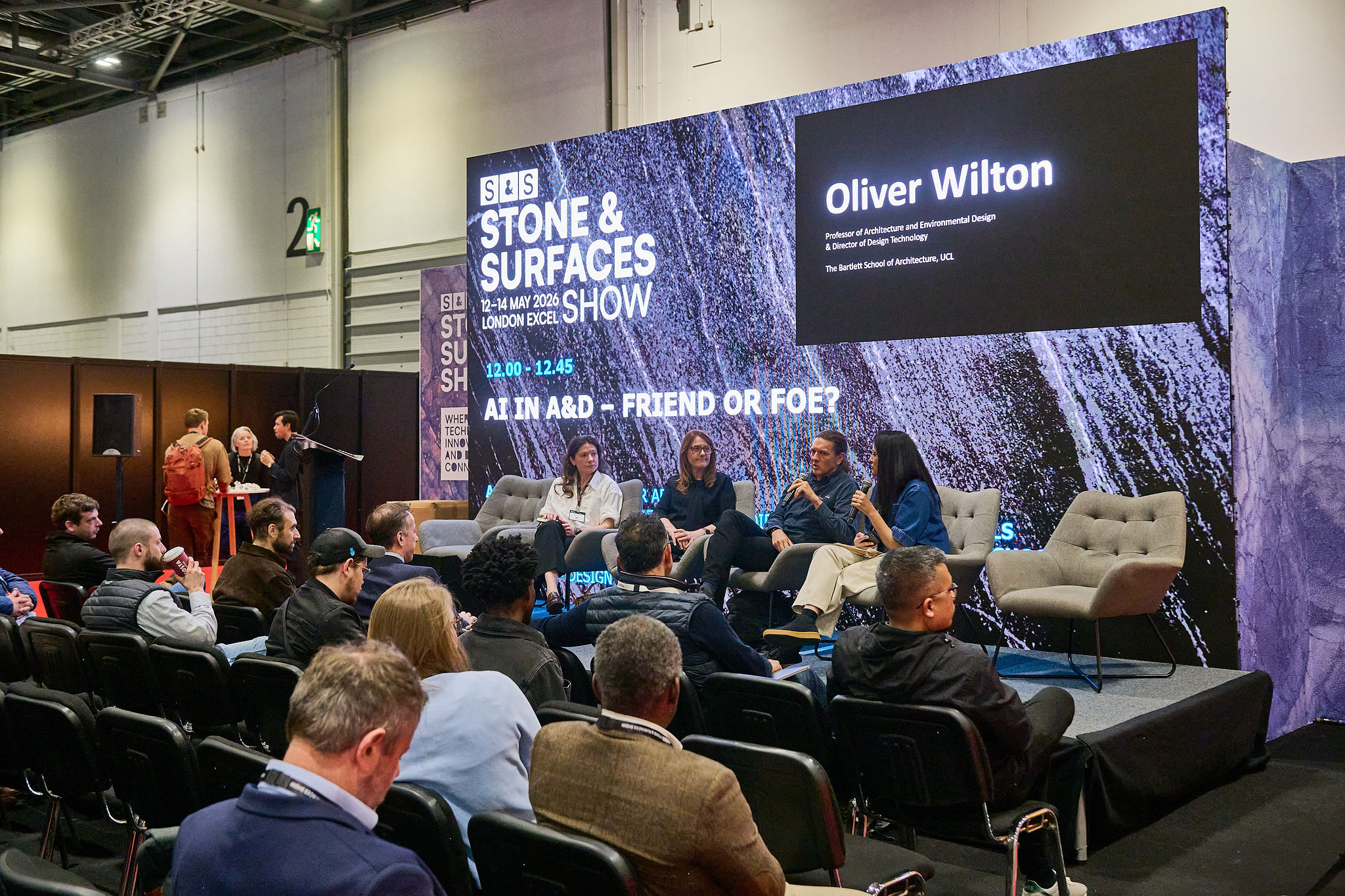
Overall, the show highlighted how the industry is no longer defined solely by extraction and the fabrication of new materials, but by how materials perform together, the application of reuse and circularity principles and the roll technology (including AI) is playing in advancing design.
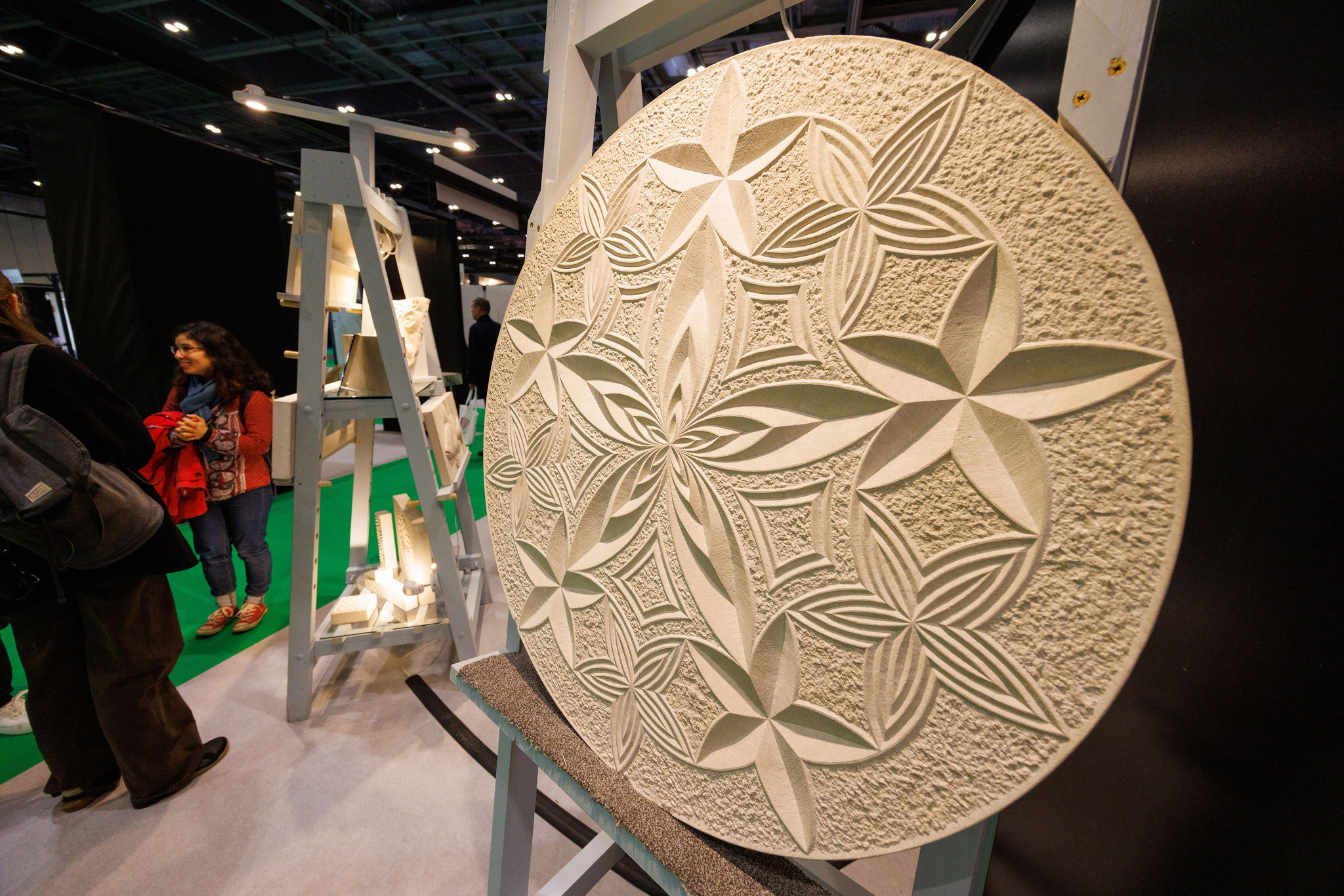
A highlight of the event came via returning exhibitors Portland Sculpture & Quarry Trust. Not content with simply displaying stunning examples of stone carving on the stand, the team also enraptured guests with live demonstrations across the entire three days, engaging students, designers and contractors alike.
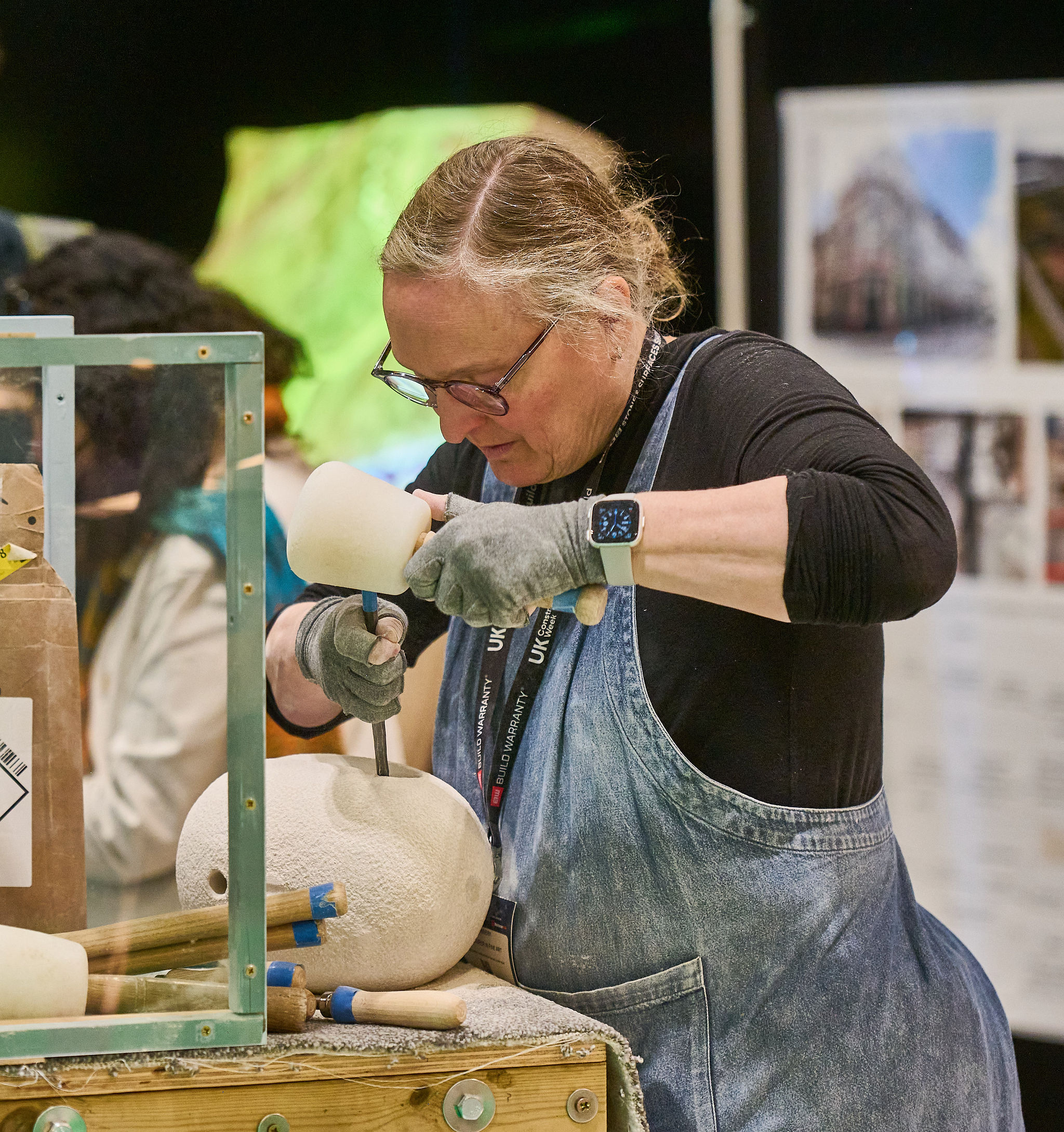
The demonstrations highlighted masonry as both a heritage craft and a future-facing profession, introducing visitors to carving techniques, tooling and the wider career pathways available within the stone sector. The consistent crowds gathered around these activities reflected ongoing industry concerns around skills succession while showcasing the enduring relevance of traditional craftsmanship.
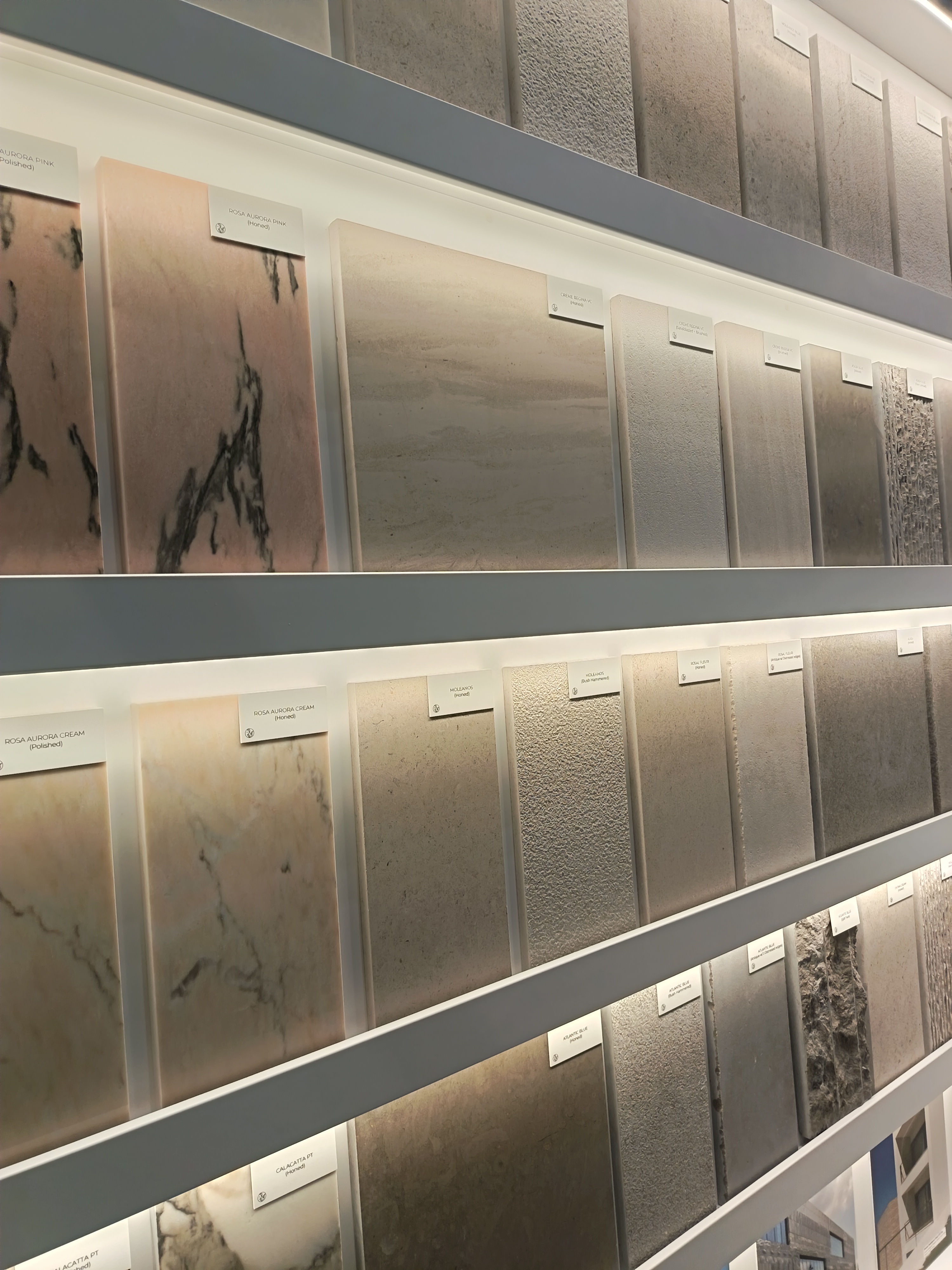
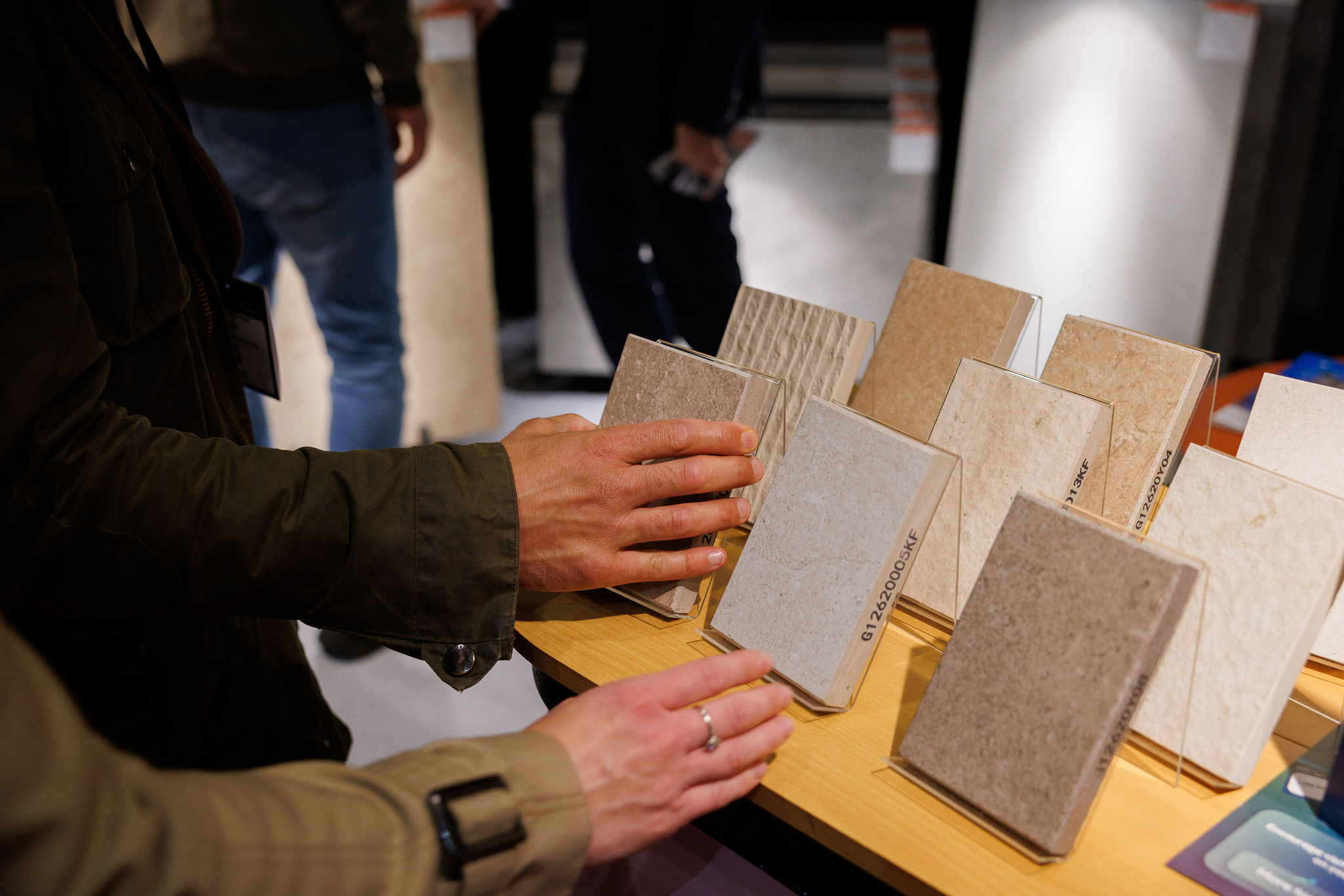
In terms of the defining trends spotted at the show, variations in surface texture came to the fore. Portuguese stone supplier Dimpomar presented a refined palette of limestones and marbles, emphasising tactile finishes, from softly honed surfaces to bush-hammered textures that respond subtly to changing light conditions.
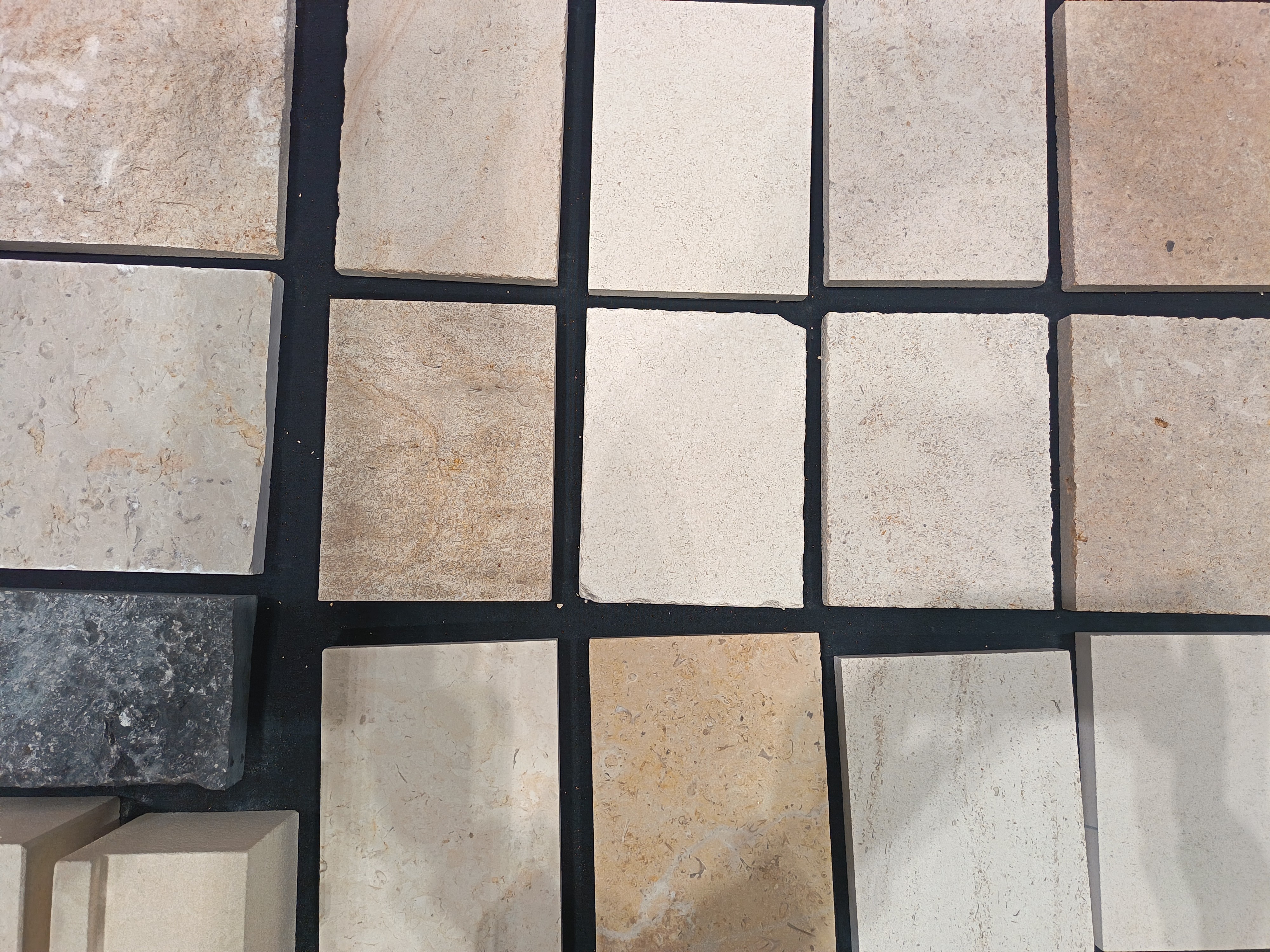
The emphasis here moved away from high polish toward finishes that prioritise material authenticity, as reflected by Arcturus Stones, who showcased stone surfaces designed to deliver visual depth without excess, with split-face and textured finishes demonstrating how stone is increasingly specified to introduce atmosphere and tactility rather than visual statement alone.
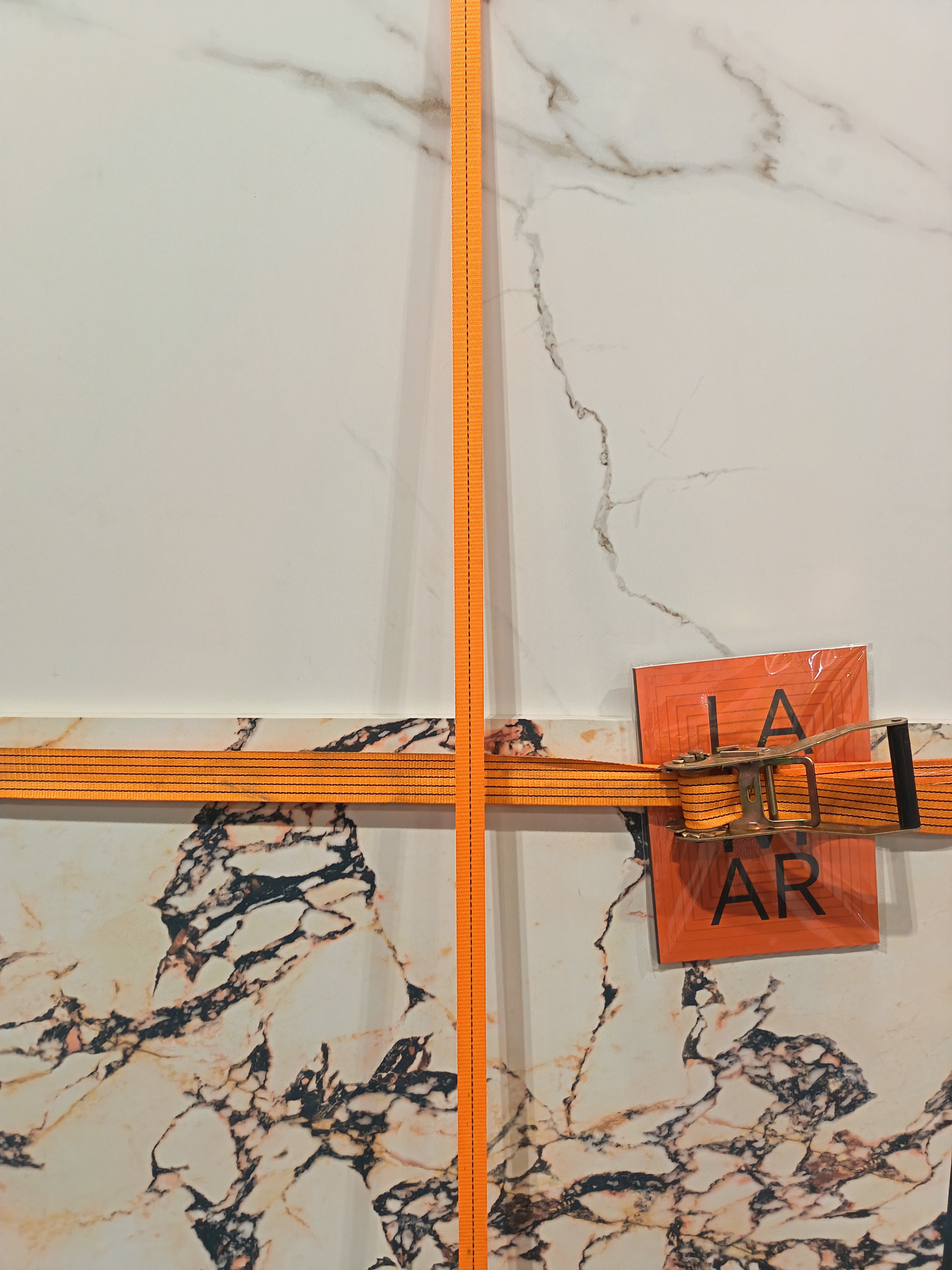
Large-format materials, rather naturally, also stood out, reflecting ongoing demand for seamless surfaces in residential and commercial interiors. LaMar Ceramics highlighted expansive porcelain slabs suited to worktops, façades and interior cladding, demonstrating how fabrication technologies now allow ceramic materials to operate at architectural scale.
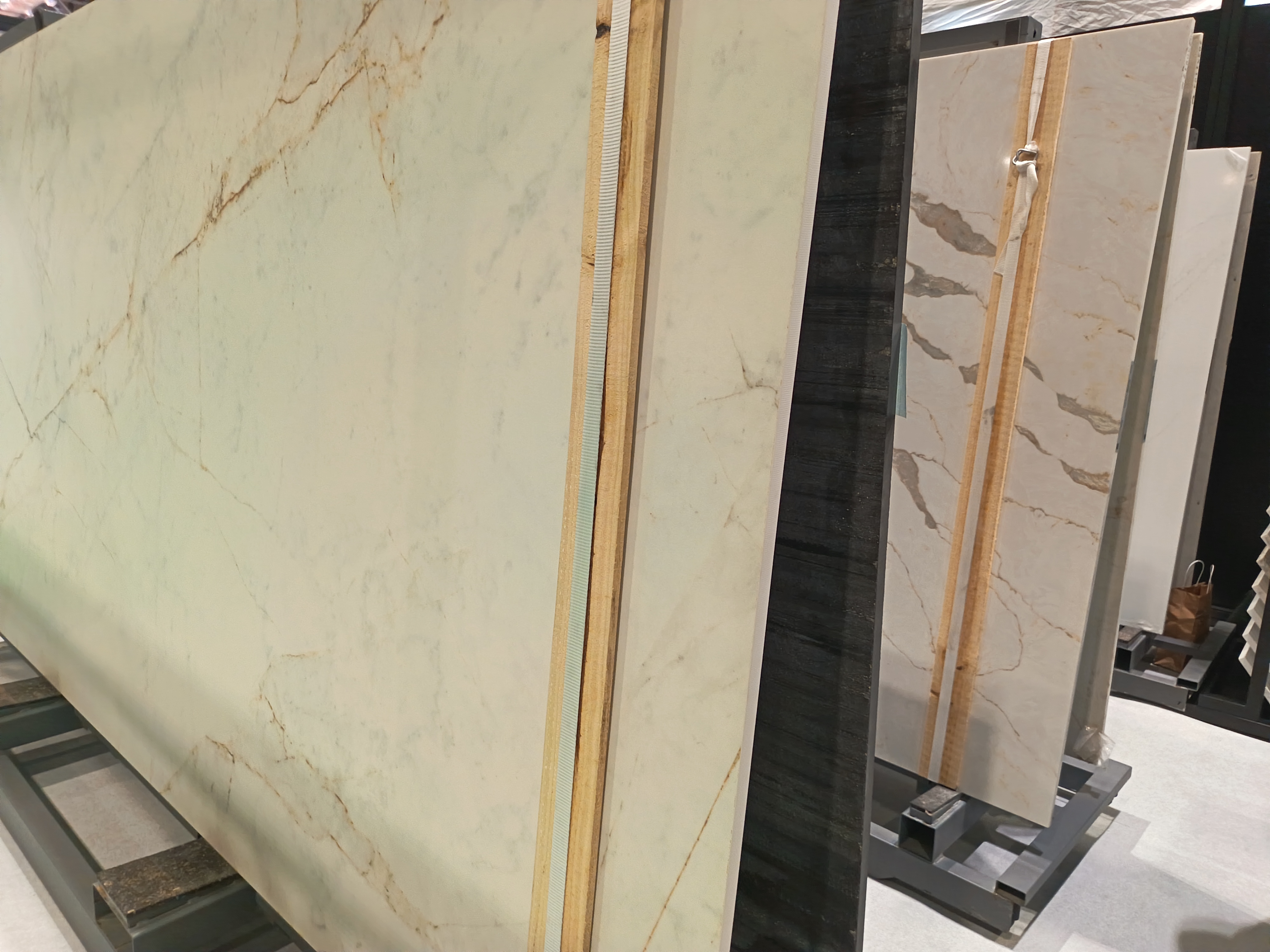
Complementing this, RT Stone presented large-format stone and engineered solutions aimed at reducing joint lines while maintaining the visual integrity of natural material patterns. The convergence between stone and advanced ceramics was particularly evident, underscoring the exhibition’s wider surfaces identity.
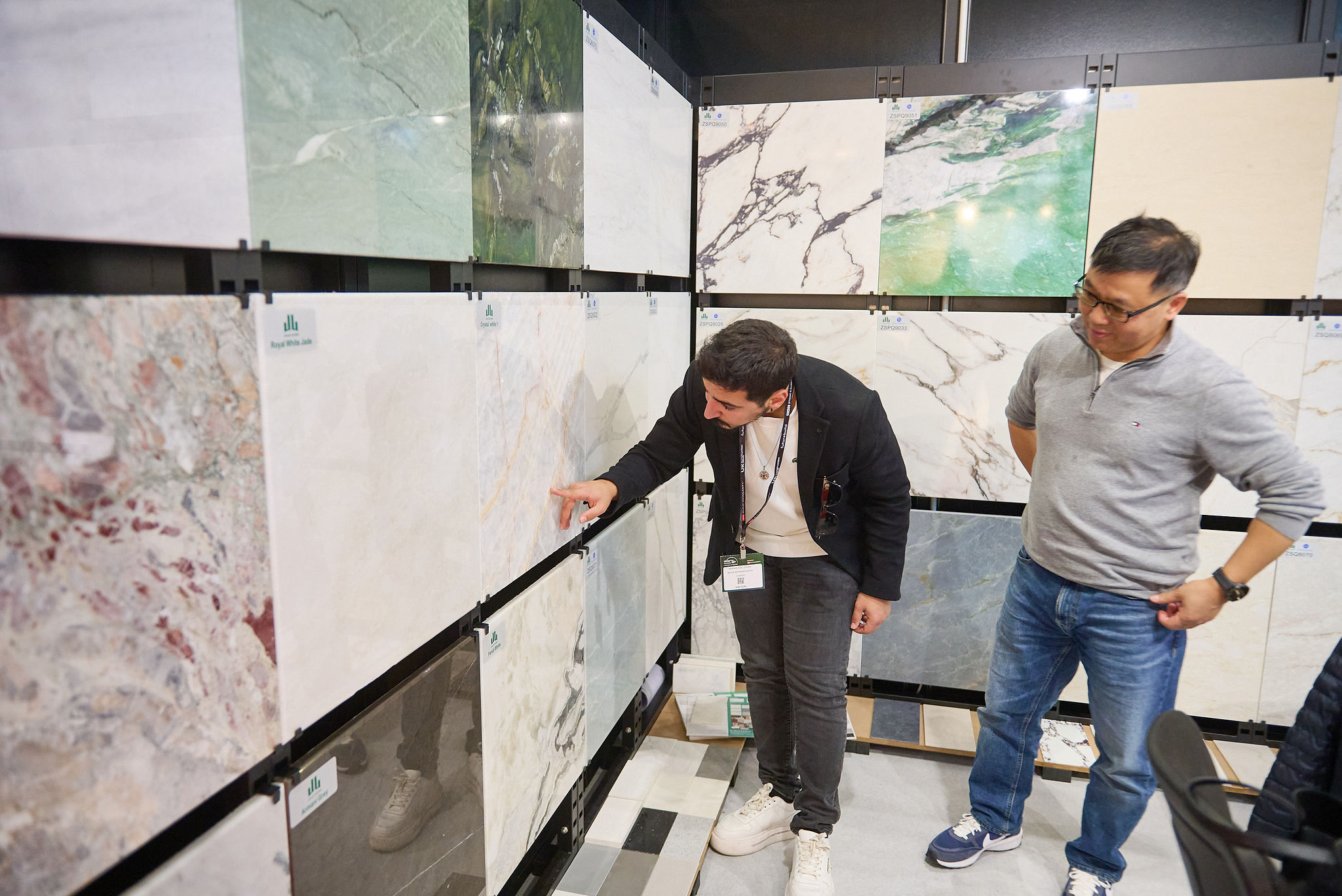
While lightly coloured surfaces defined many displays, not least veined quartz from the likes of Xiamen Jialei Stone, there was also room for expressive, even maximalist materiality. Goldtop Stone drew attention with semi-precious stone offerings, including agate and gemstone panels designed for feature walls and high-end interiors.
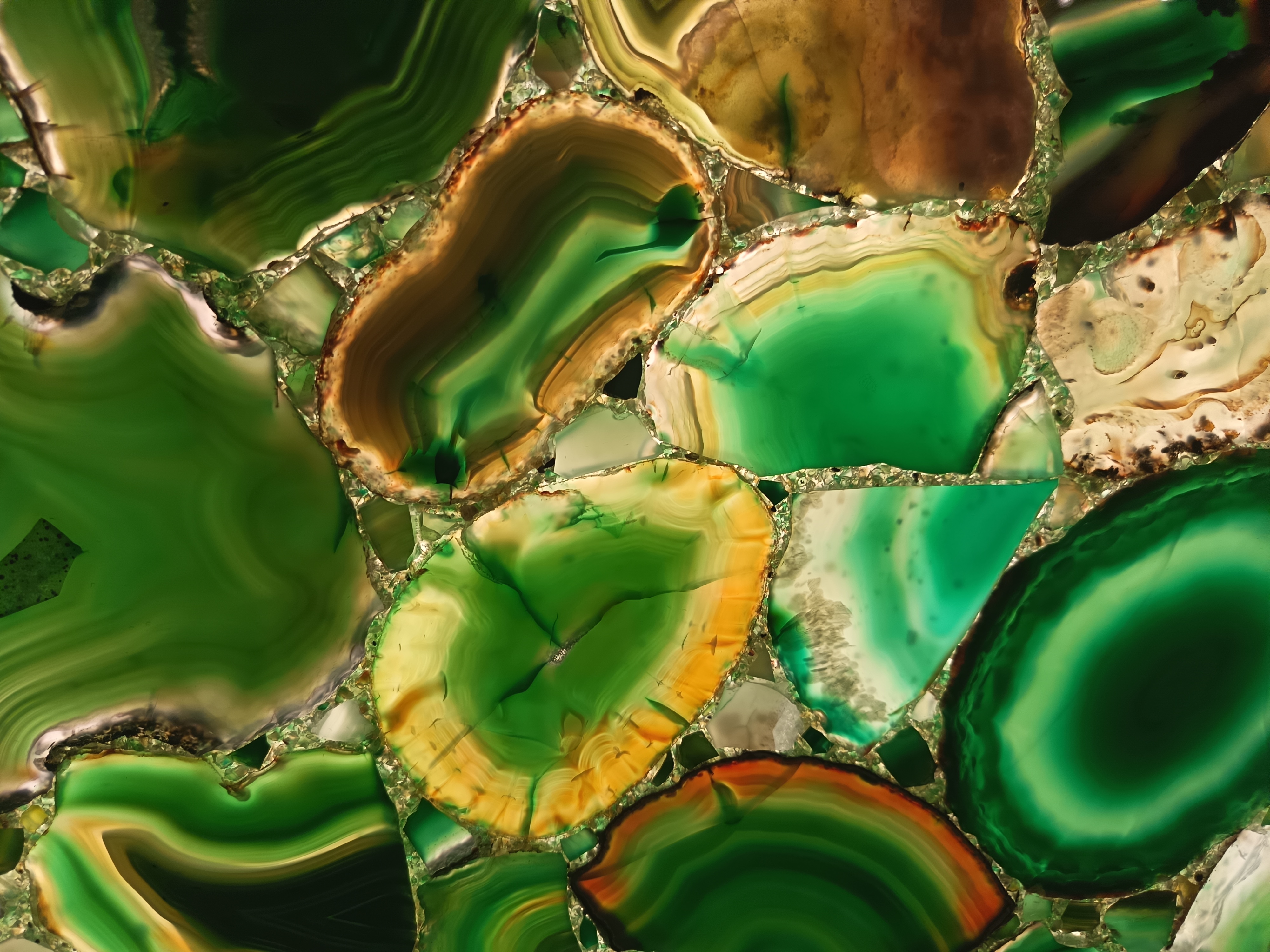
These installations illustrated a parallel direction within the industry: alongside minimalism and texture-led design, there remains strong demand for statement materials capable of delivering colour, translucency and visual drama when used selectively.
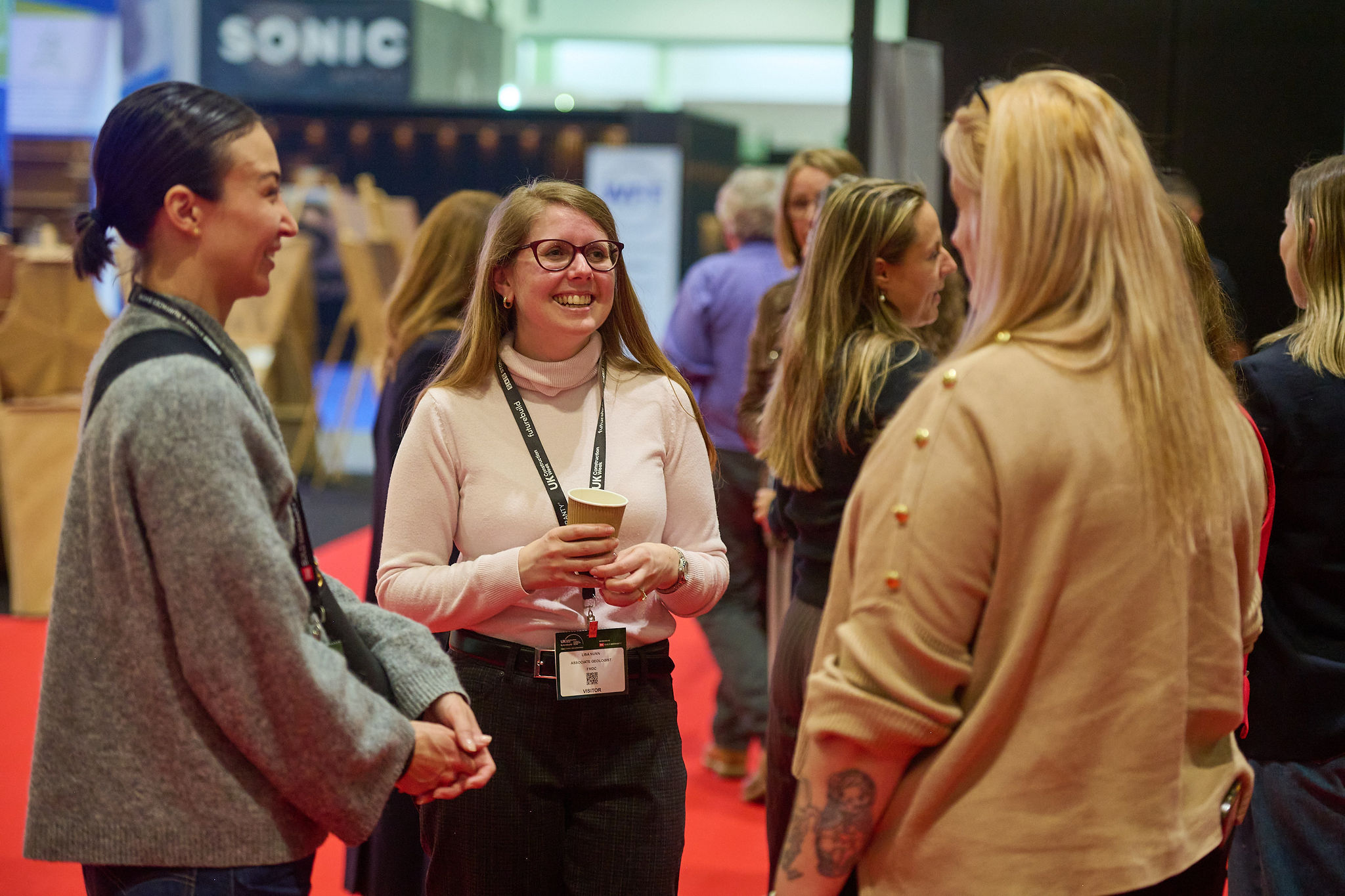
Beyond product launches and technical discussions, the social programme reinforced the industry’s growing focus on inclusivity and professional networks. Women in Natural Stone (WINS) hosted an informal drinks reception during the show, bringing together professionals from across the sector for networking and conversation. As organiser Lisa Nunn noted: “It was great to network and meet up with so many women at the Stone & Surfaces Show. Thank you to everyone who took the time to stop and chat, we are looking forward to our upcoming events and continuing to grow the WINS network.”
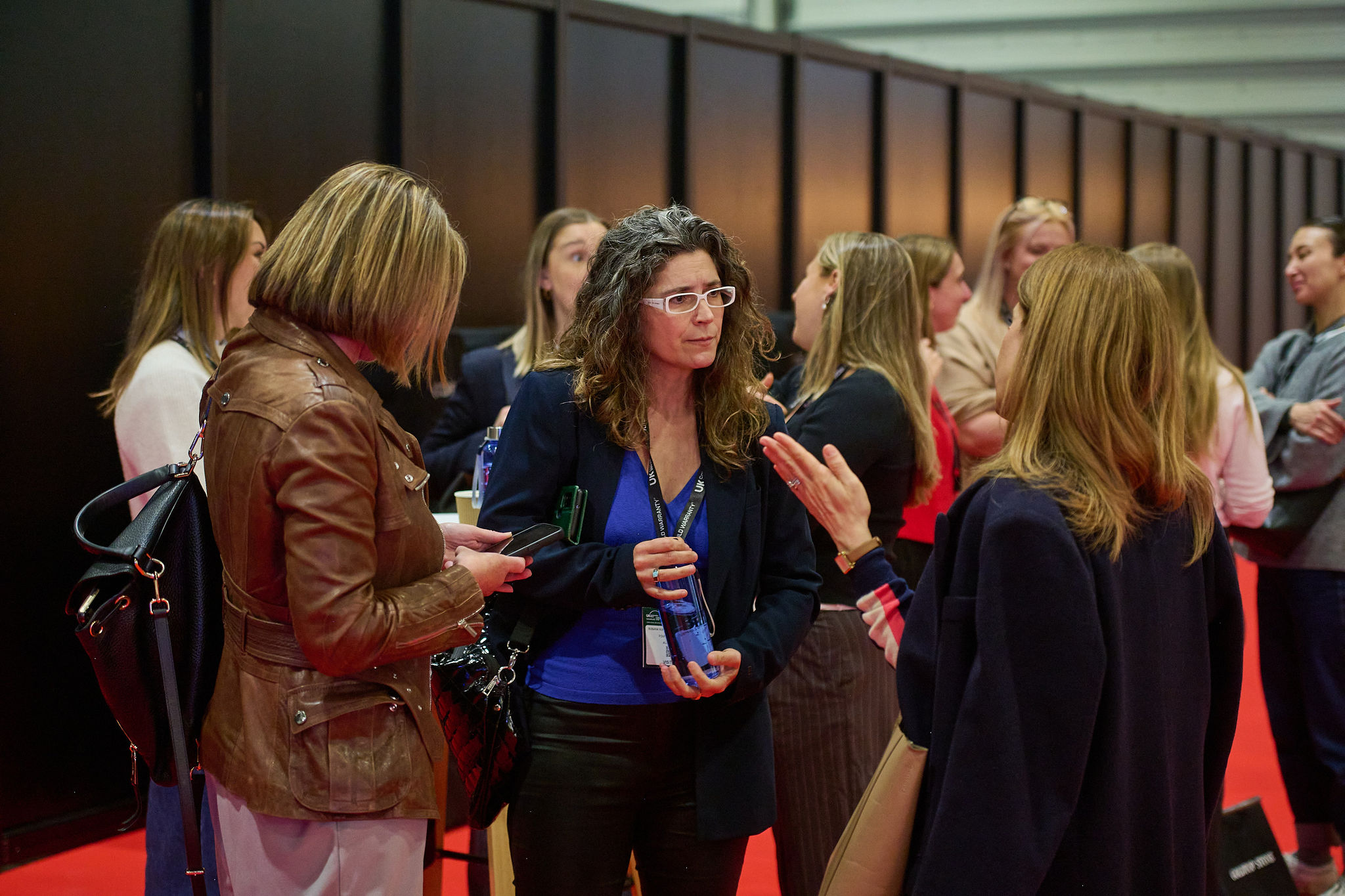
Stone & Surfaces Show 2026 ultimately highlighted that natural stone remains fundamental to architecture and design, not least with the growing move (back) towards structural stone, as highlighted by the likes of Amin Taha, Justin McGuirk and Eleonora Regni on the Main Stage. Yet its role is expanding, positioned alongside ceramics, engineered materials and hybrid systems rather than in competition with them. The prominence of textured finishes, the continued rise of large-format surfaces, renewed emphasis on education and skills, and the strengthening of professional networks all pointed toward an industry increasingly defined by collaboration, material intelligence and a broader understanding of surfaces within contemporary architecture and design.
We’ll see you there for the next exciting installment this time next year!