

News: DBR Reinstates Grand Hall Statuary at Olympia London

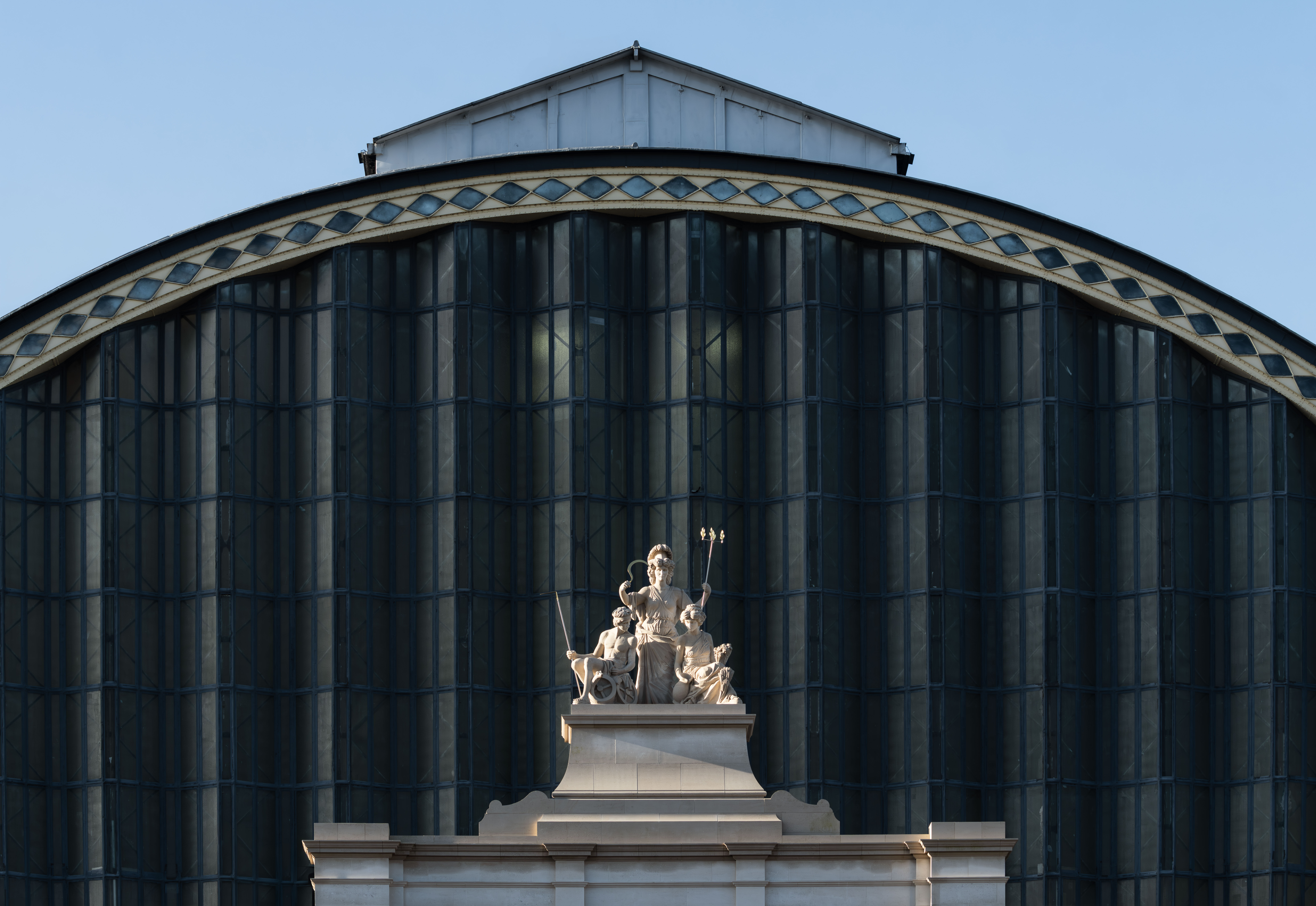
London is a city famed for its far-reaching history and rich cultural identity, which is imbued within the ever-evolving layers of architecture that make up the capital city. But, rather inevitably, as the built environment changes, elements can disappear - even those created from that seemingly permanent of all materials, stone.
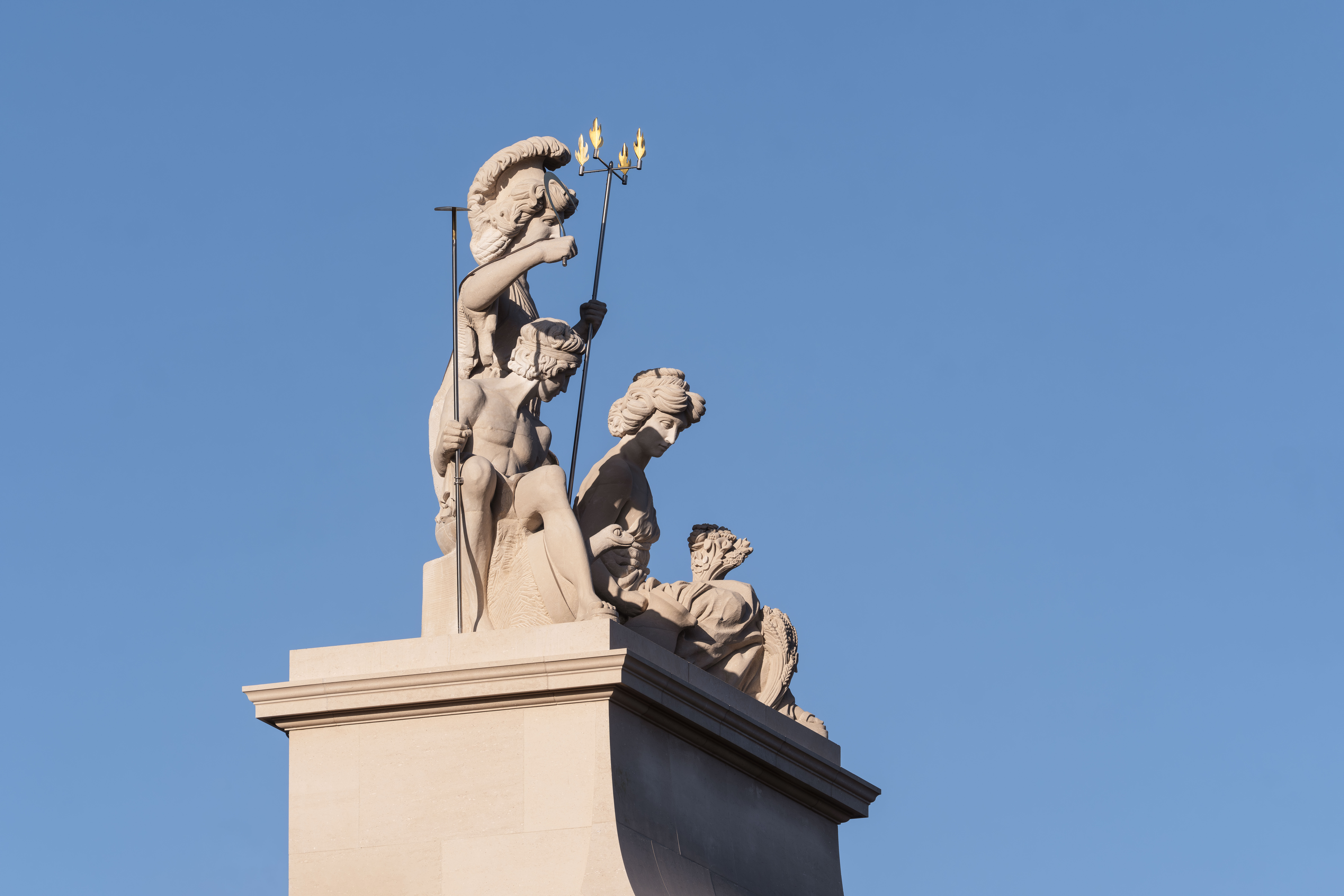
The reinstatement of the lost statuary at the Grand Hall entrance of Olympia London represents two years of careful historical research, engineering and traditional stone carving. Completed by specialist conservation contractor DBR, the project restores three significant figures removed during mid-20th-century alterations, returning the Victorian façade to its intended composition.
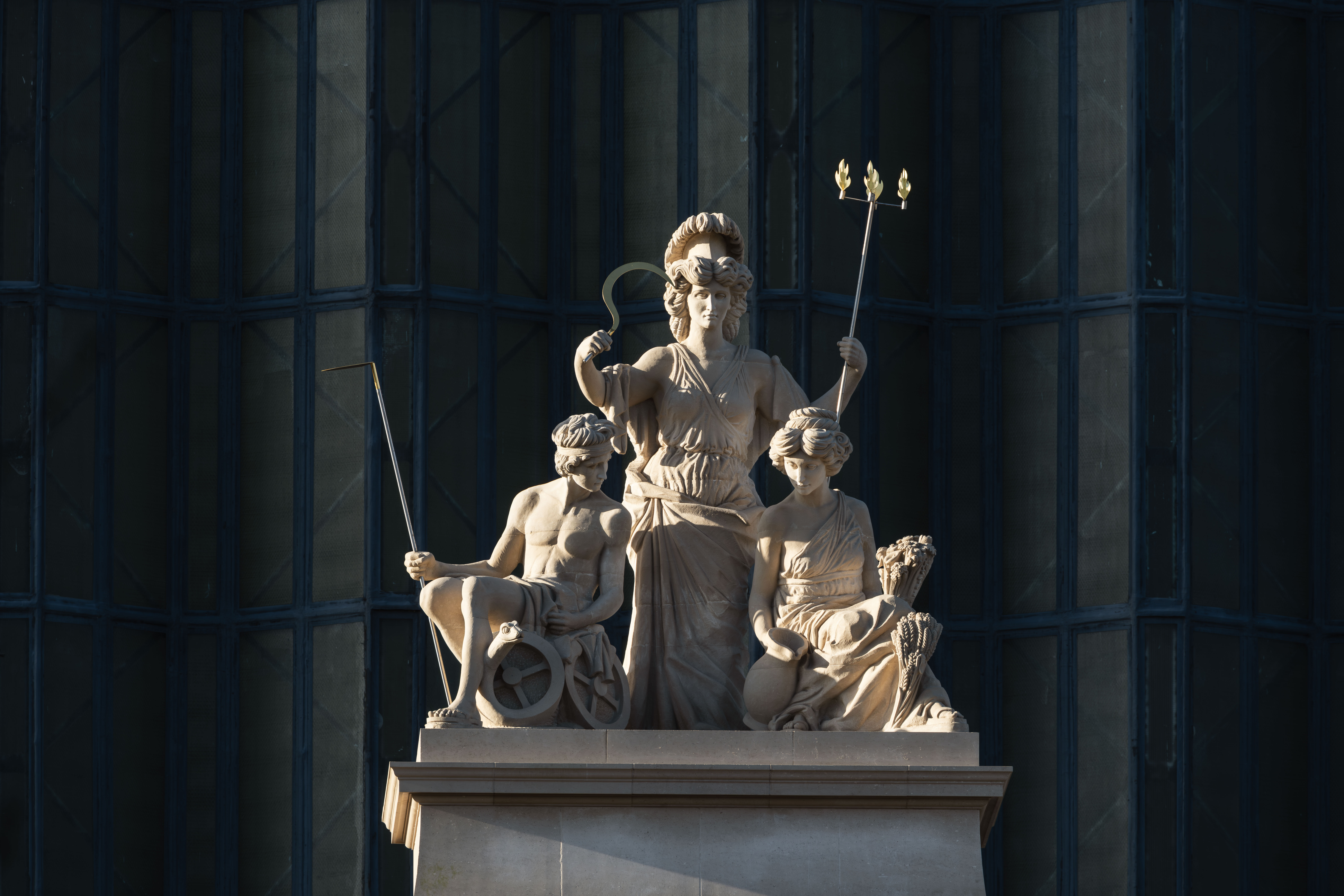
Originally constructed in 1886 as the National Agricultural Hall, Olympia’s entrance pediment was designed with sculptural figures that expressed the building’s agricultural purpose. Historic records referenced only a seated figure of Britannia, yet archival photographs suggested a more complex arrangement. DBR’s conservation team undertook an extensive investigation, consulting historical sources and sculptural specialists to establish the original scheme.
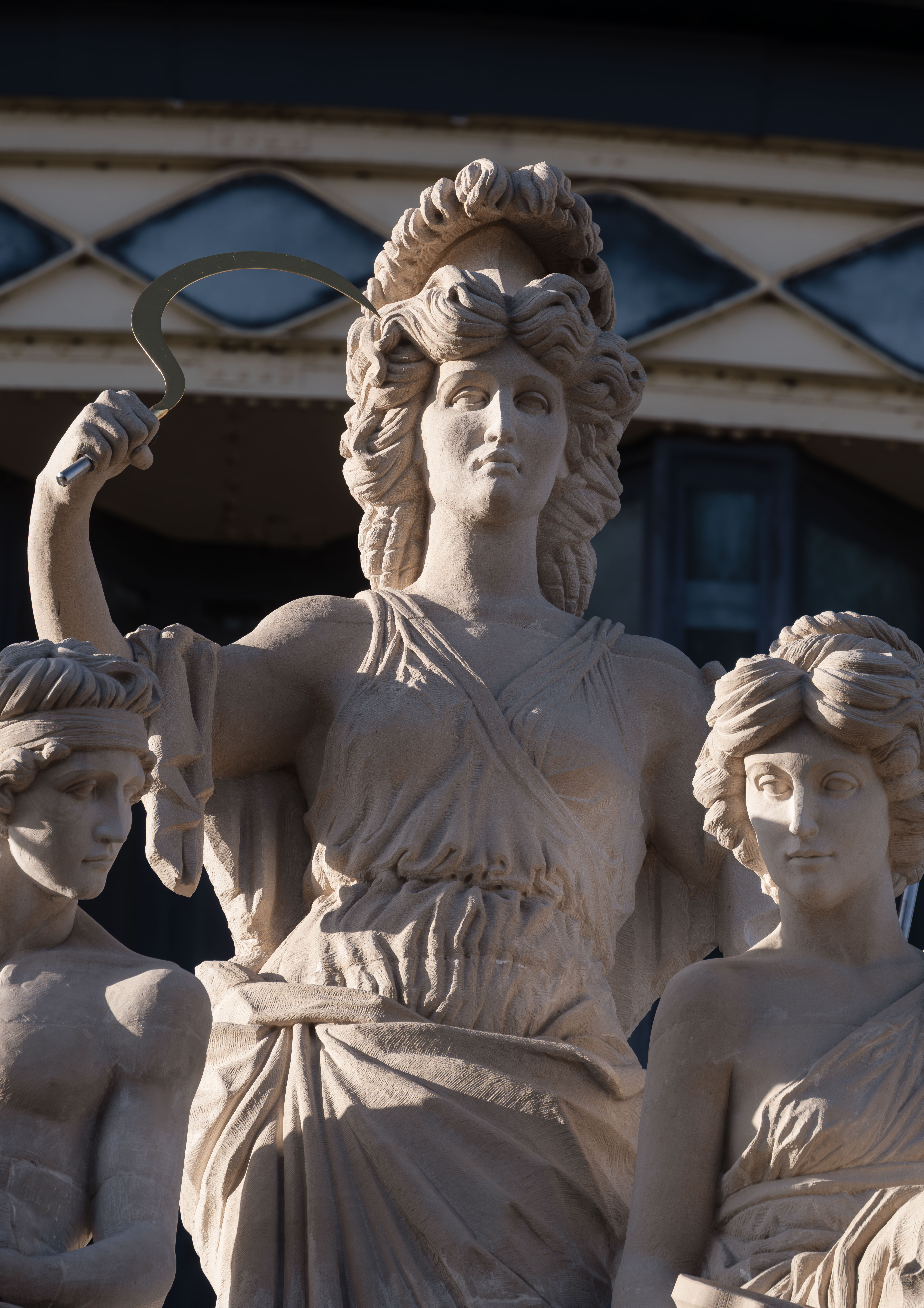
Research identified the figures as Demeter, Greek goddess of agriculture, flanked by Triptolemus and Persephone, a classical grouping symbolising cultivation, harvest and renewal. The discovery reshaped the project, allowing reinstatement to proceed on a historically accurate basis rather than conjectural reconstruction.
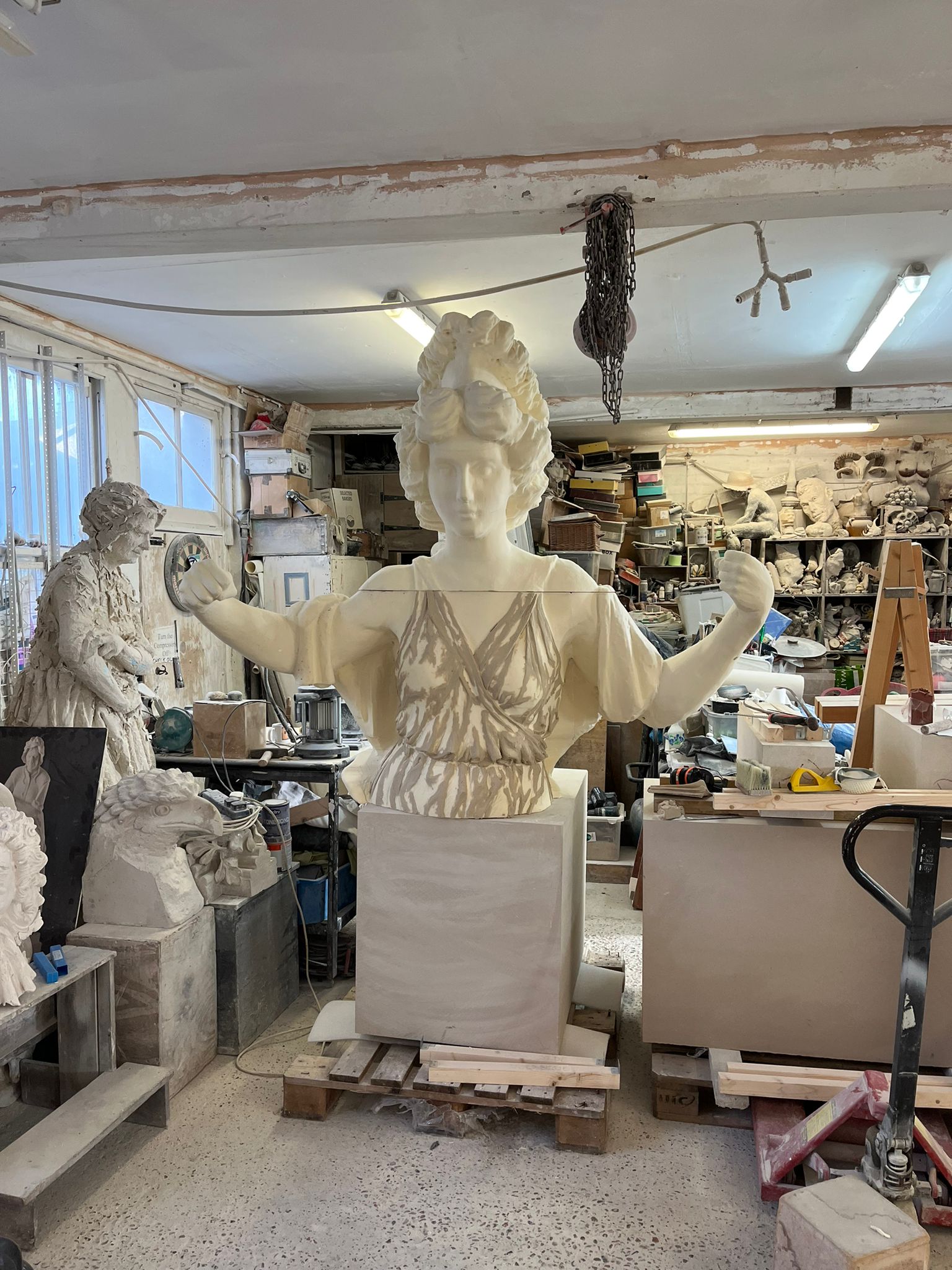
Material selection formed the next critical phase, with new blocks of Portland stone sourced and tested to ensure compatibility with the surviving masonry. Detailed technical drawings established dimensions, jointing and fixing strategies, although a significant challenge was still to come in reinstating the stonework. The original plinth structure had been removed decades earlier, leaving masonry incapable of supporting the weight of the new sculpture. Working within listed building constraints, the team developed a concealed structural steel frame to carry the load while preserving the visual integrity of the pediment. The intervention demonstrates a recurring principle in DBR’s work: modern engineering employed discreetly to sustain historic fabric.
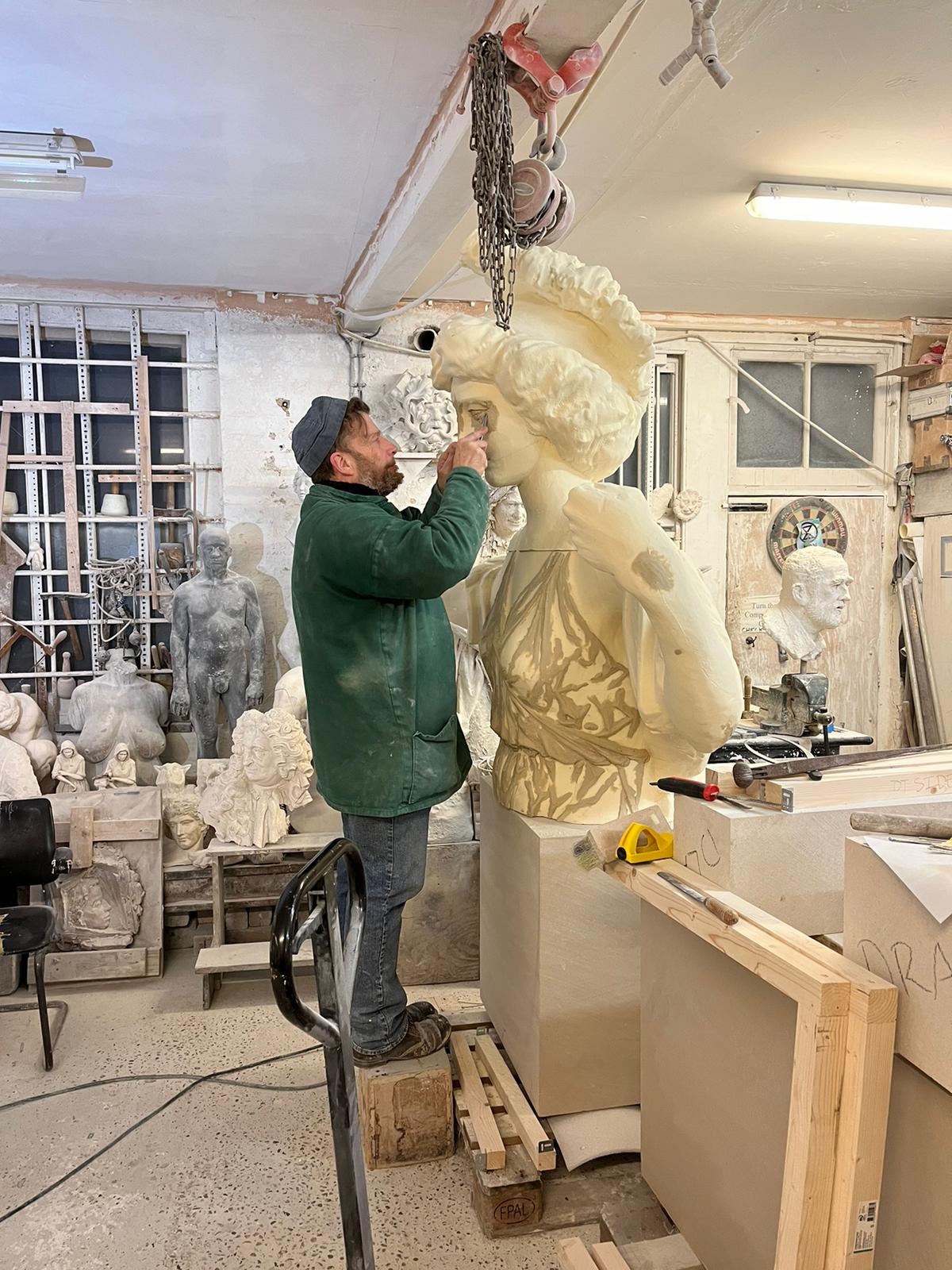
The carving itself was led by master mason Simon Smith and DBR’s in-house team of specialist carvers, using historic photographs alongside classical sculptural references. Once the hand carving was complete, each element was lifted, positioned and jointed with precision, balancing traditional craftsmanship with contemporary installation methods.
Indeed, the project reflects DBR’s broader position within the conservation sector. Working across projects ranging from major public landmarks to smaller heritage buildings, the company has developed a model that combines craft skills, technical management and research-led conservation. This approach recognises that restoration increasingly requires interdisciplinary collaboration, not only to preserve architectural character but also to extend the lifespan of existing buildings as part of a more sustainable construction culture.
In an era when retrofit and conservation are central to reducing embodied carbon, projects such as this demonstrate how reinstatement and repair can contribute to both cultural continuity and environmental responsibility.