

News: IWD Survey Signals a Shift in the Industry

As the construction and manufacturing industries continue to grapple with skills shortages and changing technologies, insights shared around International Women’s Day suggest that digital transformation may be helping reshape opportunities for women across the sector.
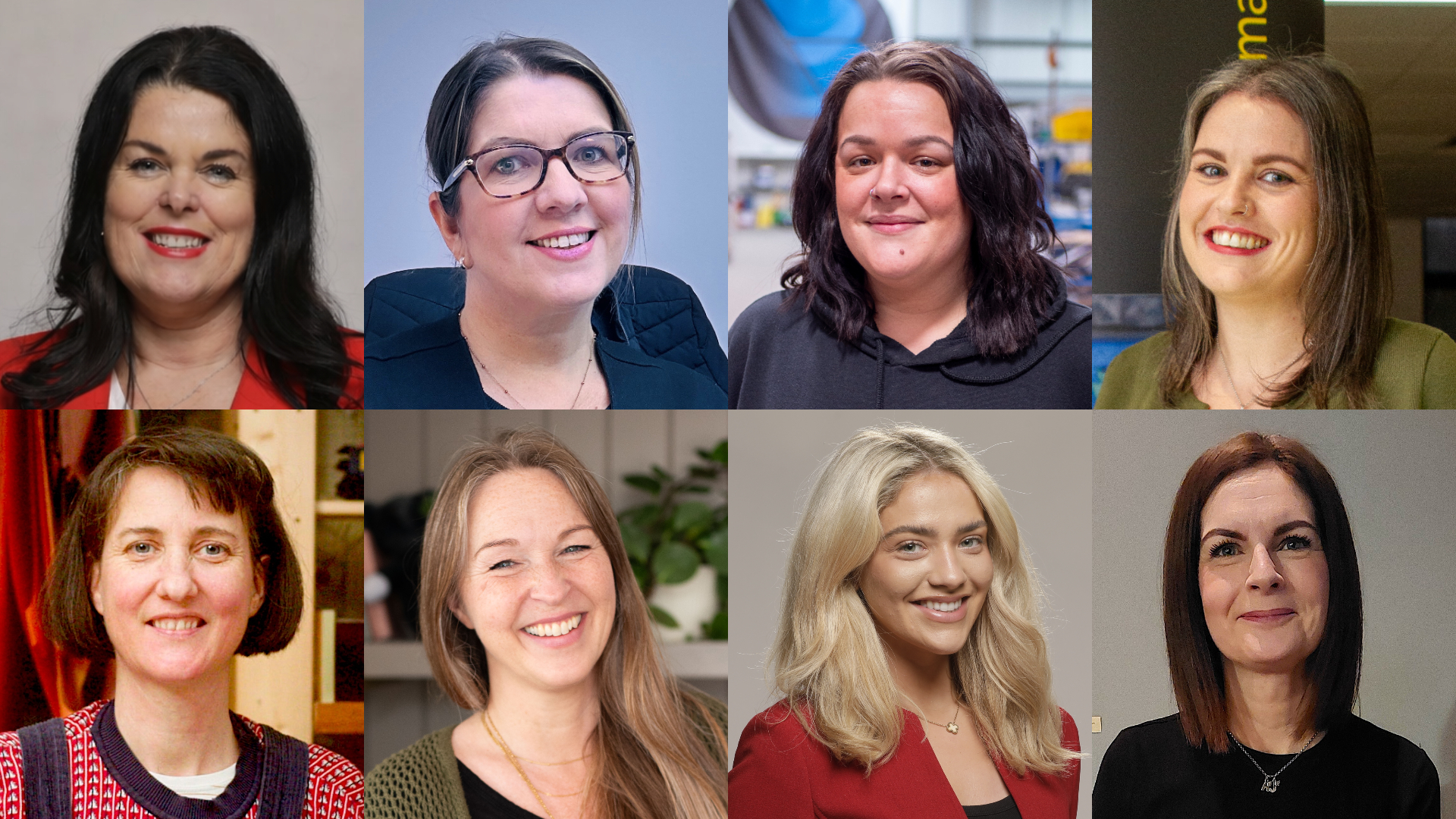
In addition to the upcoming WINS event we shared, a recent survey carried out by Made Smarter Yorkshire, the government-backed technology adoption programme, gathered reflections from women working across Yorkshire’s manufacturing base – from shop floor roles to senior leadership. Their responses paint a picture of an industry undergoing rapid change, where automation, data and digital tools are shifting long-held perceptions of manufacturing work.
Although women currently make up around a quarter of the UK manufacturing workforce, contributors to the survey suggested that progress within individual businesses may be moving faster than national figures indicate. The responses highlight how digital systems, leadership development and changing workplace cultures are helping broaden participation across traditionally male-dominated sectors.

Amanda Buckley
For many respondents, the most significant shift has been technological. Among the voices included in the survey is Anna Buckley, co-founder of Mindful Memorials, a fourth-generation stonemasonry business based in East Yorkshire. Buckley believes digital systems are opening new possibilities even within traditional craft-led industries such as memorial masonry.
“Technology and smarter systems have opened up enormous opportunities,” she said. “They’ve given confidence to innovate and modernise traditional industries, while still honouring craftsmanship.”
Mindful Memorials represents a new generation of stone businesses exploring how technology can complement heritage skills. Alongside conventional memorial production, the company has embraced digital tools in design and client communication, helping make the traditionally conservative memorial sector more transparent and accessible for families.
Buckley’s experience reflects a broader pattern across construction and manufacturing, where digital modelling, CNC machining and design software are increasingly integrated into stone processing, fabrication and architectural supply chains. For smaller firms in particular, these tools can help bridge the gap between traditional workshop practice and contemporary design expectations.
The survey also highlights noticeable cultural shifts across manufacturing workplaces. Several respondents noted that female representation has improved significantly over the past two decades, with more women visible in technical roles, engineering positions and board-level leadership.
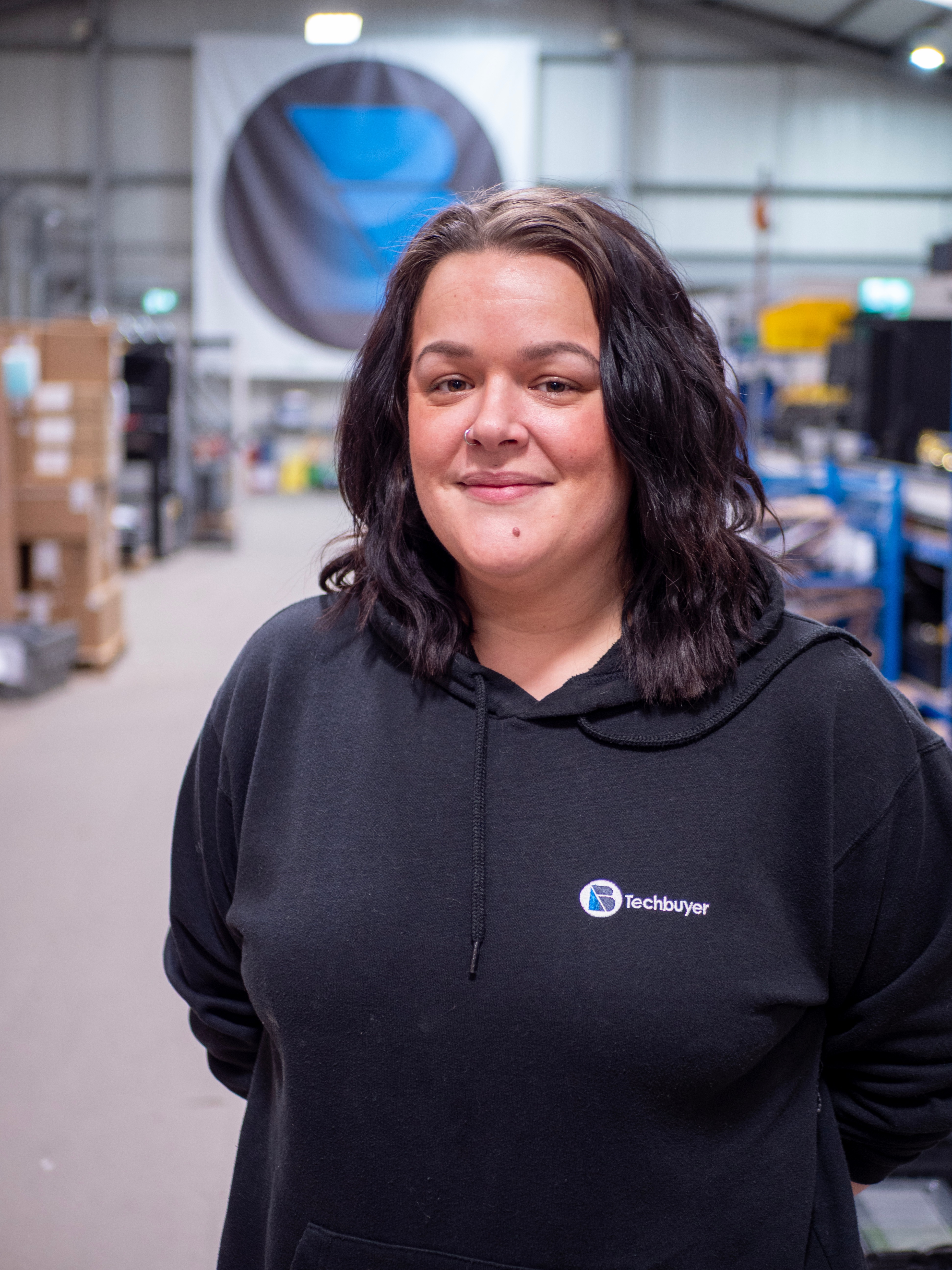
Leila Graham
Leila Graham, a drive test operative at technology company Techbuyer, said attitudes have changed markedly during her 16 years in the industry.
“Back then, I saw unconscious and conscious bias all the time,” she said. “There was little female representation. Today, a lot of that has changed.”
However, the research also points to ongoing challenges around perception and recruitment. Several contributors argued that careers guidance and outreach at school level remain critical to attracting more women into technical industries.

Amanda Johnston
Amanda Johnston, Associate Director of Innovation at Sheffield Hallam University and a board member of Made Smarter Yorkshire, believes engagement must start early.
“From around the age of 10 onwards there can be a strong perception that STEM subjects are for boys,” she said. “Changing that narrative earlier could make a real difference.”
For programmes such as Made Smarter Yorkshire, digital transformation is emerging as a powerful catalyst for change. By encouraging manufacturers to adopt automation, data analytics and digital systems, the initiative is also helping create new roles that require technical thinking rather than purely physical labour.
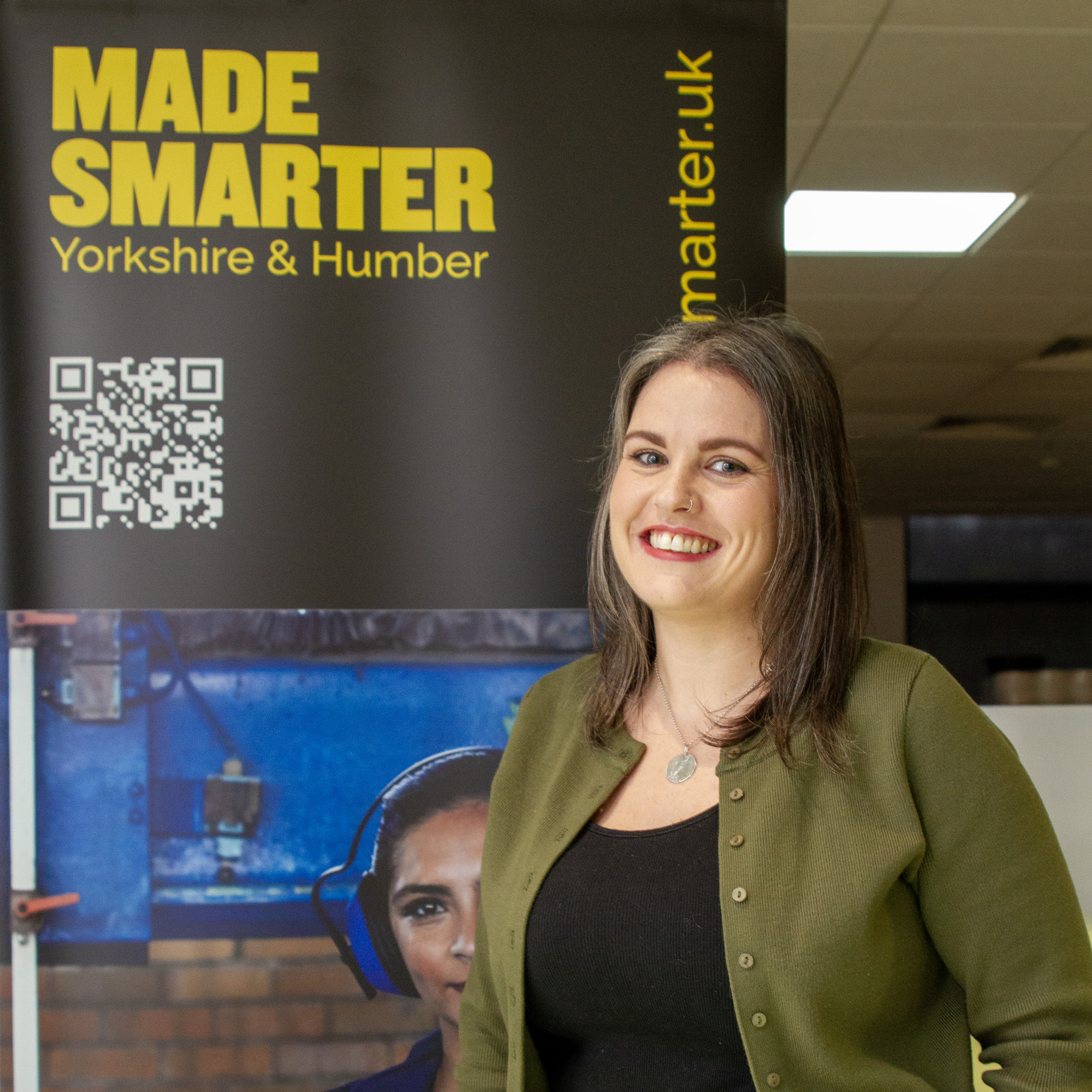
Jessica Armitage
Jessica Armitage, Programme Manager for Made Smarter Yorkshire, said the organisation is already seeing the results.
“We’re seeing more women stepping into technical, leadership and innovation roles as businesses adopt digital technologies,” she said.
For sectors such as stone manufacturing and construction – industries rooted in craft but increasingly shaped by digital tools – that shift could prove particularly significant. As Buckley’s work with Mindful Memorials demonstrates, the next phase of manufacturing may be defined not by the replacement of traditional skills, but by how technology helps extend and reframe them.