

News: Making Reuse More Than a Concept

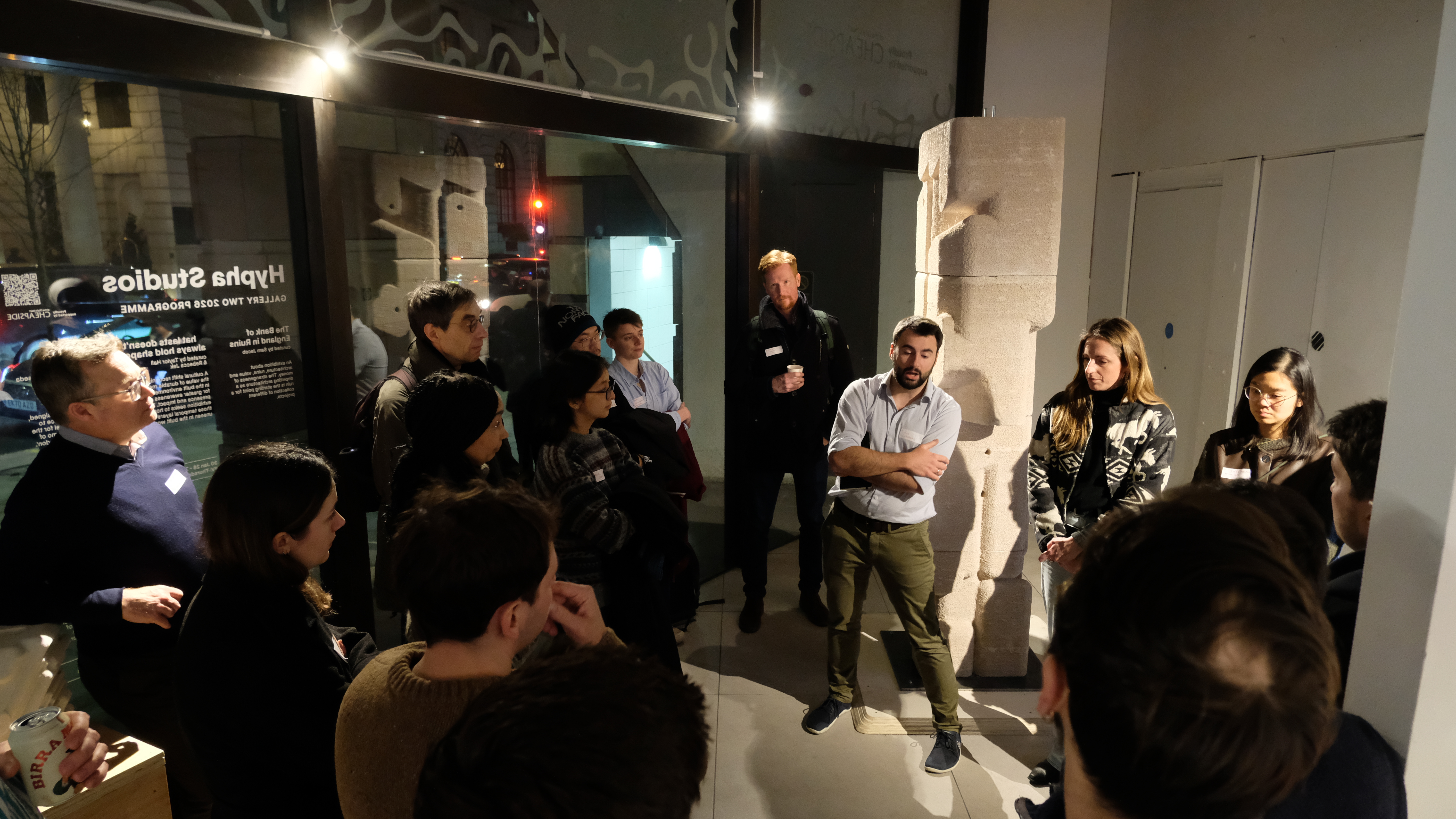
While the exhibition What Lasts Doesn’t Always Hold Shape may have drawn to a close following a run at Hypha Gallery, 1 Poultry, London, the impact of the work on display and the rousing presentations and debates it stirred can still be felt.
Indeed, while the event has reached its natural conclusion and ended, one standout discussion organised by Material Index underlined the importance of responsibility, reuse, and, notably, permanence within the built environment.
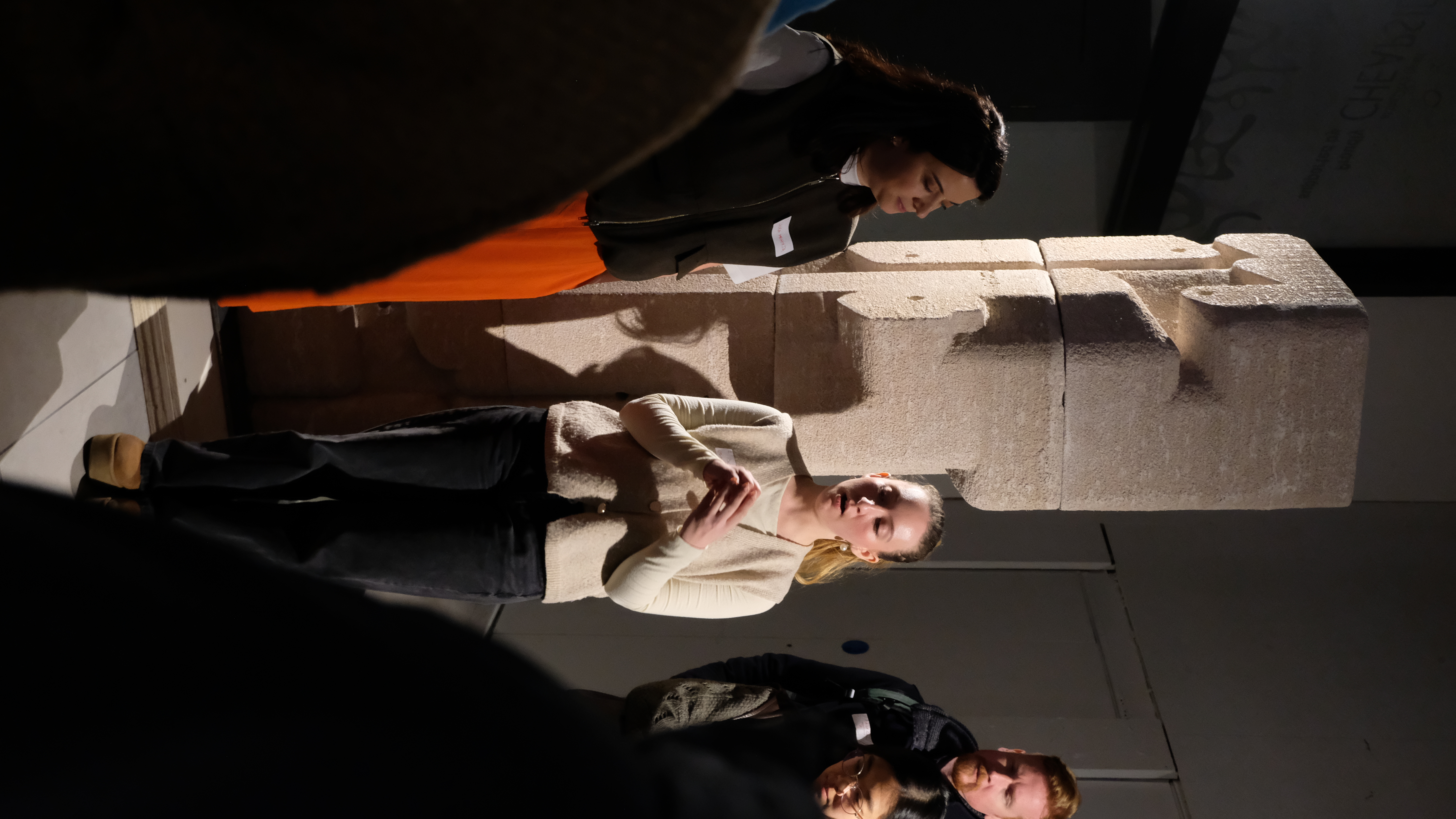
Set among the sculptural works, which explored material memory and impermanence, the discussion extended the team’s ongoing work and brought together architects, engineers, artists and material specialists to consider an all-important but seemingly overlooked question within the industry: what happens to materials when buildings reach the end of their lives?
Following an introduction from curator Rebecca Jak, Olivia Daw, Product Lead at Material Index, framed the evening around this central question, while adding another drawn from the exhibition: what is allowed to last? The prompt shifted discussion away from demolition as an endpoint and towards the decisions, knowledge and detailing required to enable reuse.
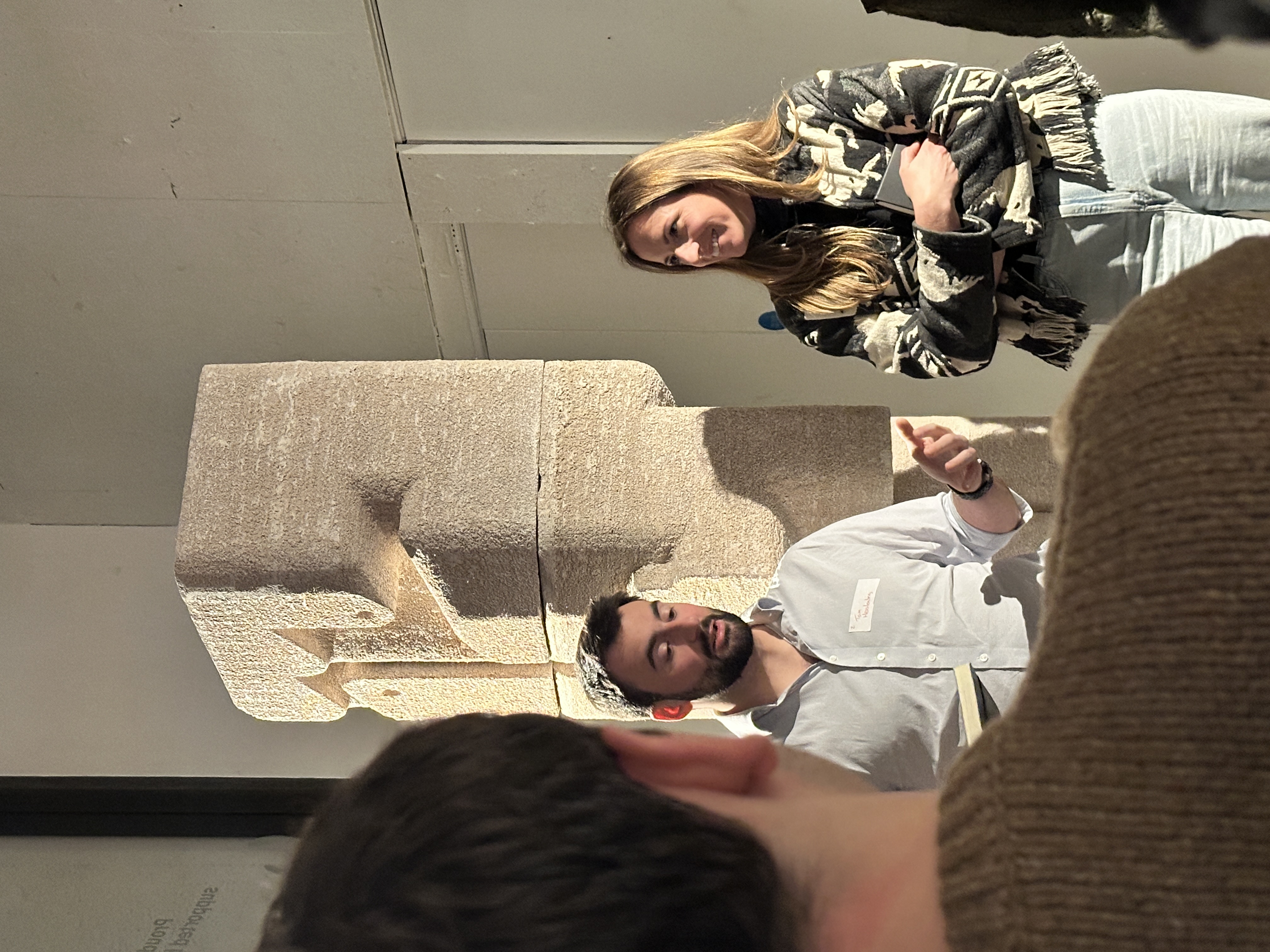
The conversation was led by Bora Malko (Material Index), Katie May Boyd (Studio Tip), Tom Hesslenberg (Elliott Wood Engineers) and Laura Mohirta (Barr Gazetas). Participants reflected on the increasing emphasis placed on retaining structures in situ, while acknowledging the practical challenges that emerge when materials must be removed, assessed and reintroduced elsewhere. What appears straightforward conceptually quickly reveals structural, contractual and logistical complexity.
Another recurring theme was visibility: can reclaimed material be recognised as such, or does reuse remain largely invisible within finished architecture? The question highlighted how aesthetic expectations often sit uneasily alongside circular ambitions. Data and accountability also surfaced repeatedly, with perhaps more questions asked than answered, reflecting a broader issue within the industry. Who holds accurate records of what a building is made from? Who signs off on reused components? The key problem that remains being that without a clear transfer of material information, viable elements risk becoming waste. As Malko asked the room: “When you design something, how often do you think about specifying something reclaimed instead of something new?”
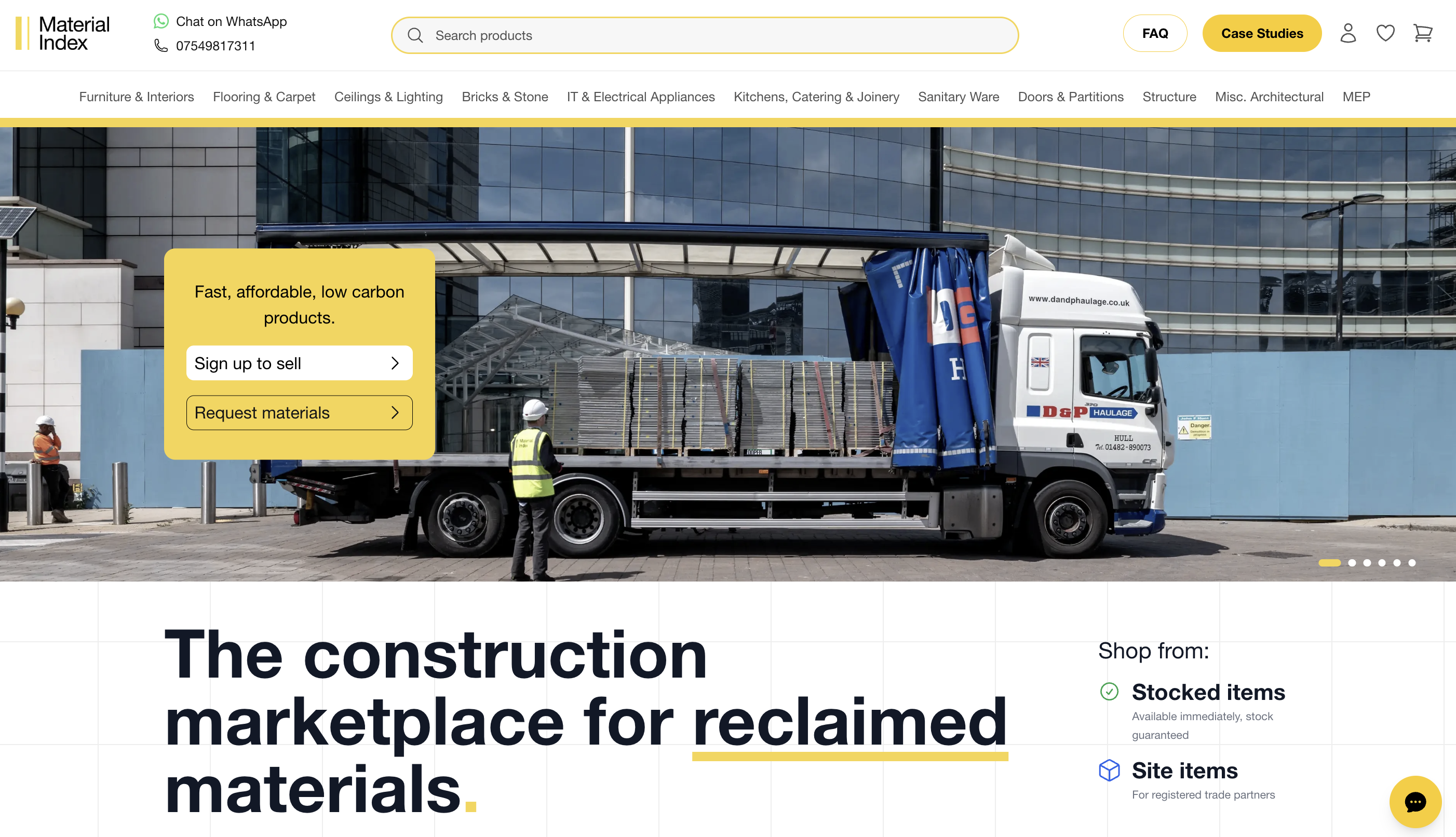
For Material Index, the event reflects a wider ambition to normalise reuse within everyday specification practice. Through its construction marketplace for reclaimed materials, the team hopes that conversations around deconstruction are no longer theoretical but become fundamental to changing industry behaviour. As Daw explains, the organisation “is actively bridging the gap between buildings coming down and buildings going up, making it easier for designers and specifiers to sell, donate and source reclaimed materials and put them back into new projects.”
The conversation around deconstruction isn't abstract for the team and is what informs how Material Index builds the tools and relationships needed to make reclamation viable at scale. As Daw stresses, “the more the industry can be brought into honest conversation about these friction points, the closer we get to a built environment where more is saved, more is reused, and less is lost.”