

Profile: Large Format Porcelain From Florim

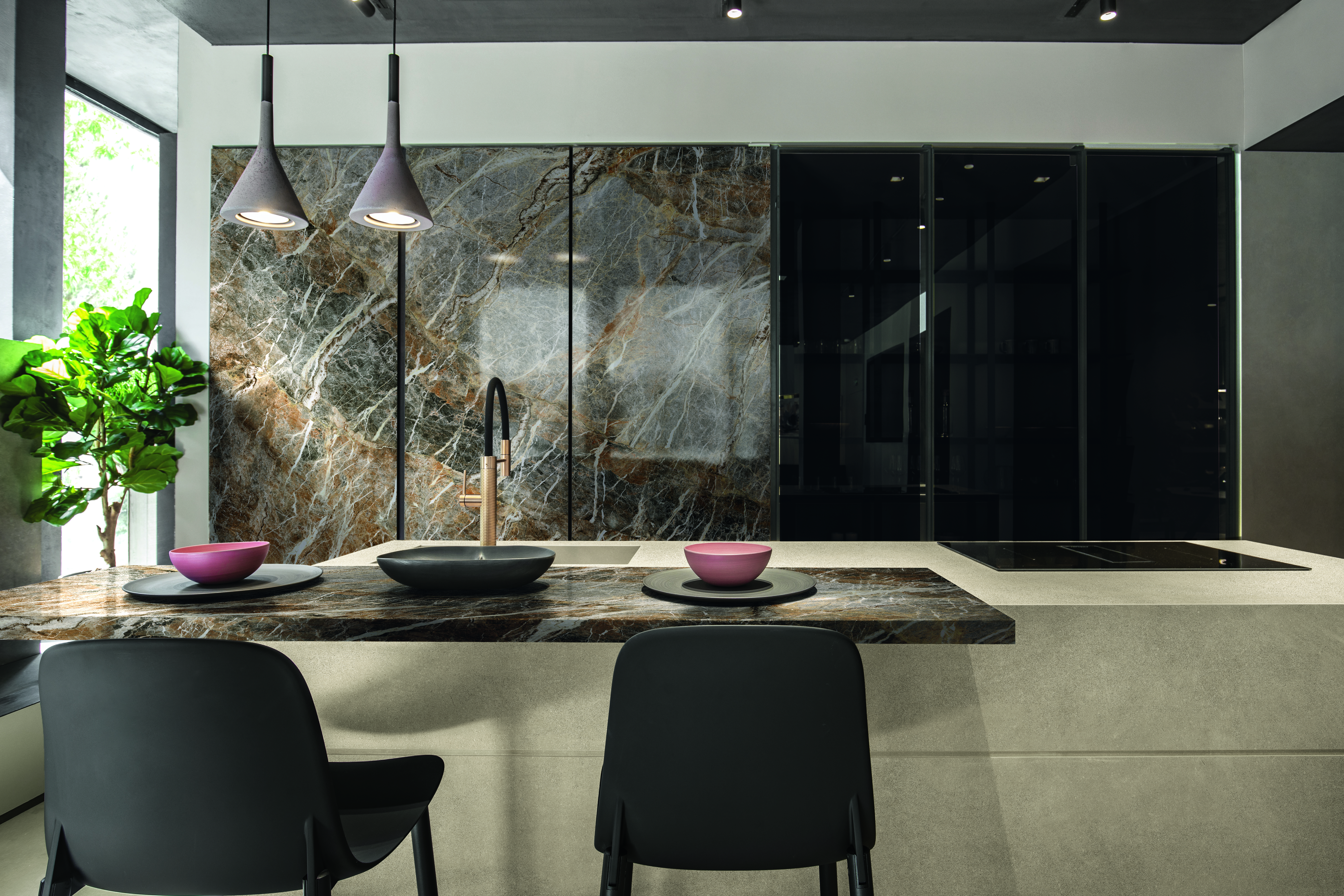
For more than six decades, Italian manufacturer Florim has been a major presence in the global ceramics industry, producing porcelain surfaces for architecture, construction and interior design. Based in Italy’s historic ceramic district, the company has developed a reputation for combining industrial production with design-led research, positioning porcelain stoneware as a material capable of responding to both aesthetic and technical demands in contemporary architecture.
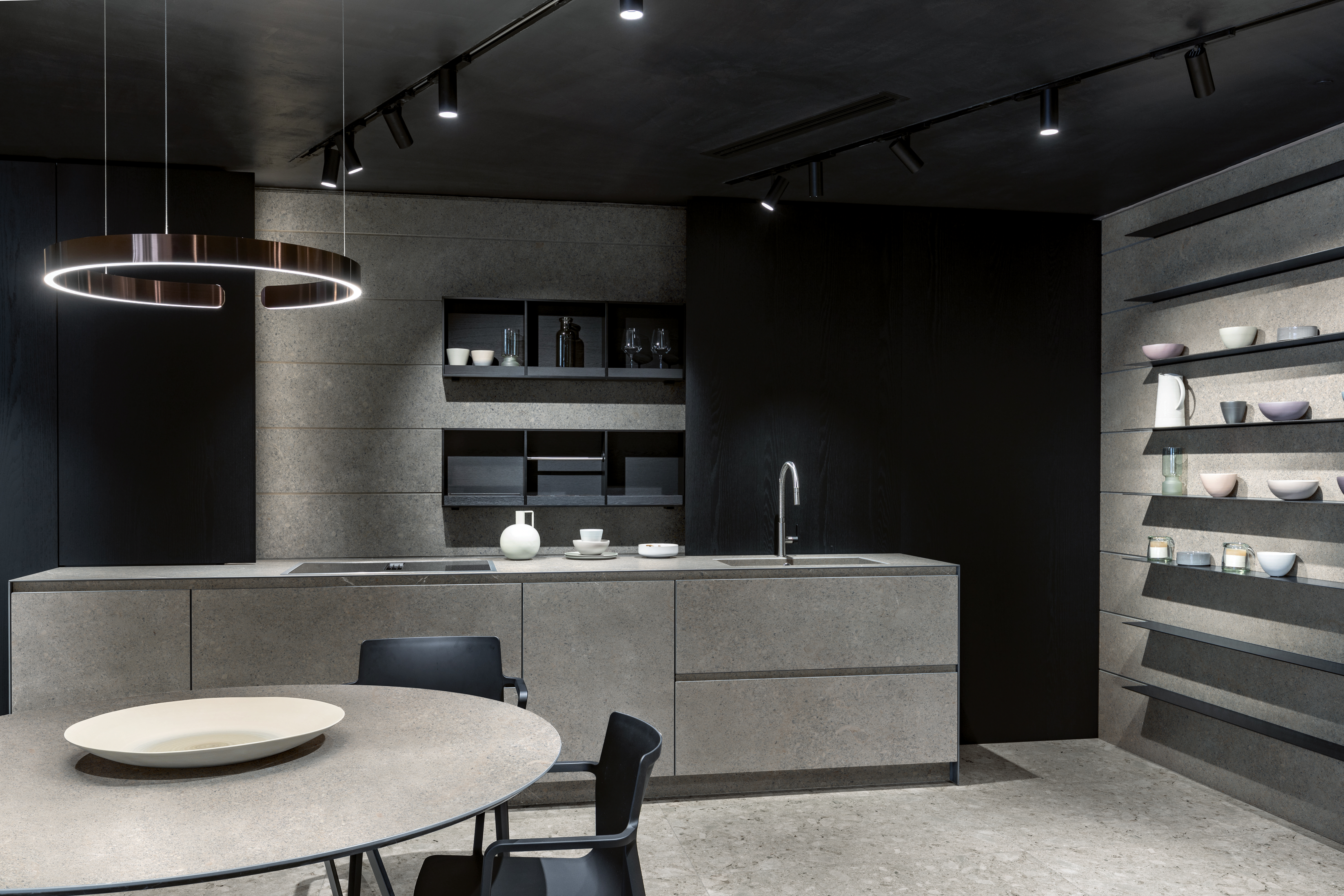
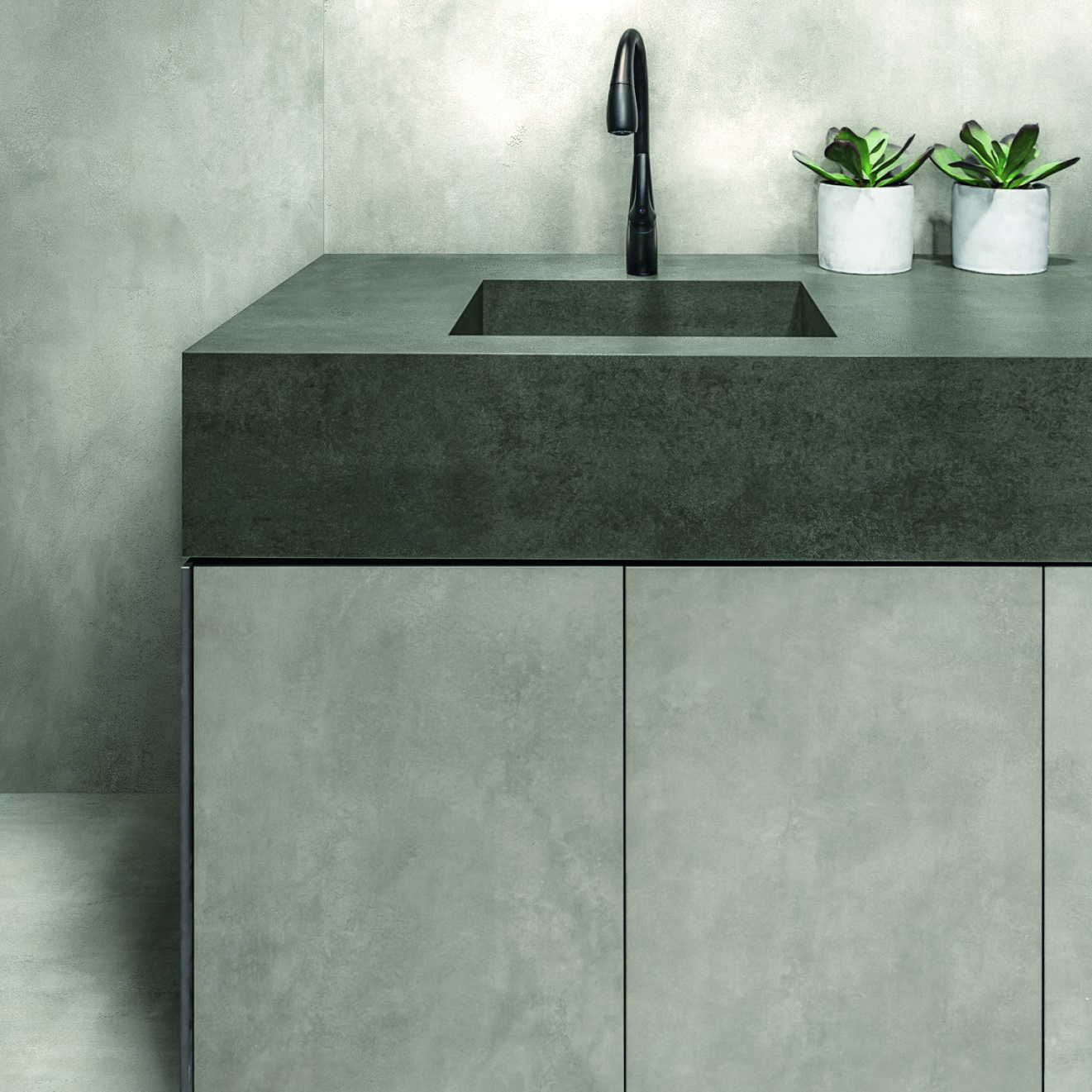
One expression of this approach is Florim Stone, a brand conceived as a design platform rather than simply a tile collection. The system is centred on a large format slab measuring 320 × 160cm, available in three thicknesses – 6mm, 12mm and 20mm – allowing surfaces to move fluidly between applications such as wall cladding, countertops, furnishings and bespoke architectural elements.
The concept reflects a broader shift in how porcelain surfaces are specified. Rather than being confined to traditional tiling, large-format slabs are increasingly treated as architectural materials in their own right. Florim Stone is designed to support this approach, offering visual continuity across surfaces while allowing designers to integrate porcelain into different spatial scales, from residential interiors to hospitality and retail environments.
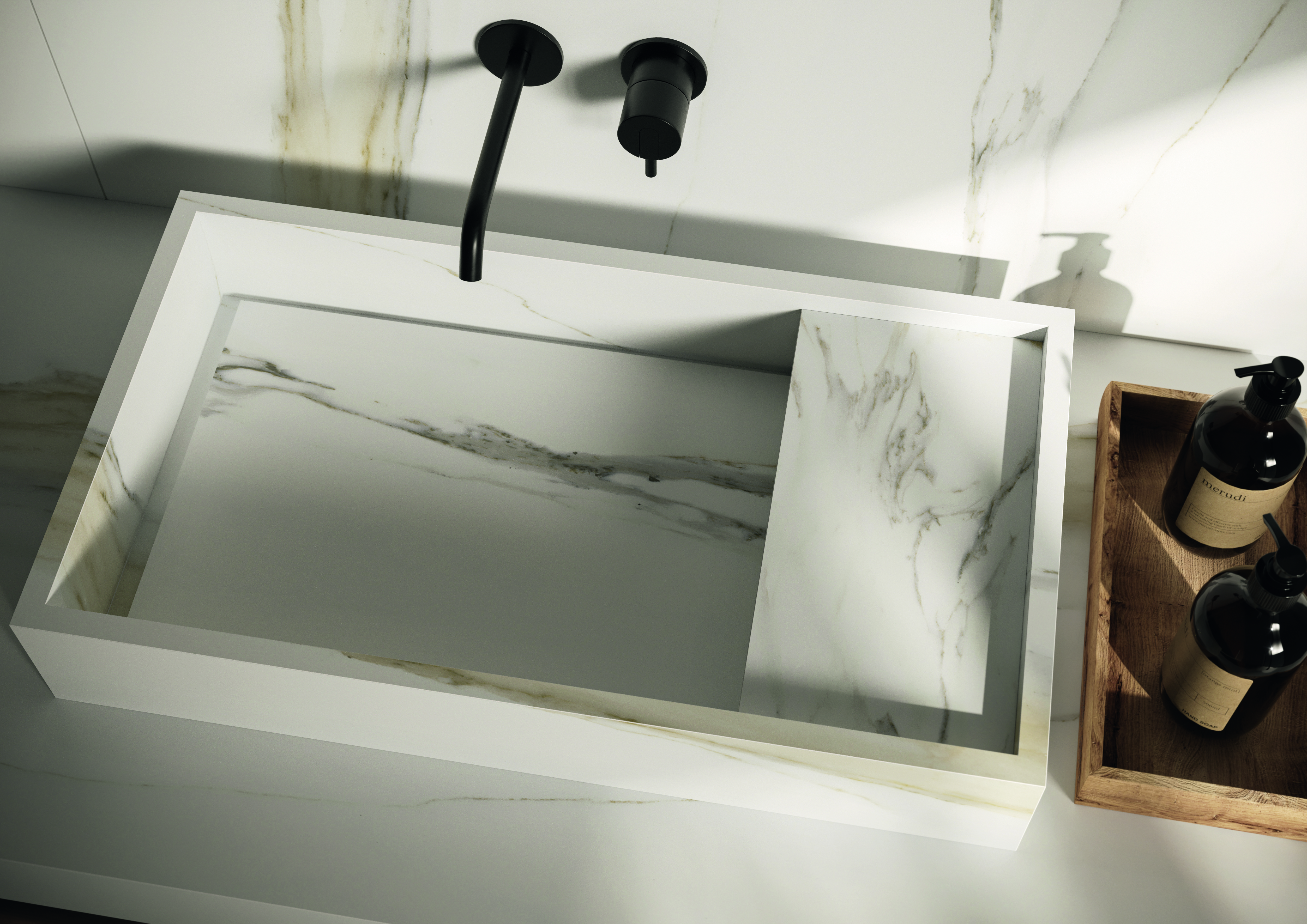
Material research plays a central role in the system’s development. Florim uses advanced digital decoration technologies to generate surfaces that capture the depth and variation of natural materials, supported by full-body coloured blends that enhance visual realism and durability. The aim is not simply to replicate stone or concrete, but to translate their aesthetic language into a technically controlled ceramic format.
Within the range, several stylistic directions reflect different material references. Marble-inspired surfaces reinterpret natural stone through pronounced veining and refined tonal contrasts, while concrete-influenced designs offer a more neutral, architectural aesthetic suited to minimalist spaces. A third group draws directly on geological textures, emphasising irregularity and surface depth to evoke the character of natural stone landscapes.
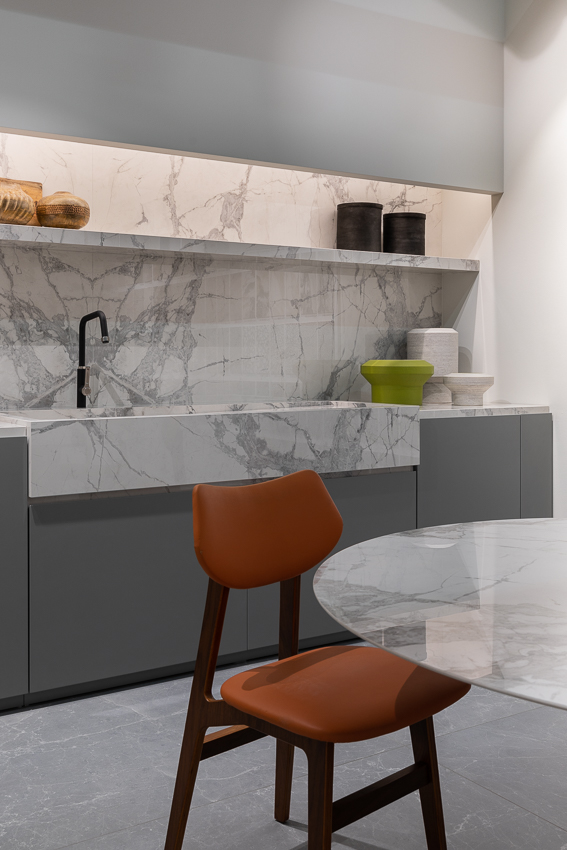
Recent introductions illustrate the breadth of the palette. Designs inspired by quartz and marble explore warm browns, copper-toned veining and soft green hues, while stone-based surfaces reference volcanic lava, limestone and tuff. These interpretations draw on a range of geological precedents, translating their textures and colour variations into porcelain slabs capable of being fabricated into a variety of interior elements.
Underlying the design ambition is a strong emphasis on sustainability. Florim operates manufacturing facilities where production waste and wastewater are recovered, and the company is capable of generating up to 100% of the electricity required by its Italian plants through self-produced energy, supplemented by certified renewable supplies when needed. The Florim Stone range also forms part of the company’s CarbonZero programme, which offsets lifecycle carbon emissions associated with its surfaces.
Led by chief executive Claudio Lucchese, the company has grown into a global design brand with flagship showrooms in major architecture and design centres including Milan, New York and London. The latter, located on St John Street, is a mainstay of the UK specification scene and will be taking part in this year’s Clerkwenwell Design Week.