

Profile: The New Materialist - Designing Regenerative Surfaces


In a construction landscape increasingly focused on carbon, waste and lifecycle performance, the materials we use now take centre stage: not just as finish or cladding, but as an active participant in sustainability outcomes. At the forefront of this shift, The New Materialist is redefining what surfaces can be by sourcing biological matter, rethinking extraction, and engineering materials that truly close the loop between design and nature.

Based in Europe and co-founded by designer Thomas Vailly and engineer Baptiste Arribe, The New Materialist operates at the intersection of design, ecology and systems thinking, with a mission to replace polluting commodity materials with regenerative alternatives that can be scaled into mainstream applications. The studio describes its approach succinctly: it “merges design, science, and ecology to create sustainable materials” and works to “transform linear chains into circular ecosystems,” emphasising materials that are natural, non-toxic, made from waste, exceptional and scalable.
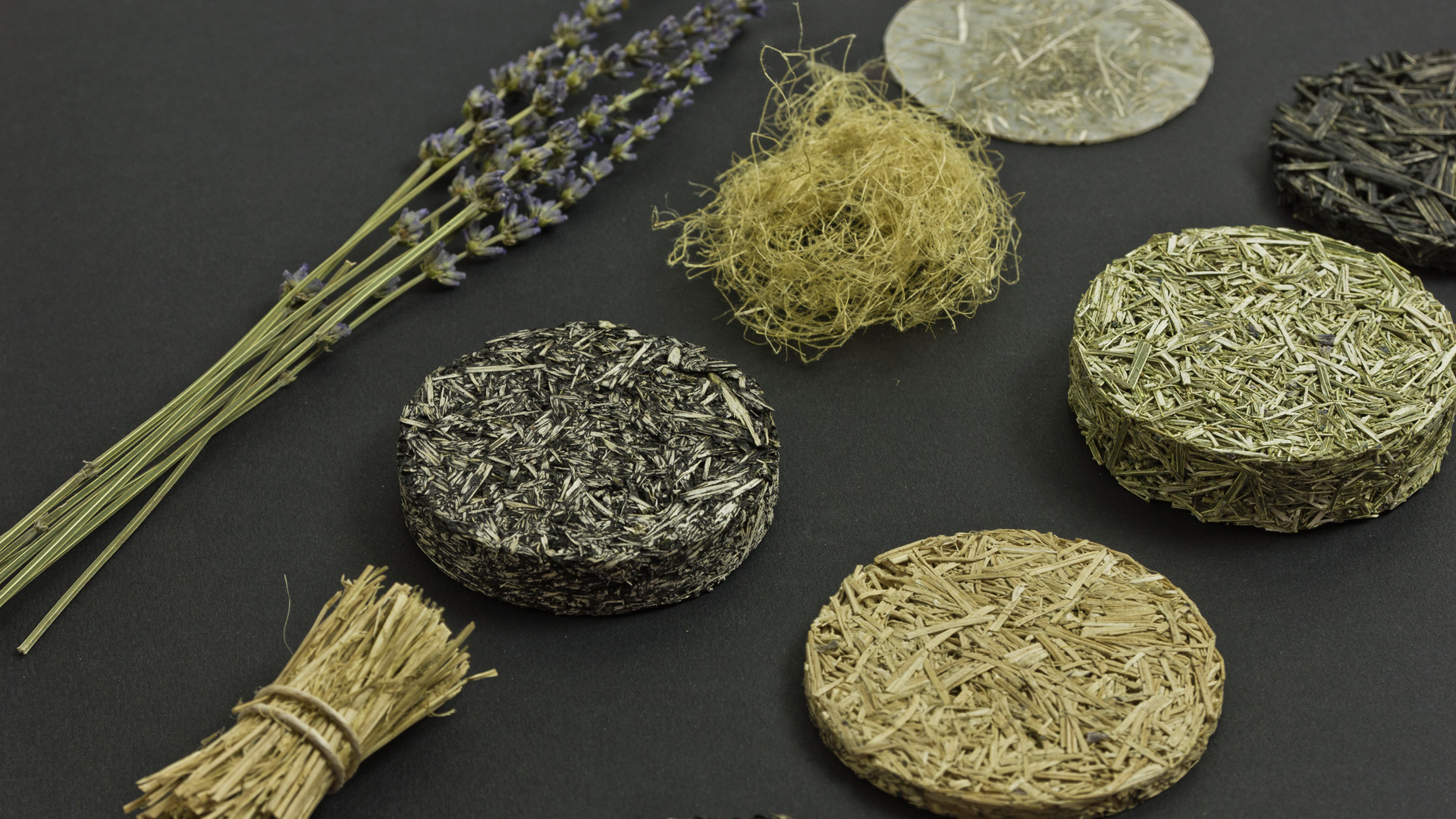
While this rhetoric may sound good on paper, the proof is in the pudding - in this case, physical outcomes in real-world applications. The New Materialist combines extensive materials research, prototyping and industrial development to deliver biomaterials that can perform in architectural and surface design contexts. Projects to date span natural composites made from agricultural by-products and waste streams, bioplastics sourced from municipal waste, and bespoke formulations tailored for clients including global brands.
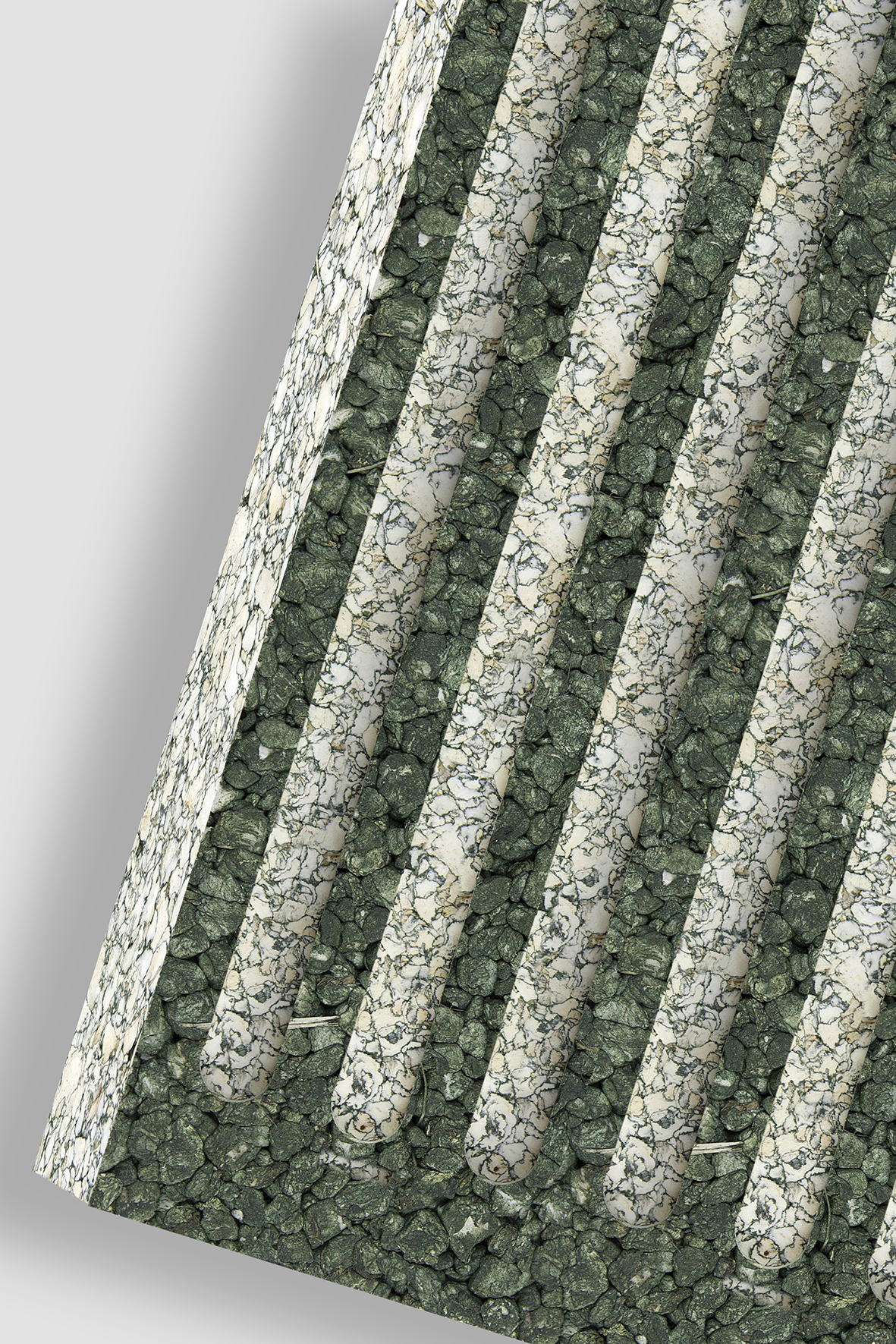
For architects and specifiers, what makes The New Materialist salient isn’t just its commitment to sustainability, but its demonstration that regenerative materials can be aesthetically rich and performance capable. “We explore territories and ecosystems to find available biomass, and turn it into exceptional biomaterials: aesthetic, performant, circular,” the studio states, underscoring that material innovation must integrate function with form.

The practice begins with exploration: identifying bio-resources local to a project’s context, from plant fibres and industrial by-products to organic residues. Over an initial three-month research phase, the studio typically delivers multiple material concepts accompanied by sample libraries that allow designers to assess surface qualities, textures and performance potential. Once priorities are agreed, scale-up strategies are developed, including coalition building between suppliers, manufacturers and clients to embed the new materials into commercial production with agreed quality and impact metrics.
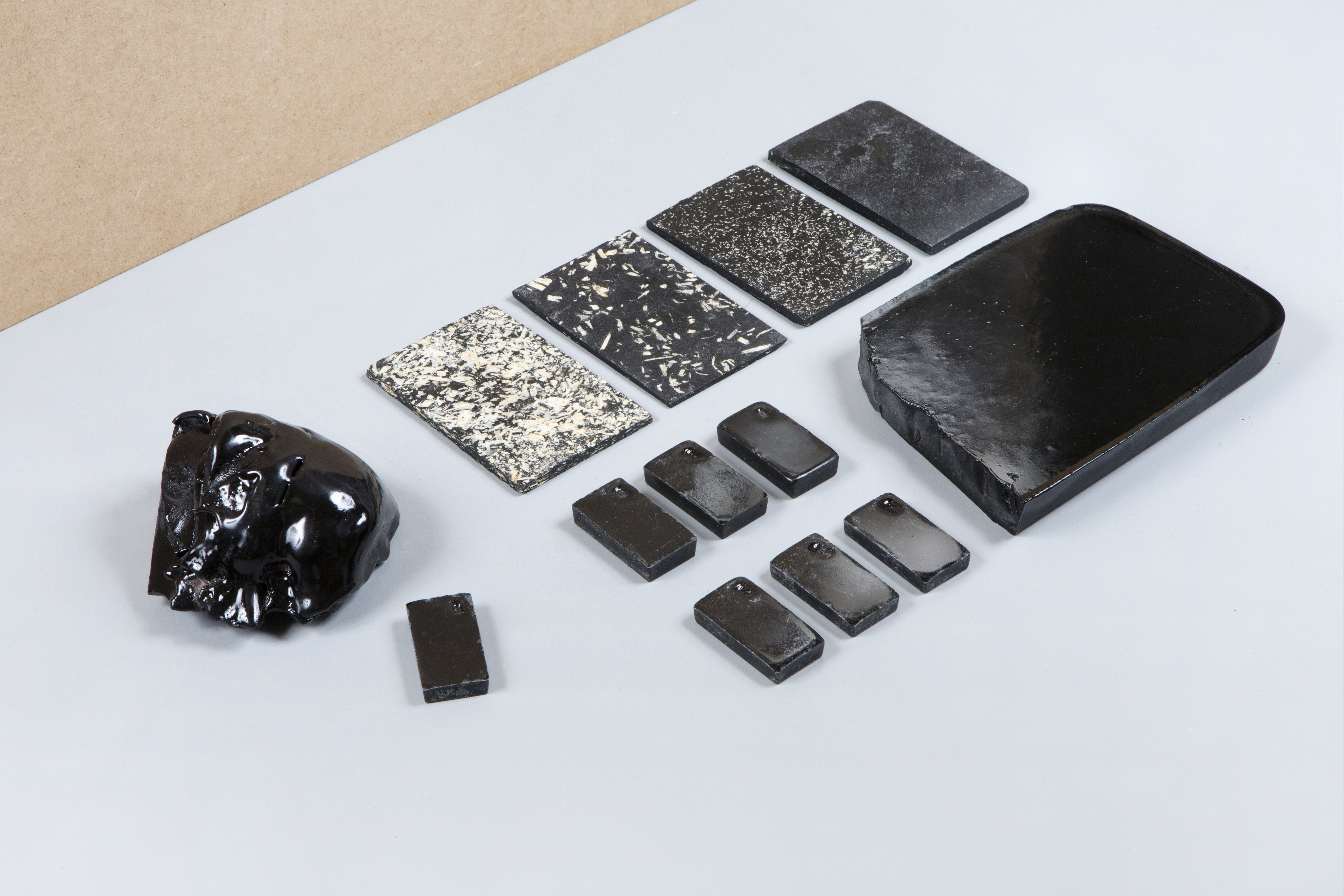
What sets this work apart in the design ecosystem is its systemic ambition. The New Materialist doesn’t simply propose an alternative finish; it reframes the supply chain. Its regenerative philosophy is rooted in the belief that materials should not only be bio-derived and low impact, but should actively contribute to healthy ecosystems, local livelihoods and circular flows. As the studio notes, being “New Materialists” involves recognising shared environmental challenges and seeking to “respect the boundaries of nature by radically changing the way materials are borrowed and returned to Nature.”
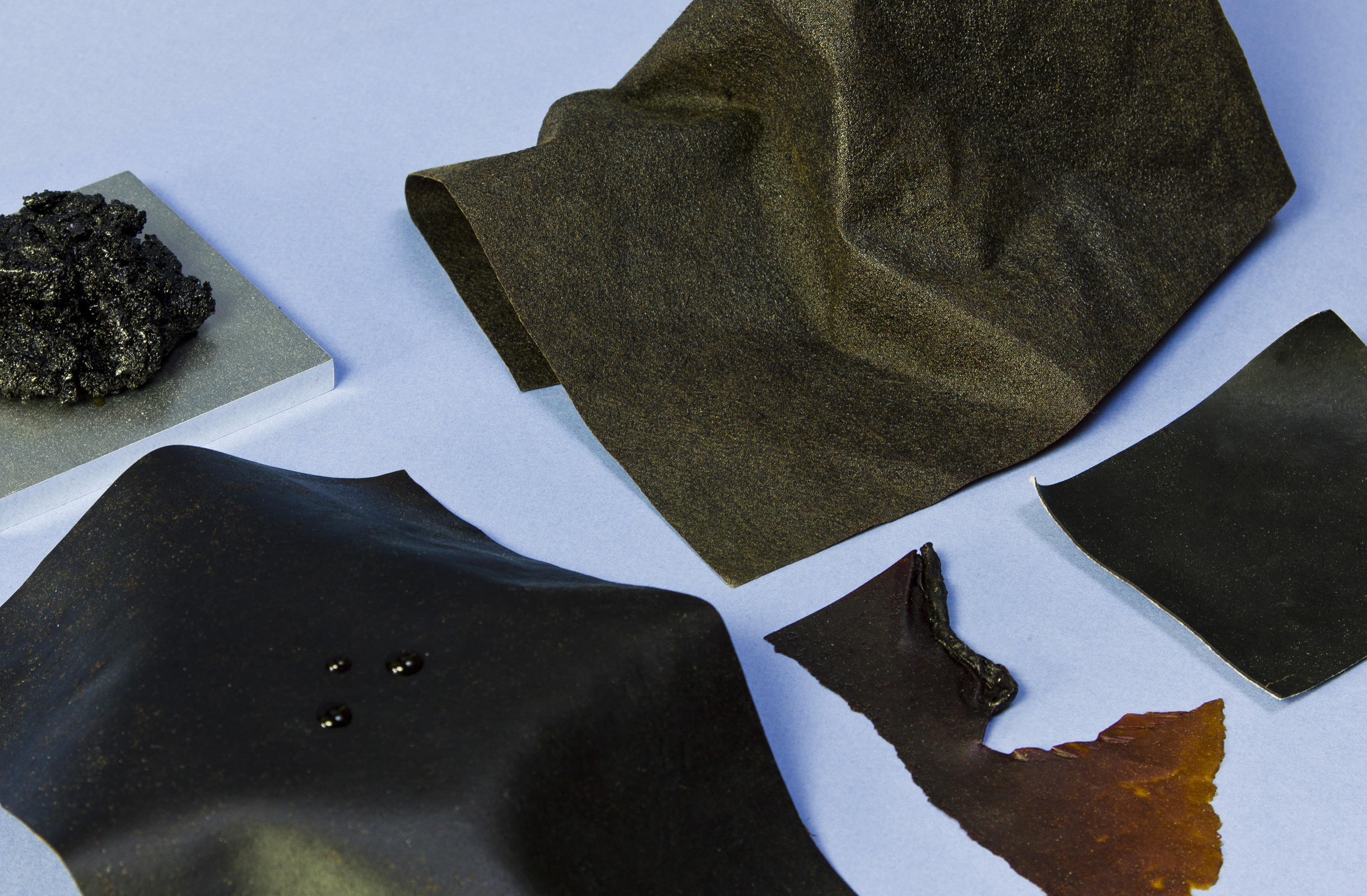
In material terms, this means designers and architects can now explore surfaces that embody ecological narratives as well as technical substance. Imagine wall panels made from invasive plant species, bio-composite sheets derived from agricultural processing waste, or decorative surfacing that incorporates botanical residues from fragrance production - all of which have already been prototyped and commissioned. These materials don’t just reduce reliance on petrochemical-derived products; they foreground material stories that resonate with deeper sustainability goals.
As the industry grapples with climate targets, waste reduction and lifecycle assessment, studios like The New Materialist show that material innovation need not be an afterthought. By reimagining what surfaces can be, and how they are sourced, processed and returned to nature, the work points the way toward regenerative design that is aesthetic, technical and deeply rooted in ecological intelligence.