

Surface Perspectives: Alexandre Bertrand, The Stone Masonry Company

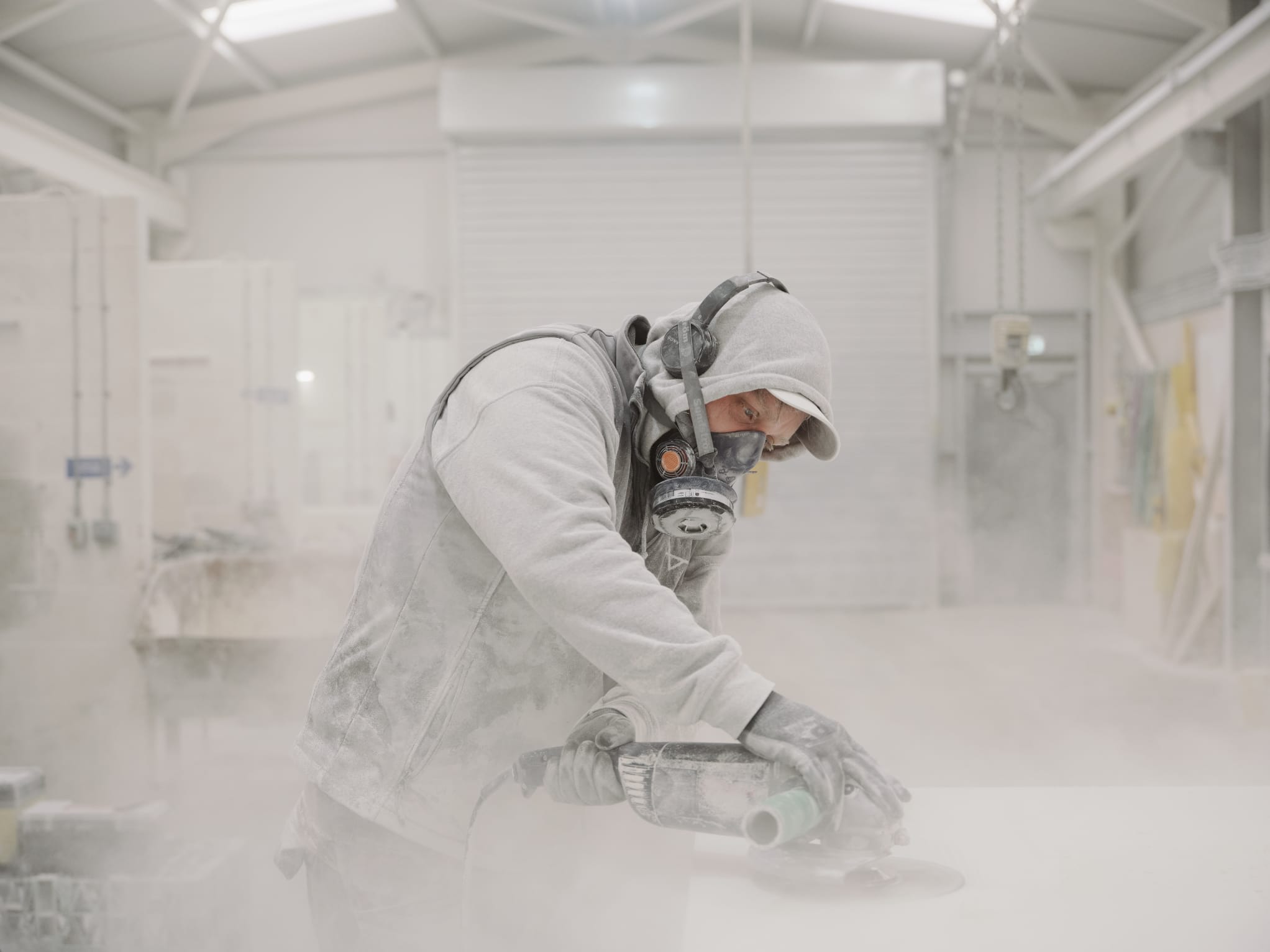
The Stonemasonry Company is a specialist contractor focused on advancing the use of natural stone in contemporary construction. Working across restoration, new-build and research-led projects, the company combines traditional craft skills with digital fabrication and engineering collaboration to deliver complex stone structures. Its work increasingly explores stone as a low-carbon structural material, and plays a central role in the Stone Collective, contributing to industry research, prototyping and education around all things stone construction. We asked CEO Alex Betrand for some insights into the work that goes on behind the scenes.
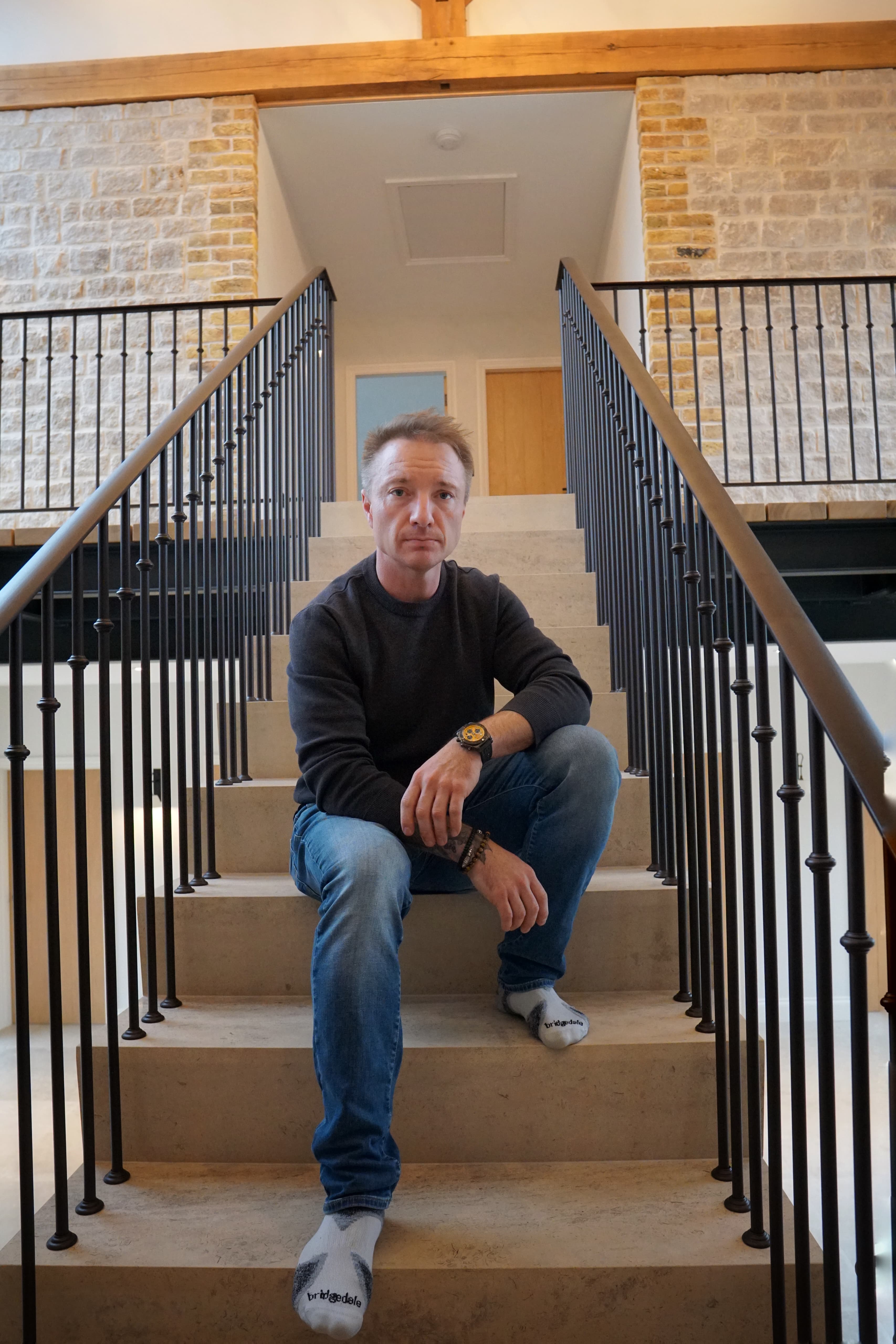
What are the biggest lessons you have taken forward from your original training?
My training with the Compagnons du Devoir du Tour de France in France gave me a strong foundation in stereotomy, geometry and the structural understanding of stone. The key lesson was that stone must be understood as a structural material first, not just a finish. That education instilled precision, discipline and respect for the material, which still guides my approach today.
Which project/s are you most proud of being involved with and why?
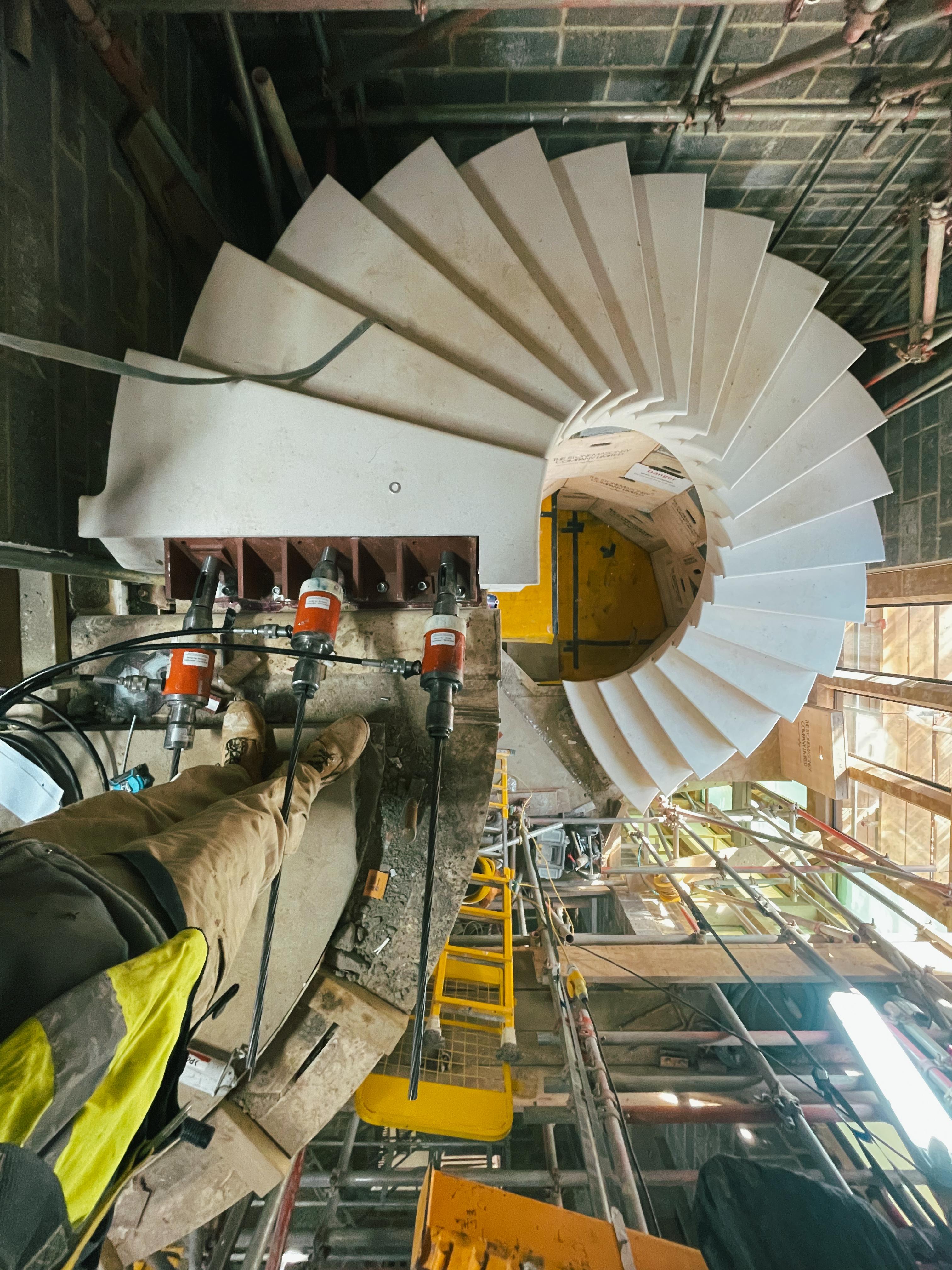
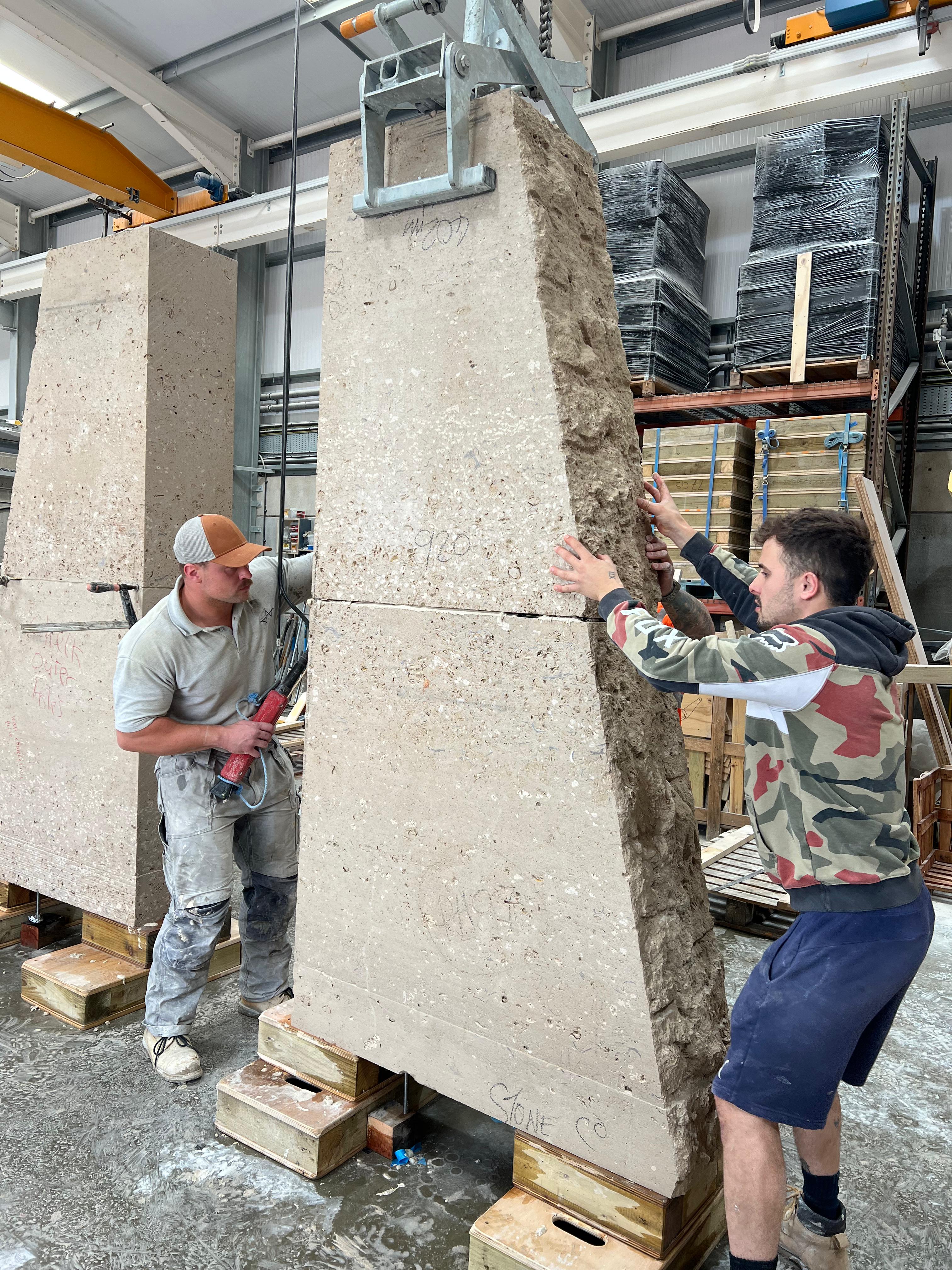
At The Stonemason Company Limited we focus on highly bespoke and technically challenging work, particularly sculptural staircases. I’m most proud of the development of pre-stressed stone systems that allow extremely slender stone structures while maintaining safety and durability. These projects demonstrate that stone can be innovative and contemporary, not only historical.
How integral are materials to your day-to-day?
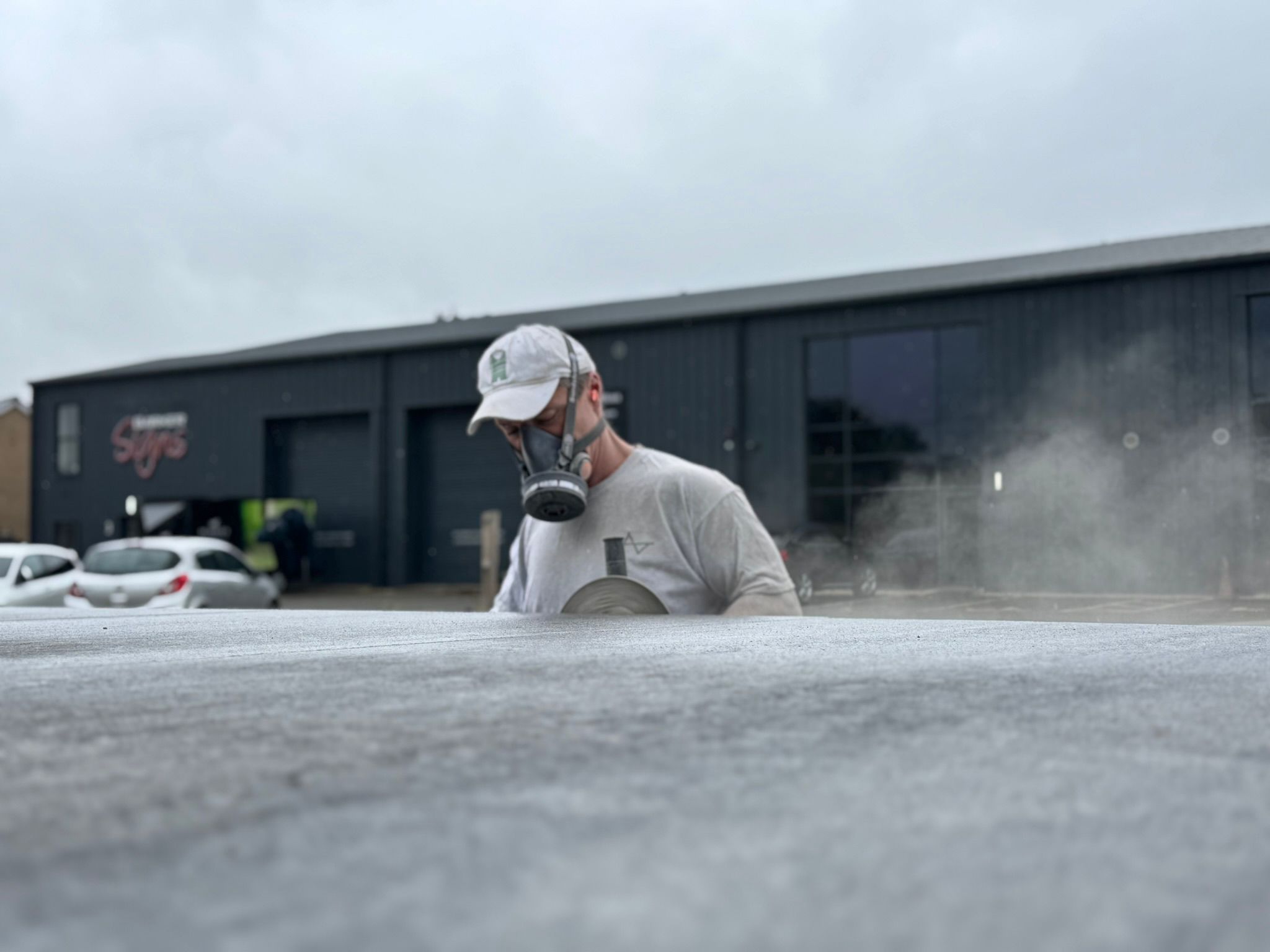
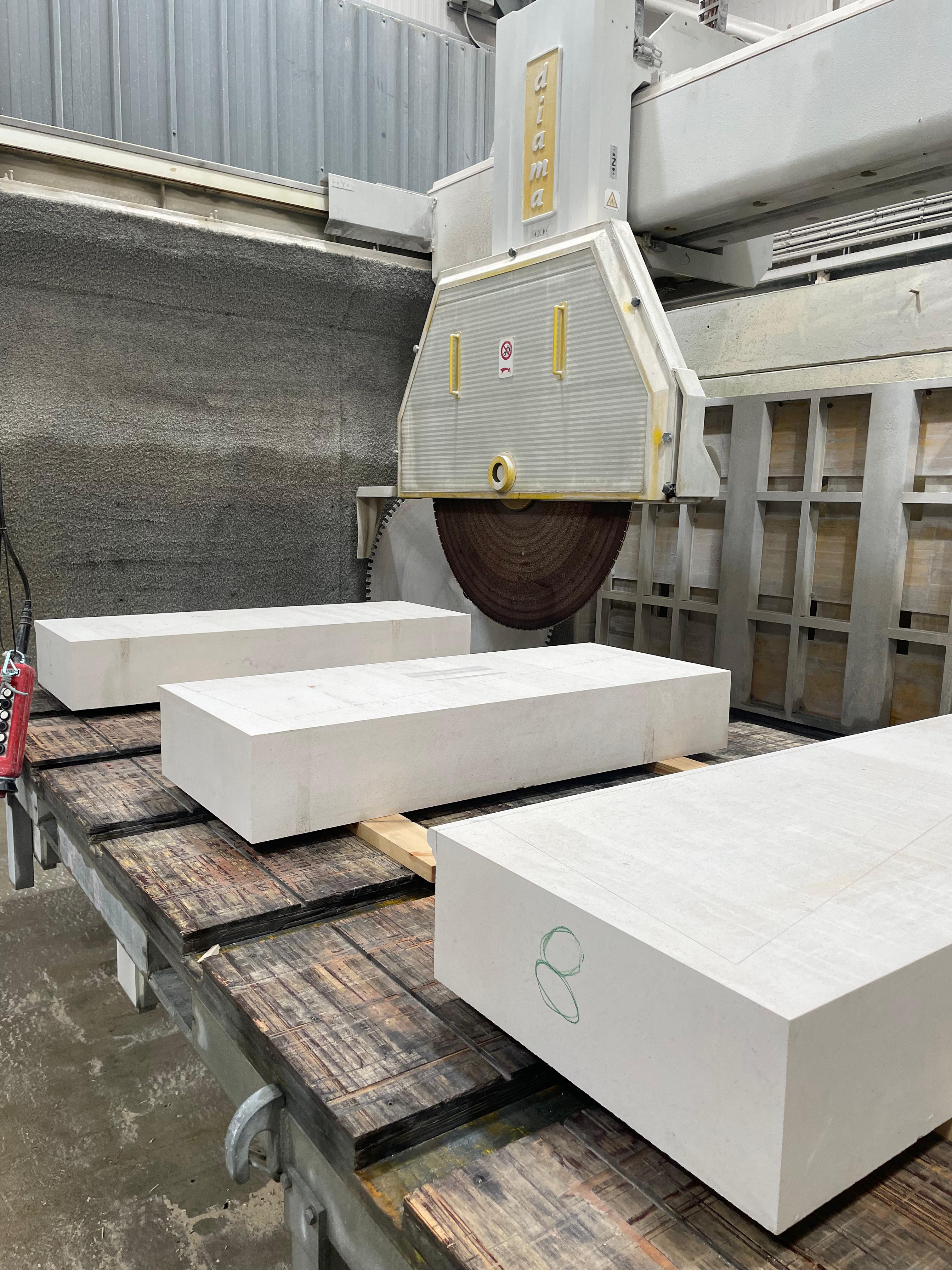
Materials are central to everything we do. Stone is not simply a surface for us; it defines the design and engineering of a project. Every day we discuss stone with architects, engineers, quarries and fabricators—covering structural performance, sourcing, fabrication and installation. Even with digital tools, direct contact with the material remains essential.
What do you feel are the main challenges facing the stone and surfaces industry today?
One challenge is perception. Stone is often seen as either decorative or expensive, rather than as a durable structural material. Another challenge is the gradual loss of specialised knowledge and skills within the industry. Finally, the industry must communicate more clearly the environmental advantages of natural stone compared with many manufactured materials.
In your opinion, what are the positives of using stone in the built environment?
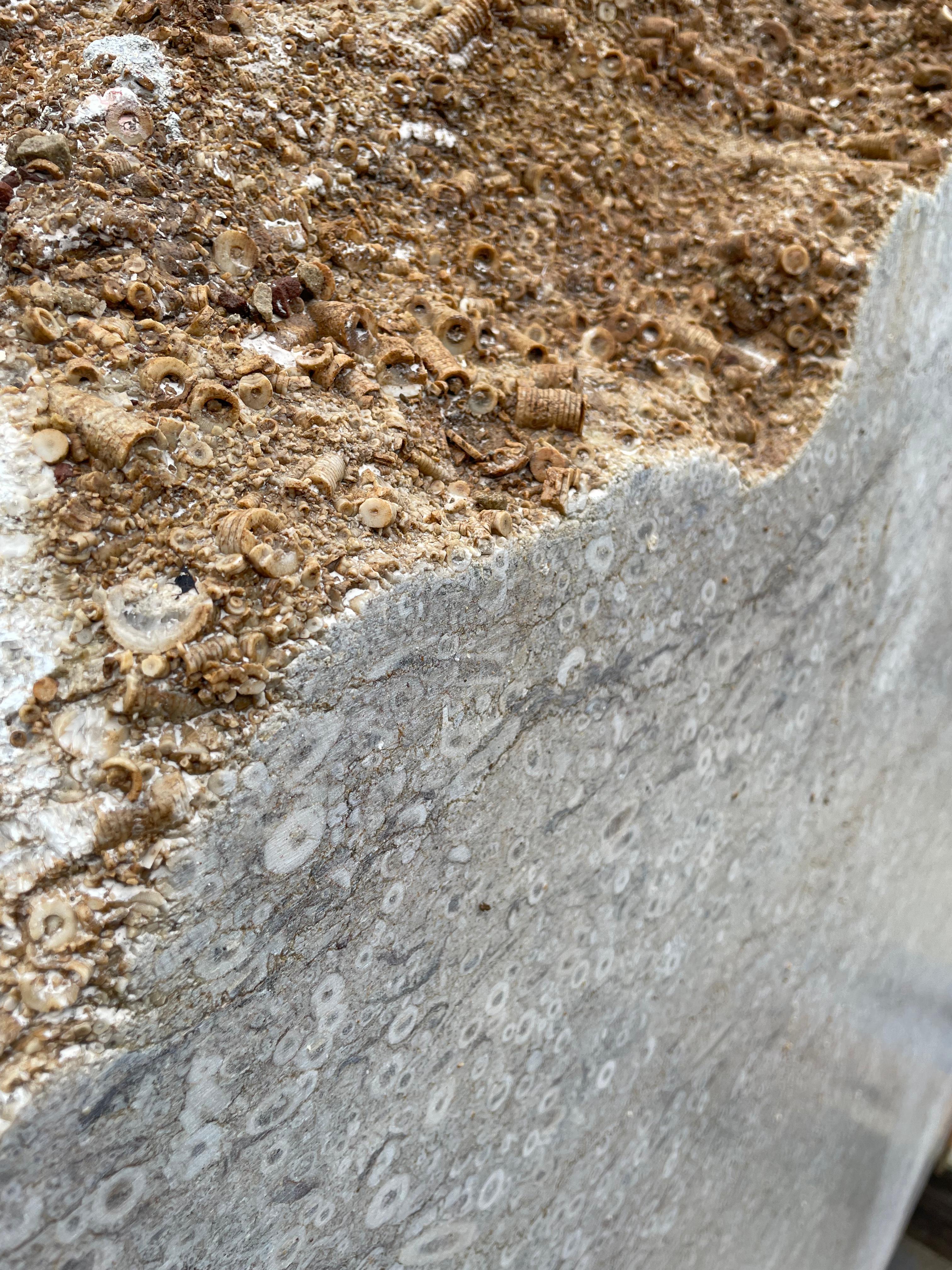
Stone offers exceptional longevity and durability. Properly designed stone structures can last for centuries with minimal maintenance. It is also a natural material with relatively low processing compared with many modern building materials. Architecturally, stone brings a sense of permanence and authenticity, connecting buildings to geology and place.
How does sustainability shape your thinking and decision-making, and how do materials fit into this?
Sustainability is central to our thinking at The Stonemason Company Limited. We prioritise sourcing local stone where possible, minimising waste and designing structures that maximise the natural strength of the material. Because stone can last for generations, it offers a strong long-term sustainability argument when considered over the life of a building.