

Surface Perspectives: Ross Williamson, The Surface Collection

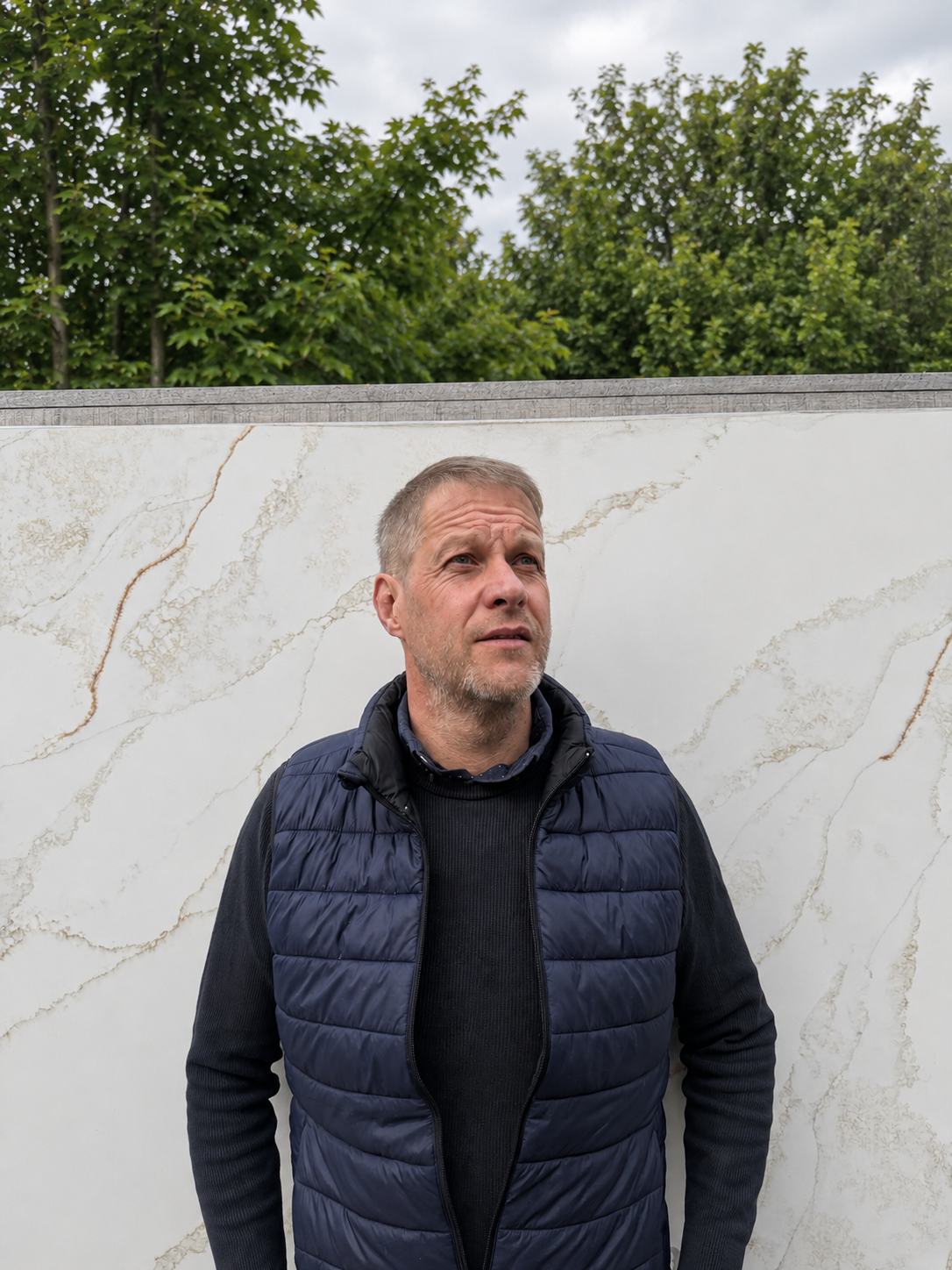
Before taking to the stage at the Stone and Surfaces Show on Wednesday, we caught up with Ross Williamson of The Surface Collection to get some pre-show insights into what makes him tick and how he views the industry. With experience shared across four generations of the Thomas family, the company knows a thing or two about natural and composite stone. So who better than its sales director to shed some light on how this 70-year-old operates within the wider UK industry?
What does a typical day look like for you?
No two days are ever the same, which is one of the things I enjoy most about working in the stone and surfaces industry. My role covers distribution, client relationships, project support, and helping grow premium surface brands across the UK market.
A typical day involves speaking with fabricators, kitchen studios, developers, architects, and retail partners to help them find the right materials for their projects. I spend a lot of time discussing product suitability, slab availability, lead times, and technical performance, as well as supporting showroom displays and new project specifications.
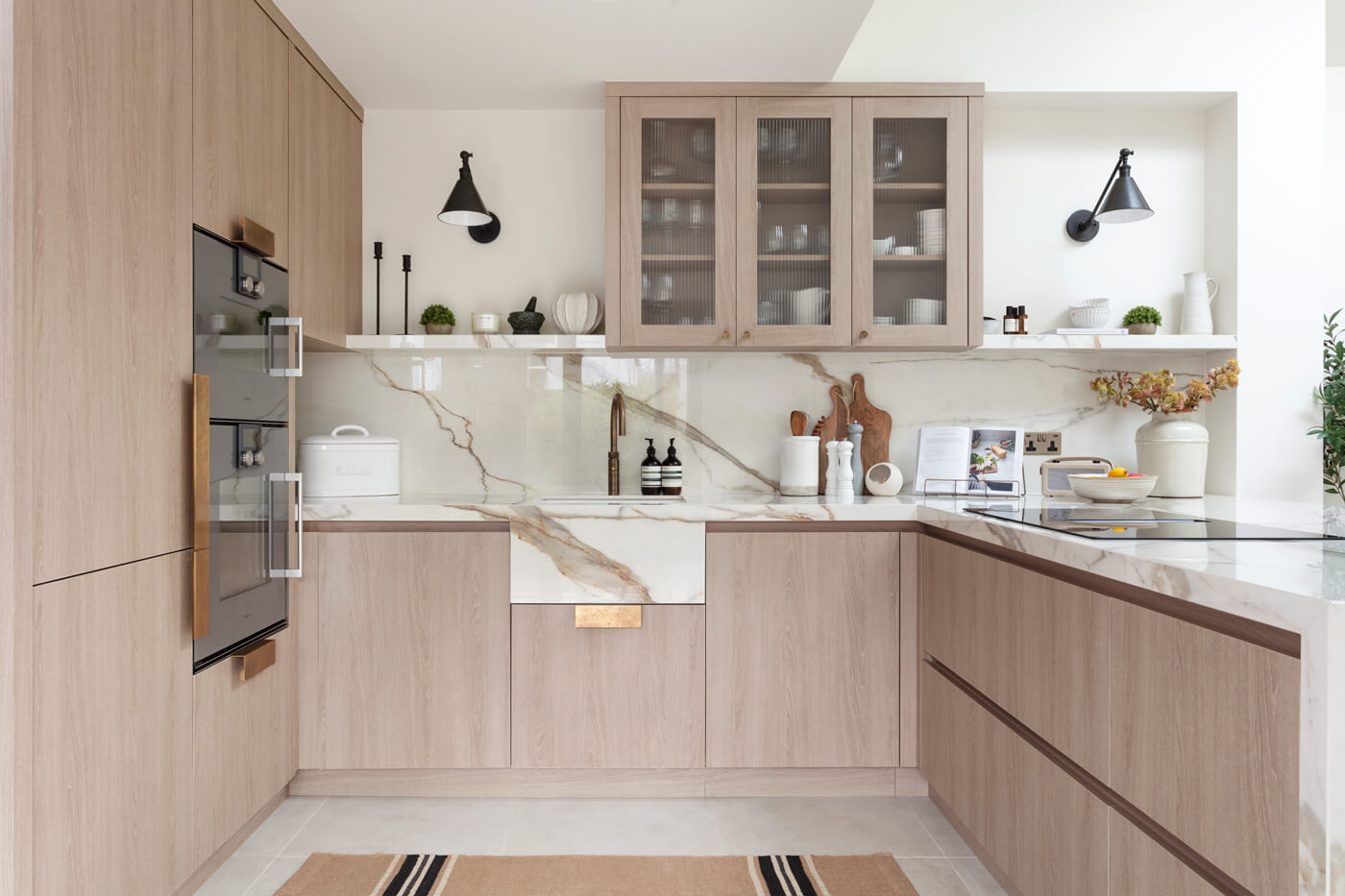
A major part of my focus is helping drive the success of premium brands such as Vadara Quartz and Atlas Plan porcelain slabs. This means staying close to design trends, understanding what the market is asking for, and making sure our customers receive both the right product and the right level of support.
It is a fast-paced environment where strong relationships and technical knowledge go hand in hand.
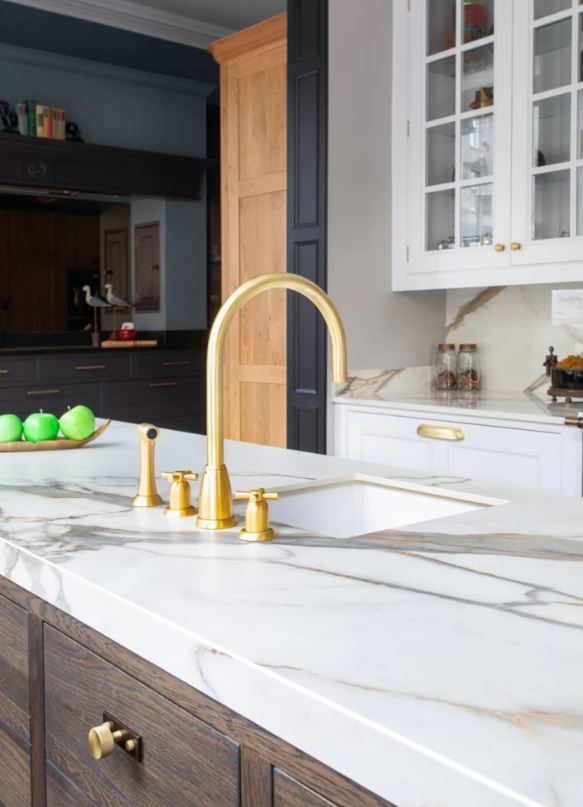
Image © Marlborough
How integral are materials/surfaces to your day-to-day?
Materials are at the centre of everything I do. I work daily with quartz, porcelain, granite, marble, and other hard surfaces, with a particular focus on premium quartz and large-format porcelain slabs.
I am constantly thinking about how materials perform, how they look, how they are fabricated, and how they fit the needs of both residential and commercial projects. I regularly handle samples, review slabs, discuss finishes, and advise customers on which surfaces will work best for specific applications.
Communication around materials is a huge part of the role. I spend a lot of time speaking with fabricators, designers, architects, and developers about technical performance, aesthetics, installation requirements, and long-term durability.
In this industry, materials are not just products—they are a major part of the design story and the finished experience for the customer.
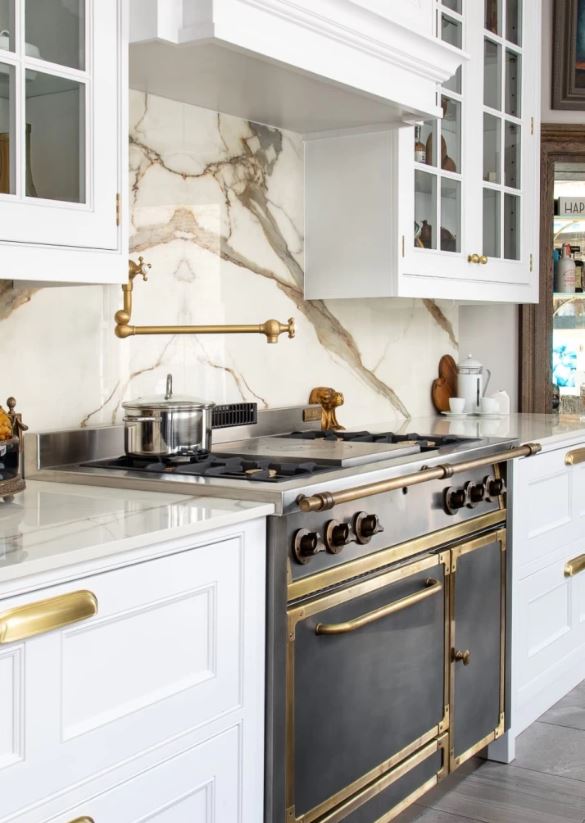
Image © Marlborough
What are the biggest lessons you have taken forward from your original training?
One of the biggest lessons I have taken forward is the importance of understanding both the technical and commercial sides of the business. Product knowledge is essential, but success in this industry also depends on relationships, trust, and understanding how people work.
My education and early industry experience taught me the value of attention to detail, problem-solving, and consistency. In stone distribution, small details matter — from slab selection to fabrication advice to managing customer expectations.
I also learned very quickly that listening is just as important as selling. Understanding what a customer really needs often leads to better long-term partnerships than simply focusing on the immediate sale.
The industry itself has been my greatest education over the last 13 years, and continuous learning is still a major part of what I do.
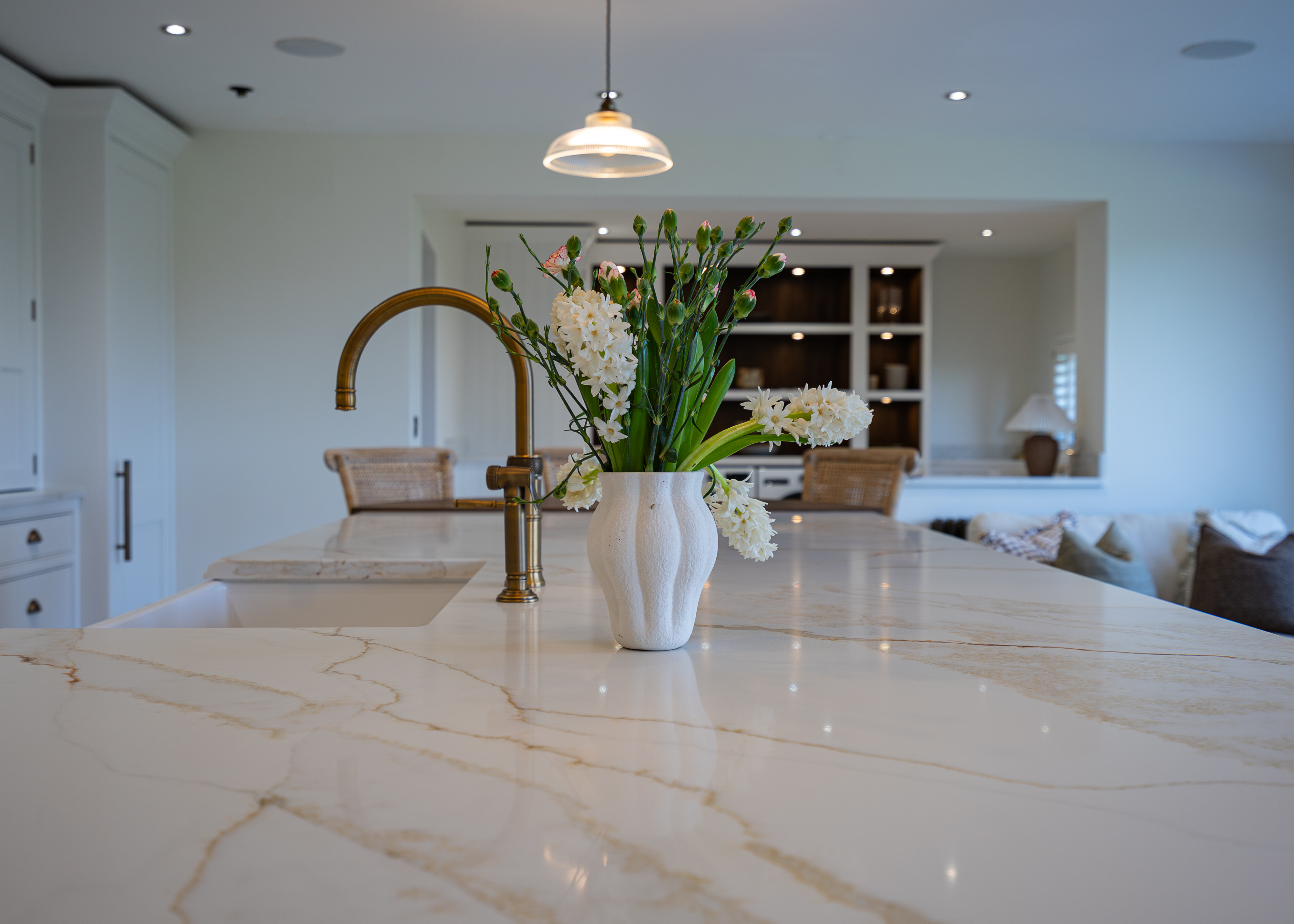
Image © Prestige Granite
Which project/s are you most proud of being involved with and why?
Over the past 13 years, I have been fortunate to be involved in many fantastic projects across both residential and commercial spaces, but one recent experience stands out for a very personal reason.
I was out for a meal with my mother, and she was admiring the restaurant tables and the overall interior finishes, particularly the marble and porcelain surfaces used throughout the space. In that moment, it suddenly dawned on me that I had actually been part of that very project—helping with the selection of the marble and porcelain used across the restaurant.
It became a really special moment because it gave me the chance to show my 83-year-old mother what I actually do and how the work we do in this industry shapes everyday spaces people enjoy without always realising it.
We often work behind the scenes in stone and surfaces, so seeing her appreciate the finished result—and being able to say, “I helped create this”—was something I was genuinely proud of. It reminded me that our work is not just about supplying materials, but about creating environments people connect with and remember.
What do you feel are the main challenges facing the stone and surfaces industry today?
The industry is facing several challenges, including rising costs, supply chain pressures, labour shortages, and increasing competition across both domestic and imported materials.
There is also much greater focus on sustainability, compliance, and responsible sourcing, which is absolutely necessary but requires serious long-term commitment from businesses across the supply chain.
Another challenge is education—helping customers understand the real differences between materials and the long-term value of investing in quality surfaces rather than making decisions based purely on price.
Balancing quality, service, and competitiveness has become more important than ever, especially as customer expectations continue to rise.
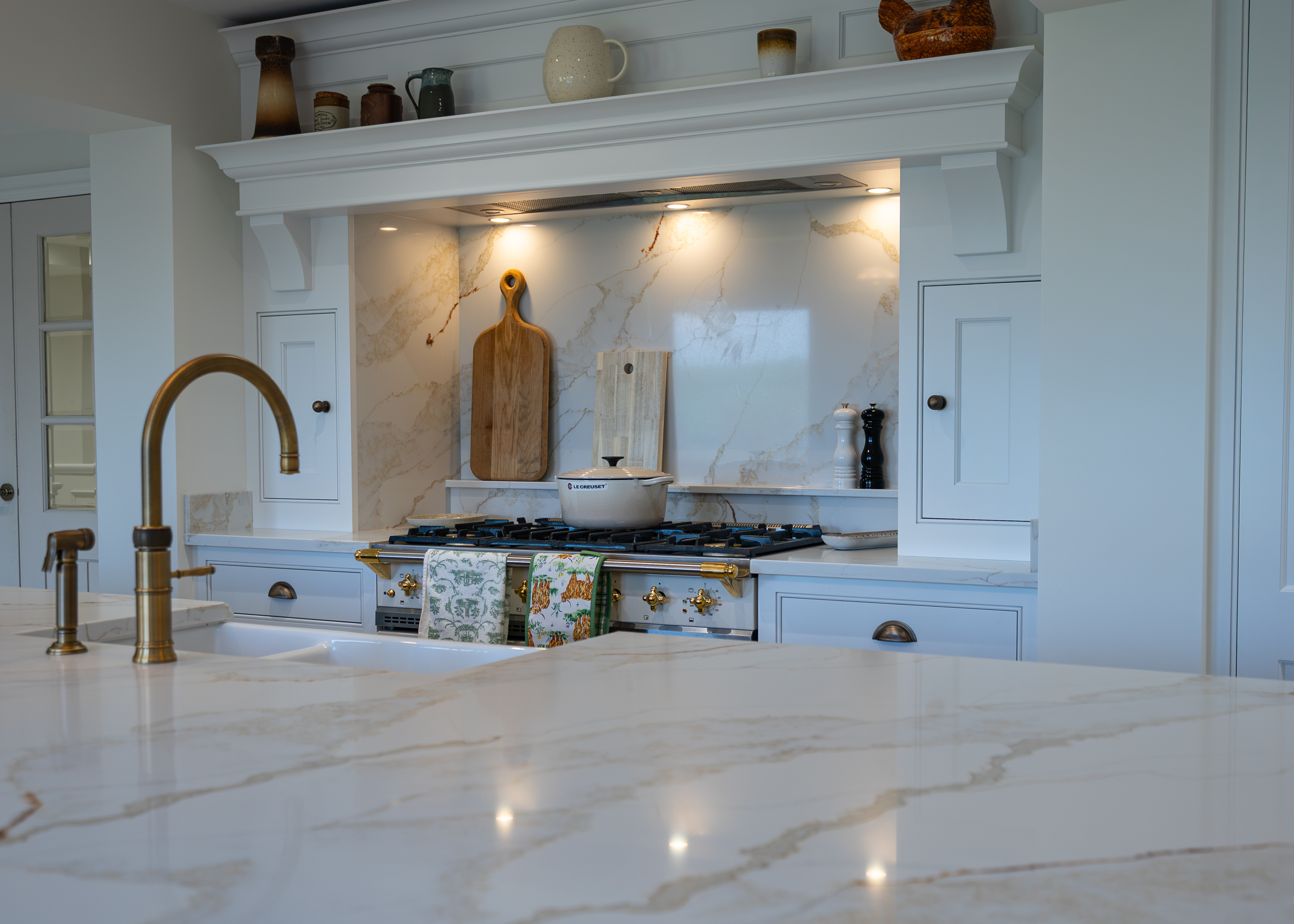
Image © Prestige Granite
In your opinion, what are the positives of using stone in the built environment?
Stone and hard surfaces bring durability, longevity, and timeless design value to the built environment. Unlike many short-term finish materials, stone is built to last and continues to perform for decades while maintaining both its appearance and functionality.
Natural stone offers individuality and character because no two pieces are ever the same, while engineered surfaces like quartz and porcelain provide consistency, technical performance, and greater design flexibility.
In both residential and commercial settings, these materials create spaces that feel premium, practical, and long-lasting. Good surfaces are not simply decorative—they are an investment in quality and sustainability.
How does sustainability shape your thinking and decision-making, and how do materials fit into this?
Sustainability is becoming one of the most important parts of decision-making across the industry. It influences how we source materials, which suppliers we work with, how products are transported, and what we recommend to clients.
Durability plays a huge role in sustainability. Materials like porcelain, quartz, and responsibly sourced natural stone offer a long service life, reducing replacement cycles and unnecessary waste.
We also pay close attention to manufacturing standards, environmental certifications, and how suppliers approach responsible production. Sustainability should not just be a marketing message—it needs to be built into genuine long-term decisions.
For me, it is about helping customers choose better materials that perform well, last longer, and create better outcomes for both the project and the wider environment.
Interested in hearing more from Ross? Why not listen to what he and the rest of the panel discuss during The Reputational Risk of the Race to the Bottom seminar on the main stage, 12.00-12.45 pm, Wednesday 13th May.
Register for the entire event for free here.