

Surface Spot: Barham & Sons at the Stone & Surface Show

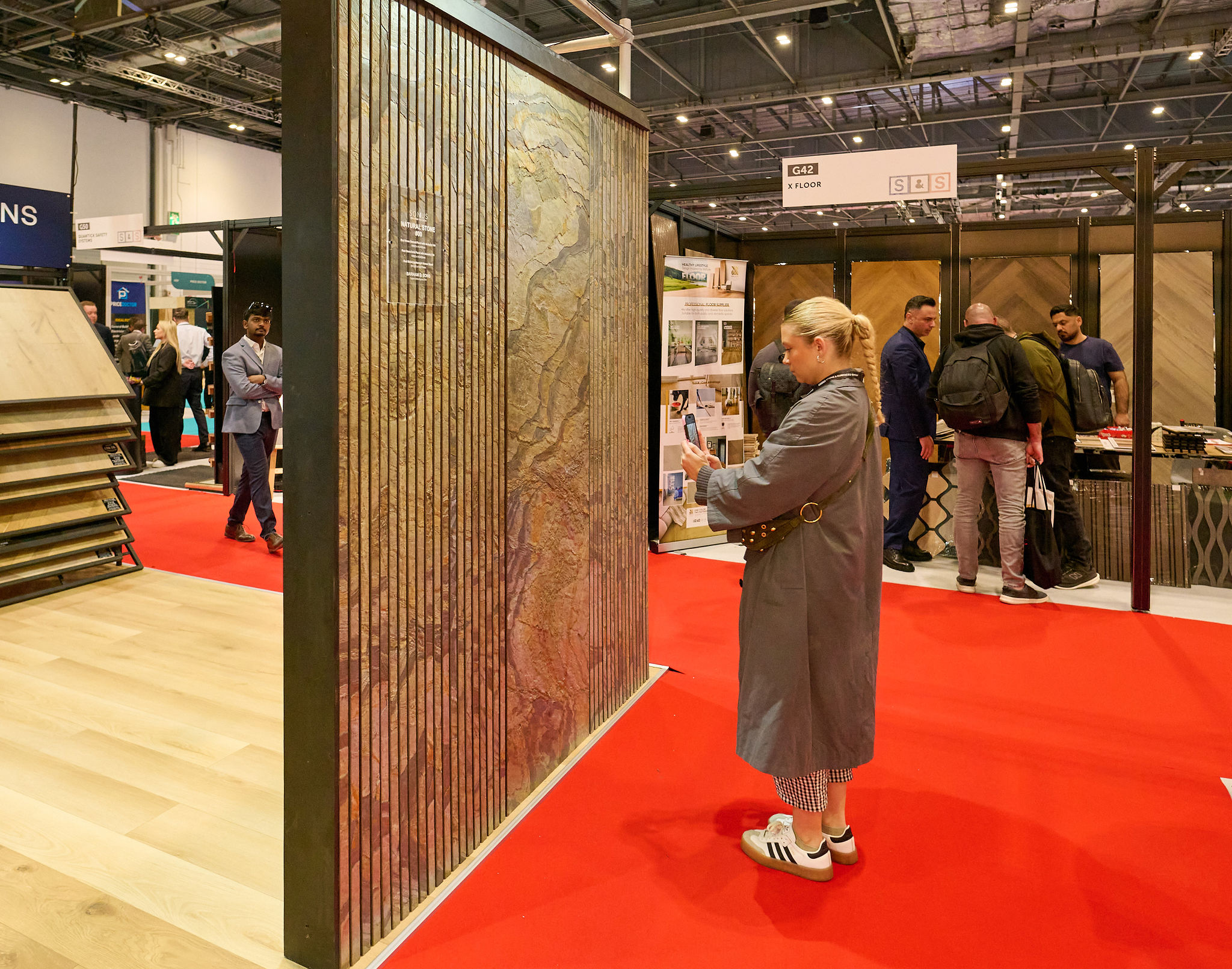
At this year’s Stone & Surfaces Show, Barham & Sons emerged as a great example of how material suppliers are continuing to evolve in an uncertain market, and are, at least in part, using stone to do so. As keynote speaker Amin Taha reflected in his rousing talk, the combined use of natural stone and timber can greatly help reduce the construction industry’s current 40% of global carbon emissions. While he was largely focusing on structural applications of the materials, the same can indeed be said of surface-based applications. Something Barham & Sons clearly agree with.
Based in Suffolk, Barham & Sons has its roots firmly in timber craftsmanship. The family-operated company built its reputation through bespoke hardwood flooring, custom manufacturing and finishing processes carried out in England, supplying projects ranging from domestic interiors to commercial environments. The company remains grounded in material knowledge, from grading timber, controlling finishes and understanding how natural materials age and perform over time.
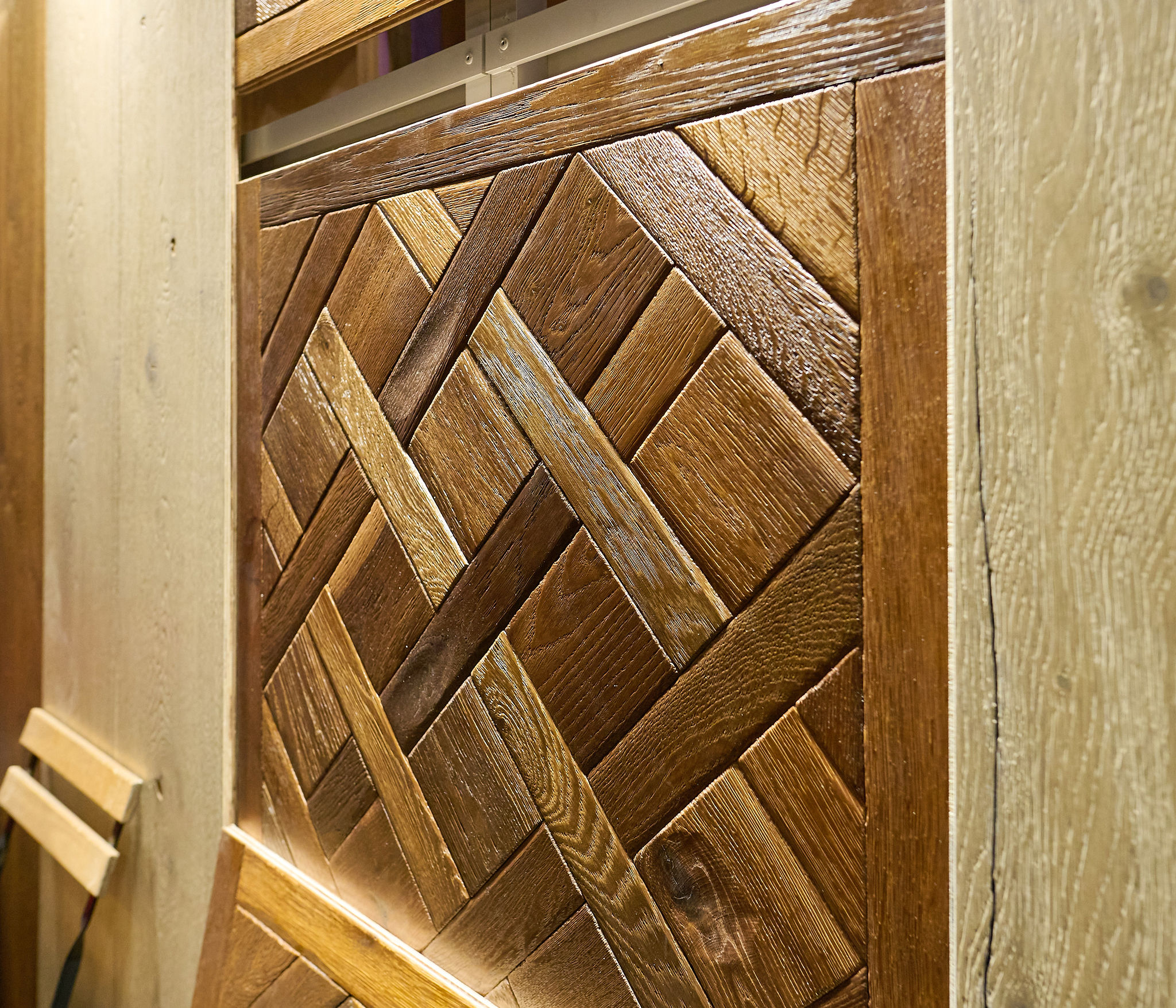
This timber-led background continues to inform the company’s broader approach to surfaces today. Rather than abandoning its origins, Barham & Sons has expanded its offer into a more holistic interior material palette that now includes doors, flooring systems and wall finishes spanning both wood and stone applications. Their product range combines solid and engineered oak flooring with luxury mineral plank and vinyl surfaces, alongside natural stone wall panelling solutions designed to sit comfortably within contemporary interiors.
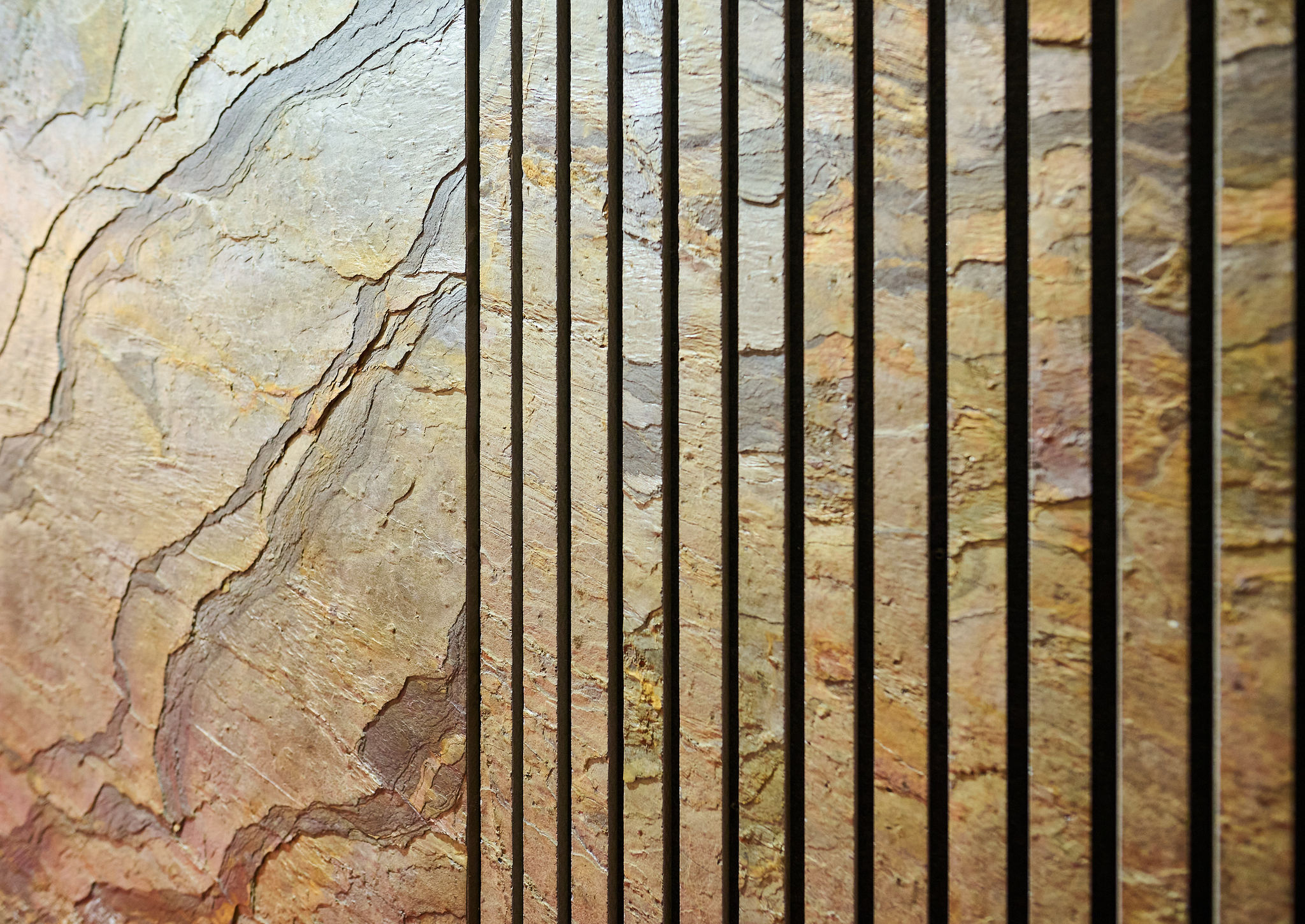
The move into stone is less a departure than a logical progression. At the Stone & Surfaces Show, Barham & Sons presented stone wall panelling systems that emphasise texture, tactility and ease of specification — qualities increasingly valued by architects and designers seeking durable yet expressive interior finishes.
Rather than presenting stone as novelty, the company’s showcase reinforced a quieter message emerging throughout the exhibition: innovation in surfaces often comes not from entirely new materials, but from rethinking how established ones are combined, detailed and experienced.