

Surface Spot: Carbonium

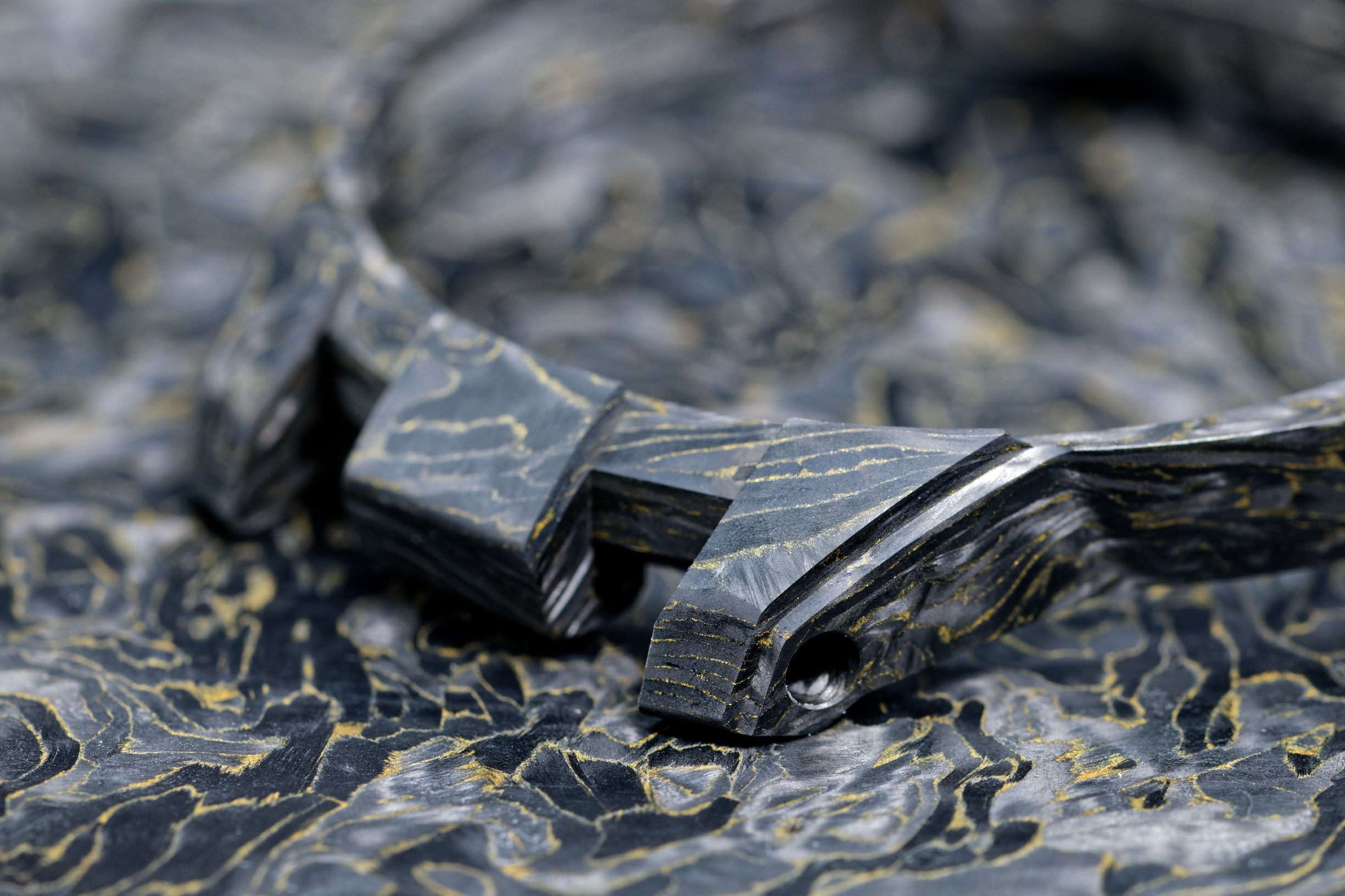
Across architecture and design, advanced composite materials are reshaping what’s possible in façades, interiors and bespoke applications, marrying precision engineering with expressive surface qualities. Among the innovators pushing these boundaries is Lavoisier Composites, a European materials and technology company whose engineered systems span high-performance panels, structural composites and bespoke surface solutions. Central to their expanding portfolio is Carbonium, a carbon-fibre reinforced surface material that’s drawing attention for its combination of technical performance, aesthetic refinement and structural versatility.
Founded with a background in advanced composites and industrial manufacturing, Lavoisier Composites has developed a range of engineered materials targeting sectors where strength, lightweight performance and design flexibility are paramount, including aerospace, automotive, marine and architectural surfaces. The company’s ethos is rooted in the belief that material intelligence — selecting and engineering matter to enhance performance and longevity — is fundamental to contemporary design and construction.
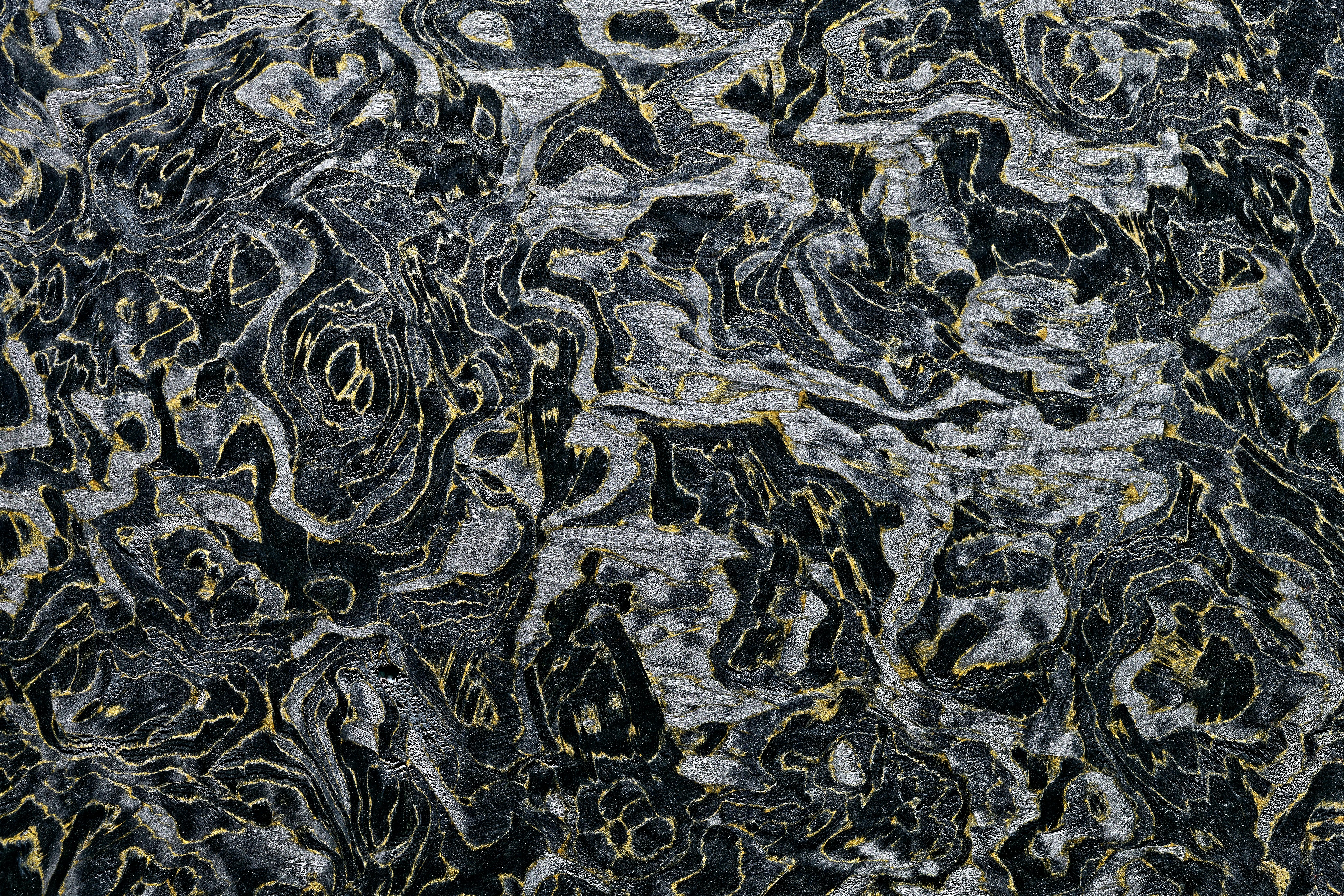
Within this broader offering, Carbonium represents a focused application in the surfaces sphere. While carbon fibre as a material isn’t new, Carbonium reframes it for architectural use, combining carbon composites with tailored surface finishes suitable for both interior and exterior applications. The result is a surface that reads simultaneously technical and refined, and one that can reference industrial precision without feeling cold or uninhabitable.
Carbonium panels are built around high-strength carbon fibre reinforcement, which gives them a high stiffness-to-weight ratio and excellent resistance to deformation. In practical terms, this means that large spans or bespoke geometries can be achieved without the weight issues often associated with traditional stone or heavy engineered materials. For architects and fabricators, this opens up possibilities for slender profiles, cantilevers and expressive forms that would be difficult to realise with denser materials.
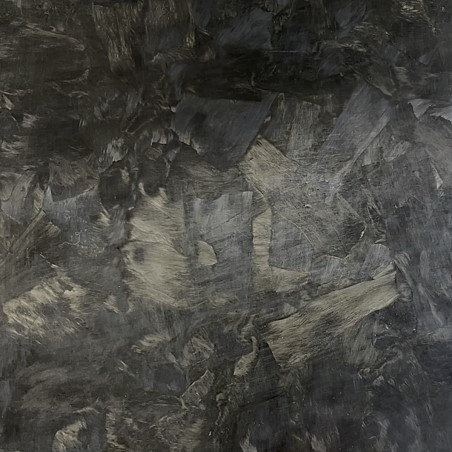
Yet what sets Carbonium apart in the surfaces context is not just structural capability, but the way it integrates surface character into performance behaviour. Carbon fibres can be oriented, textured and finished in ways that bring out directional grain, sheen and depth — qualities usually associated with natural materials like wood or stone — while maintaining the unmistakable precision of engineered composites. The panels can also be configured for specific environmental conditions, fire performance requirements or integration with substrates such as aluminium, timber or stone anchors.
In interiors, Carbonium’s surface quality introduces a visceral material presence. Where many engineered surfaces prioritise neutrality, Carbonium’s subtle interplay of fibre pattern, surface sheen and depth creates a tactile and visual richness that sits comfortably alongside stone, ceramics or wood. These surfaces can be employed for feature walls, bespoke joinery, reception desks or sculptural elements — anywhere a combination of strength and refined surface quality is desired.