

Surface Spot: HempWood

It’s fair to say that hemp holds a unique position in the world of materials. Its strength and versatility, along with the fact that it can be rapidly and renewably grown, were positive attributes recognised by the Anglo-Saxons, and both Henry VIII and Elizabeth passed laws requiring a steady farming of the hardy plant. There was a time when the natural fibres produced from hemp were being used to make literal miles of rope and tonnes of canvas - the word itself deriving from the Latin word for cannabis.
But, with the emergence of cotton (and the slavery that came with it), along with the clampdown on its biological cousin via The Dangerous Drugs Act 1928, hemp's cultivation and usage as an industrial material began to slide.
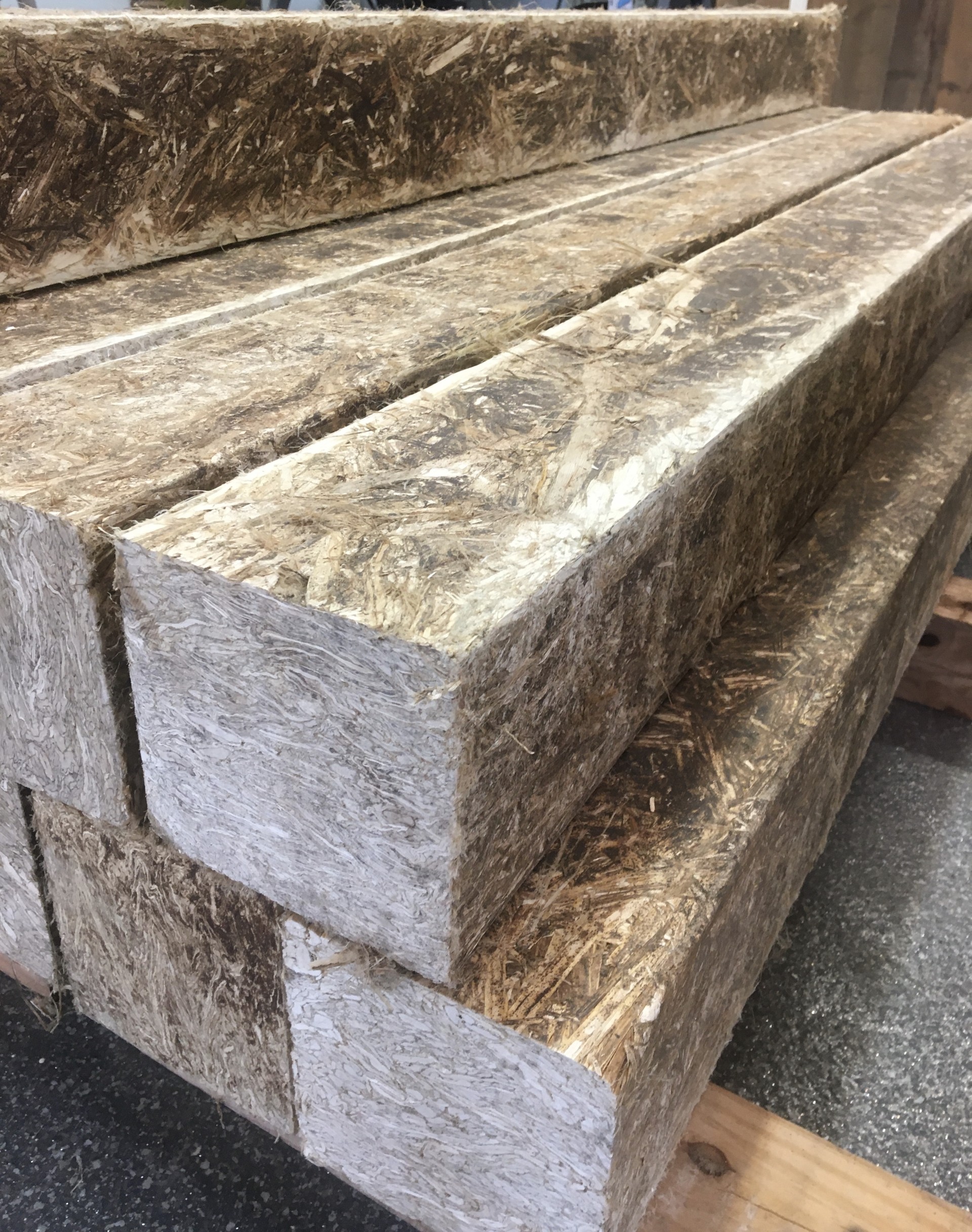
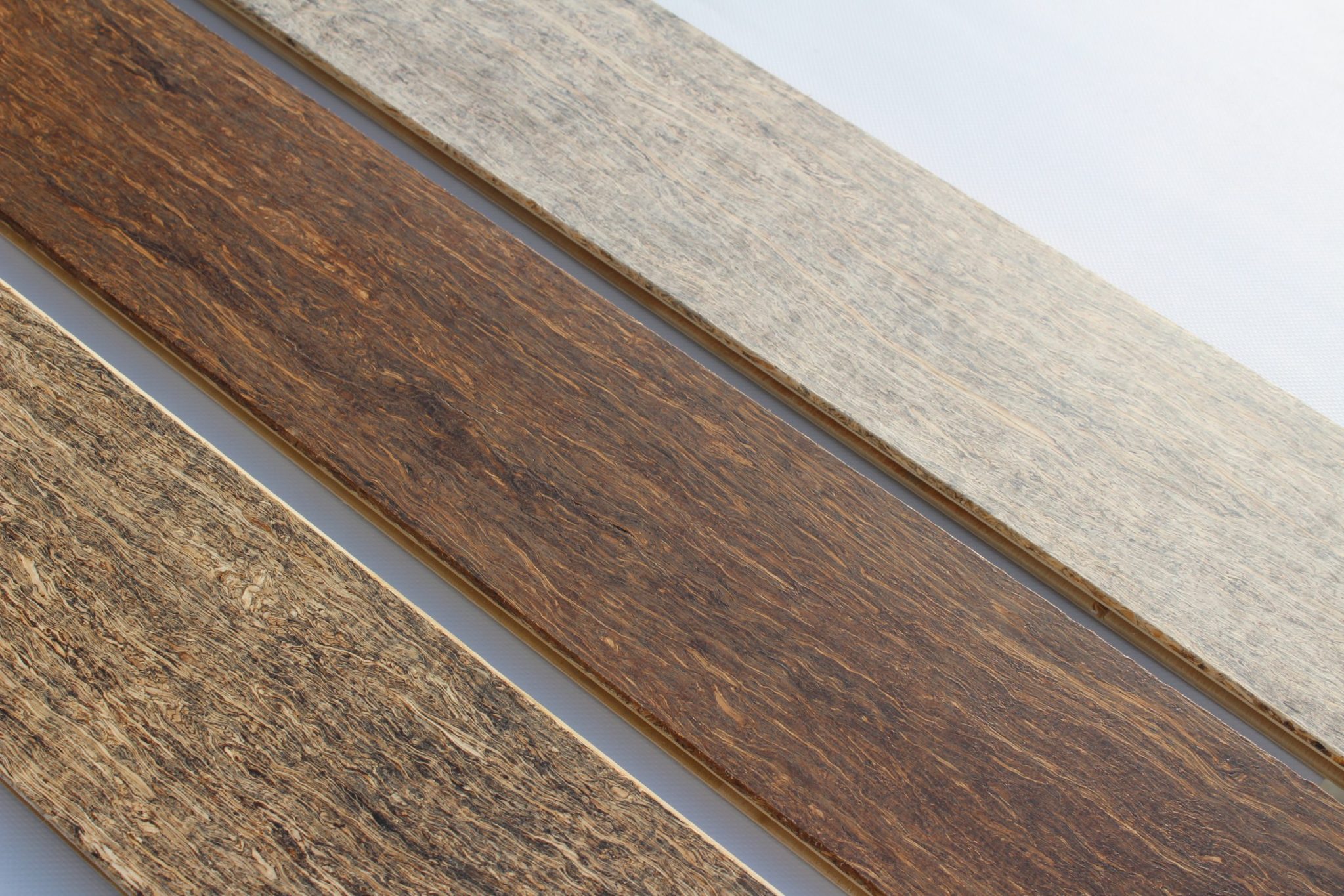
However, the renewed interest in bio-based materials across architecture and interiors has prompted a reassessment of Hemp. As we recently reported, companies like Build With Hemp are reengaging with the material as a viable insulation. While in Holland, HempWood has developed a solid surface from compressed hemp fibres.
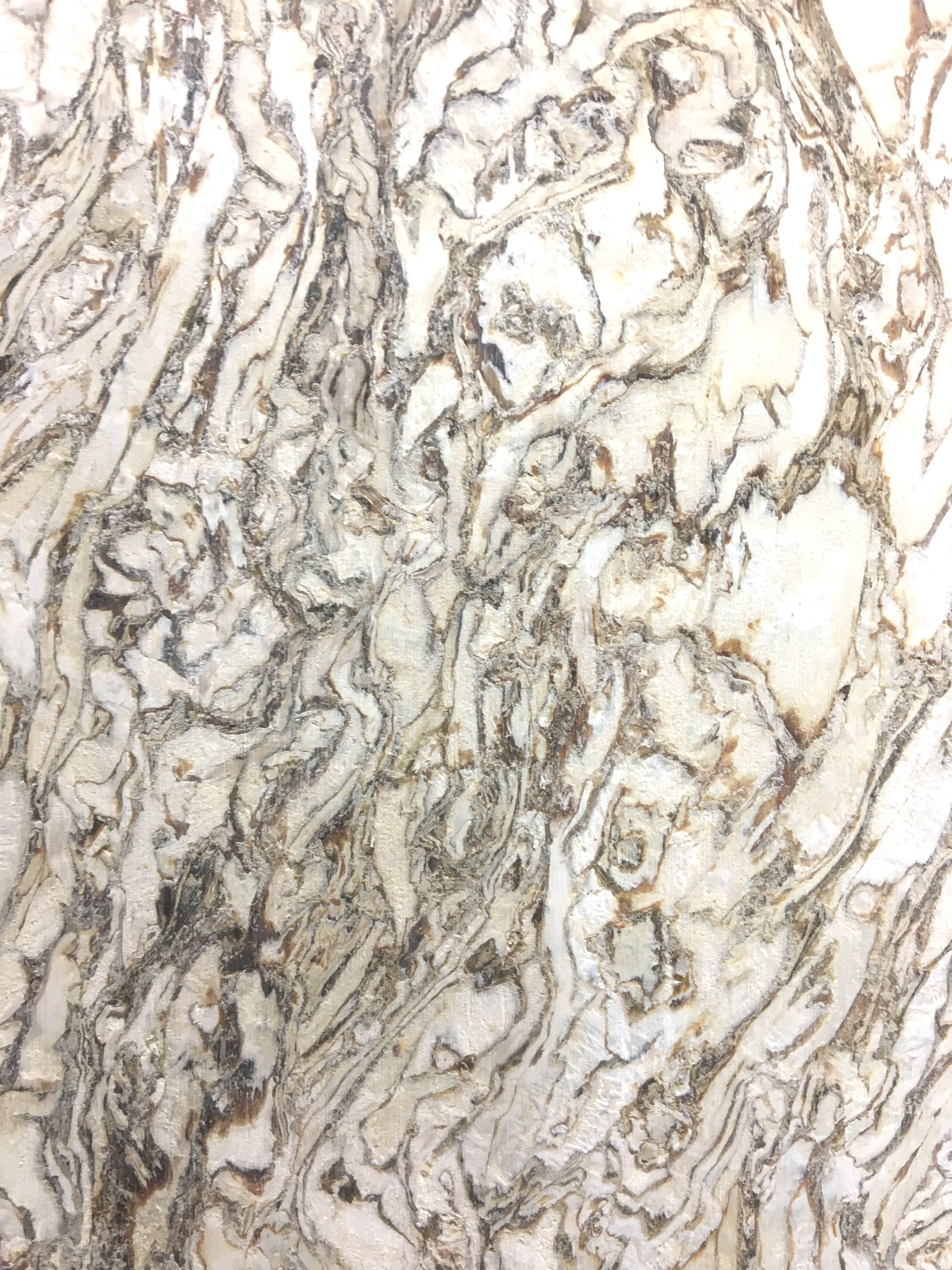
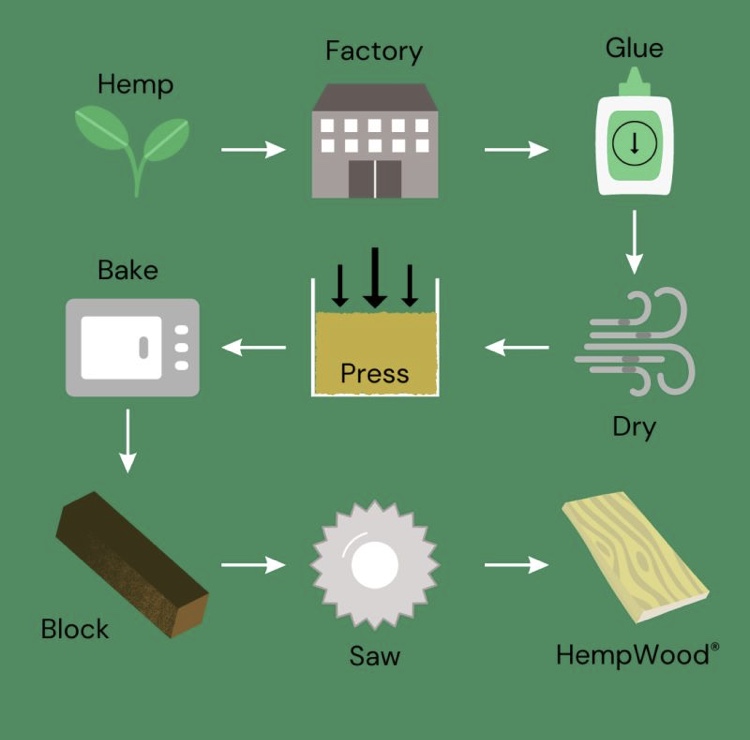
Produced from the entire hemp stalk and bonded using a proprietary water-based soy adhesive, the material forms flooring, panels and structural beams that can be machined and installed in much the same way as hardwood timber. The resulting product is entirely formaldehyde-free and intended primarily for interior applications, combining familiar fabrication methods with a markedly different agricultural resource base.
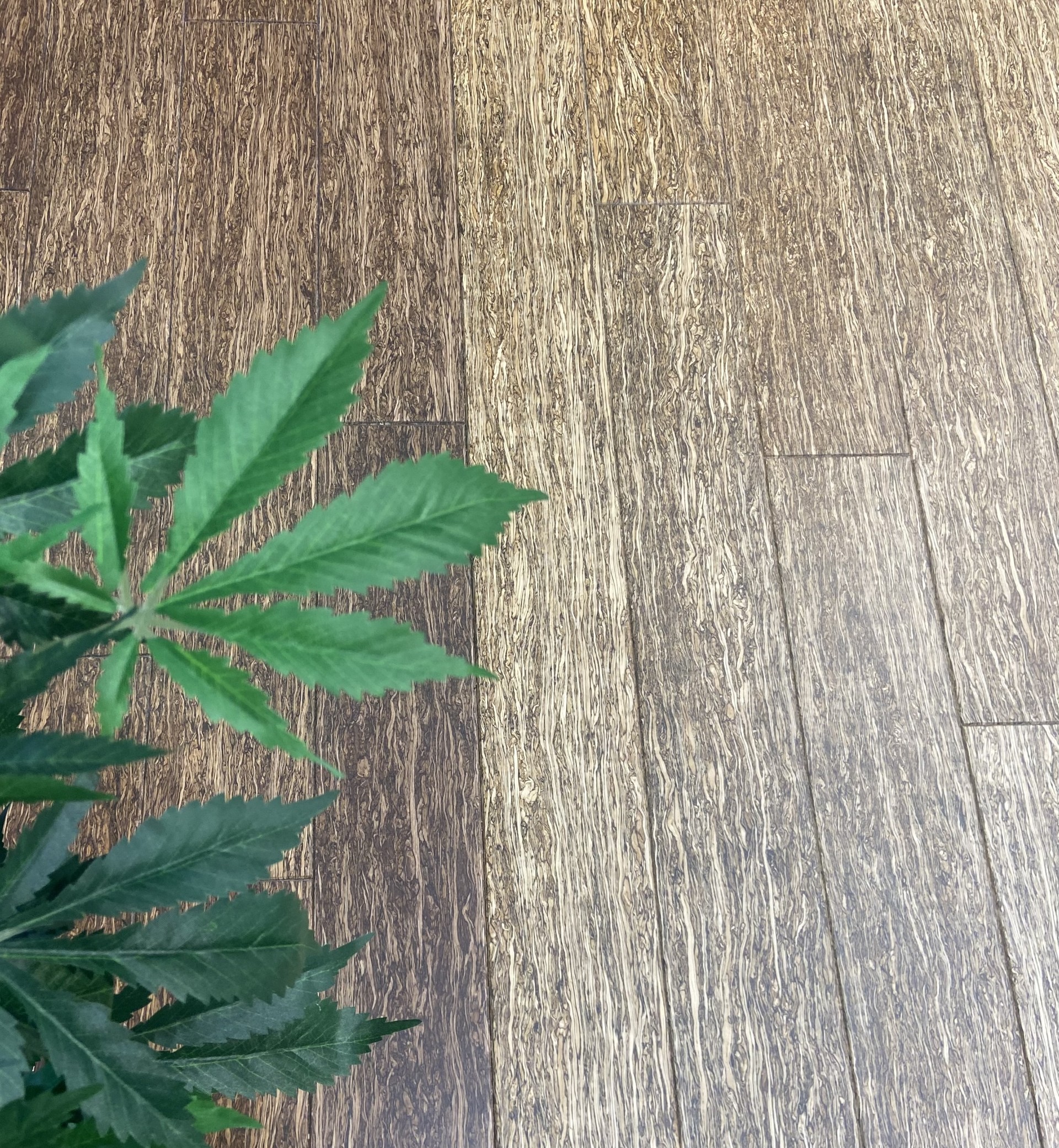
What distinguishes HempWood is less its appearance, which retains the grain and warmth associated with timber, than the speed and environmental credentials of its production. Hemp reaches harvest maturity in approximately 120 days, a stark contrast to the decades required for hardwood forestry. By utilising annually renewable crops rather than slow-growing trees, the material responds directly to mounting pressure on global timber supplies while maintaining the same material language of traditional timber.
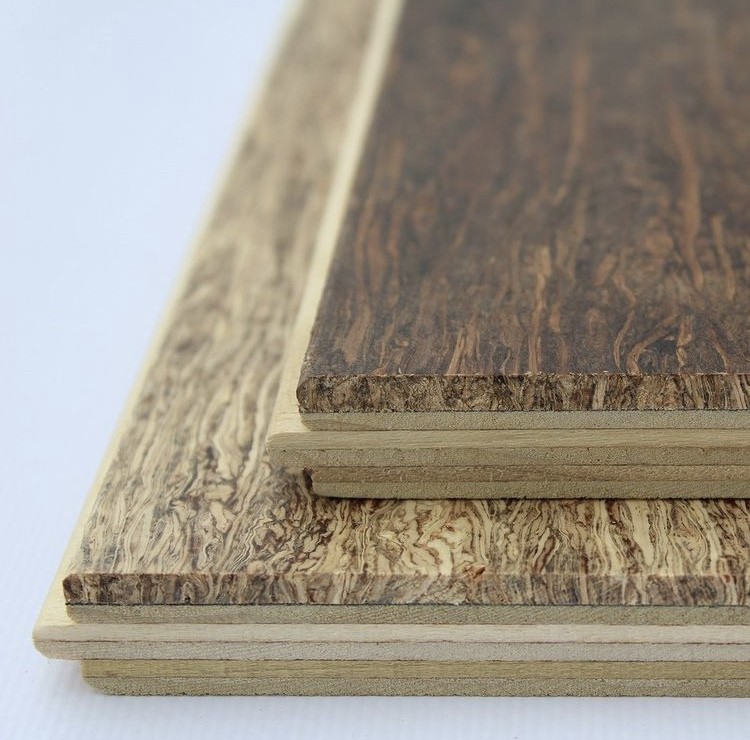
What’s more, HempWood is reported to be around 20% harder than oak, allowing it to function in flooring and joinery contexts where durability is essential. The material carries a Life Cycle Assessment, European fire certification and a European patent, and is currently represented across multiple European markets, signalling a shift from experimental biomaterial to scalable construction product.
To top it all off, hemp actively absorbs CO₂ during growth, and when locked into long-life construction products, that carbon remains stored within the building fabric. In this sense, HempWood reflects a broader pivot underway across the surfaces and construction sectors — one that looks not only to technological innovation, but also to historical material intelligence, reinterpreted for a carbon-conscious era.