

Surface Spot: Kava Surfaces

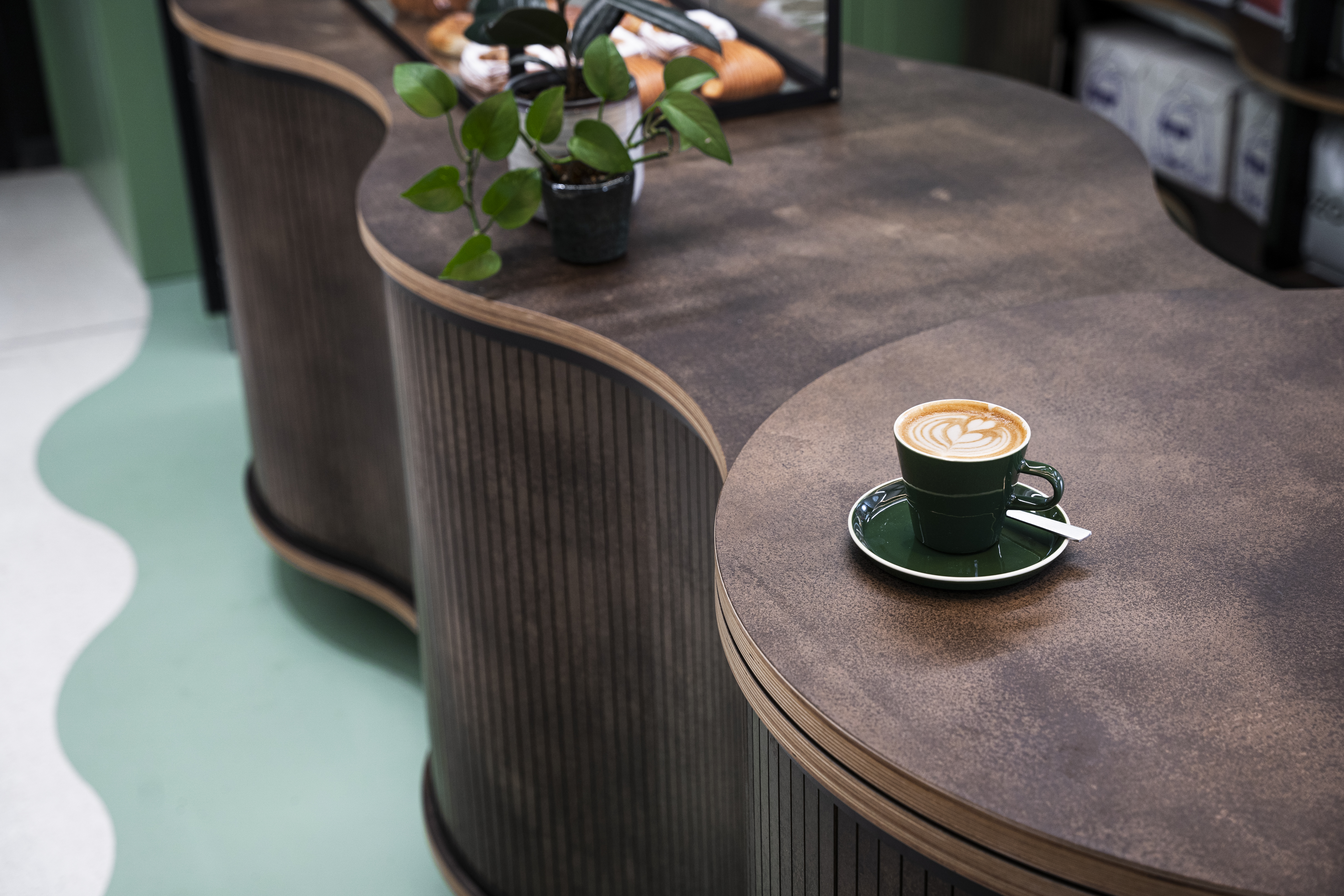
Since we watched six best friends regularly hang out on their favourite red sofa, seemingly carefree and able to drink coffee at any point of the day during the 90’s, the hot drink has become a ubiquitous mainstay around the globe.
Since its invention in the Middle East in the 15th Century, coffee’s popularity has been a culinary juggernaut, fuelling our days, and for many, becoming a subtle modern-day addition. In the West, we are surrounded by coffee shops, both multinational and independent, with a vast turnover of profits and production, which includes an array of materials within the process.
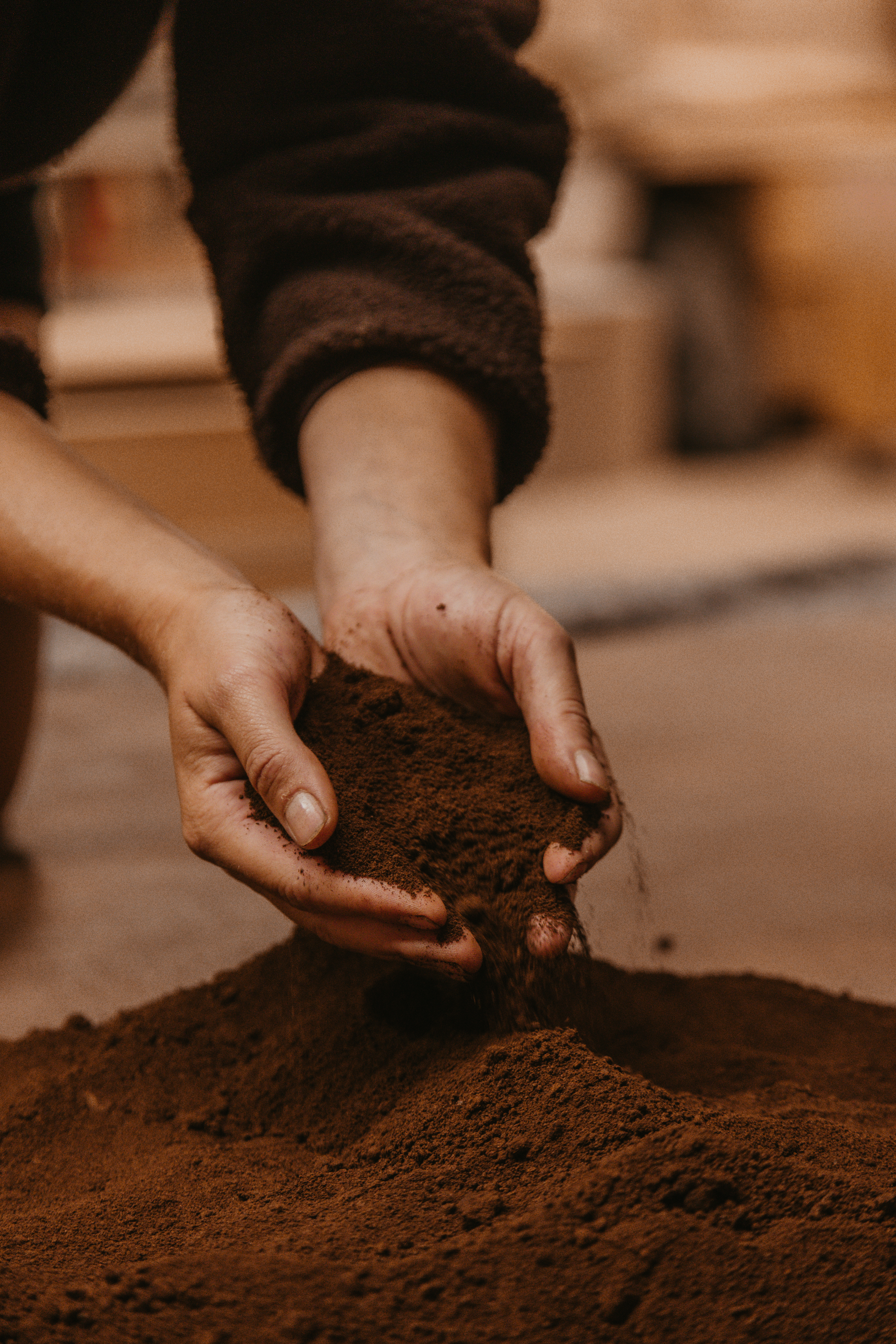
We recently shared Blast Studios' innovative reuse of spent coffee cups, but at a moment when the surfaces sector is reassessing the environmental cost of engineered materials, what about those less obvious, and often messier waste materials and byproducts like coffee grounds? It certainly can’t be said that we don’t produce plenty of them!
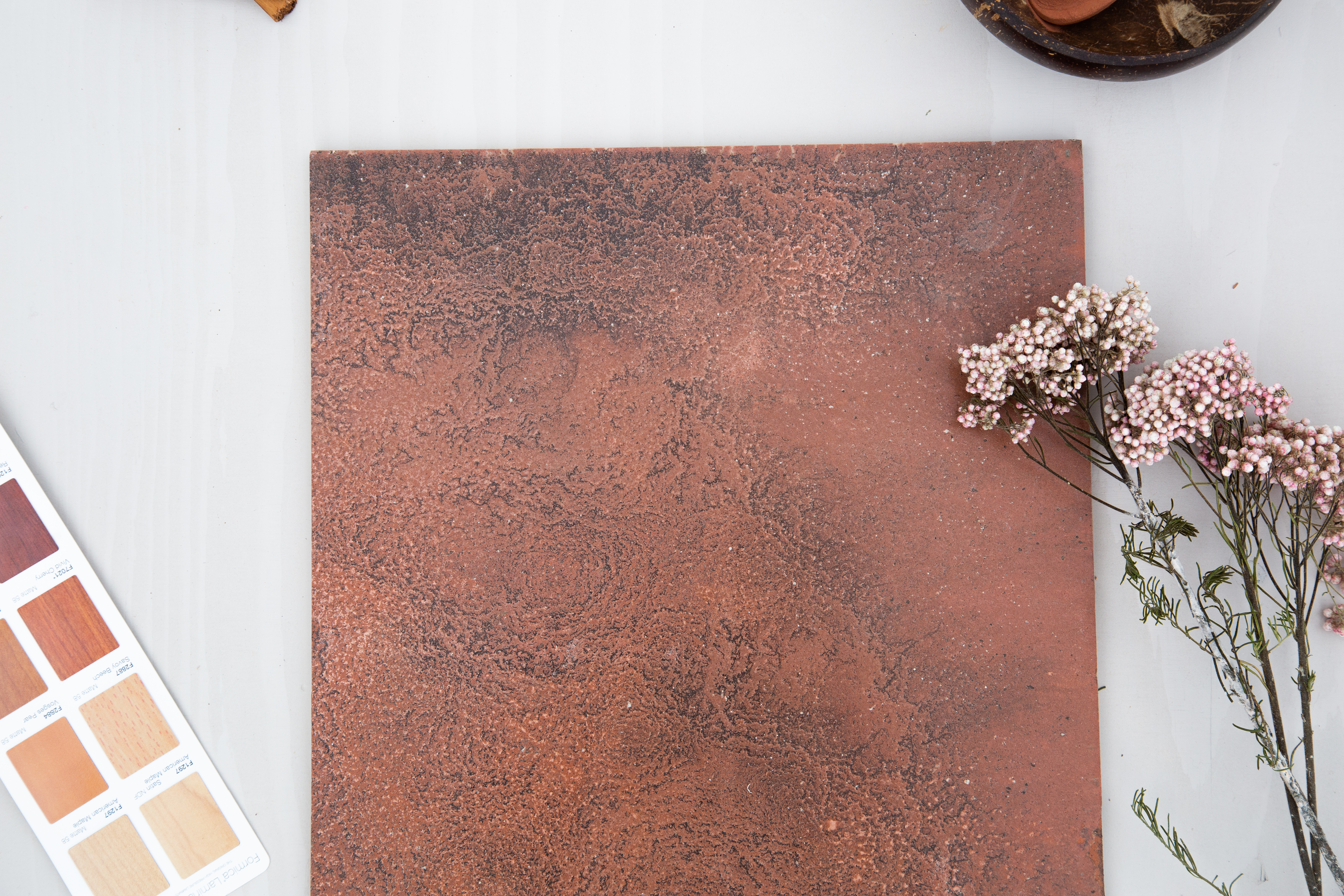
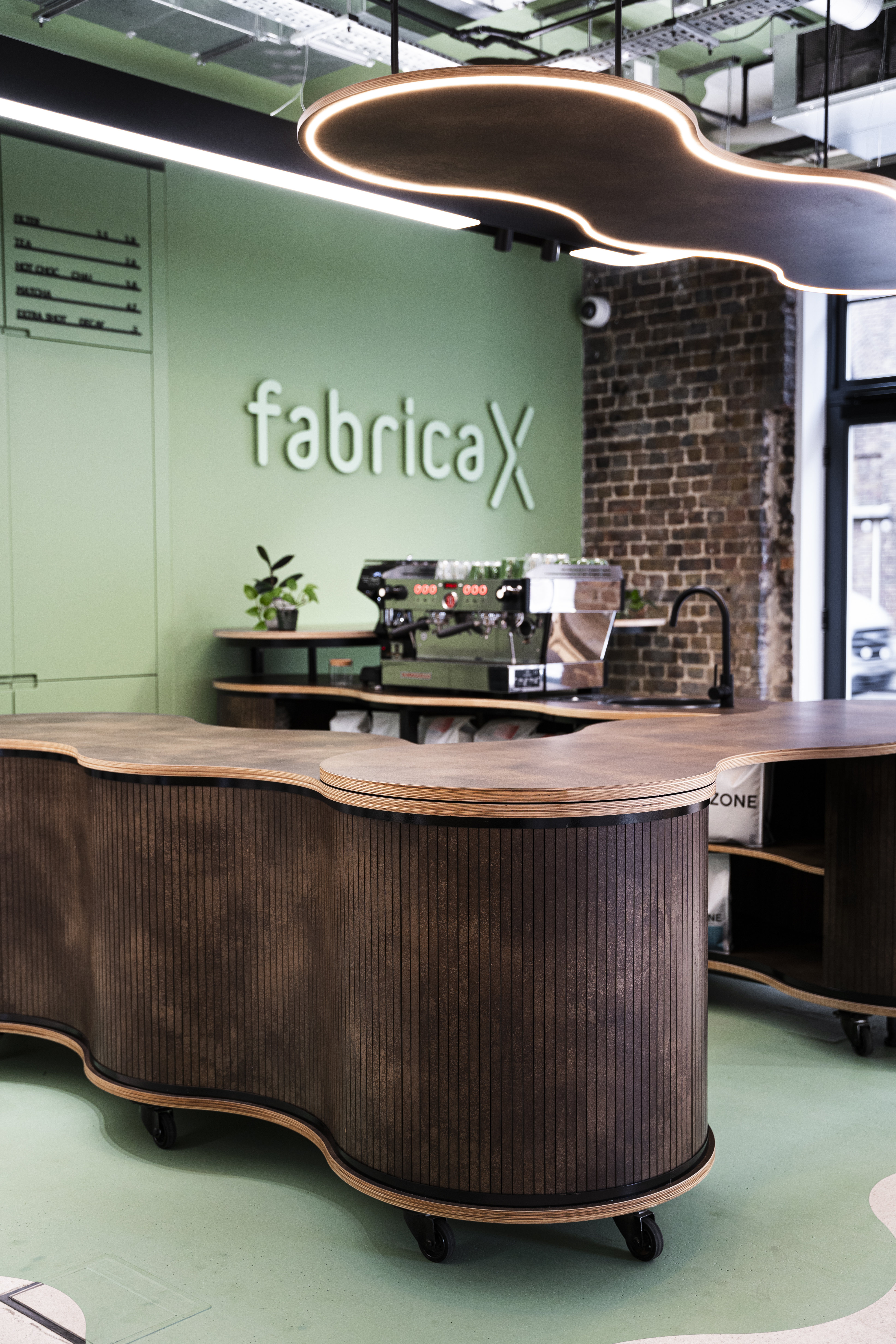
That realisation was the driving force behind the creation of KAVA Surfaces, which are a range of plastic-free materials made from repurposed coffee waste, organic fibres, and bio-binders. Developed and handmade in the UK, the panels offer a durable surface in an array of colours and finishes intended for interior architectural applications, ranging from furniture and joinery to wall covering and work surfaces.
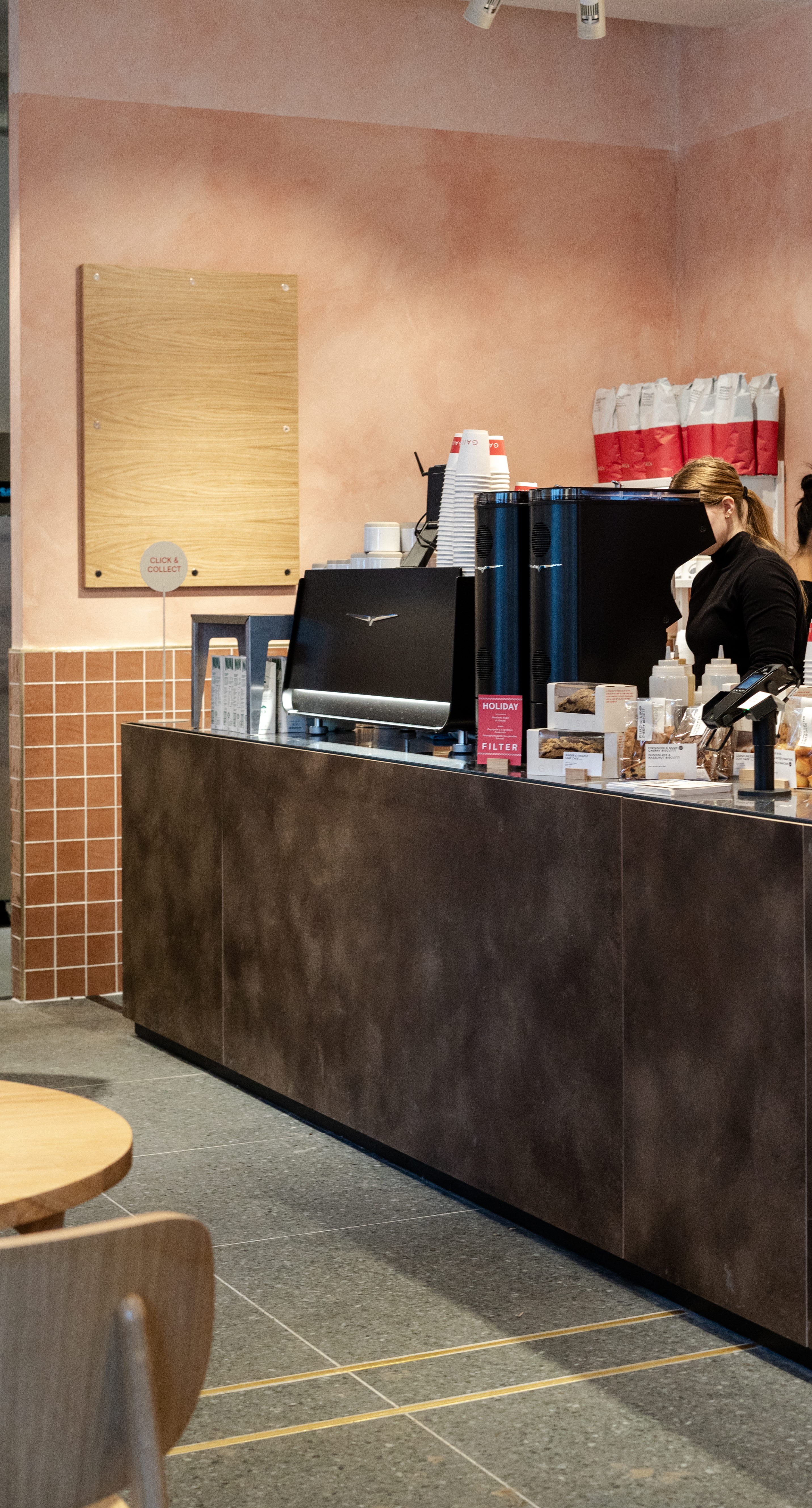
Rather than disguising its composition beneath decorative layers, the material retains a subtly particulate appearance, allowing recycled aggregates to remain legible within the surface. The panels are designed with fabrication in mind and can be cut, routed and finished using conventional woodworking equipment. Equally important is the emphasis on durability and reworkability, recognising that longevity remains one of the most effective forms of sustainability in interior environments subject to frequent refurbishment cycles.
As the company expands and the original coffee-fuelled range has gained in popularity, the team has experimented with other food waste, not least equally abundant fruit stones, which allow for more varied textures that extend the raw, natural aesthetic while continuing to divert would-be waste from landfill.