

Surface Spot: Matter of Place explores a living architecture

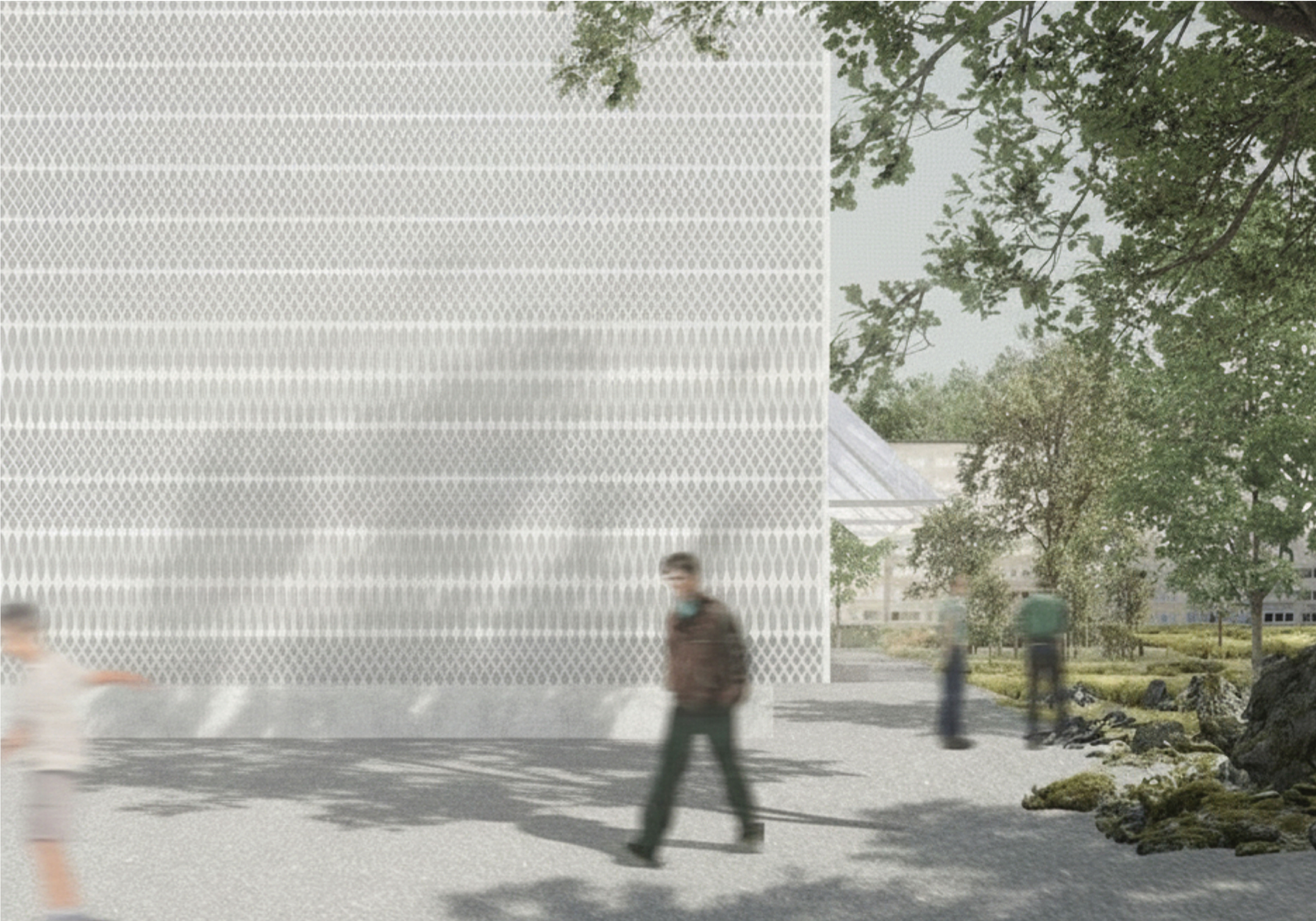
Architecture has traditionally treated the building envelope as a barrier between interior and exterior, protecting one from the conditions of the other. But what if that boundary could do more than keep the weather out? What if it could participate in the environment around it, responding to local conditions and supporting biological processes? For multidisciplinary designer Émilie Gibert, these questions underpin Matter of Place, a project that considers how architecture might be made not simply from natural materials, but with living organisms.
Developed during Gibert’s MFA in Design Ecologies at Konstfack in Stockholm, in collaboration with the Hudson Lab, Matter of Place proposes a modular facade system grown through the biomineralisation activity of cyanobacteria. The project brings together two locally available resources from Sweden’s west coast: cyanobacteria and discarded shells from Pacific oysters, an invasive species in the region. Rather than treating the shells as waste, Gibert uses them as the mineral component of a new building material.
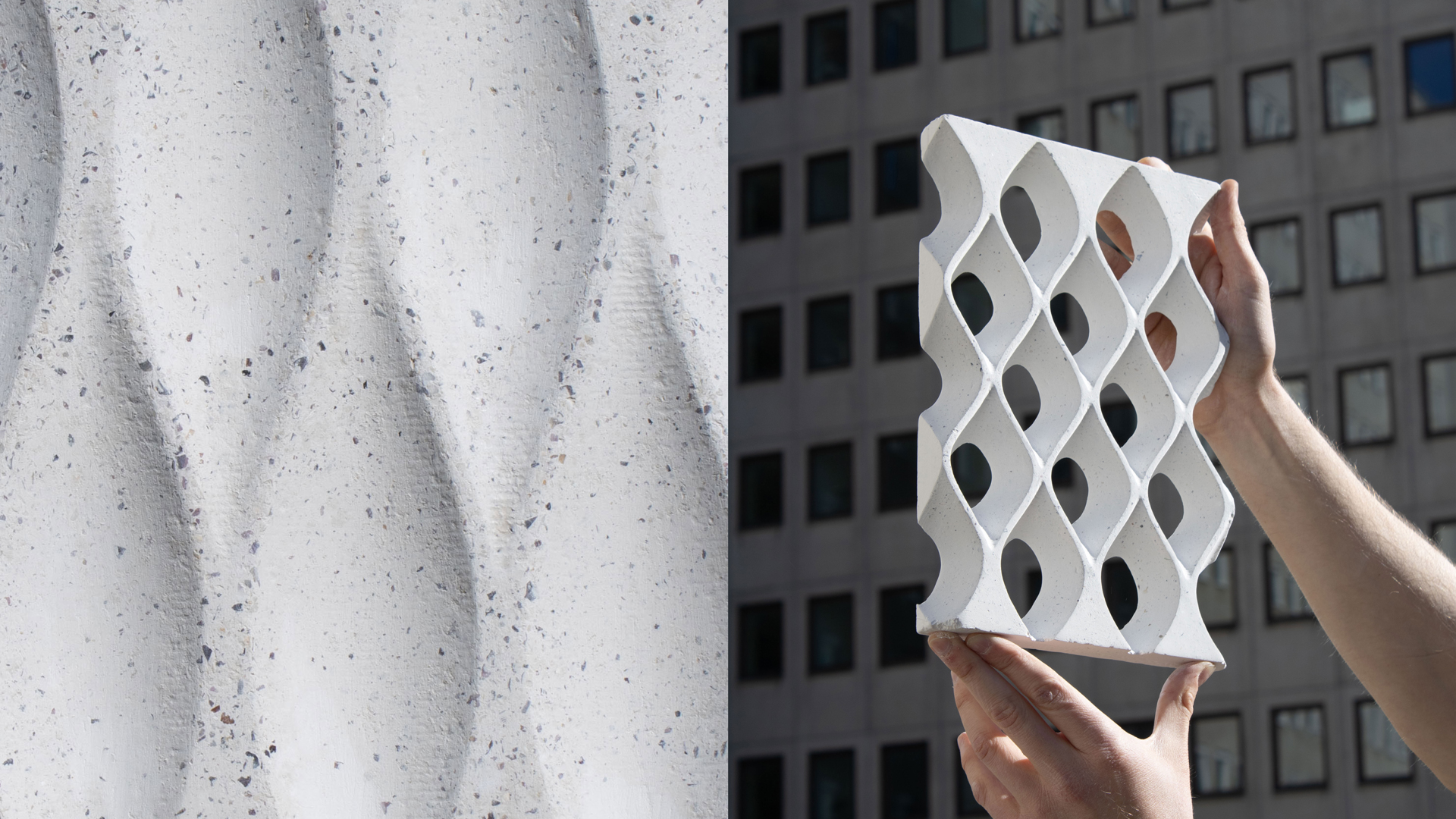
The process centres on photosynthesis and the ability of cyanobacteria to precipitate calcium carbonate. As the microorganisms draw carbon dioxide from the air, they trigger the formation of this mineral, which binds crushed oyster shells into a solid material. It is an example of biomineralisation, a process through which living organisms produce minerals, here directed towards the creation of an architectural surface.
The choice of materials is closely tied to the project's sense of place. The oyster shells are not an interchangeable ingredient sourced from a global supply chain, but a resource associated with a particular coastal ecosystem. Their use also gives the project an ecological dimension beyond the material itself, proposing a way to make use of an invasive species as part of an approach to ecosystem remediation. The facade is conceived as something rooted in its surroundings, rather than a standardised product that could be applied indiscriminately.
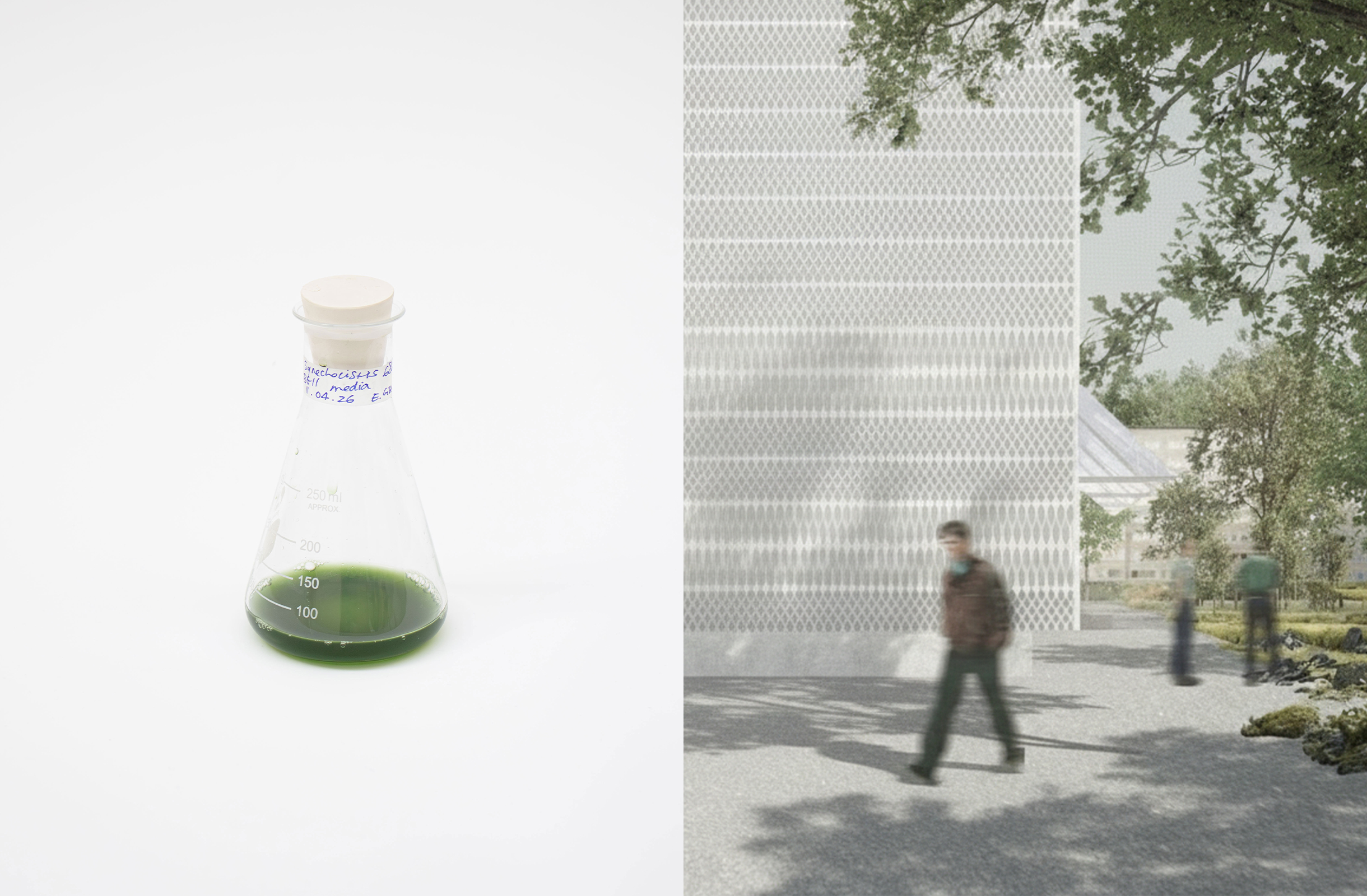
That relationship continues in the design of the individual modules, and Gibert uses computational design informed by local solar and climate data to determine the geometry, depth and porosity of each element. The intention is to create microclimates that help maintain the cyanobacteria's activity, while shaping the facade's relationship with the building and its exposure to the sun. Each module is therefore designed in response to its specific location, rather than being one repeated tile applied across an entire elevation.
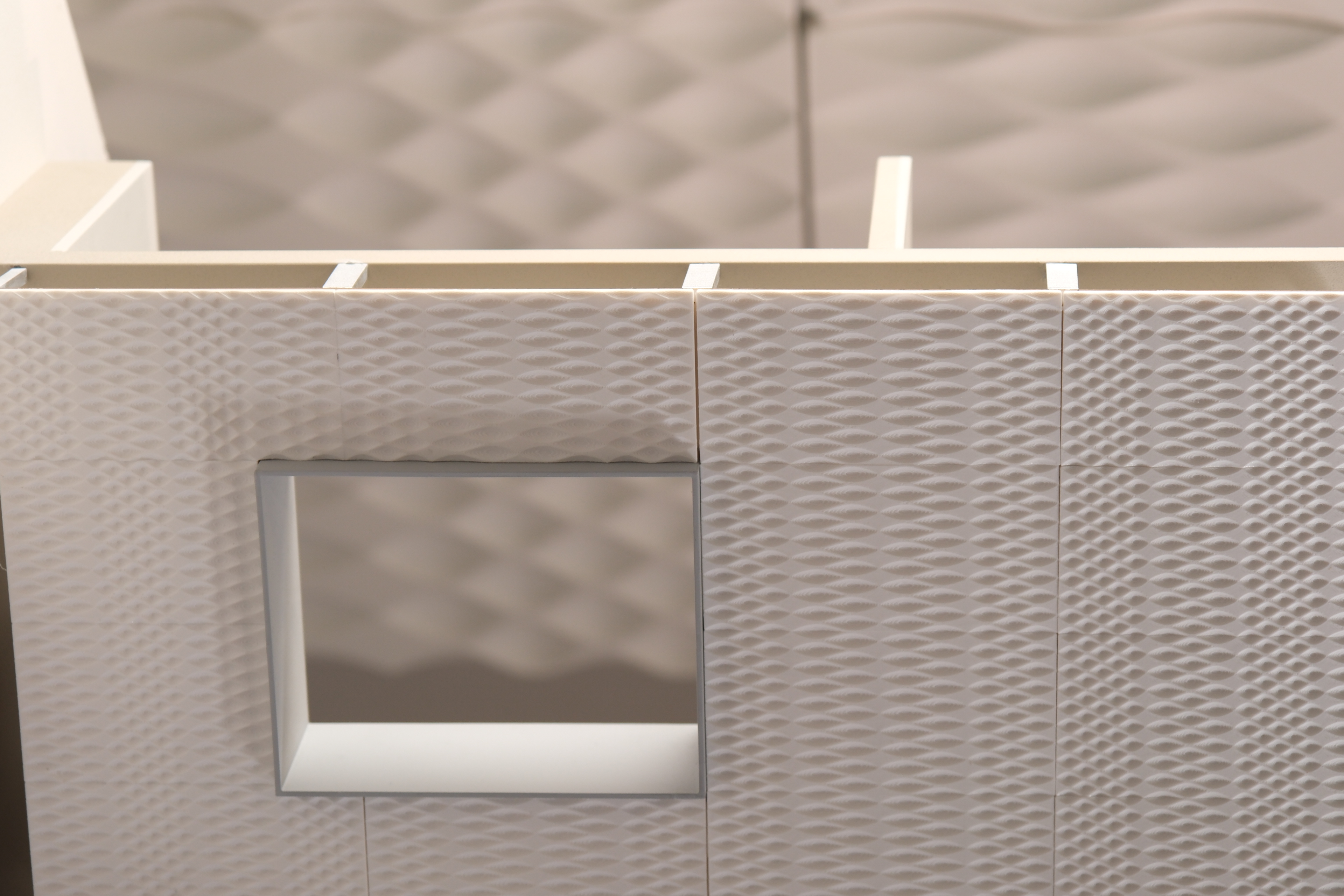
The resulting surface is intended to remain biologically active and evolve with the seasons. Its porous, lightweight construction is also proposed as a thermal buffer for existing buildings, offering a potential retrofit layer for ageing concrete infrastructure. In this respect, Matter of Place looks beyond the replacement of one material with another. It considers how a new facade might adapt an existing building, improving its environmental performance while introducing a living system to its exterior.
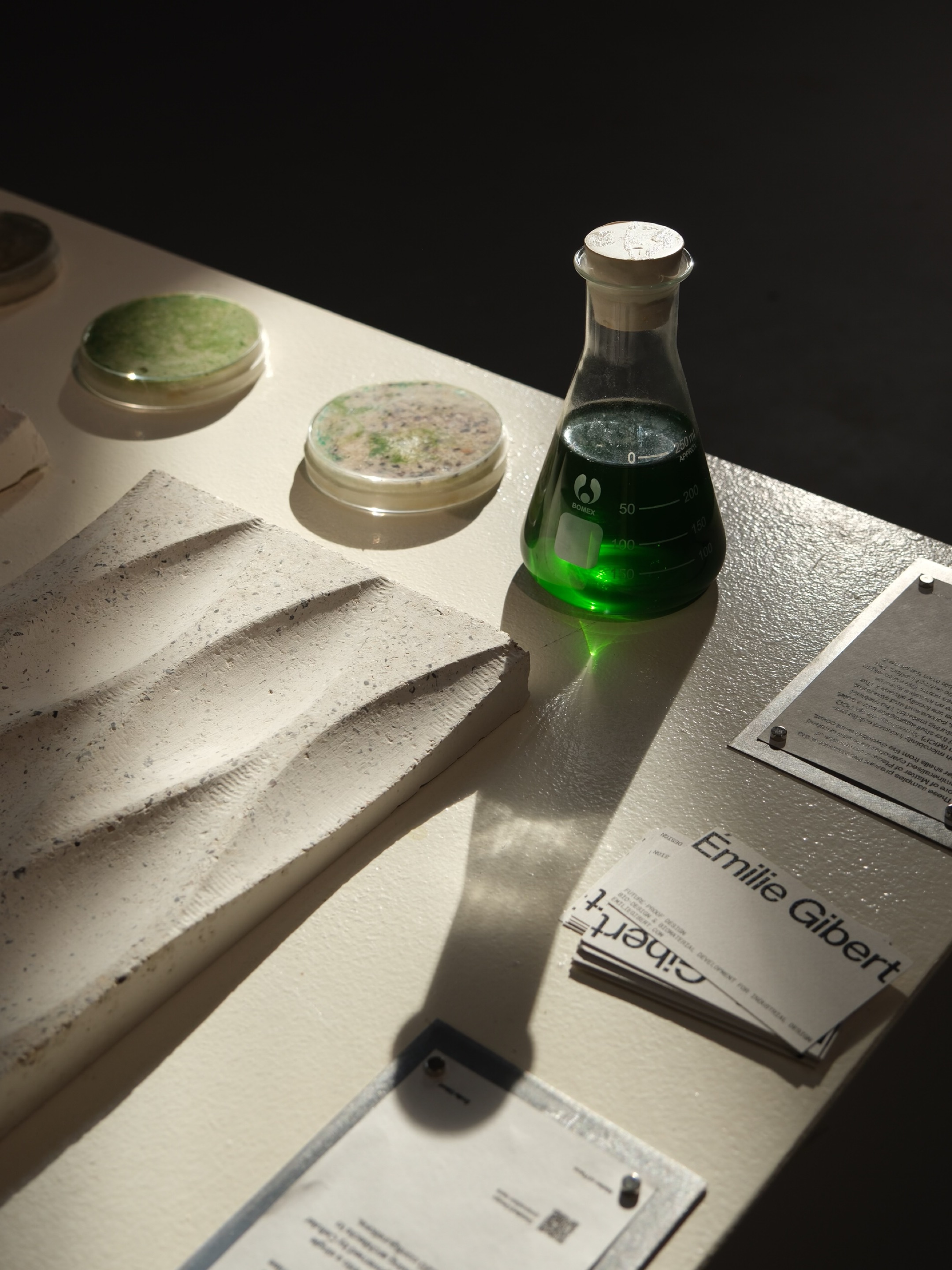
Gibert's practice sits between biodesign, material research and ecological thinking. She works across scales, from the behaviour of microorganisms to the wider systems through which materials are produced and used. Her approach combines hands-on experimentation with critical and speculative design, using the discipline to question established relationships between people, technology and the natural world. Matter of Place brings these interests into an architectural context, asking how design might accommodate the needs of organisms that are not usually considered part of the construction process.
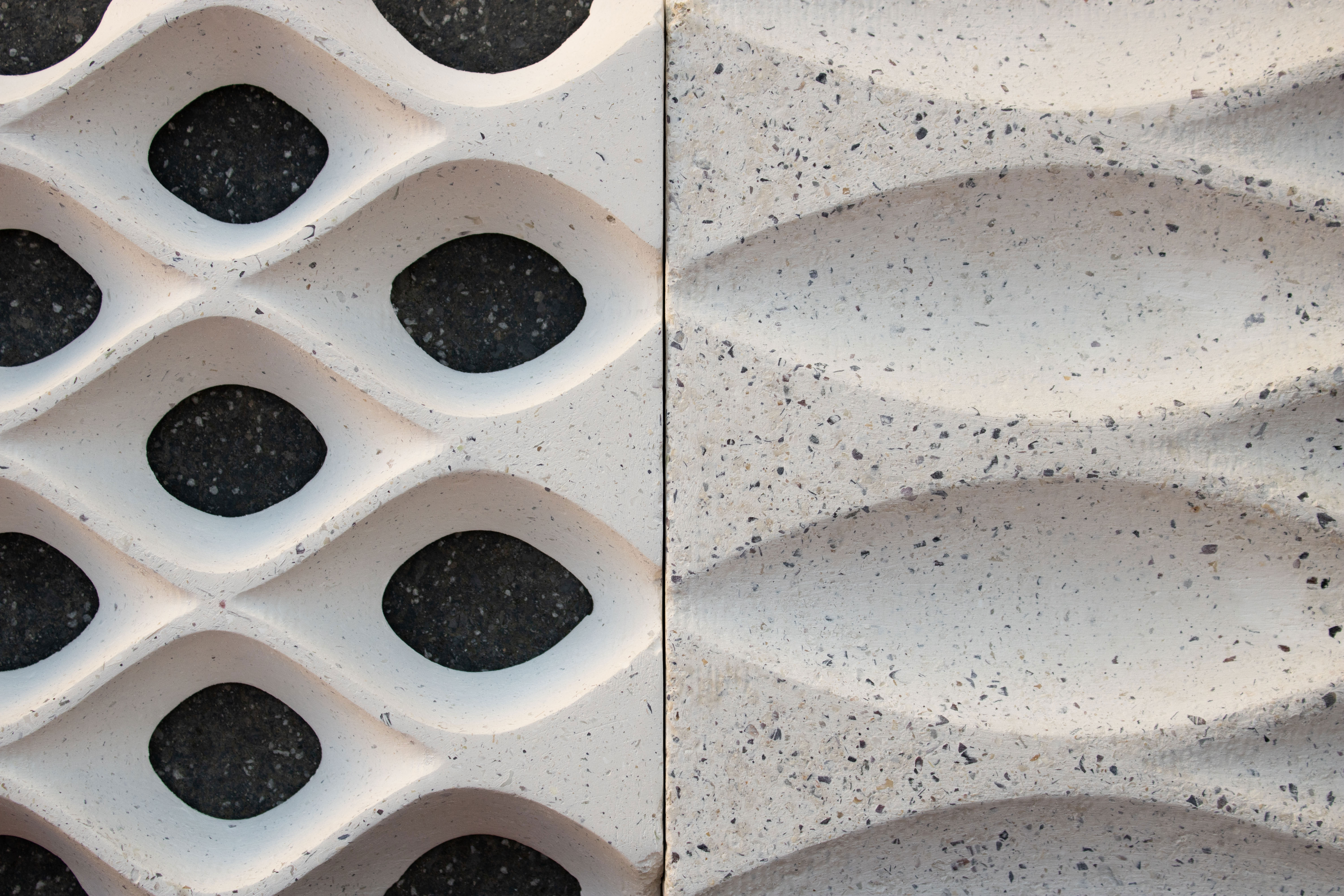
There are, inevitably, questions to resolve before a living facade of this kind could become a broadly applicable building product. Its long-term durability, maintenance, biological stability and performance across different climates would all need to be established. But the project is valuable in the questions it raises about the building envelope and the potential for material systems to work with environmental processes rather than simply resist them.
Presented at Dutch Design Week 2026, Matter of Place offers a different way to think about the renovation of existing buildings. Its combination of oyster shells, cyanobacteria and computationally shaped modules is specific to its ecological setting, but the underlying proposition has wider relevance: that the materials and systems of architecture might be designed to co-habit with the living world, rather than remain separate from it.