

Surface Spot: Pit Board

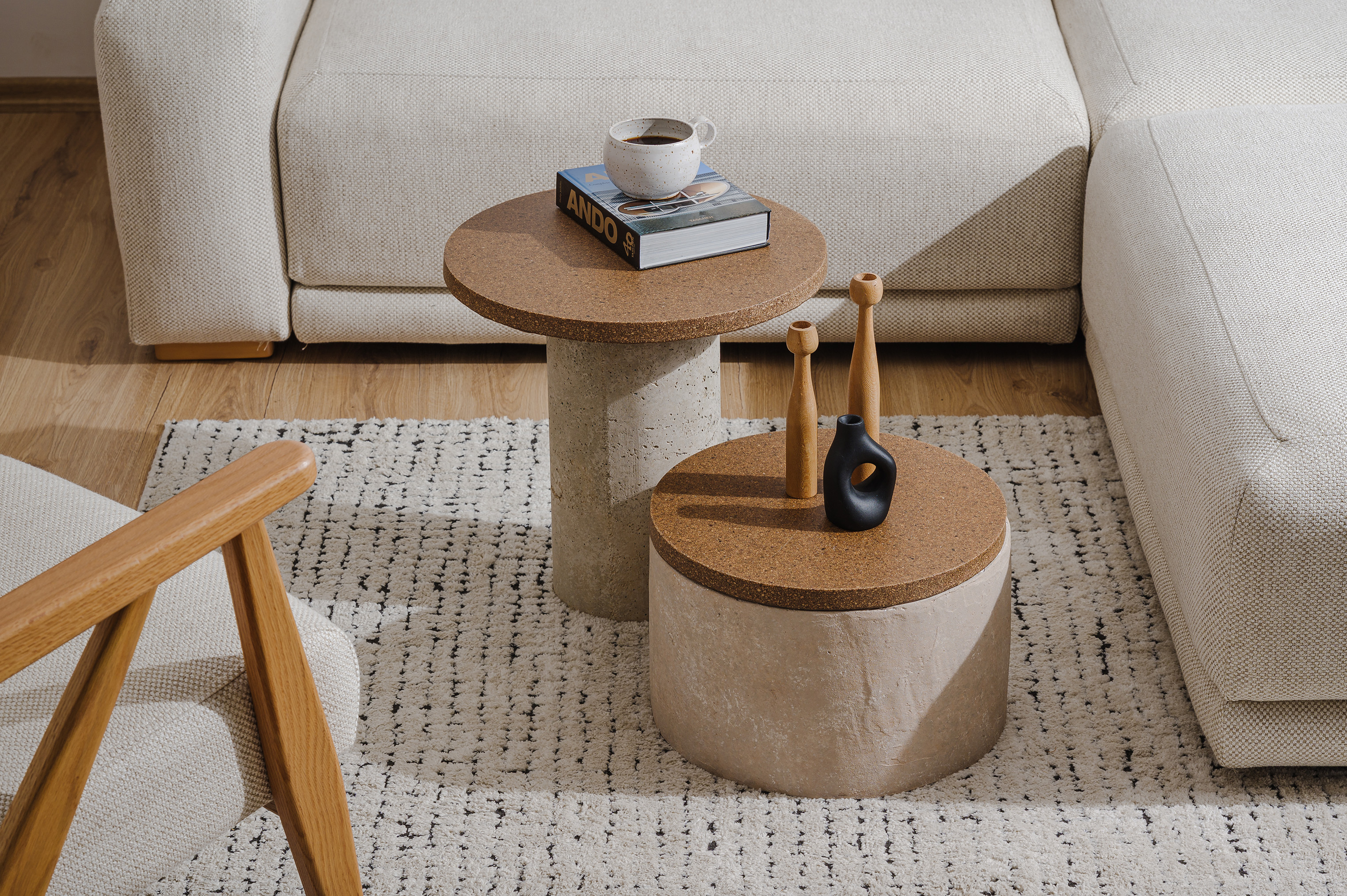
For some, olives are not a food group that the palate ever quite grows to appreciate.
For those of us who can’t get enough of them, there is that slightly peculiar trade-off, where intense flavour and enjoyment are offset by the need to dispose of the hard stone within. And perish the thought of accidentally biting down on one.
As the search for lower-impact surface materials continues to push designers beyond convention, one ingenious Cypriot company has seized on those surplus pits as a means to produce a solid surface for the built environment.
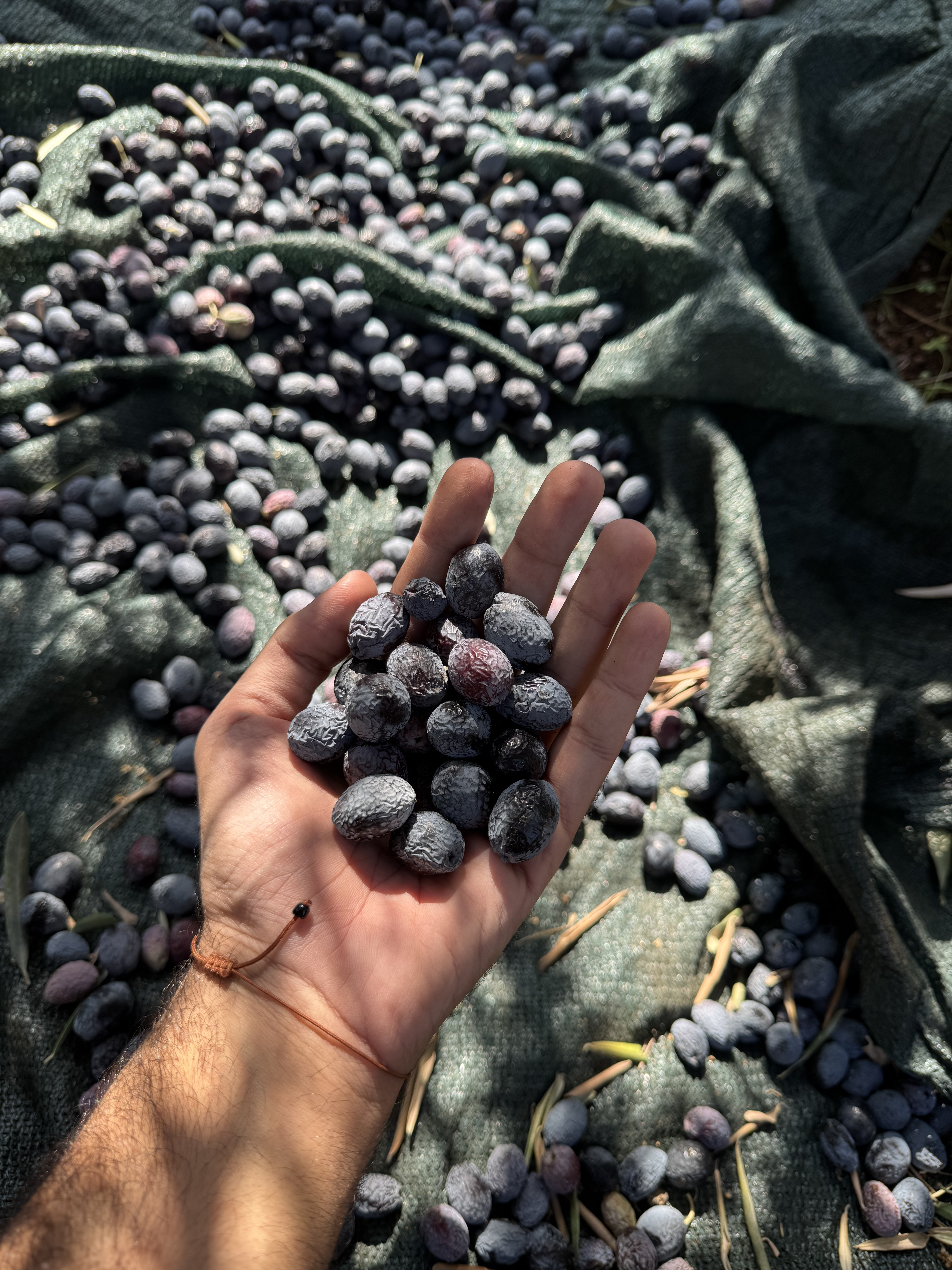
Pit-To-Table reframes the by-product at an agricultural scale with its bio-composite, Pit Board. The panels come in a standardised 18mm-thickness, and are manufactured without the need for a secondary substrate. The company states that at least 60% of the material content comes from agricultural waste, positioning it within a growing category of plant-based construction products aimed at reducing reliance on petrochemical binders and virgin resources.
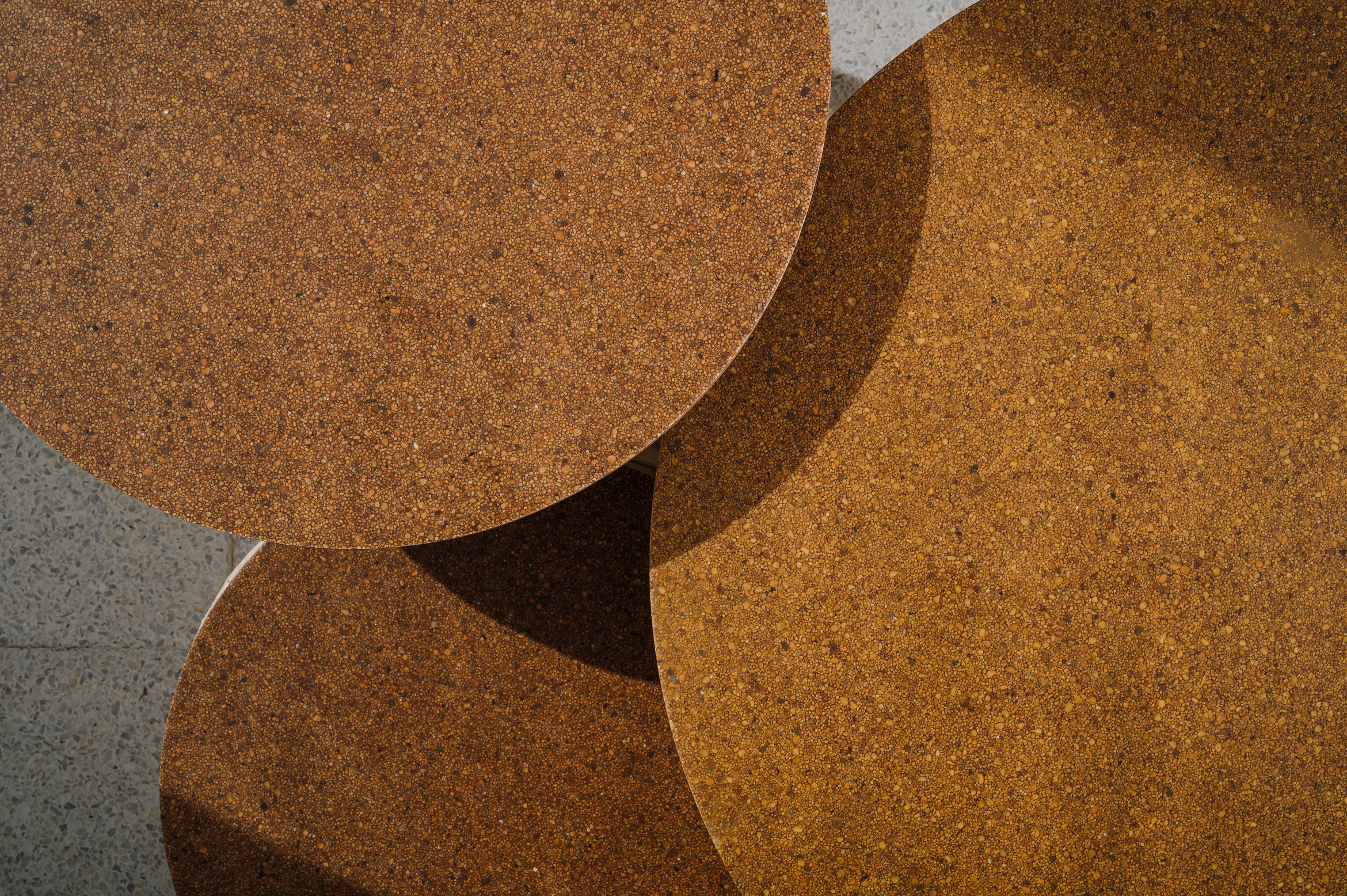
The olive pits are graded through an industrial sieve into four sizes, producing a varied surface texture that reads differently depending on light and distance. Up close, the material reveals a dense, tactile field of fragments. Rather than treating waste as filler, the pits themselves become the visible aggregate, giving the board a granular, almost terrazzo-like appearance, but with a softer, more organic feel.
Developed in Cyprus, Pit Board draws on the by-products of olive cultivation, a long-standing agricultural industry across the Mediterranean. By redirecting what would otherwise be discarded organic matter into construction, the material connects local waste streams with global design supply chains.