

Insights: When Architects Meet Quarries (Part 1)

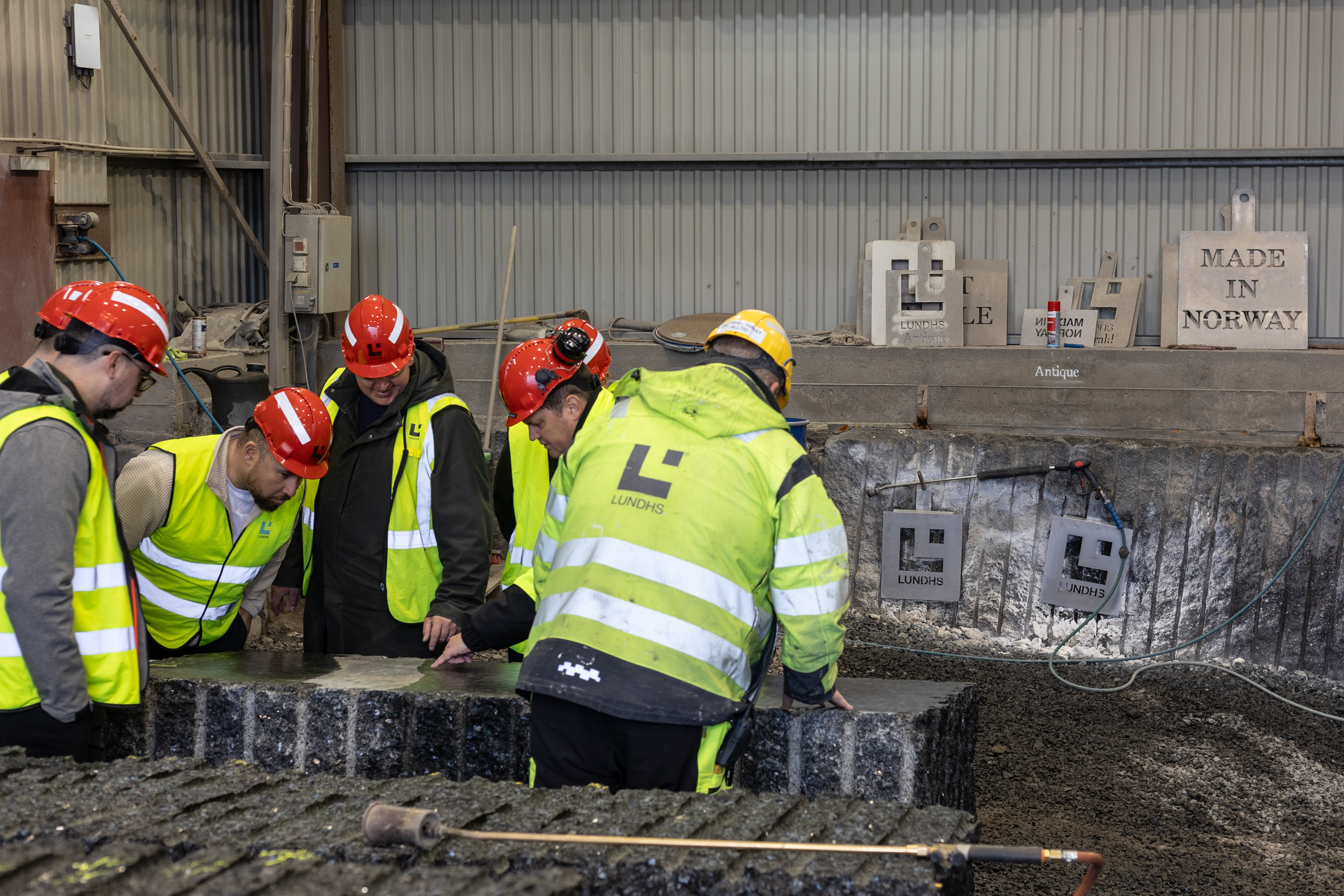
Natural stone has become an increasingly important part of Studio Folk Architects' material palette, reflecting the practice's wider interest in low-carbon construction, craft and place-based design.
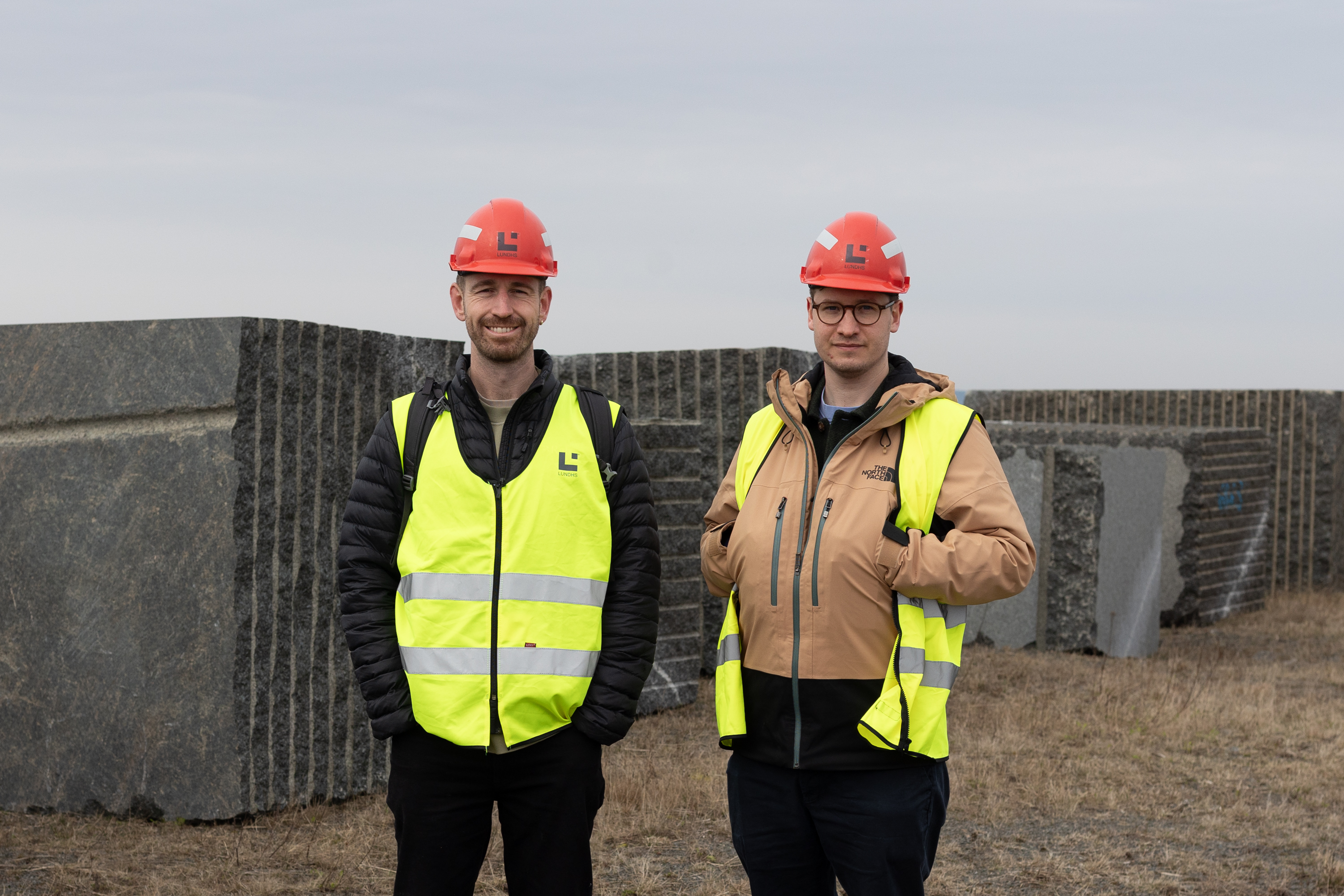
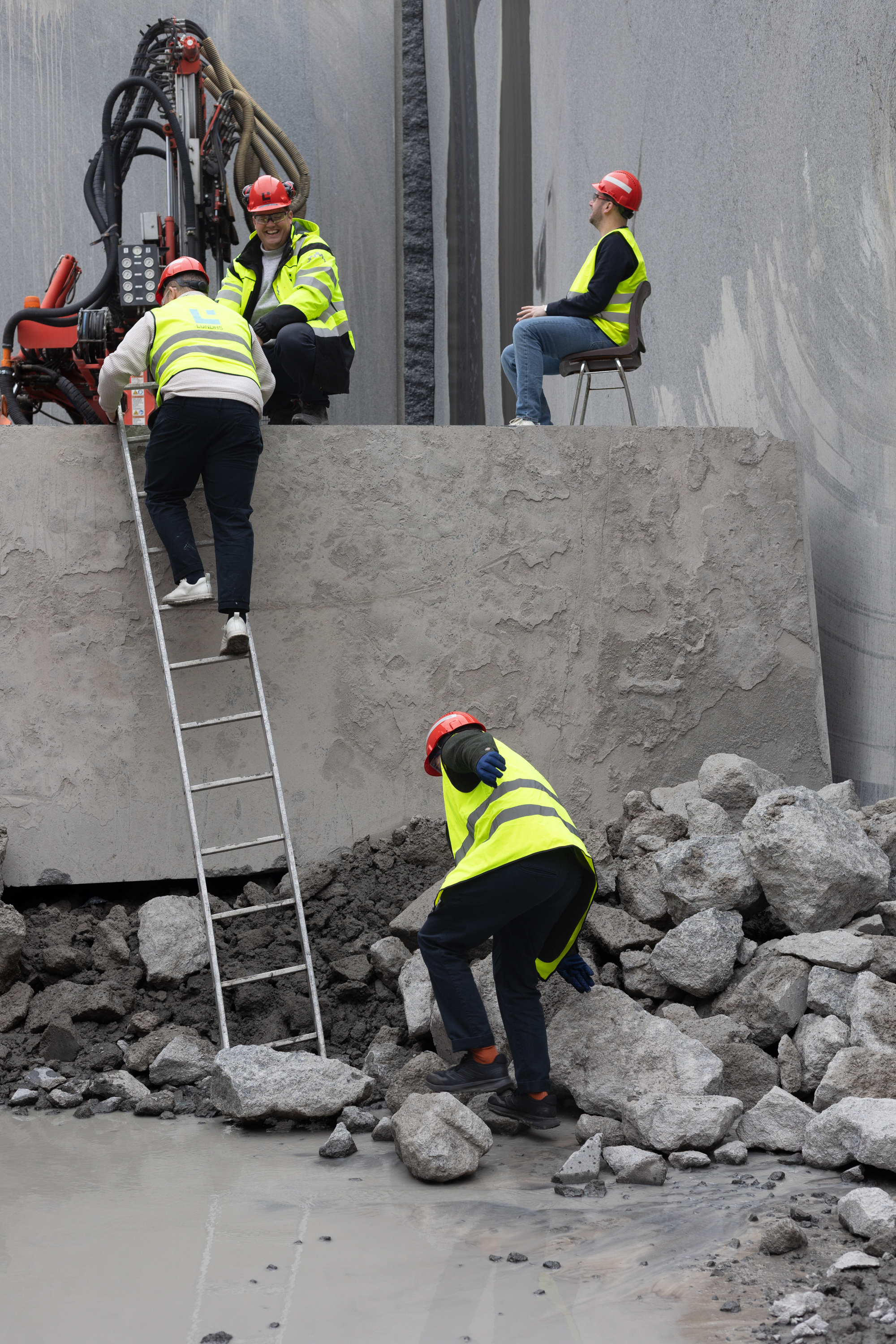
Directors Edward Powe and Patrick O'Keeffe recently visited the Lundhs quarries in Larvik, Norway, where the distinctive Larvikite stone has been extracted for generations. Following the engaging conversations they had while on site, we have invited further discussion and invited the pair to interview and be interviewed by Lundhs Marketing and Business Development Manager, Hege Elisabeth Lundh.
In this first conversation, they reflect on how the experience has influenced their understanding of stone, discussing why stone is increasingly becoming a default specification, how visiting the quarries challenged assumptions about variation and material value, the opportunities for using lower grades and surplus material, and why greater understanding of stone's origins could help architects design more creatively and sustainably.
HEL: In your practice, where does natural stone genuinely earn its place: what makes you specify it, and what tends to rule it out?
EP: We have increasingly been specifying natural stone as a default material for masonry applications. Its sustainability credentials, together with the wide variety of colours and finishes available, make it a compelling alternative to the high embodied-carbon materials that dominate much of contemporary construction. There remains a deeply ingrained perception that natural stone is a ‘premium’ product with an equally premium price tag. Our experience, however, is that when carefully selected and considered early in the design process, cost need not be the defining factor.
HEL: After visiting the Lundhs quarries, did it change how you think about stone; its possibilities, or the risks architects have to manage?
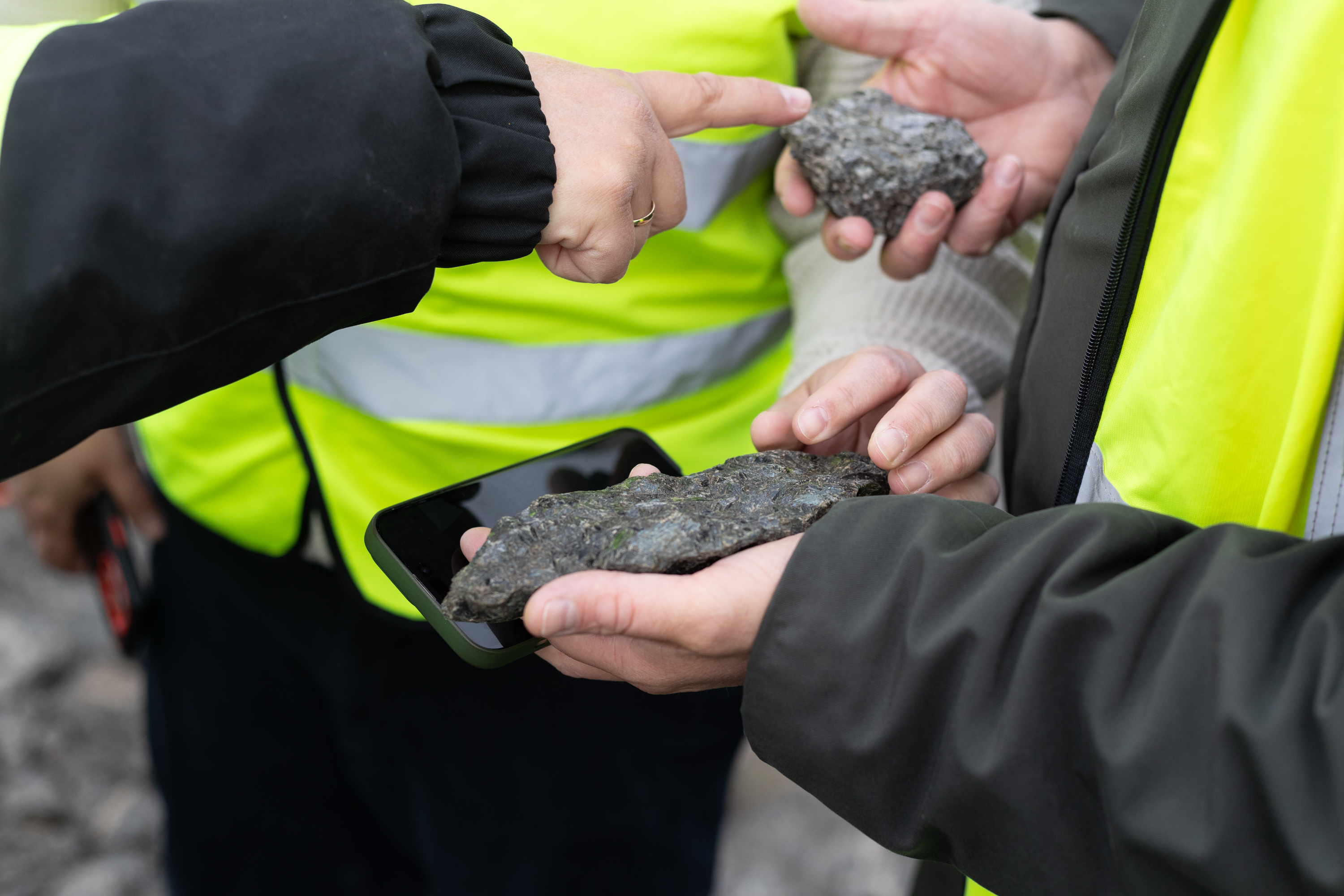
POK: As designers, we often only encounter the most refined grade of a material when sourcing and specifying it. The construction industry frequently compares natural and manufactured materials on a like-for-like basis, which, in our view, overlooks one of the greatest qualities of natural materials: variation. Visiting the quarries reinforced the idea that there is a significant opportunity for us to think beyond the sample box and work more creatively with the material by considering the full range of qualities, grades, and formats produced through the extraction process.
HEL: When you’re choosing materials, how do you weigh sustainability against cost, and aesthetics? And who usually has the final say?
EP: We now specify natural, sustainable materials such as stone as the starting point for all projects. By doing so, we embed sustainability within the design process and shift the burden of justification onto those arguing against their use, rather than onto designers advocating for them. The final specification will inevitably involve a balance between cost, aesthetics, performance, and sustainability considerations.
HEL: With the growing concern about silica exposure, especially around engineered stone, has your approach to specifications or material substitutions changed?
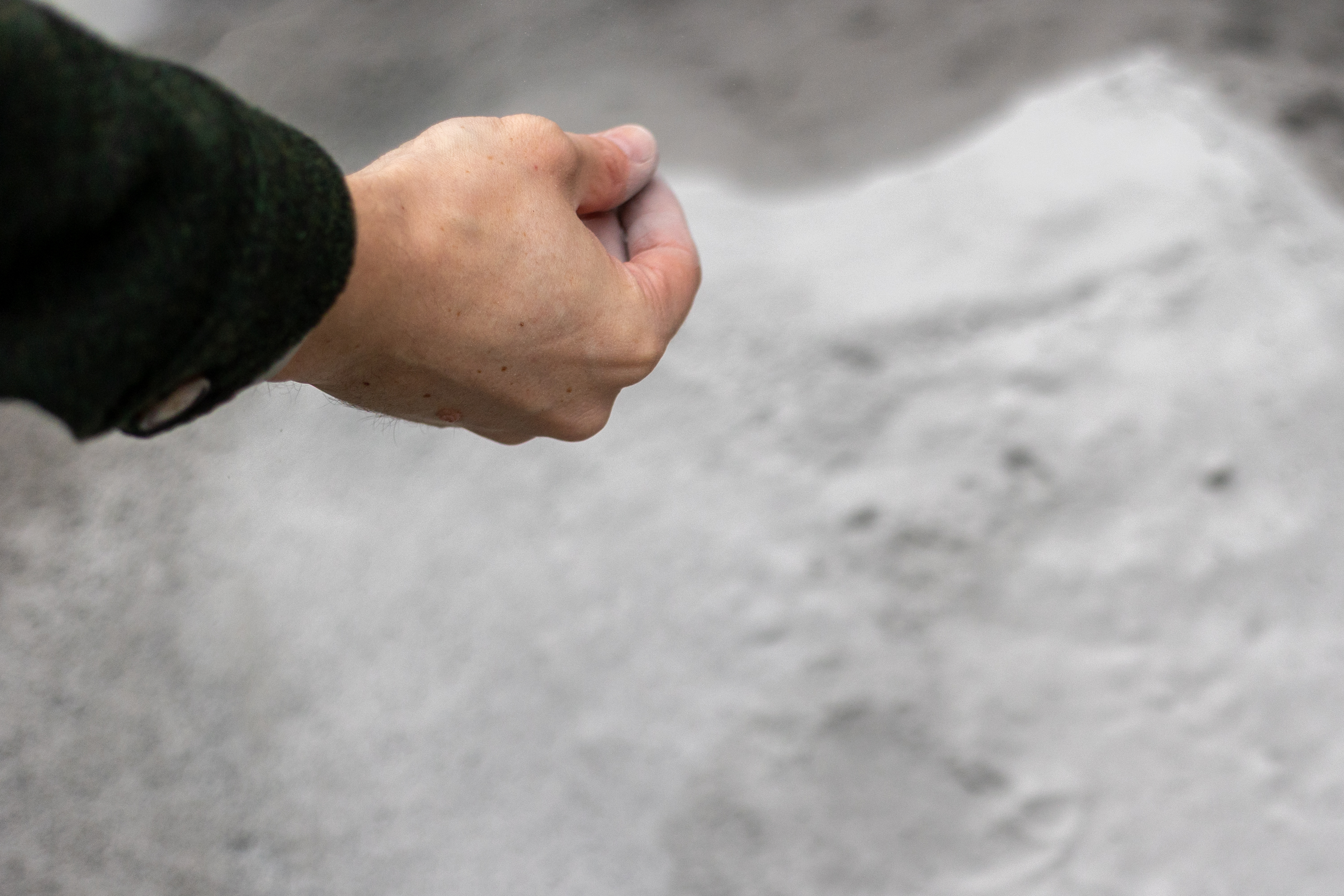
POK: Although we are not usually directly involved in fabrication processes as architects, it is good to see a growing awareness of the risks associated with silica exposure during stone cutting and finishing. It highlighted to us the importance of considering the impacts of material specifications not only on the health of the final occupants and users of buildings, but also for those involved in their manufacture and construction.
HEL: What do you wish more clients (and even architects) understood about how stone is quarried and fabricated, and how would that change the way we design with it?
EP: We wish more people understood that stone is not always a uniform, manufactured product. When working with a natural material, understanding the process behind it can be as important as the finished product itself, whether that’s material traceability, or simply recognising that different grades and formats of the same stone exist and may be suitable for different applications. This broader awareness, we believe, can lead to more informed decisions and ultimately more interesting and creative design outcomes.
There is also a preconception that stone is grey and uniform in appearance, but our experience of it couldn’t be any further from this. It is a varied and vibrant material to design with, and we are always finding more ways to celebrate this.
HEL: Where could surplus materials and off-cuts realistically be designed in: façades, floors, landscape, interiors? And what would need to change (standards, detailing, procurement) for that to become mainstream?
POK: There is significant potential for surplus stone to be used more widely across all grades and sizes. We are already seeing an emergence of what is possible with surplus material in the construction industry, including its use in structural applications.
We are particularly interested in how the use of surplus material could be reimagined without the need for extensive further processing. For example, by starting a design process cataloguing what material forms and sizes already exist - by simply visiting quarries in person or with digital 3D scanning technology - could result in more characterful and more sustainable designs across all sectors.
EP: We believe the challenge is less about design possibility and more about awareness. If there were a greater understanding about what materials were available for use, then systems of supply and procurement would naturally evolve to meet demand.
HEL: In stone, variation is inevitable. How do you frame that with clients and contractors? Do you treat it as character to be celebrated, or as a quality-control issue to be designed out?
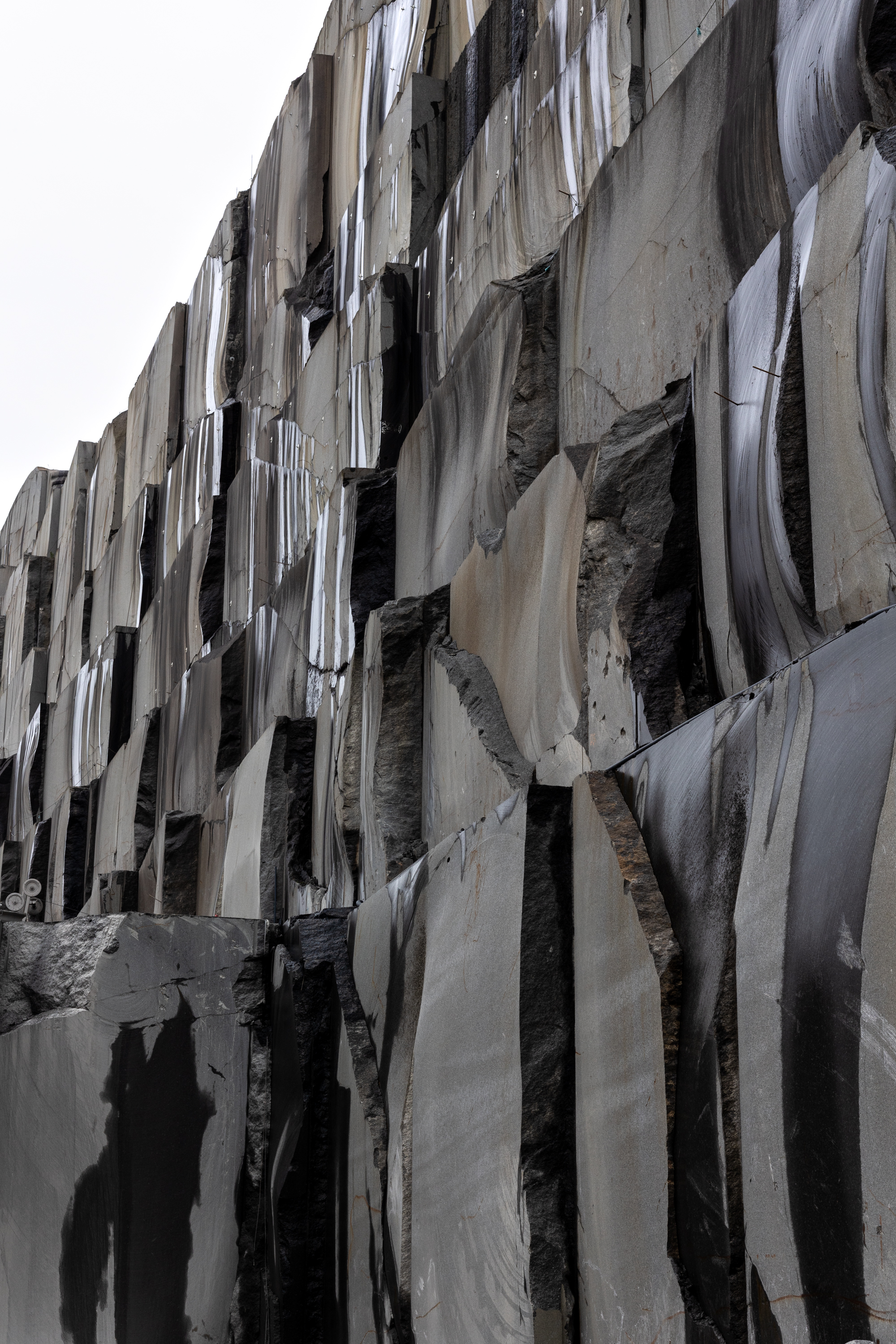
EP: Variation is one of stone’s greatest qualities, and we frame it as part of the material’s inherent character rather than a defect to be controlled out. Each type of stone has its own uniqueness, often caused by the presence of natural impurities and minerals. These are precisely the qualities that can give materials such as marble their distinctive and highly sought-after appearance.
During our visit to the Lundhs quarries in Larvik, we were particularly interested to see the pegmatite mineral seams that contribute to the unique character of the Larvikite quarries. While only present in certain areas, when cut into blocks these seams can reveal large, dramatic contrasts in colour and form, giving each block a distinctly individual character to be celebrated.
POK: With the emergence of AI and increasing automation across many aspects of life, we are also seeing a shift among our own clients towards valuing more tactile, natural materials over perfectly uniform manufactured finishes. This preference extends to the process of construction itself, where there is a growing appreciation for craft, which is something that stone is particularly well suited to and something we are celebrating more and more within our current projects.
Watch this space for the second installment of the conversation, where it's Studio Folk's chance to ask the questions of Lundhs.