

Profile: Blended Materials

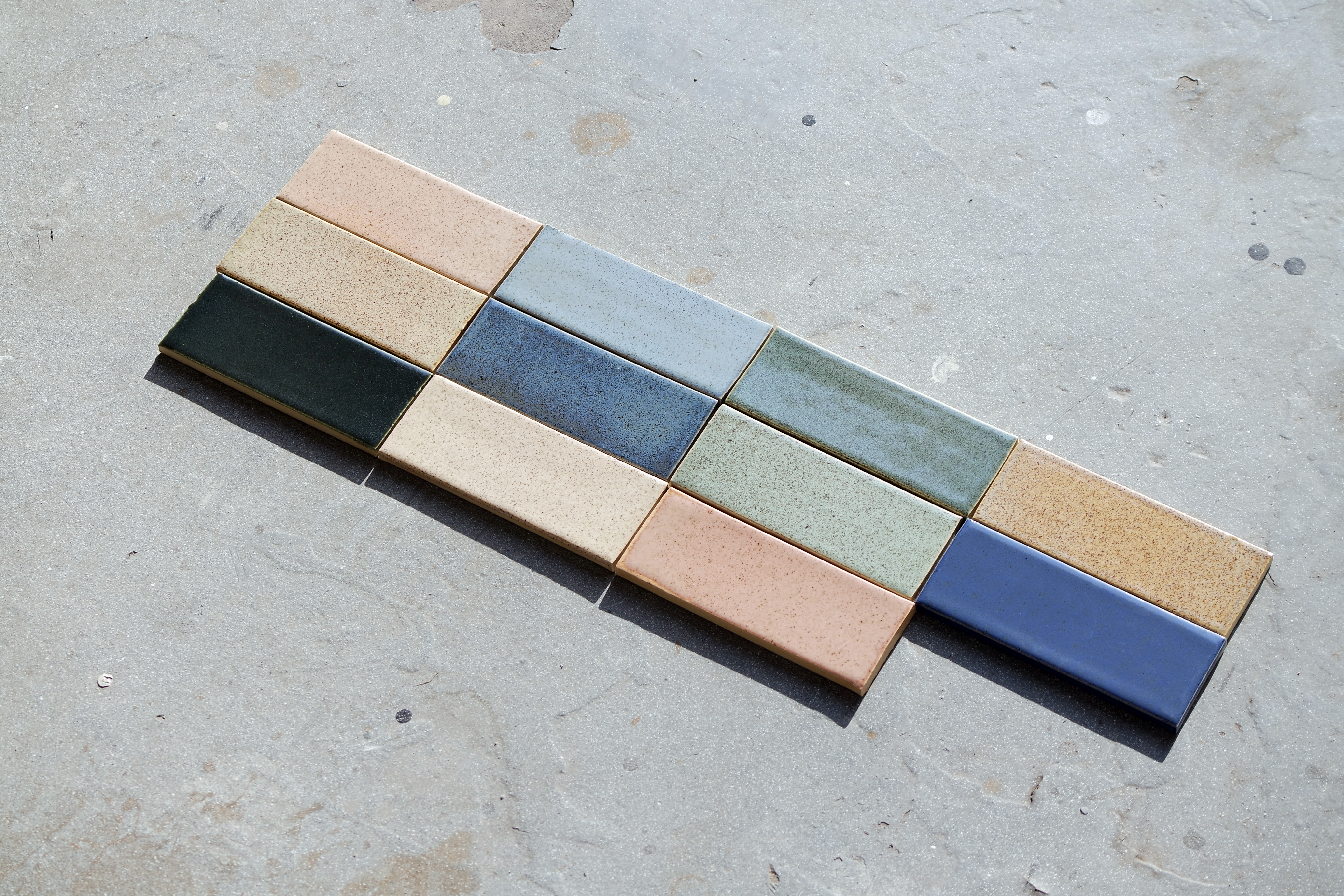
As we continue to report, and as pressure continues to grow to reduce waste across the built environment, an increasing number of designers are looking beyond recycling towards materials that are conceived around waste from the outset. Dutch design studio Blended Materials sits firmly within that movement, transforming discarded local resources into handcrafted architectural surfaces that challenge conventional ideas of both beauty and manufacture.
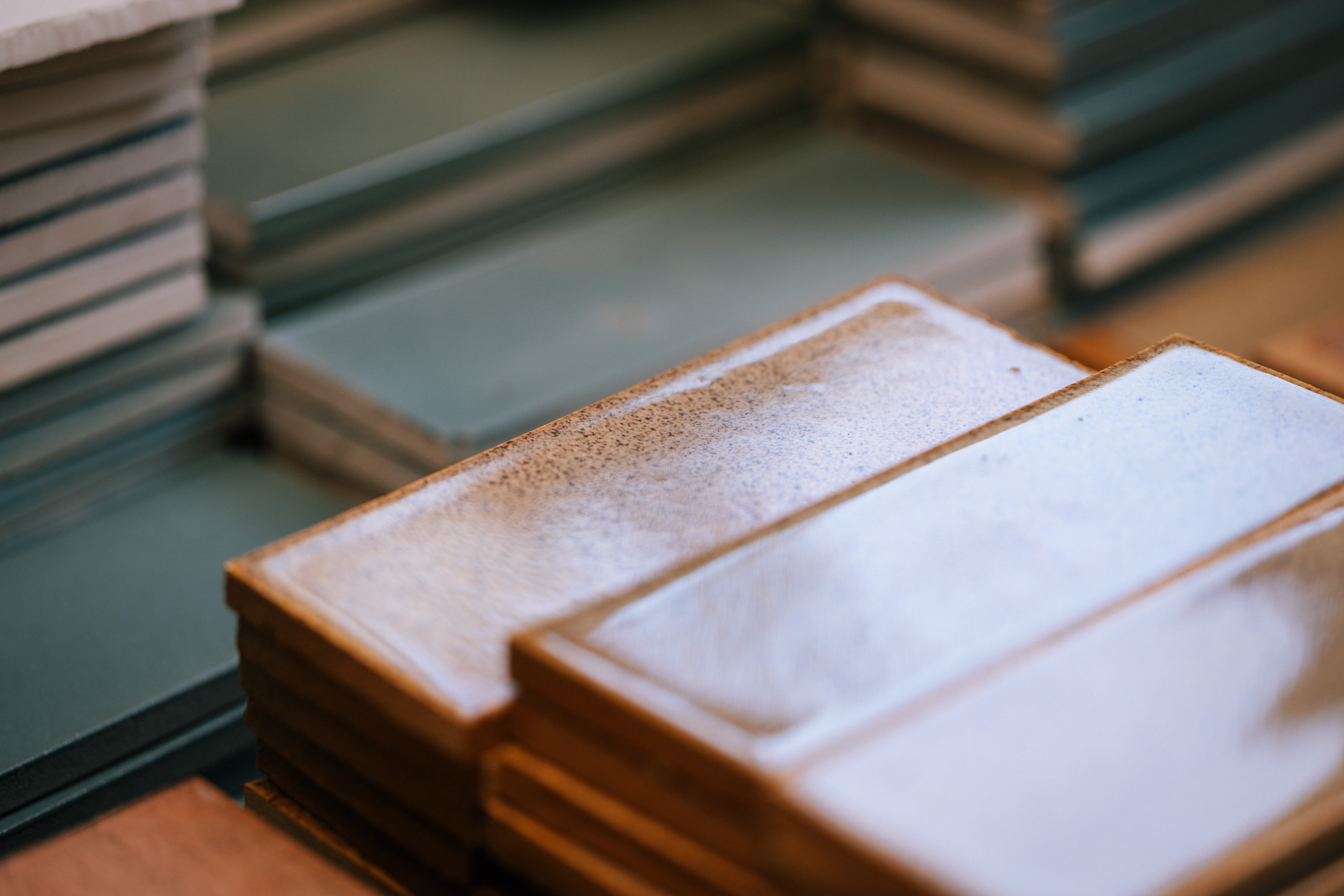
Founded by designer Tom van Soest, Blended Materials builds on more than a decade of research into waste-based construction materials. Van Soest first explored the concept while studying at the Design Academy Eindhoven, developing his graduation project around the idea that construction waste could become the raw material for new architectural products. That research led to the founding of StoneCycling, now FRONT, where the development of WasteBasedBricks demonstrated that reclaimed waste could meet the technical requirements of contemporary construction. In 2023, Van Soest returned to his original research, relaunching Blended Materials as an independent design studio focused on small-scale production and project-specific surface materials.
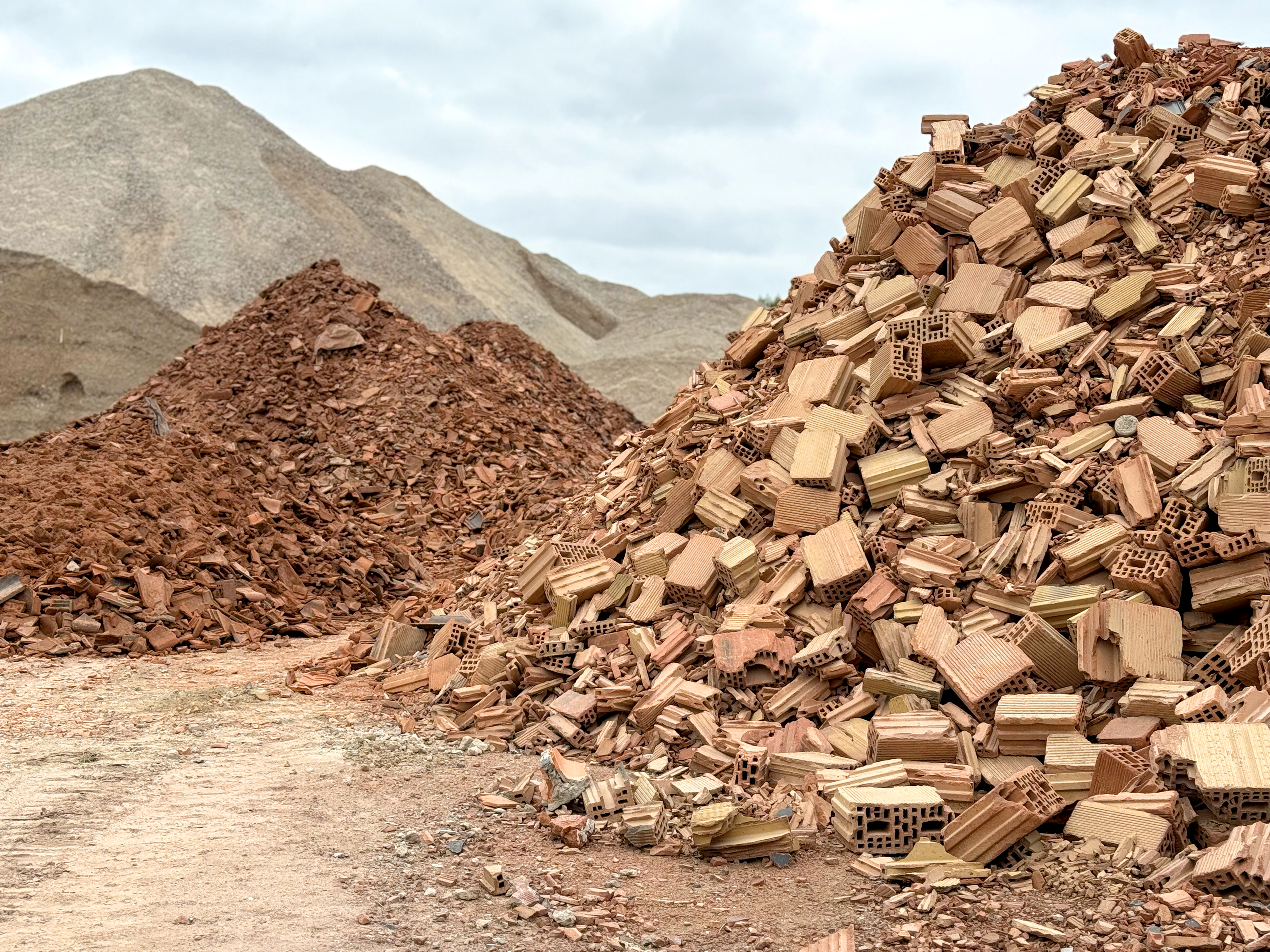
The studio's philosophy is straightforward: every waste stream has its own visual identity and should be celebrated rather than concealed. Instead of standardising materials into uniform products, Blended Materials works with locally available waste, allowing colour, texture and composition to reflect the origin of the material itself.
That approach results in tiles and interior surfaces made entirely from reclaimed resources, whether construction debris, industrial by-products or waste generated by individual clients. Rather than transporting materials across long supply chains, projects are often developed around waste sourced close to where the finished products will ultimately be installed, reinforcing both circularity and local identity.
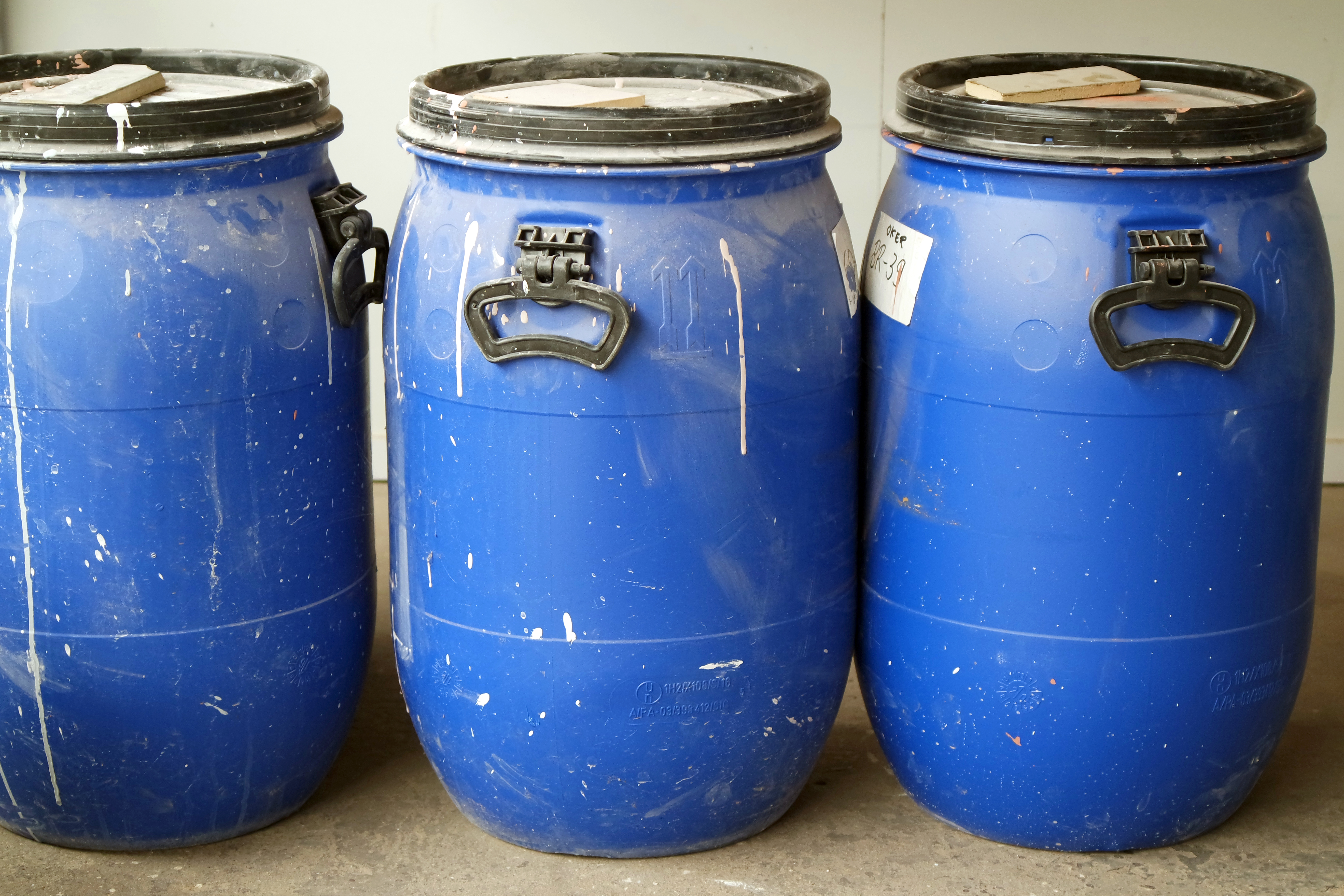
Material experimentation remains central to the company's practice, with each composition developed according to the characteristics of the available waste stream, producing surfaces with distinctive mineral textures, aggregate patterns and tonal variation. No attempt is made to disguise the material's origins; instead, fragments of former products become part of a new visual language.
Every tile is produced by hand in the Netherlands, allowing the studio to adapt formulations and finishes to individual commissions while maintaining close control over quality. This small-batch approach enables architects and designers to commission bespoke surfaces tied directly to a particular building, location or material source, creating products that carry a tangible connection to place.
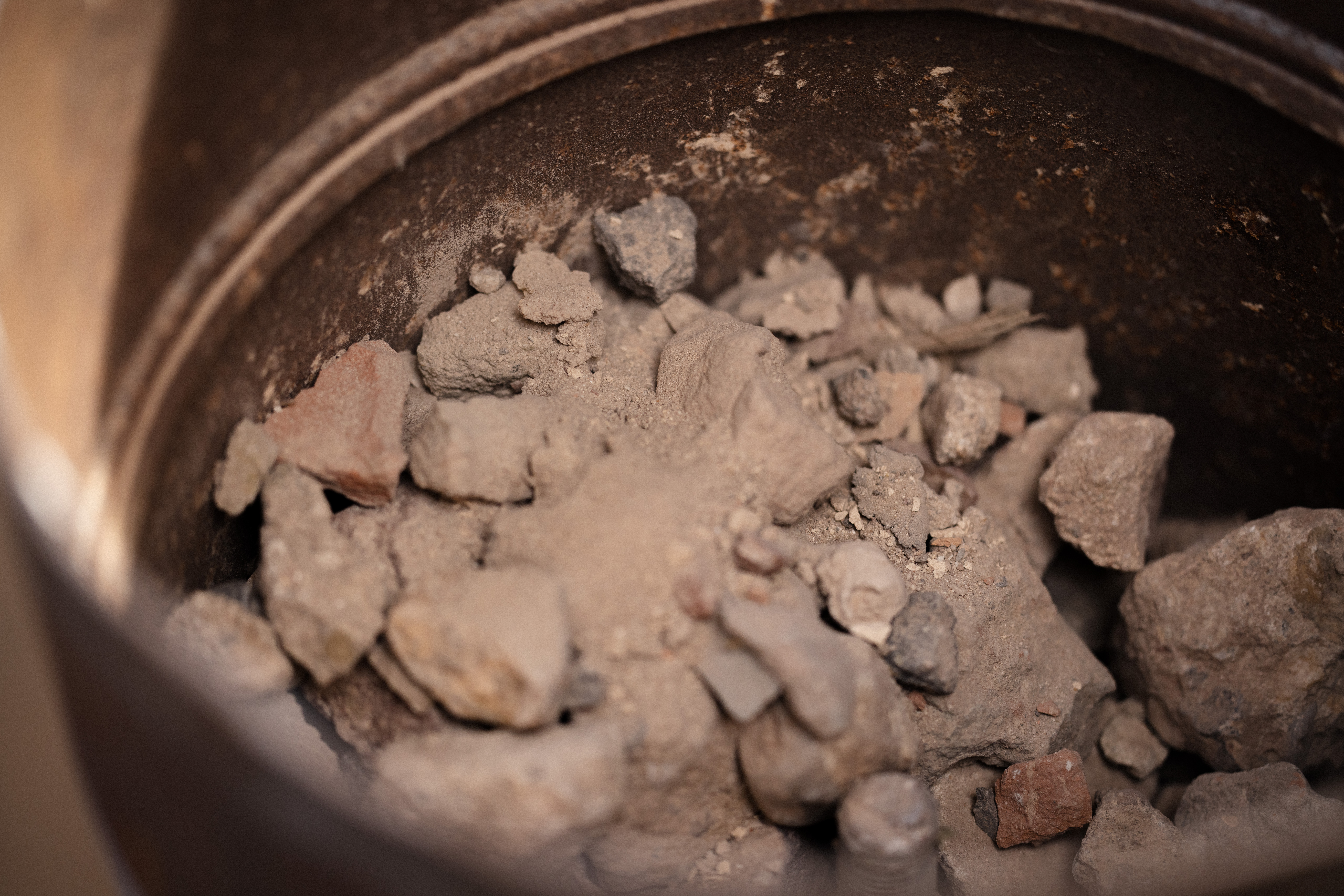
By replacing virgin raw materials with reclaimed waste, the studio significantly reduces demand for newly extracted resources while demonstrating how circular thinking can generate materials with genuine architectural character. Rather than viewing sustainability as a technical exercise alone, Blended Materials positions waste as a design opportunity.
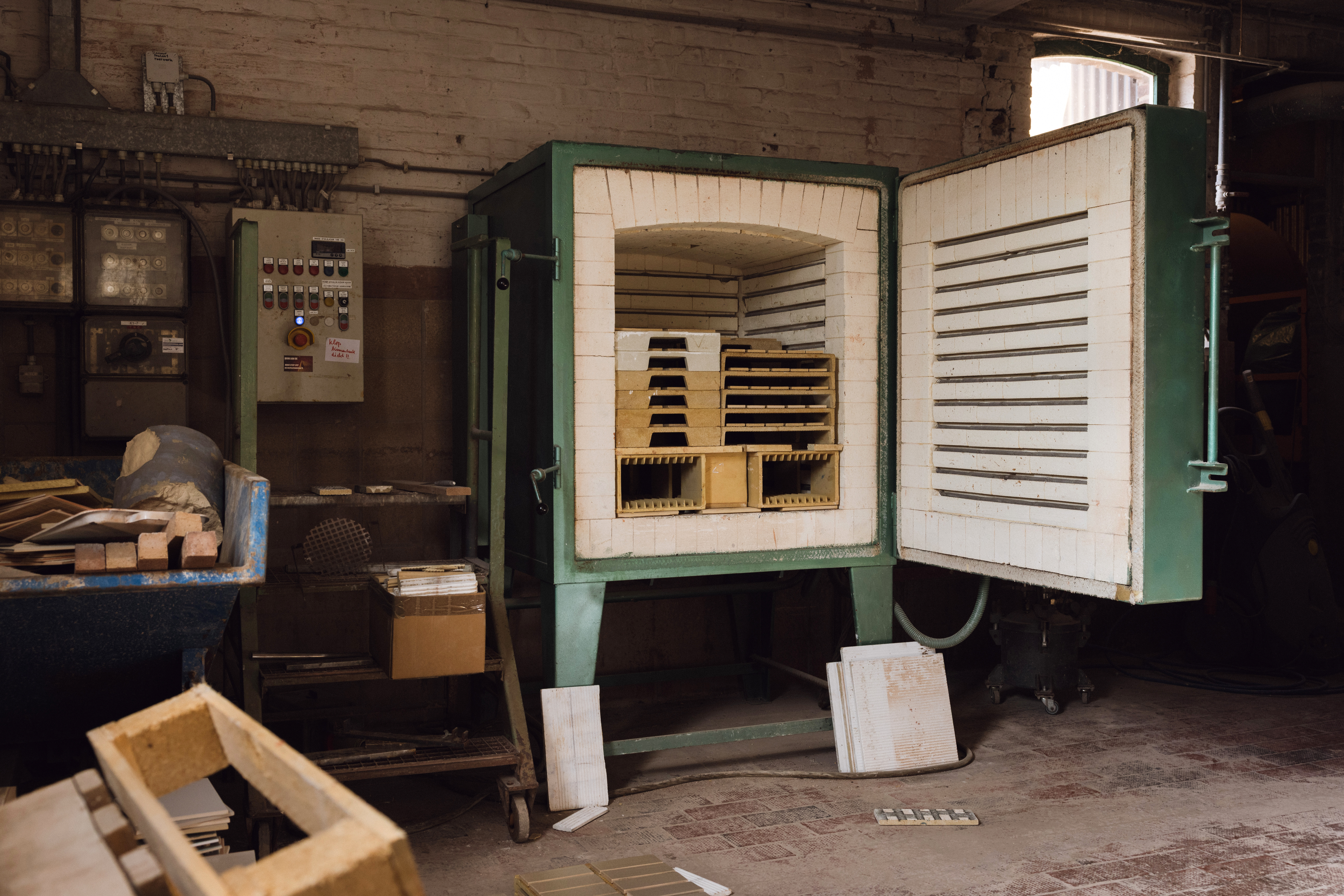
While the studio is best known for handcrafted tiles, its research extends to bespoke wall surfaces, interior installations and custom architectural elements, each responding to the specific material palette of a project. This flexibility allows waste from one industry, or even from a single building, to become the finish of another.
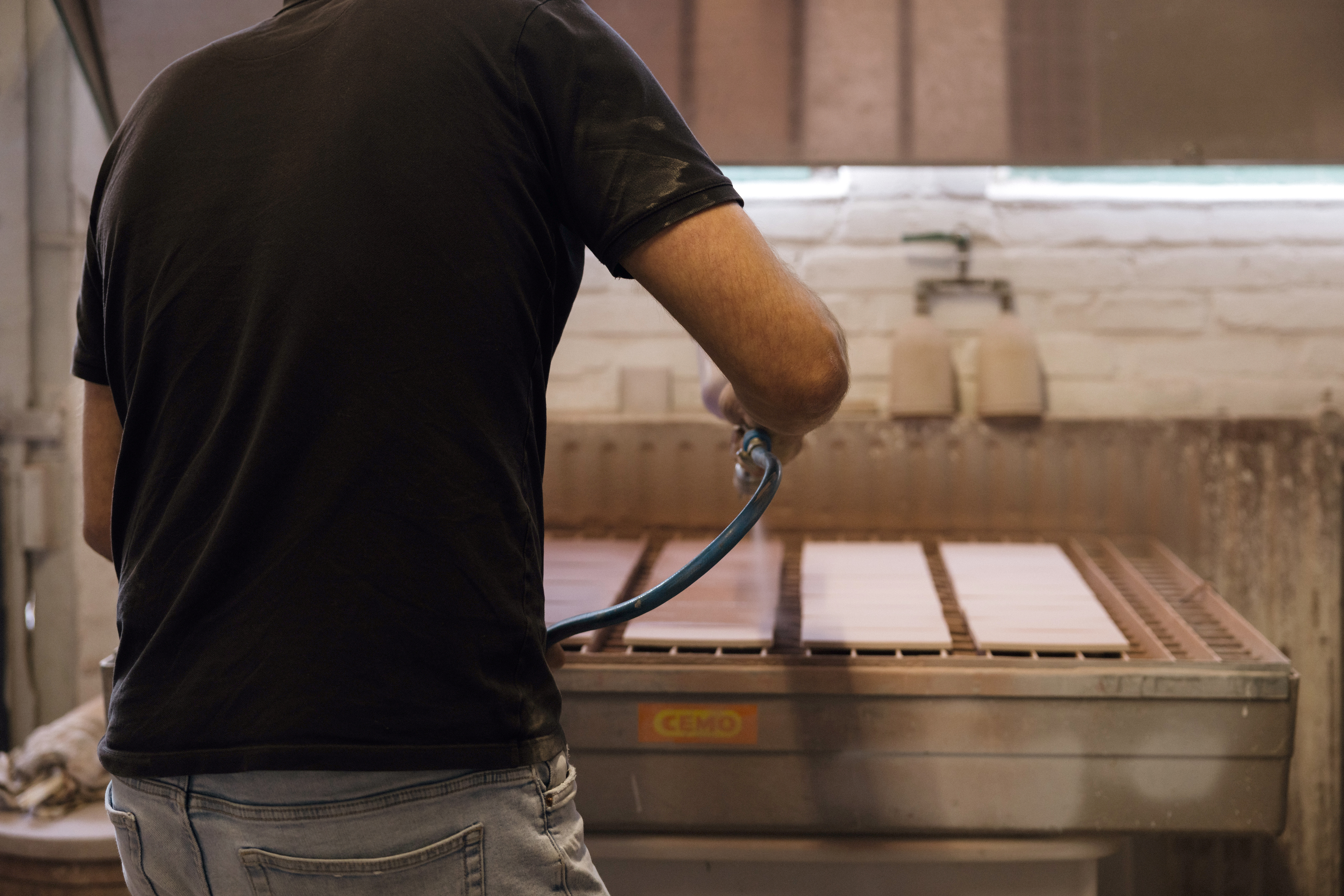
Collaboration also plays an important role, and architects, manufacturers and clients are encouraged to contribute their own waste streams, allowing projects to develop materials with a direct narrative connection to their source. In doing so, Blended Materials shifts attention away from anonymous industrial production towards materials whose provenance remains visible throughout their lifecycle.
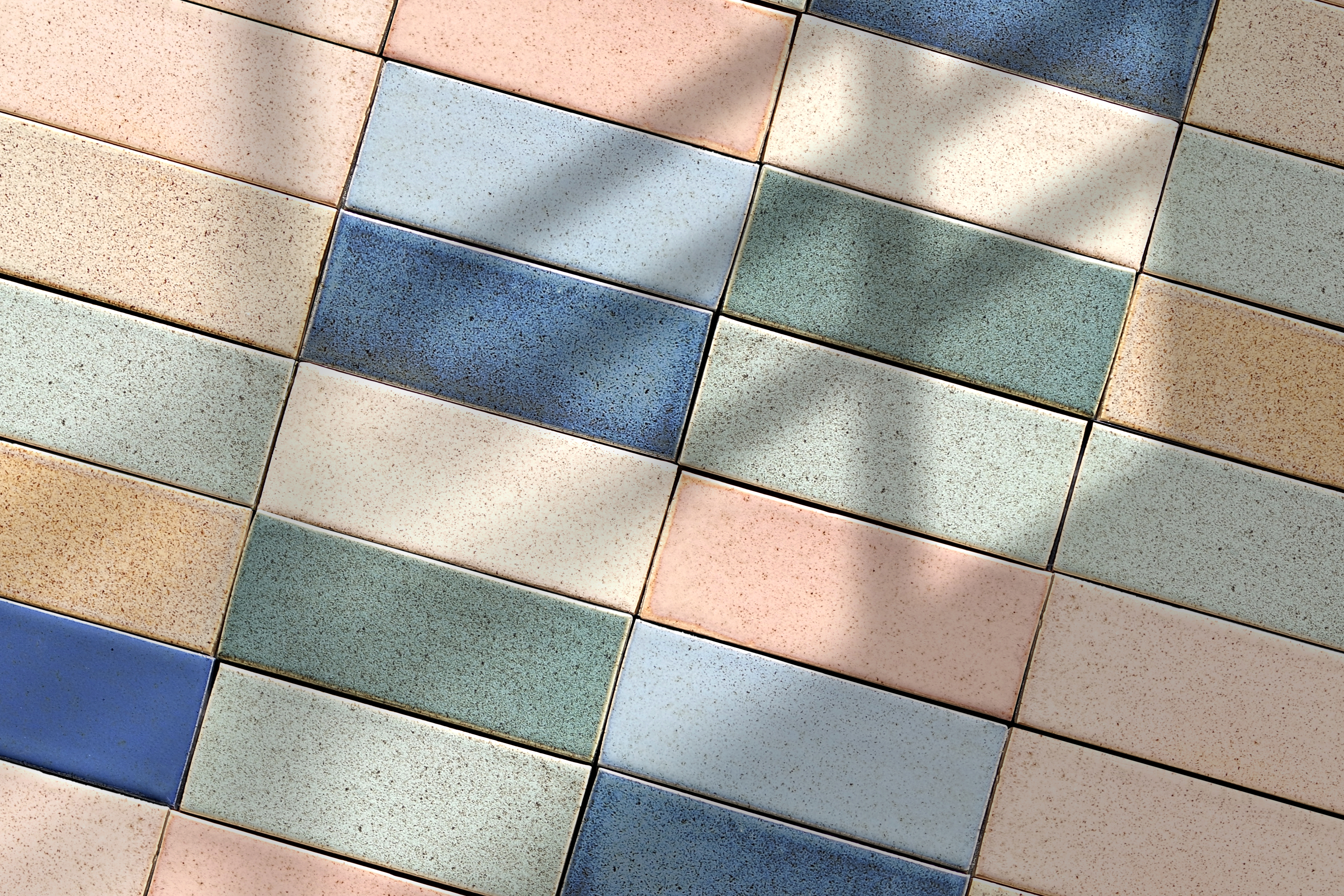
The result is a collection of handcrafted materials that demonstrate how discarded resources can acquire new value, and not by hiding where they came from, but by making their history an integral part of the finished surface.