

Interview: Adrian Attwood, DBR

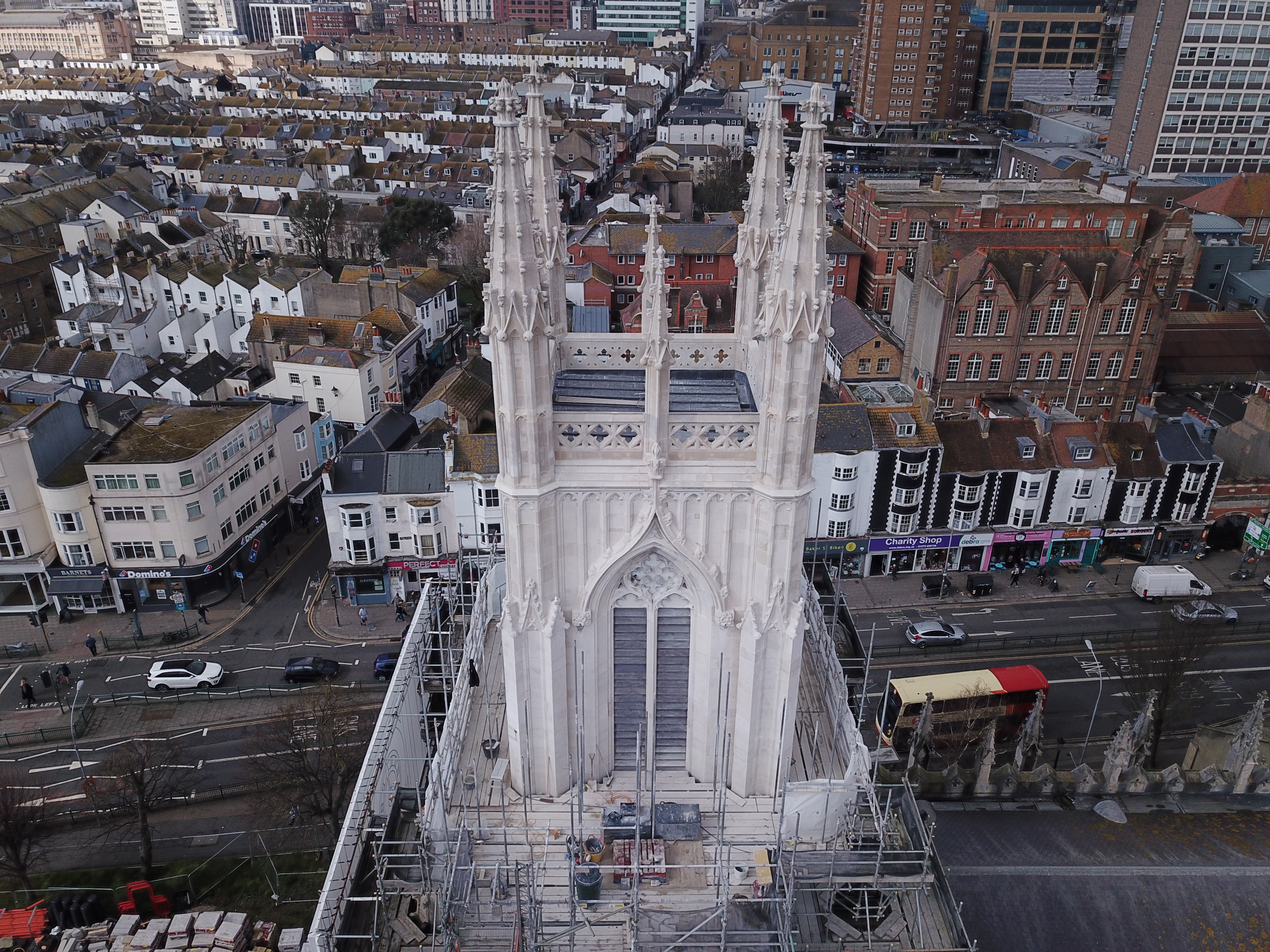
Last year, DBR was awarded a Royal Warrant of Appointment to His Majesty The King, adding to the warrant it previously held under Queen Elizabeth II and reinforcing its position among a select group of firms recognised for exceptional service to the Royal Household. With over 100 years of experience in the conservation of historic buildings, few companies have shaped Britain's historic built environment as extensively as DBR. For more than three decades, the company has worked on some of the UK's most significant heritage assets, including Nelson’s Column and the V&A, combining traditional craft skills with a growing focus on retrofit and long-term stewardship.
We spoke with DBR Chairman, QEST Trustee and President of the Stone Federation Adrian Attwood about the significance of the appointment, the challenges facing heritage conservation, and the urgent need to safeguard the specialist skills on which the future of Britain's historic buildings depends.

SS: Congratulations on the appointment of the Royal Warrant; can you give us a sense of just what that means for DBR?
AA: Receiving a Royal Warrant of Appointment to His Majesty the King was more than an honour; it was a testament to the unwavering dedication, craftsmanship, and expertise of our entire team. We take immense pride in our role in preserving the UK’s built heritage - whether for the Royal Household, the Palace of Westminster, Blenheim Palace, or any of the historic buildings we are privileged to work on. Displaying the Royal Arms is not something we take lightly. It embodies the sense of tradition and continuity that our firm is all about preserving. It sets a standard we hold ourselves to on every project, at every scale, and we're conscious of that responsibility every single day.
SS: I’m sure our readers will be intrigued to hear about the work behind the scenes in not only landing such an award, but in maintaining the warrant itself.
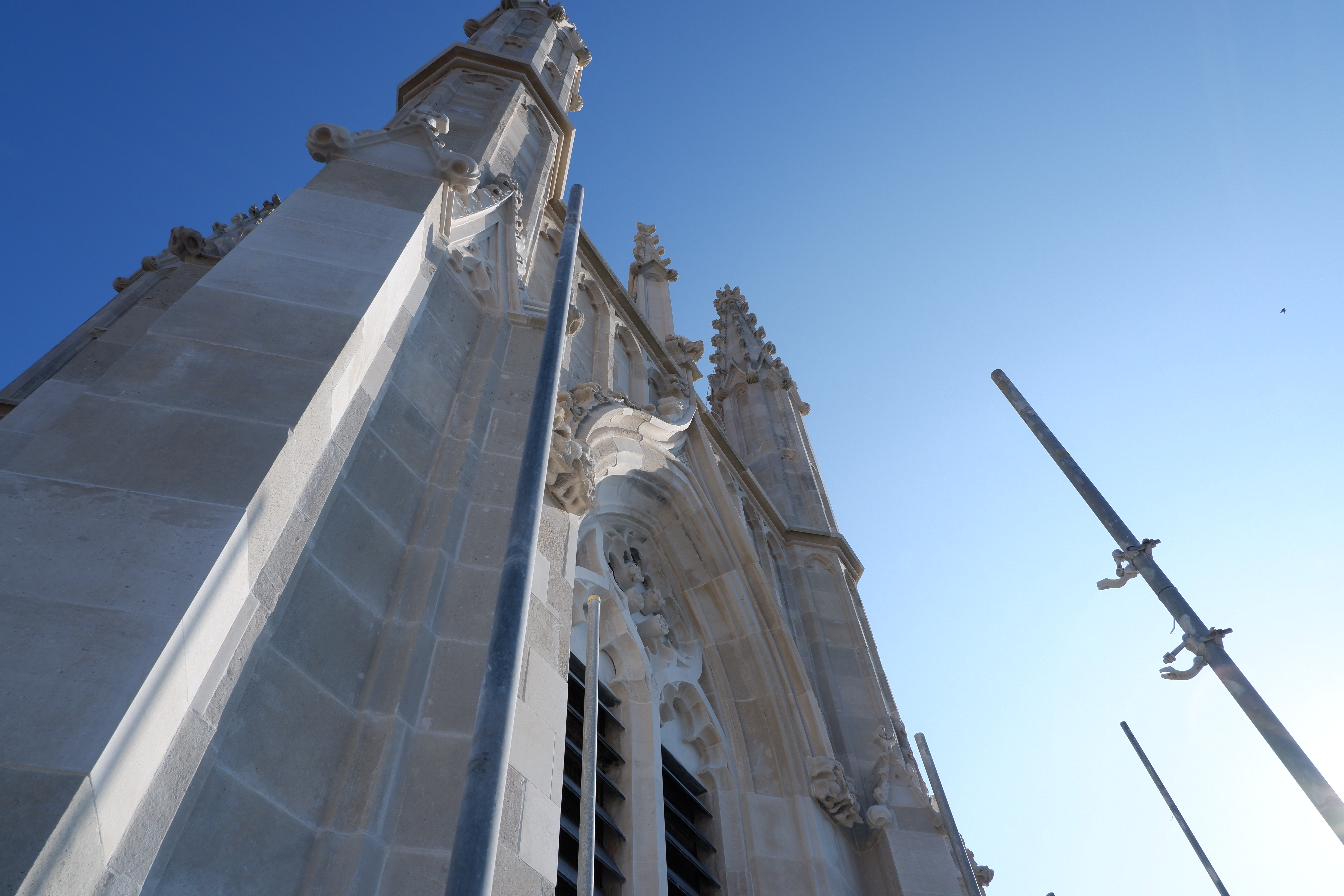
AA: DBR has spent more than three decades at the forefront of historic building conservation in the UK. Our portfolio spans some of the country's most significant heritage assets. The work covers specialist façade conservation, stonemasonry, leadwork, joinery and internal conservation projects, taking in Grade I and Grade II listed buildings, scheduled monuments and globally famous World Heritage Sites. What connects all of it is a commitment to quality craftsmanship and a genuine respect for the buildings and the stories they carry. Every one of these places matters to the people who live near them, visit them and care for them. That relationship between a building and its community is something we feel privileged to be part of. We firmly believe in ensuring that the past has a future, and the work we carry out helps to preserve the very best of our nation's built heritage.
SS: I can only begin to imagine what is required to work on listed buildings; they must represent a real, and no doubt freshly unique set of challenges on each project?
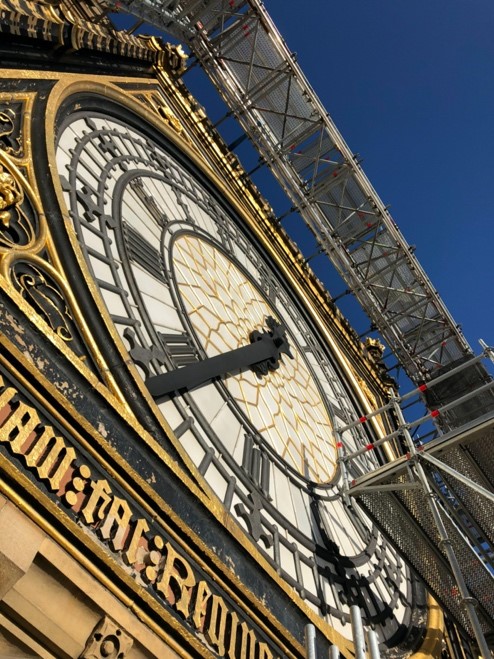
AA: Listed buildings carry additional statutory duties and, I would say, ethical responsibilities too. It's understandable that owners sometimes feel daunted by that. But I believe these challenges are entirely manageable with expert help and guidance from the right professional team. A qualified conservation architect and skilled craftspeople will guide you through planning consents, help you select appropriate materials and make sure restoration techniques are both sympathetic and compliant. What often surprises owners is that the process itself becomes meaningful. The building rewards the investment it receives, and that relationship between owner and building deepens over time. The craftsmanship, the character and the history embedded in listed properties are qualities that new construction simply cannot replicate. With the right support, you don't only maintain a listed building. You cherish it as you become its custodian.
SS: I love the notion of becoming a custodian as it implies a sense of care and longevity. Of course, as well as conservation, another buzzword comes into this mix with your work: retrofit.
AA: Yes, the case for conserving and retrofitting existing historic buildings is a compelling environmental argument, and the numbers make that very clear. According to Parliament's Retrofitting Homes for Net Zero report, around 80% of the homes that will be occupied in 2050 already exist. They need to be brought up to modern energy efficiency standards without compromising their historic fabric, and that requires a very particular kind of expertise. The Heritage Alliance has made it clear that the UK will need to double the number of conservation-skilled retrofit contractors in order to meet the 2050 net zero targets. The updated Historic Environment Skills and Careers Action Plan identifies a need for an additional 86,500 retrofit workers annually. In January 2026, the government announced £230 million for heritage building protection and conservation, including £75 million for buildings at risk. That investment is hugely welcome. But unfortunately, there's a disconnect; having the funding without the skilled workforce to deliver on projects achieves very little. That's the challenge we need to work hard to resolve.
SS: Indeed, we hear a lot about a critical gap in skills in the workforce, which is something that the new V-level qualifications could help to turn around. Do you have any insights on them and what impact they may or may not have?
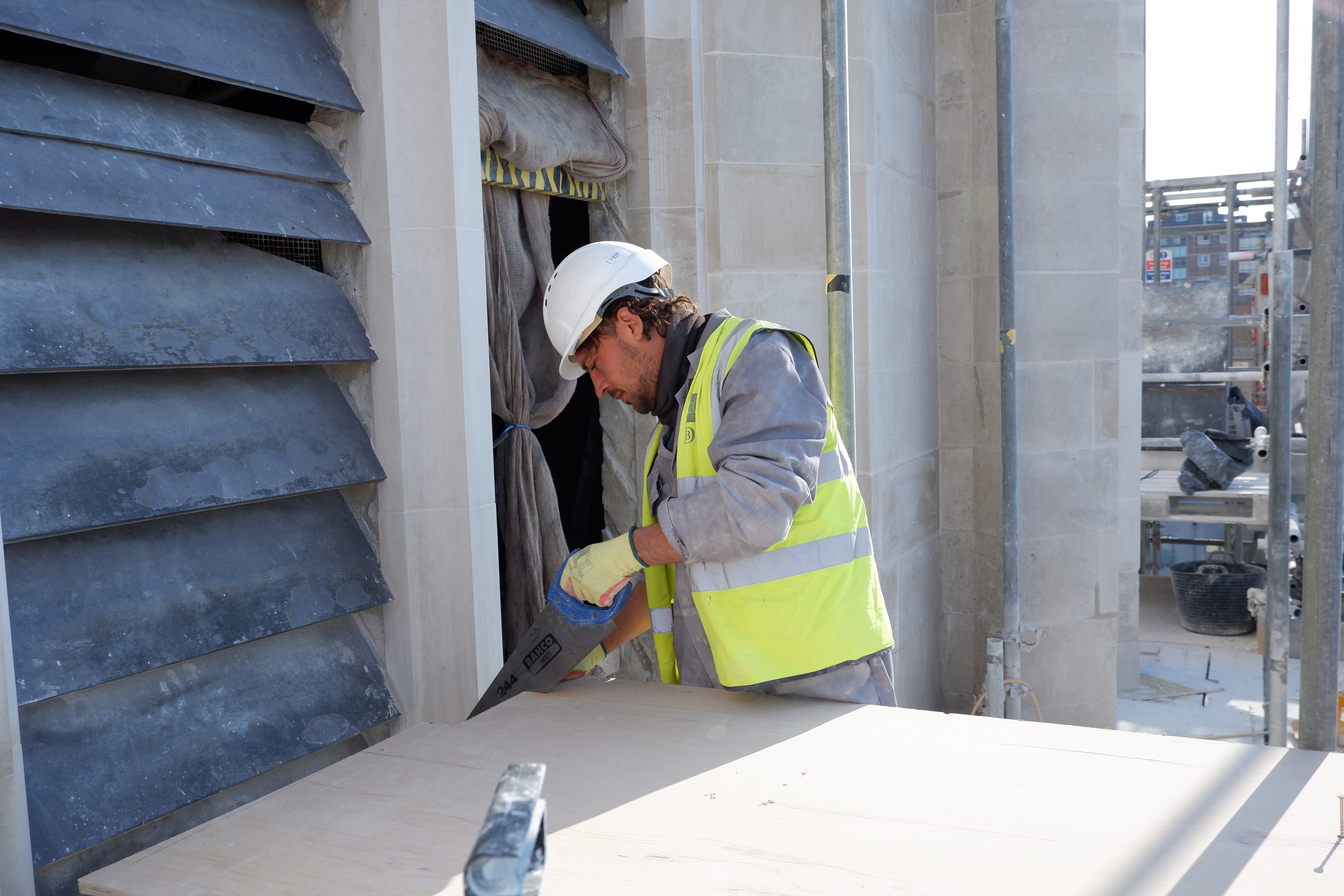
AA: The government's new V-Levels, launching from 2027, are a genuine step forward in post-16 education, and I welcome them. Getting two-thirds of young people into quality training or further education by the age of 25 is the right ambition. But when you look at the subjects confirmed across the first three years of the rollout, heritage craft skills simply aren't there. Vital trades for our work, like stonemasonry, leadwork, joinery and conservation plastering, don't feature at all. The 2028 expansion introduces a broad construction category, but that's not the same as specialist heritage training, and we shouldn't pretend it is. These trades take years to learn and require a specific kind of teaching. It's an immersive process. Bundling these trades into a generic construction pathway risks producing candidates who aren't equipped to work on the buildings we most need to protect.
SS: That’s a shame to hear, and a little alarming too. What is your message to the government, and the industry as a whole, on the matter?
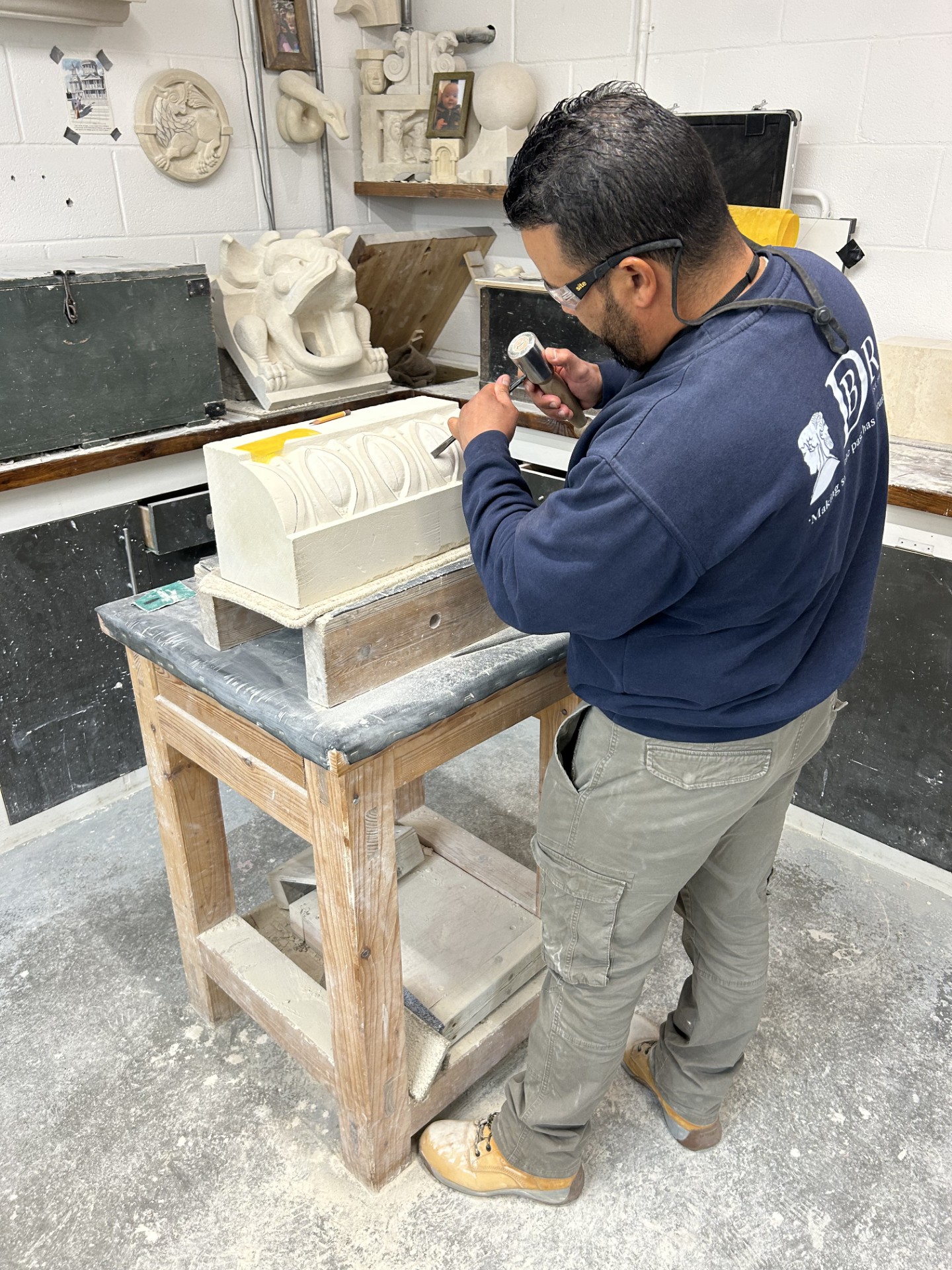
AA: The skills gap is threatening to become a chasm, and it goes well beyond a missing spot in a qualifications document. According to the Heritage Alliance, 84 heritage crafts are currently endangered in the UK and five are already extinct. That should alarm every policymaker who cares about our built environment. Our workforce is ageing, and there aren’t enough young people coming through to replace those who are retiring and taking decades of irreplaceable knowledge with them. A skilled stonemason takes up to five years to become truly accomplished and a decade to reach master craftsman level. That kind of expertise cannot be rushed or replicated in a classroom alone. DBR has invested directly in this through our Heritage Education and Skills Centre in West Sussex and our partnership with the Queen Elizabeth Scholarship Trust. But individual employers cannot carry the whole system. The new V-Levels are a genuine opportunity to signal that these skills really matter. Right now, that opportunity is being missed.