

Insights: Sustainability Beyond Carbon in Stone Specification

In the first article of this Insights series, Giuliana Giorgi explored the growing interest in indigenous stone and the value of reconnecting architecture with local geology, craftsmanship and regional identity. In this second instalment, she turns to one of the industry's most pressing topics: sustainability. Looking beyond embodied carbon alone, Giorgi argues that responsible stone specification depends on a much broader understanding of provenance, durability, maintenance and long-term reuse, questioning whether current methods of assessing environmental performance tell the whole story.
“Stone is often presented as a low-carbon material. In many respects it is. Compared with concrete or steel, it requires little processing, and when specified well, it can also remain in service for centuries. Yet researching indigenous stone made me realise that this description, on its own, tells us very little. Sustainability is not a property a material carries with it. It is the outcome of a sequence of decisions: where the material comes from, how it is extracted, how it is detailed, maintained and, ultimately, reused.
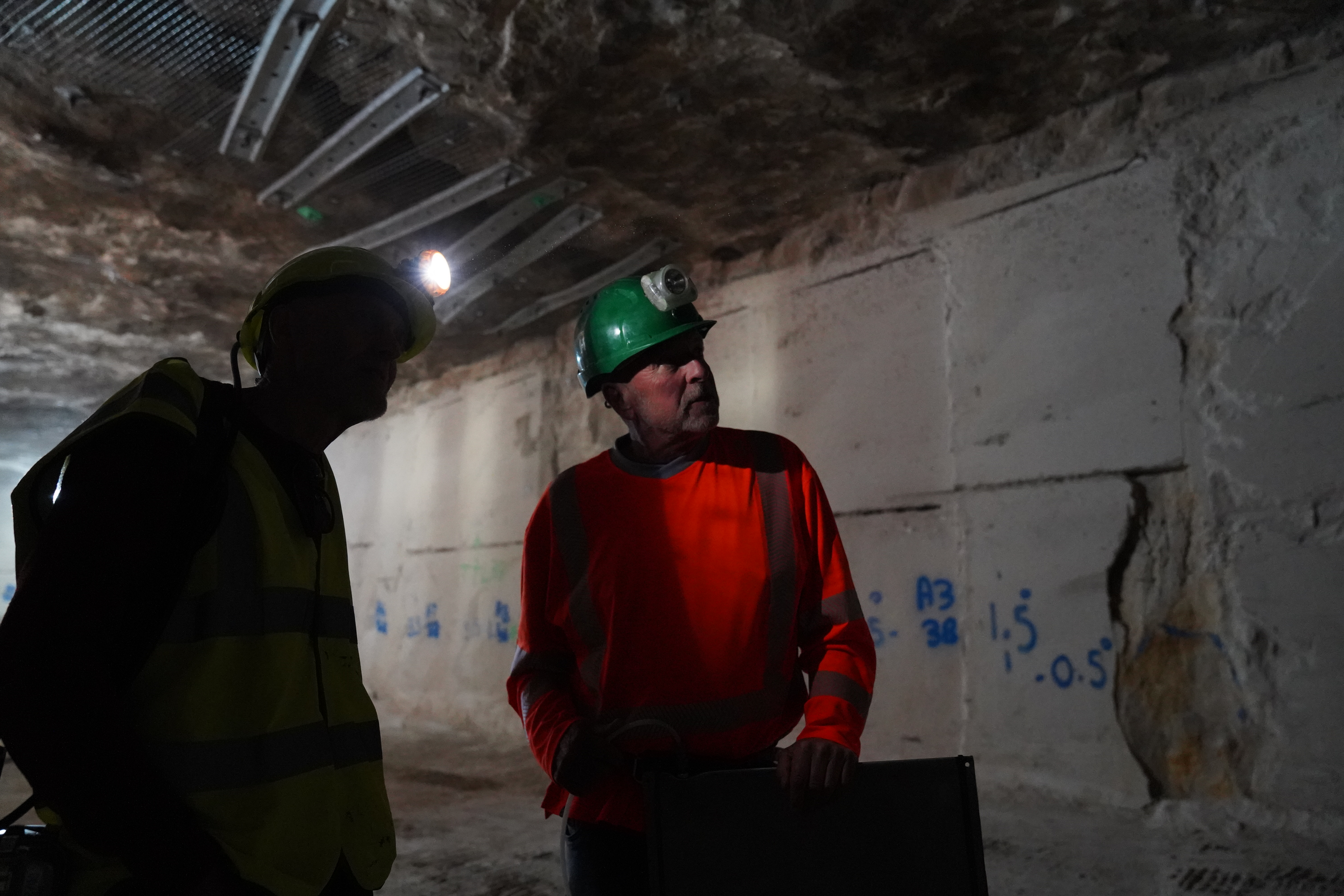
One of the first challenges is measurement. Environmental Product Declarations (EPDs) are becoming an increasingly important part of specification, but not every quarry has produced one. Talking with quarry managers during the research, this came up again and again as a structural disadvantage: an EPD takes time and money that many smaller, family-run operators can't justify without an increase in demand, leaving them to compete against materials that can point to a certificate, when all they can point to is generations of accumulated experience and common sense.
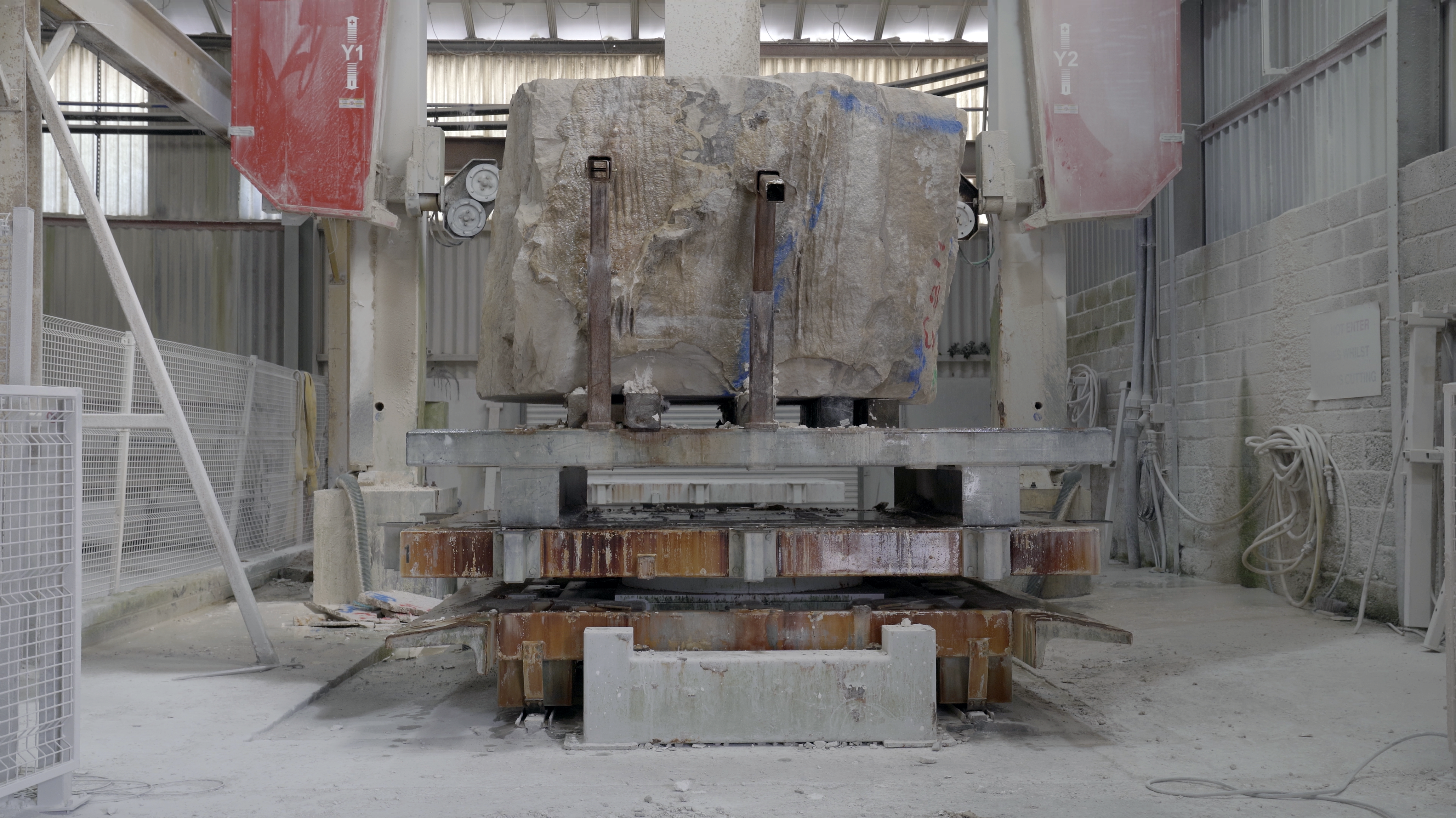
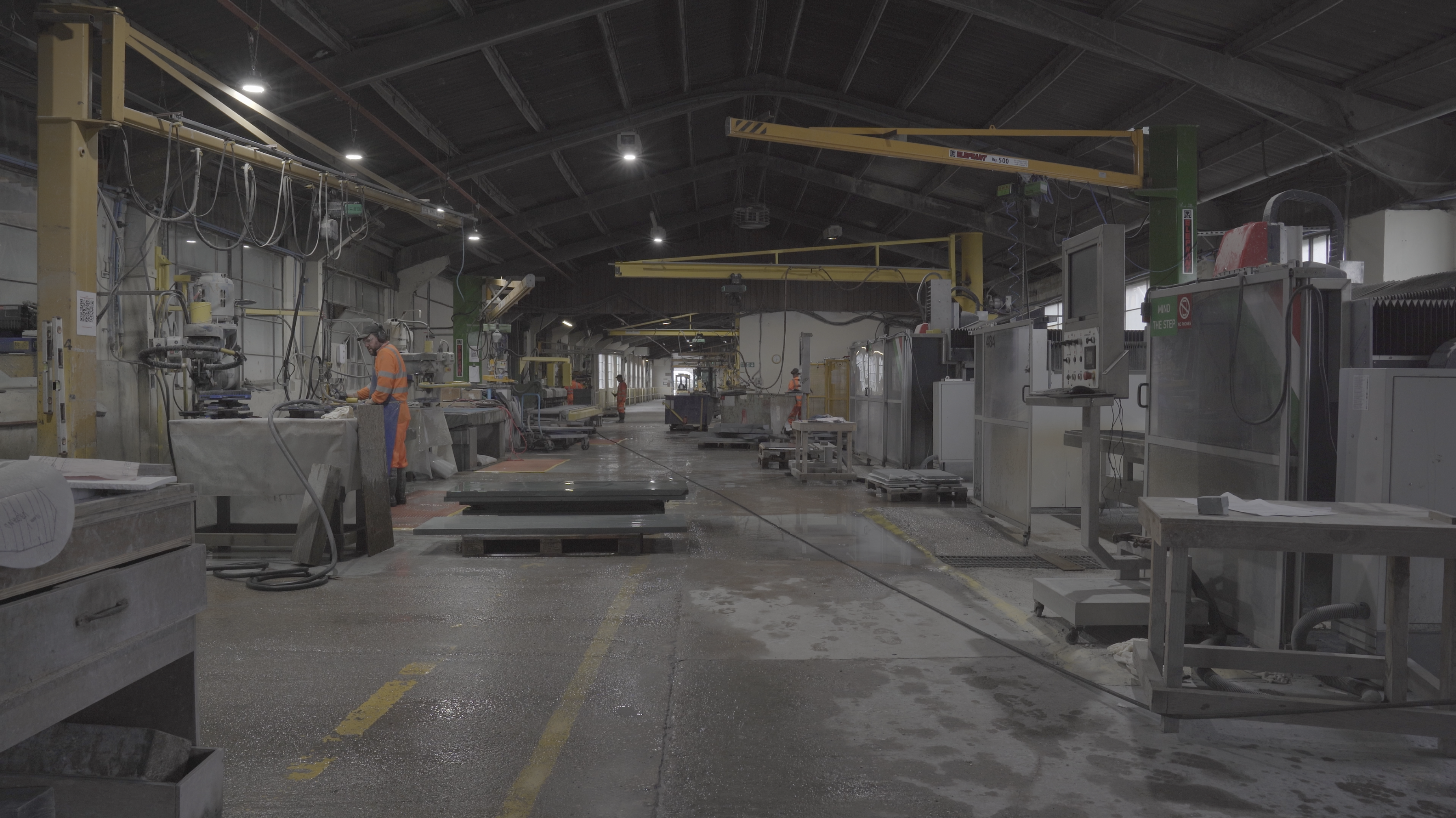
And even where EPDs exist, comparing them is difficult. There is still no agreed way of calculating stone's embodied carbon. One geologist I interviewed explained that a thin cladding panel is sawn, honed, sometimes resin-treated - a highly processed product - while a structural block goes through far less handling and, done right, comes out with a markedly better carbon figure. Yet fixings, backing systems and coatings still sit outside most calculations altogether. Making stone's environmental data both more available and more consistent has to become an industry priority.
Carbon, however, is only one part of the picture.
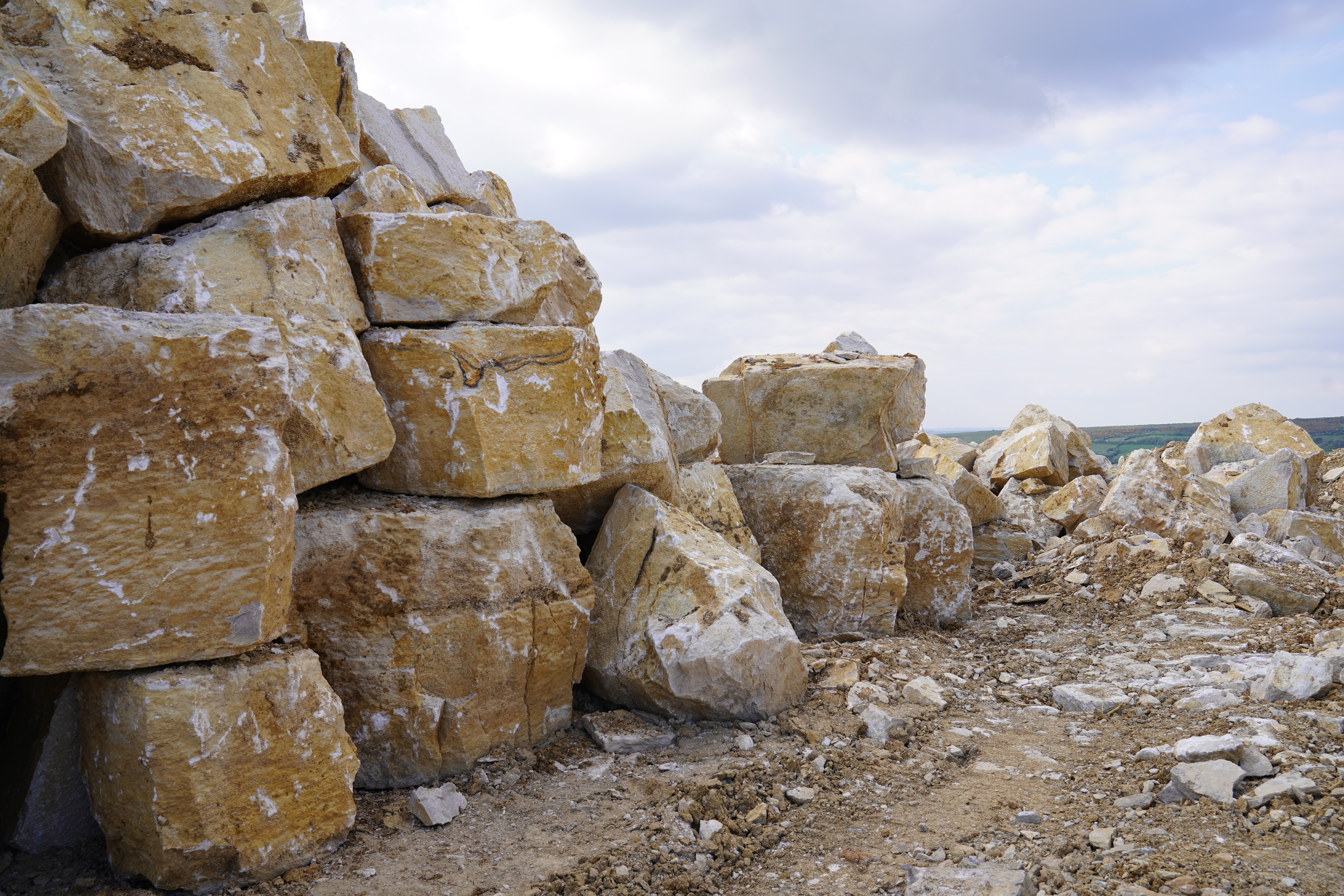
As I found while mapping the UK's quarrying landscape, provenance carries weight a carbon figure alone can't capture. Imported stone appears in a lower cost range, but that price rarely reflects the transport emissions behind it, the variable extraction and labour standards, or the difficulty of verifying any of it from a distance. Specifying it from abroad also does something closer to home: it reduces demand for the quarries that still supply the repairs our historic buildings depend on, and hollows out the specialist skills that keep those quarries alive.
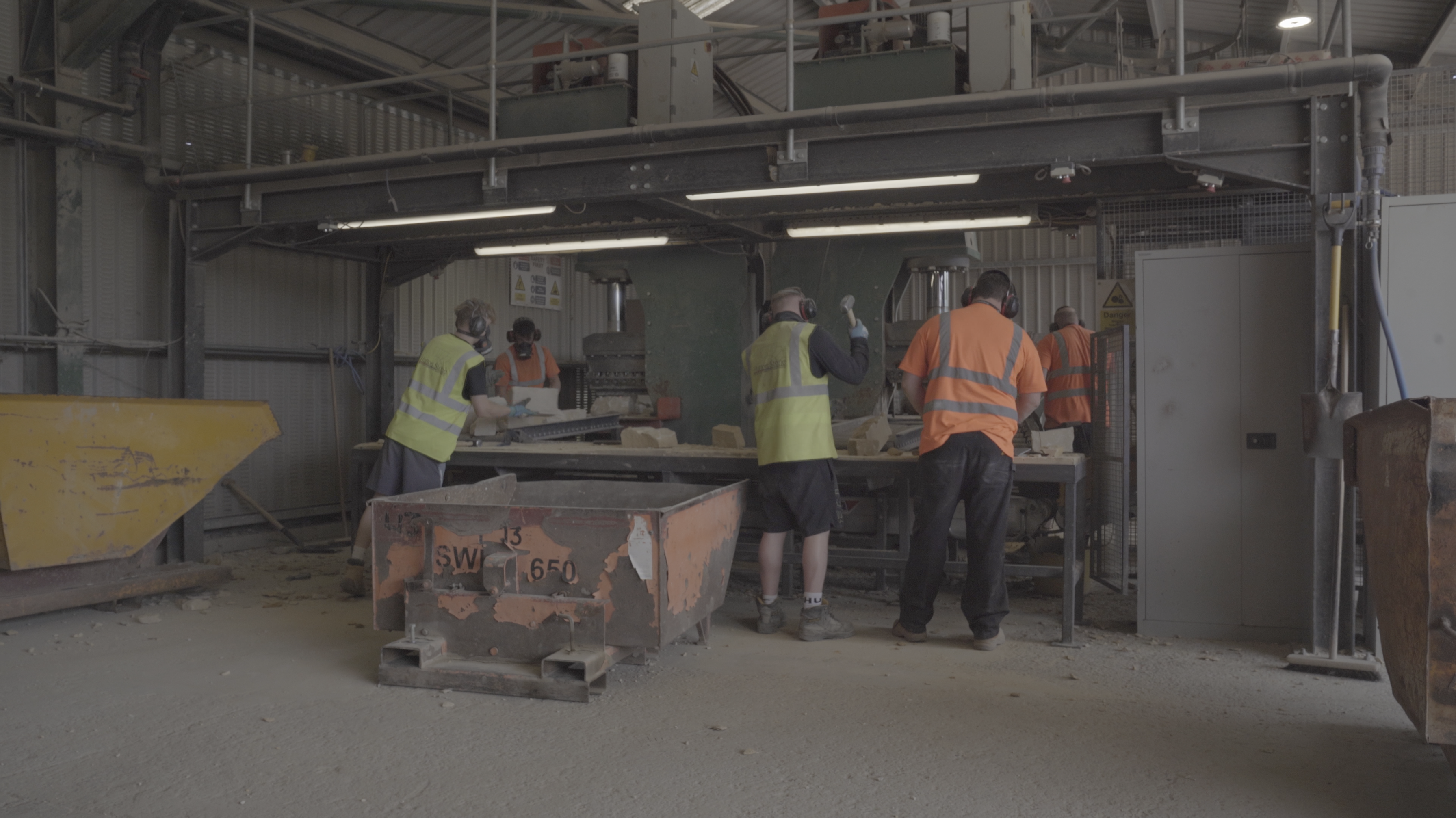
What embodied carbon rarely captures is durability. A stone selected with an understanding of its geological properties, exposure conditions and intended application can remain in service for centuries. Poor specification has the opposite effect, shortening service life regardless of a material's initial carbon footprint. Durability, repairability and the potential for reuse are as much a part of sustainability as transport distance or manufacturing emissions.
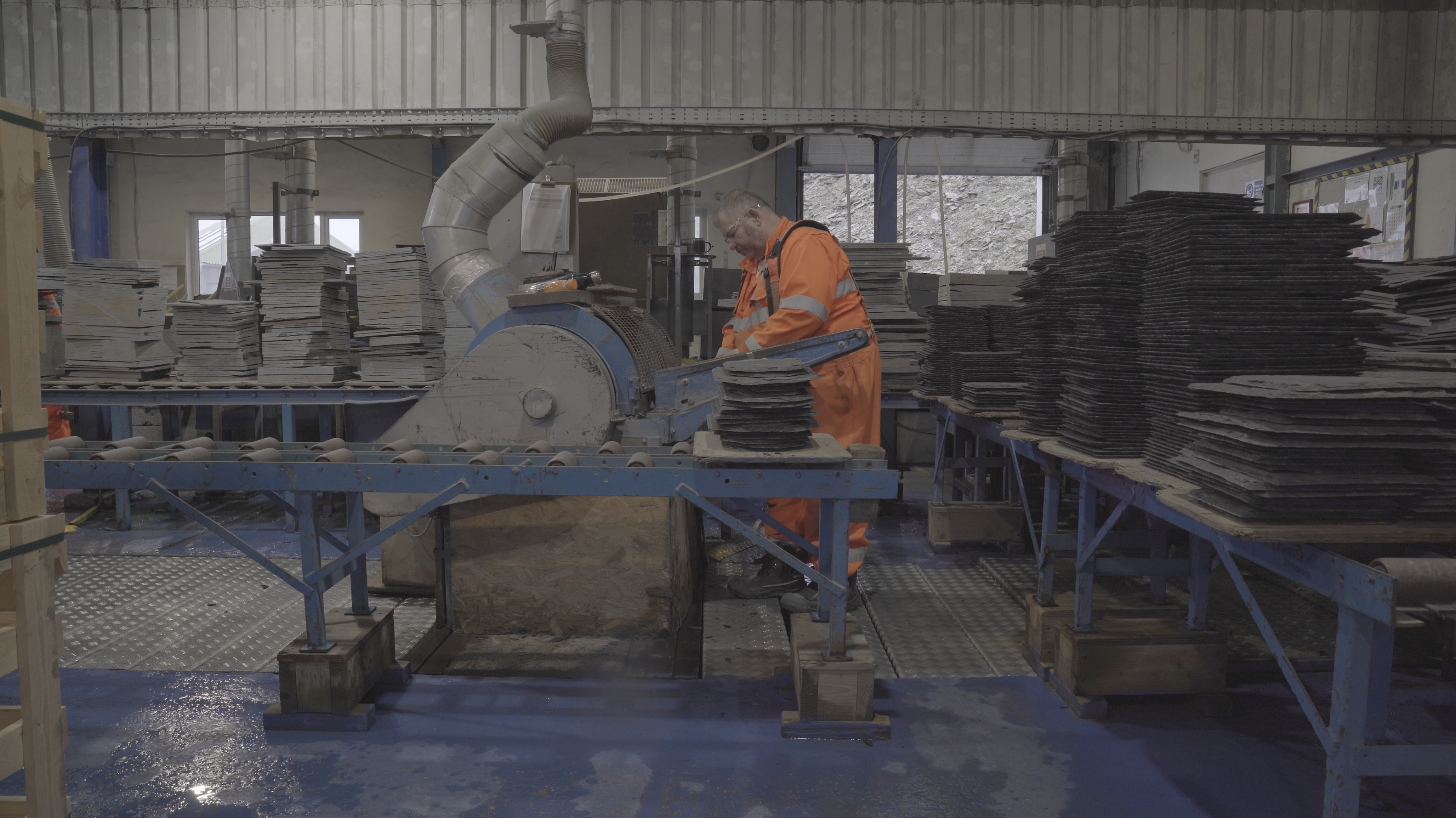
This, I think, is one of the key findings of the research: specification is itself a sustainability decision, and usually one made too late. Stone is too often chosen after the principal architectural decisions are already fixed, treated as a finish rather than a material with its own geology and its own expression in the building. The people who understand those qualities best - quarry managers, stonemasons, geologists, conservation specialists - are rarely in the room when those decisions are made. One stonemason I interviewed explained that procurement should never start after design - that's the biggest mistake. His process is simple in principle: visit the quarries, study what they can actually offer, and let that inform the design, not the other way round. Re-learning how to work with stone in all its nuances doesn't call for new technology - only earlier conversations and a willingness to let the material shape the design.
The question, then, is not whether stone is sustainable. It is whether we are specifying it well.”