

Interview: Giulliana Giorgi, Architect & Researcher, UK Stones Research

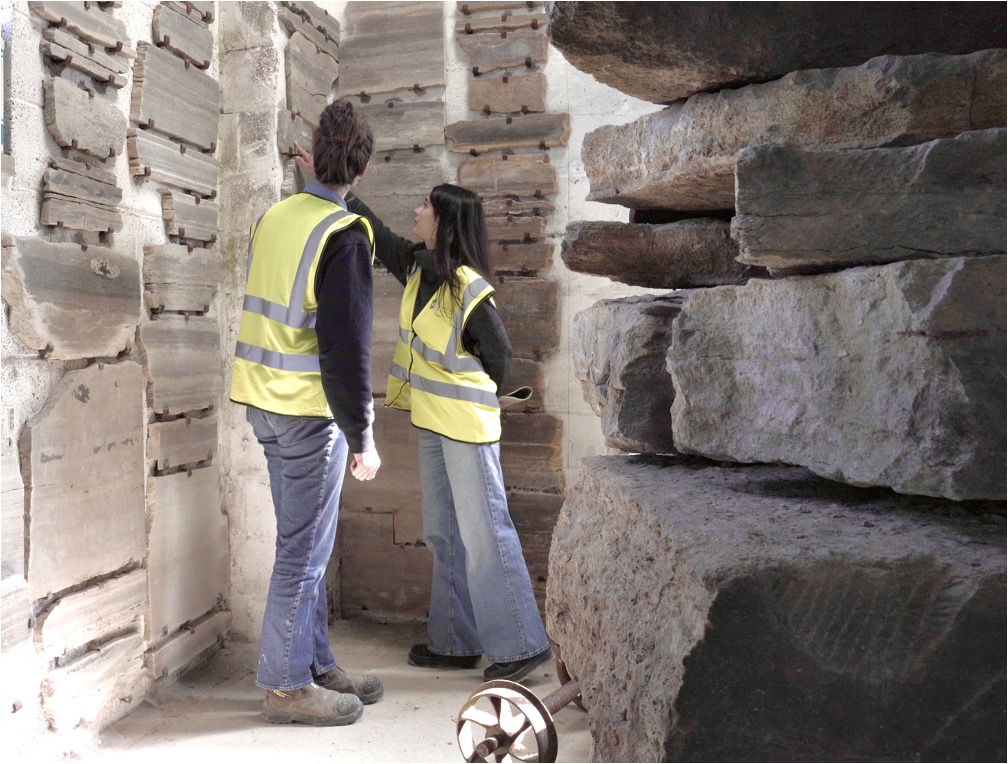
Architect and researcher Giulliana Giorgi has been leading work on an online resource exploring the sourcing, use and potential of British stone within contemporary construction. Developed through the research project Unlocking Indigenous Stone Construction in the UK, the platform brings together mapping, research, and industry knowledge to help architects, specifiers and clients better understand the UK's geological resources and the opportunities for lower-carbon, locally sourced stone.
The project emerged from a wider investigation into the barriers preventing greater use of indigenous stone in construction and was supported by the RIBA Scott Brownrigg Award for Sustainable Development. The UK possesses one of the most geologically diverse stone landscapes in Europe, yet the UK stone industry is highly fragmented and largely composed of small and medium-sized enterprises, including quarries, processors and specialist contractors. Working alongside architects from Allies and Morrison, structural engineers from Webb Yates and Stone Federation's Matt Robb, Giorgi's research seeks to connect geology, design, procurement, and sustainability through a more accessible understanding of the UK's stone landscape.
SS: What first prompted the idea for Indigenous Stone UK, and what were the main gaps in knowledge or accessibility that you felt the platform needed to address?
GG: The idea for the platform took shape in 2024. That summer, I took part in a hands-on workshop at the Building Crafts College, organised by UCL's Oliver Wilton, where together with engineers, artists, and stonemasons we designed, carved and built stone arches and rib vaults together. Conversations there pushed me to start asking broader questions about the UK's stone extraction landscape. Later that year, colleagues from the Climate Change Group at Allies and Morrison and I came across the RIBA Scott Brownrigg Award and began shaping a research agenda around indigenous stone.
Valuable resources already existed, although the information was fragmented and often difficult to navigate. Much like the industry itself, knowledge was dispersed across geology, quarrying, design, procurement, and construction, with very few points of connection between them.
It quickly became clear that the challenge, rather than a lack of available material, was a lack of shared understanding around specifying indigenous stone. So, the ambition was to provide a foundation of knowledge that could support better decisions and more meaningful conversations across the industry.
SS: The project brings together architecture, engineering and industry expertise. Could you outline the wider team behind the research and explain how those different perspectives shaped the development of the platform?
GG: I led the research, initiated through the RIBA Scott Brownrigg Award, in close collaboration with colleagues from the Climate Change Group at Allies and Morrison. Charlie Stuart led the RIBA Plan of Work overlay for stone construction and helped translate our roundtable findings into a clear industry roadmap. Sam Walters and Liam Kelly built the mapping platform and embodied carbon calculator. Webb Yates engineers Jenny Haines and Dan Cole brought structural performance and embodied carbon expertise that shaped the platform's technical content, while Stone Federation's Matt Robb gave us a direct line into quarrying, fabrication and supply chains, and helped open doors across the sector.
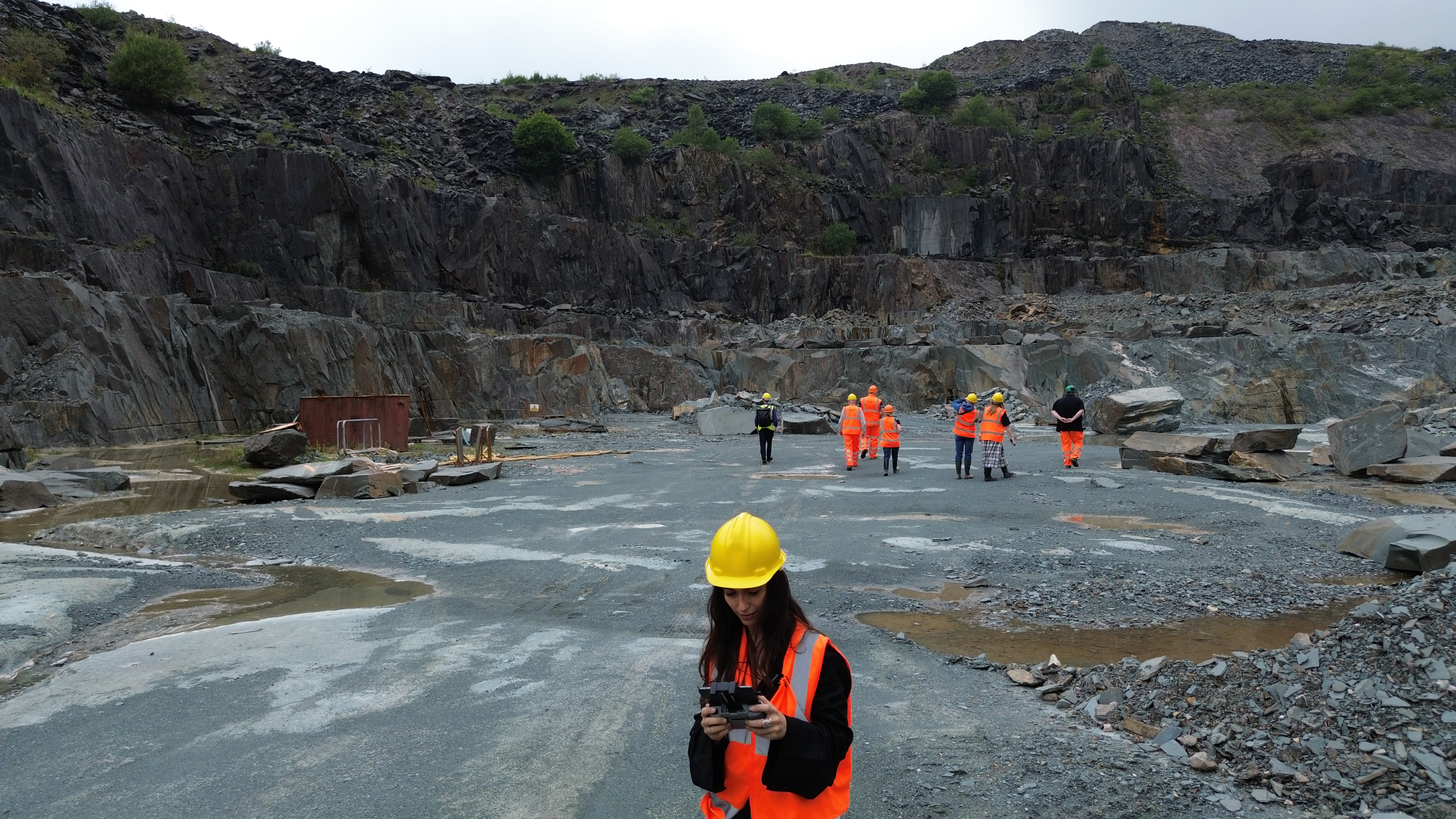
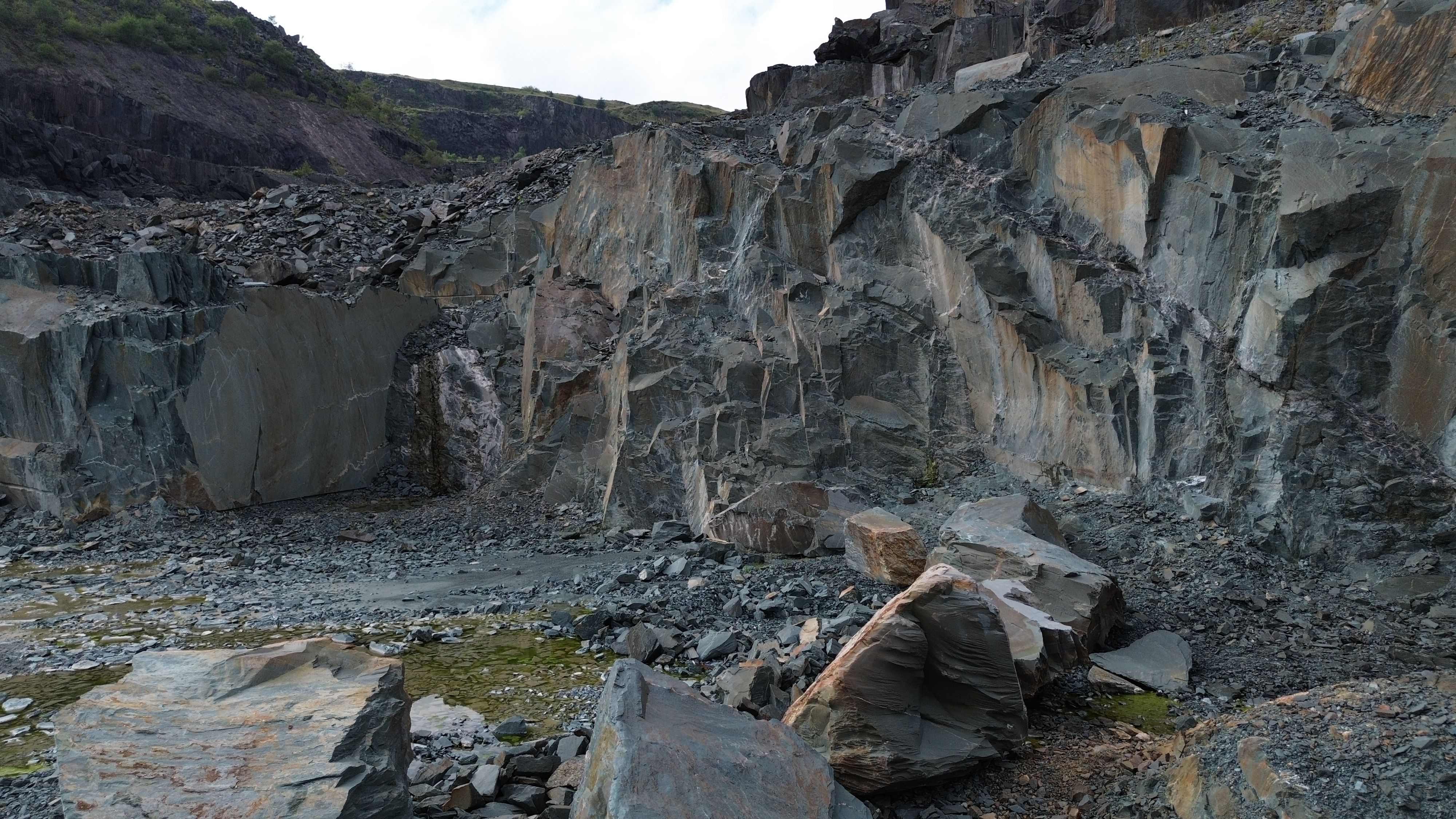
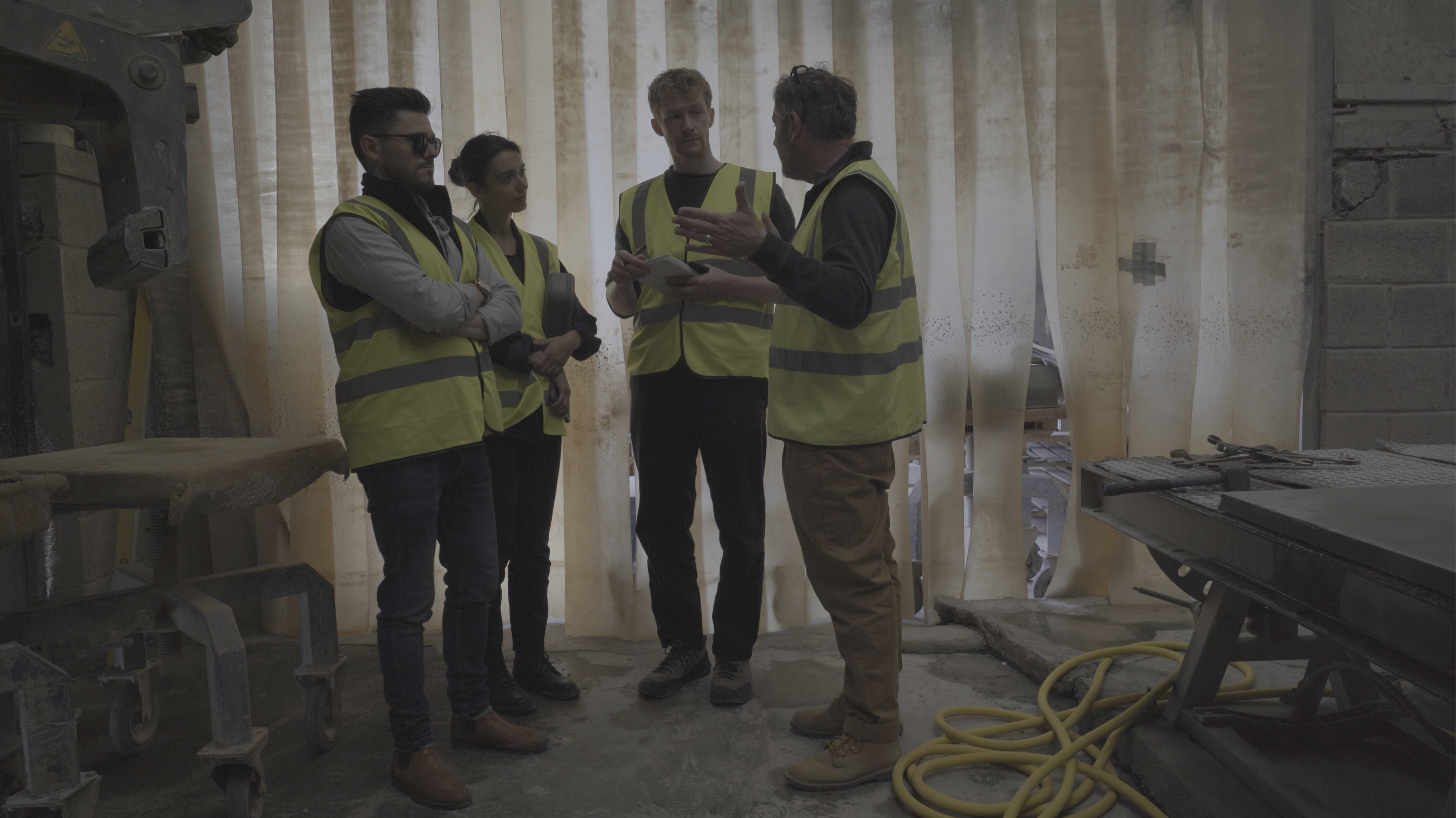
It was equally important to document the people and places behind the material. Through quarry visits, interviews and a documentary made with Daryia Cheremisina, we captured the local stories, expertise and challenges that shape the industry today.
Throughout, we kept refining the language and accessibility of the research itself, because it had to speak to multiple audiences at once - from the general public to technical specifiers. I think that the complementarity of perspectives is what made the project stand out.
SS: Mapping sits at the centre of the resource. What were some of the key challenges in gathering and organizing information about indigenous stone, and what do you hope users will take away from the map itself?
GG: Valuable knowledge already existed, but it sat across geological surveys, trade organisations, quarry websites, and technical documents, and, perhaps most importantly, in the experience of quarry managers themselves. The challenge was pulling all of that into one coherent, accessible resource, drawing on direct engagement with the industry through questionnaires and fieldwork throughout the research. It's a starting point rather than a finished product – we keep receiving feedback from quarries and practitioners, and future iterations should grow more comprehensive.
For me, mapping became a tool for making visible the relationship between the buildings we design, and the places materials come from – letting users explore what stone is available locally, understand travel distances, identify suppliers, and begin to weigh up embodied carbon.
The industry has historically run on long-established personal relationships, which can make it hard for newcomers to engage. I hope the map encourages more transparency and coordination across a sector facing real pressure from international competition and shortages in skills. A stronger shared voice matters if it’s to stay relevant and resilient in the future.
Ultimately, I want architects, clients, and specifiers to use the map as a gateway into the industry. Over time, I would like to see the platform incorporate more technical information, including EPDs, testing data and other resources that can support confident specification.
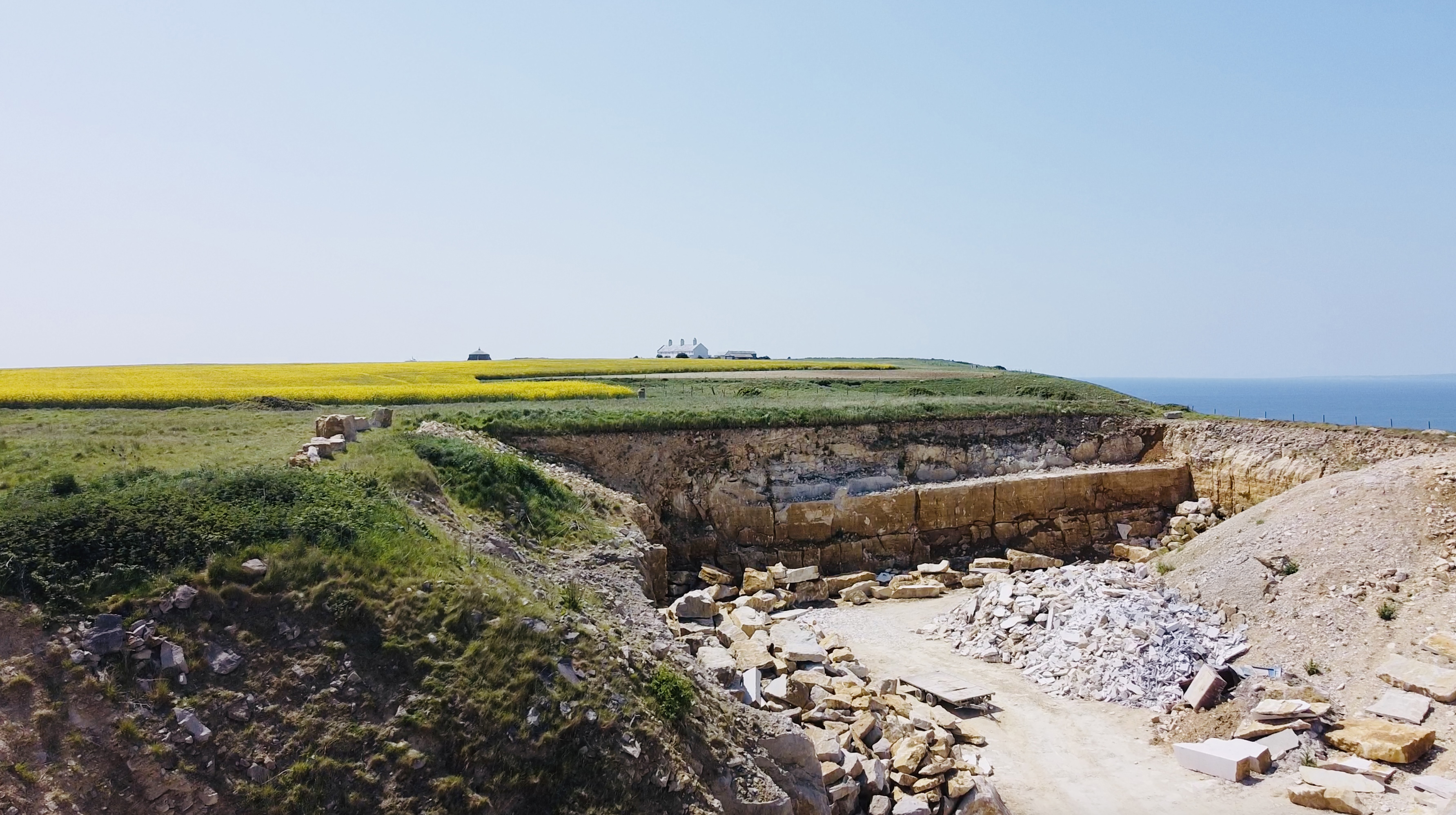
SS: The Sustainable Sourcing Guide is arguably the jewel in the crown of the whole body of work. It is a detailed and pretty comprehensive overview of indigenous UK Stone and a welcome tool for specifiers and stakeholders alike. Can you give a summary of the key elements - what can people expect within it?
GG: The guide is a practical, navigable resource. It introduces readers to the UK's geological landscape and active quarries, then walks through extraction processes, stone types, products, applications, and contemporary approaches to stone construction. From there it moves into the wider systems around the material: procurement, economics, skills, supply chains, planning and policy.
In many ways, the guide acts as a translator between the different worlds of geology and quarrying, engineering, architecture, procurement, bringing together voices that don't often appear in the same conversation and revealing the interdependencies between them.
It's built on interviews, site visits and engagement across the industry, so it sets out a balanced picture of the opportunities and the challenges facing wider adoption. More than anything, it tries to build a nuanced understanding of what sustainability means for indigenous stone - environmentally, socially, culturally, and economically.
SS: Indigenous Stone UK feels like the beginning of a much larger body of work. As the research continues, what areas will the next phases focus on, and what do you hope the project ultimately achieves for the natural stone sector and the wider construction industry?
GG: The RIBA-funded phase has concluded, but I see this as the beginning of a much larger research journey. The platform will keep evolving as a shared resource, but the most exciting opportunities now lie beyond it.
As I move into the next stage of my career, building an independent research and design practice alongside my academic work, I want to keep exploring these questions through research by design and built projects. The project has already built a remarkable network across the stone industry. The next challenge is translating those conversations into spatial propositions, prototypes and ultimately buildings that demonstrate new possibilities for indigenous stone.
More broadly, I hope the project contributes to a new local vernacular - one that responds to the realities of the twenty-first century while staying rooted in the resources, skills, and landscapes of a particular place. Success won't be measured by the map or the guide alone, but by more people engaging confidently with local materials and building architecture that's environmentally responsible, culturally meaningful, and genuinely connected to context.