

News: LCI launches carbon-negative earth brick

Low Carbon Industrial has added Aubrick, a compressed earth brick made with excavated soil and a low-emission lime binder, to its surface materials portfolio. Manufactured by its partner earth4earth, the brick is designed to absorb carbon dioxide during its lifetime, offering an alternative to conventional clay bricks that rely on kiln firing.
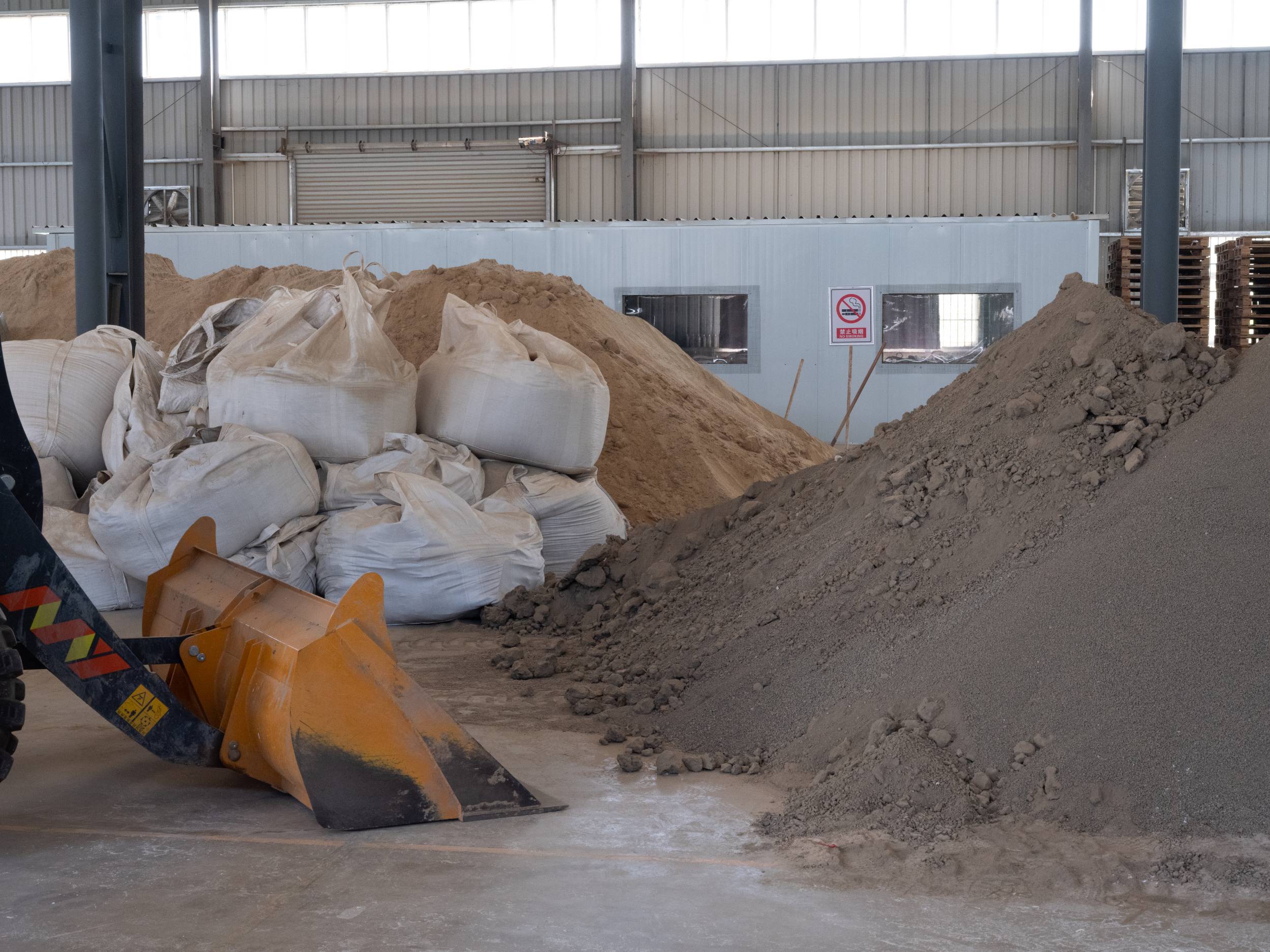
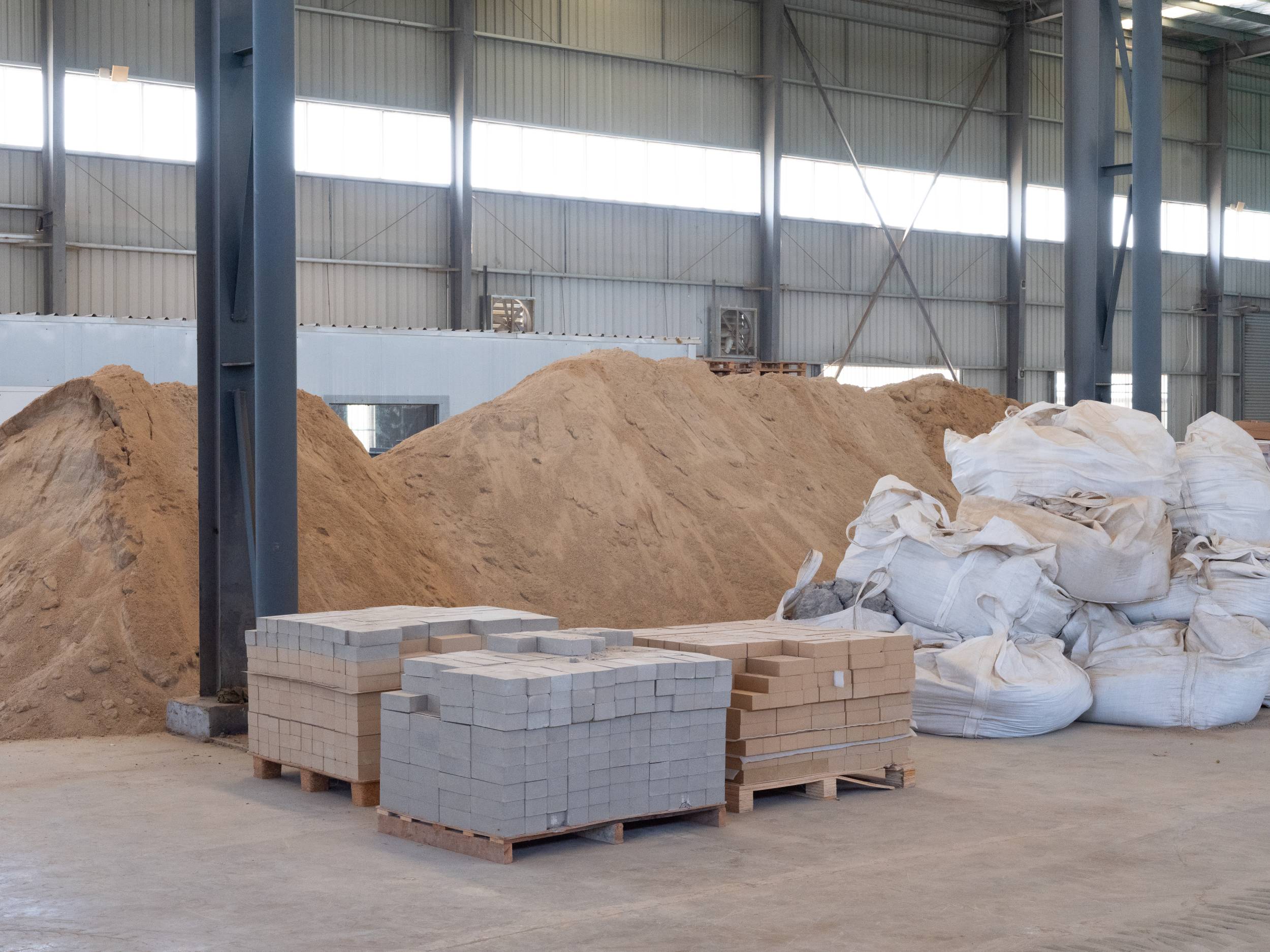
Rather than quarrying clay and firing it at high temperatures, Aubrick uses earth excavated from construction sites that might otherwise go to landfill. The material is compressed into shape and bound with a proprietary lime made without heat, with mineral pigments providing its colour. Rather tantalisingly, Low Carbon Industrial believes each brick can absorb up to 178g of CO₂ from the air as the lime binder carbonates.
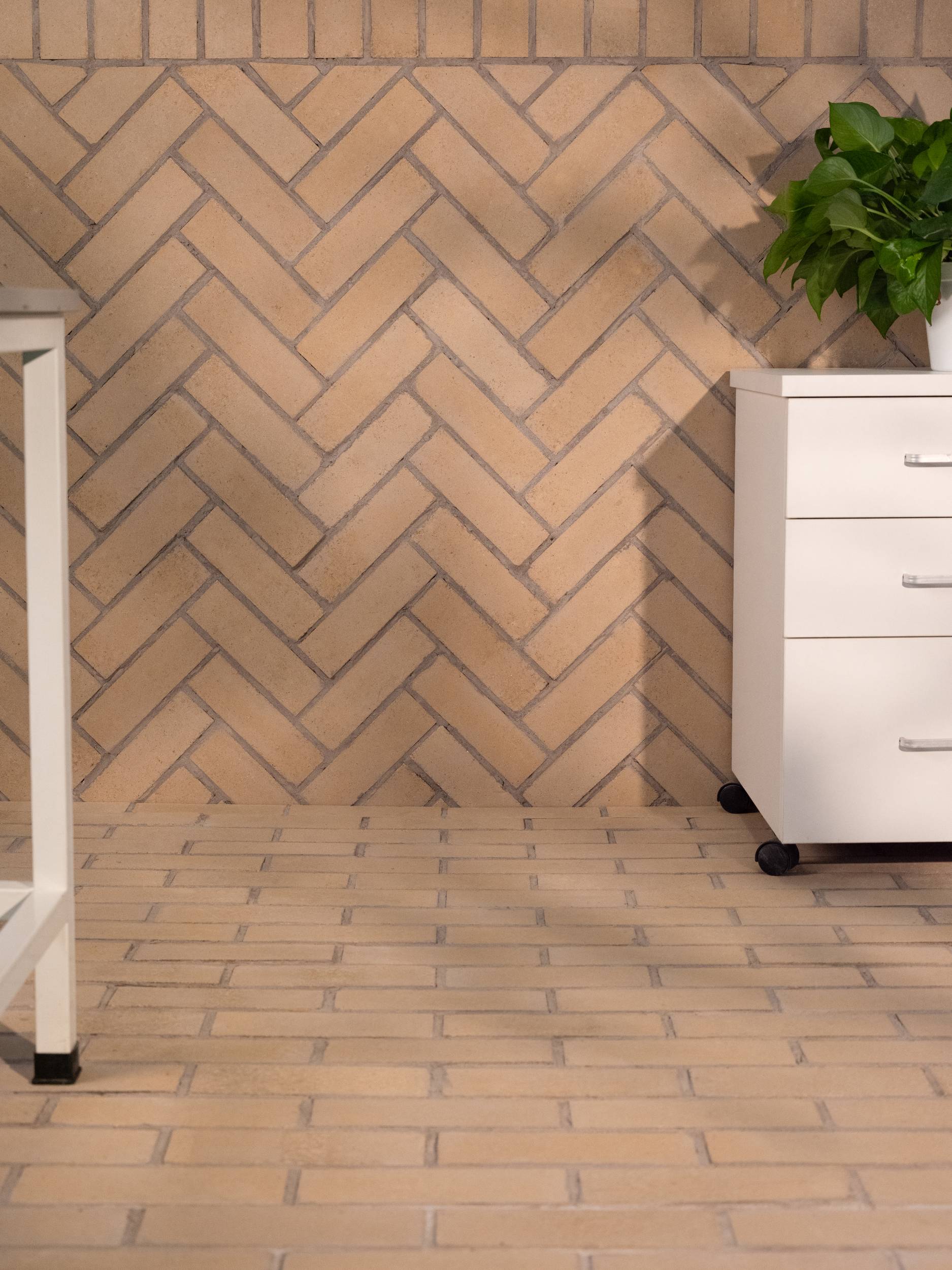
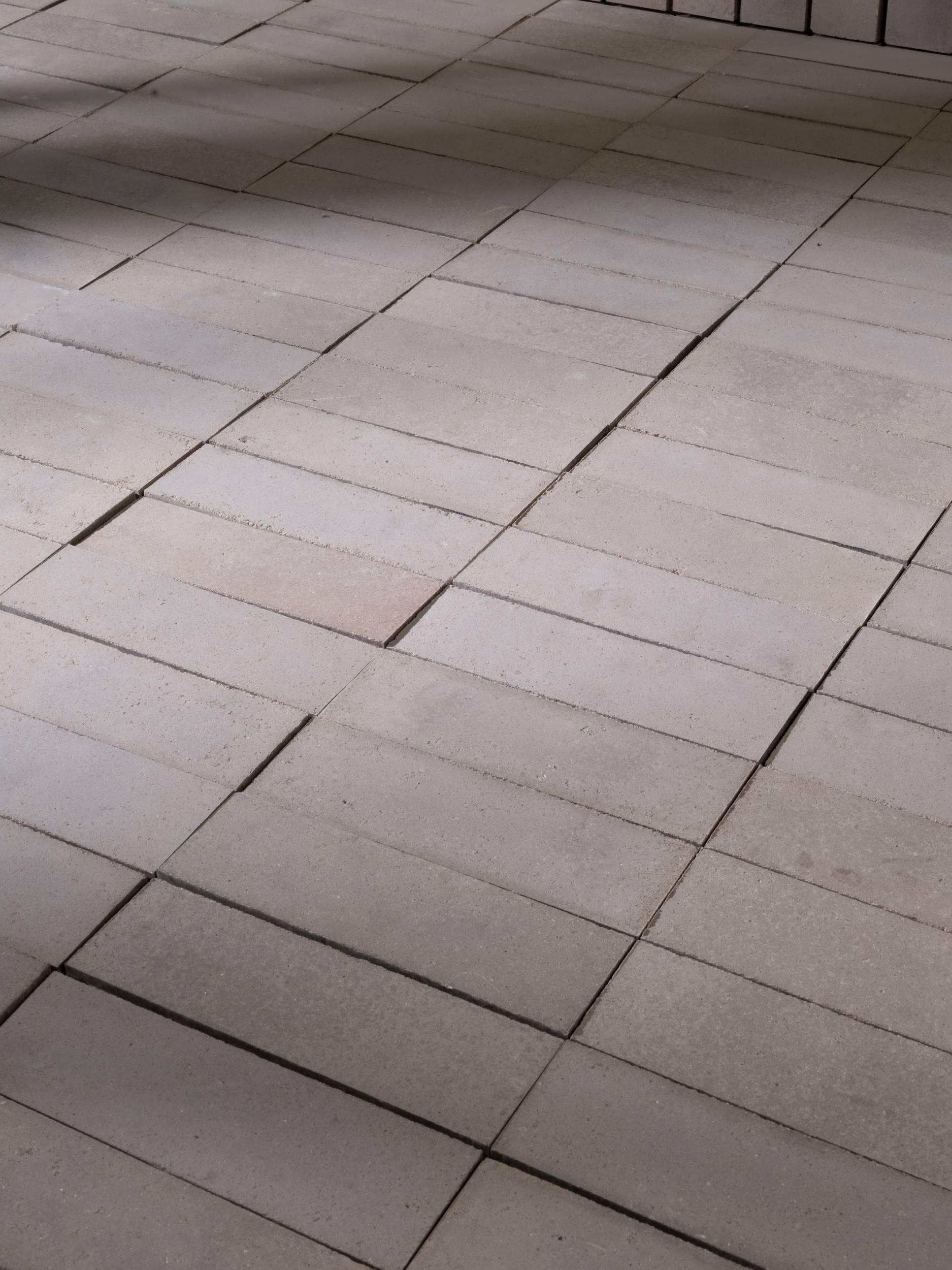
The bricks are available in London Yellow and Welsh Grey, with smooth and rustic finishes offered for brick slips. Natural variation in the recycled earth means colour can differ between batches and even across individual pallets, bringing an inherent material variation to the finished surface.
Along with a published Environmental Product Declaration (EPD), Aubrick is UKCA and CE marked, and is designed to be installed using conventional bricklaying methods. IN terms of performance, its declared compressive strength is 10N/mm², with a reported mean strength of 39.1N/mm². Classified as non-combustible, with an A1 fire rating, it is suitable for interior and exterior walls, floors and cladding. And what’s more, at the end of its service life, the material can be crushed for use in new bricks or returned to the ground as soil.
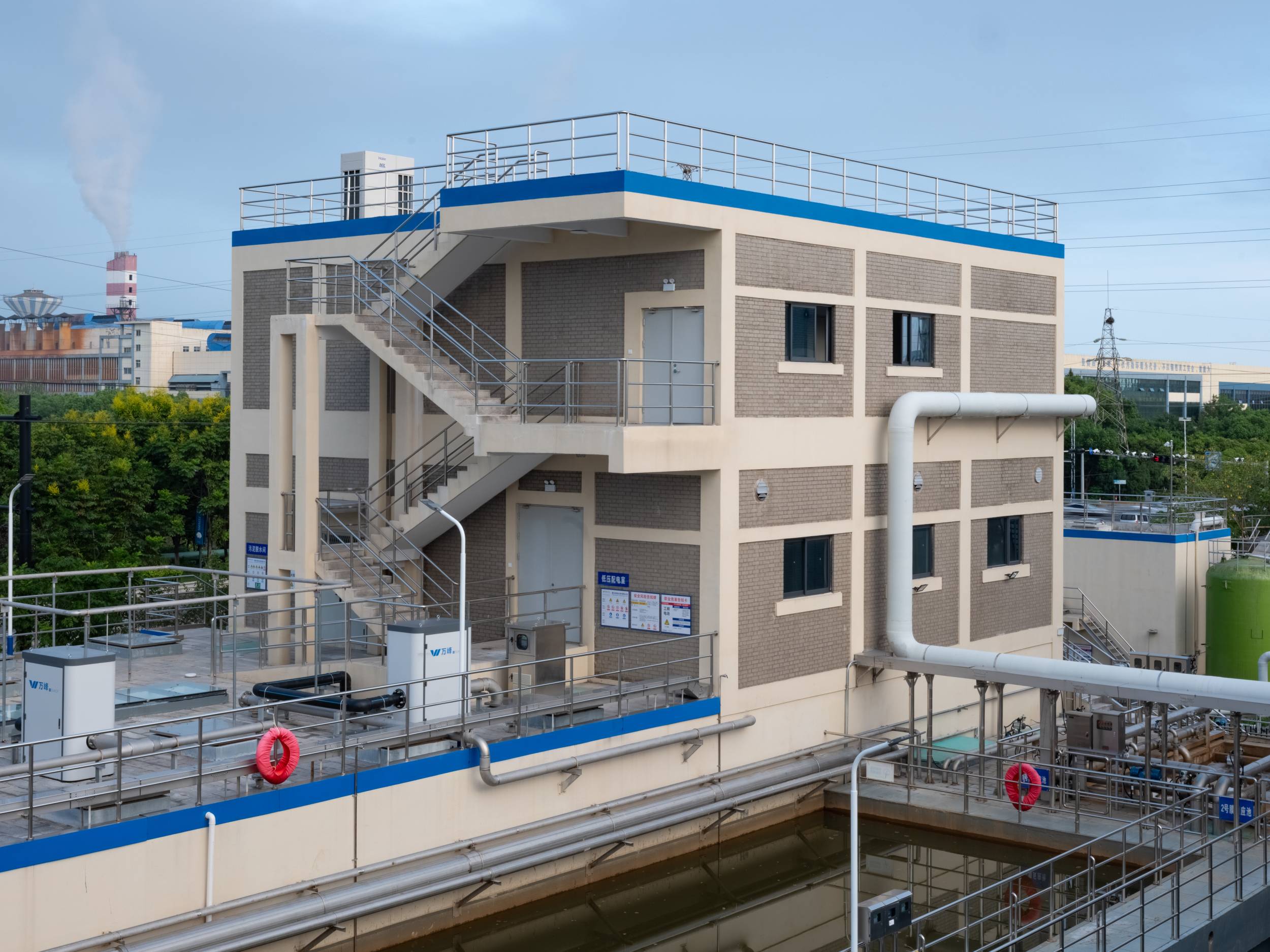
The bricks have already been put into practice on an array of projects, including United Water, a water treatment works in Tongxiang, China, where 200,000 Aubrick bricks have been installed across the site. Bricks are utilised in wall panels within the concrete frames of the treatment buildings themselves, as well as in the paving between the buildings, along with a perforated boundary wall along the road that incorporates solid piers.
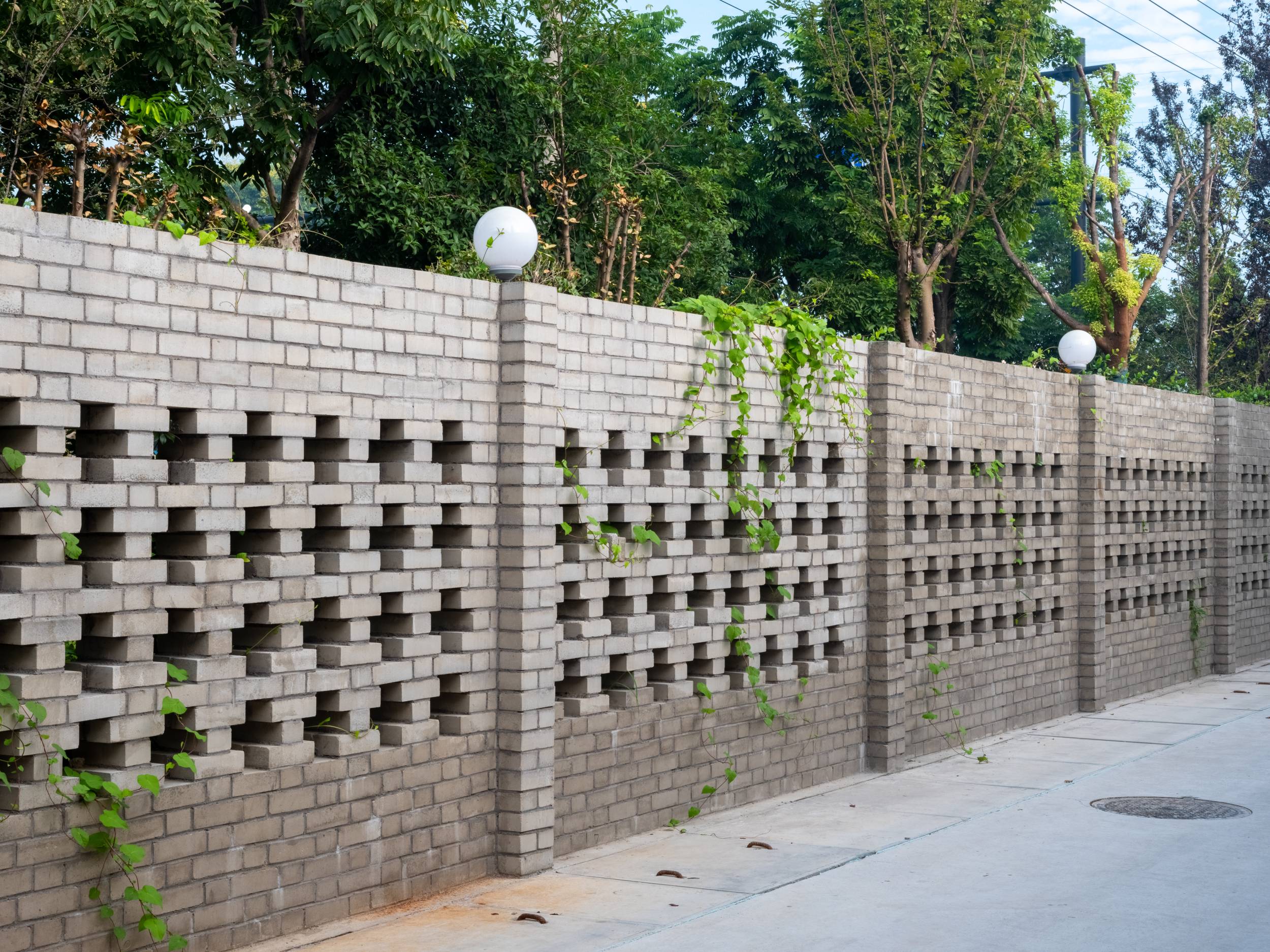
As such, the project demonstrates how, rather than being restricted to a single decorative or construction element, one material can provide continuity across different architectural applications. And according to the team, the installation accounts for up to 35.6 tonnes of CO₂ absorbed by the bricks, using the stated maximum absorption of 178g per brick. The project also puts the material in a demanding environment: Tongxiang experiences hot, humid summers and a prolonged rainy season, exposing the installation to repeated heat and moisture.
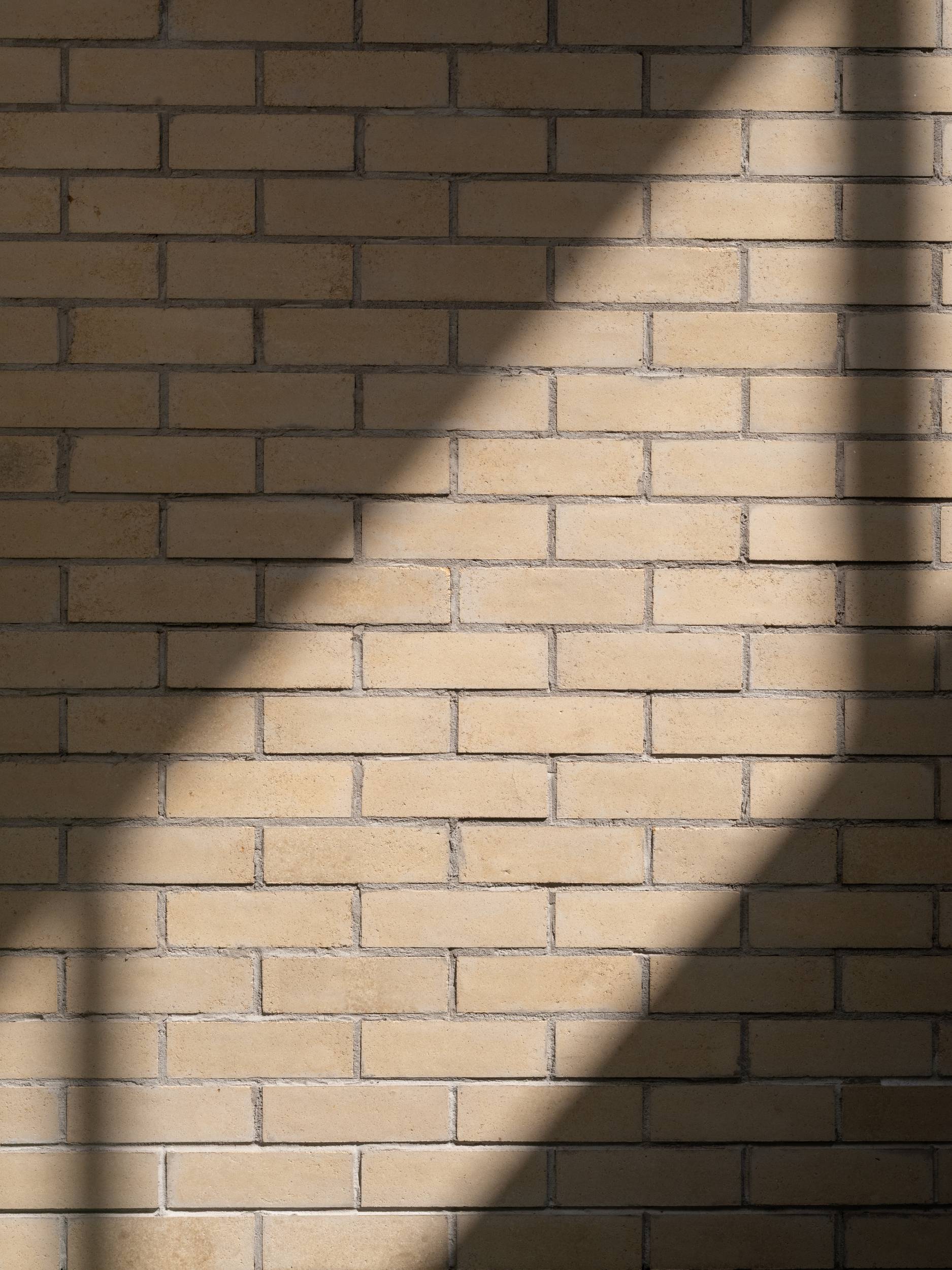
Aubrick extends a portfolio that already challenges conventional assumptions about surface materials. As we’ve covered previously, Low Carbon Industrial brings together products developed from waste streams and lower-impact material processes, including Stelapop, a material made from reclaimed denim that was launched in the summer. The common thread is an effort to turn discarded resources into materials suitable for practical specification, with technical performance and end-of-life considerations part of the proposition.
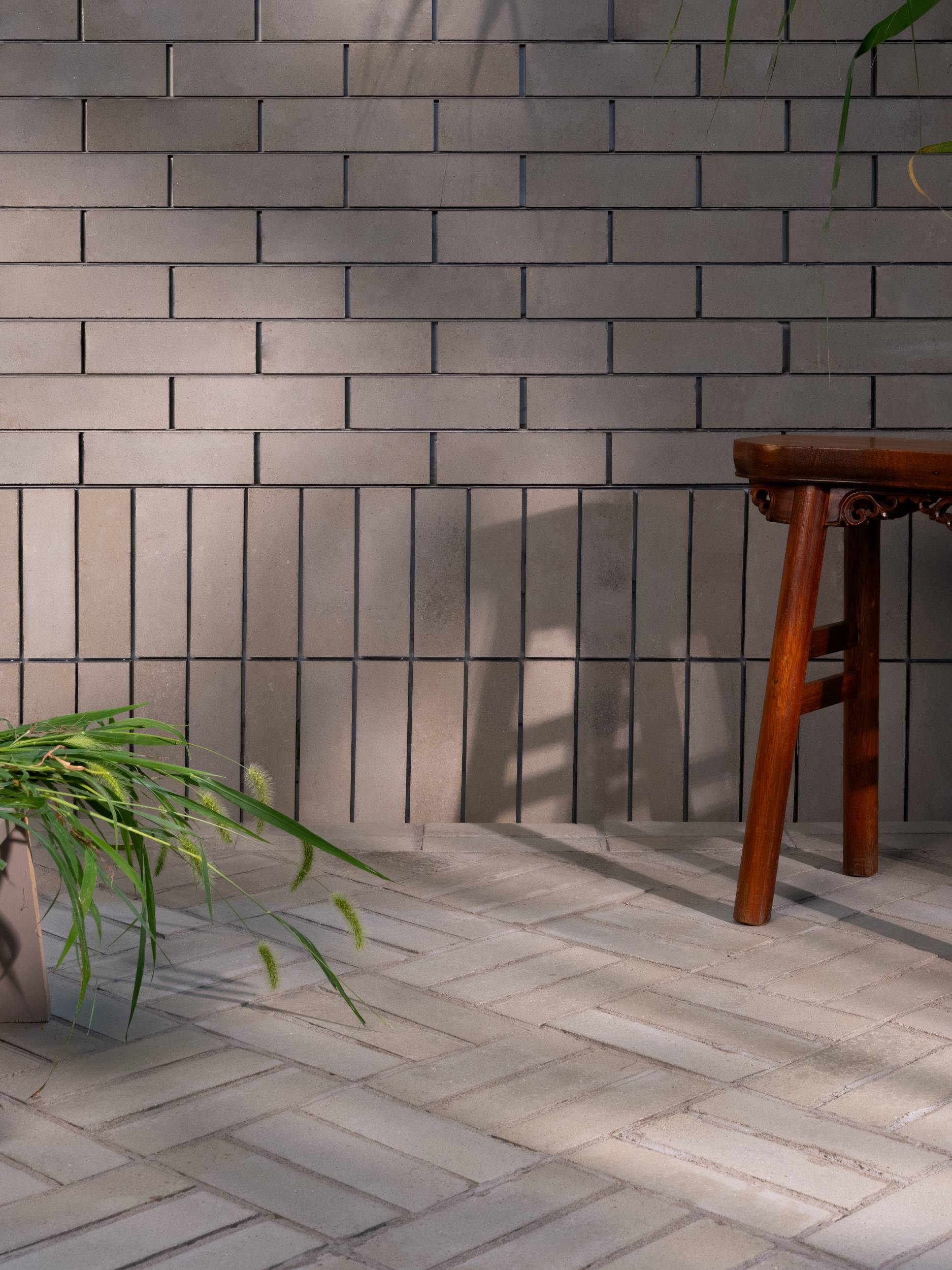
Through its partnership with earth4earth, Aubrick applies that approach to one of construction's most familiar materials. Rather than asking architects and contractors to adopt an unfamiliar building system, it offers an alternative brick format intended to meet established standards and installation practices, while putting excavated earth and carbon-absorbing lime to work.