

News: The New Stone Age

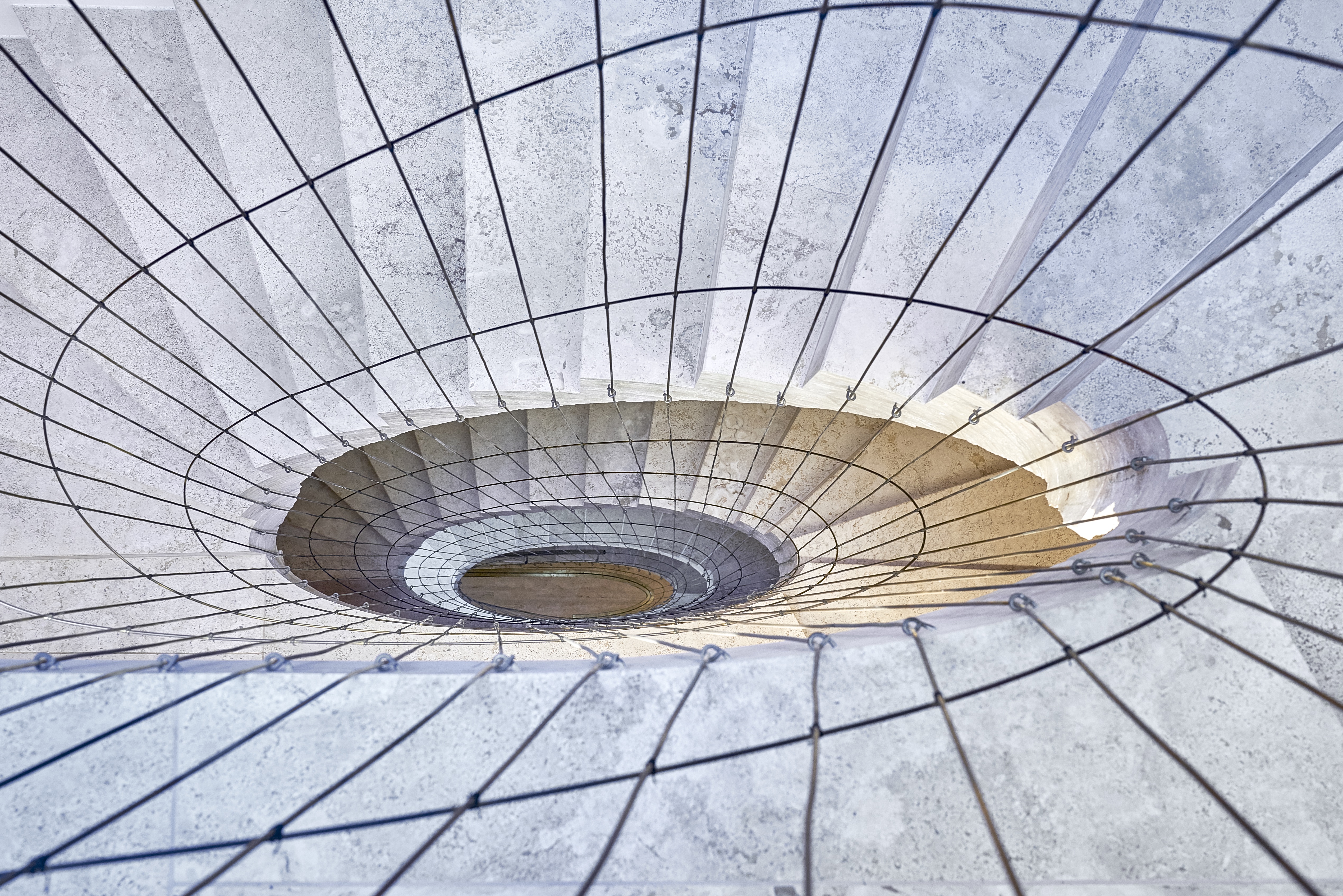
Stone continues to be put back at the centre of contemporary construction in a new exhibition opening at the University of Toronto in January. The New Stone Age: Towards an Ethical Architecture is curated by UK practices Groupwork, Webb Yates and The Stonemasonry Company – three names familiar to Stone Specialist readers for their role in reviving load-bearing stone.
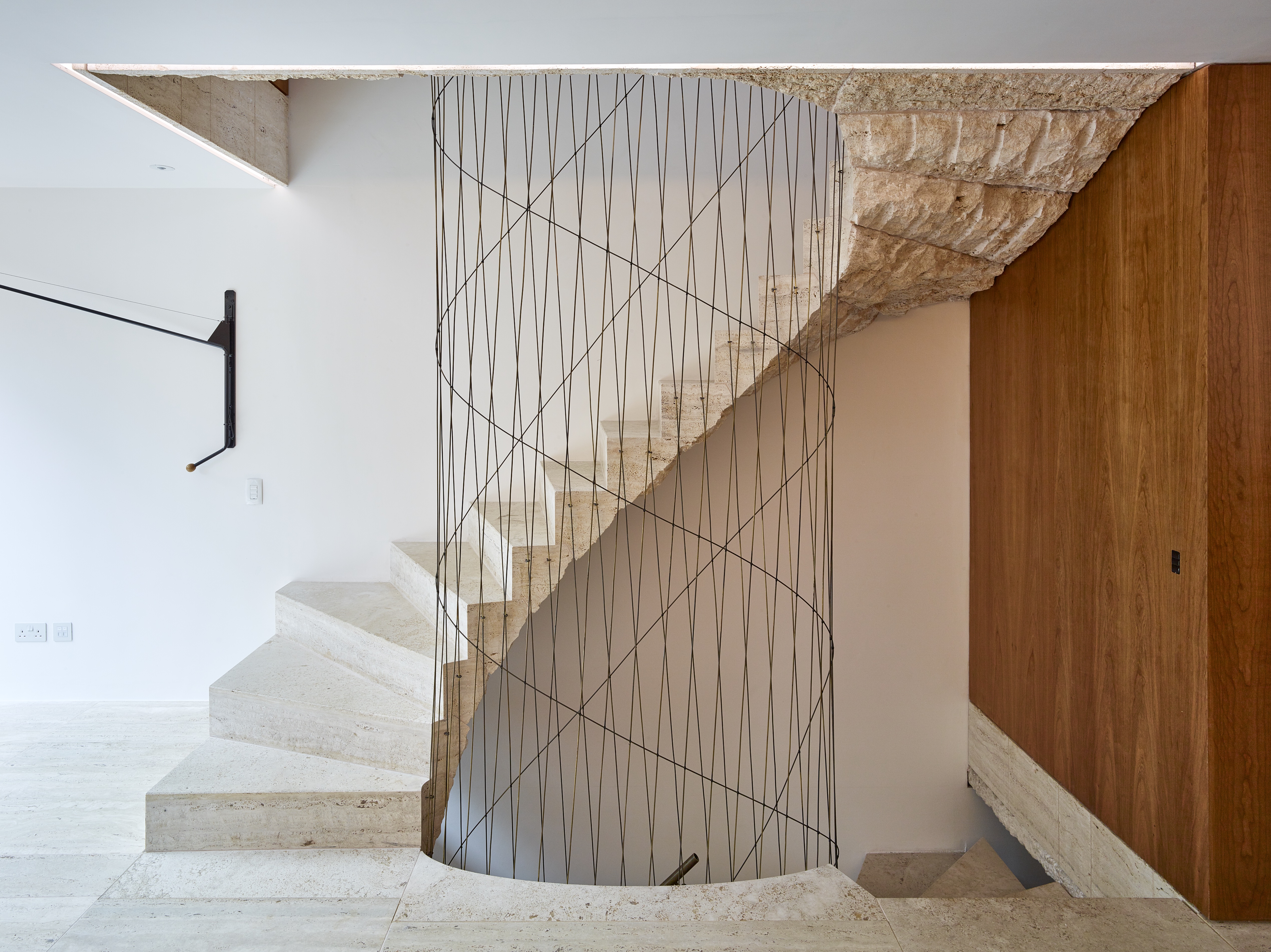
Caroline Place Image Credit: Tim Soar
Hosted by the John H. Daniels Faculty of Architecture, Landscape and Design, the exhibition brings together three large-scale stone-and-timber installations, built projects by international practices, and historical research to make the case for stone as a modern, low-carbon structural material.
Finchley Road Image Credit: Groupwork
The team frames the exhibition as a response to the 20th-century turn toward concrete and steel. A century after Le Corbusier’s Towards a New Architecture helped normalise the “free plan” enabled by reinforced concrete, the same material logic now underpins most buildings worldwide, from houses to high-rises. With construction responsible for about 40% of global carbon emissions and global building stock set to double over the next 50 years, the exhibition argues that this default approach is no longer defensible.
Stone, they contend, offers a practical alternative. As we’ve reported, when quarried, processed and used efficiently, structural stone can carry a fraction of the embodied carbon of reinforced concrete or steel, while also lending itself to prefabrication and rapid assembly. Seen together, the installations and case studies show how contemporary engineering and traditional material can meet in credible, buildable systems.
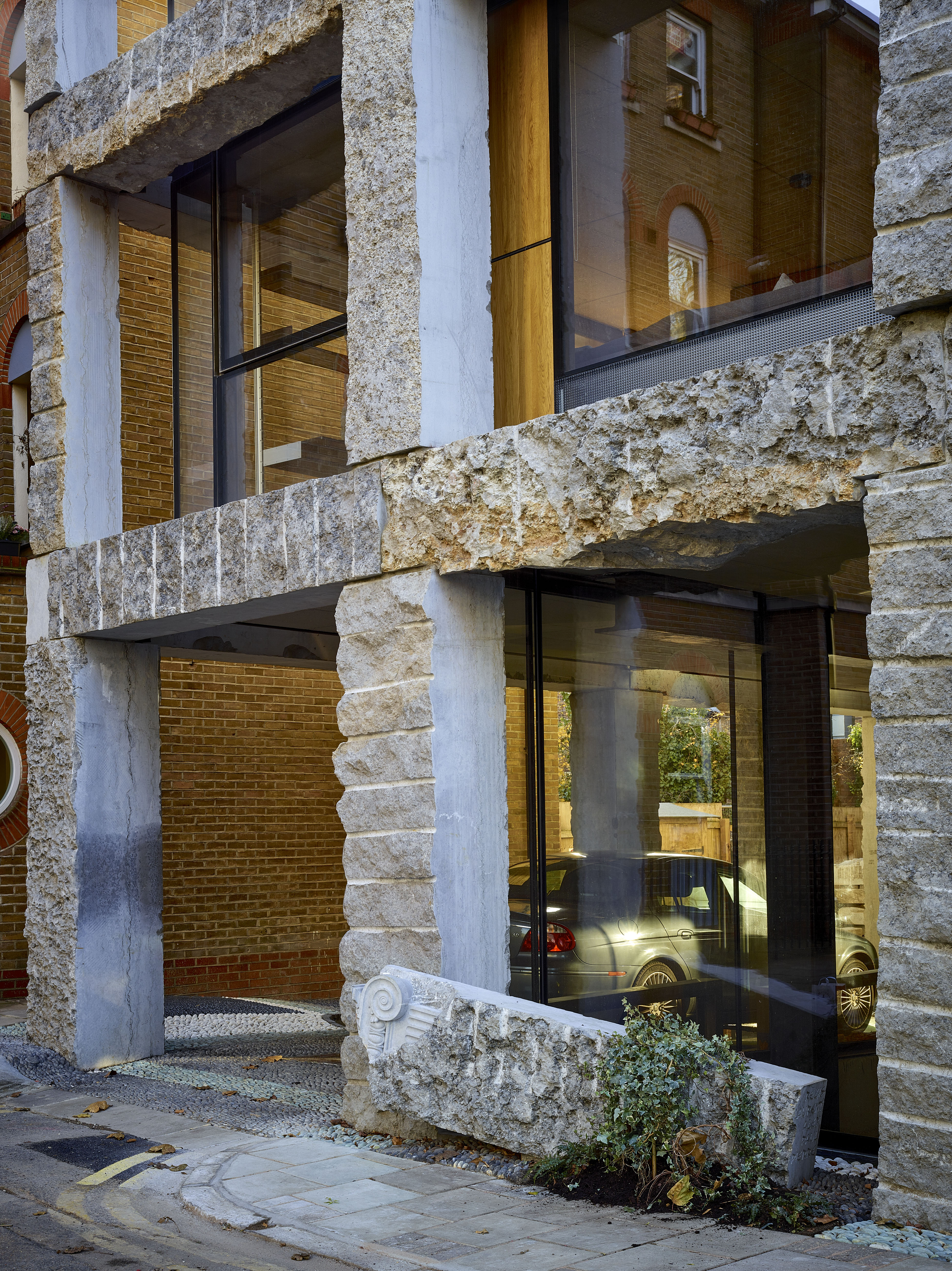
15 Clerkenwell Close Image Credit: Tim Soar
That argument will be familiar to Stone Specialist readers who have followed recent coverage of all three collaborators. Groupwork’s research-led projects, including its carbon-conscious use of stone in housing and civic buildings, have been profiled for their blend of architectural ambition and material restraint. Webb Yates has featured for its pioneering structural work with post-tensioned stone and stone–timber hybrids. And SMC’s evolution from complex stone staircases into full structural systems, including the reuse of surplus stone, has been charted as part of a broader shift back to natural materials.
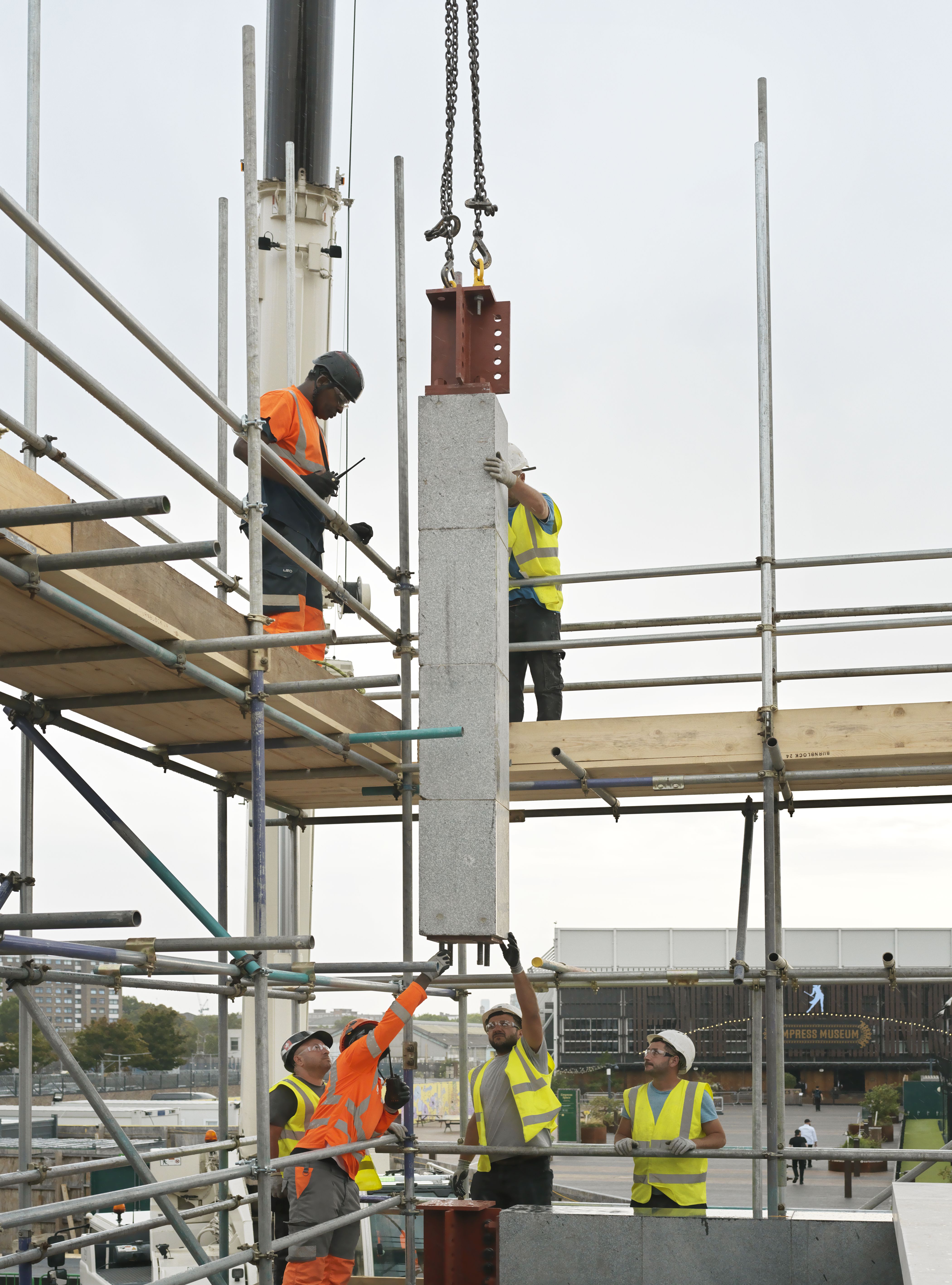
Stone Demonstrator Image Credit: Bas Princen
Indeed, the exhibition also connects with the themes explored with the Stone Demonstrator, where the trio has collaborated with various other professional practices on a full-scale structural stone pavilion. That project provided a tangible proof of concept for low-carbon stone construction; The New Stone Age extends that thinking into an academic and international context.

Stone Demonstrator Image Credit: Bas Princen
Alongside the installations, visitors will encounter film, photography and archival material tracing stone’s long history as a loadbearing material and its re-emergence through digital design, modern quarrying and advanced engineering. The exhibition also acknowledges collaborators including German stone producer Bamberger Natursteinwerk Hermann Graser, PICCO Engineering, and the Aesthetic City film collective.
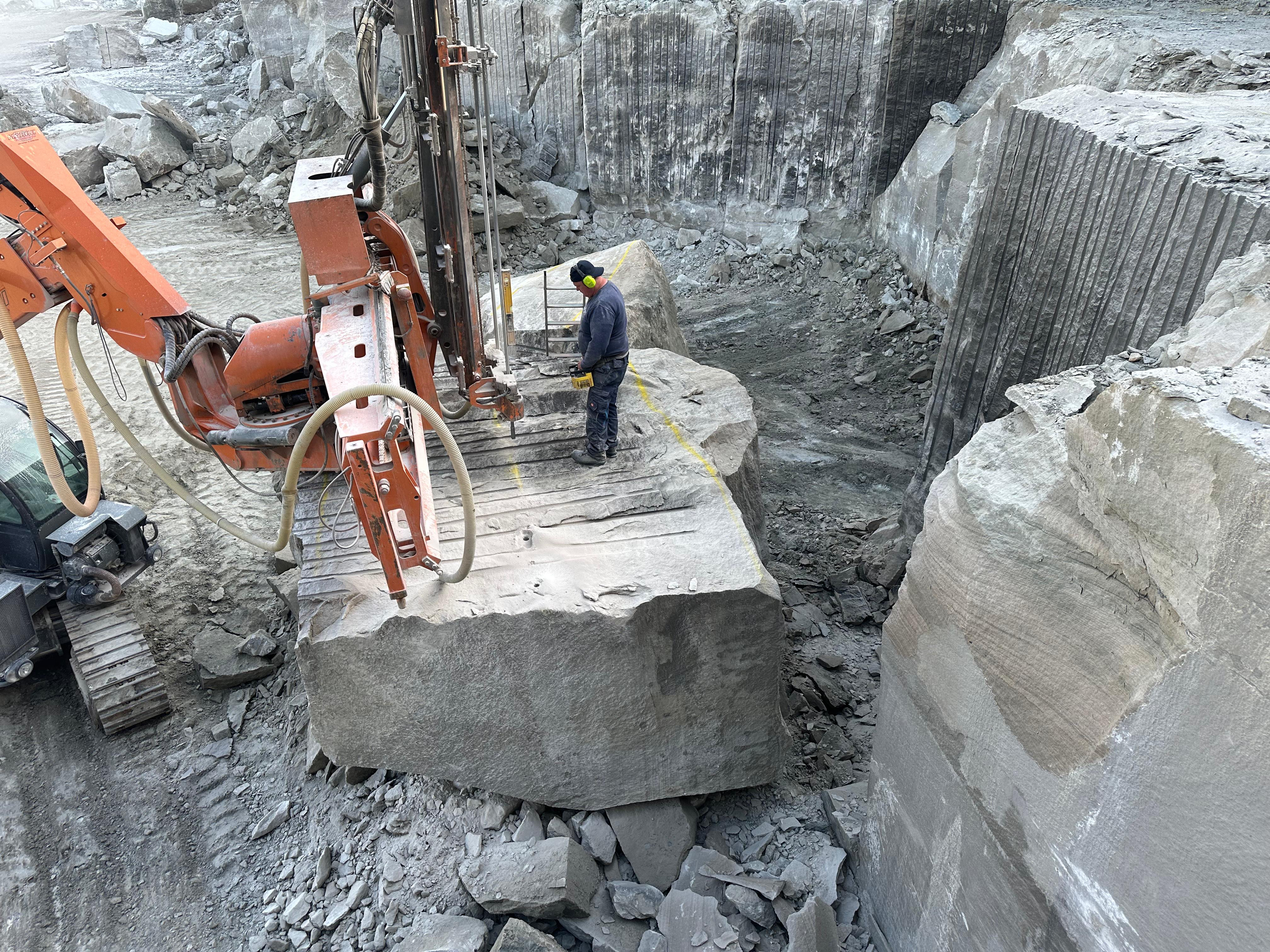
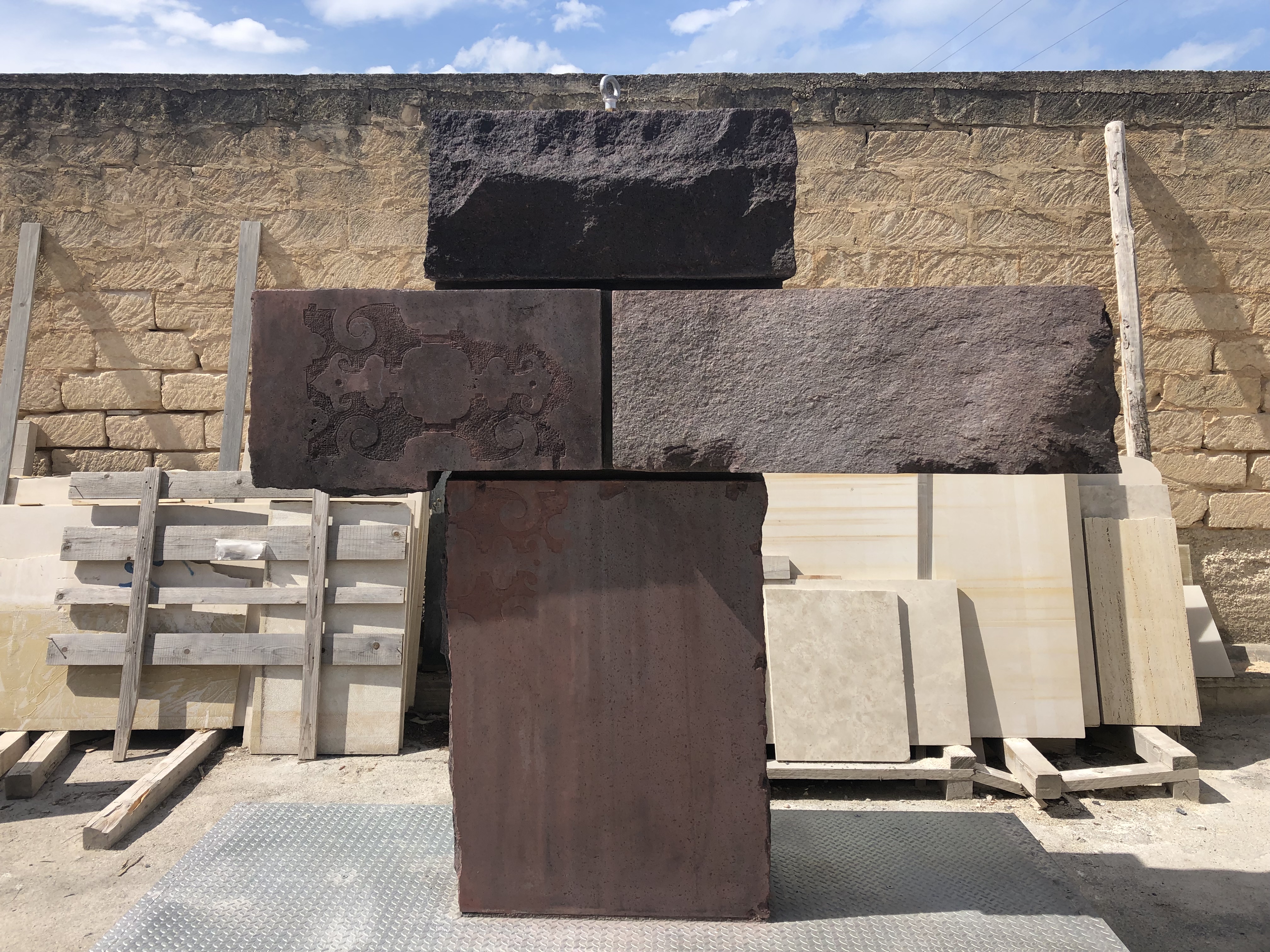
Bamberger Natursteinwerk Image Credit: Hermann Graser
The New Stone Age is an invitation to treat stone not as a nostalgic finish, but as a serious, scalable alternative to high-carbon structural systems, and places that conversation firmly on an international stage.
The exhibition takes place between 23 January 2026 and 3 April, in the University’s Architecture + Design Gallery at 1 Spadina Crescent.