

Profile: Plasticiet Turns Plastic into Design-Led Surfaces

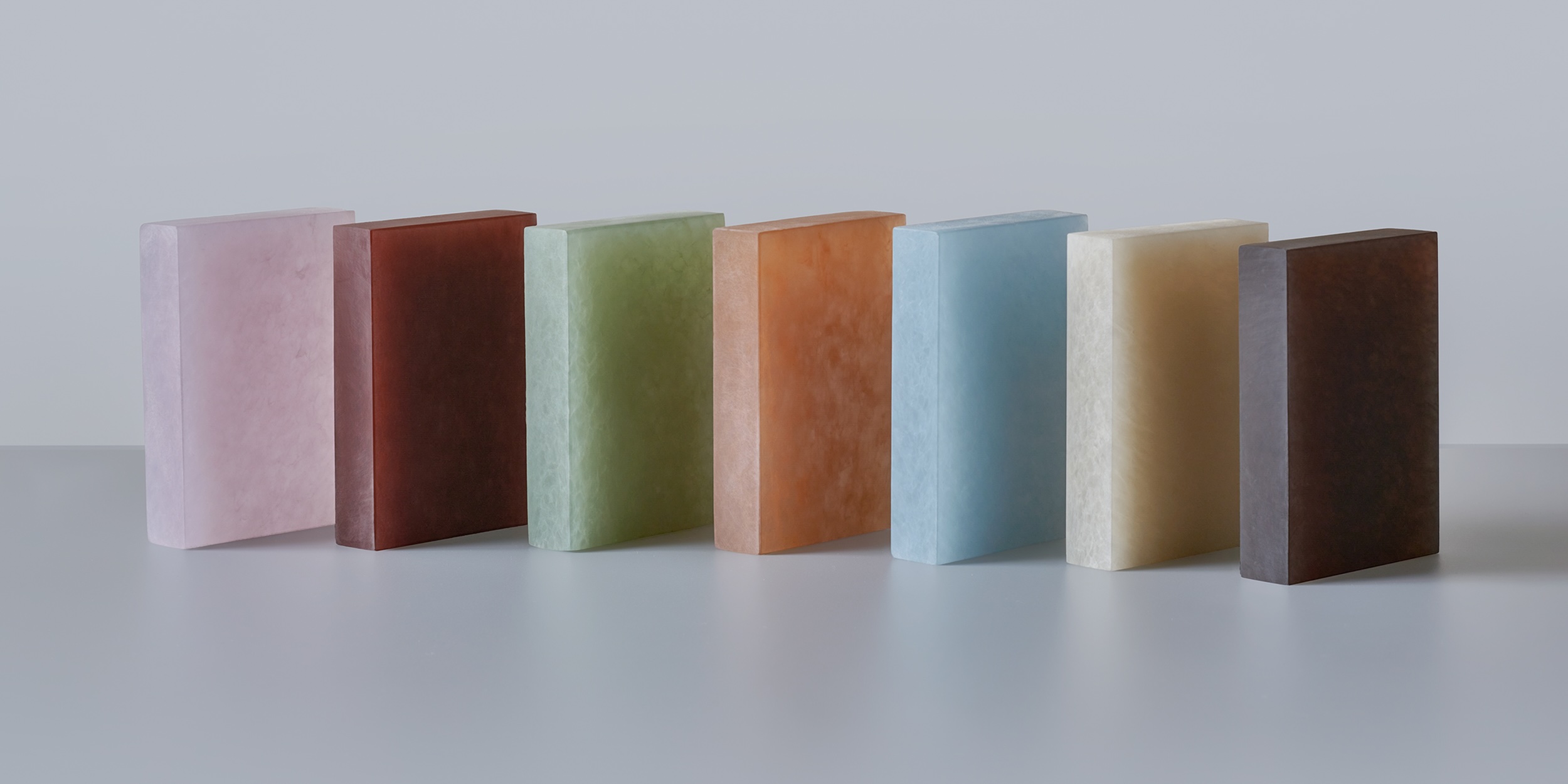
Since its beginnings in 2016, Plasticiet has carved out a unique position in the world of material innovation by transforming what many see as waste into something of lasting design value. Founded in the Netherlands by designers Marten van Middelkoop and Joost Dingemans, the studio started life as an experimental inquiry into the potential of discarded plastics. From melting shampoo bottles on a balcony to full-scale recycled panels in a Delft workshop, the duo have been guided by a belief that sustainability must be desirable, not just symbolic.
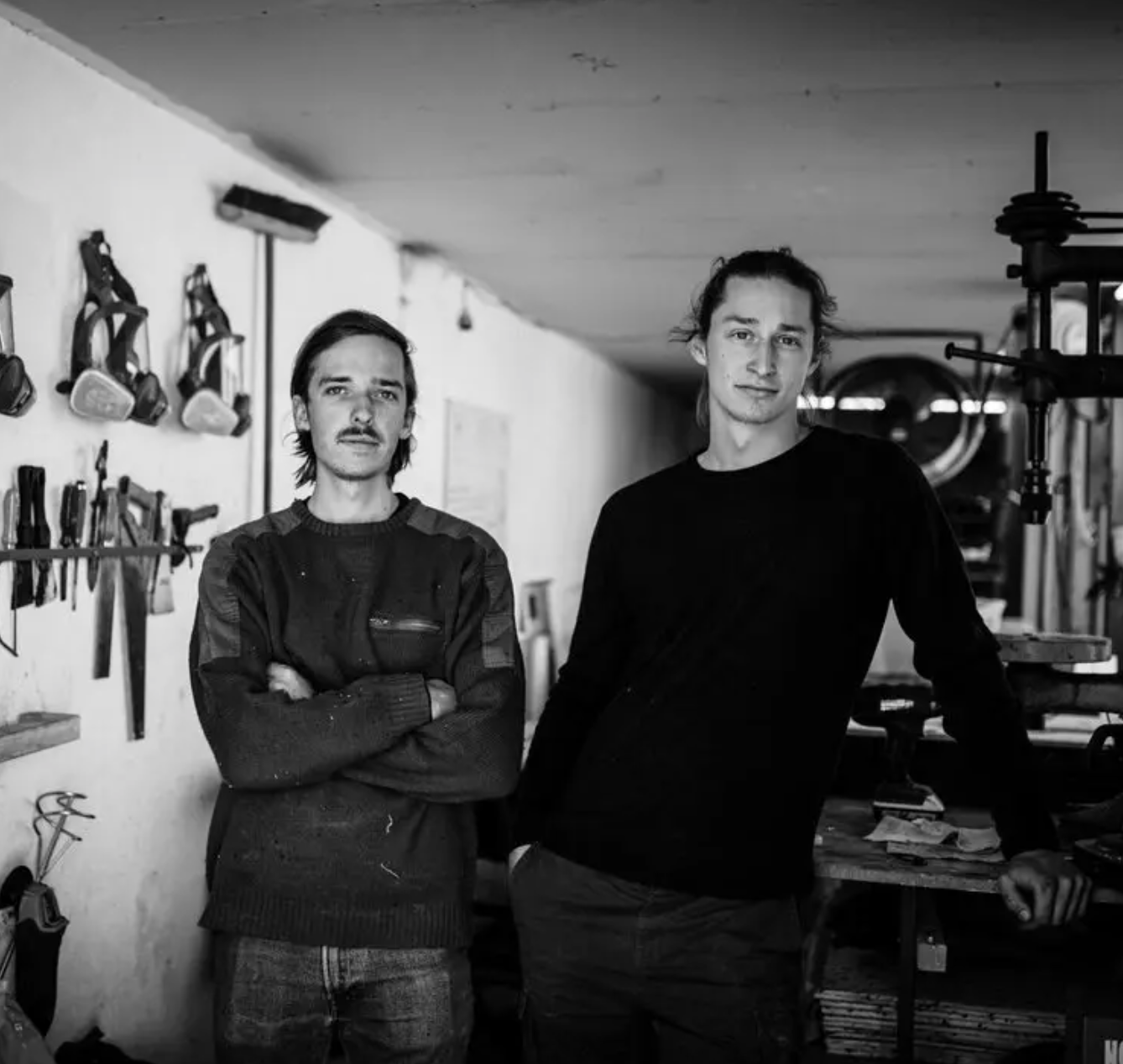
Image Credit: Jos Kottman
Today, the company produces a range of 100% recycled solid surface materials that echo the sensorial appeal of natural stone and terrazzo but are sourced entirely from post‑production and post‑consumer plastics. Two key material families define this output: Karlite and Mother of Pearl. Each is crafted by hand in the studio’s Dutch workshop, where waste plastics are carefully sorted, melted and remade into sheets and bespoke elements.
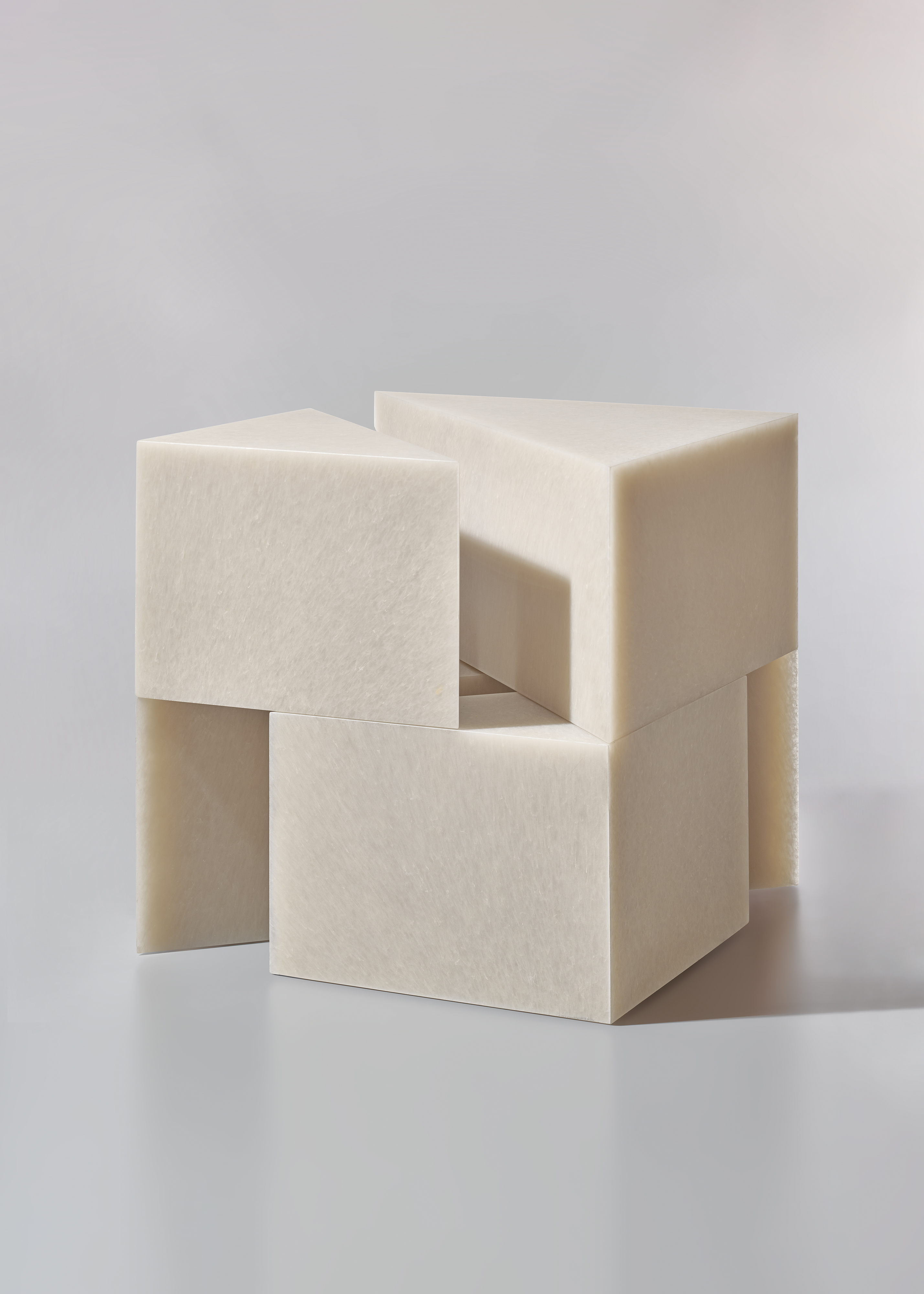
Karlite. Image Credit: Pim Top
Karlite is Plasticiet’s industrially inspired range, designed as a recycled alternative to resin and other solid surface boards. Combining reclaimed plastics such as polycarbonate with finely chosen mineral pigments to create durable, semi‑translucent panels, the range takes a step away from looking like a recycled material. Its palette, which includes Chalk, Glacial, Jade and Sienna, evoke materials more commonly associated with marble or minerals, yet these boards are born of reuse and crafted to last.
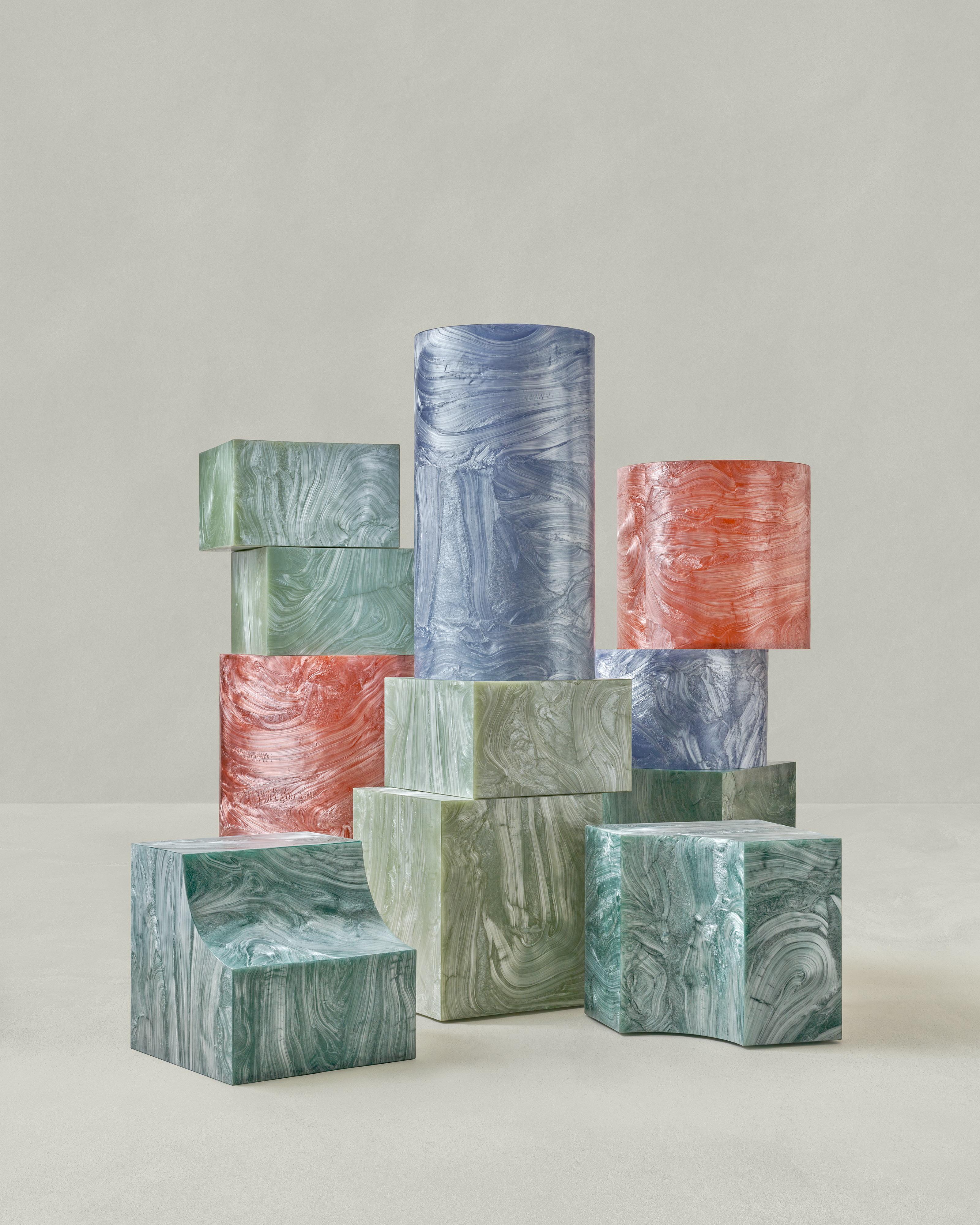
Mother of Peral. Image Credit: Pim Top
Mother of Pearl, on the other hand, is an artisanal material shaped by hand, where the transformation of discarded polycarbonate into a pearl‑like surface echoes age‑old crafting techniques. During production, the plastic is repeatedly stretched and folded while warm, introducing tiny air bubbles that scatter light and lend the surface its characteristic iridescence and depth.
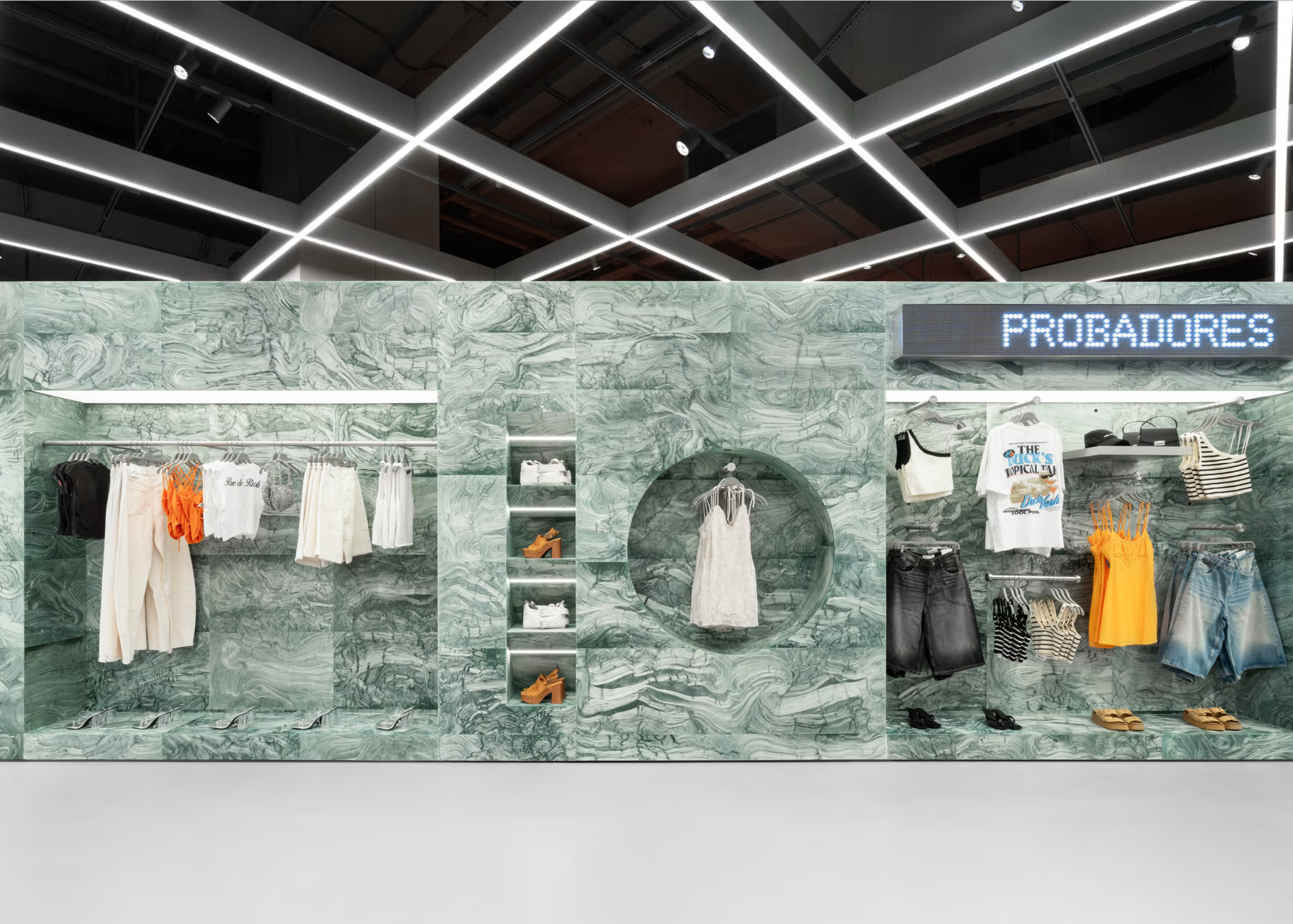
Bershka by OMA
Both materials share a commitment to circularity as a given, not a goal. Every Plasticiet board is not only made from recycled plastic but is itself fully recyclable at the end of its life, ensuring that the material can re‑enter the loop rather than becoming waste. This emphasis on responsible sourcing, permanence and reversibility sets Plasticiet apart in a landscape where many recycled products are valued more for their sustainability credentials than their performance or longevity.
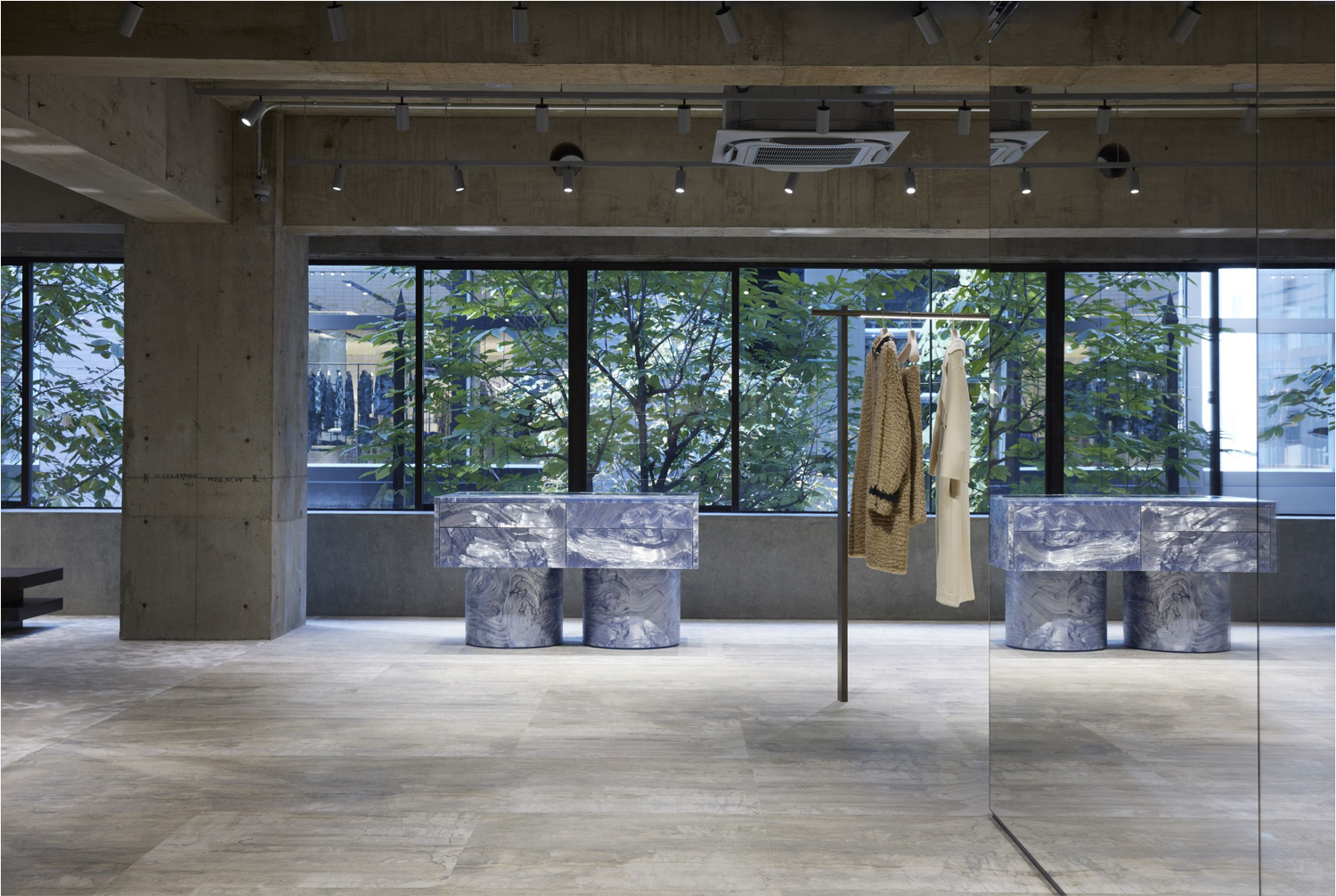
Jill Sanders. Image Credit: Paul Riddle
Beyond its material collections, Plasticiet’s workshop produces custom surfaces and objects that extend the conversation between material, craft and context. The team works closely with architects, interior designers and brands to tailor colours, translucencies and patterns for specific projects, and has completed installations for clients from Bershka and Jil Sander to boutique retail environments and bespoke furniture commissions. Their work demonstrates that recycled materials can perform at a level equal to, or beyond, traditional options — whether clad walls and counters, interior display systems or freestanding design pieces.

Karlite. Image Credit: Pim Top
Materially, Plasticiet surfaces behave much like conventional solid surfaces: they are non‑porous, machinable with standard tools, and suited to interior applications, including kitchens, bathrooms and high‑use retail environments. The materials can be cut, drilled, sanded and finished in ways familiar to designers and fabricators, making them both flexible and practical from specification through installation.
What makes Plasticiet particularly compelling to designers and specifiers is not just its recycled content but the story embedded in its surfaces. The visible fragments, variations and veining speak to the material’s origin while elevating it beyond mere waste repurposing. This aesthetic richness, combined with durability and adaptability, positions Plasticiet as a material for the future, one that helps shift the industry’s understanding of plastic from problem to resource.