

Profile: Sustainable Acoustic Materials From Baux

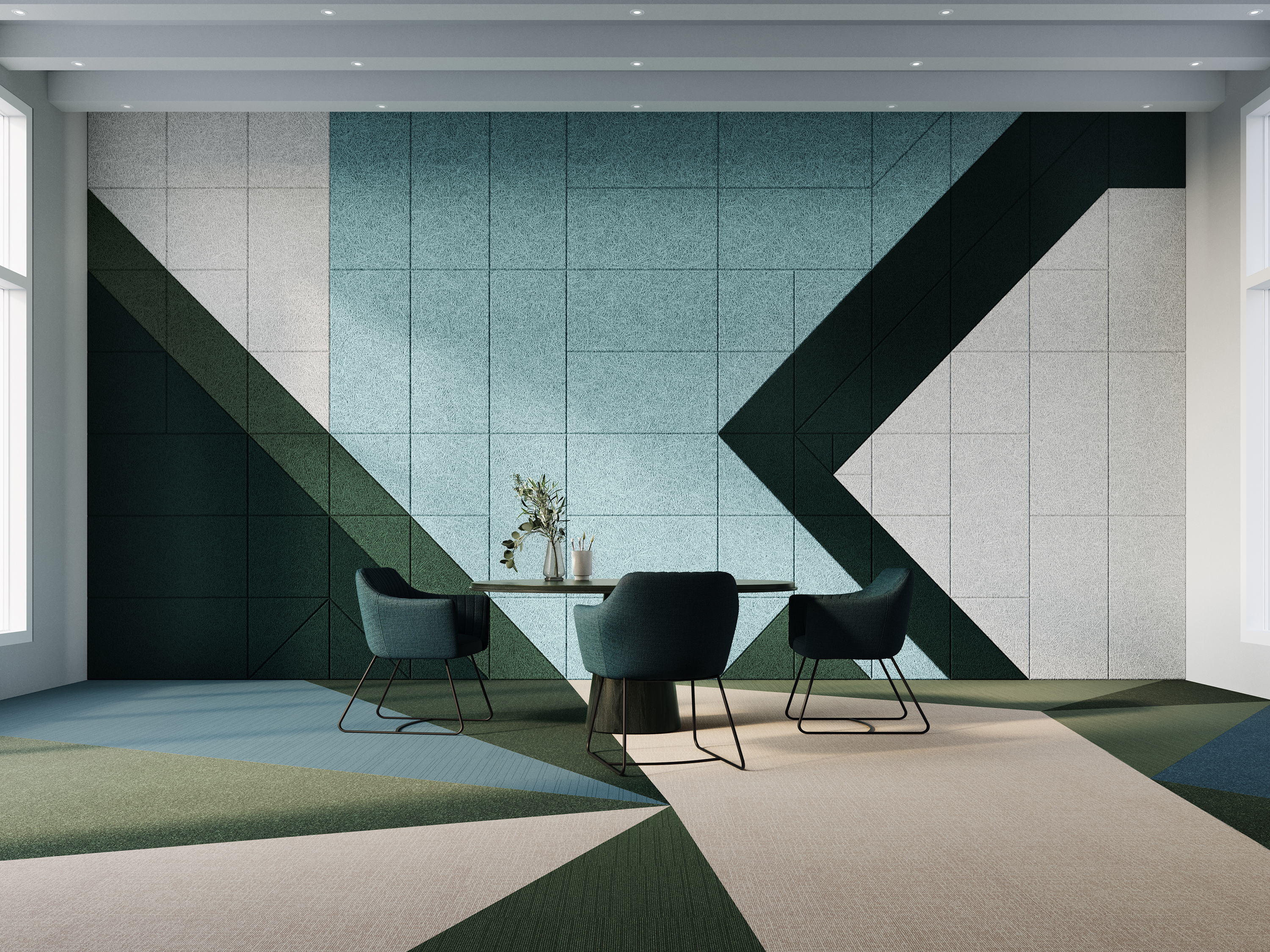
BAUX has built a distinctive position in the world of architectural materials by blending Scandinavian design sensibility with a rigorous commitment to acoustics, sustainability and material innovation. Founded in Stockholm in the mid-2010s by entrepreneurs Fredrik Franzon and Johan Ronnestam alongside the founding partners of design studio Form Us With Love, and Hem founder Petrus Palmér, the company set out to reimagine what acoustic building products could be: not merely functional add-ons, but integral architectural elements that shape how spaces look, feel and sound.

From the outset, BAUX has worked at the intersection of design, material science and art. Its first product range, developed with Swedish manufacturer Träullit, used cement-bound wood wool made from spruce fibres. The material’s natural structure delivers effective sound absorption while offering thermal mass, fire resistance and long-term durability. This, coupled with a beautiful colour palette, makes it well-suited to schools, offices and public interiors, among many others. This marriage of performance and visual character established BAUX’s design-led approach, in which acoustics are not hidden but expressed.
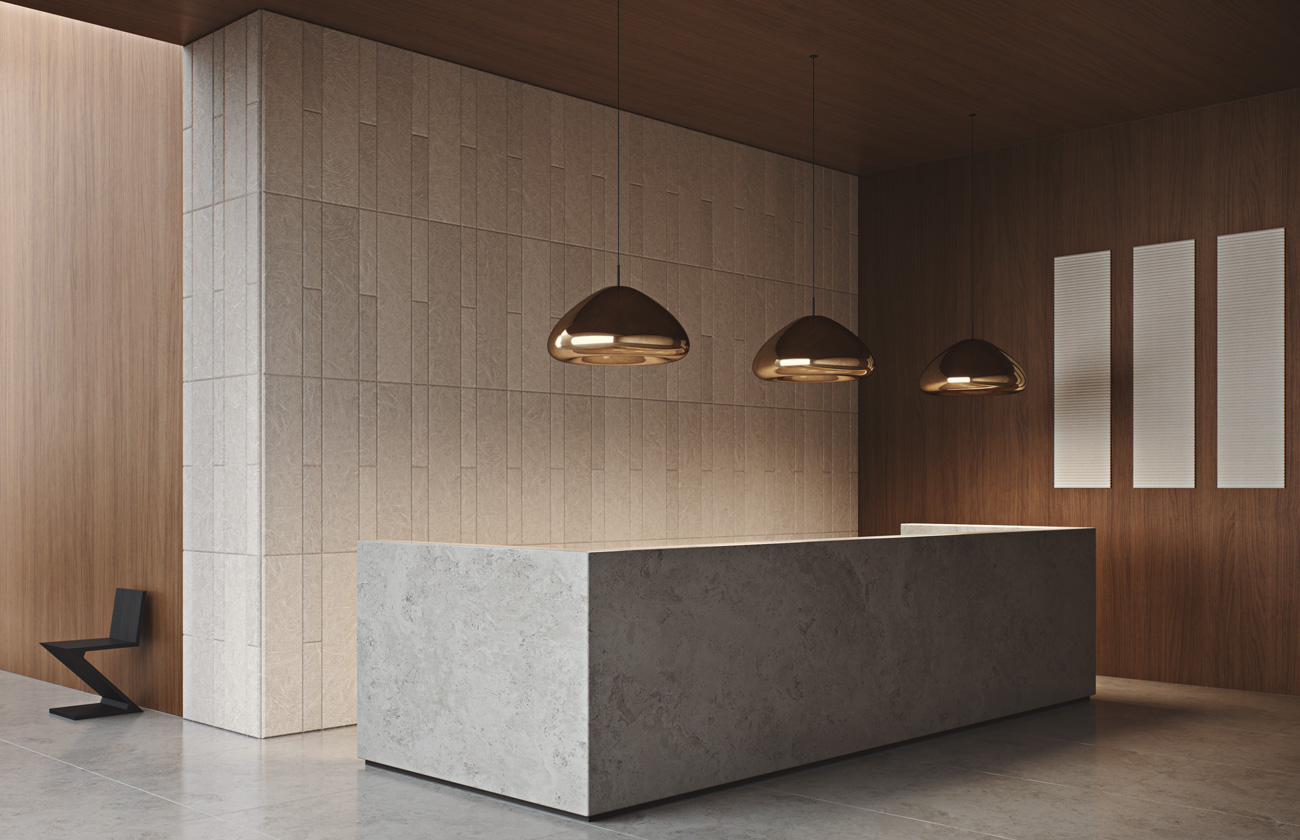
That philosophy continued with BAUX Acoustic Pulp, created in collaboration with scientists and manufactured in Stockholm. The aim was to push sustainability further by using responsibly sourced fibres and low-impact production methods, while still meeting demanding acoustic and fire-safety standards. The result was a soft, tactile material that broadened BAUX’s appeal in creative workplaces, hospitality and cultural venues, where designers wanted warmth and texture alongside technical performance.
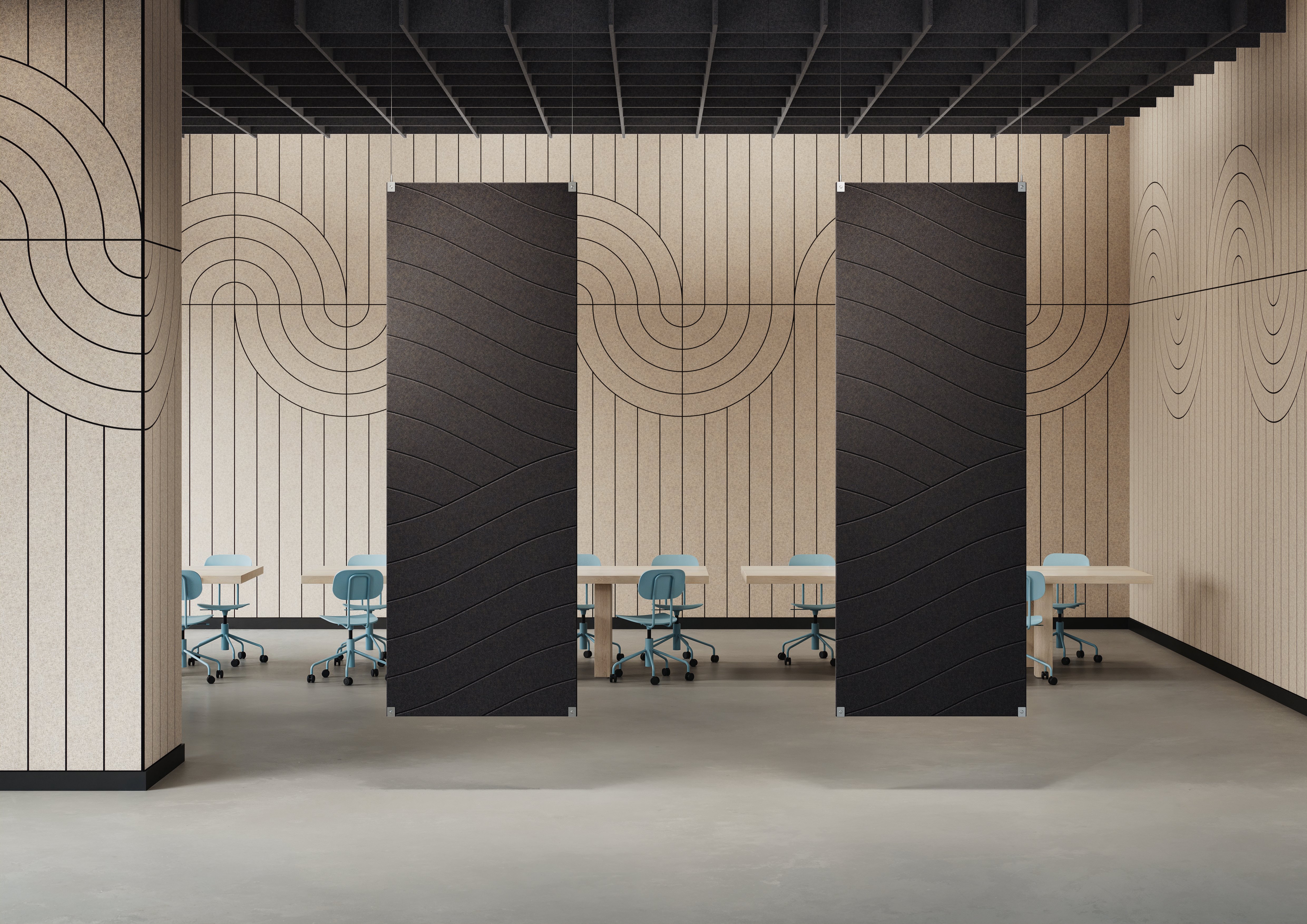
More recently, BAUX has expanded its material language again with Acoustic X-FELT, a range made from GRS-certified PET fibres. The felt-based system offers high sound absorption, distinctive fire-safety characteristics and a notably clean manufacturing profile, avoiding harmful chemicals while maintaining consistent performance. It reflects a broader shift in the acoustic sector toward recycled and recyclable materials that can meet both environmental and regulatory expectations without compromising design quality.
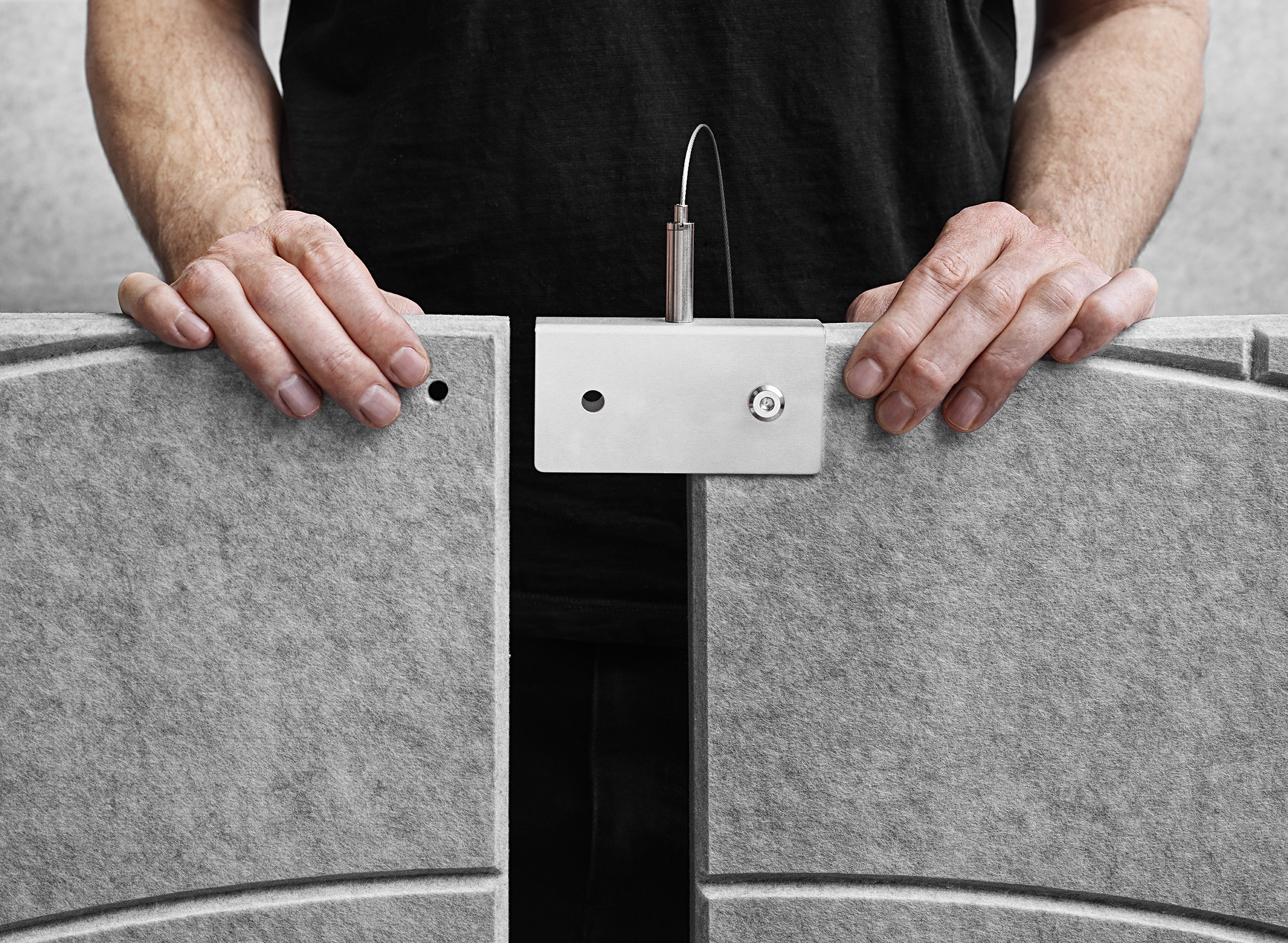
The latest evolution of this family is X-FELT Floating, a new suspended system that extends BAUX’s acoustic thinking into three-dimensional architectural forms. Developed once again in collaboration with Form Us With Love, the range introduces Floating Panels, Baffles and Grids that hang from ceilings on purpose-designed metal brackets and wire kits. Rather than treating acoustics as flat wall or ceiling linings, X-FELT Floating allows designers to build spatial compositions: zoning open-plan offices, creating room-in-room structures, defining circulation routes or simply adding a rhythmic visual layer overhead. What’s more, the products are lightweight yet robust, designed for efficient installation and visual refinement.
Materially, X-FELT Floating continues BAUX’s emphasis on sustainability and performance. The use of recycled PET fibres supports circular design principles, while the material’s acoustic properties help manage reverberation and improve speech clarity in busy interiors. Fire safety, often a challenge for textile-based systems, has been carefully addressed, and the absence of harmful additives aligns with the growing demand for healthier interior environments.
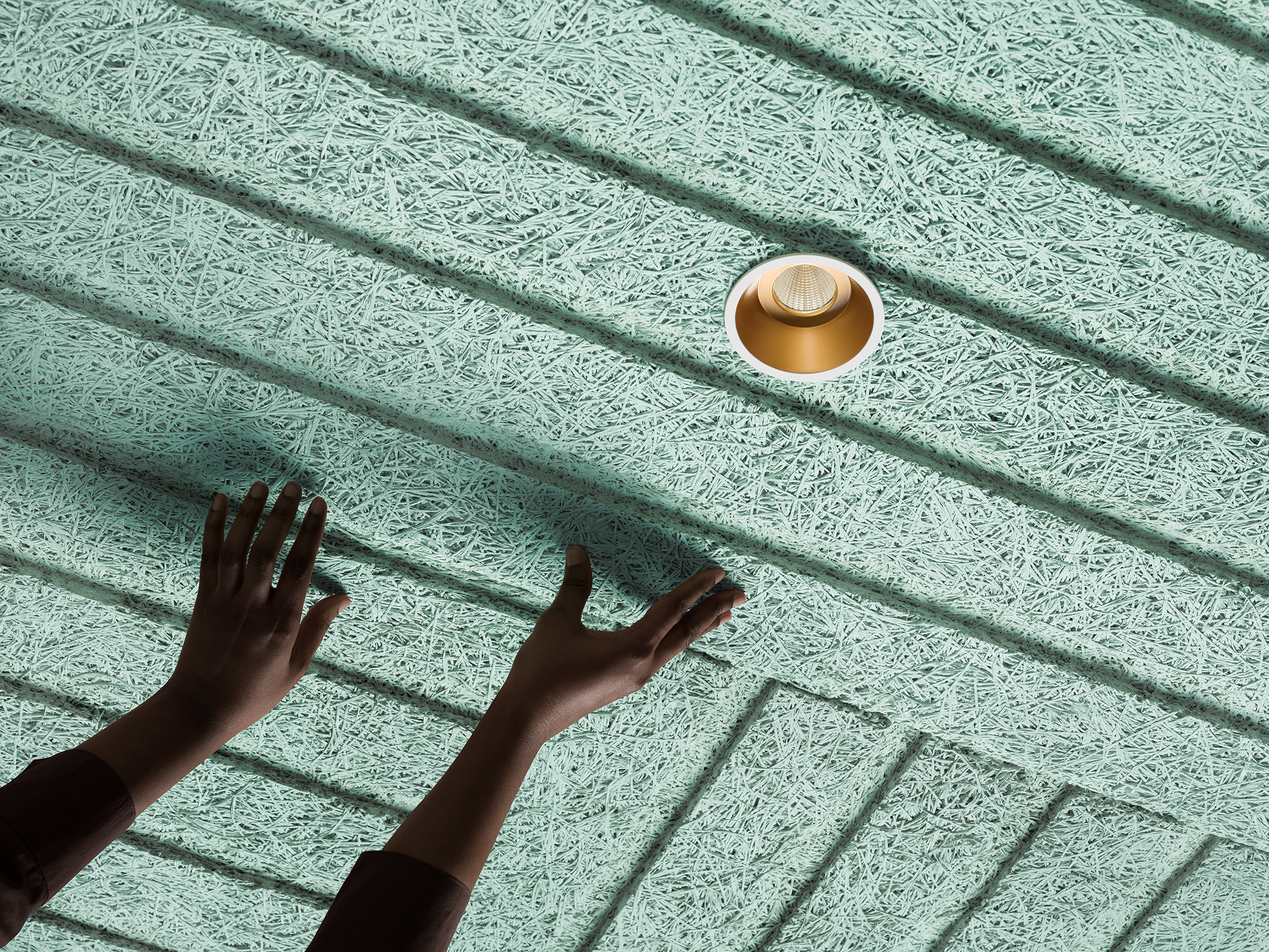
Across its portfolio, BAUX now offers a spectrum of acoustic formats: rigid wood wool panels, soft pulp-based tiles, felt-based wall and ceiling systems, and suspended architectural elements. This breadth allows the company to work across sectors, including corporate workplaces, education, retail, hospitality, residential developments and cultural institutions. Its client list, which includes global brands such as Google, Spotify, Nike, WeWork and Stella McCartney, reflects both the design credibility and technical reliability of its products.
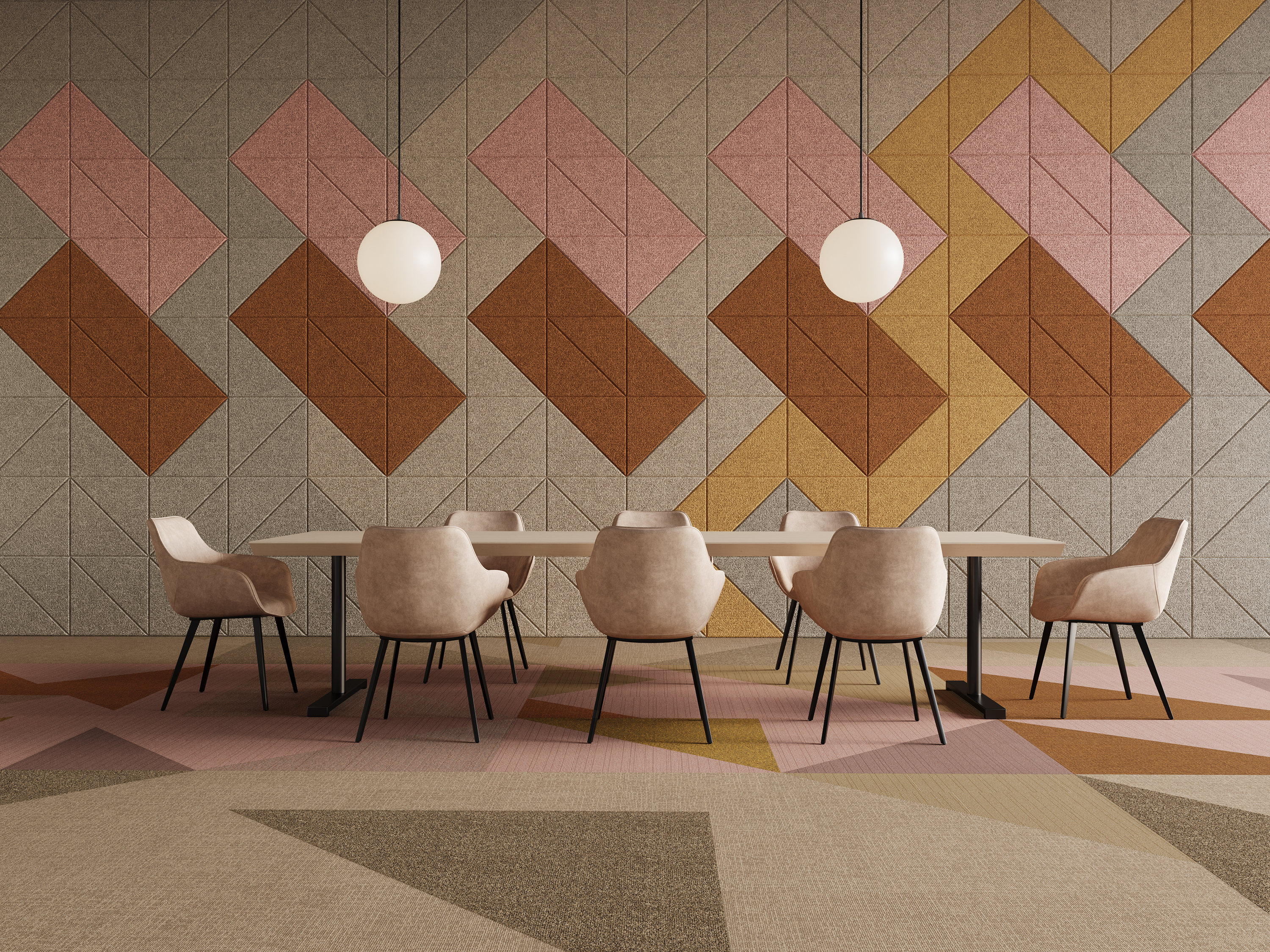
What ties these diverse systems together is a consistent narrative about materials as active contributors to wellbeing. BAUX’s founders have long argued that good acoustics are not a luxury but a fundamental part of humane architecture, influencing concentration, creativity and social interaction. By making acoustic materials that are visually expressive as well as technically robust, the company has helped shift perceptions of sound control from a hidden engineering concern to a visible design tool.