

Surface Perspectives: Marcus Paine, Hutton Stone

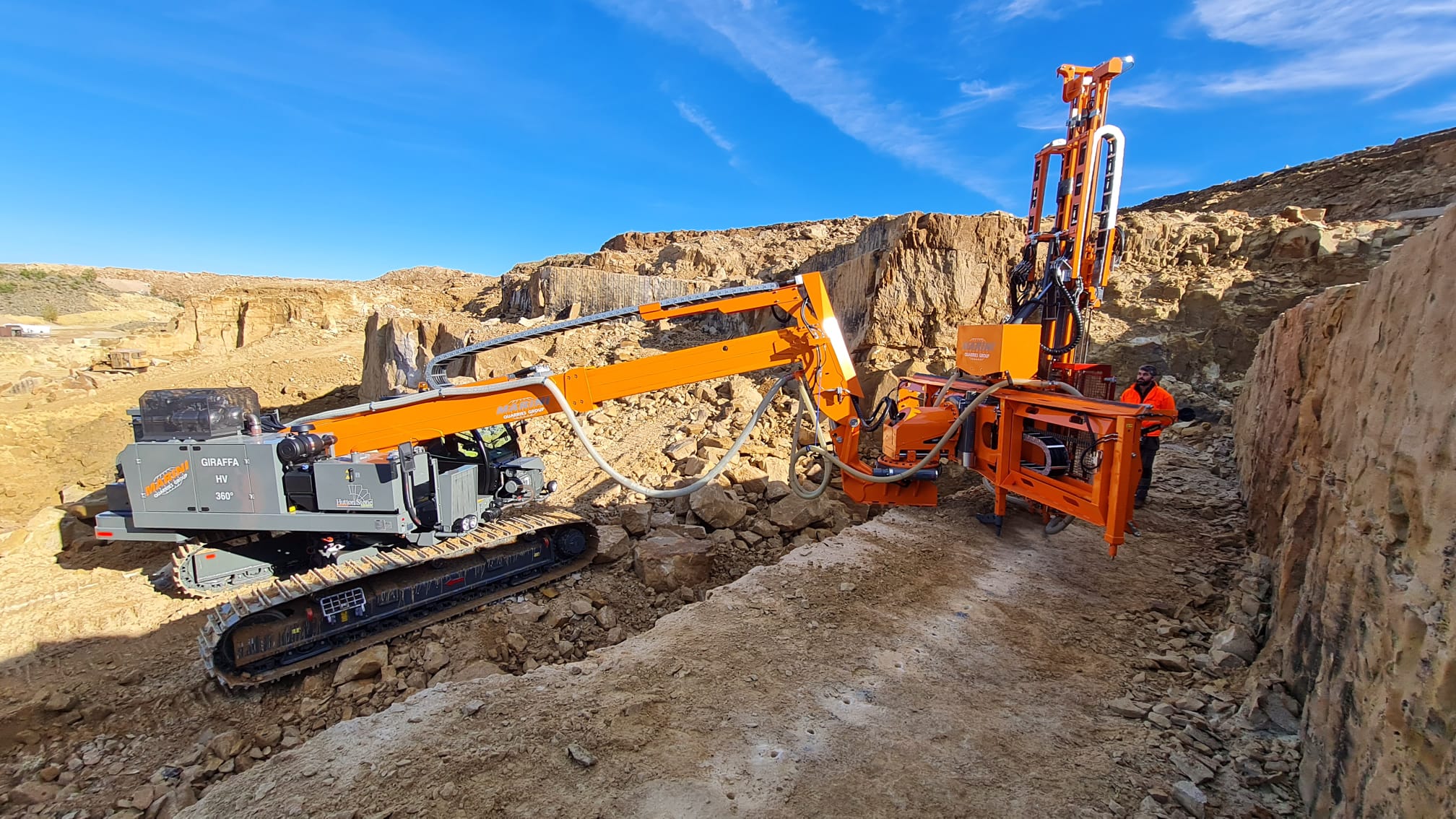
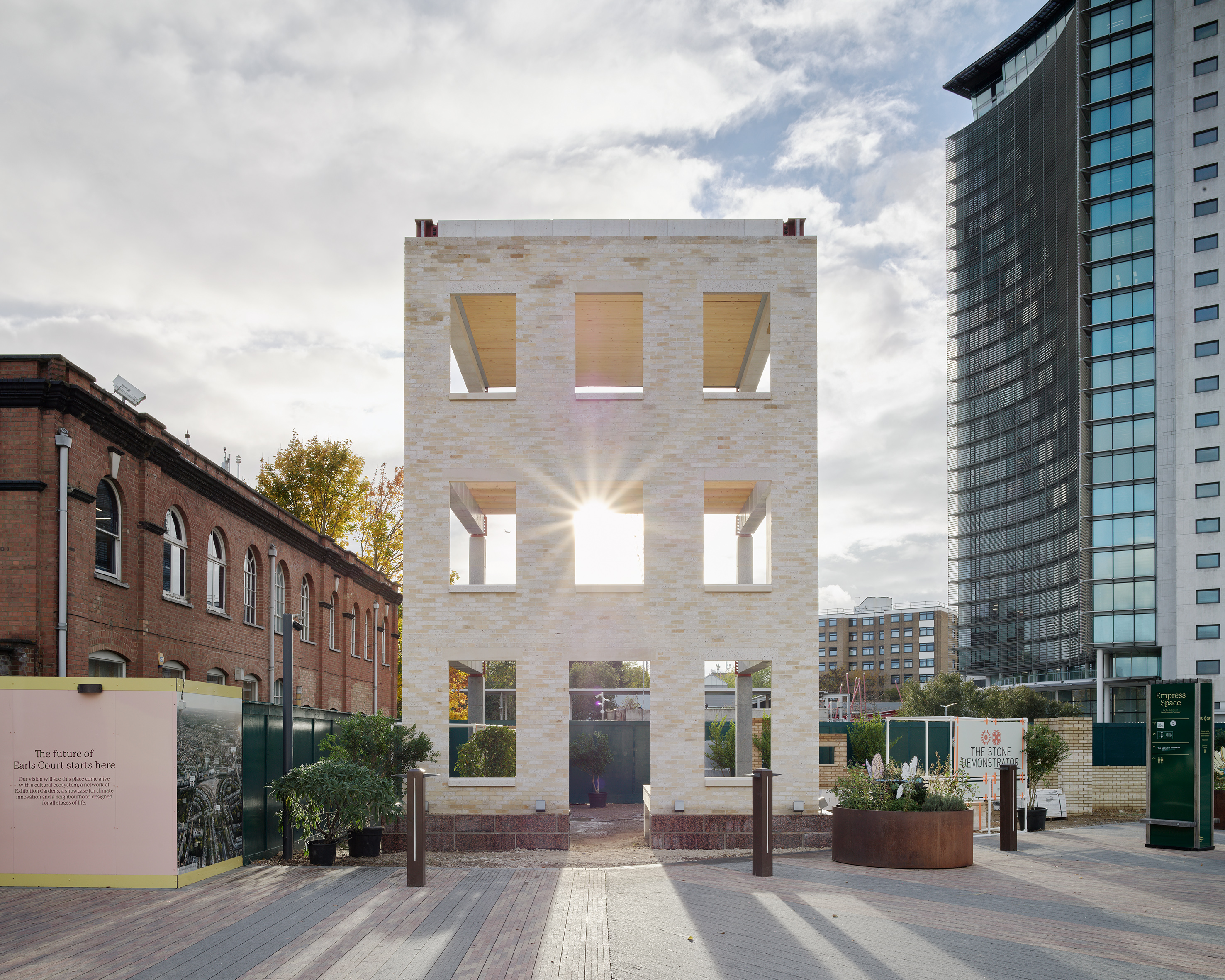
Hutton Stone is an independent, family-run quarrying and masonry business operating across the Scottish Borders and North Northumberland. Working with British sandstone from its own and other indigenous quarries, the company supplies material for restoration, new-build, landscape and bespoke projects nationwide. Recent highlights have also included supplying stone bricks for the Stone Demonstrator, along with an extension in Mile End. As Managing Director, Marcus Paine balances day-to-day production with a wider ambition: re-establishing indigenous natural stone as a credible, low-carbon material for contemporary construction. So what makes him tick?
What does a typical day look like for you?
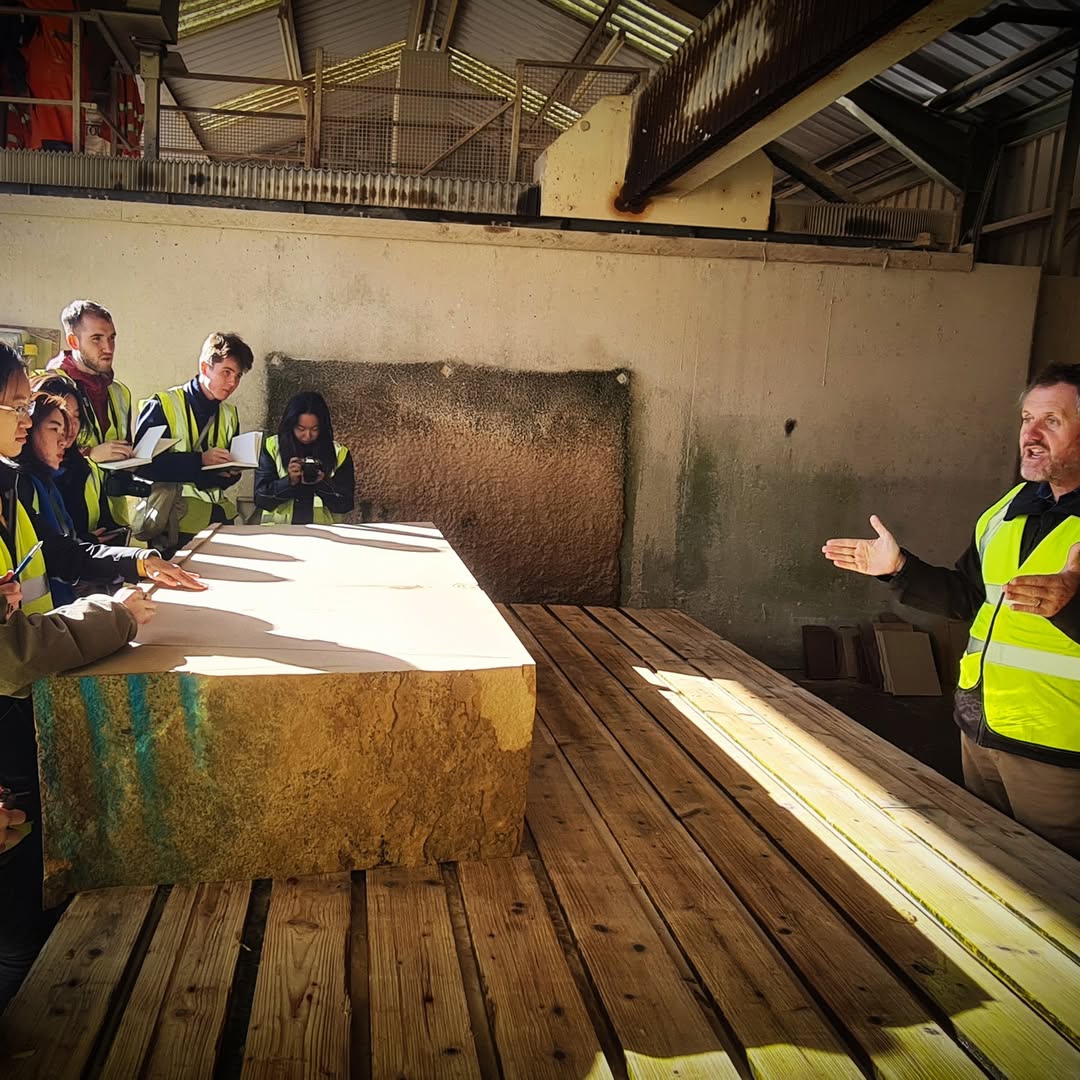
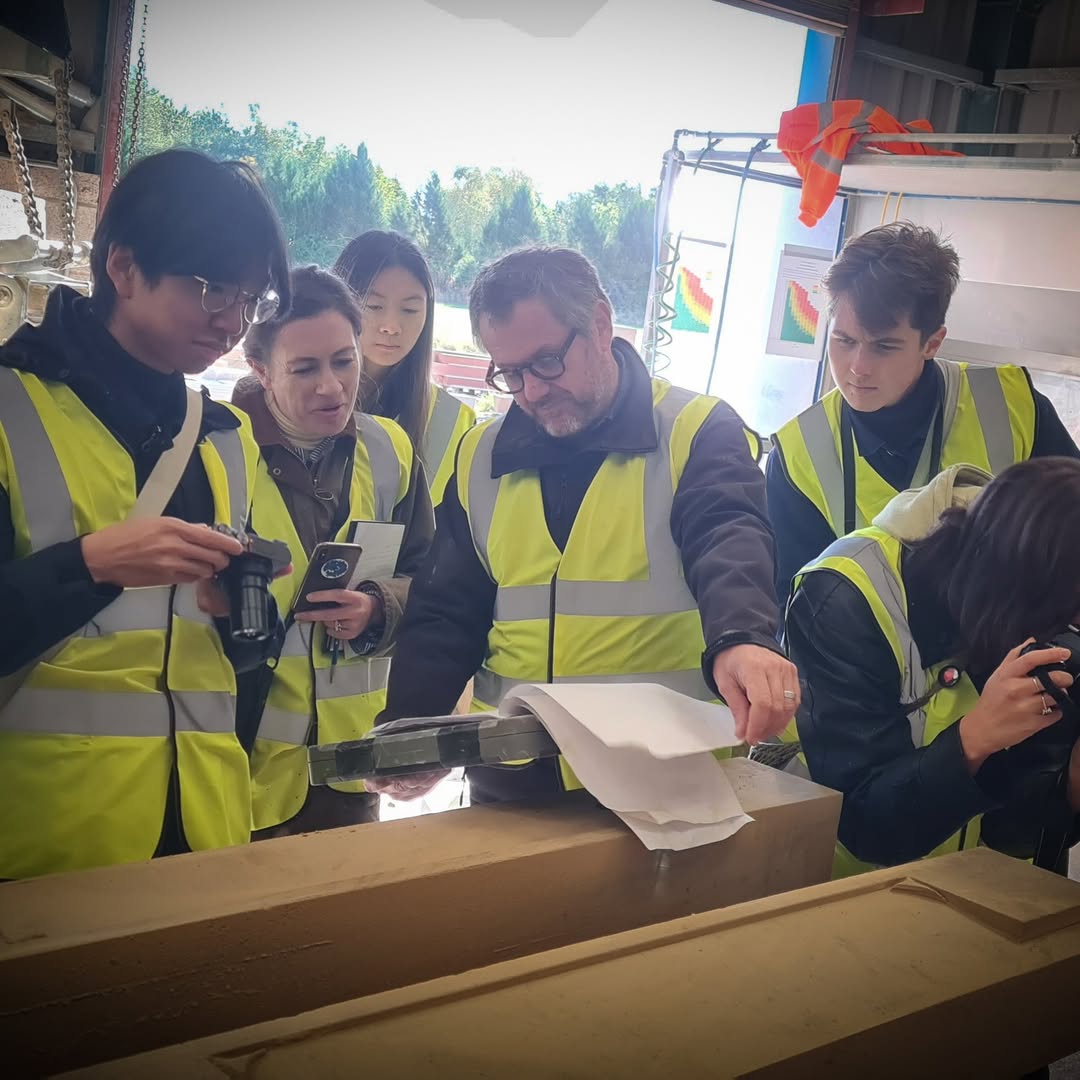
These days, very varied. Of course, there’s the day-to-day management of the business in conjunction with the team. That might see me at our main production Yard at Hutton, or maybe at the Quarries, and in either case, supporting or adapting the direction we have collectively planned together. Increasingly in the last few years though, my time has also been taken up progressing the wider industry conversation on the future use of natural stone and what it can offer to a low-carbon construction solution. That might mean hosting one of a great number of tours of our facilities for students and architecture groups; attending seminars, giving talks and CPD’s, or collaborating with our other industry colleagues in showcasing exciting new ways to think about our material at national and international exhibitions.
How integral are materials/surfaces to your day-to-day?
As 5th generation quarriers and suppliers of indigenous natural stone building products, our material, and engagement with it, are fundamentally critical to everything we do. Everything I do is mindful of both the potential and the limitations of each stone type we work, and communicating a deeper understanding of that to a growing audience interested in how we have come to think of natural Stone.
What are the biggest lessons you have taken forward from your original training?
As far as my education in the natural stone trade is concerned, it has centered around the lessons learnt and passed down from several generations of my family, who physically worked the material in all its forms. This, together with my good fortune to set up my own stone career in the Scottish Borders and North Northumberland, which taught me a great deal about the significance of all the different areas of the country and how the material in any particular area differs from another. This became a real study for me as I sought to learn new techniques when I came North, and I came to understand just how incredibly significant the great quarries of the North had been in their heyday. My career before launching Hutton Stone Co Ltd was in associated construction trades and I worked for companies Large and small across London and the South of England. This taught me a great deal about working for different types of business, and different types of management approaches, and I have tried to be mindful of the view from my team’s shoes as best I can throughout my career. Beyond this, I was an unexceptional academic student, thinking myself cleverer and funnier than my teachers, which ultimately has led with the benefit of hindsight … to a hard life.
Which project/s are you most proud of being involved with and why?
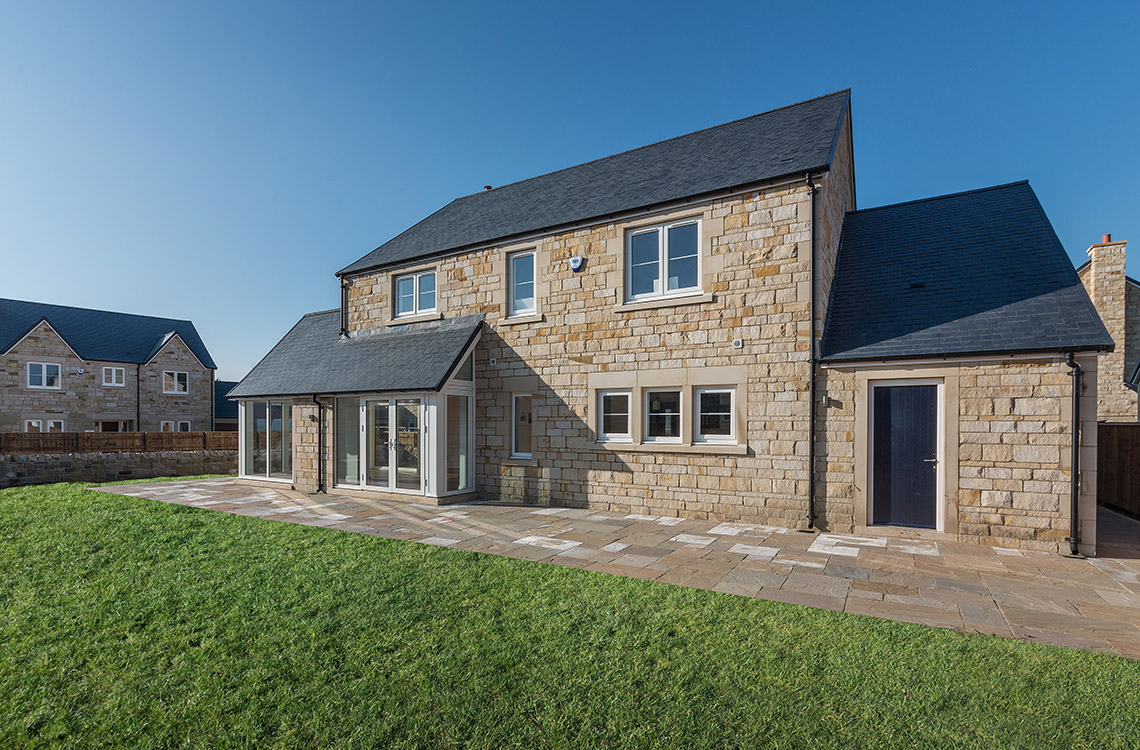
Having started on my own in an old barn with an audience of bemused local builders who hereabouts had largely dismissed natural Stone as a forgotten luxury from a bygone age - in favour at that time of timber frame, block and render with a pebbledash finish - I can tell you that I am proud of every single stone I dressed (often in sheer desperation) in those early years. I am proud of all the staff that slowly but surely joined us as we developed and progressed, and I am delighted that many of those people are still my colleagues today.
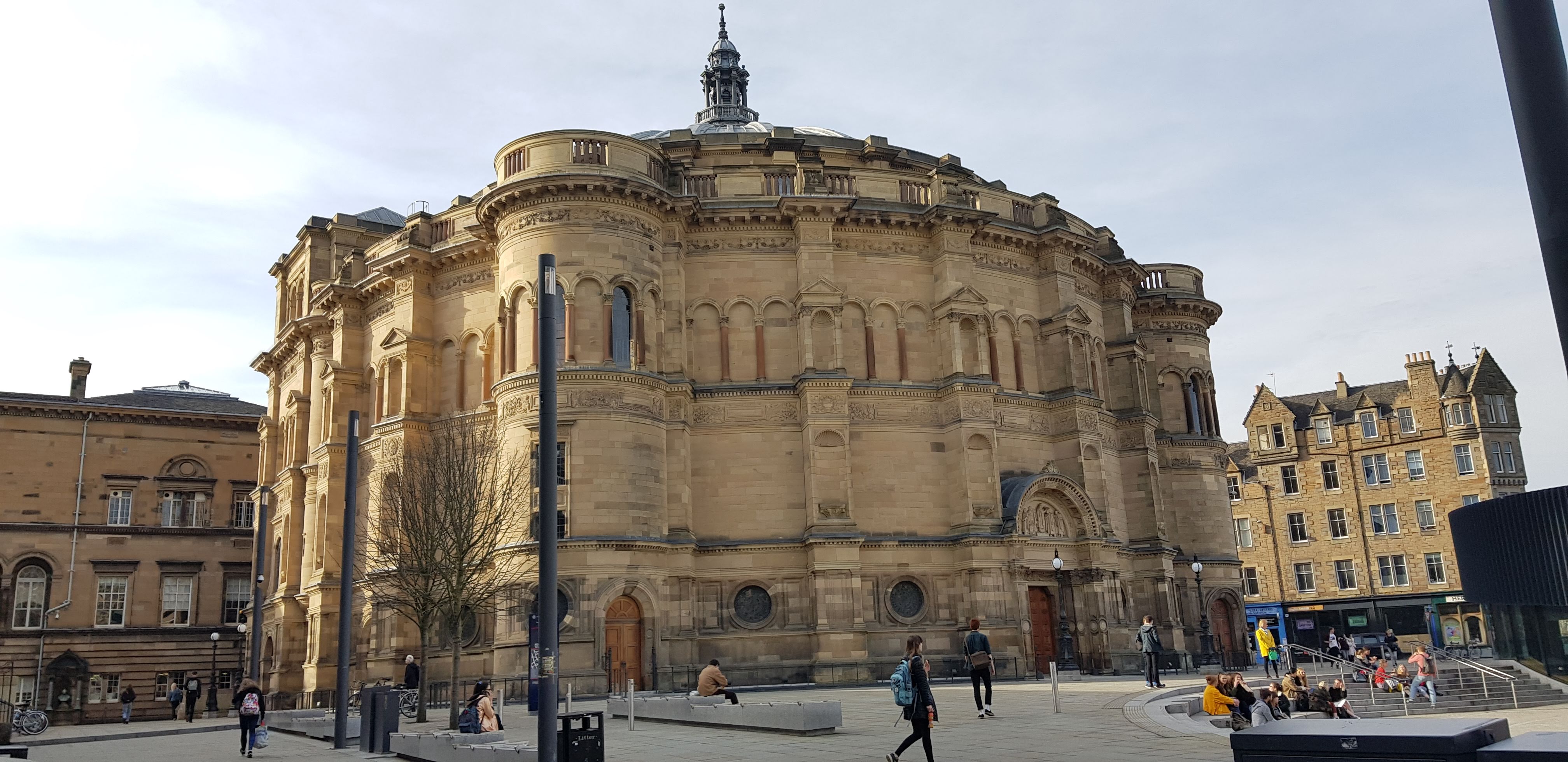
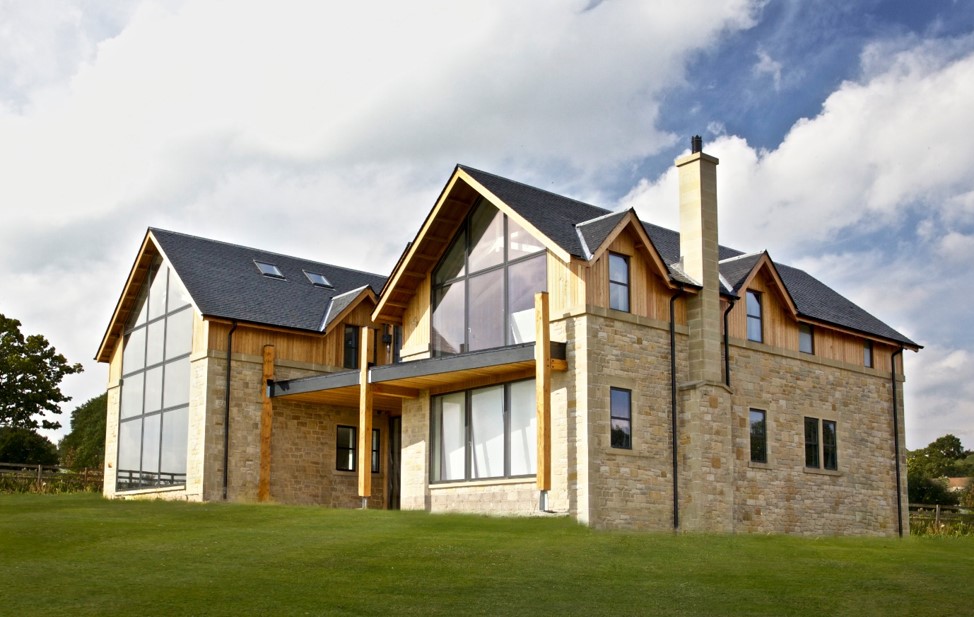
We have completed projects including new builds , private dwellings, extensions, housing estates, hotels, office blocks, schools and hospitals. As well as restorations, such as castles, churches, stately homes, museums and civic buildings across the UK. It feels incredible to me now, and I am simply very proud to have been part of it.
What do you feel are the main challenges facing the stone and surfaces industry today?
I speak only for the natural stone industry - which in all but a niche high end area of the market has been largely and very successfully eclipsed by other “surfaces” progressively throughout the 20 th century and now beyond. That is somewhat to do with social change and also an understandable outcome of our industrial development in steel, concrete, clay and glass through the harnessed power of fossil fuels. Our choice as an industry is either to continue to accept this outcome and be gone, or to begin reversing the trend by a very significant re-engaging with the wider design and construction industry on the cost effective, sustainable and many other merits of our material. The additional challenge for the indigenous stone industry everywhere is the battle that rages within itself from importation and substitution, along with a seeming acceptance that this is becoming the standard within the current construction model - regardless of true total cost.
In your opinion, what are the positives of using stone in the built environment?
We are connected to natural products. It is true that we marvel at the imagination and ingenuity of the humanmade alternatives, with their glittering perfection, but people are inherently drawn to touch natural products such as stone and wood, and thereafter find natural variation a relief from the manmade alternatives. We all have to own our choices of course, but we see a growing movement of designers more moved by the natural imperfection and the benefits of embracing it.
How does sustainability shape your thinking and decision-making, and how do materials fit into this?
Sustainability and the question of how materials contribute to it have
allowed natural materials a chance to be reconsidered, and in the case of natural stone, a chance to reestablish itself as something more than an overly sanitised, thin, luxury dressing. Every choice we have made at Hutton Stone over the last several years has been entirely driven by this conversation, and to do our bit to ensure natural stone has a fair shout going forward in a currently reluctant status quo.