

Surface Perspectives: Rachael Wragg, Lincoln Cathedral

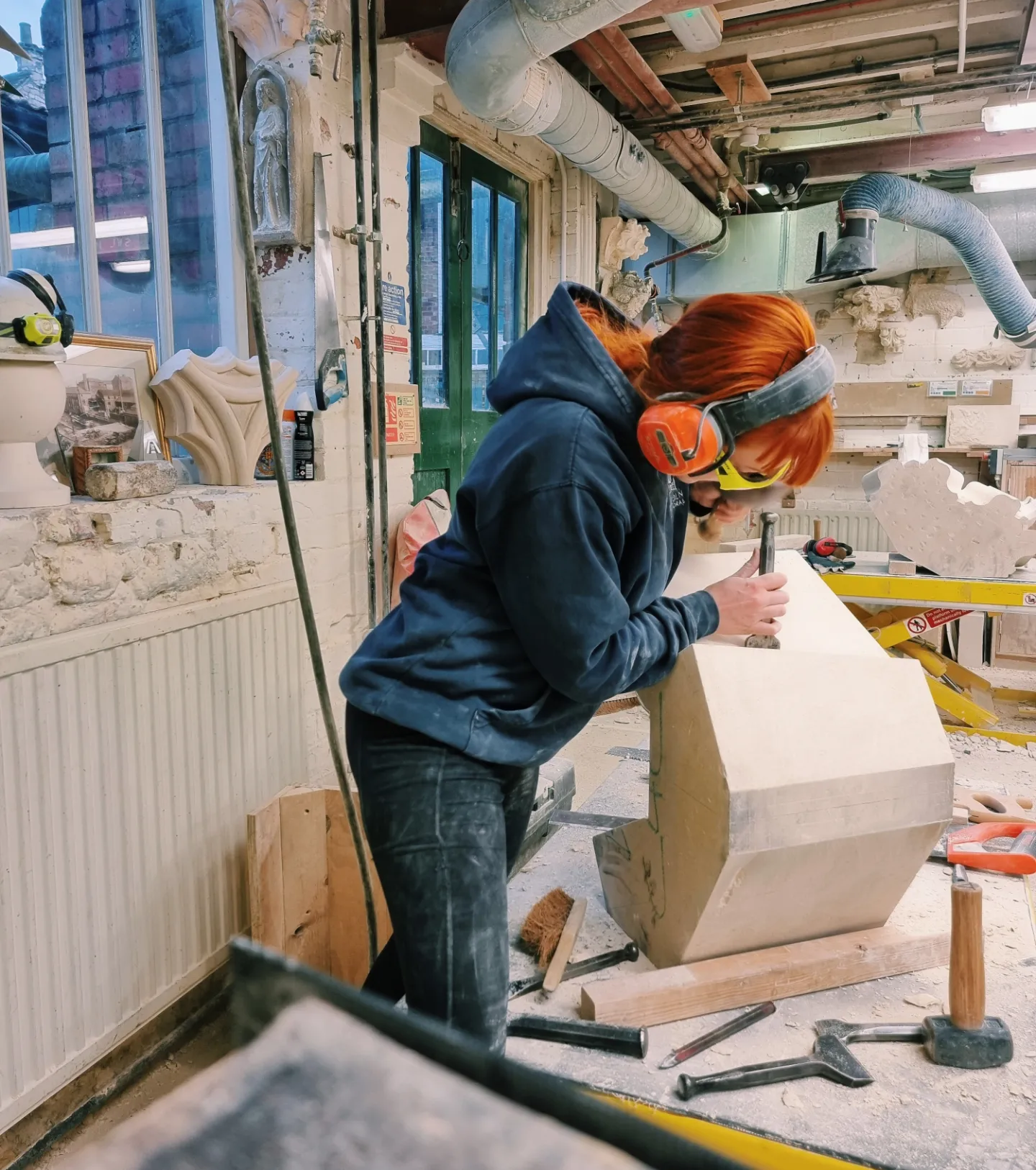
Fresh off the back of winning the On The Tools Traditional Craftsperson of the Year Award, stone mason Rachael Wragg shares with us some of her unique perspectives from her role at Lincoln Cathedral.
What does a typical day look like for you?
Work at the cathedral can be very repetitive like a lot of masonry jobs; working the same stone for weeks or re-pointing on the building for months. But at the same time it can be changeable and reactive. We're part of the staff on a working building, so are often called on to do emergency repairs in the building, help the faculties team moving equipment, and even emptying the gutters when they overflow! There's always a weird odd job to get roped in to, but it keeps it interesting.
How integral are materials to your day-to-day?
Obviously stone is integral to my job. We are very lucky at Lincoln to have had our own quarry for many decades (recently quarried out!) and have a large supply of stone reserved for repairs to the cathedral. We recently opened a new cutting facility with 2 new saws so we can process our own stone. This direct line to a stone source means we can access the materials we need very quickly.
What are the biggest lessons you have taken forward from your original training?
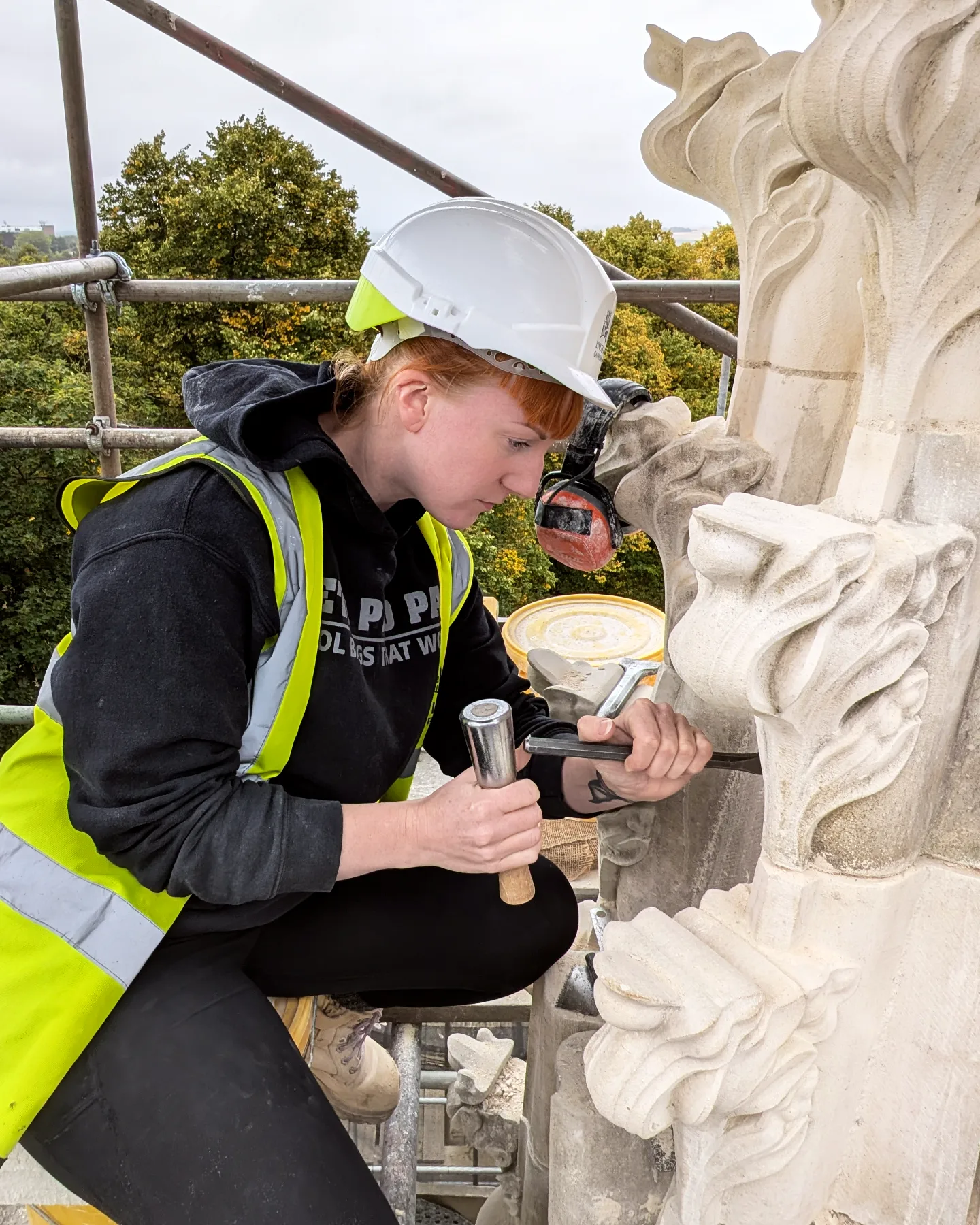
I was very lucky to be part of one of the last class of apprentices to be able to complete the traditional level 3 NVQ apprenticeship qualification before the course was changed. This meant I was able to spend much more time on the tools. Time spent on the tools, gaining that experience is invaluable in this craft.
After my apprenticeship in masonry at Lincoln cathedral I went on to complete a foundation degree in Historic buildings conservation and repair with the Cathedral Workshop Fellowship (CWF), and am now halfway through a master's degree in Historic Buildings Archaeology at York University. Going in to higher education while working has given me a broader perspective of my job as a cathedral mason and helped inform my path through the cathedral workshop system.
Which project/s are you most proud of being involved with and why?
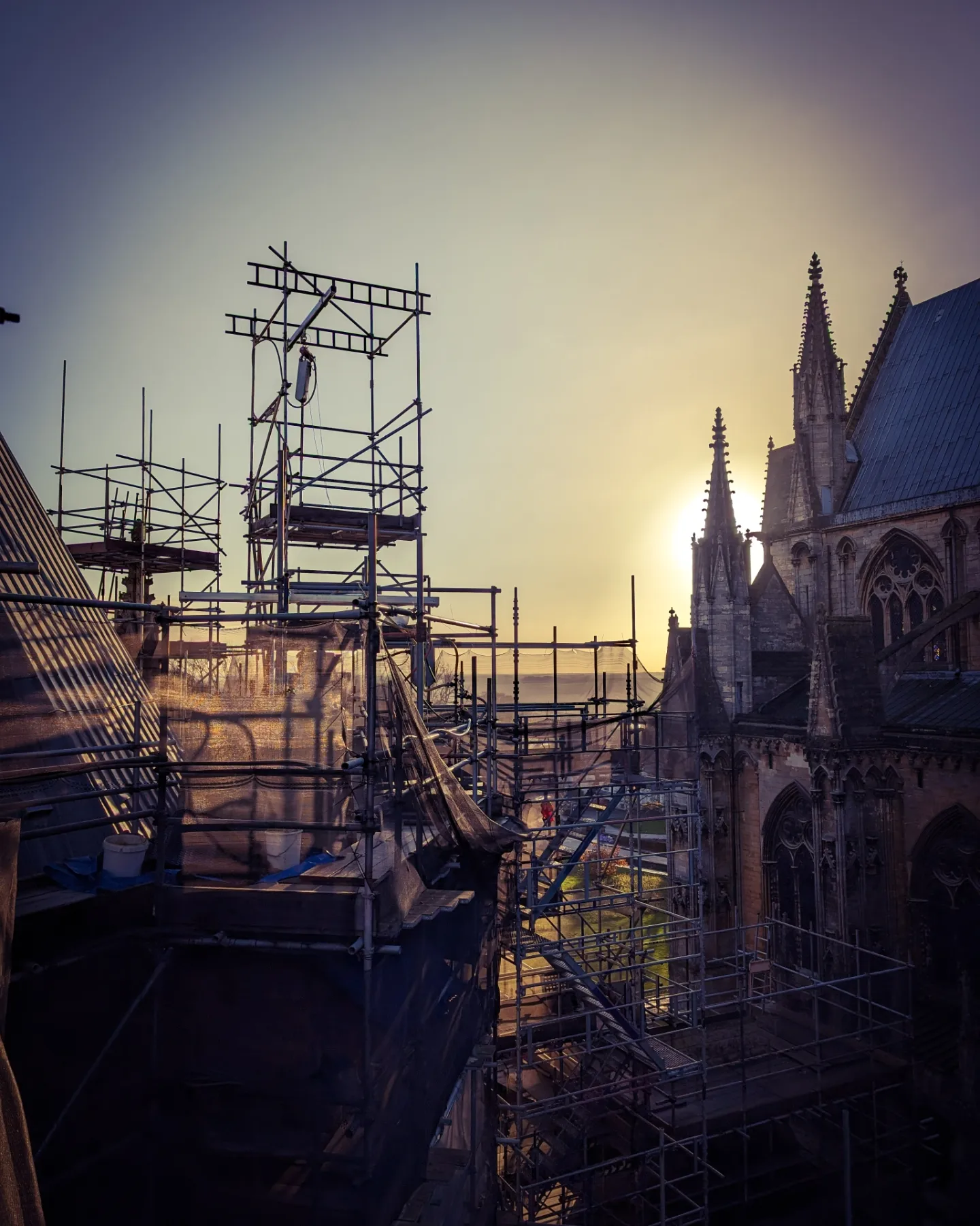
I was very proud to have contributed in a small way to the West Front works at Lincoln 5 years ago. But most recently, building two full new pinnacles on Lincoln Cathedral's 13th-century chapter house has been a real highlight! It's not often that you’re able to completely rebuild an entire feature like that, so it was a real treat!
What do you feel are the main challenges facing the stone and surfaces industry today?
I think getting new people, especially young people, interested in training as masons or heritage craftspeople in general.
Heritage crafts in England are made up of an ageing workforce with very few youngsters coming through. It sadly only takes 2 generations for a craft skill to die out, so we urgently need new people to train in these trades. Our built heritage in the UK is an essential part of our culture, and if we lose the intangible heritage -and the skills to maintain them - then we will start to struggle to maintain our beautiful buildings.
In your opinion, what are the positives of using stone in the built environment?
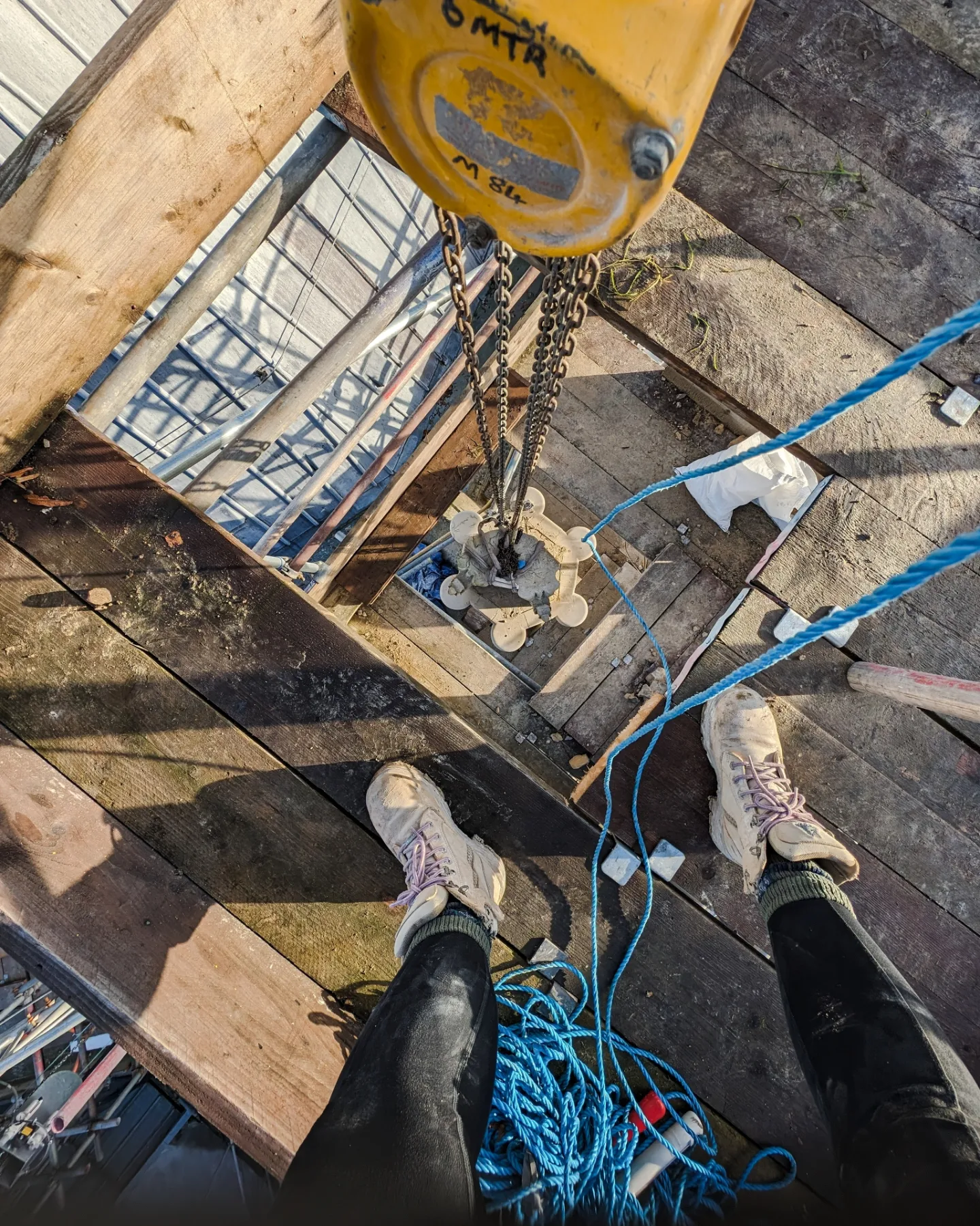
I think using any natural material - stone or wood - gives people more connection to the natural world. Aside from the sustainability aspect, there's something very tangible and grounding about living and working amongst natural materials.