

Surface Perspectives: Stephen Byrne, AF Jones

After more than four decades at the cutting edge of British stonemasonry, Stephen Byrne is preparing to retire from A F Jones, bringing to a close a career that has spanned craft, consultancy and complex project delivery. Originally trained as a banker mason, Stephen has worked on major heritage projects, including the Palace of Westminster, through to senior leadership roles in large commercial workshops.
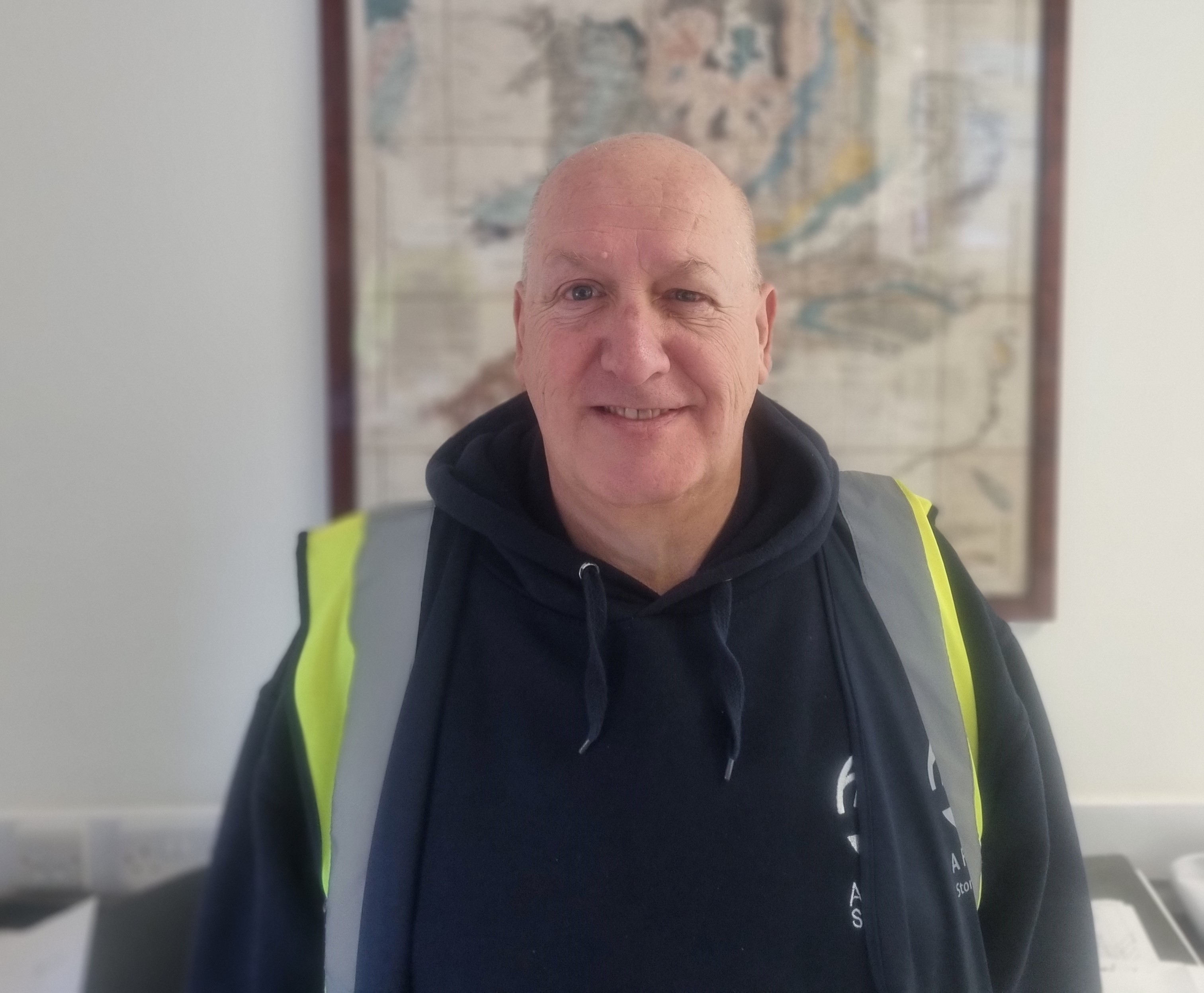
Since joining A F Jones in 2019, Stephen has played a key role in supporting the company’s expanding workload, providing estimating and project management expertise to a business already defined by its depth of in-house capability. With over 160 years of continuous operation behind it, A F Jones combines heritage skills with cutting-edge technology, delivering everything from large, complex architectural packages to bespoke private commissions across the south of England and London.
Stephen’s experience has sat naturally within this ethos, helping clients realise the full potential of stone through clarity, rigour and practical insight. As he steps back, we find out what has driven him over the years and ask for his unique perspective on the industry.
What has a typical day looked like for you?
No such thing really; I’ve always had a large variety of roles. Definitely much more IT and technology in use these days. Can be planning, tendering, project management, quantity surveying, etc.
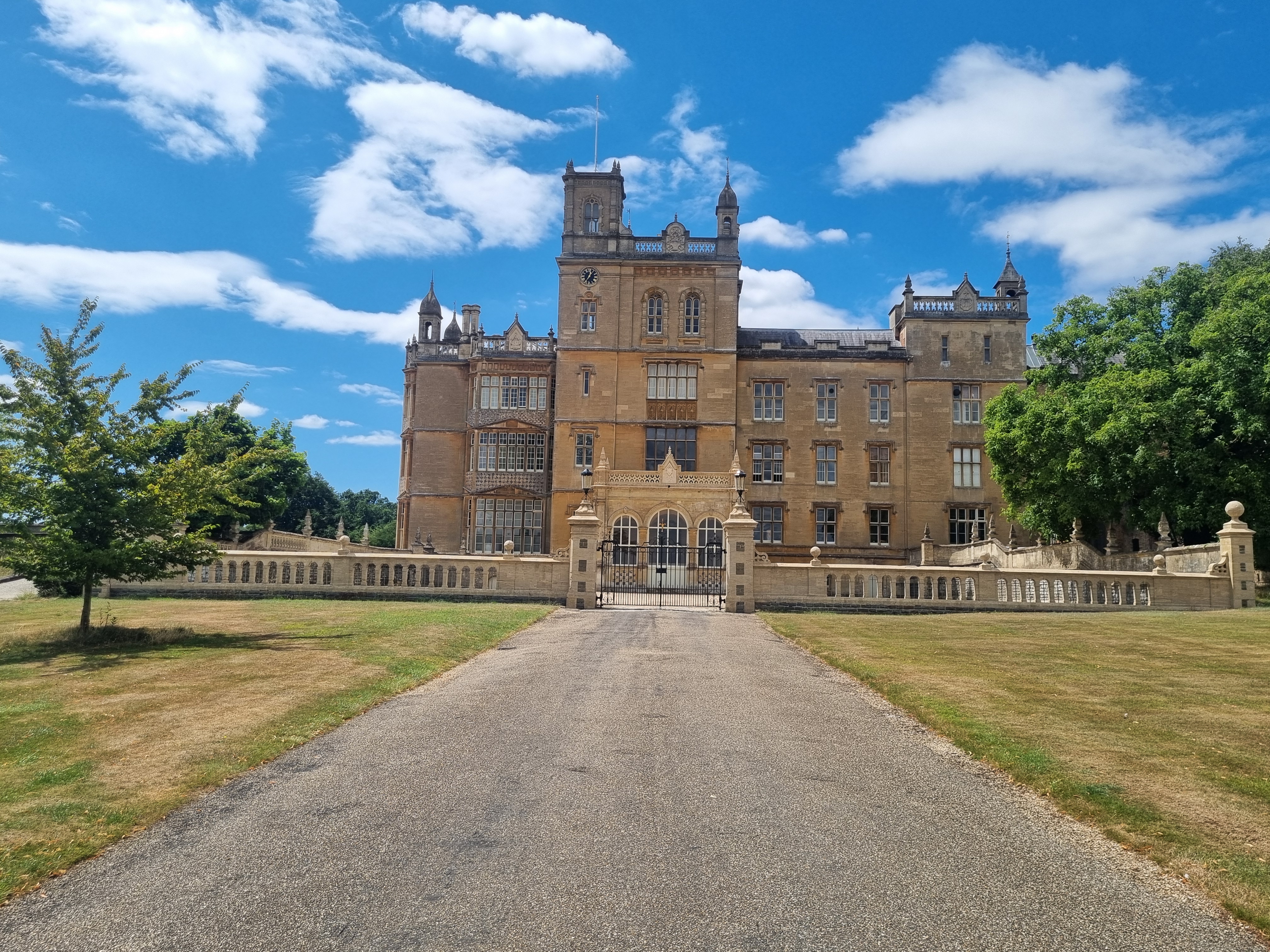
Engelfield House
How integral have materials/surfaces been to your day-to-day?
The complexities of natural stone have been a controlling factor in my career. The challenges of working with a naturally occurring material have been significant.
What are the biggest lessons you have taken forward from your original training?
Apart from developing extensive skills in both restoration, conservation and new build, the main development has been in adapting to manage people in varying ways to get the best out of them. Everybody is different, so a blanket approach does not work. I would like to think I’ve learnt to deal with everybody politely and have made a concerted effort to empower people as much as possible so that they take ownership/responsibility for their own roles.
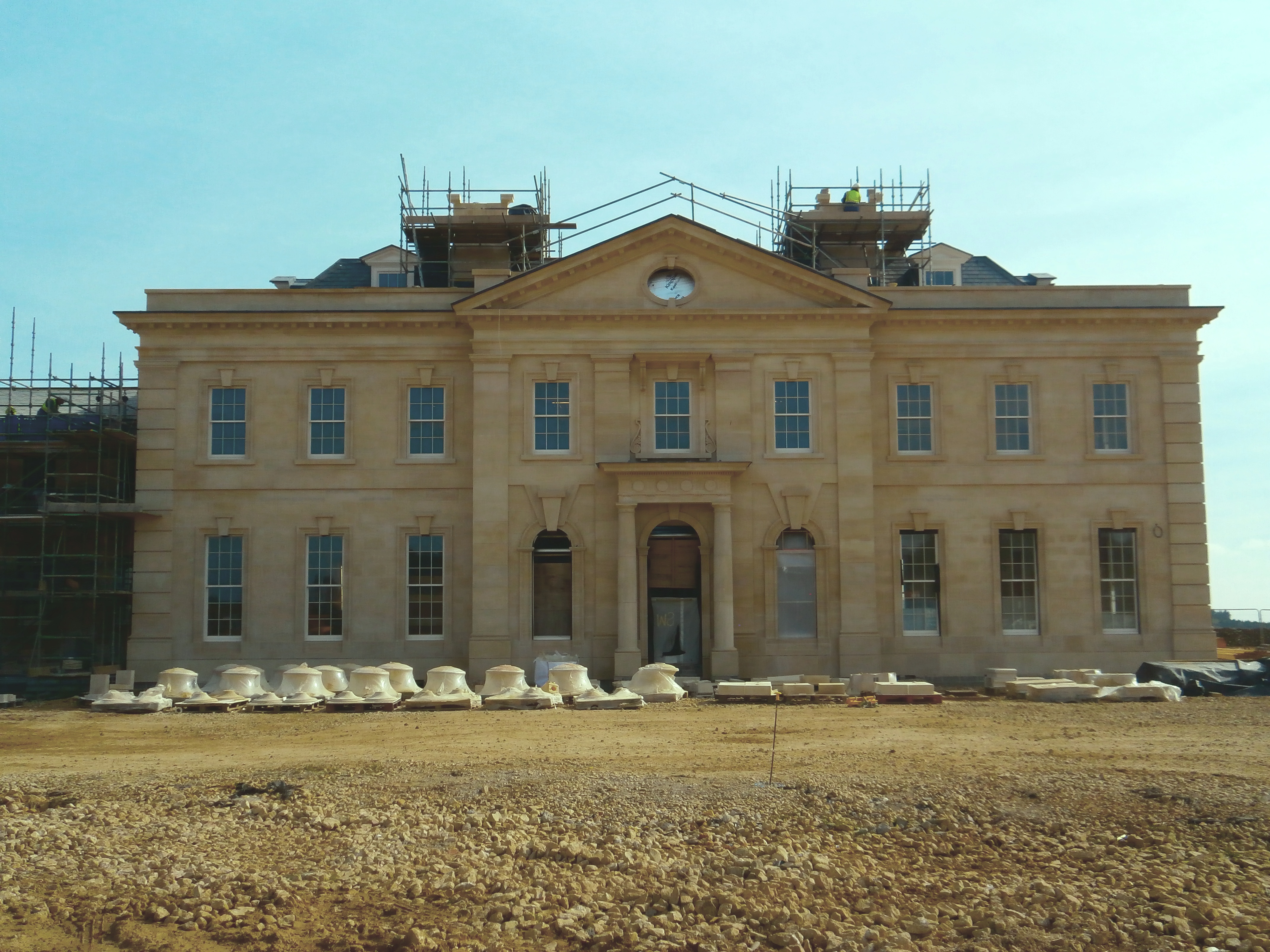
Farmcote Wood House
Which project/s are you most proud of being involved with and why?
Williamstrip Park was an exacting, classically designed extension to an existing country manor, with lots of traditional detailing and minimal tolerance in the build. Farmcote Wood House was a brand new, fully stone-clad country house. Again, classically designed with dentilled parapet cornicing and a pedimented front elevation. It was a massive challenge. I project-managed the design, the manufacture and the installation on site.
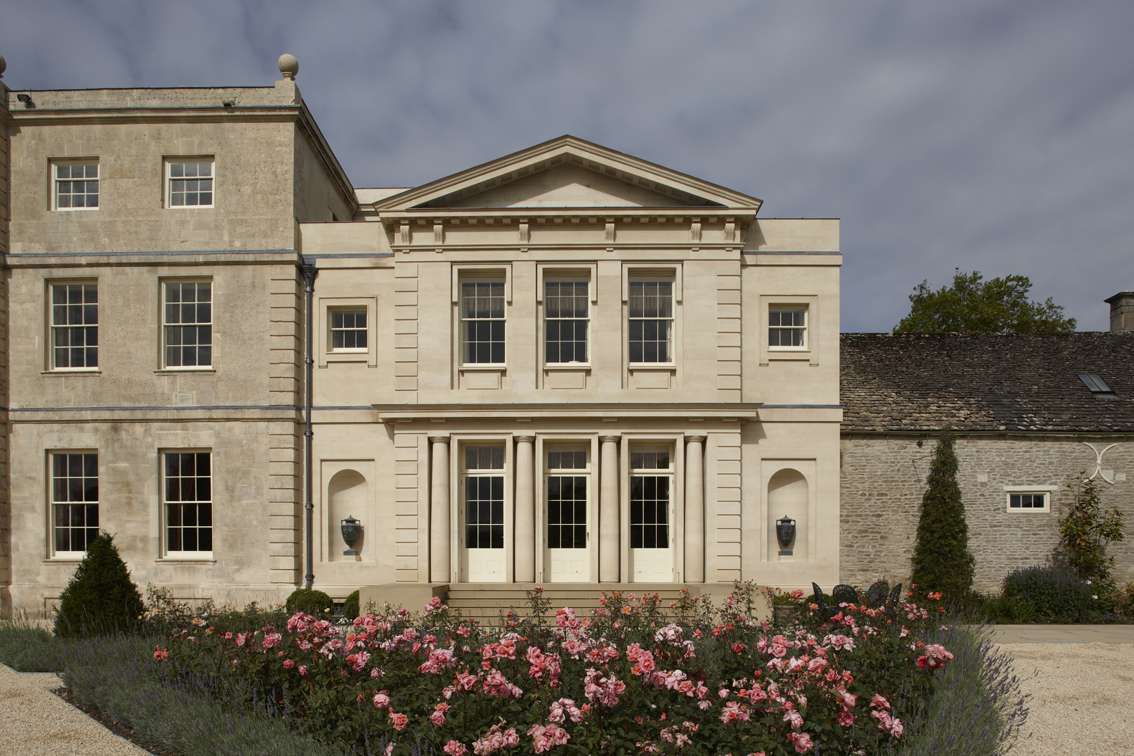
Williamstrip Park
Englefield House was a major parapet rebuild and stone replacement, incorporating new stainless-steel strapping to provide structural integrity around the parapet perimeter. The work included the replacement of large central carved parapet panels and a new pierced balustrade. This work was completed before 2000, and I’ve been involved in numerous other works at the same property over the last 25 years.
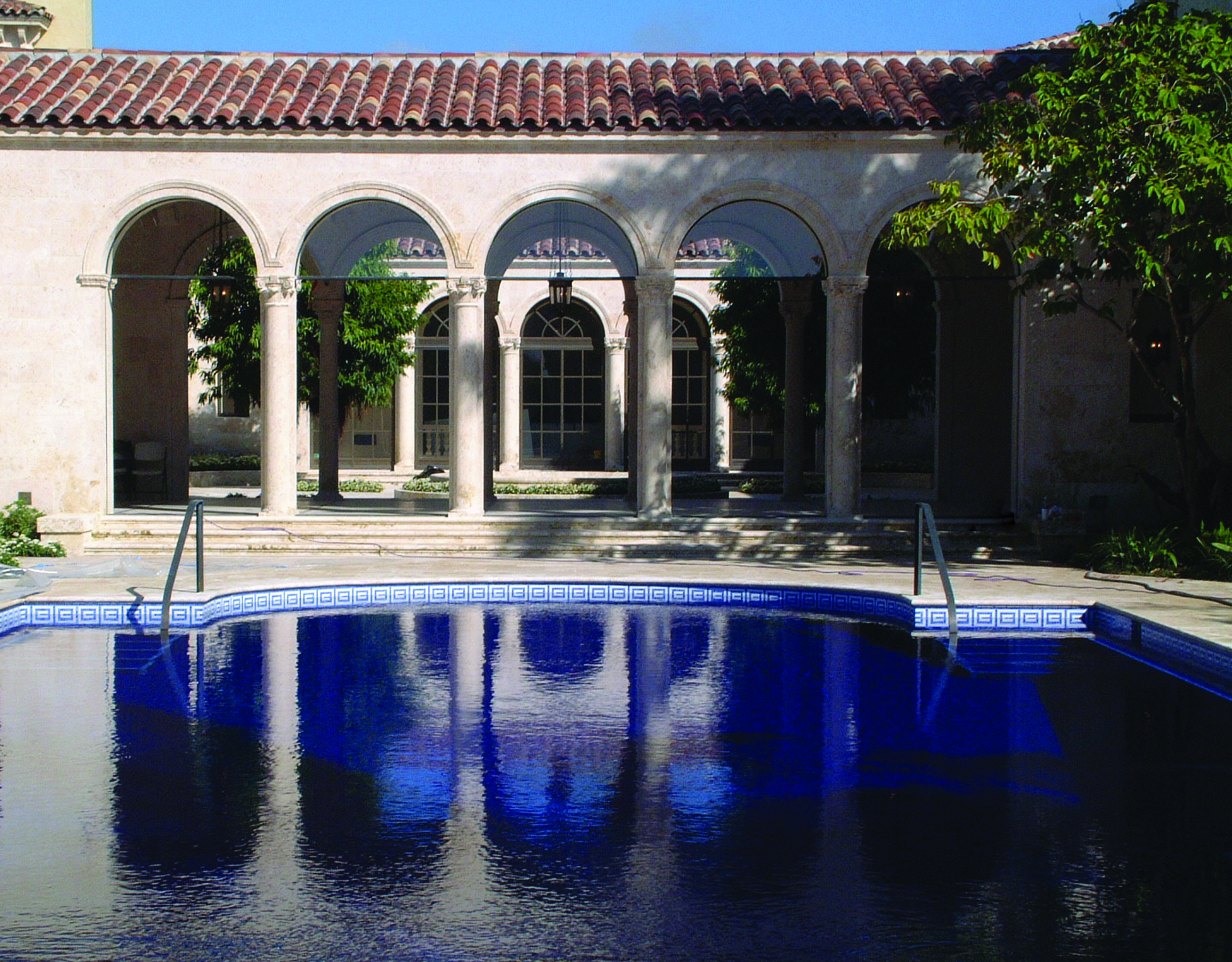
Clark Residence
The first major overseas project I managed was The Clark Residence, Palm Beach, Florida. It included all workshop drawing preparation and new stone manufacture, as well as delivery to site. We had to obtain the coral stone from the Dominican Republic, which was shipped to the UK in 20ft ocean-going containers. The manufacture was completed in the UK, with the new stone carefully packed into timber crates and sent back to site in more 20ft ocean-going containers. The stonework was installed by a local contractor employed by the principal contractor. The works completed included columns, plinths, carved caps and corbels, cills, and cornice.
What do you feel are the main challenges facing the stone and surfaces industry today?
The main challenges facing the industry today are the rising operating costs associated with the increase in the costs of the raw materials. The industry is now hugely competitive, and cost and programme appear to be key. We need more discerning Clients who prioritise quality and service over everything else….difficult to find, however.
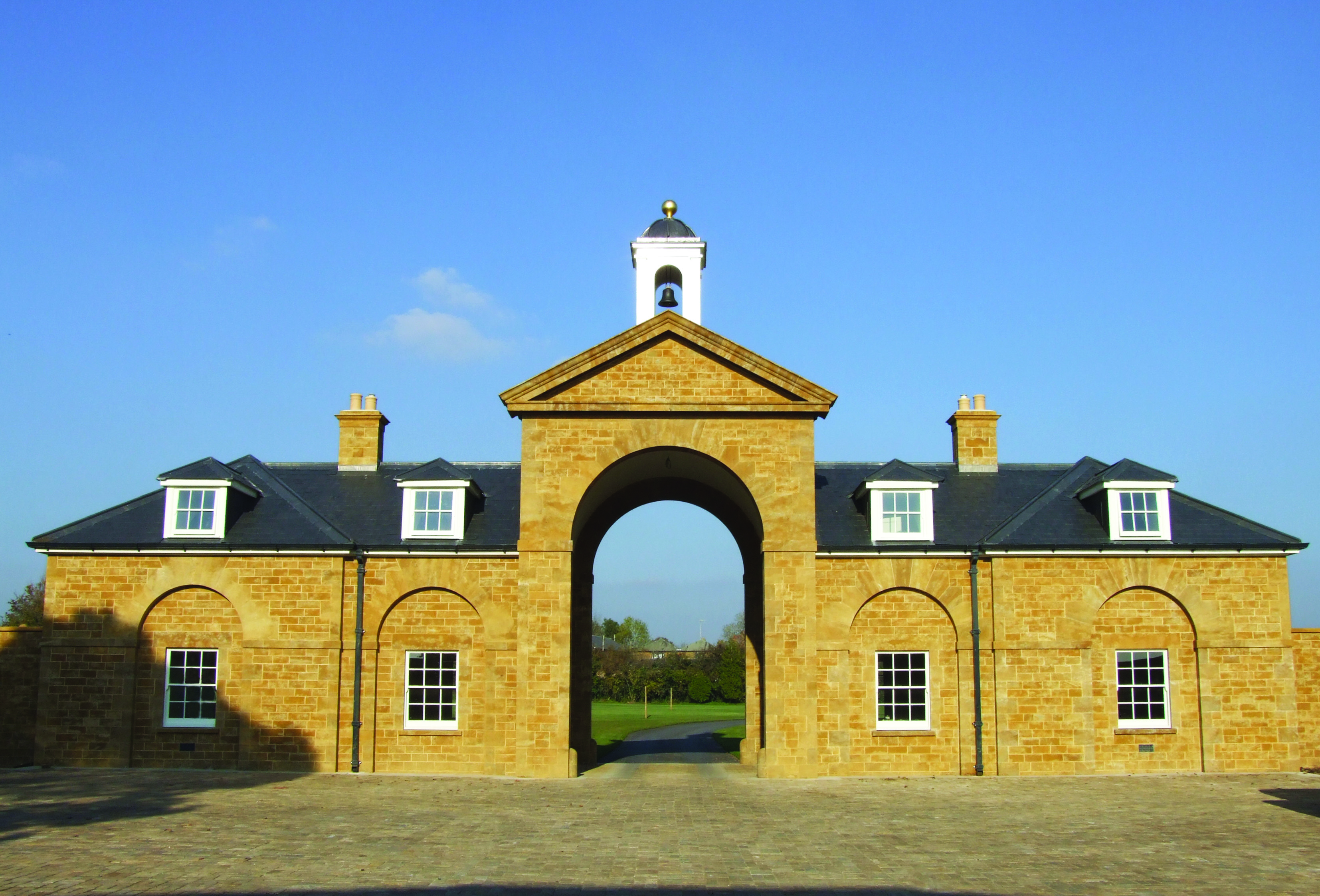
Kingham Hill
In your opinion, what are the positives of using stone in the built environment?
Natural stone is a sustainable material and if sourced and utilised properly can produce only a small carbon footprint. More and more designs are now focused on reducing the carbon footprint with self-supporting and load-bearing stones being incorporated in buildings with the minimum amount of production activity added.
How does sustainability shape your thinking and decision-making, and how do materials fit into this?
My thinking is that there is no more sustainable material available to the built environment than stone, and we as an industry should keep making noise about it.
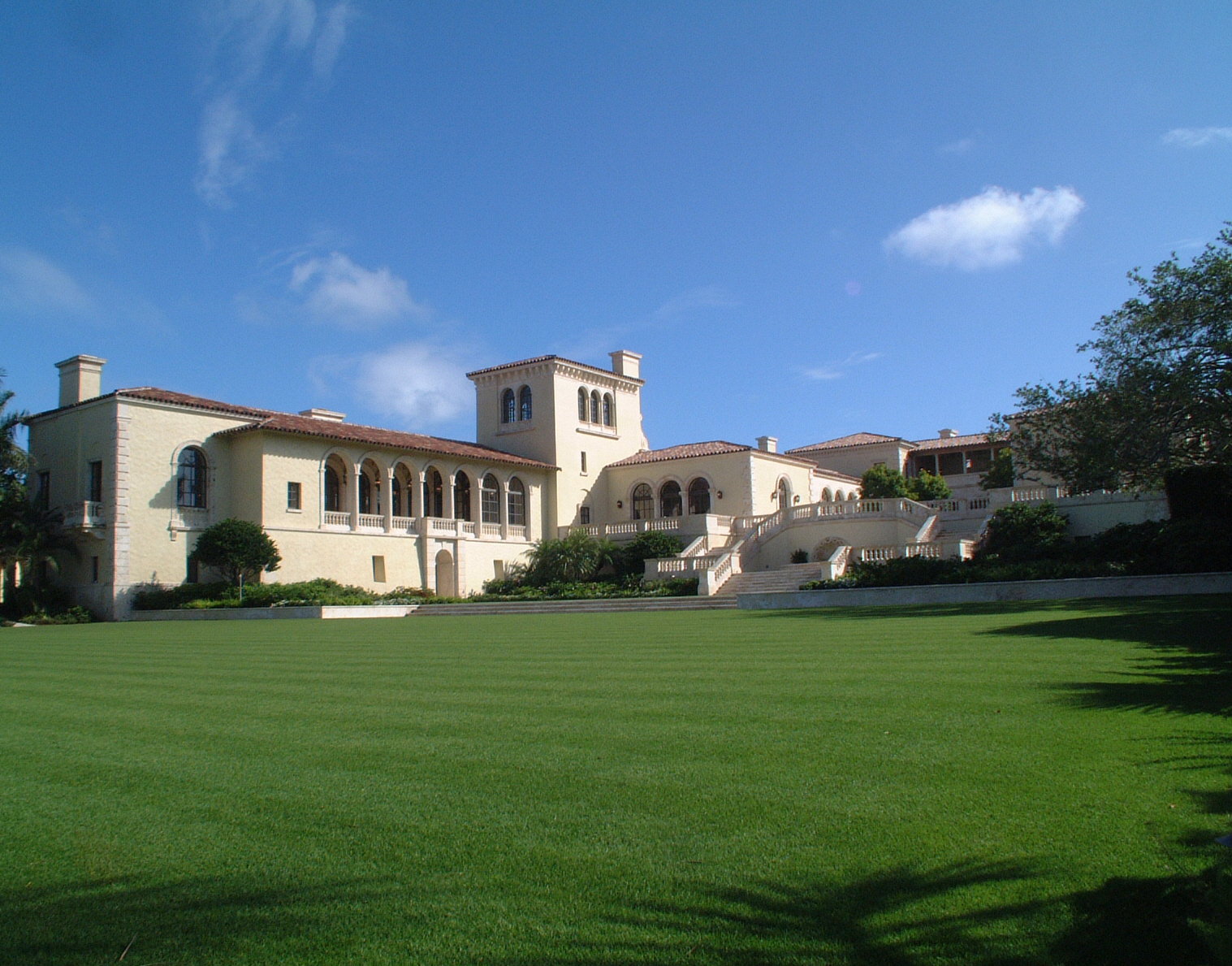
Clark Residence
What’s next!?
Wow…. great question.
Initially, I will spend a couple of months at home completing the small jobs around the house that I haven’t attended to over the last 25 years. But at the end of May, my wife and I are departing for a 6-month trip to the USA. Our eldest son lives in Connecticut with his wife and our three grandchildren, so we’re spending 3 months living around them so we can get the true grandparent experience. In the past, all we’ve ever done when we see them is be with them 24/7…they’re either staying with us, or we’re staying with them. This way we can see them and have a bit of our own space.
After this, we’re hiring an RV and spending 8 weeks travelling East to West across the USA. Starting in New York, travelling along the southern part of the USA, up into California and finishing in Las Vegas. After all that, we’re back home in the UK for a couple of weeks in November before flying to Singapore to stay with our other son and meet grandchild number 4, who is due to be born in July. Won’t have much time to worry about not being busy….