

Surface Perspectives: Stones' unique relationship with time

Over the past year of our Surface Perspectives series, one of the clearest themes to emerge from the conversations is stone’s relationship with time. Natural stone is often described as a long-lasting material, but that description only tells part of the story. Longevity is not simply about whether a piece of stone survives. It is about whether it can continue to function, whether it can be maintained and repaired, and whether its changing appearance is accepted as part of its value.
For Emma Fairhurst of Collective Architecture, working with existing buildings makes that relationship particularly tangible. “The main benefits of stone are its longevity,” she says, pointing to projects where stone facades have been in place for more than 350 years.
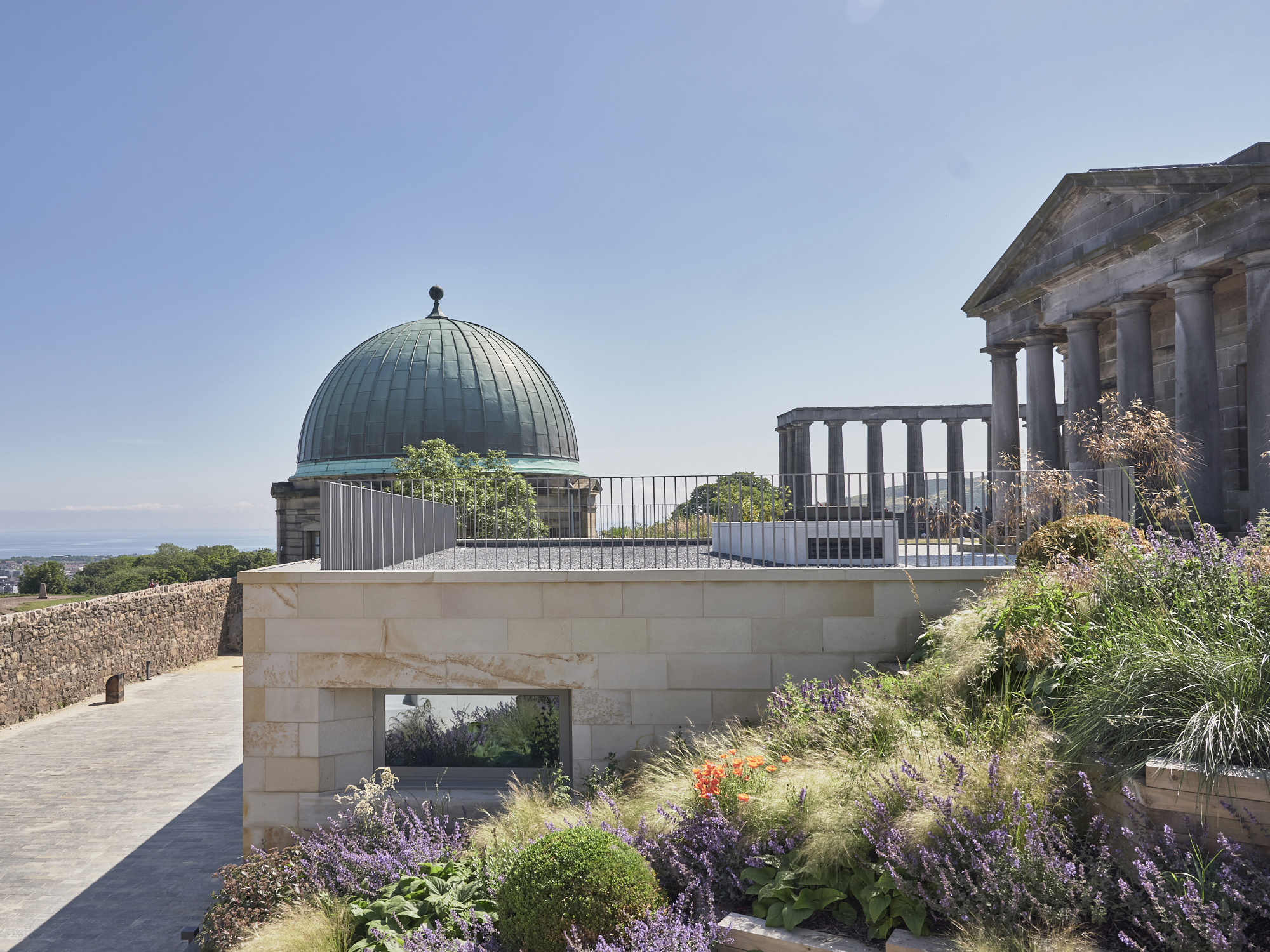
That longevity, however, cannot be separated from the way a building is designed and looked after. Fairhurst stresses the importance of appropriate detailing and planning for maintenance from the outset. At Collective Architecture, she says, “material longevity and maintainability are always fundamental considerations.” The distinction is important: durable material does not make an entire building durable by itself. The details, interfaces, exposure and maintenance regime all influence how it performs over decades.
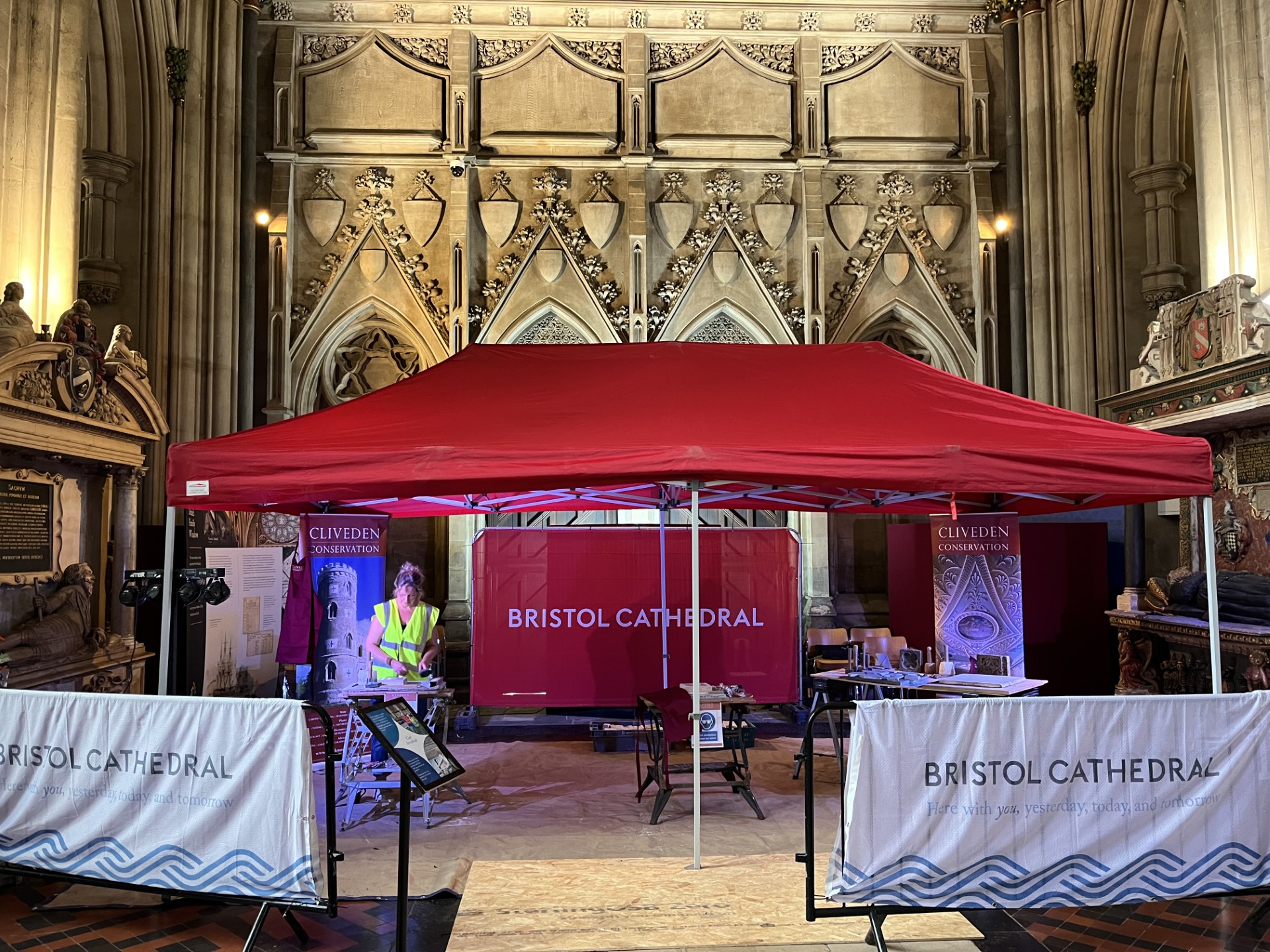
As you may expect, the same principle is evident in restoration, and for Tom Flemons of Cliveden Conservation, intervention begins with understanding what is already there. Identifying the stone, its geology and the way it was originally worked can determine whether a repair should be made and, where necessary, what replacement material is appropriate. Like-for-like repair is therefore not simply an exercise in matching colour or appearance. It is about maintaining the material logic of a building.

For Artur Kowalczyk of AK Surface Solutions, that understanding informs the practical business of restoration. “Almost every job needs a slightly different approach, especially with stone,” he says. Type, condition, finish, age and previous treatments can all affect the appropriate method. A worn or marked surface is not necessarily a failed one.
His work on historic surfaces demonstrates the value of that distinction. At Ipswich Museum, an original quarry tile floor dating from 1881 was restored rather than replaced, with the surface ground and sealed while retaining its character. As Kowalczyk puts it: “Instead of removing stone and sending it to waste, we can extend its life and make it beautiful again.”
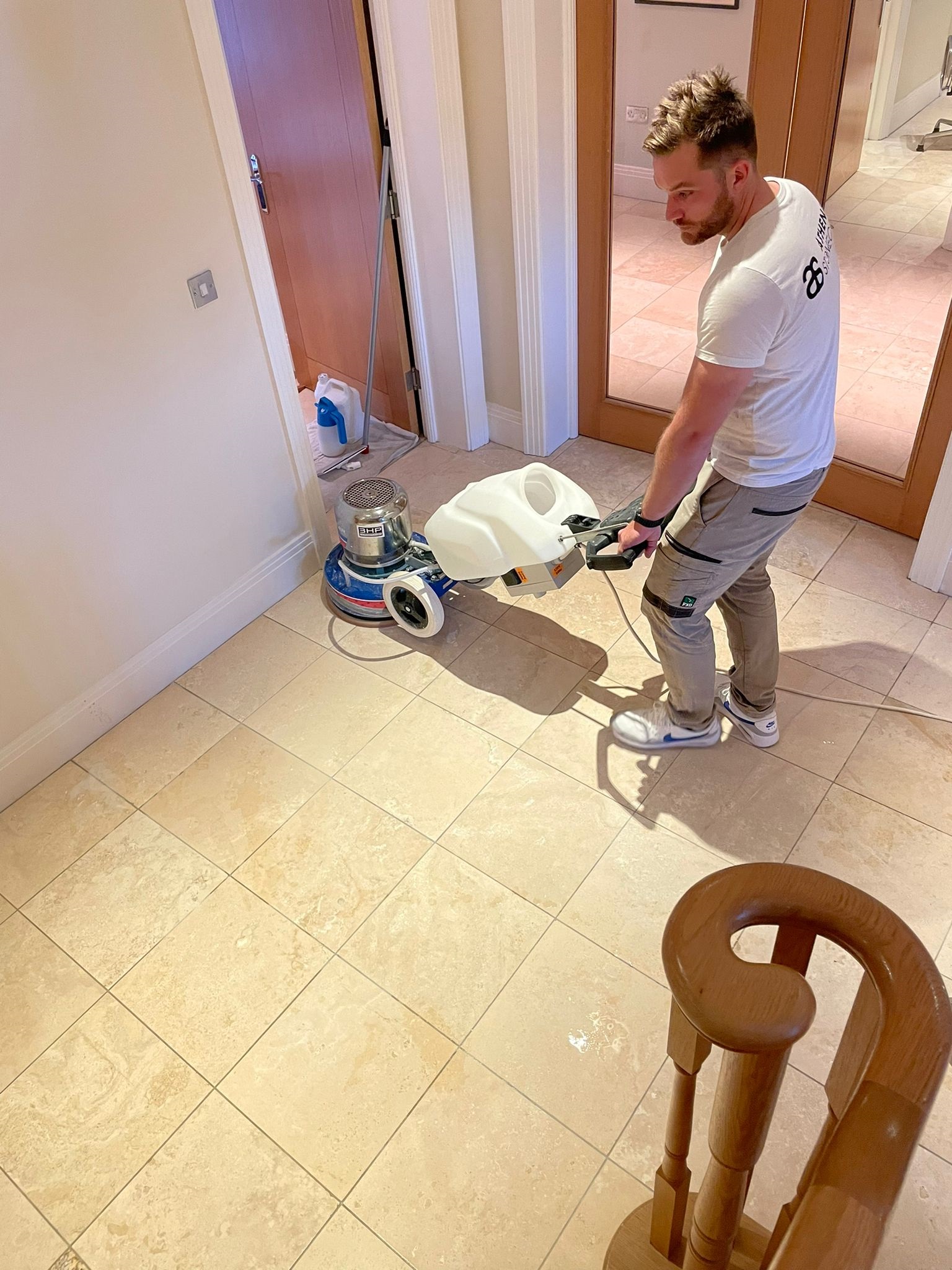
The argument is equally relevant in contemporary interiors, where wear is often treated as a reason for replacement. While her company is intent on supporting clients in maintaining stone as best as possible, Becca Cranfield of Athena Stonecare offers an alternative perspective. “It doesn’t need to be perfect to be beautiful,” she says. “In fact, the more wear a surface has it creates a patina that tells the story of that stone in your home.”
That idea of patina challenges a relatively recent expectation that materials should remain visually unchanged throughout their useful life. Stone can alter through use without losing its usefulness or character. In some cases, those changes are precisely what make an interior feel established rather than newly installed.
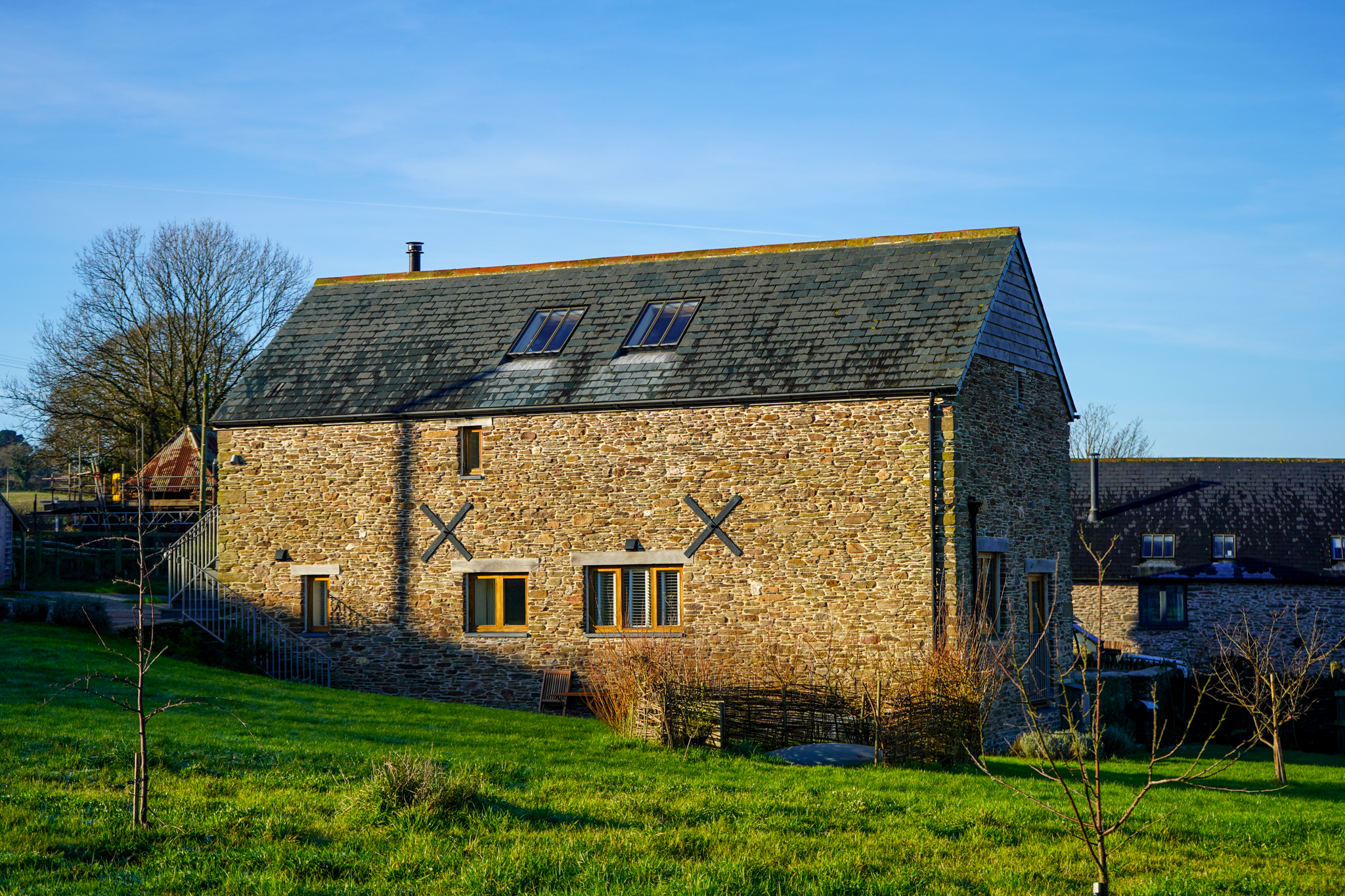
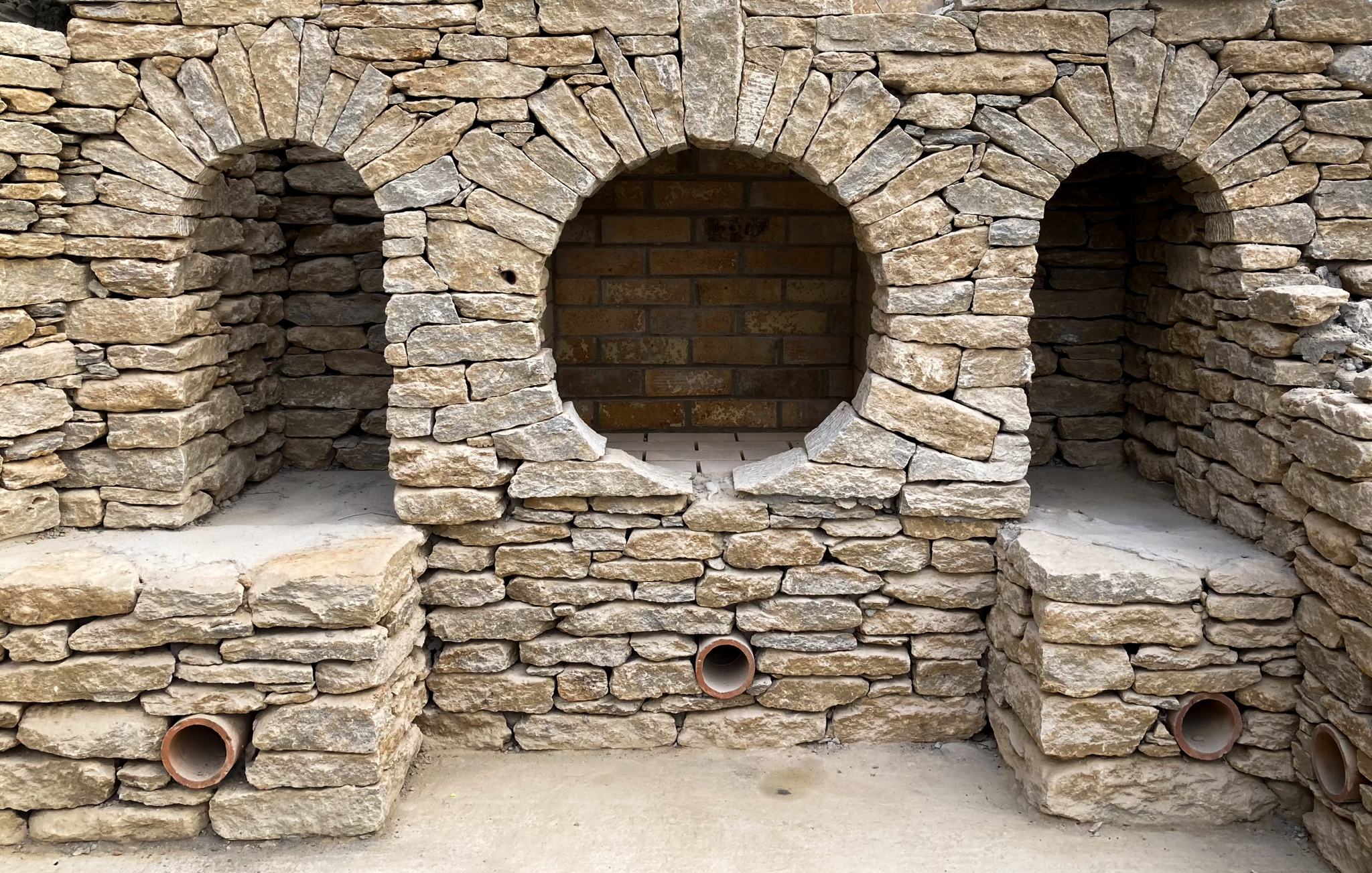
For stonemason Blair Woodland, longevity also has a physical and cultural dimension. He describes stonework as “creative, physical, and permanent”, and his experience rebuilding a listed threshing barn using original stone, lime putty and traditional construction methods gave him a direct connection with techniques developed for buildings intended to endure. The permanence of the finished work is inseparable from the knowledge of how to construct it.
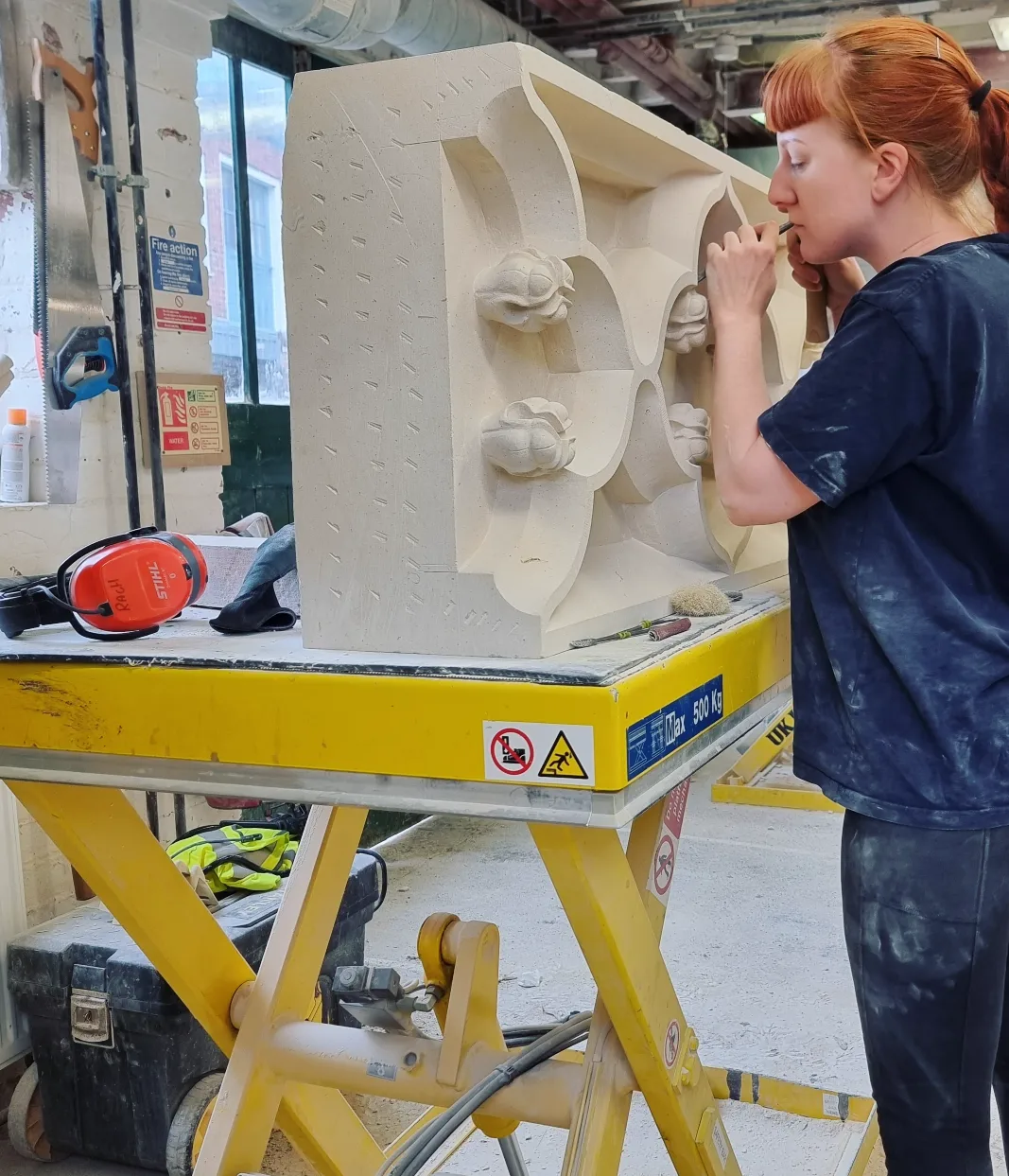
That knowledge is increasingly important, as fellow stonemason Rachael Wragg of Lincoln Cathedral points out in highlighting the vulnerability of traditional craft skills. As she observes, “it sadly only takes 2 generations for a craft skill to die out.” If there are fewer people able to carve, build, conserve and repair stone, the ability to maintain the existing built environment diminishes with them. Longevity therefore depends on a human infrastructure as well as a material one.
That rings true with artist Zoë Wilson, who makes sculpture from British stone that allows the characteristics of individual pieces to influence the finished work. Her ambition is explicitly long-term: “Perhaps most importantly, I hope to make work that lasts,” she says. “Stone has survived for thousands of years, and I like the idea that the sculptures I make today may still be appreciated by future generations.”
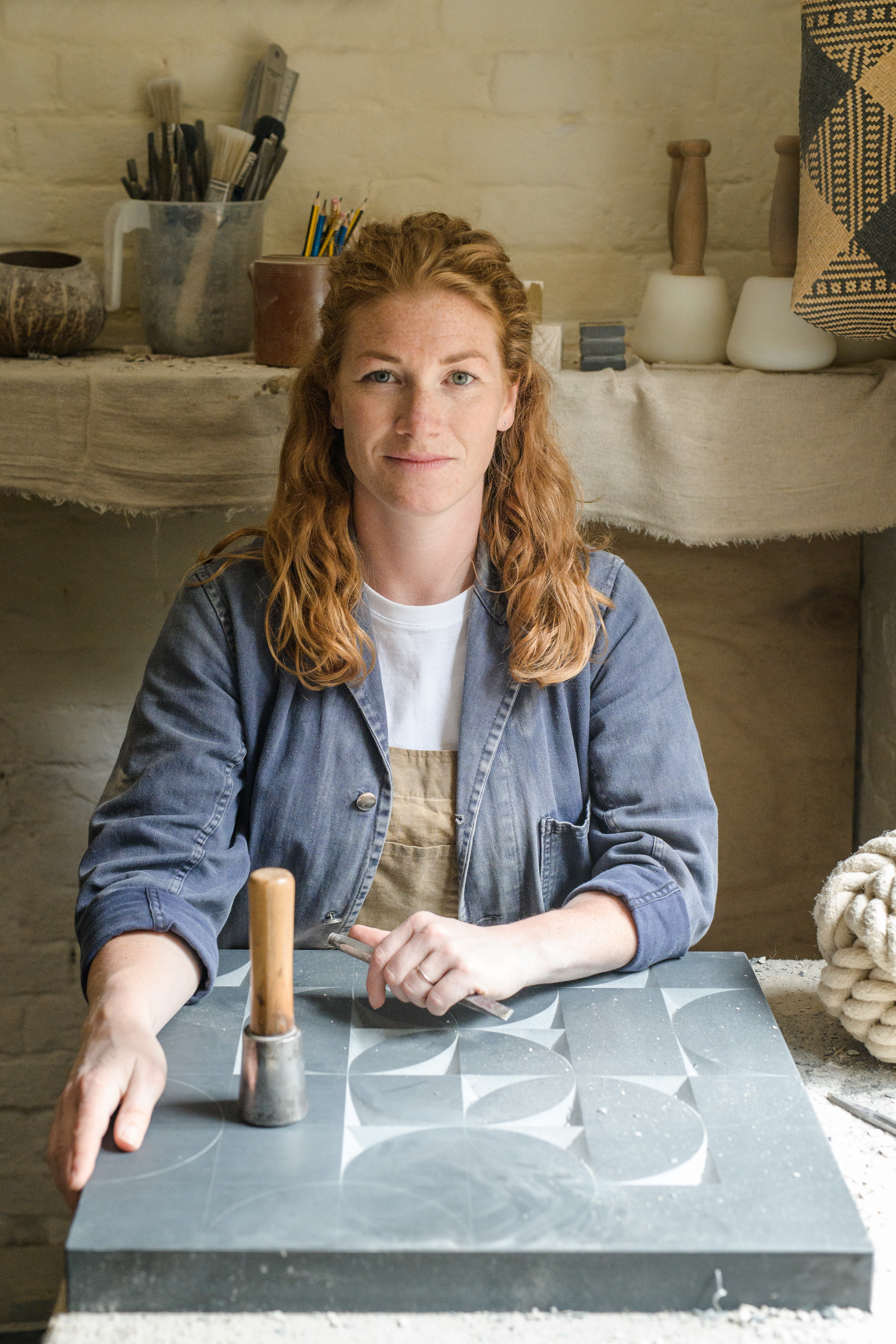
Across these different practices, longevity emerges as something as important, and perhaps even more active than durability. It involves designing buildings that can be maintained, repairing rather than replacing where appropriate, accepting the marks of use and retaining the knowledge needed to work with the material.
Stone’s ability to last is therefore only the beginning, and its greater value may lie in the fact that it can remain useful while buildings, interiors and objects around it change. A material that can be repaired, renewed and understood by successive generations has a different relationship with time from one designed to be replaced when its original appearance begins to fade.
Longevity, in this sense, is not simply the length of a material’s life, but the ability to keep it in use.