

Surface Perspectives: Tom Flemons, Cliveden Conservation

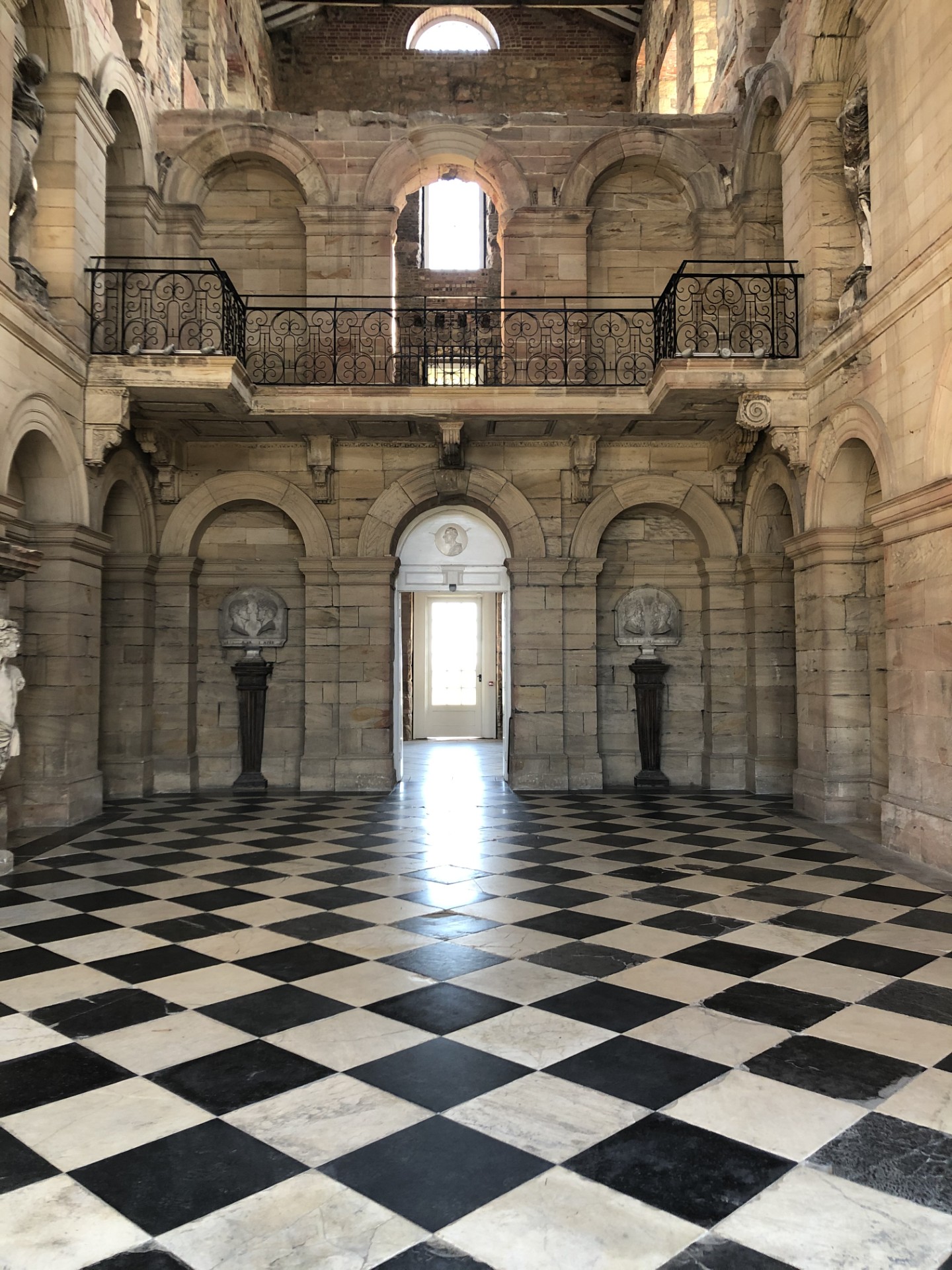
Specialising in stone masonry, carving and architectural preservation, Cliveden Conservation's traditional craft skills sit alongside contemporary practices. With workshops spread across the country, the team works on projects ranging from sensitive heritage repair to complex façade restoration, including a recently completed stone floor restoration at Bristol Cathedral. Their work is rooted in an understanding of historic materials and construction techniques, and is guided by director Tom Flemons. With over three decades of experience in the industry, we were keen to hear some of Tom’s insights.
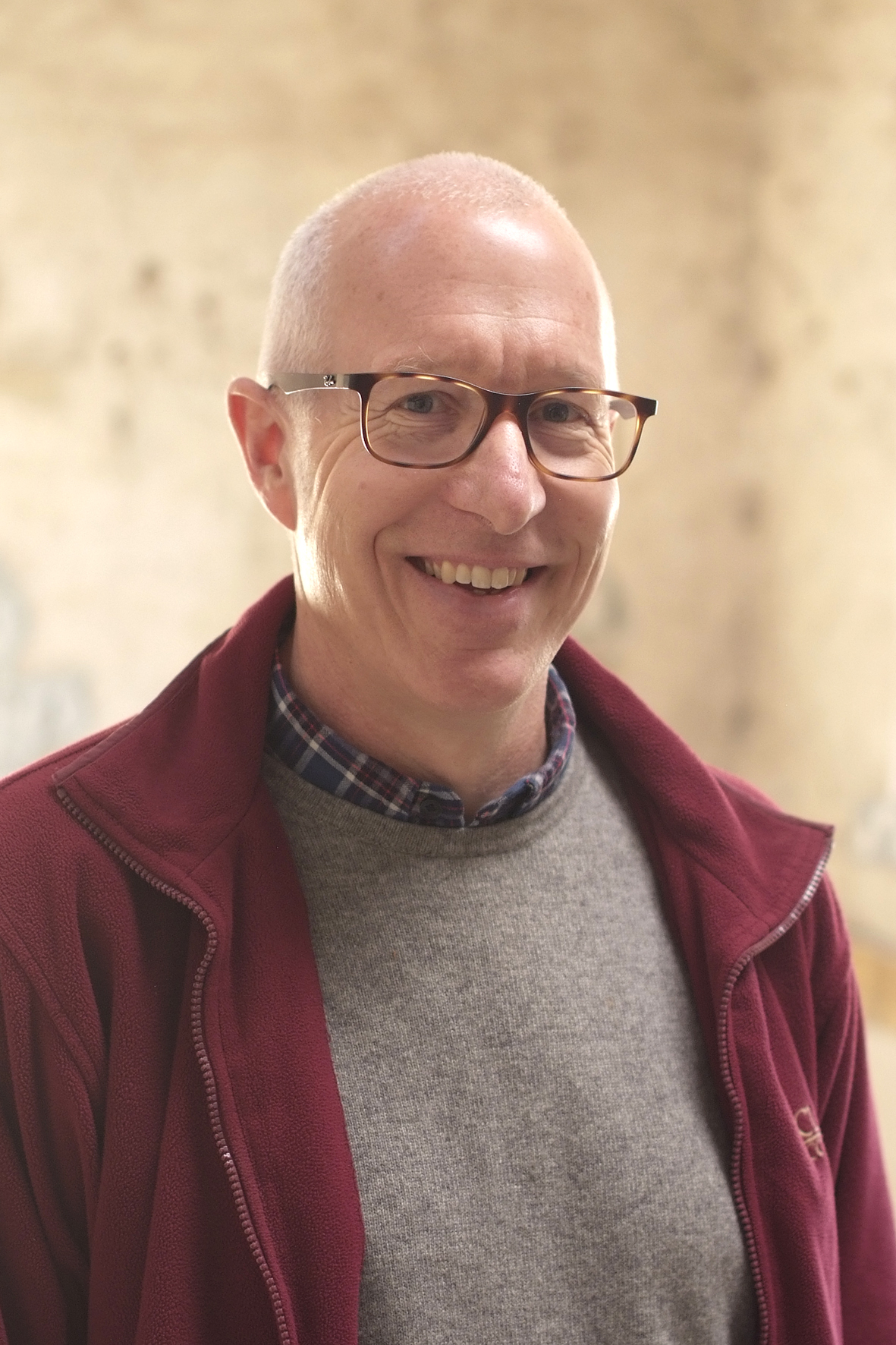
What does a typical day look like for you?
No two days are the same. If I’m at the Cliveden Conservation Bath Workshop, I’ll be receiving and sending emails and calls, or developing projects; preparing fee proposals and compiling reports, while working with and collaborating with colleagues. Other days will take me on visits around the country to sites where our teams are working. Here I’ll meet new clients and look at buildings and prospective projects.
How integral are materials/surfaces to your day-to-day?
My background as a practitioner, stone/marble mason and conservator, means that materials are very important to me. I enjoy the challenge of identifying the materials used to make the varied buildings and objects on which we work, and then seeking to identify and source like-for-like materials for repair works. We work with many stones, marbles and semi-precious materials, all of which are dependent on the project and area of the country they’re set in, the extent of which informs a large part of my work.
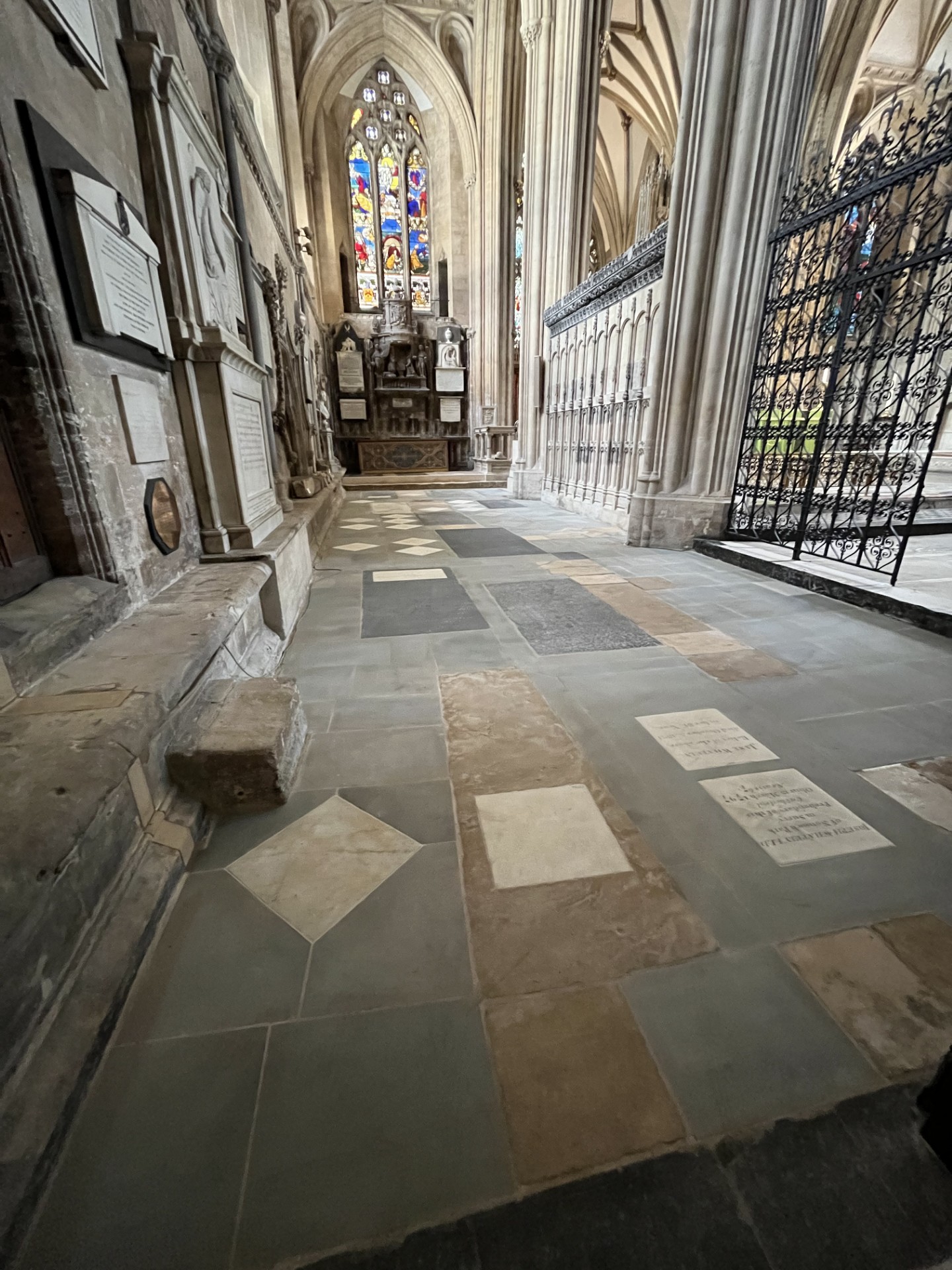
Bristol Cathedral
What are the biggest lessons you have taken forward from your original training?
My original training as an apprentice mason gave me the discipline and formal understanding of the craft and an appreciation of stone buildings and structures. I still refer back to some of my notes, albeit from many years ago now. Subsequently, I was fortunate to be awarded a travelling scholarship by the Society for the Protection of Ancient Buildings. An additional William Morris Craft Fellowship deepened my understanding of traditional buildings and craft, too, and gave an ethical and ideological basis to my knowledge.
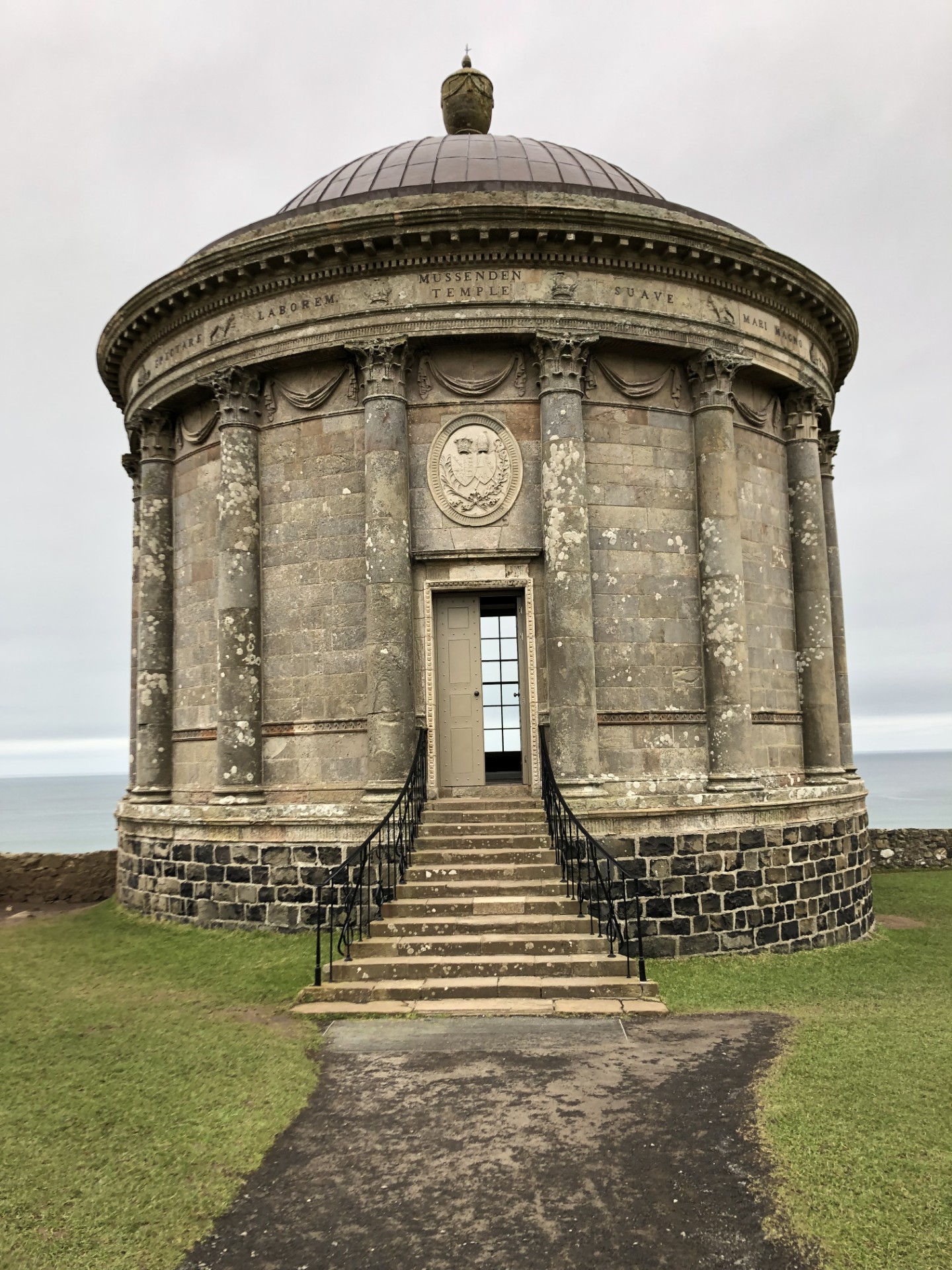
Mussenden Temple
Which project/s are you most proud of being involved with and why?
My work for Cliveden Conservation over the past 35 years has taken me to many amazing buildings and special places. My enthusiasm to still be doing what I am doing is down to the variety and the brilliant people with whom I work. I really enjoy and am passionate about delivering training, which has taken and can take many forms. For instance, there’s been Housekeeping training for National Trust staff, masonry taster sessions to mixed ability groups, or careers fairs at secondary schools - even talks to primary school children trying to sow the seed of a career in our field.
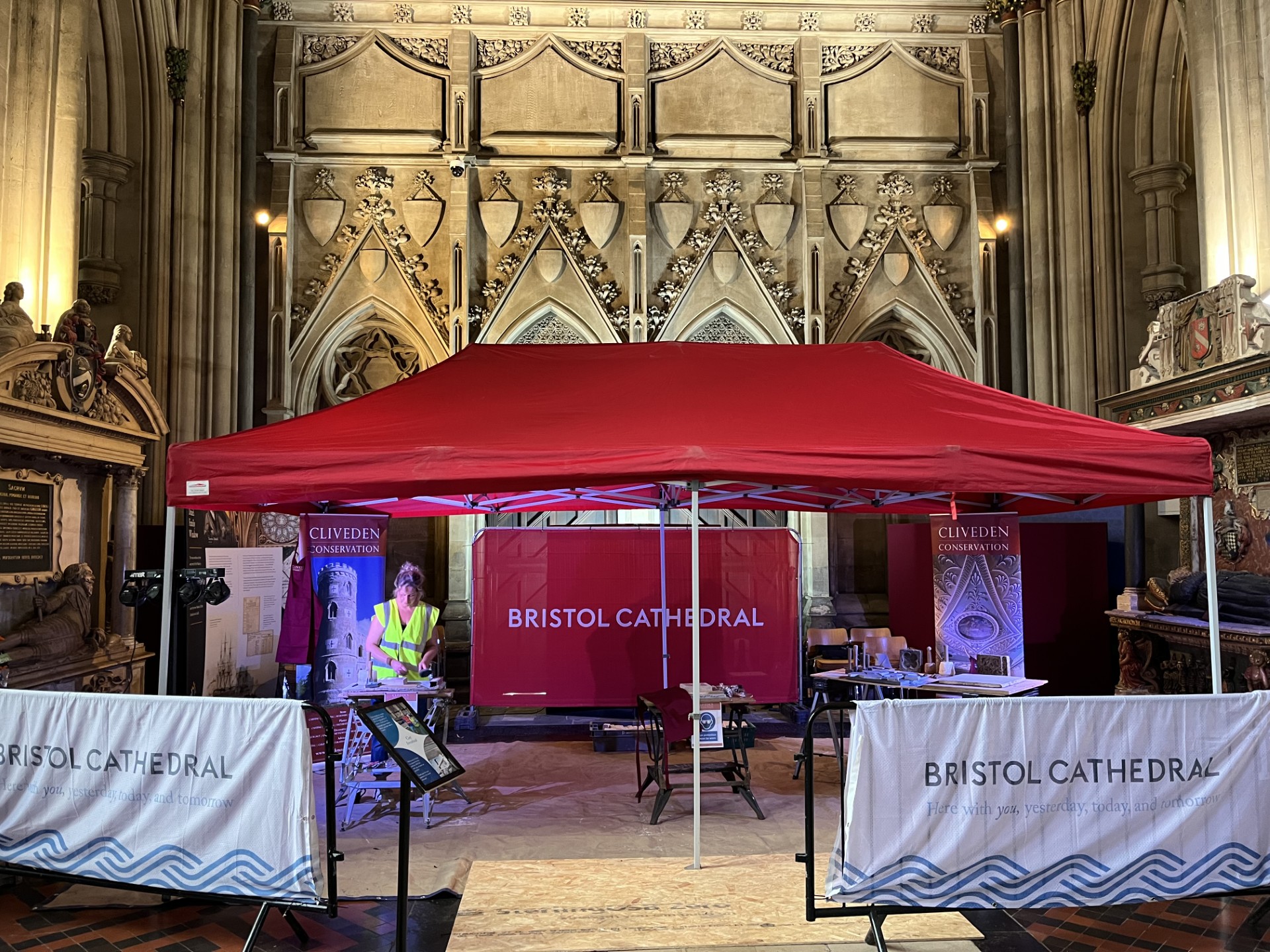
Training at Bristol Cathedral
What do you feel are the main challenges facing the stone and surfaces industry today?
Without doubt, the challenges of training in our industry and the reduction of the number of institutions delivering practical education have created a dearth in trained and skilled trainees entering the industry.
In your opinion, what are the positives of using stone in the built environment?
The use of stone maintains traditions but can also be the future. Although a finite resource, stone has a lower environmental impact than many other modern construction materials, especially when used close to the source of its extraction.
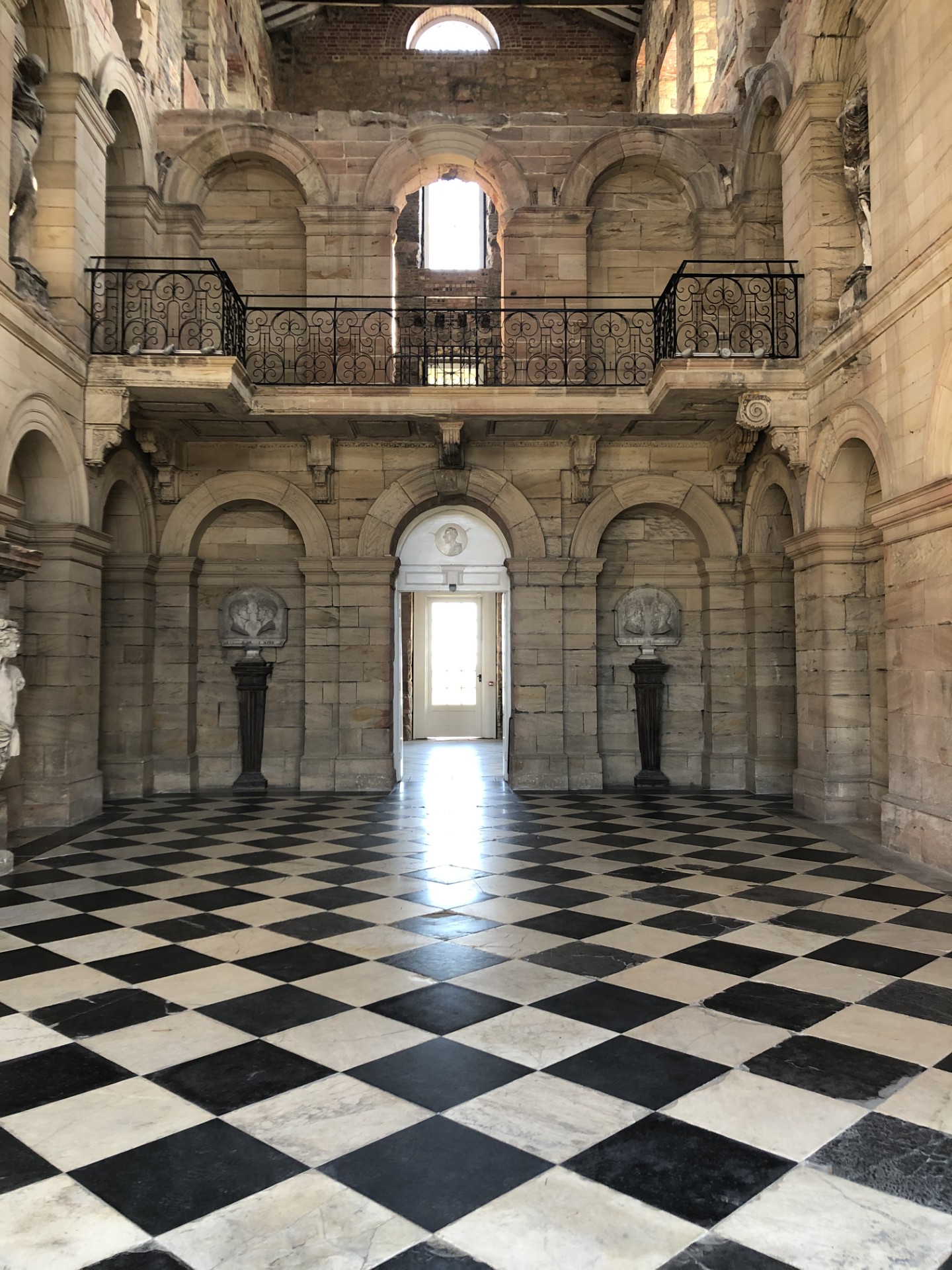
Seaton Delaval
How does sustainability shape your thinking and decision-making, and how do materials fit into this?
As above, it’s a vital part of our thinking at Cliveden Construction!