

Surface Spot: Slow Casting Stone From Waste

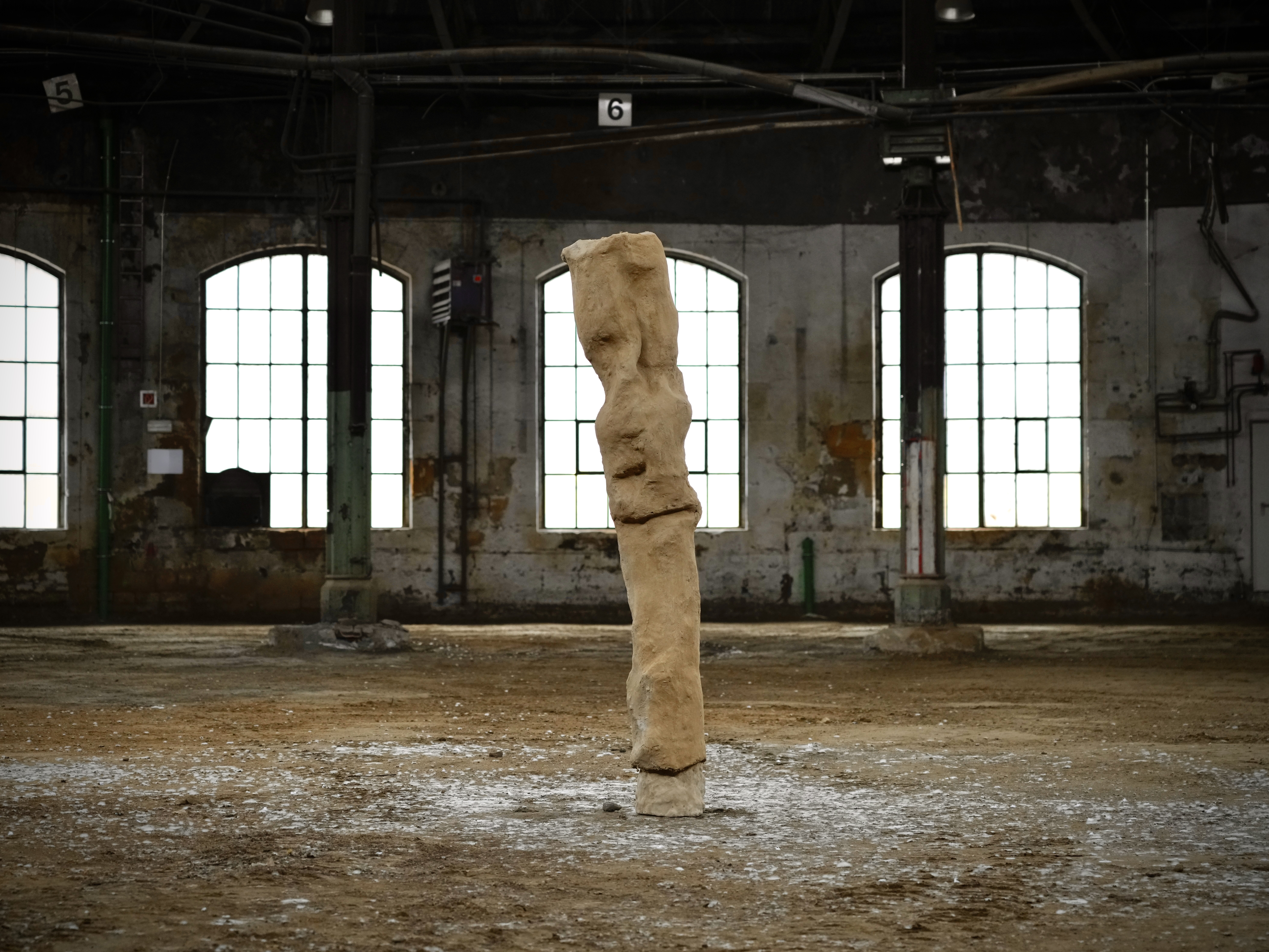
As we’ve been reporting, there is a growing body of work that seeks to rethink waste not as a by-product to be hidden, but as the beginning of an entirely new material language. Few emerging designers have explored that idea with as much geological curiosity as Luxembourg-based Studio Jules Péan, whose New Rocks collection transforms industrial dust and local sediments into furniture and sculptural objects that appear closer to quarried stone than manufactured composites.
While the collection has attracted attention through recent appearances at Milan Design Week, Paris Design Week and Dutch Design Week, as well as recognition at the Luxembourg Design Awards and MaterialDistrict, the exhibitions are ultimately secondary to the material research itself. The work is less concerned with producing a new aesthetic than with questioning how materials acquire value, permanence and emotional resonance.
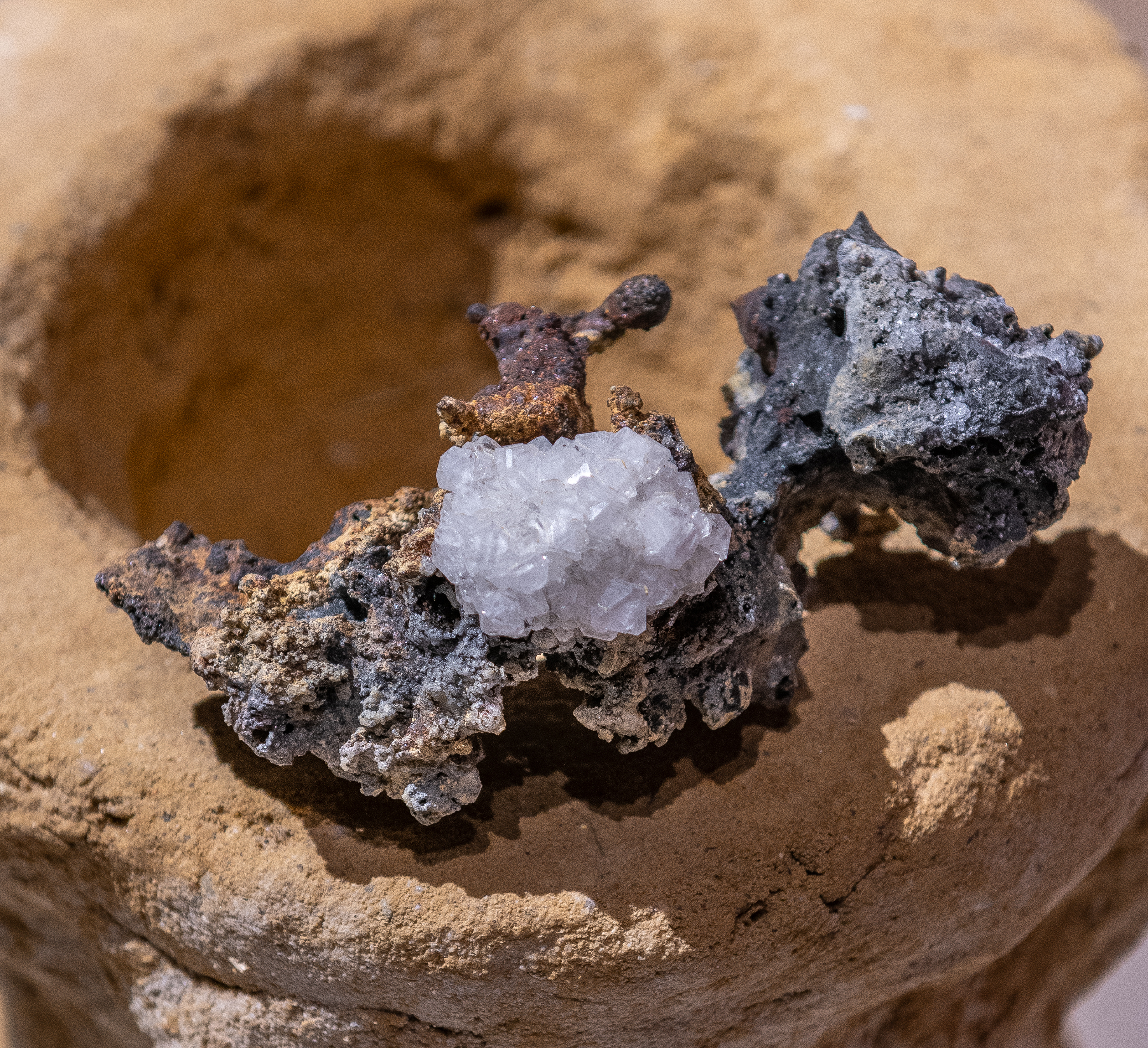
At the heart of New Rocks is a deceptively simple proposition: what if industrial waste could be treated as geological matter rather than refuse?
Working with recycled industrial dust alongside locally sourced stone sediments, hempcrete and mycelium, Péan has developed a slow casting process that allows these finely graded materials to consolidate into dense, stone-like forms. The resulting objects retain subtle evidence of their origins, with mineral inclusions, tonal variation and layered textures recalling naturally occurring rock rather than conventional manufactured surfaces.
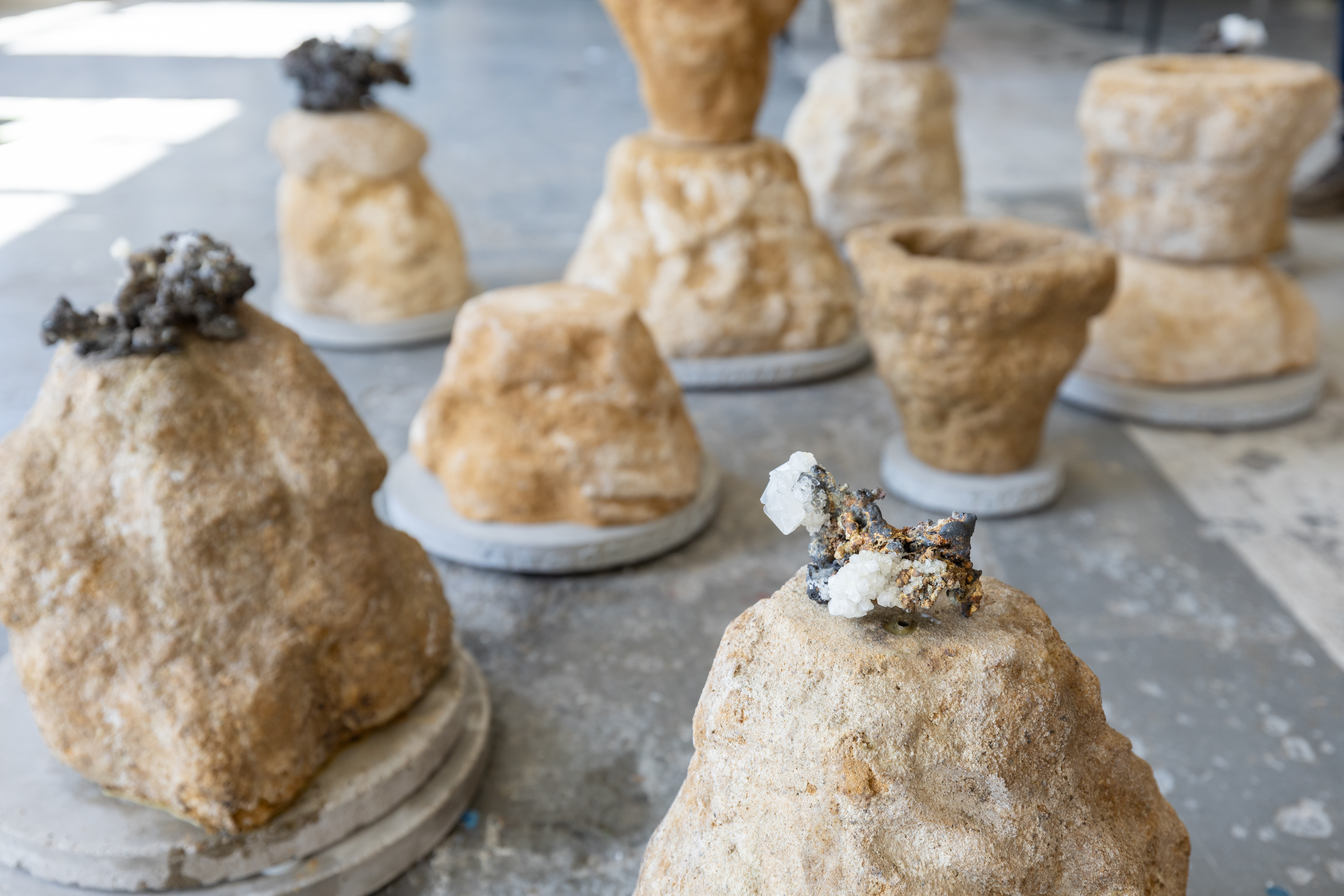
The process deliberately resists industrial efficiency; instead of disguising imperfections or striving for uniformity, each piece is allowed to develop its own surface character, embracing irregularity as an intrinsic quality of the material. In doing so, the work echoes geological processes that unfold over time, compressing ideas of sedimentation, pressure and transformation into contemporary design objects.
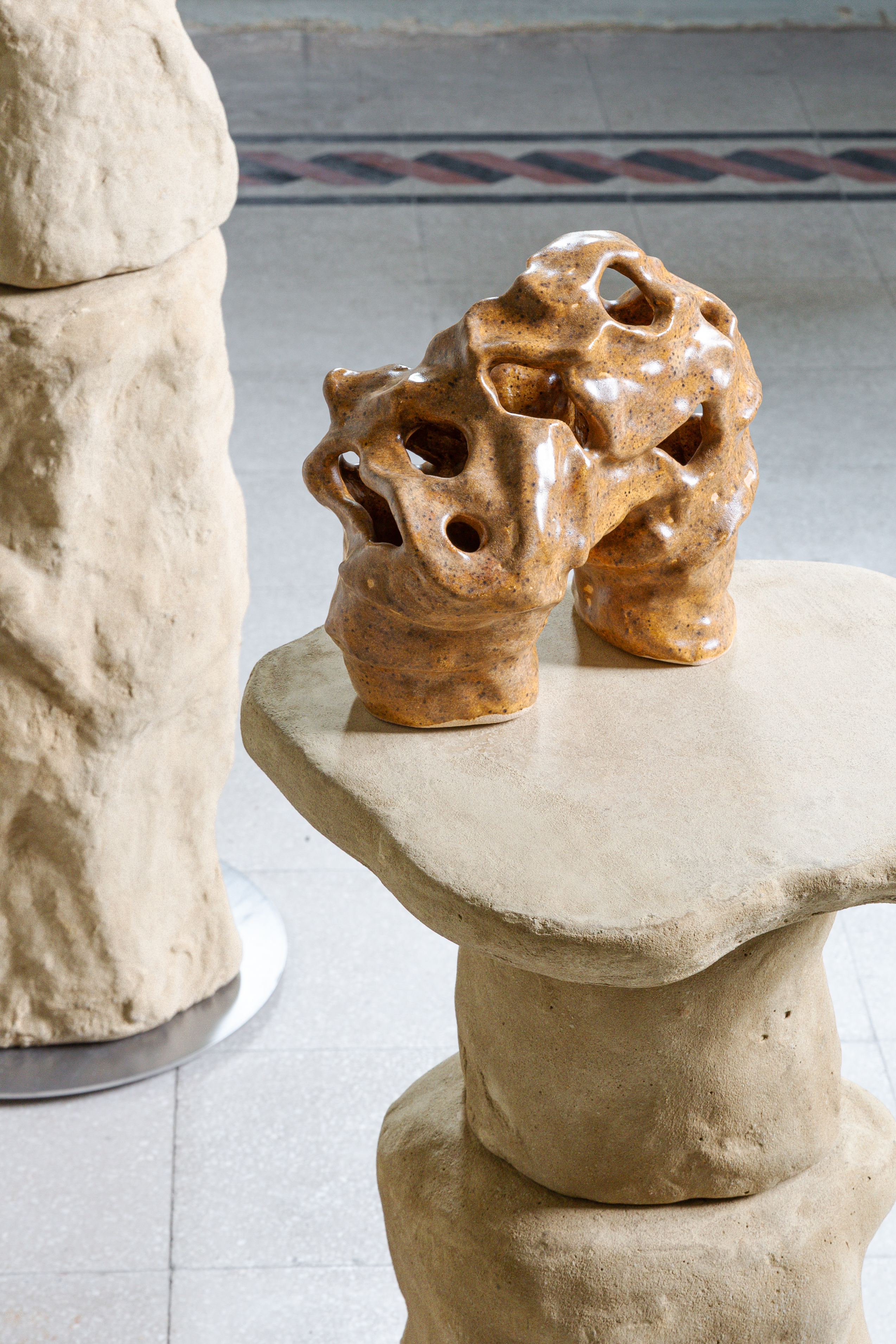
The latest iteration of the research, New Rocks – Columns, extends this thinking into modular furniture. Composed of stacked cylindrical elements, the pieces possess an architectural quality that references both classical stone construction and naturally weathered rock formations. Their monolithic appearance contrasts with the knowledge that they originate not from quarrying but from reclaimed industrial by-products.
This tension between perception and provenance sits at the centre of Péan's practice. Although the finished objects read as carved or cast stone, their value lies equally in the narrative embedded within the material itself. Waste becomes structure; dust becomes mass.
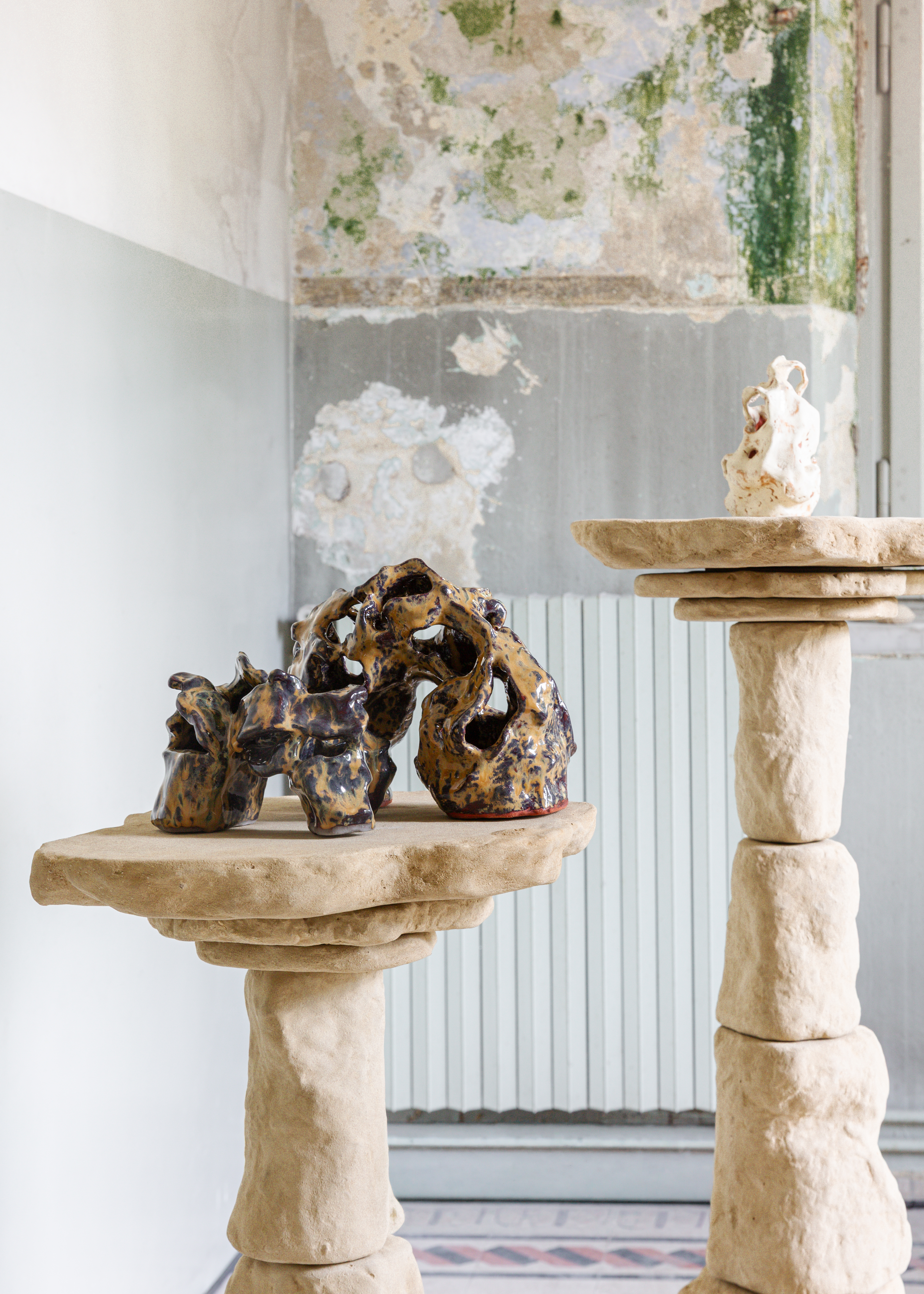
That approach reflects a broader shift within contemporary material research, where designers are increasingly seeking alternatives to virgin resources by reimagining industrial side streams. Rather than attempting to imitate natural stone directly, however, New Rocks establishes its own material identity and one that borrows the visual and tactile qualities of geology while remaining honest about its manufactured origins.