

Insights: Perspectives on Stone in Construction From Across the Pond

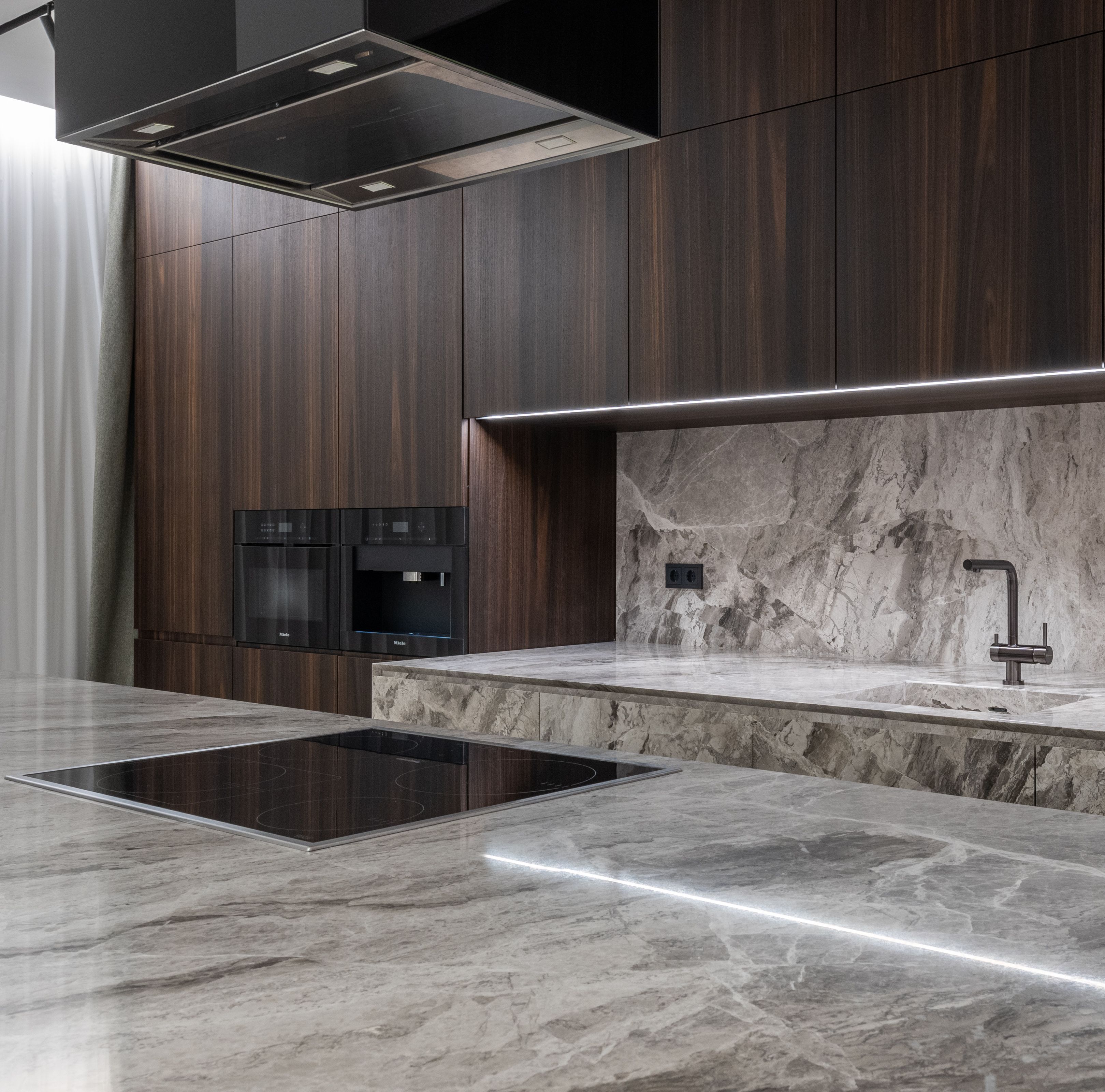
Conversations around natural stone's role in contemporary construction are taking place well beyond the UK. In this Insights piece, Layla Wahbeh, Operations Manager at Gilor Remodeling Group in the United States, offers an American perspective on how advances in fabrication, sustainability and long-term performance are shaping the material's place in modern architecture. Based in California, Gilor Remodeling Group specialises in residential renovation and construction, with a focus on contemporary homes where natural materials play an important role in both design and performance. Drawing on her experience overseeing projects and operations, Wahbeh reflects on why stone continues to offer architects, builders and homeowners a compelling material for modern construction.
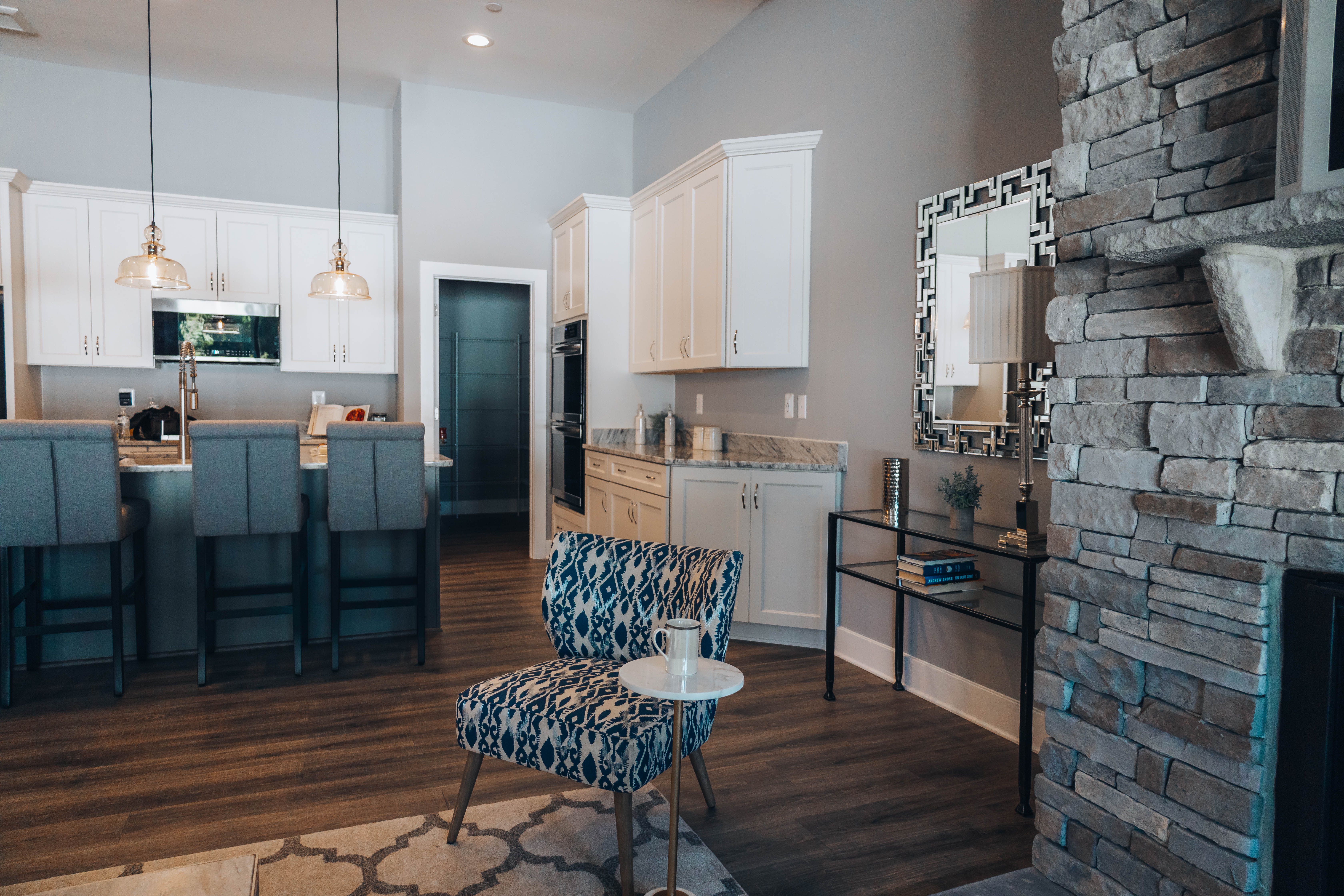
“Trends change in construction, but stone remains one of the most solid options. Natural stone carries a number of benefits, specifically durability, sustainability, and aesthetic appeal. Builders and architects who want the most from the building do not have to compromise their use of modern materials or minimalist designs to get the advantages of natural stone. By integrating these natural materials into contemporary designs, construction professionals can create delightful structures that are functional and long-lasting.
People looking for reasons to use natural stone in modern buildings do not have to travel far to find the key reason: durability. Stone walls can last centuries with reasonable upkeep, which is far longer than other natural or synthetic materials. As a structural component, stone’s durability is unparalleled. When used for flooring, roofing, or cladding, the stone can often outlast the building.
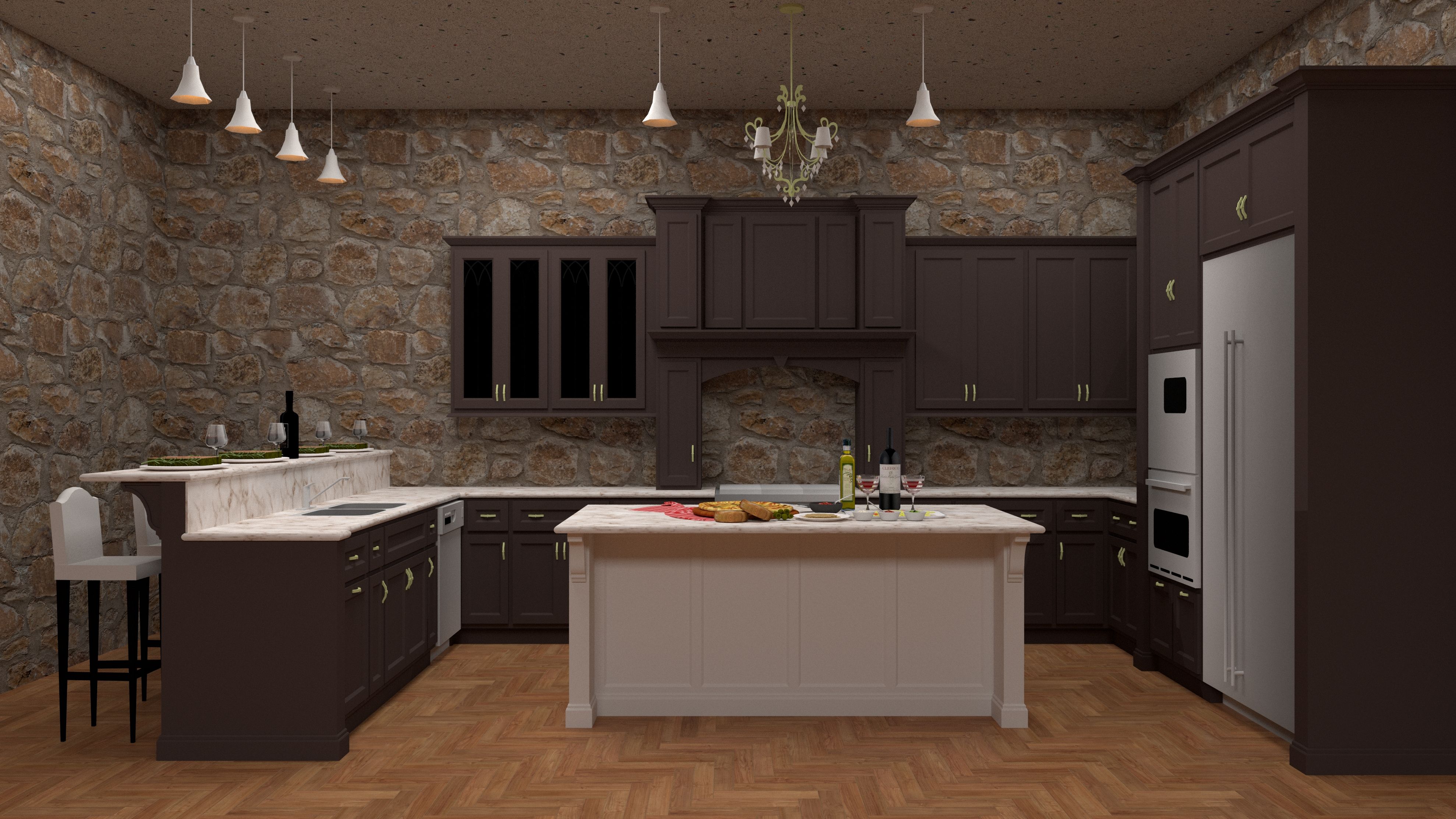
Stone has been somewhat of a concern in recent years due to its weight, but construction innovations have literally lightened the load. Modern techniques allow designers to achieve the perfect look with natural stone without requiring the same kind of structural support of decades past.
Sustainability is somewhat of a buzzword in construction discourse, and it requires nuance to understand how natural stone comes up a winner. As a building material, stone requires less processing to go from its natural state to readiness for installation. As such, natural stone often takes less energy to prepare than other materials, especially synthetics.
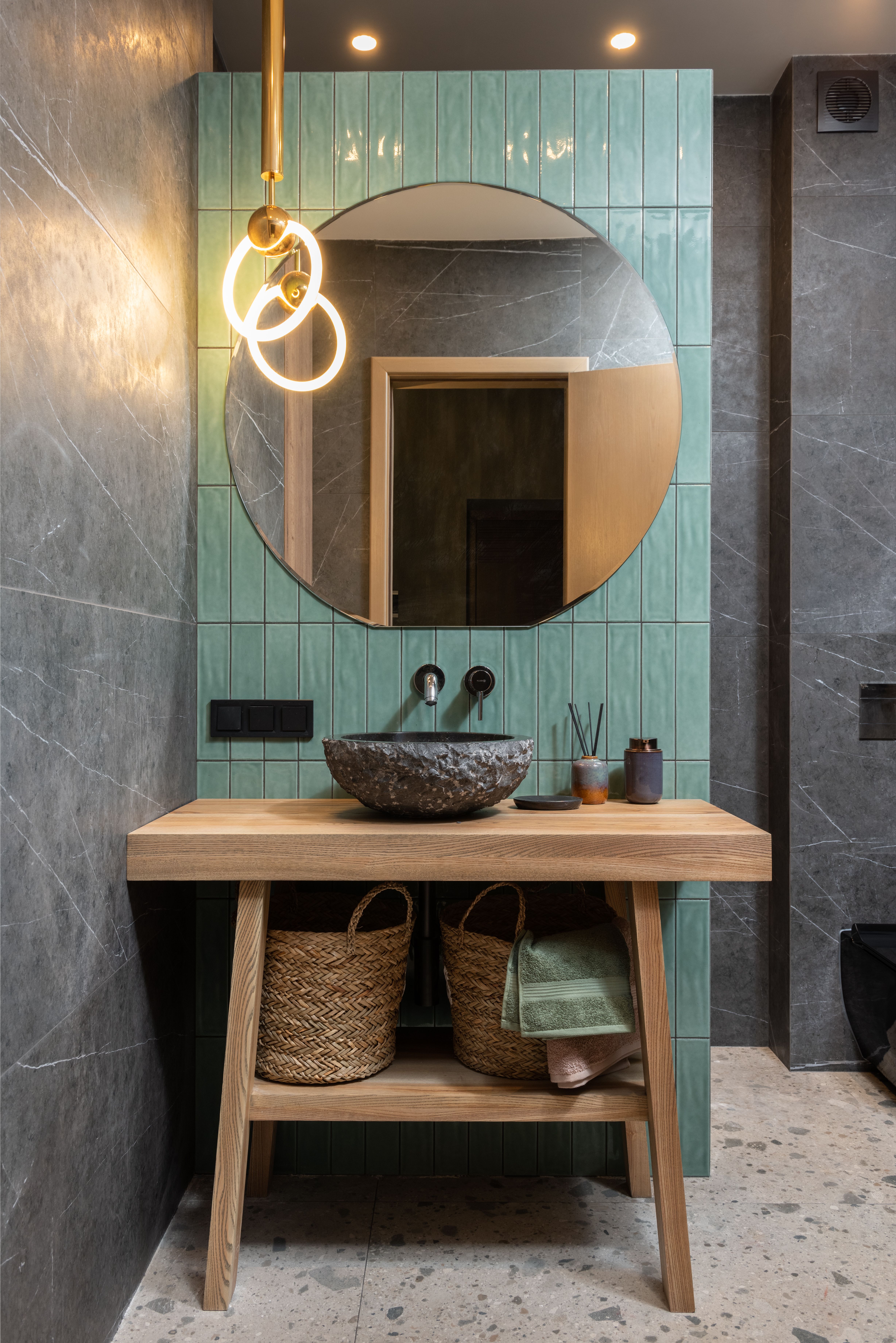
It is true that stone is a nonrenewable resource, but its durability makes it appropriate for long use and regular reuse. It is also true that stone is heavier than other building materials, requiring more energy consumption to transport it to distant locations. This fact drives innovation to create new cutting techniques that reduce the total weight of the stone, mitigating much of this concern.
Engaging with building design requires some evaluation of current trends and balancing them with natural stone and other elements that offer a timeless aesthetic. There is a reason that marble floors and sleek stone brick walls feature in construction from hundreds of years ago, as well as the present day. They far outlast any trend, while lending an air of respectability and luxury to virtually any space. Integrating stone into custom home remodeling meets key design goals, fitting into minimalist, maximalist, and other aesthetics.
Contemporary applications of natural stone offer great variety. The strength of stone creates the opportunity for builders of commercial spaces to create an indoor-outdoor design that provides necessary durability outside, while maintaining a beautiful and graceful presence inside. Similarly, stone’s natural state allows for a range of finishes, from silky smooth to roughened or sandblasted.
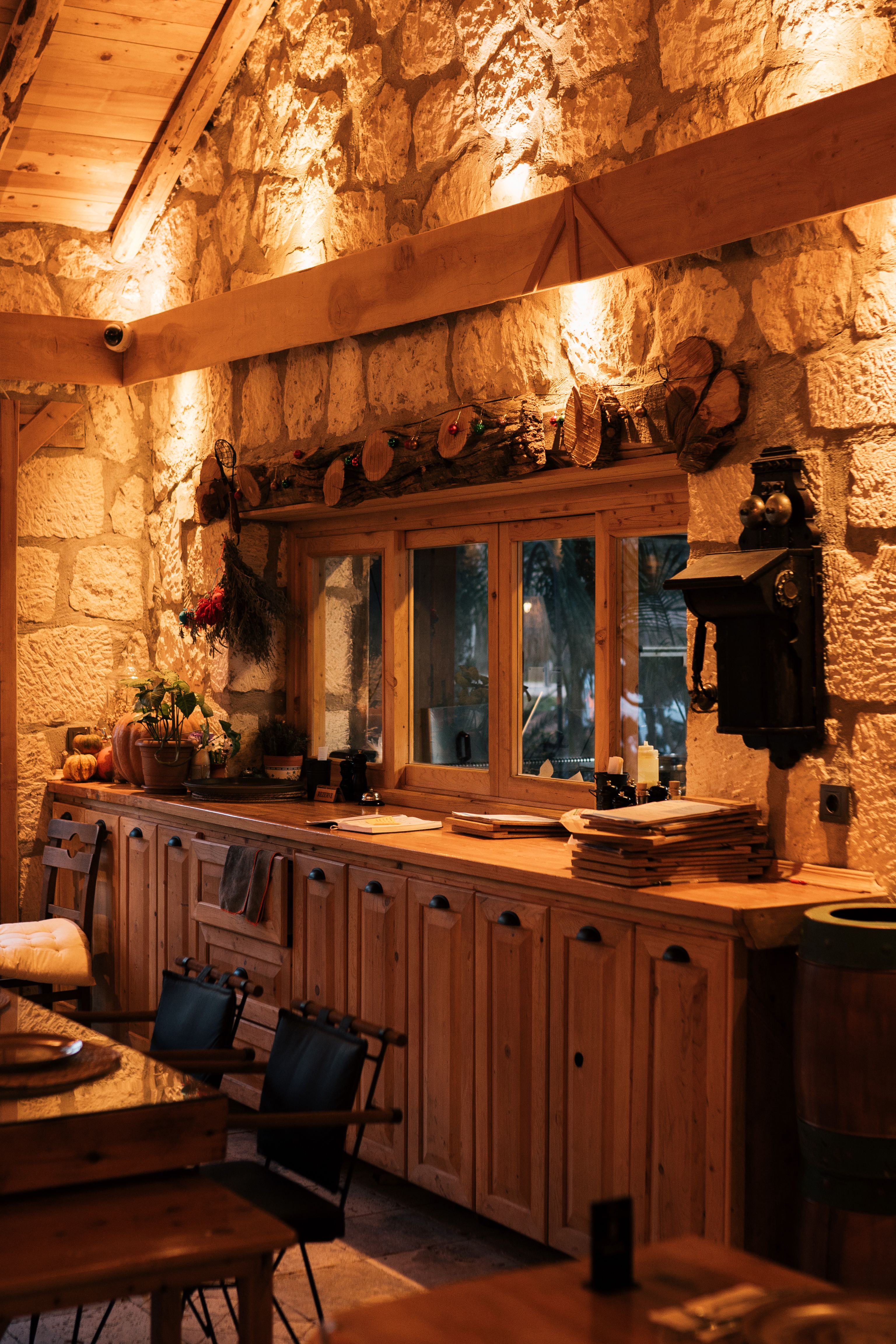
Modern cutting techniques allow builders to take advantage of thinner slabs of natural stone. These stones can be used in a variety of applications, such as stone cladding or architectural features. The thin style makes for a lighter result, which can permit installation on remodels or renovations of structures that could not otherwise support stone. These approaches can also improve the durability and energy-efficiency of the structure.
Natural stone features in modern construction for plenty of reasons. Stone is much more durable, while its overall sustainability is similar to many eco-friendly materials. The aesthetic appeal of stone makes it an ideal choice for modern construction due to its ability to fit into virtually any design. Stone anchors functionality to a whimsical design, while adding a layer of grace to spaces that might otherwise feel lackluster."