

Insights: Designing With Natural Stone Without Making a Space Feel Cold

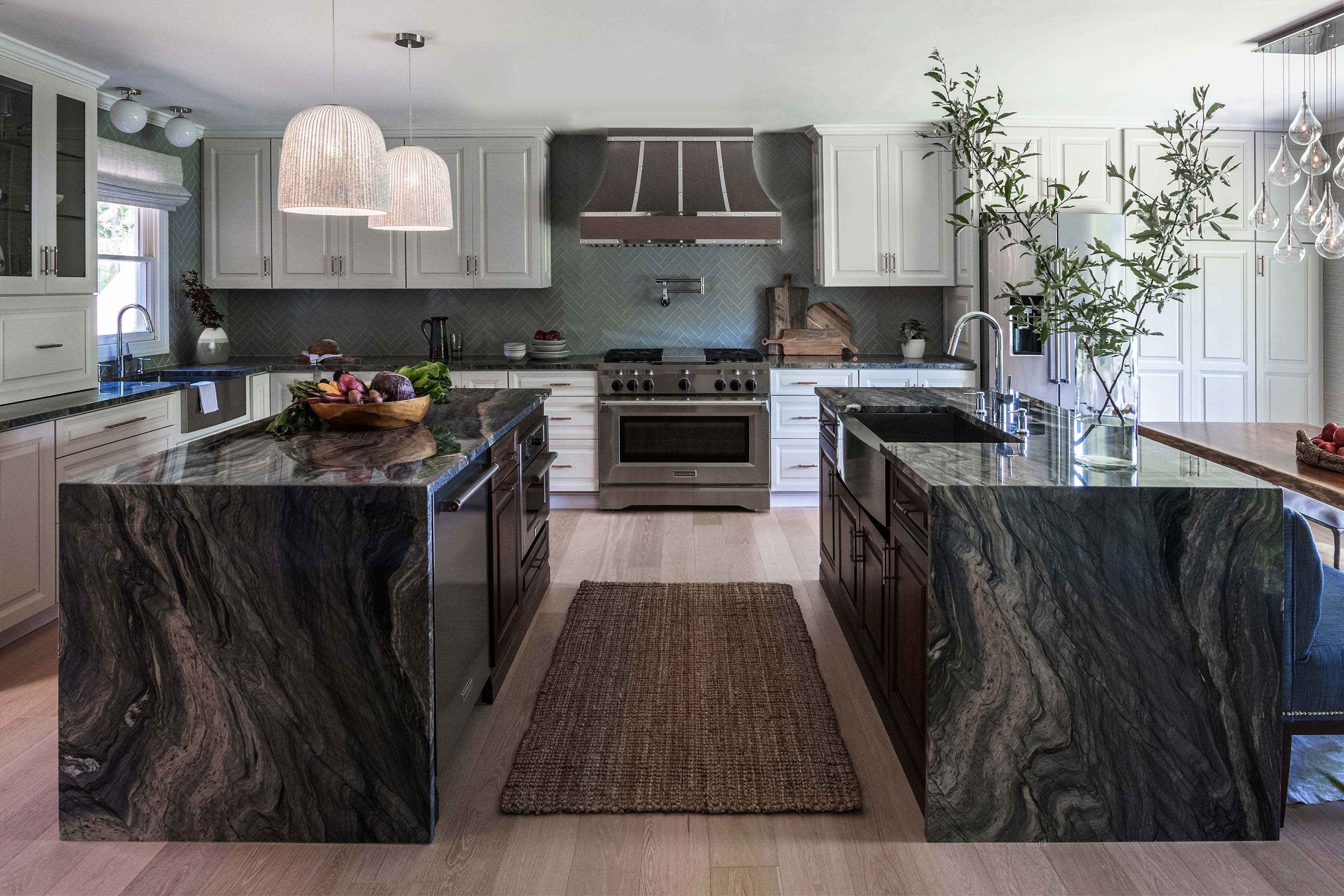
From the dramatic veining of marble to the softer variations found in limestone, natural stone can bring remarkable character to an interior. However, when large stone surfaces are combined with minimal furnishings, reflective finishes and cool lighting, the result can feel more imposing than inviting.
In this article, Boston-based interior design studio Trevor Fulmer offers us insights about material selection from his perspective across the pond. A believer in the power of collaboration, Trevor’s nontraditionalist and livable modern aesthetic pairs balance with bold geometric shapes and sculptural silhouettes.
As he knows all too well, creating warmth starts well before installation, and the type of stone, its finish, and the proportion of the room it occupies all influence the impact of the finished space. Here he shares how making these decisions alongside the wider material palette helps stone become a more natural part of the interior.
“As a whole, we’re not averse to using plenty of stone in our interiors here in the US. Nonetheless, there are several considerations we take into account when drawing up interior schemes, not least in challenging the arguable misconception that stone is a ‘cold’ surface. Timber is an effective way to introduce warmth, although the choice of species and finish should respond to the stone. Pale oak cabinetry can complement limestone flooring, while walnut provides a richer contrast against, say, a grey marble. Where the stone has pronounced veining, timber with a more subtle grain can prevent the two materials from competing for attention.
The relationship between hard and soft surfaces deserves similar thought. A marble fireplace surrounded by upholstered furniture creates a more relaxed setting than one framed by glass and metal. In rooms with extensive stone flooring, rugs can define seating areas and soften the transition between furniture and the floor. Curtains and upholstered furnishings also help absorb sound, which is especially valuable in open-plan spaces where hard surfaces can contribute to reverberation.
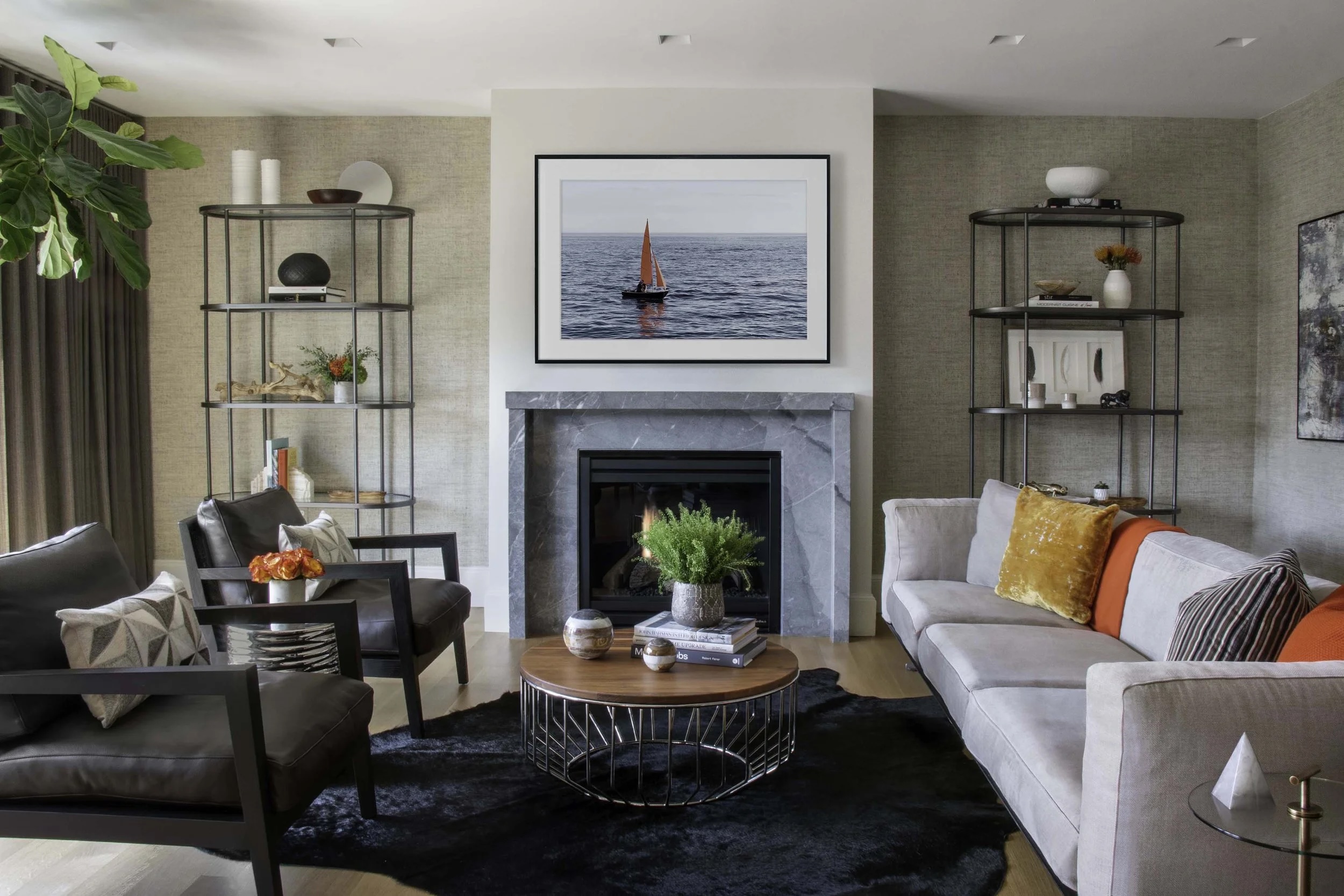
It’s worth remembering that surface treatment can influence the atmosphere just as much as the stone itself. Polished marble reflects light and draws attention to its veining, making it well suited to prominent architectural features. For a more understated appearance, honed limestone provides a matte surface that feels less formal. There are also brushed finishes, which can introduce additional texture, particularly where the stone has natural variations worth highlighting.
But before settling on a finish, it is worth viewing full-size samples alongside neighbouring materials. After all, a small sample may not reveal how prominent the veining or texture will appear across a larger installation. Natural stone responds differently to daylight and artificial lighting, making it worthwhile to test samples in their intended location. Limestone that appears warm in morning sunlight may look noticeably cooler under artificial lighting, especially in rooms with limited daylight.
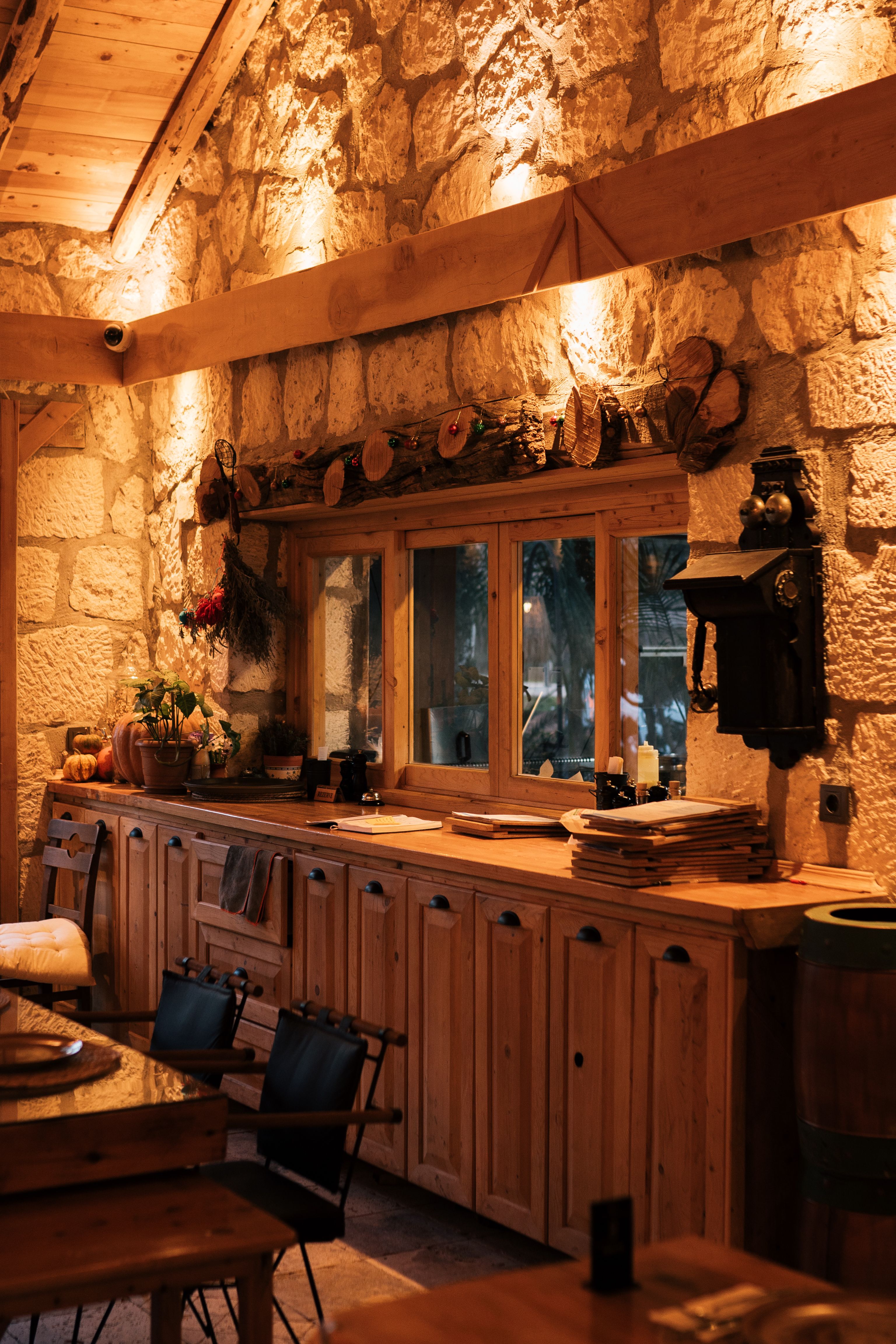
Perhaps more subtly, the placement of lighting should also reflect the surface treatment. Positioning a light source close to a riven slate wall can emphasise its texture through highlights and shadows, while softer, indirect lighting may be preferable around polished marble to limit glare. Testing these effects before finalising electrical layouts can prevent adjustments once the stone is installed.
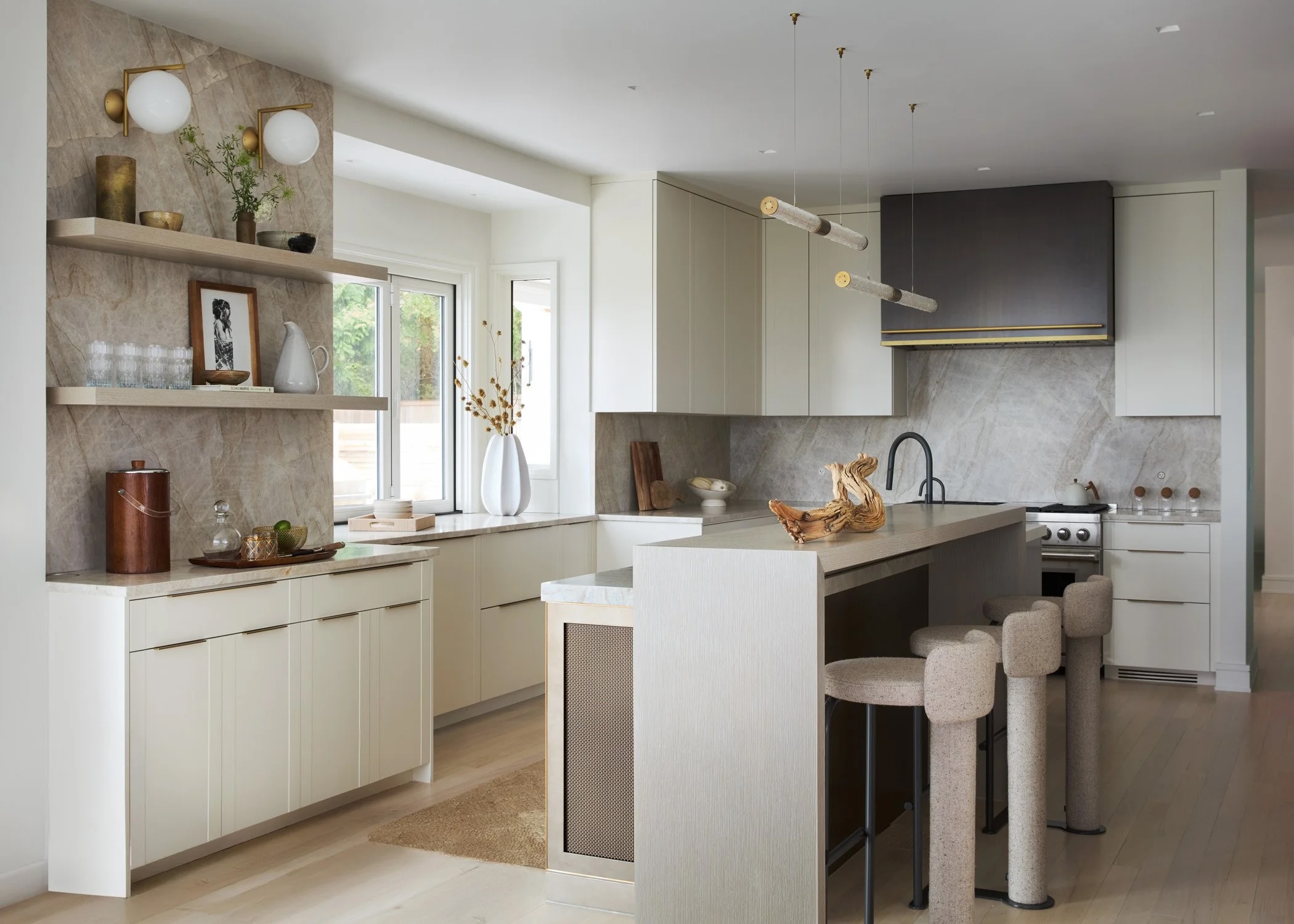
As inherent as texture is to stone, so too is colour, and bringing colour into the selection process is another opportunity to make stone feel more integrated into the room - but also a chance to let it take the lead! Rather than choosing paint and furnishings from a separate palette, designers can draw on the material's natural undertones. For instance, warm beige limestone may pair well with muted greens or earthy neutrals, while cooler grey marble can benefit from richer timber and warmer upholstery.
Faruk Tokluoğlu
As I said, we’re not afraid to use plenty of natural stone here in America, but as such, proportion becomes particularly important when it covers several surfaces. A marble feature wall may lose some of its impact if the same material continues across the floor and surrounding cabinetry. By breaking up larger installations with contrasting finishes, it gives the eye somewhere to rest and allows the stone's natural patterns to remain visible.
These relationships are easier to resolve when material selection forms part of the wider design process. Natural stone doesn't need to dominate a room to leave a lasting impression. A limestone fireplace or marble worktop can bring just as much character as a larger installation when its placement and surrounding details are thoughtfully planned. The best designs celebrate stone's natural beauty while creating interiors that feel equally inviting and comfortable.”