

Insights: The Ground Beneath Our Feet

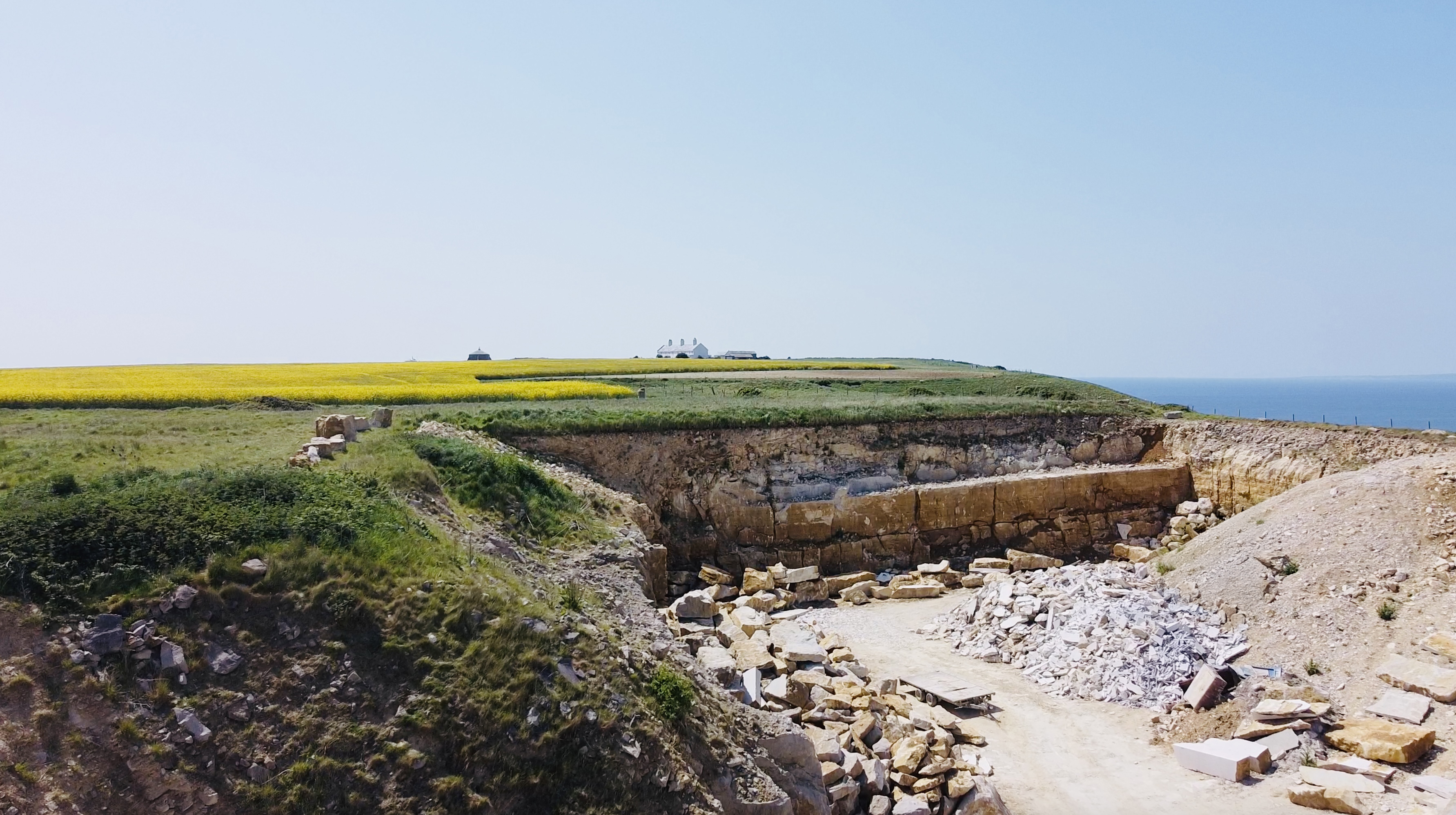
As part of an ongoing summer series, architect and researcher Giulliana Giorgi shares findings from her RIBA Scott Brownrigg Award for Sustainable Development-funded research project, Unlocking UK Stones: A Guide for Sustainable Sourcing. Drawing on fieldwork, quarry visits, and historical research, this unique collection of insights will underline why geology matters to architectural practice. The first installment explores how a better understanding of Britain's geological resources can inform more sustainable specification and reconnect architectural practice with the landscapes from which building materials originate.

“The UK is extraordinarily varied in geological resources, yet architecture has gradually lost the knowledge systems that once connected geology to design.
Over the past year, while researching the potential of indigenous stone, I found myself looking at buildings - and landscapes - rather differently. The research began with a question about lower-carbon construction, but it gradually became an exploration of where our materials come from and how that knowledge shapes architecture.
Britain possesses one of the most geologically diverse landscapes in Europe. As Alec Clifton-Taylor observed in The Pattern of English Building, the complexity of its geology has given rise to an extraordinary variety of architecture within close proximity. The warm oolitic limestone of Bath, the sandstone of Edinburgh and the granites of Cornwall are expressions of local geology. Before the expansion of the railway network, builders quarried the nearest workable stone. Across the limestone belt from Dorset to Lincolnshire, fine-grained beds produced ashlar towns such as Cirencester and Stamford. Elsewhere, thinner or harder stone resulted in coursed rubble construction bound with lime mortar. Geological conditions influenced how stone could be extracted, worked and assembled, becoming part of the architectural language of a place.
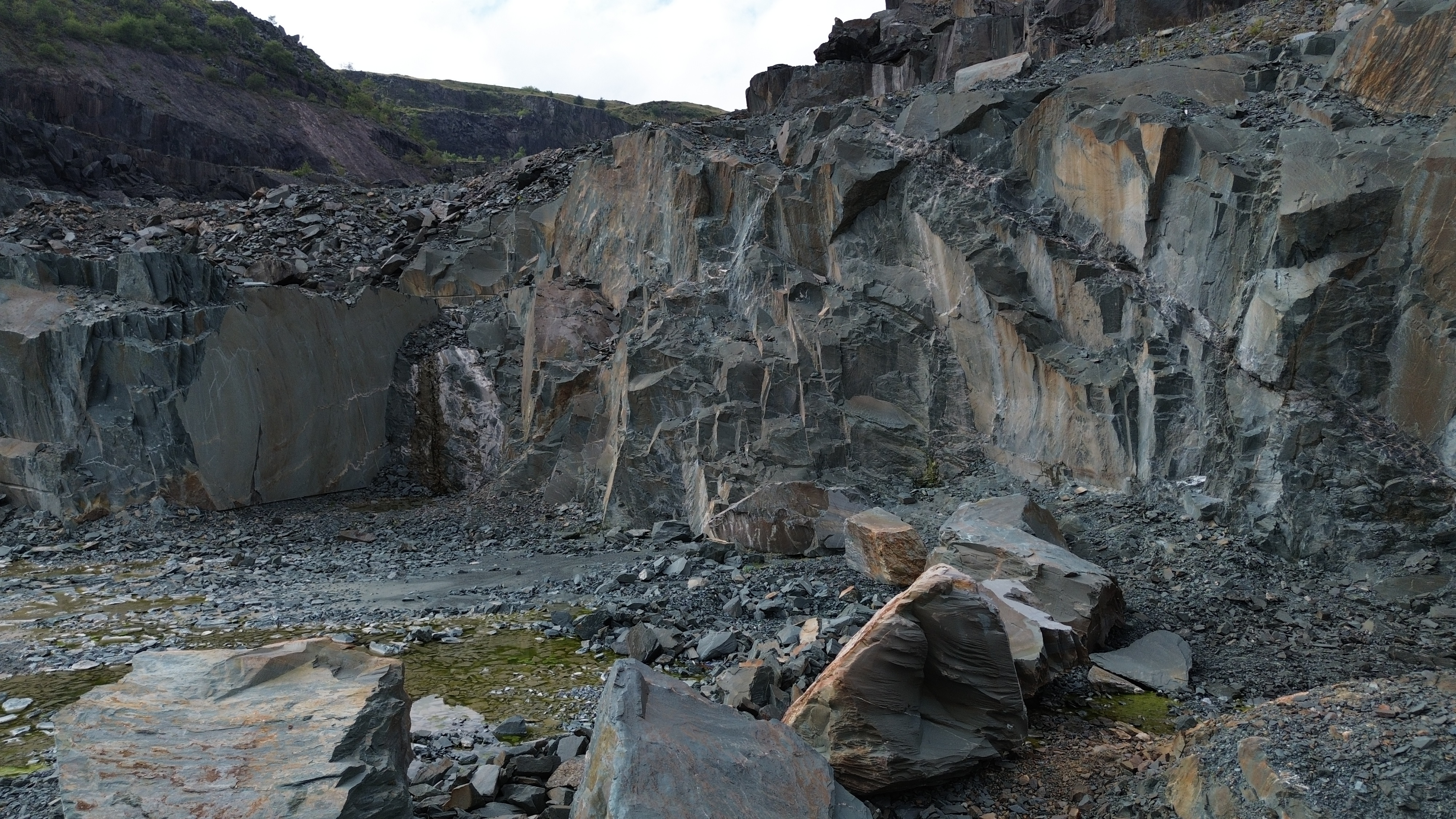
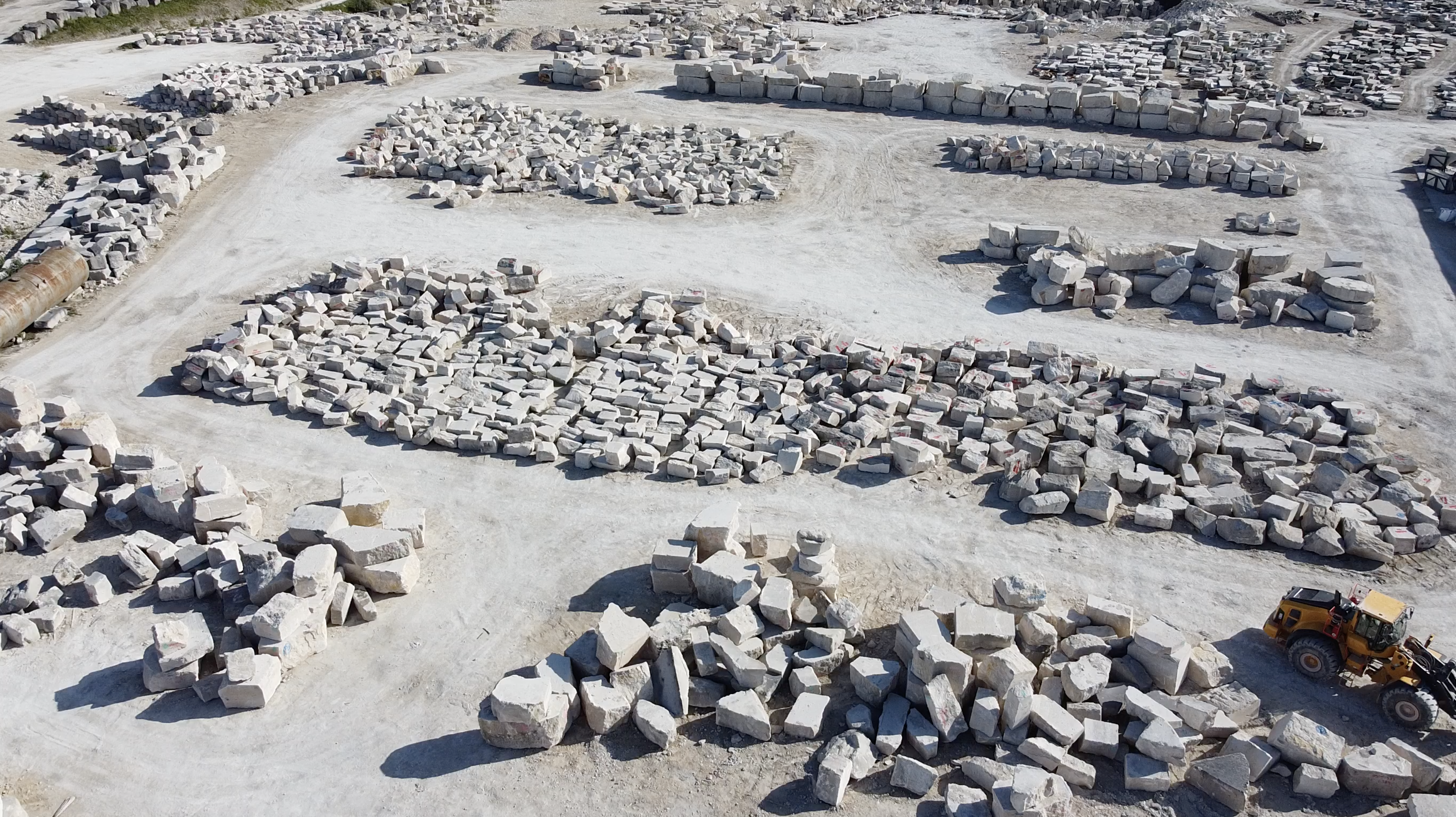
Standing at the face of a working quarry, it becomes difficult to think about materials in the abstract. Every block belongs to a history of deep time and to a landscape from which it is extracted. Bedding planes determine its dimensions, mineral composition influences its colour, and its structural properties are the result of multiple complex processes. These geological conditions become constraints that could re-establish an architectural vocabulary of the place.
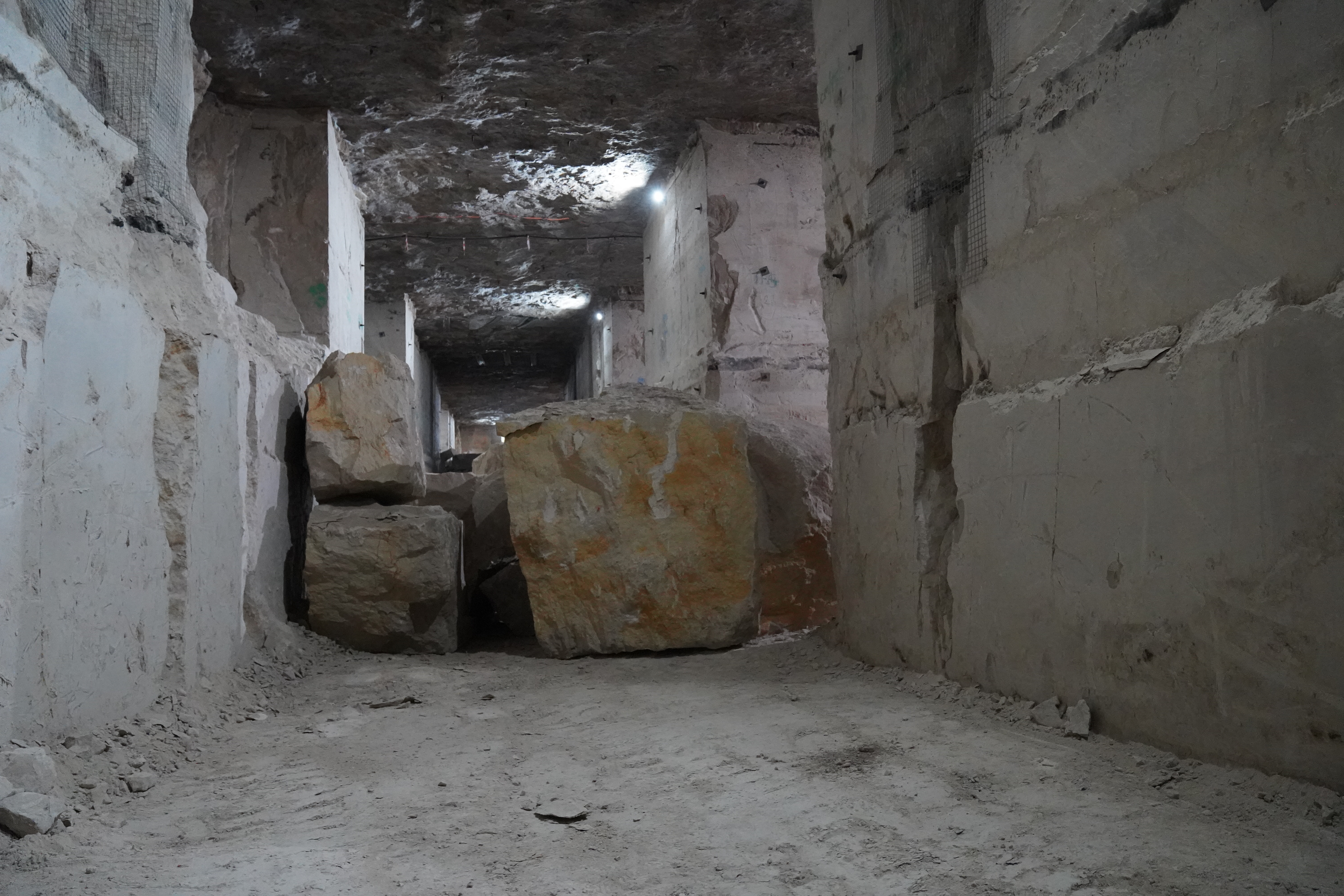
Great Britain still has almost 400 active dimension stone quarries, yet around 80% of the stone used in construction is imported. Alongside these active sites are thousands of historic quarries that once supplied nearby towns and cities. Some have closed, others lie dormant, but together they represent a resource that has largely disappeared from contemporary architectural conversations. The question is not simply one of supply. It is one of knowledge: knowing what resources exist, where they are found and how they might contribute to future construction.
Several months after completing the research, I was invited to present it as part of the Collections Lab, a collaboration between the University of Cambridge Department of Architecture and the John Watson Building Stones Collection at the Sedgwick Museum. Afterwards, I visited the John Watson Collection itself. Beginning with around 300 specimens donated in 1905 and eventually growing to some 2,500 stones, Watson systematically documented the building materials that shaped Britain, recording their provenance, commercial names, physical properties, compressive strength and applications. The collection also reflects the colonial networks through which material resources were assembled.
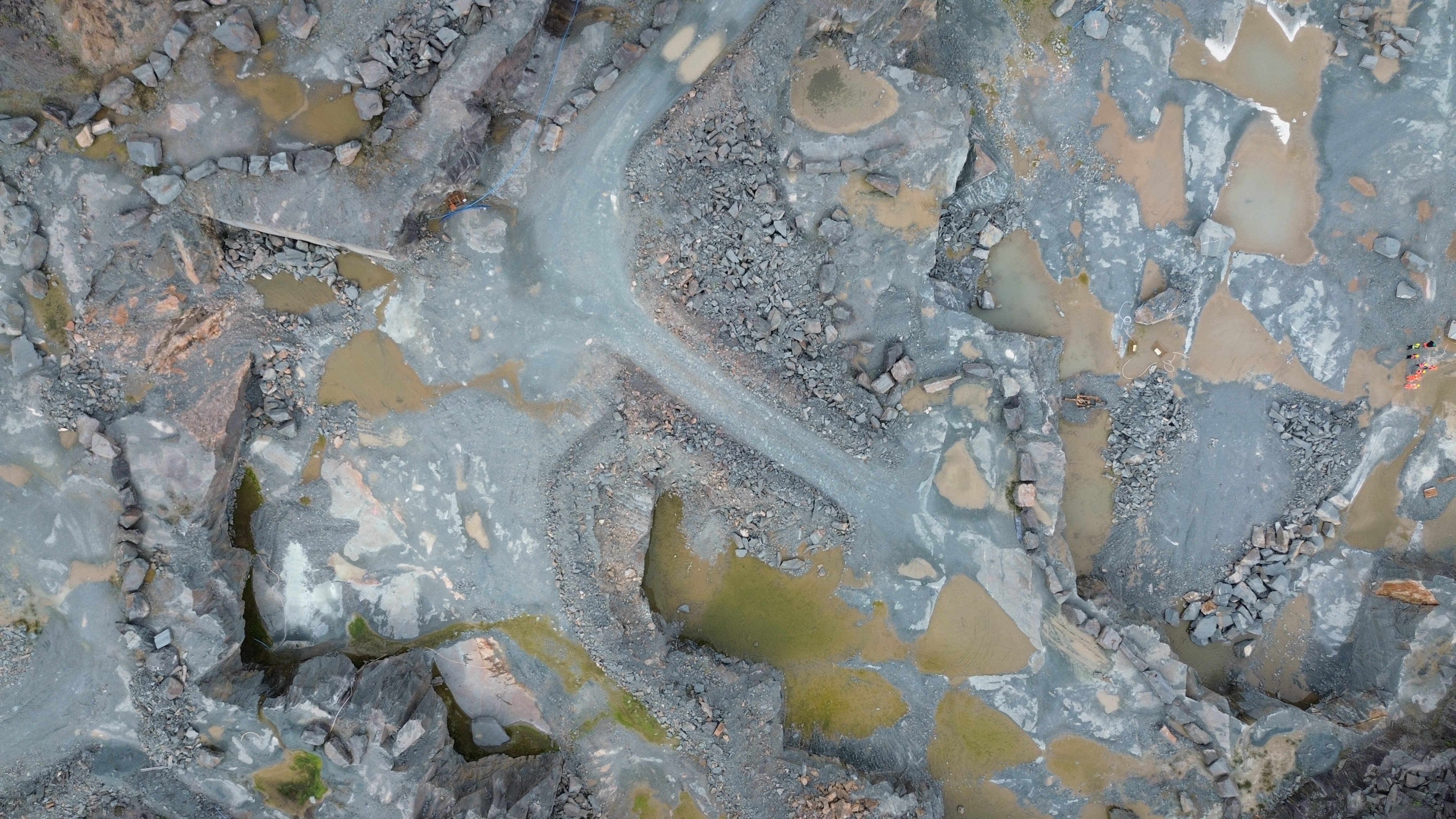
Previous generations understood where different stones came from, how they weathered, how they behaved structurally, and where each was most appropriately used. Stone was not a singular material but a diverse family of geological resources. Today, it is frequently reduced to a cladding product selected from a sample board and chosen for its appearance, procured internationally rather than sourced from the landscapes that surround us. Recovering that literacy does not mean returning to historic methods. It means recognising that different stones possess different compressive strengths, densities, porosities and weathering characteristics, and that these qualities matter both environmentally and architecturally. Stone records time through weathering, responds to local light and climate, and carries the history of the landscape it came from. These qualities cannot be imported.
Research has a habit of changing the questions we ask. I began by asking whether indigenous stone could contribute to lower-carbon construction. I finished asking how architecture might change if we understood our materials before we specified them. Every material has a geography. Specifying materials should consider this.
Britain's geological diversity is an underused design resource. Understanding indigenous stone, more than specifying local materials, is about understanding the landscapes and communities that supply our buildings and recognising that geology, provenance and material performance remain fundamental parts of architectural practice.”