

Insights: Understanding The Differences Between Solid and Engineered Wood

As timber flooring continues to evolve, the distinction between solid and engineered construction has become increasingly important for architects, designers and homeowners alike. While solid wood remains closely associated with traditional craftsmanship and heritage projects, engineered timber has become the preferred choice for many contemporary interiors thanks to improvements in stability, installation and long-term performance.
Anthony Scott, Global Product and Innovation Director at Havwoods, believes understanding how the two products differ is essential to making the right specification.
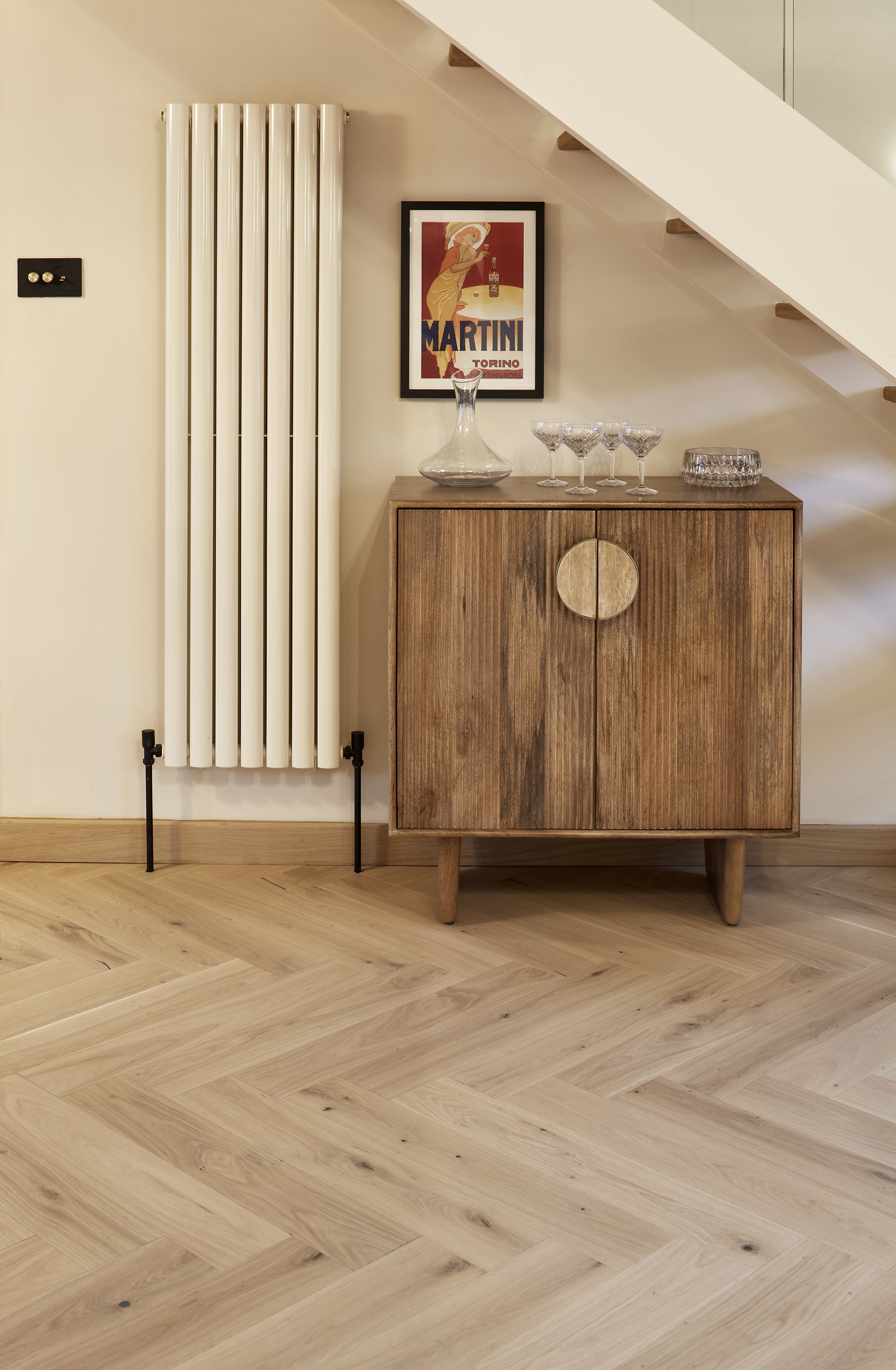
The biggest distinction is in the construction. Solid wood flooring is produced from a single piece of hardwood, while engineered boards combine a real hardwood wear layer with multiple supporting layers beneath. That construction makes engineered flooring significantly more stable, reducing the natural movement caused by changes in temperature and humidity.
This is particularly important in today's homes, where underfloor heating, large areas of glazing and open-plan living create conditions that can cause solid timber to expand, contract or develop gaps over time. Engineered flooring is designed to minimise that movement, giving homeowners much greater flexibility over where timber can be used.
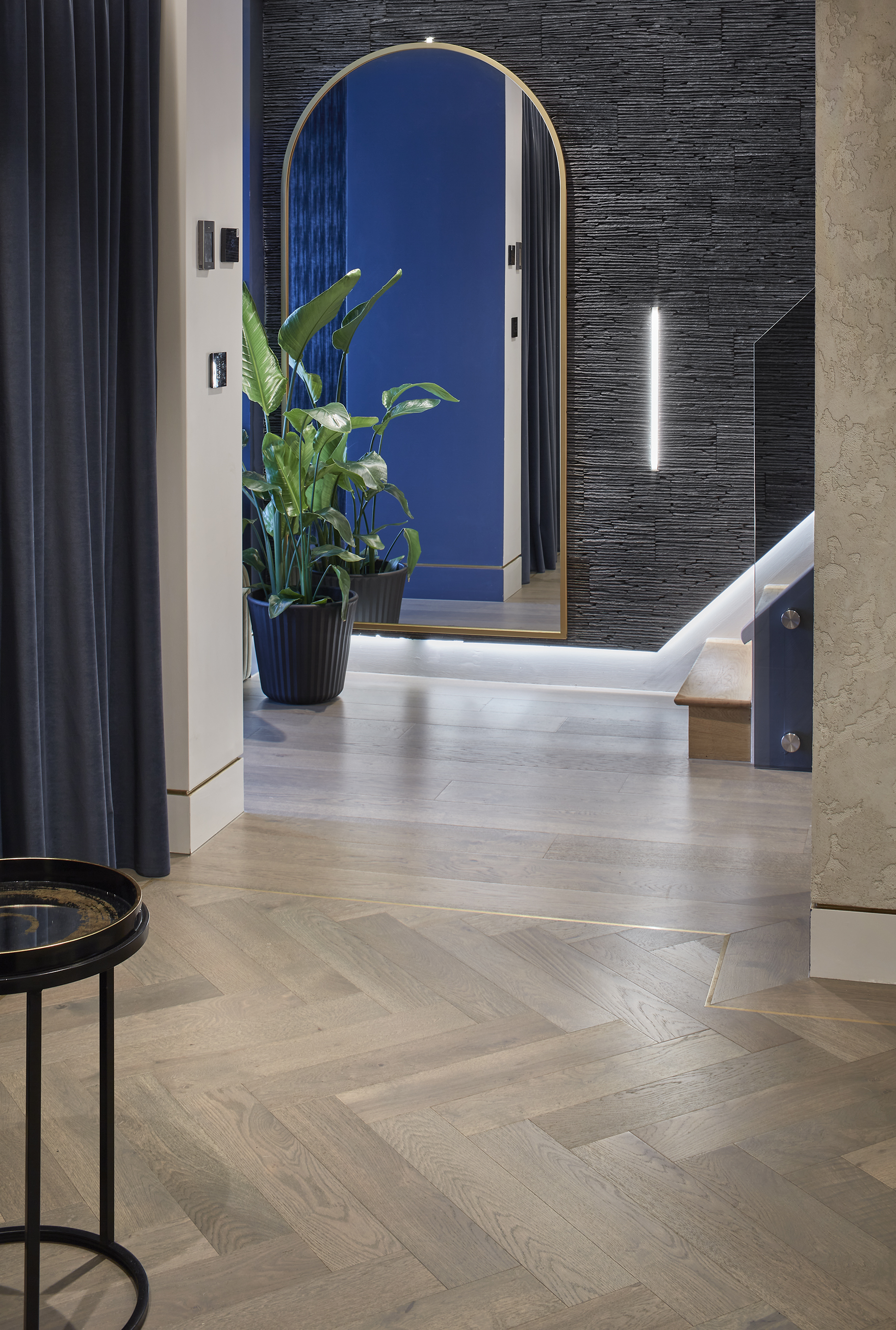
That stability also opens up more design possibilities. Engineered construction allows manufacturers to produce wider and longer boards than would normally be practical with solid timber, while making more efficient use of the raw material. It also provides the consistency needed for patterned floors such as herringbone and chevron, together with a broad choice of factory-applied finishes including UV oils, lacquers and brushed textures.
Installation is another area where engineered flooring has changed expectations. Most products are compatible with underfloor heating when installed correctly, making them well suited to contemporary residential and commercial interiors. Because many boards are supplied pre-finished, designers and clients know exactly how the floor will look before installation begins, while reducing the amount of finishing work required on site.
We generally recommend engineered boards are glued down, although many products can also be installed as floating floors using click-lock systems. Solid timber, by comparison, is fixed directly to the subfloor using nails or adhesive, creating a more permanent installation that can be more difficult to alter later.
Longevity is often seen as the main advantage of solid wood because it can be sanded and refinished repeatedly. However, engineered flooring can also be manufactured with substantial wear layers that allow multiple refinishing cycles. The benefit is that wear layer thickness can be tailored to suit different applications, providing an appropriate balance between durability, service life and efficient use of timber resources. Products with thicker wear layers are particularly well suited to high-traffic environments where long-term performance is a priority.
Solid timber will always have an important place, particularly in period properties and like-for-like restoration projects. But engineered wood now offers the same authentic timber surface while providing greater stability, flexibility and compatibility with modern methods of construction. As projects increasingly demand durability alongside timeless design, engineered flooring has become the practical choice for a growing range of applications."