

News: Cragside House to get a lift

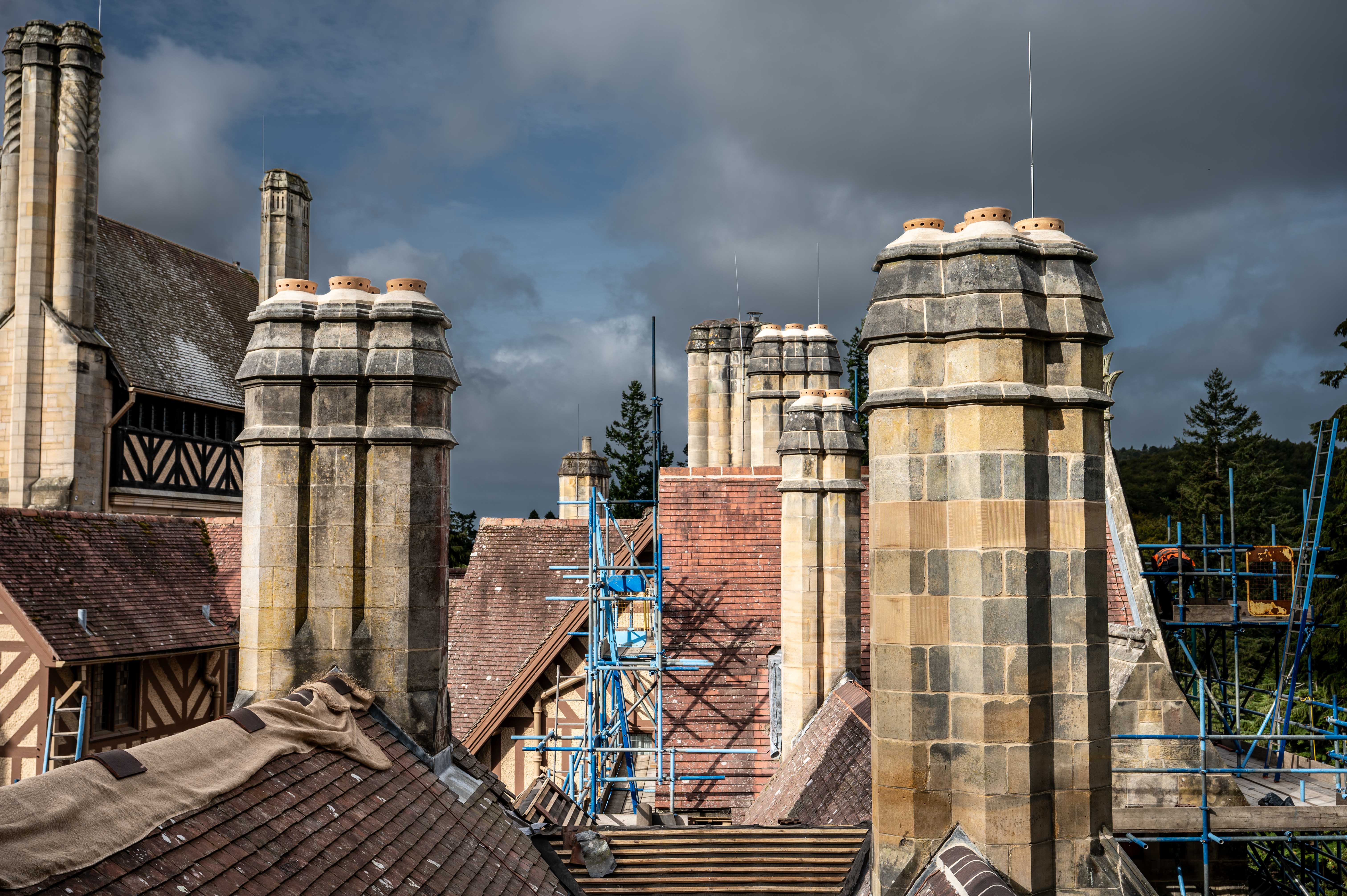
Specialist conservation works are underway at Grade I listed Cragside House in Rothbury, where North Shields-based Classic Masonry has been appointed to conserve the property's historic chimney stacks.
The work forms part of a wider refurbishment of the house roof being delivered by principal contractor Datim Building Contractors for the National Trust. The programme includes renewal of roof coverings, associated leadwork and rainwater goods, with Classic Masonry responsible for specialist masonry conservation to the multiple historic chimney stacks.
Cragside was created by industrialist and inventor William Armstrong and his wife, Margaret Armstrong, and is noted for being the first house in the world to be lit using hydroelectricity. Its Victorian fabric makes careful conservation particularly important, with the work requiring materials and techniques appropriate to the Grade I listed building.
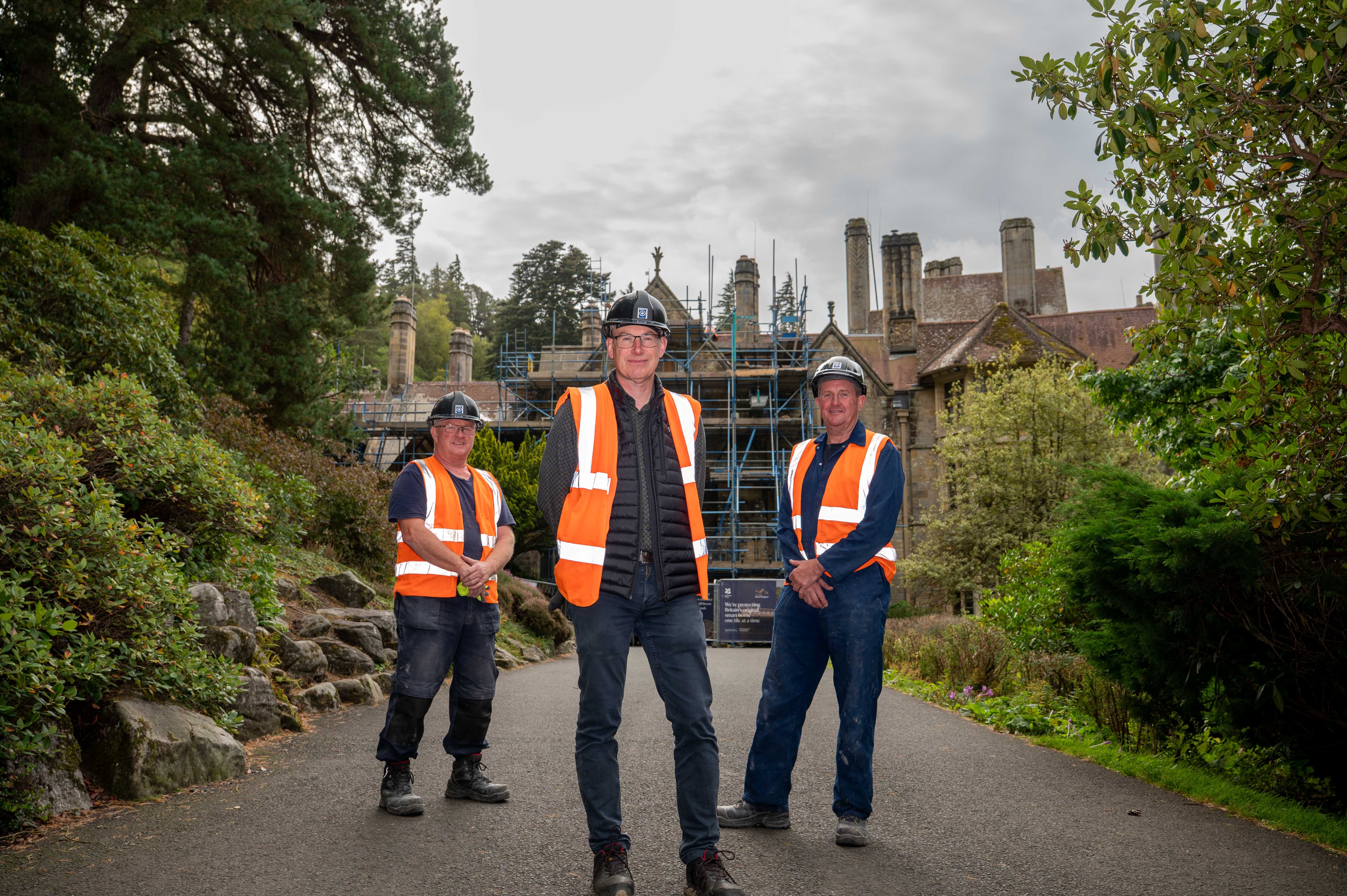
Classic Masonry has worked on a number of significant North East heritage buildings over its 35-year history, and the significance of the historical site is not lost on the team behind the work.
"Cragside is one of Britain's most significant Victorian country houses and projects of this nature demand the very highest standards of heritage craftsmanship," says Mike Moody, managing director of Classic Masonry.
Their package for the site is typically thorough and includes specialist stone cleaning, repointing, stone indenting, and flue repairs. Before work began, the project team developed a series of trial panels to establish appropriate natural hydraulic lime mortar mixes, using carefully selected sands and mortar ratios. As Moody explains, “Traditional materials and techniques are essential to ensuring the building's historic character is preserved while providing durable repairs for the future." The mixes were then submitted for approval to ensure that repairs remain sympathetic to the original masonry.
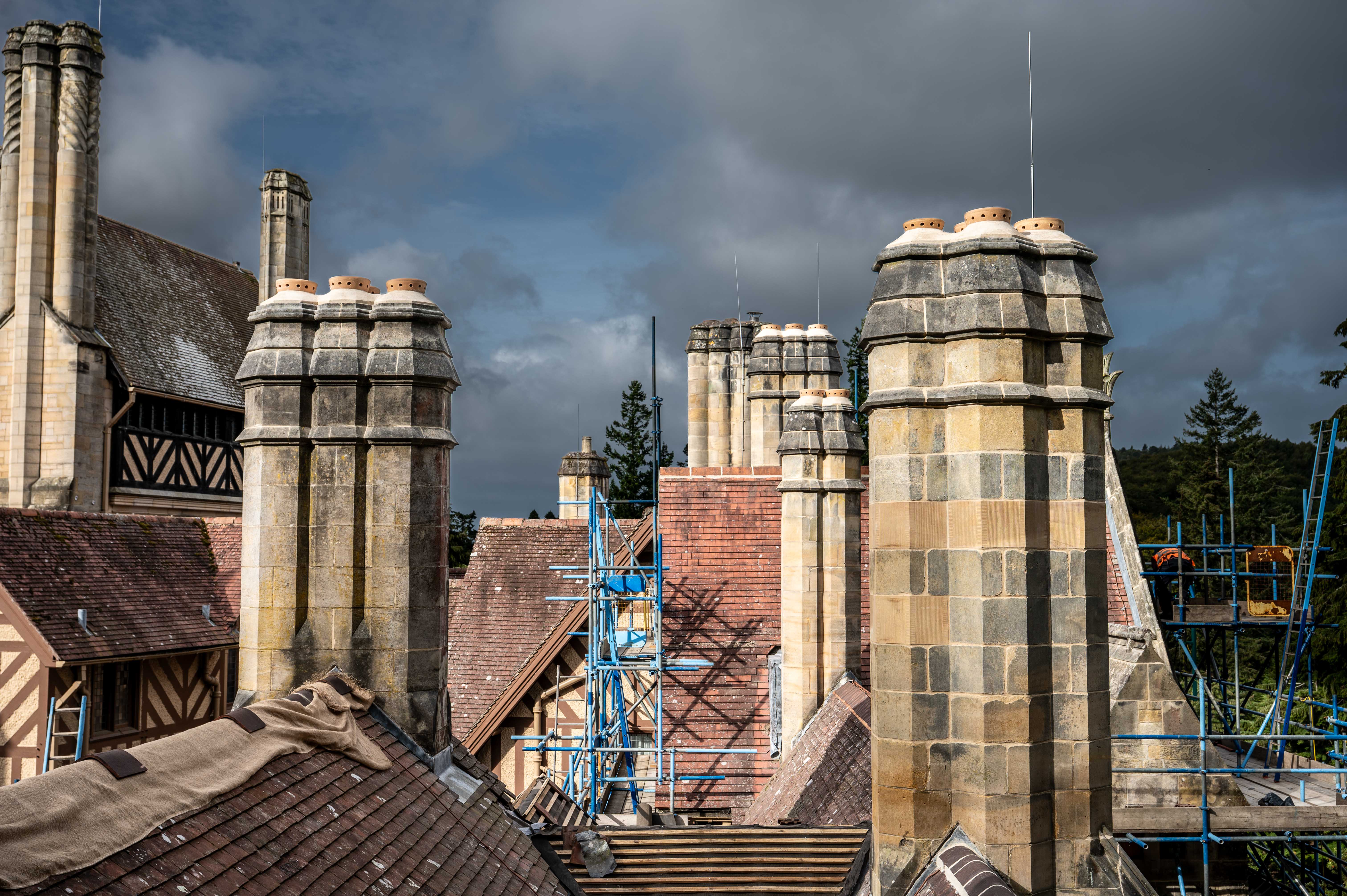
The project highlights the importance of conservation work in extending the life of historic masonry. Stone can survive for centuries, but as we’ve recently highlighted, its continued performance depends on appropriate maintenance, compatible repair materials and skilled intervention. On listed buildings, seemingly small decisions about mortar, stone replacement and detailing can have a lasting effect on the historic fabric.