

News: Regenerative Design puts materials at the heart of architecture

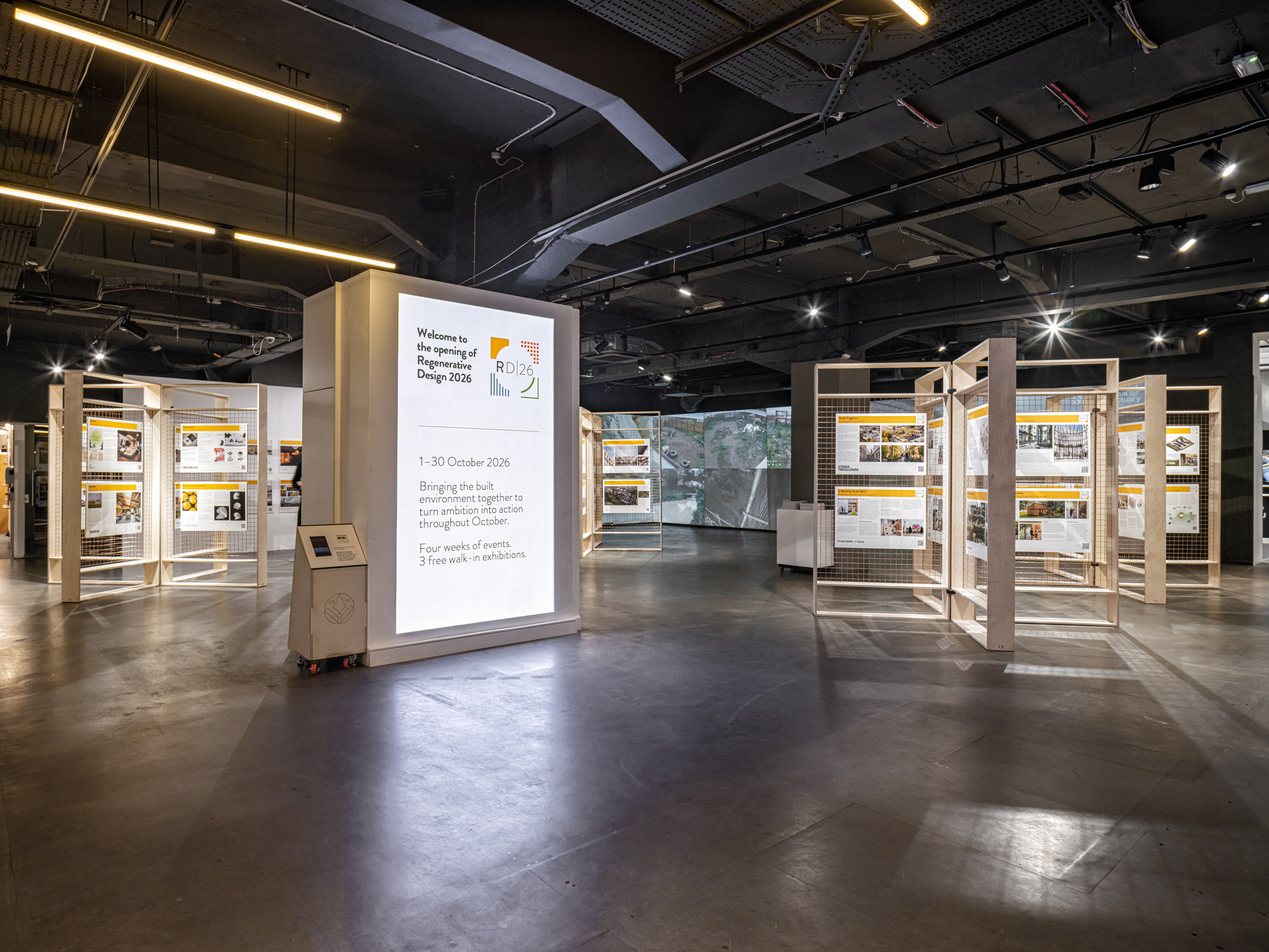
The relationship between materials, ecology and the built environment is under scrutiny at Regenerative Design 2026, a series of exhibitions at London’s Building Centre exploring how architectural practice can move beyond minimising environmental harm towards making a positive contribution to people and the natural world.
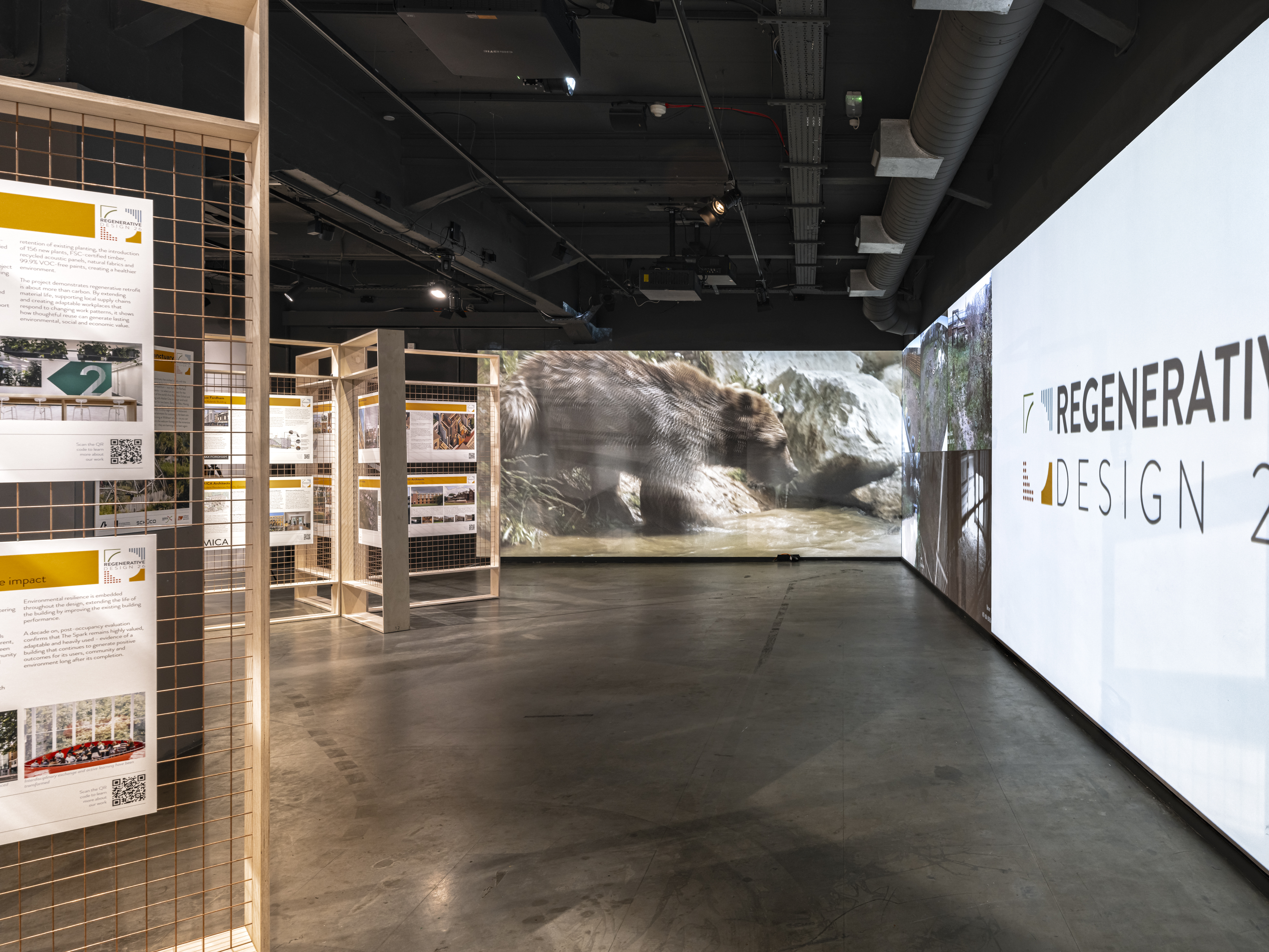
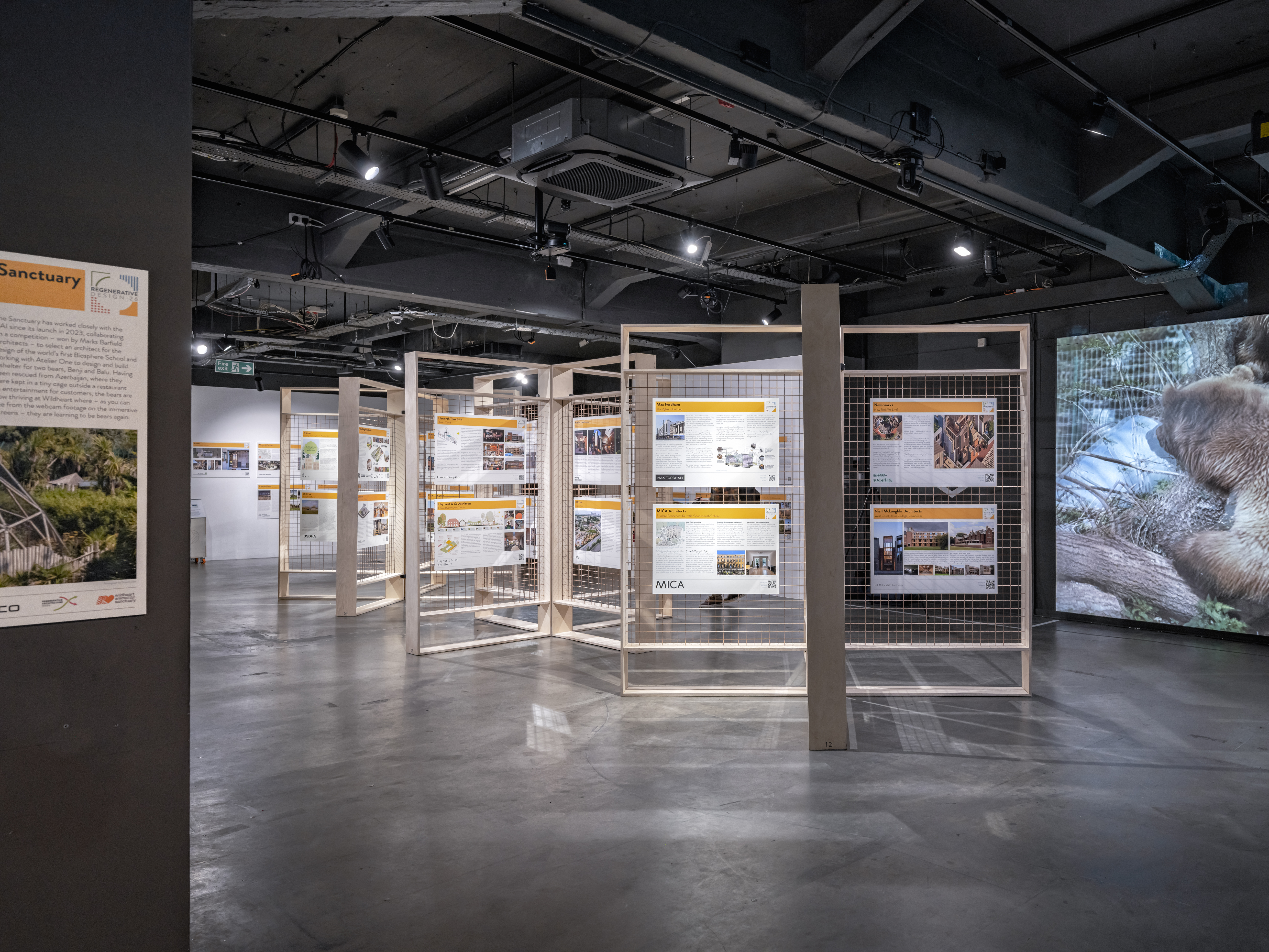
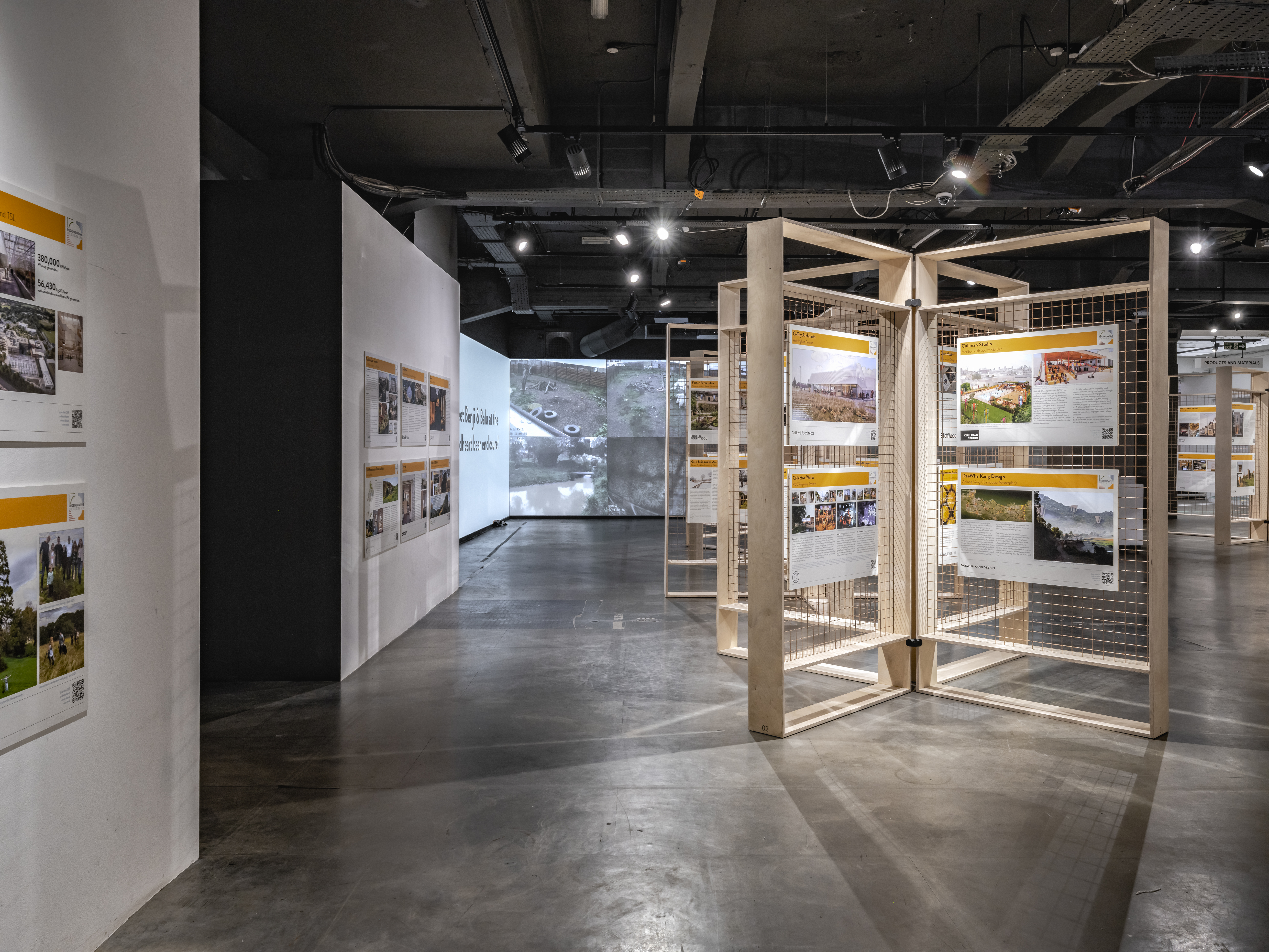
Running until 30 October, the programme includes Regenerative Design 2026: Case Studies, bringing together more than 100 practices participating in the Regenerative Architecture Index (RAI). The projects demonstrate how regenerative principles are being applied across architecture, engineering and landscape design, with material selection, resource reuse and the restoration of natural systems central to many of the approaches on show.
Materiality comes to the fore across a number of the projects on display, with dRMM turning their attention to English timber. Building from England’s woodlands challenges the disparity between the number of hardwood species found within the UK’s forests and the number of buildings that are made from it. They attribute this underuse to ever-decreasing knowledge and skills required to work with timber such as oak, beech and sweet chestnut. Funded by Forestry England, the team proposes innovative hybrid timber that combines softwoods and hardwoods.
Atelier One’s Green School Gymnasium in Bali explores another naturally growing material. Designed by Elora Hardy of IBUKU, it explores the structural potential of bamboo, a renewable material that offers an alternative to more carbon-intensive construction systems. Known for its fast growth and inherent strength, its use as a structural element within the project places its natural properties and construction possibilities at the centre of the architecture.
Arbor Architects put the circular front and centre with The Tin Barn EnerPHit, transforming two derelict barns into a sustainable, resilient home. A new timber frame created from locally sourced forests allowed them to repair rather than demolish the existing buildings, while salvaged stone and metal roofing were integrated into the design to save on waste. The resulting abode has achieved the Passivhaus EnerPHit standard, proving that it can be done with retrofit as well as new build.
Material sourcing is equally important to BakerBrown Studio’s Bradbury Den, a year-round classroom at Chailey Heritage Foundation. Built using locally sourced straw, clay from the site and English oak, the project connects the building to its immediate surroundings. Students, staff and volunteers also participated in its construction, linking the use of natural materials with community involvement and practical skills.
Together, the projects suggest that regenerative material specification requires a broader understanding of value. Embodied carbon remains an important consideration, but the circumstances of extraction, the potential for reuse, the skills involved in construction and the consequences for local ecosystems also matter. Natural materials are not automatically regenerative, just as recycled content alone cannot establish a product’s overall environmental value. The wider question is how a material contributes to a system that can sustain itself over time.
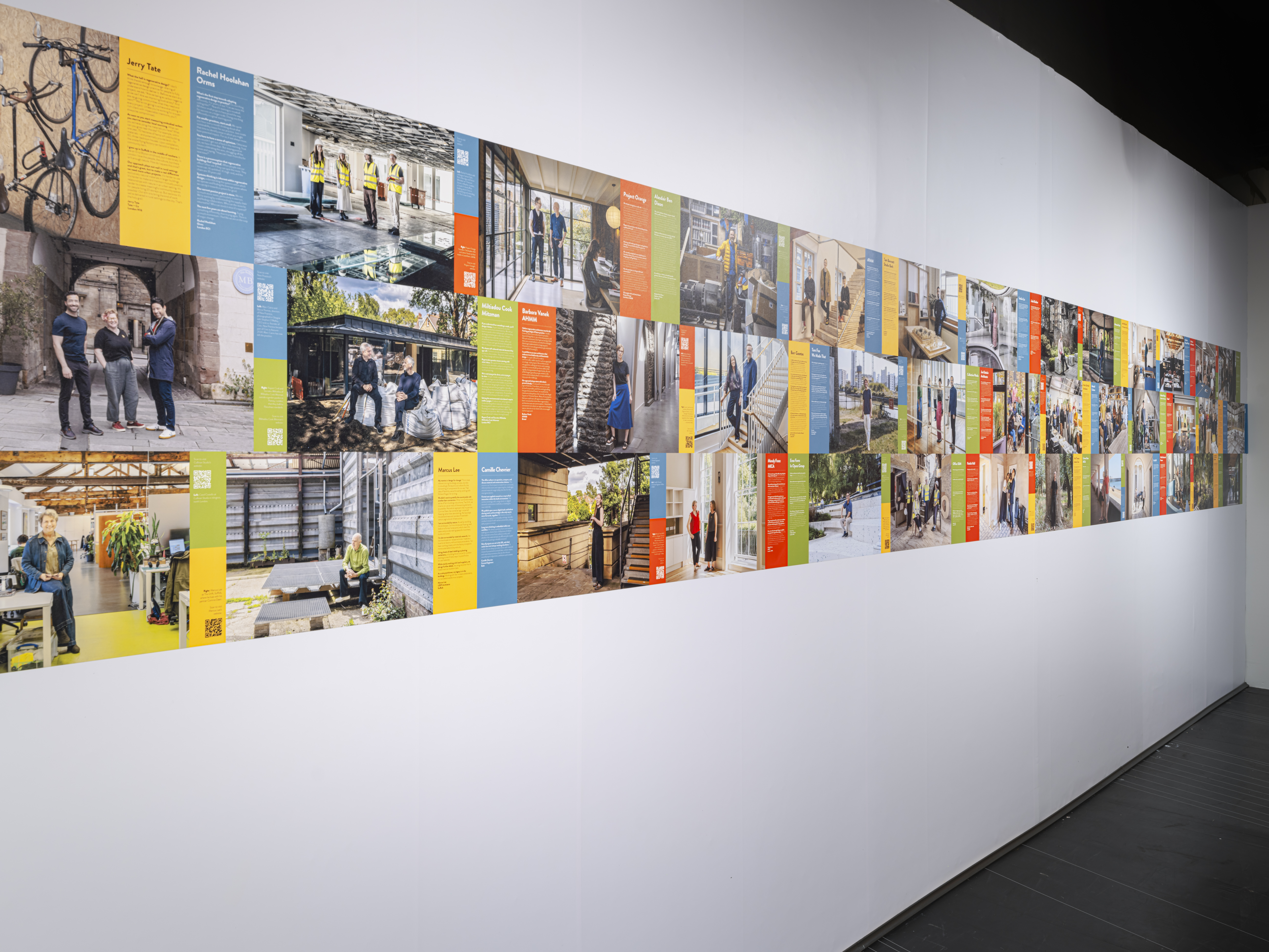
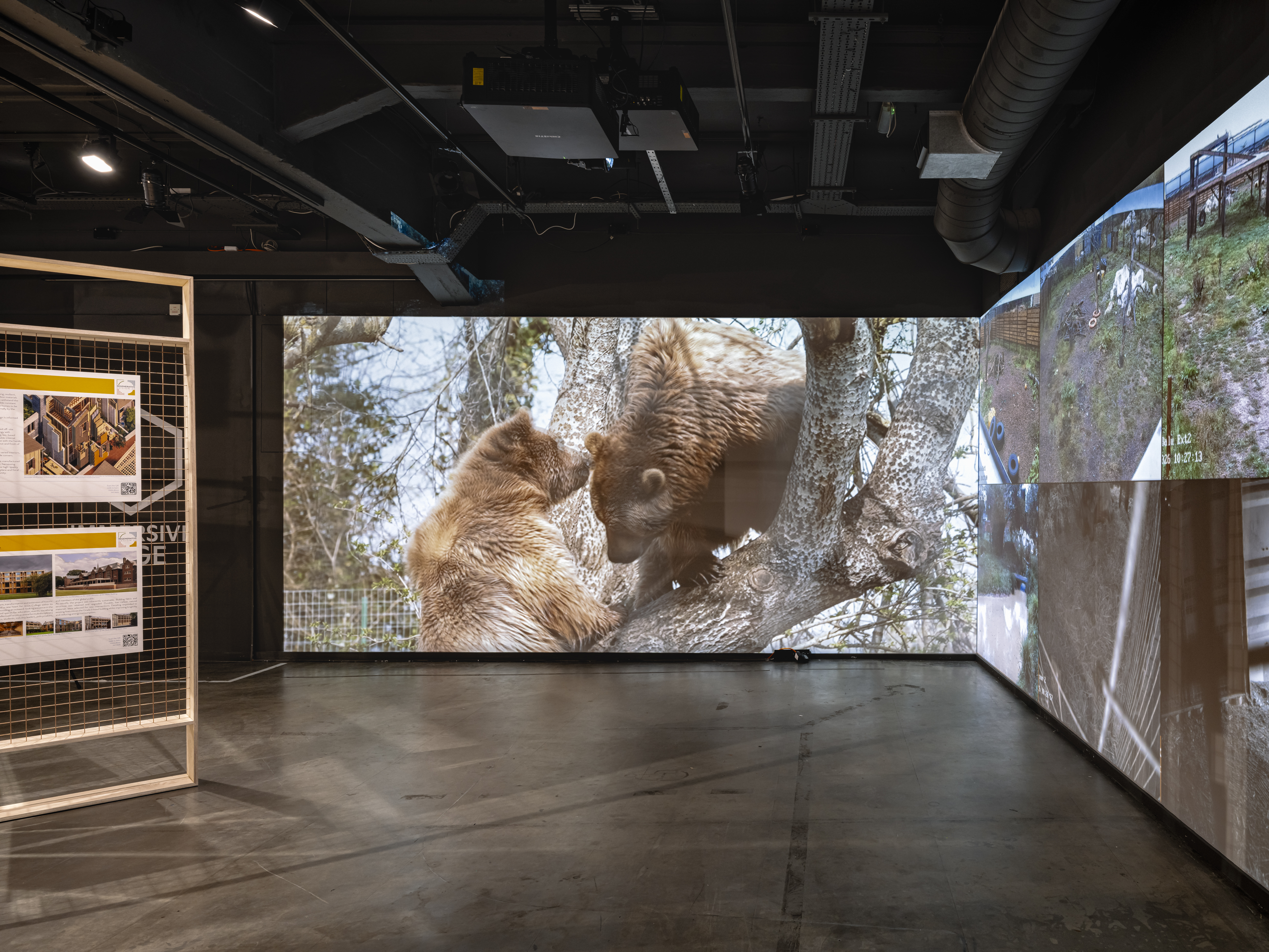
Alongside the case studies, Reinventing Practice presents portraits by architectural photographer Timothy Soar, accompanied by interviews examining how organisations are changing their working methods. A third exhibition, Wildheart: The Bears, uses live footage from Wildheart Animal Sanctuary on the Isle of Wight to explore the relationship between architecture, habitat and animal welfare.
Centred on the RAI, the programme brings practical examples together with a wider examination of the changes needed across the construction industry. For practices interested in regenerative design, the projects offer a reminder that material choices are not simply a question of finish or specification. They can influence how buildings are constructed, how resources circulate and how architecture relates to the living world around it.
All images © Timothy Soar