

Profile: Amorim Cork Solutions

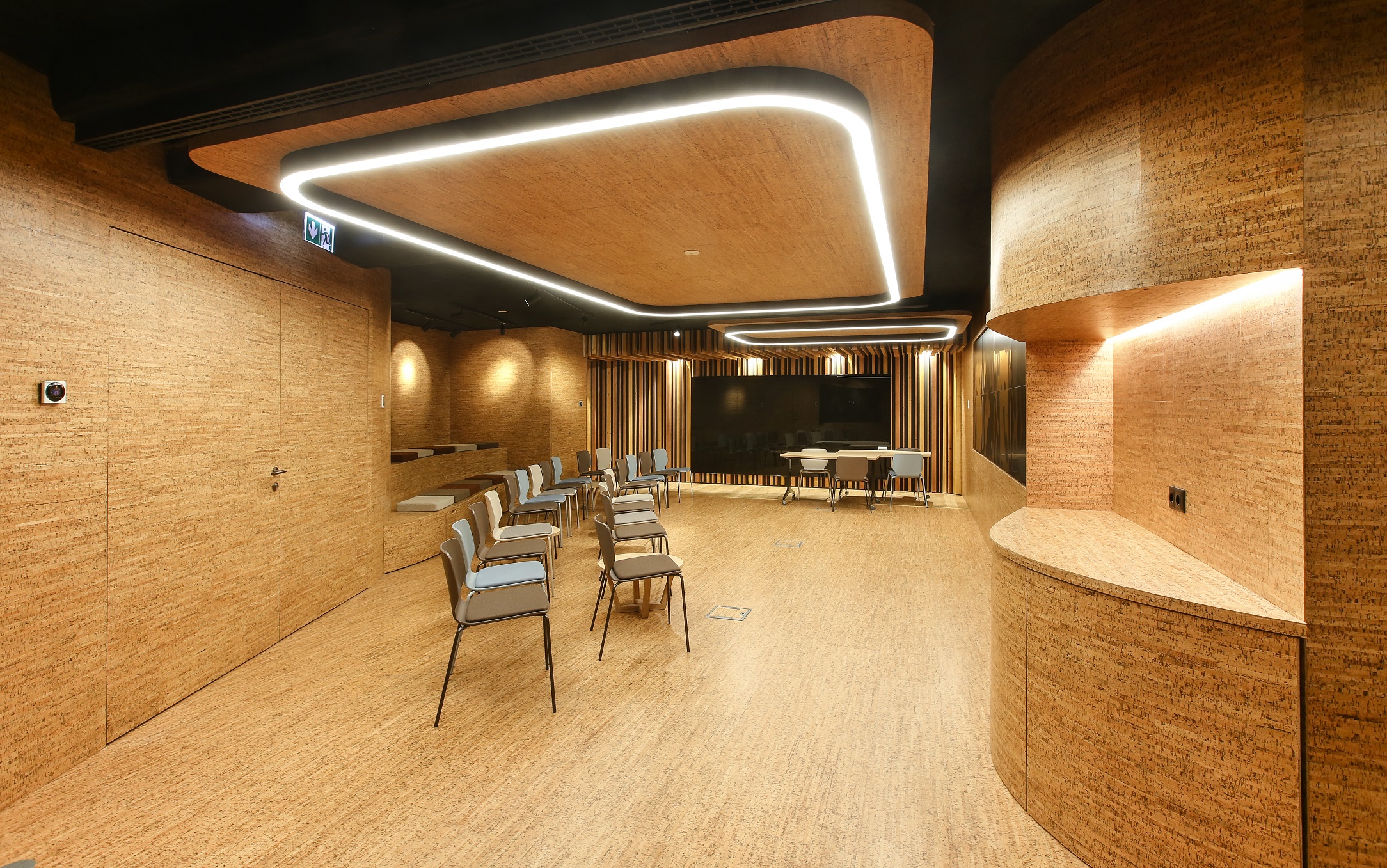
Few natural materials have been as consistently adapted, refined and industrialised as cork. Harvested from the bark of the cork oak tree without felling the tree itself, it sits at a rare intersection between renewable resource and high-performance industrial material. At the centre of its continued evolution is Amorim Cork Solutions, the flooring and wall systems business of the Amorim Group, whose heritage in cork dates back to 1868.
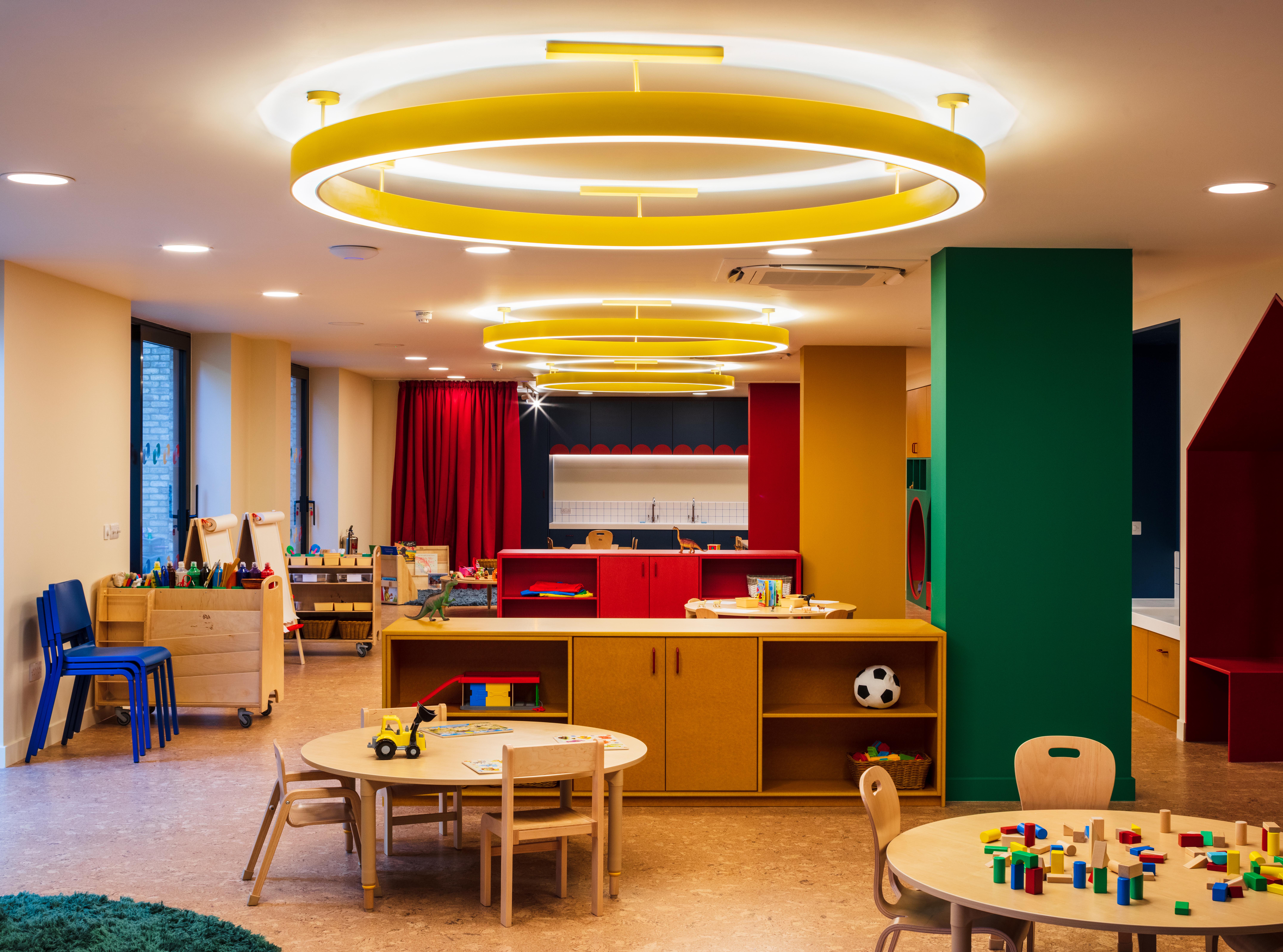
With deep roots in Portugal’s cork industry and a long-standing commitment to working with natural materials, the company has developed a portfolio of flooring and surface systems that combine cork’s inherent properties with contemporary manufacturing technologies. Under the Wicanders brand, Amorim Cork Solutions has spent decades refining how cork can be used not only as a niche material, but as a mainstream surface solution for residential, commercial and public environments.
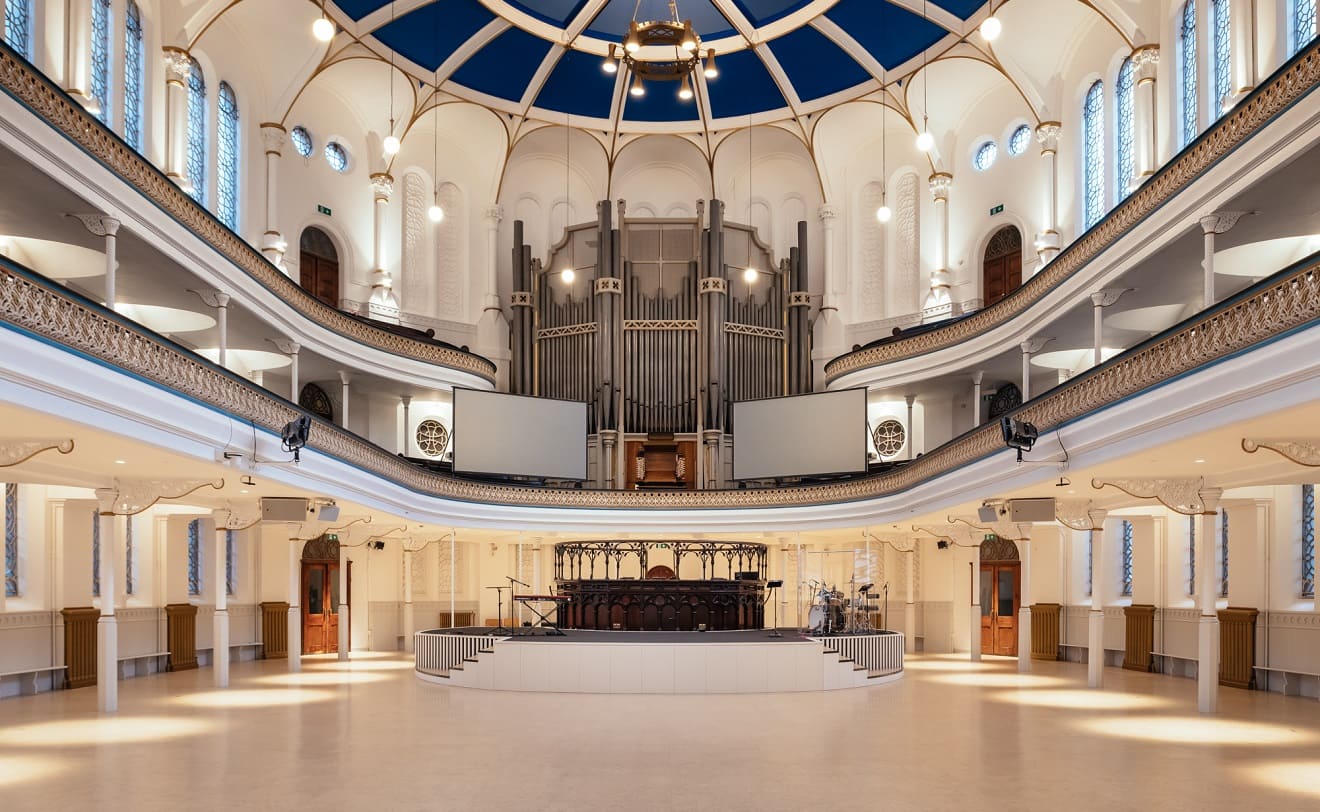
At its core, cork offers a combination of properties that is difficult to replicate synthetically. Its cellular structure contains millions of air-filled compartments, giving it natural elasticity, thermal insulation and acoustic absorption. In practice, this translates into flooring that is quieter underfoot, warmer to the touch and more forgiving in use than many conventional hard surfaces.
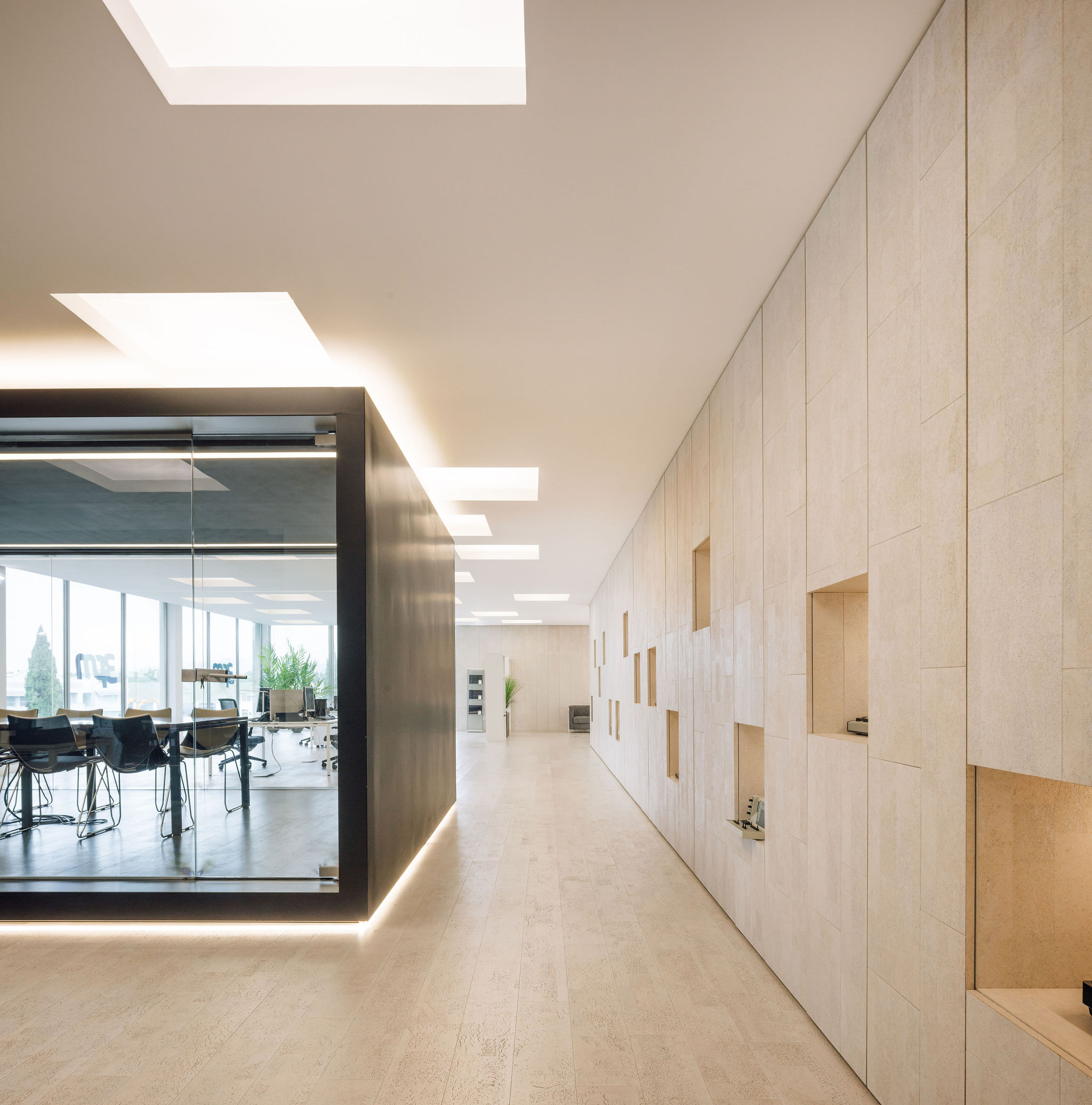
Cork flooring can reduce sound transmission by up to 67%, while also delivering consistent thermal comfort throughout the year. It is also naturally resilient, absorbing impact and returning to form, which contributes to both durability and walking comfort. These qualities have helped cork move beyond its traditional association with bottle stoppers into a broader architectural and interior design context.
Wicanders flooring systems are structured around this material foundation, but enhanced through layered construction and surface technologies. Collections such as Cork Inspire, Cork Essence and Cork Go are designed to respond to different building types and usage levels, from high-performance commercial interiors to domestic spaces where comfort is a priority.
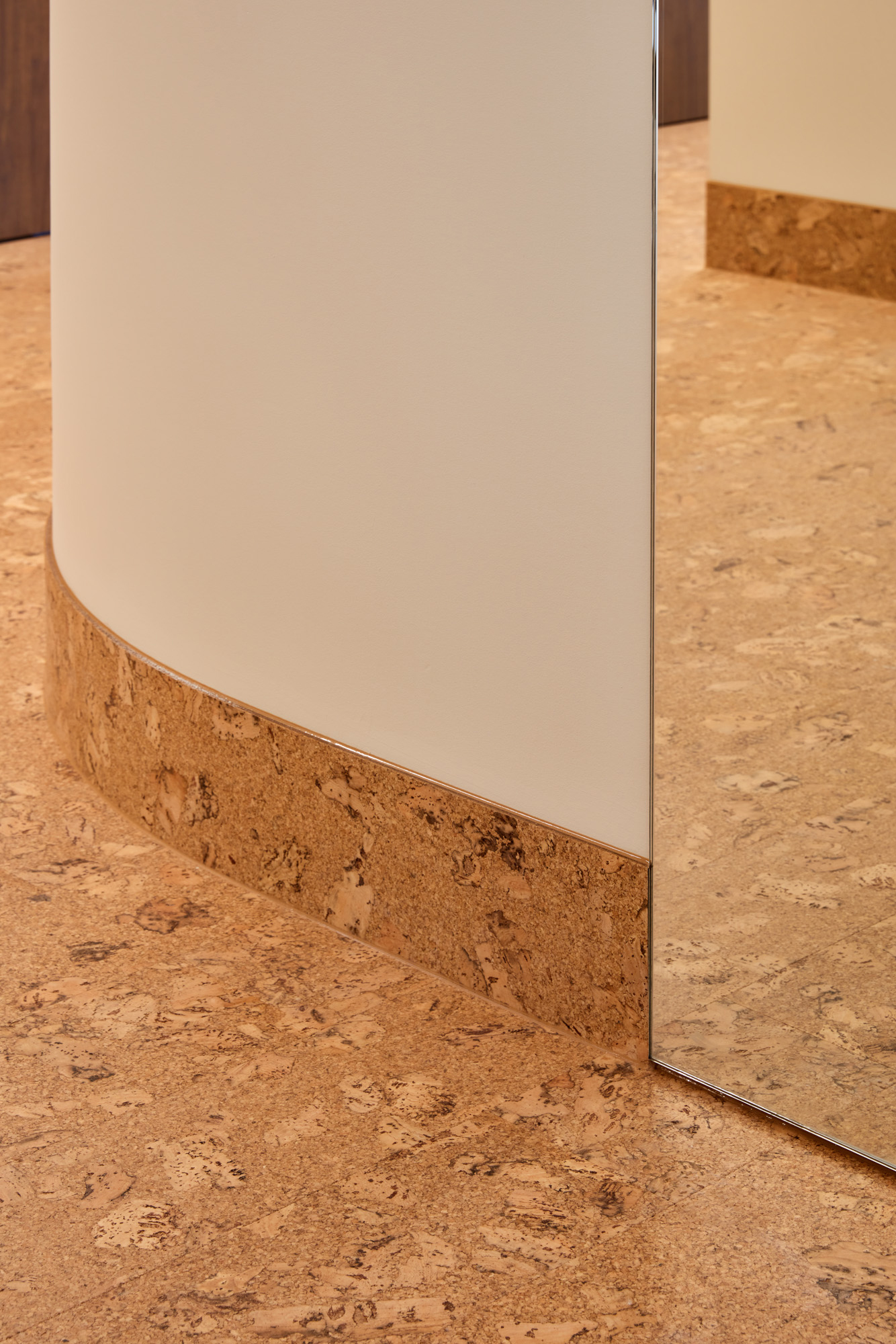
Cork Inspire combines a rigid core with cork layers to improve dimensional stability and resistance to everyday humidity, while also reducing the product’s overall environmental footprint through material efficiency. Cork Essence focuses on design expression, using cork’s natural qualities as a base for more decorative, trend-led surfaces. Cork Go, meanwhile, is positioned for residential applications, offering a balance of affordability, comfort and ease of installation.
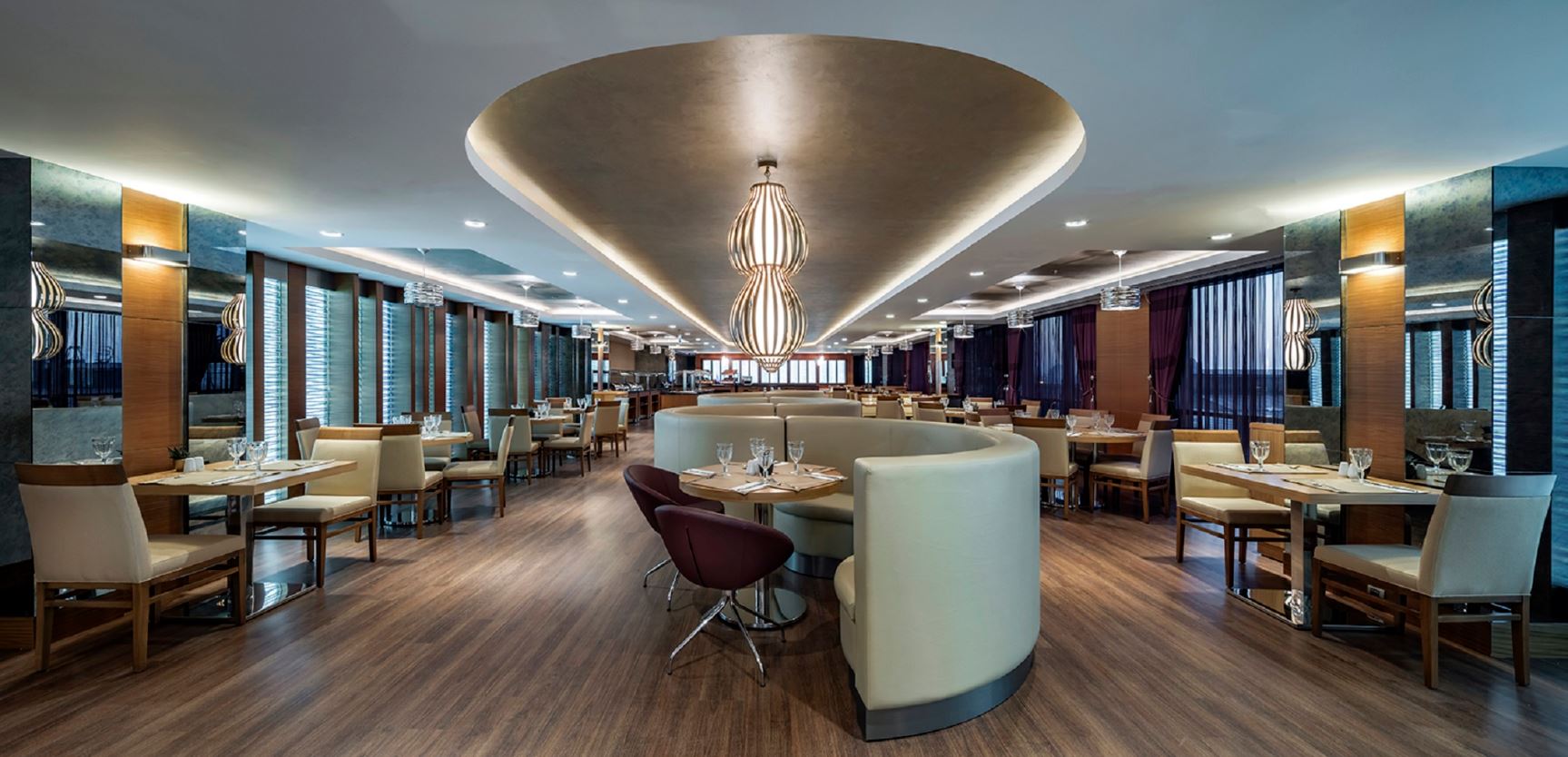
One of the defining aspects of Amorim’s approach is the integration of visual design technologies with natural cork. Through high-resolution digital printing and registered embossing (EIR), the company is able to replicate the appearance and surface texture of wood and stone with a high degree of realism. Collections such as Wood Natural, Wood Inspire and Stone Natural demonstrate this approach, combining familiar material aesthetics with cork’s underlying performance benefits.
This hybrid method allows designers to specify stone or timber visuals without the full environmental impact associated with quarrying or deforestation. In the case of Wood Natural, for example, no trees are felled in the production process, while Stone Natural delivers a mineral aesthetic with the thermal and acoustic advantages of cork beneath the surface.
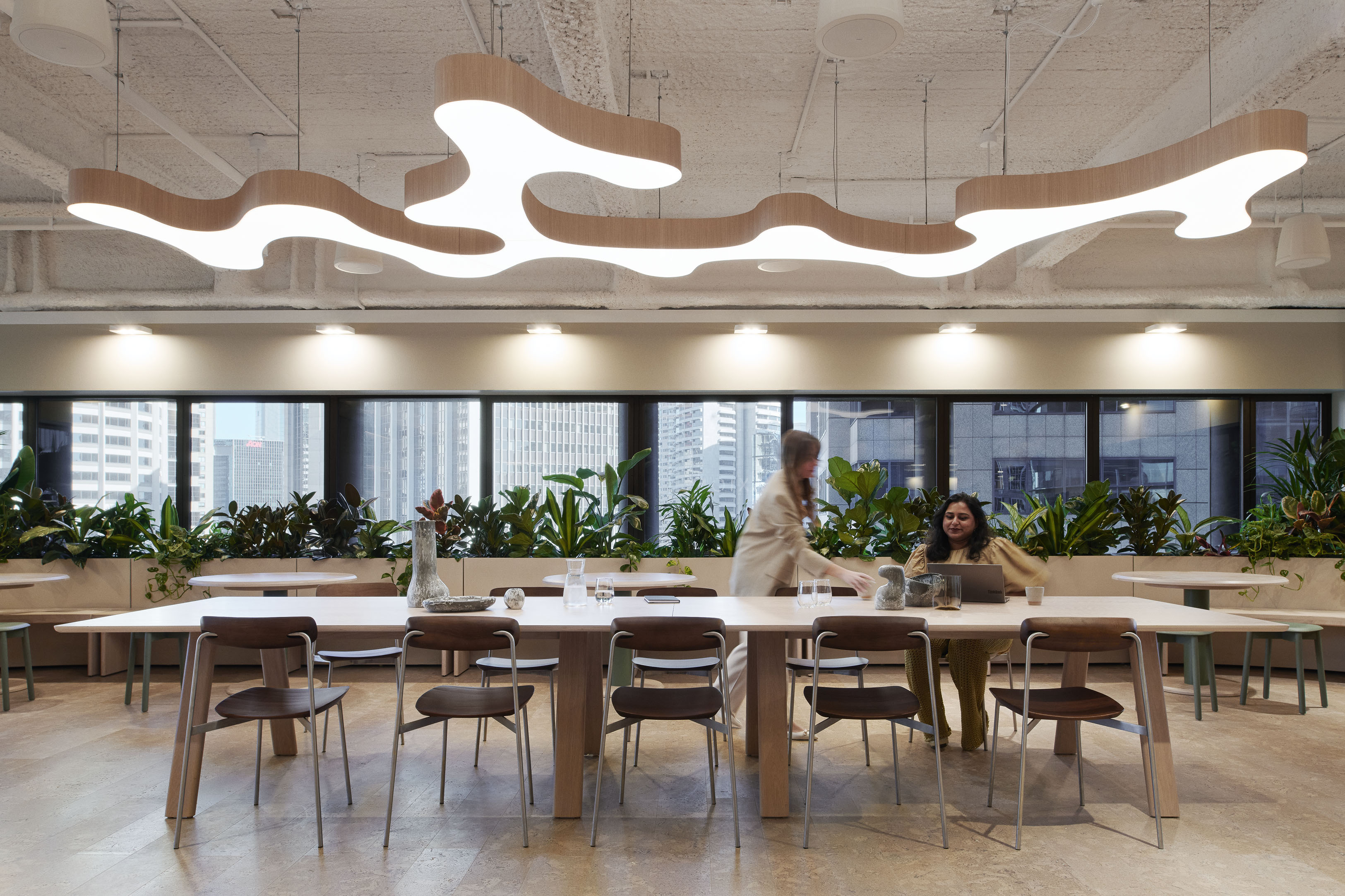
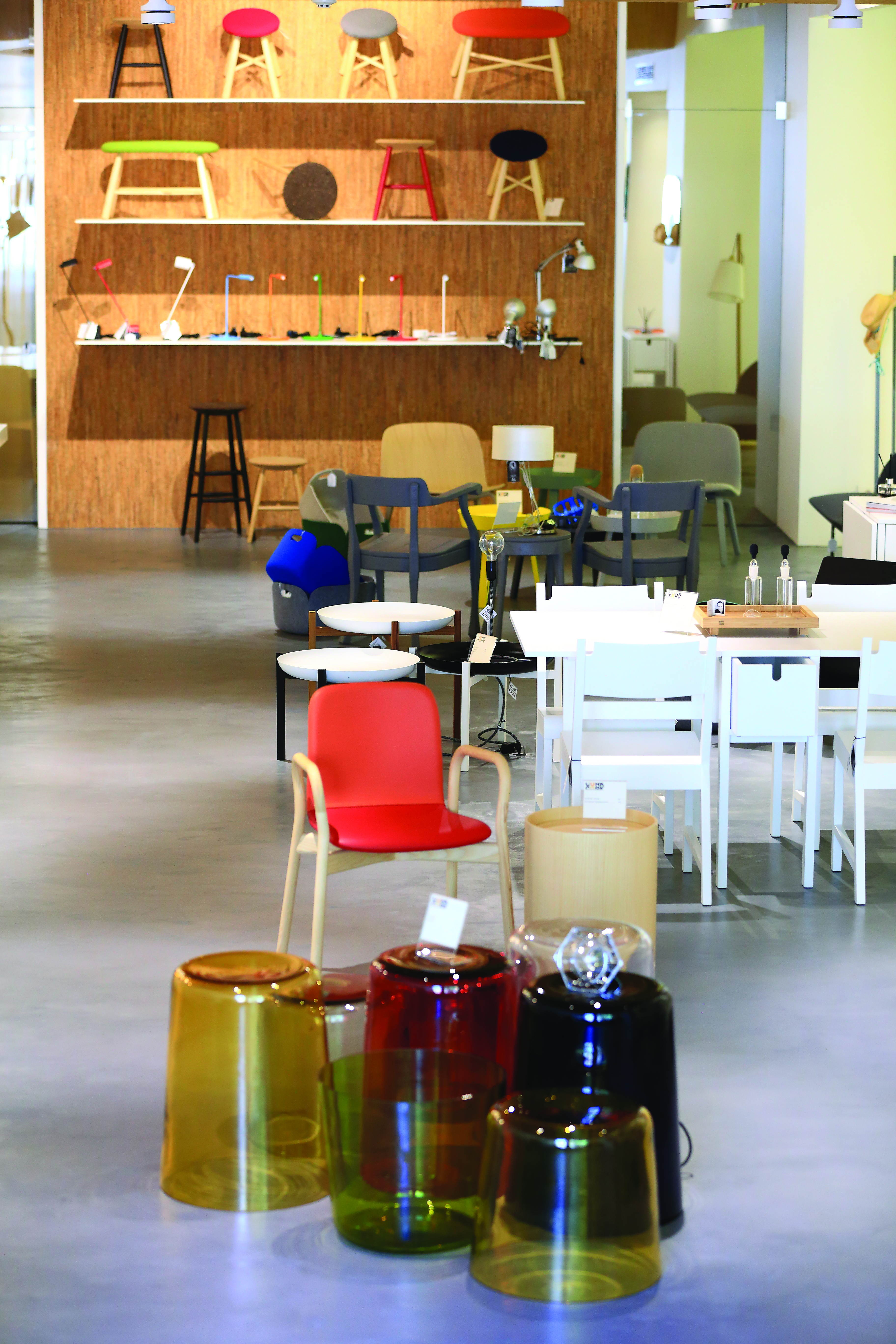
Beyond flooring, Amorim Cork Solutions has expanded into wall coverings and interior surfacing systems. Cork Pure Floor & Wall extends the material into vertical applications, while Dekwall offers a range of cork-based wall finishes designed to introduce both visual texture and acoustic softness into interiors. The Burel Cork Wall capsule collection further explores material circularity, combining cork with burel wool, a traditional Portuguese textile, and incorporating industrial textile waste into the production process.
Across all product lines, cork remains the unifying material logic. Its performance is not limited to comfort alone, but extends to indoor air quality, environmental impact and lifecycle considerations. All products are tested against stringent chemical emissions standards, with compliance across more than 2,000 potential compounds, reflecting increasing demand for healthier interior environments.
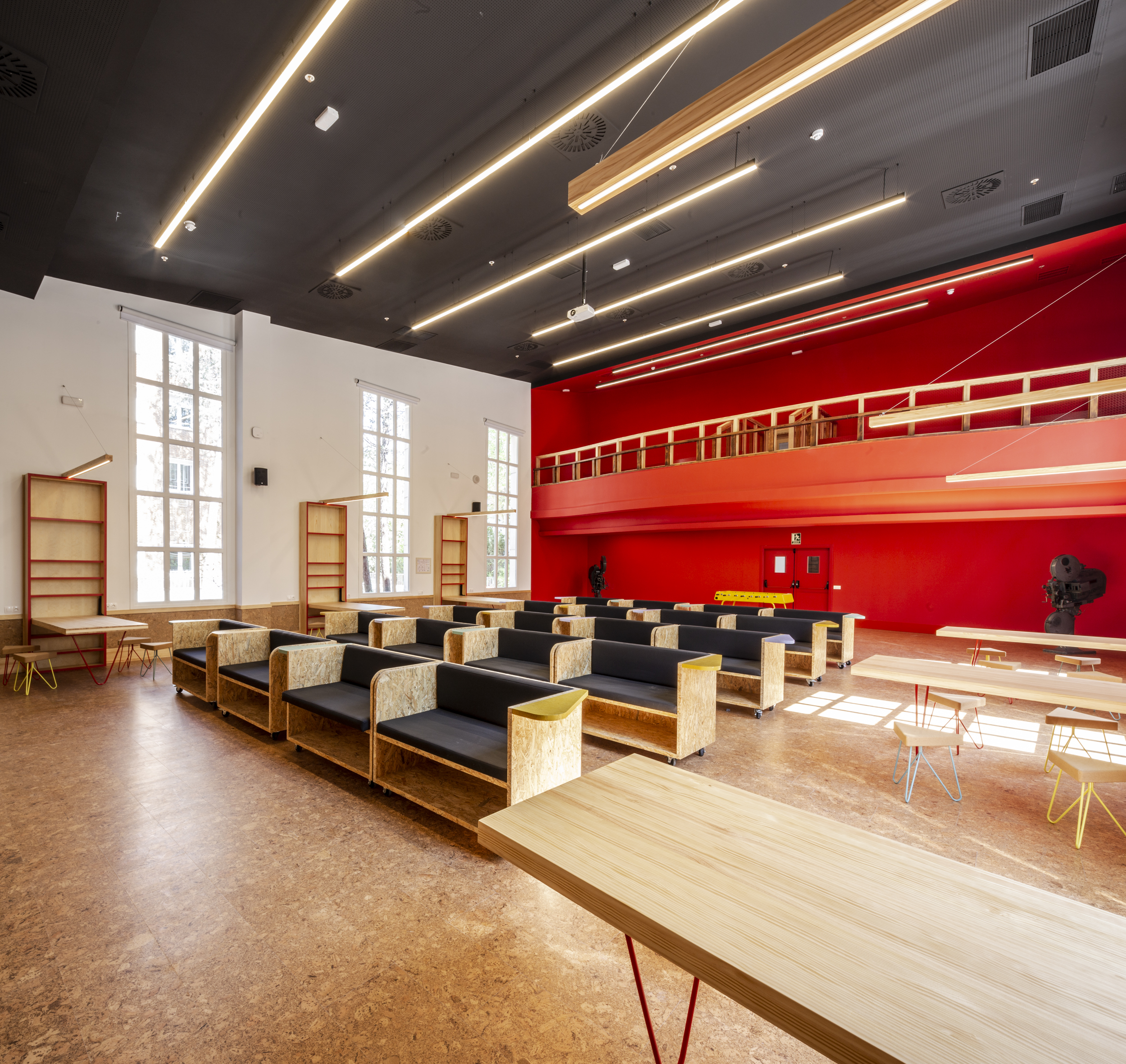
From a sustainability perspective, cork’s role is particularly significant. It is harvested from living trees on a cyclical basis, allowing the bark to regenerate over time while maintaining forest ecosystems that support biodiversity and carbon capture. Amorim positions this not simply as a material advantage, but as a long-term environmental framework that underpins its entire production model.
Today, Amorim Cork Solutions’ products are used across a wide range of sectors, from residential housing and hospitality interiors to offices, libraries, museums and public buildings. The versatility of cork, both as a natural material and as a technologically enhanced surface system, has allowed it to move comfortably between architectural contexts that demand both performance and sensory quality.
While cork has a long industrial history, its current application through companies like Amorim reflects a broader shift in surface materials: towards systems that are quieter, more comfortable, lower impact and more closely aligned with natural cycles.