

Profile: Broadview Materials

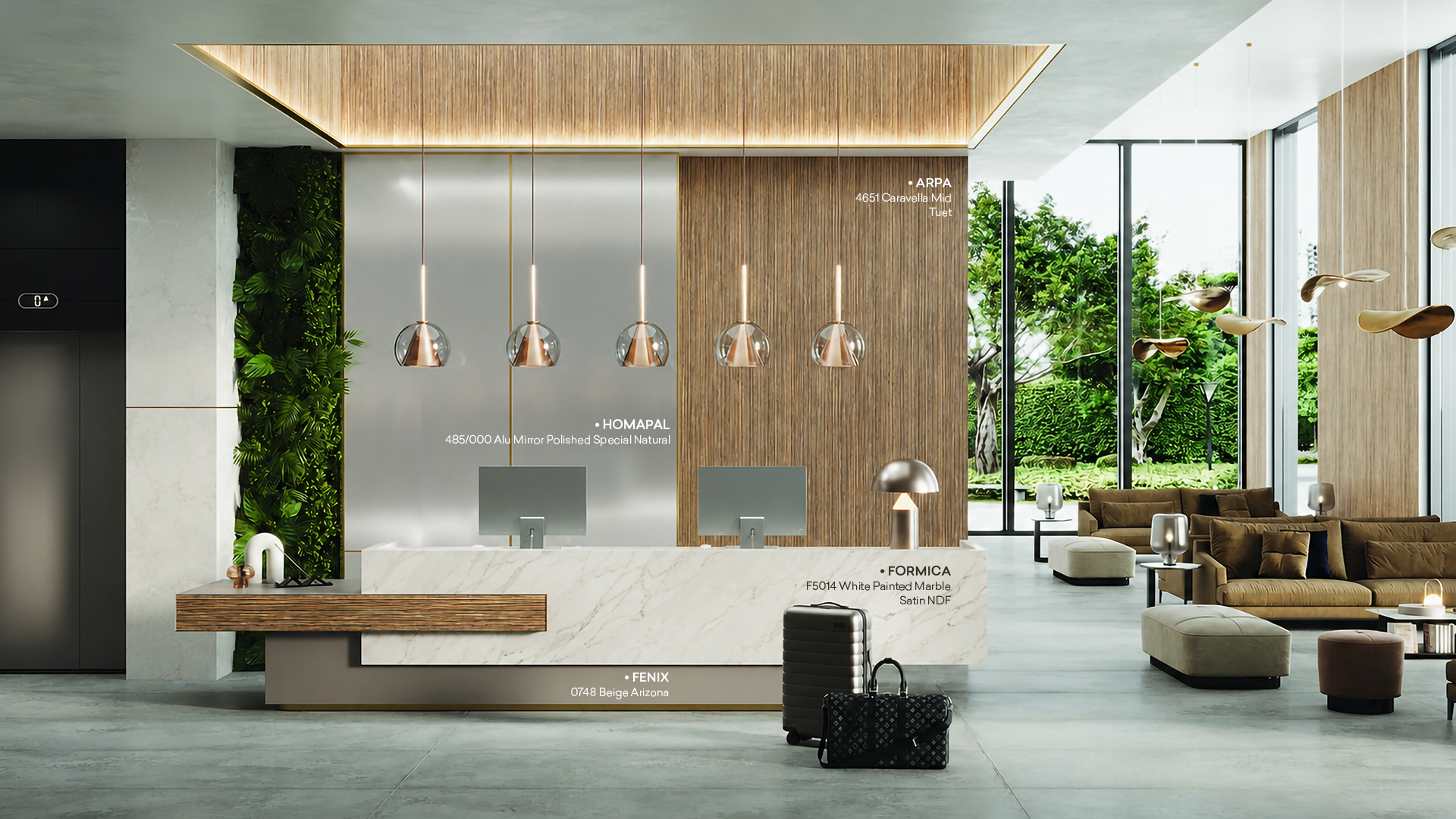
Surface specification rarely involves a single material in isolation. A kitchen may bring together worktops, cabinetry and splashbacks; a hotel combines reception counters, wall finishes, furniture and washroom fittings. Each has its own performance requirements, but the materials must also work together visually. Broadview Materials has built its proposition around this relationship, bringing several established surface brands into one coordinated portfolio for architects, designers, manufacturers and fabricators.
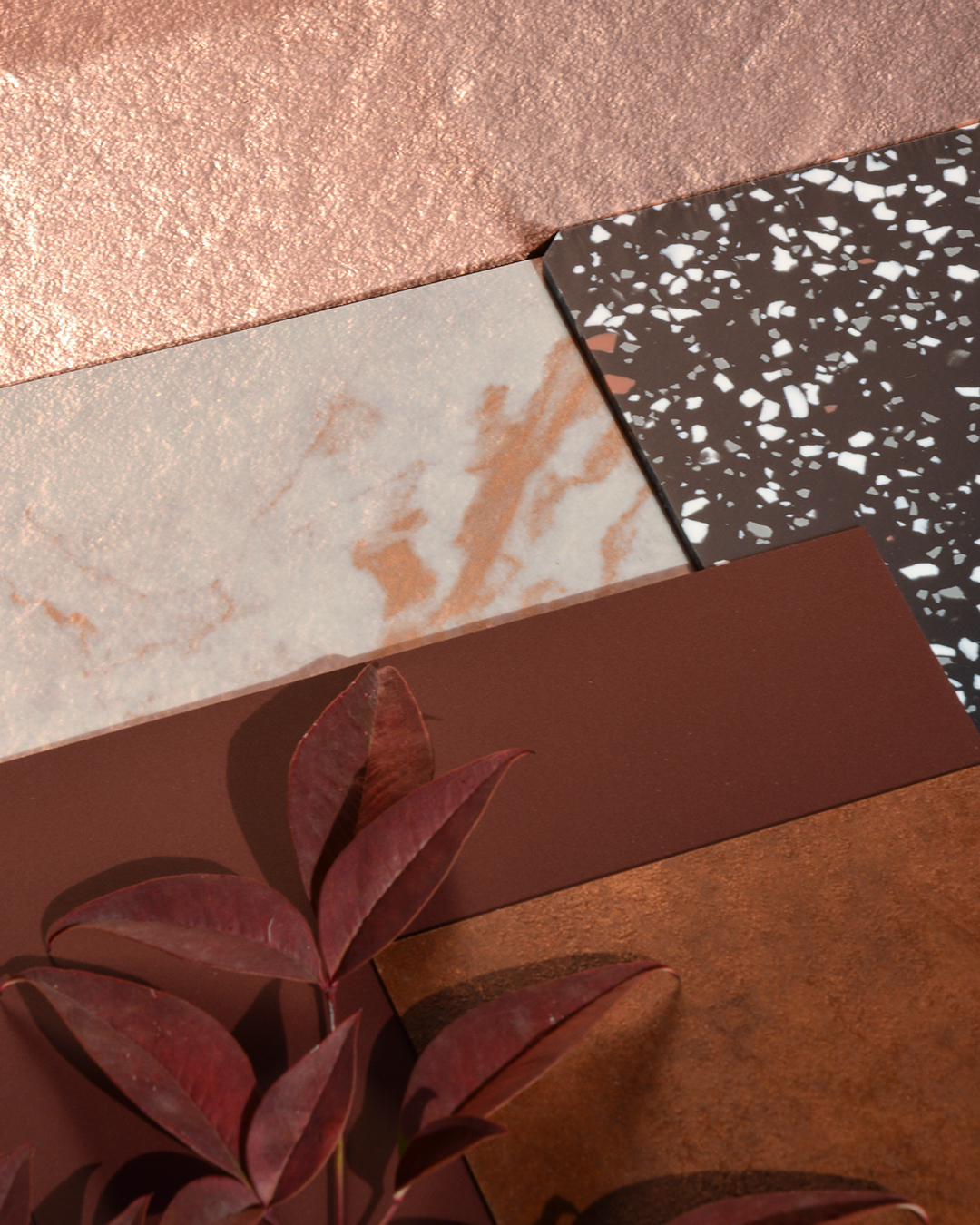
The group brings together Arpa®, FENIX®, Formica®, Getacore® and Homapal®, each with a distinct material specialism and heritage. With a few household names in the mix, the intention is not to erase those differences under a single identity, but to make the collective offer more useful at the point of specification. Through a combined sales and distribution platform, customers can access complementary materials and explore how they might be used together across residential and commercial interiors.
Broadview Materials describes this added value as The Big+: the design and practical opportunities created by bringing different technologies, finishes and expertise together. Rather than approaching each surface as a separate decision, designers can consider colour, texture, fabrication and performance across a wider scheme, with the potential to create a more coherent material palette.
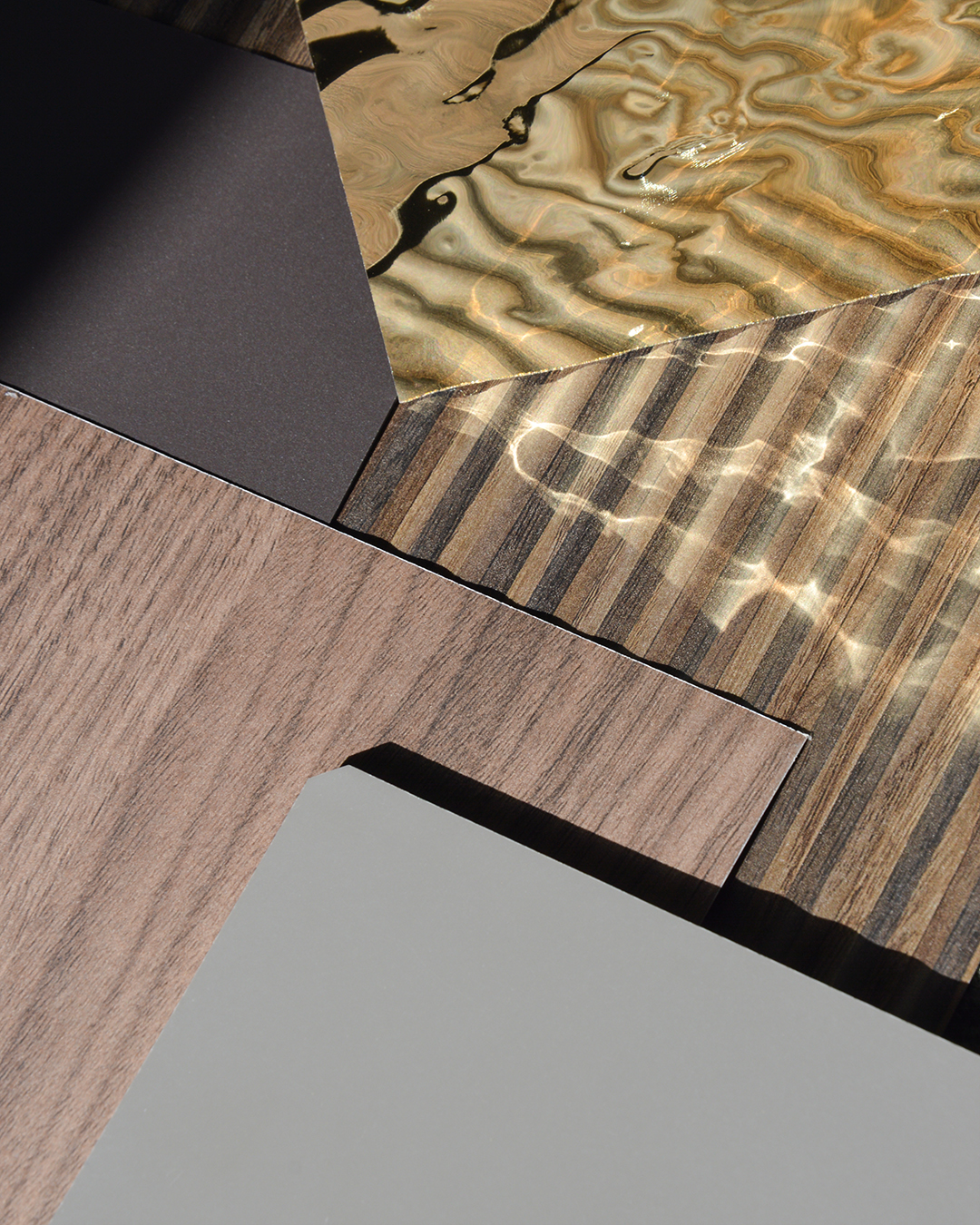
The breadth of the portfolio begins with decorative laminates, and one particularly recognisable name. Formica®, whose history spans more than a century, offers high-pressure laminates for applications including furniture, doors, wall panelling, worktops and cubicles. Arpa® brings an Italian design sensibility to high-pressure laminates, with varied decors and surface textures. Both provide scope for specifying durable decorative finishes, but their individual collections allow designers to establish different visual characters.
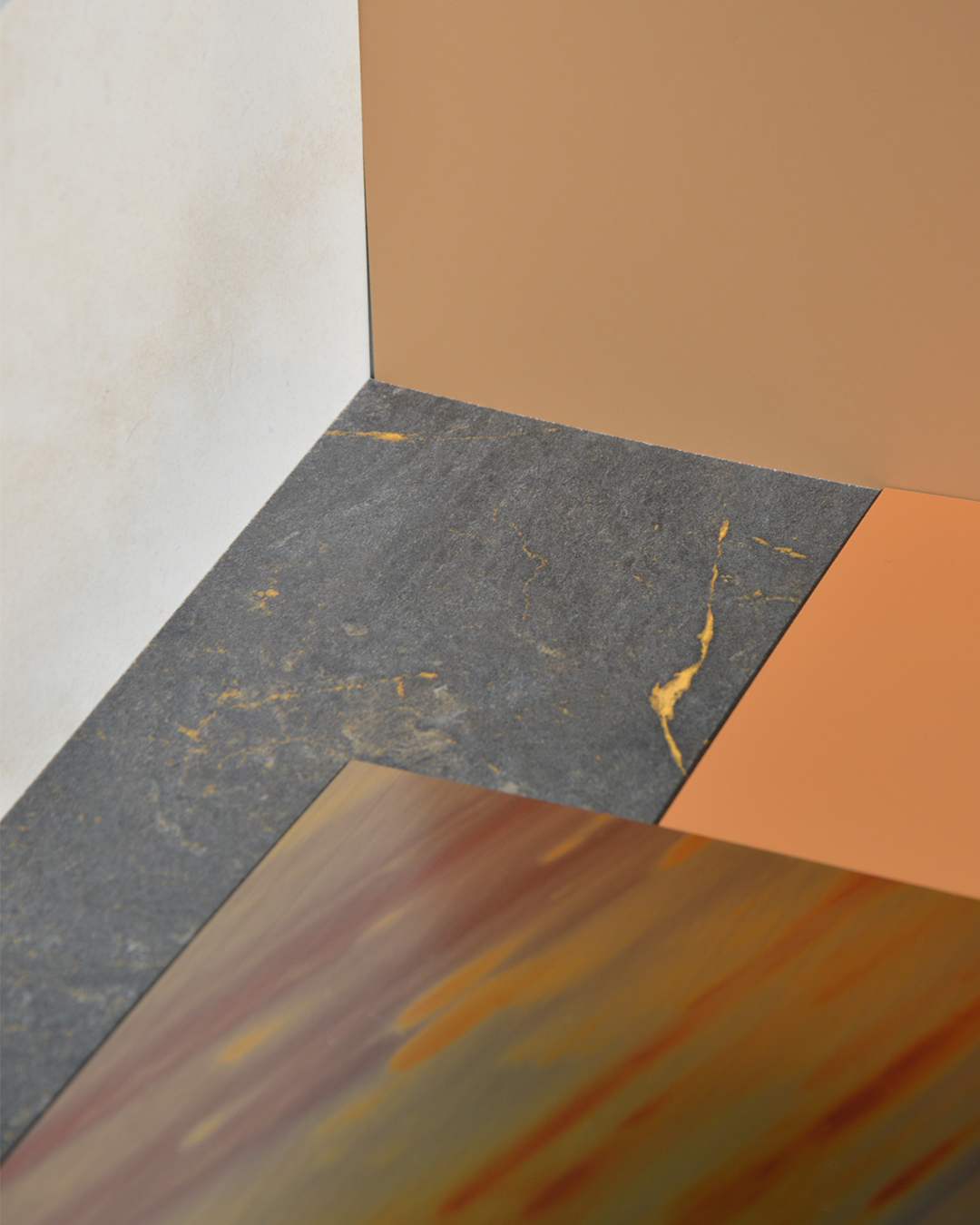
FENIX® occupies a more specialised position within the interior surfaces range. Developed by Arpa Industriale and launched in 2013, its materials are distinguished by their low light reflectivity, ultra-matt appearance and soft-touch finish, alongside anti-fingerprint properties. These characteristics make FENIX particularly relevant where a restrained, contemporary surface is required, from kitchen cabinetry to furniture and commercial interiors.
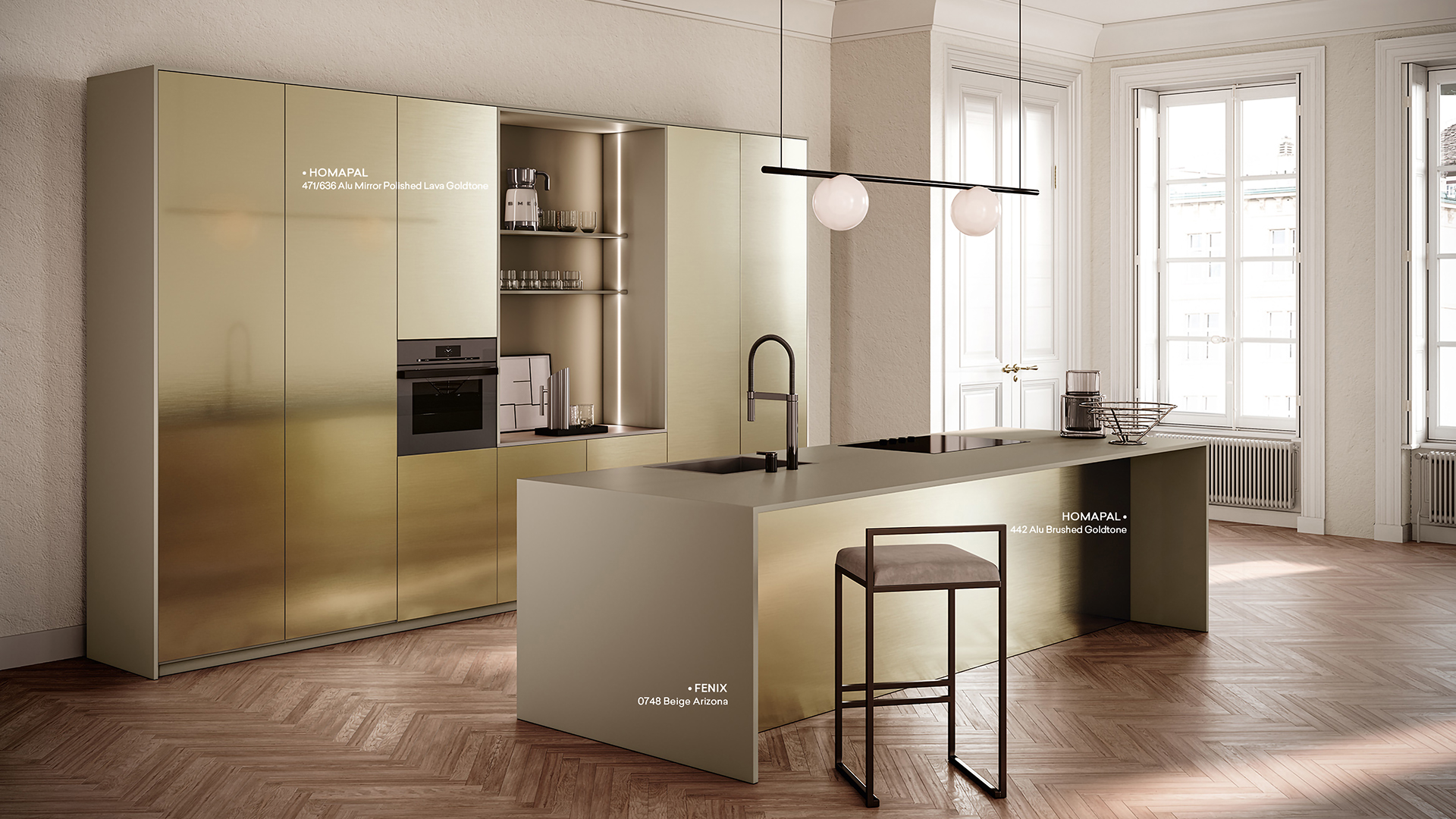
The relationship between these brands is one of the portfolio's more useful aspects. An ultra-matt FENIX finish can be considered alongside the broader decorative choices offered by Formica and Arpa, allowing a scheme to move between contrasting textures and visual effects without losing its overall coherence.
For applications requiring greater shaping freedom, Getacore® provides an acrylic-bonded solid surface. Its formability supports designs that demand shaped components and carefully resolved details, with applications across kitchens, bathrooms, hospitality and retail. Where laminate offers a hard-wearing decorative finish, solid surface provides a different set of fabrication possibilities, extending the range of forms available to designers.
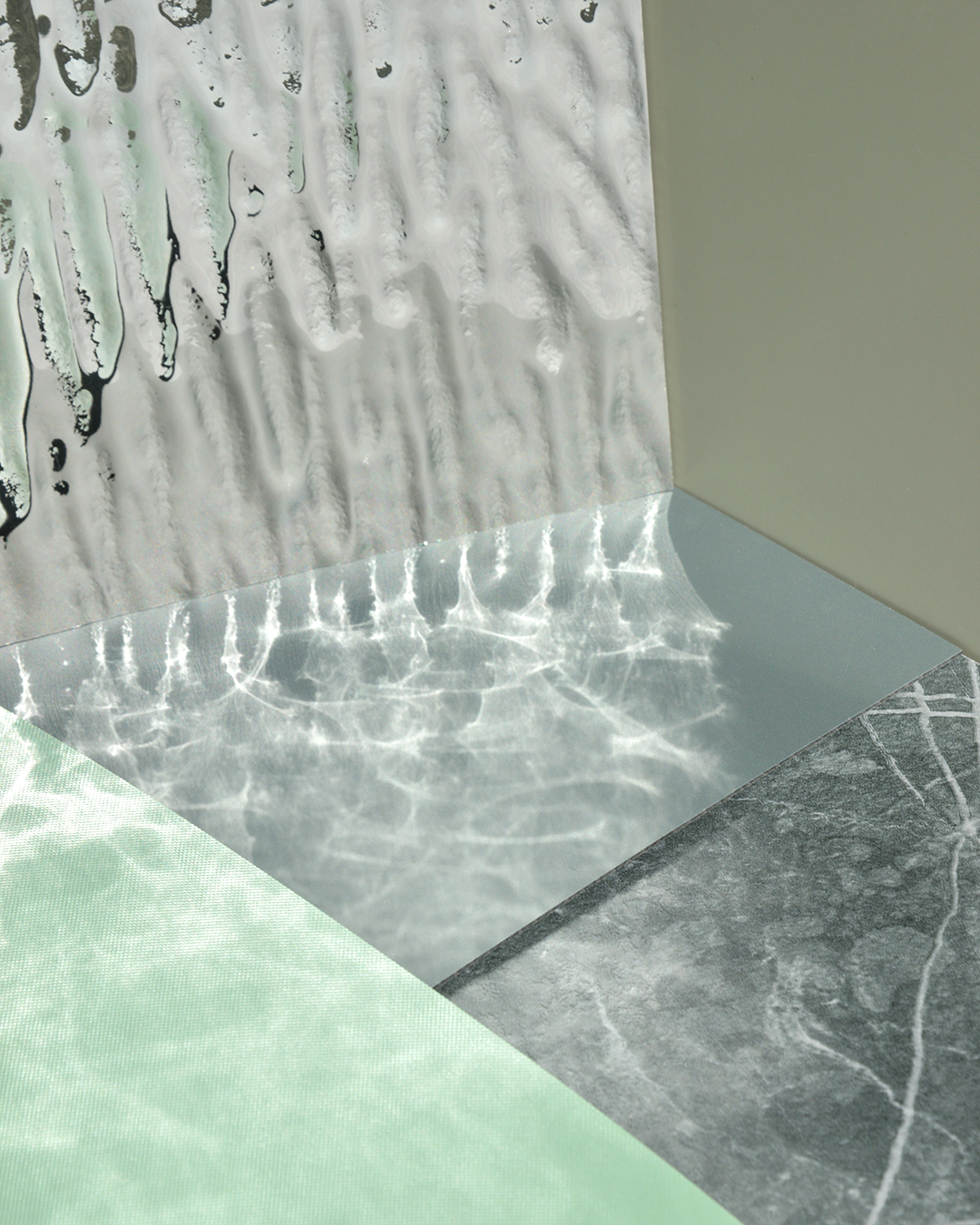
Homapal® introduces another dimension through laminates incorporating genuine metal surfaces, including aluminium, copper, brass and stainless steel. These finishes can bring reflectivity, texture and depth to wall panels, furniture and bespoke installations. Used alongside the quieter matt finishes of FENIX or the decorative range of Arpa and Formica, metal laminates offer a way to introduce contrast without requiring a completely different material system.
Together, the brands address a range of settings, from residential kitchens and bathrooms to retail, education, healthcare, hospitality, leisure and commercial workplaces. The requirements vary considerably between these environments, making the ability to draw on different surface types particularly relevant. A reception desk, for example, may call for a distinctive decorative finish, while adjacent furniture or wall panels could benefit from a contrasting texture or metallic detail.
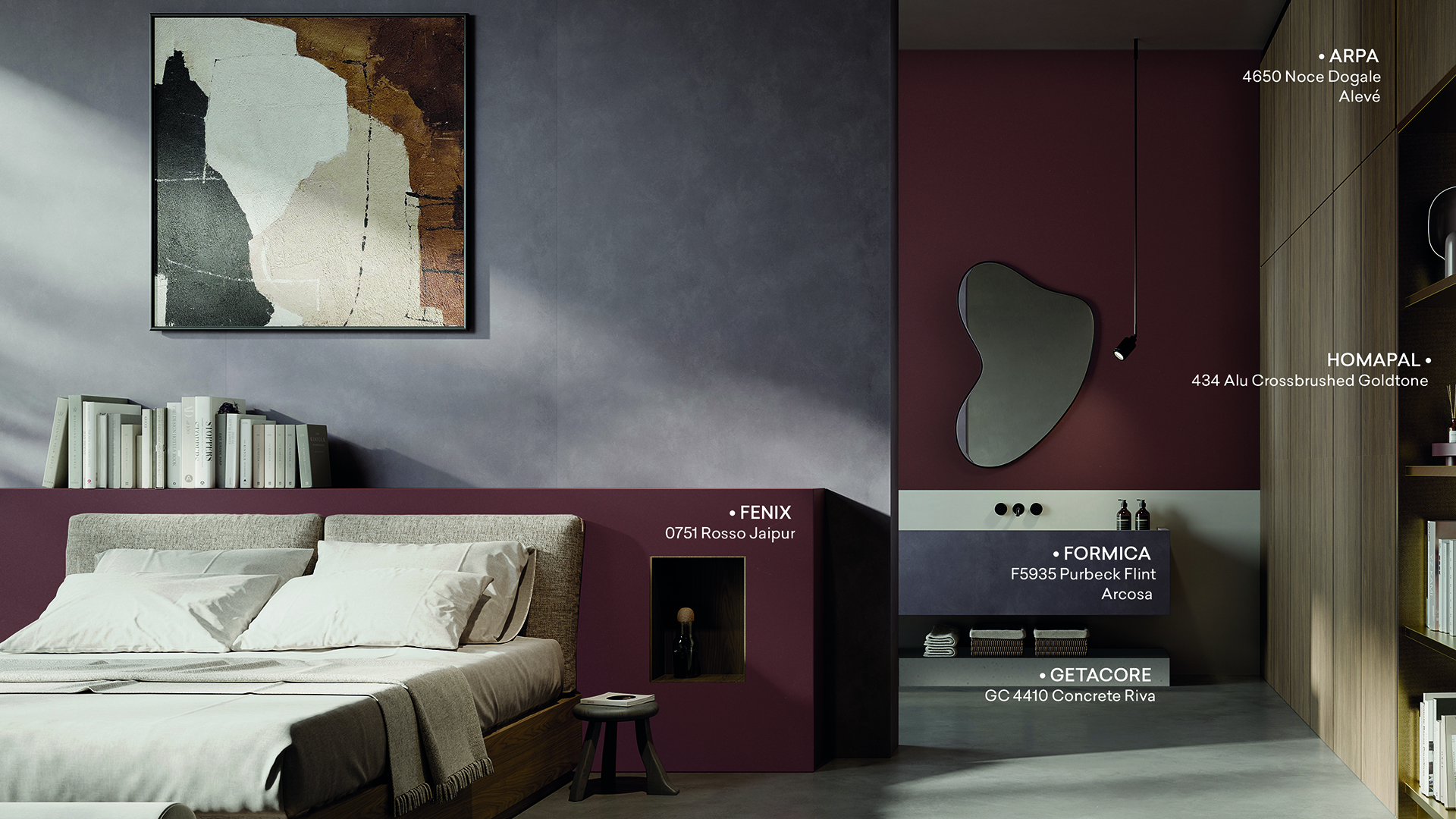
Broadview Materials' proposition is therefore as much about coordination as product choice. The group gives specifiers access to several established areas of surface expertise through one wider offer, while retaining the individual identities that make each brand recognisable.
Its purpose, expressed through the phrase ‘materialize potential’, is to help customers turn material choices into distinctive and commercially practical design solutions. For architects and interior designers working across multiple applications, the advantage lies in having more than one route to the desired result: a portfolio in which surfaces can complement one another in appearance, respond to different functional demands and contribute to a consistent design language.