

Profile: Vaso, building with glass

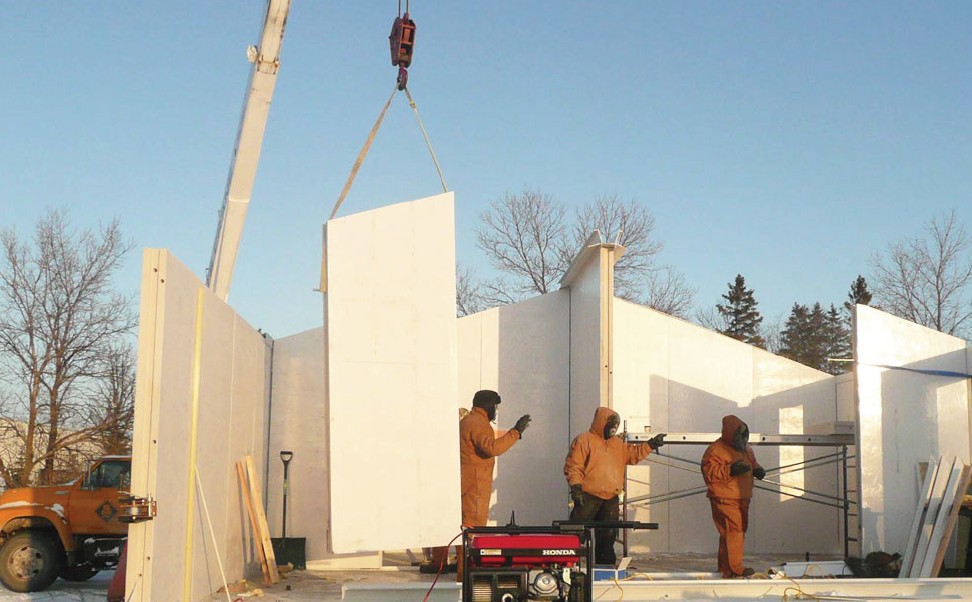
VASO Global is bringing recycled glass into structural construction, developing composite panels designed to make buildings quicker to manufacture and assemble, while reducing reliance on conventional construction methods. The Dumfries-based company has now opened its 60,000-square-feet manufacturing facility, marking a significant step from product development towards commercial production.
Co-founded by chief executive Eddie Black and chief technical officer Simon Parrish, VASO has spent almost four years developing its building system. The ambition is to combine digital design, precision manufacturing and semi-autonomous construction to deliver affordable, thermally efficient, low-carbon buildings at scale.
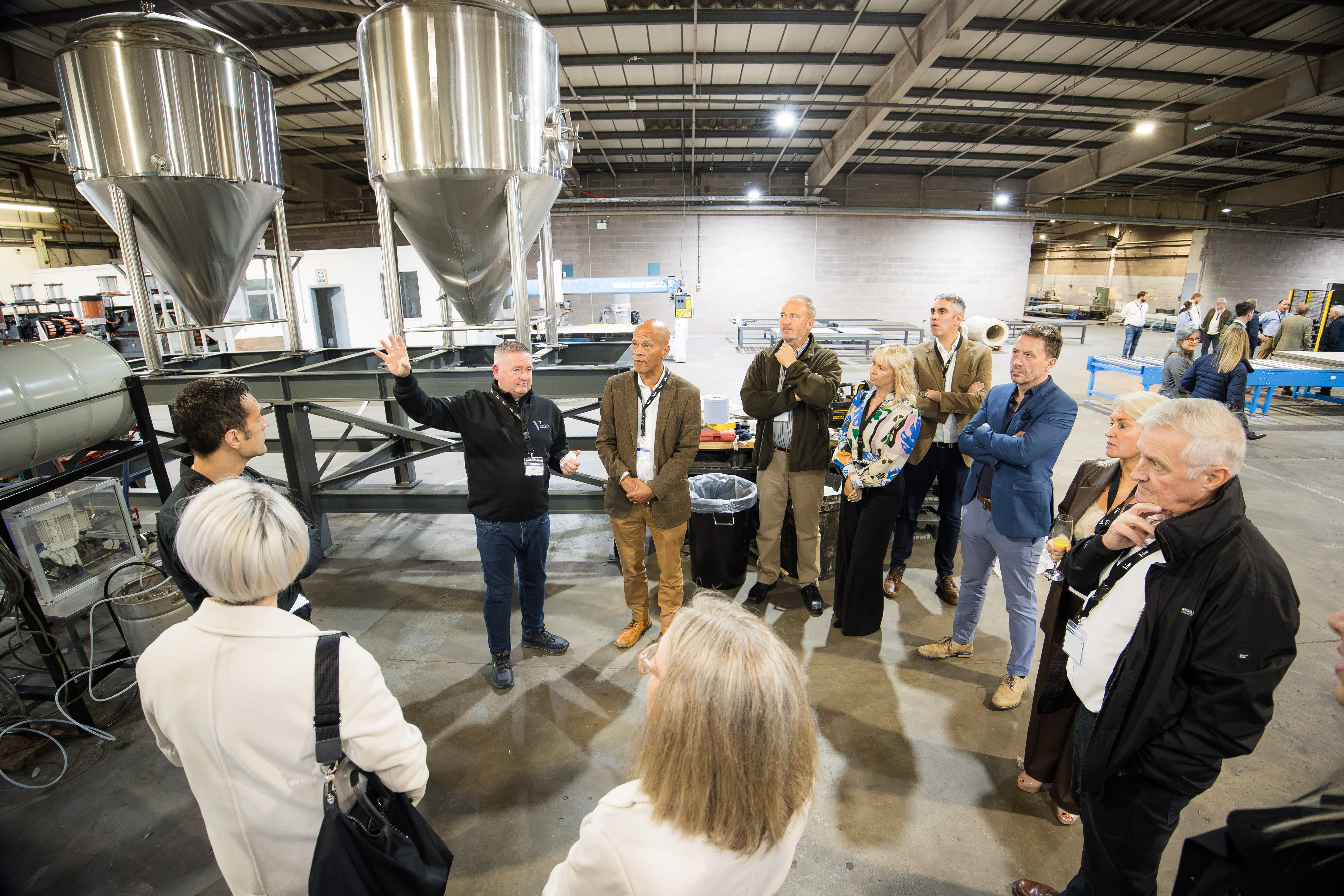
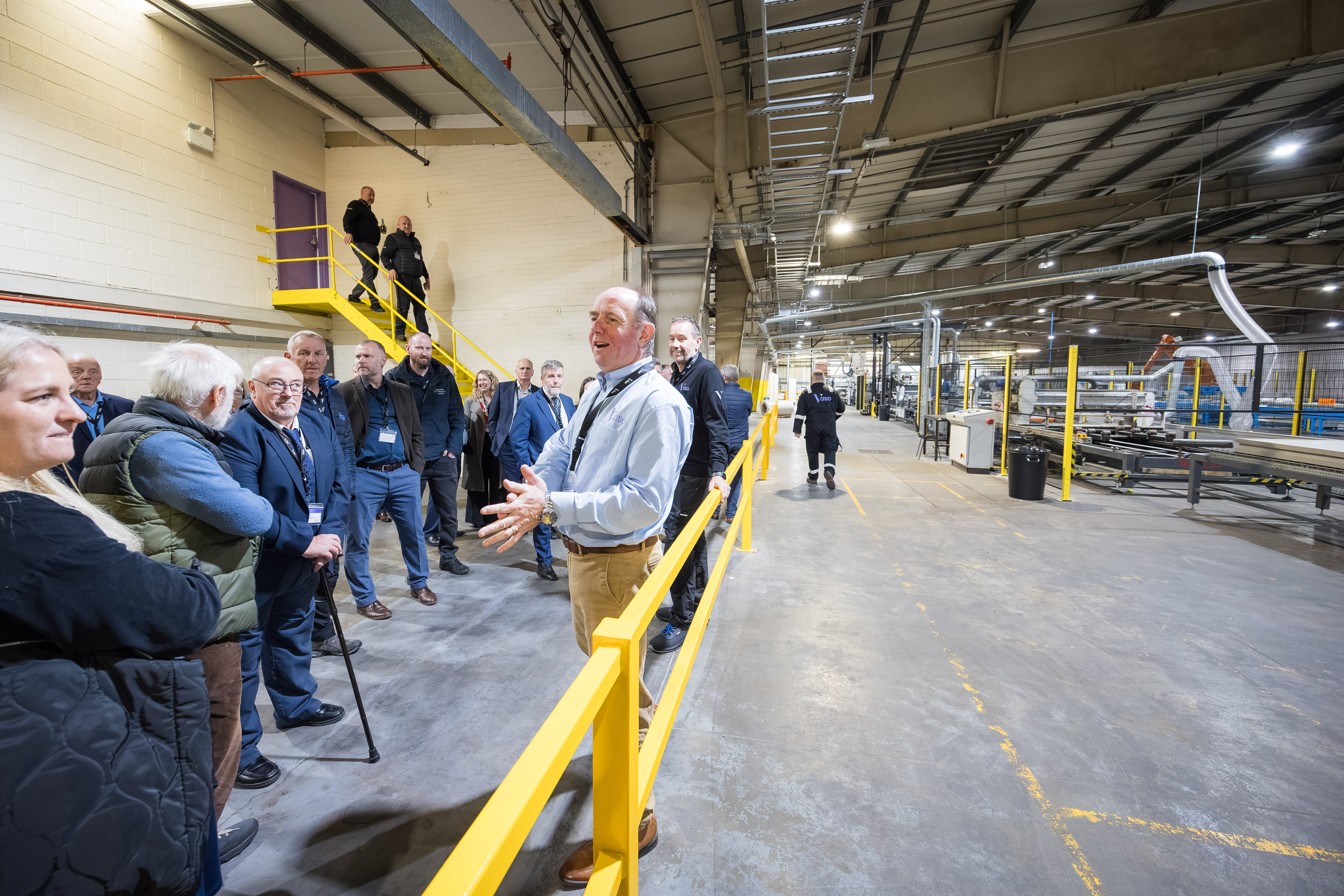
The opening of the new facility at Irongray Park, Dumfries, on 25 September 2026, marked the start of production on its first manufacturing line. The launch was attended by representatives from industry, investment organisations and the public sector, including Scottish Government Chief Entrepreneur Ana Stewart, who officially opened the site.
At the heart of the business is a structural composite panel manufactured predominantly from recycled waste glass. Rather than treating glass as a material destined for disposal, VASO uses it as a resource for building components, creating a route from waste material to structural application.
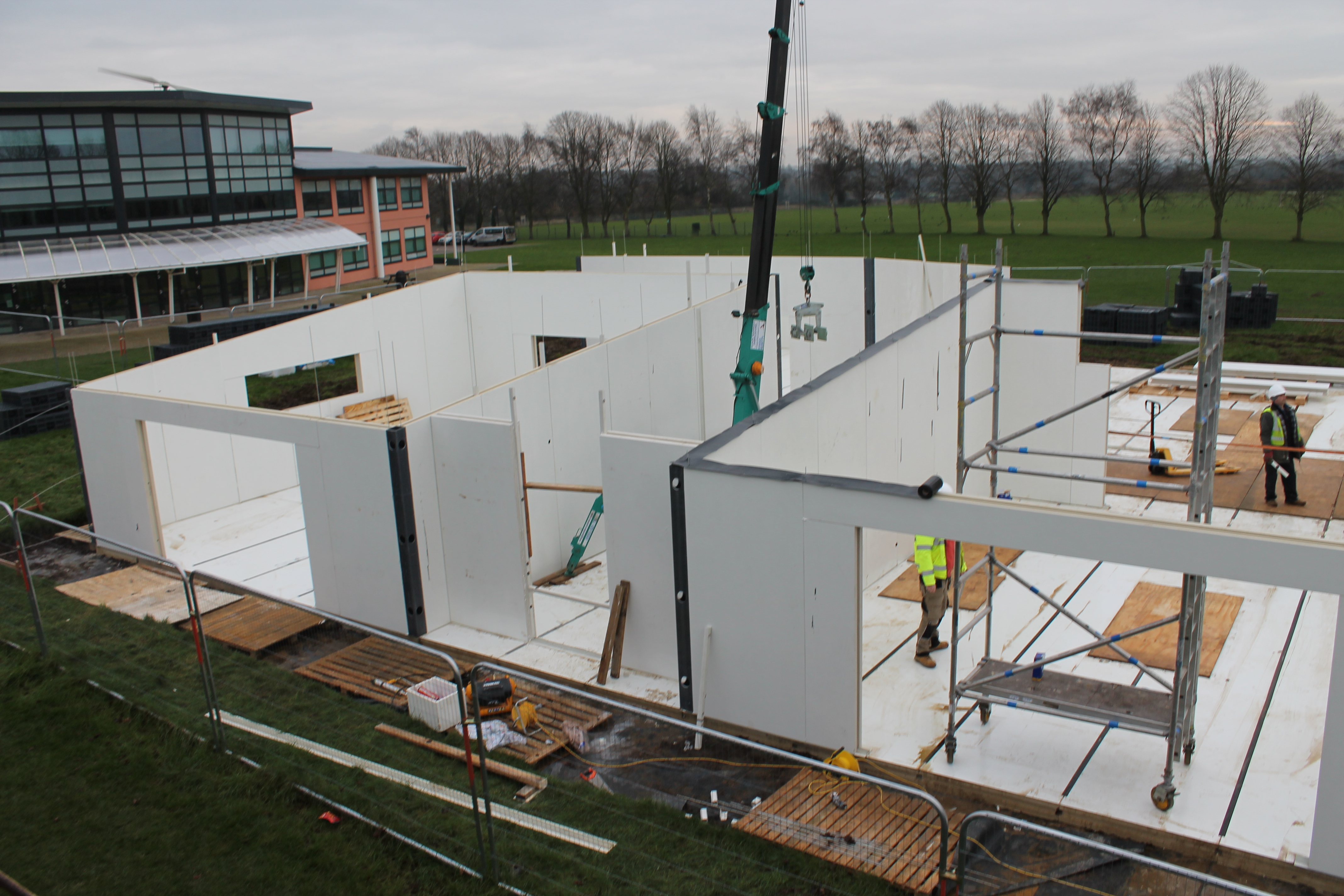
The company describes its product as a composite system rather than a conventional prefabricated panel. Its approach brings together material engineering and digitally controlled manufacture, with components produced off-site before being transported flat-packed for assembly. This shifts a substantial part of the construction process into a factory environment, with the intention of improving consistency, reducing on-site work and shortening building programmes.
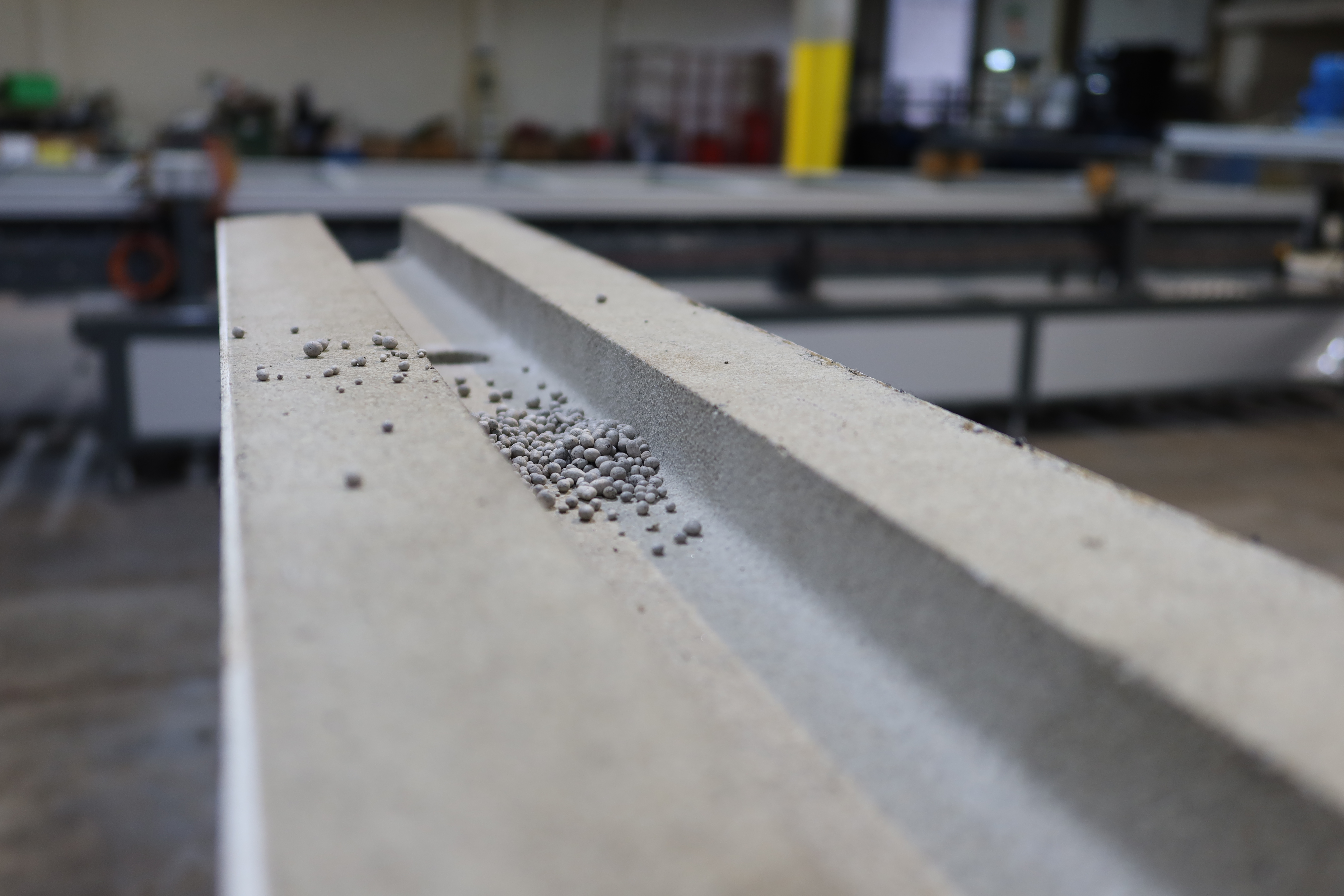
The precise composition and manufacturing formulation remain central, but VASO identifies recycled glass as the principal material. The resulting panels are engineered for structural performance, thermal efficiency and durability. The inherent qualities of glass also mean resistance to fire, mould, flooding, insects and freeze-thaw conditions, and the team is also testing for extreme temperatures. Their objective is to create a robust building envelope that can help maintain comfortable internal temperatures while reducing the energy required for heating and cooling.
The panels are intended to form part of a complete building system, with digital design supporting the coordination of components before manufacture. VASO's production model is designed for repeatability and scale: the company says the panels required for a three-bedroom house can be manufactured in 500 minutes, with the components then assembled on site in a matter of days.
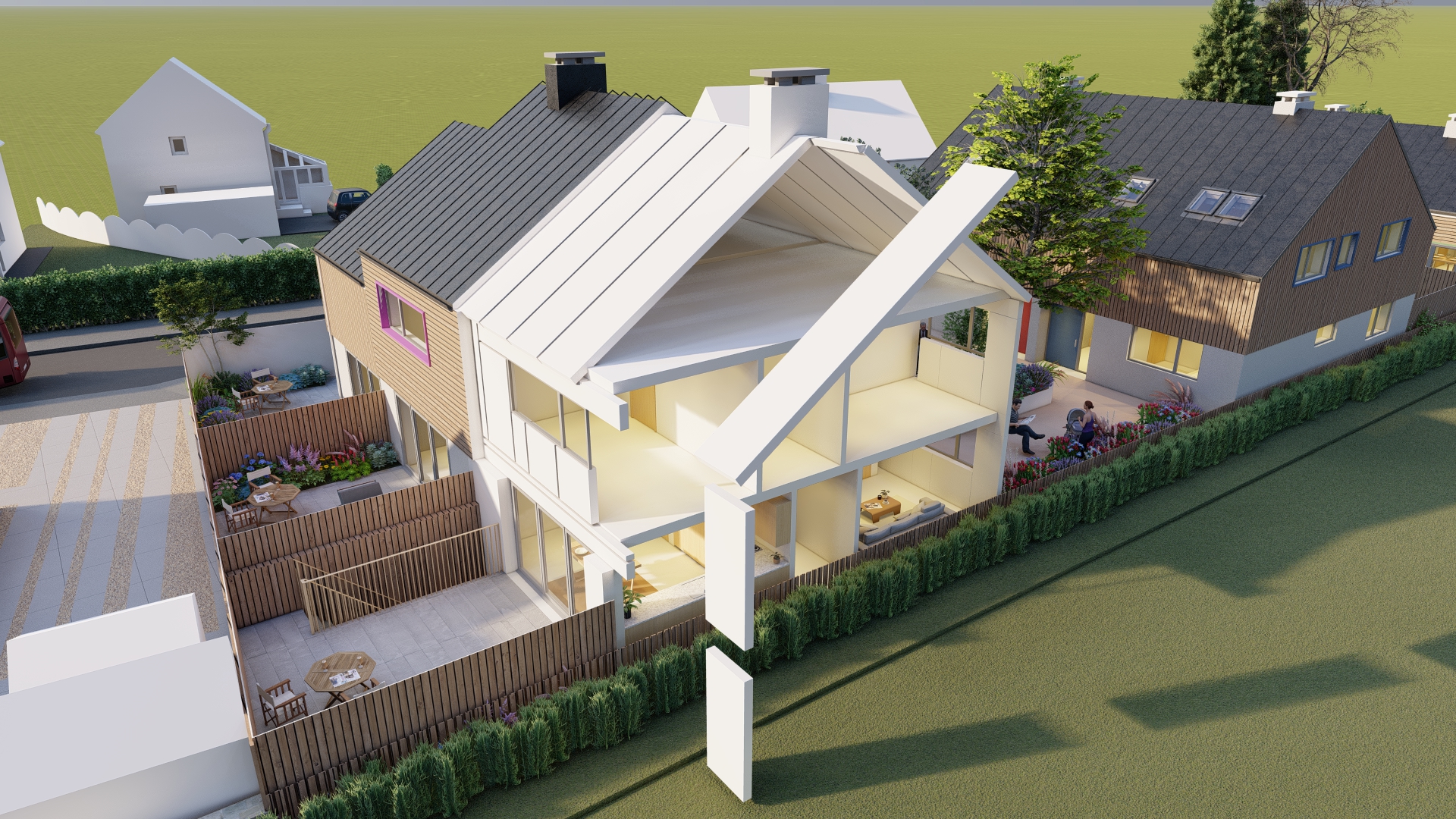
With a shortage of housing in the UK, the company’s objectives are timely. The system has received planning permission for an affordable housing development at Closeburn, north of Dumfries, on a brownfield site. The scheme comprises four homes, together with a home-working space and visitor bedroom. Developed in partnership with Nith Valley Leaf Trust and South of Scotland Community Housing, the project is intended to provide thermally comfortable, affordable rented homes for people with local connections.
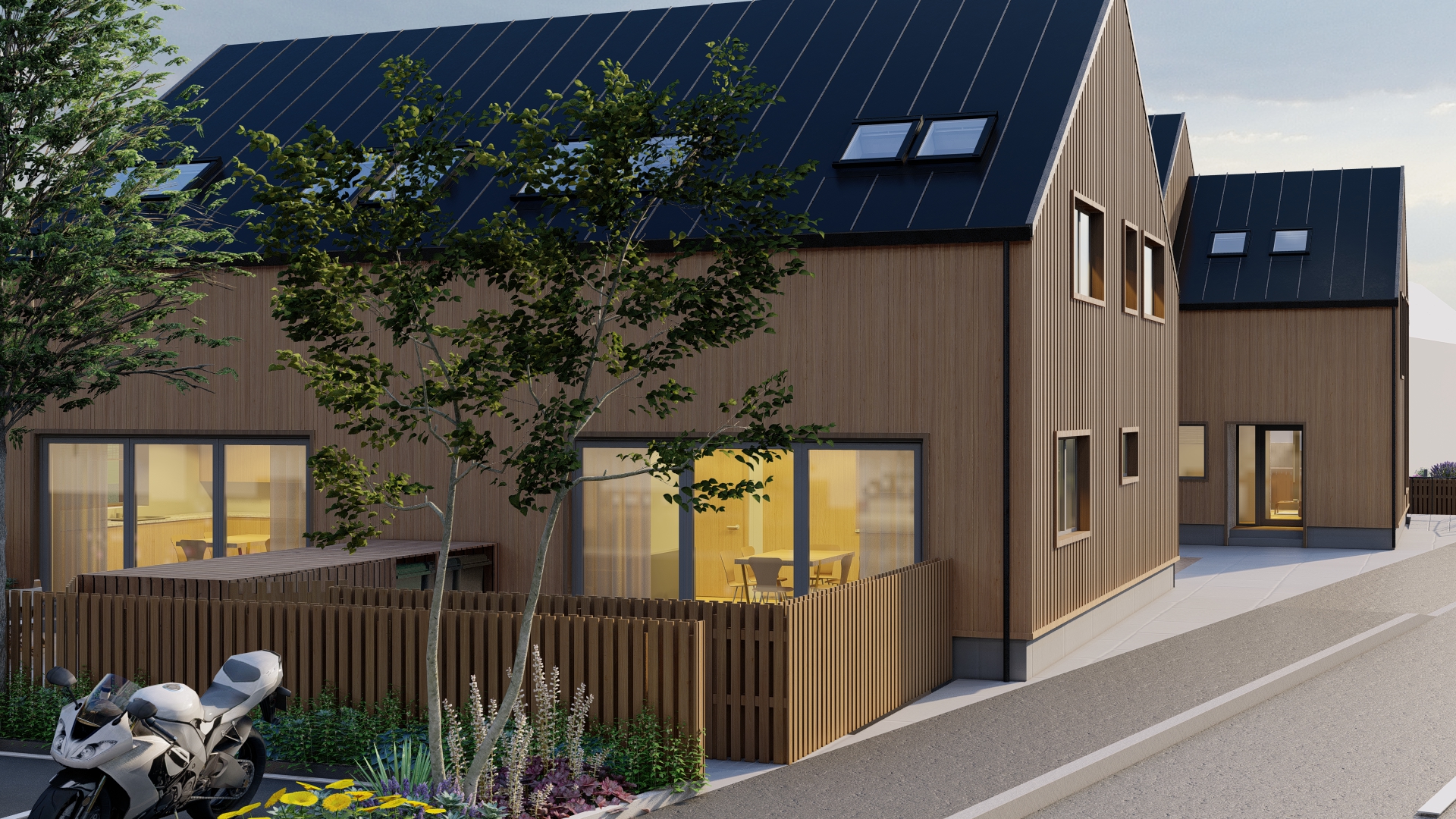
However, the material's potential extends beyond residential construction, and with the ability to adapt its composite technology to different technical requirements, VASO is targeting the wider building and construction markets. The company has identified potential specialist applications for composite surface skins, including antimicrobial finishes, radio-frequency shielding, lead lining for medical imaging environments and surfaces for clean rooms and washdown areas. These applications point to a broader role for engineered composites where specific performance requirements are as important as structural function.
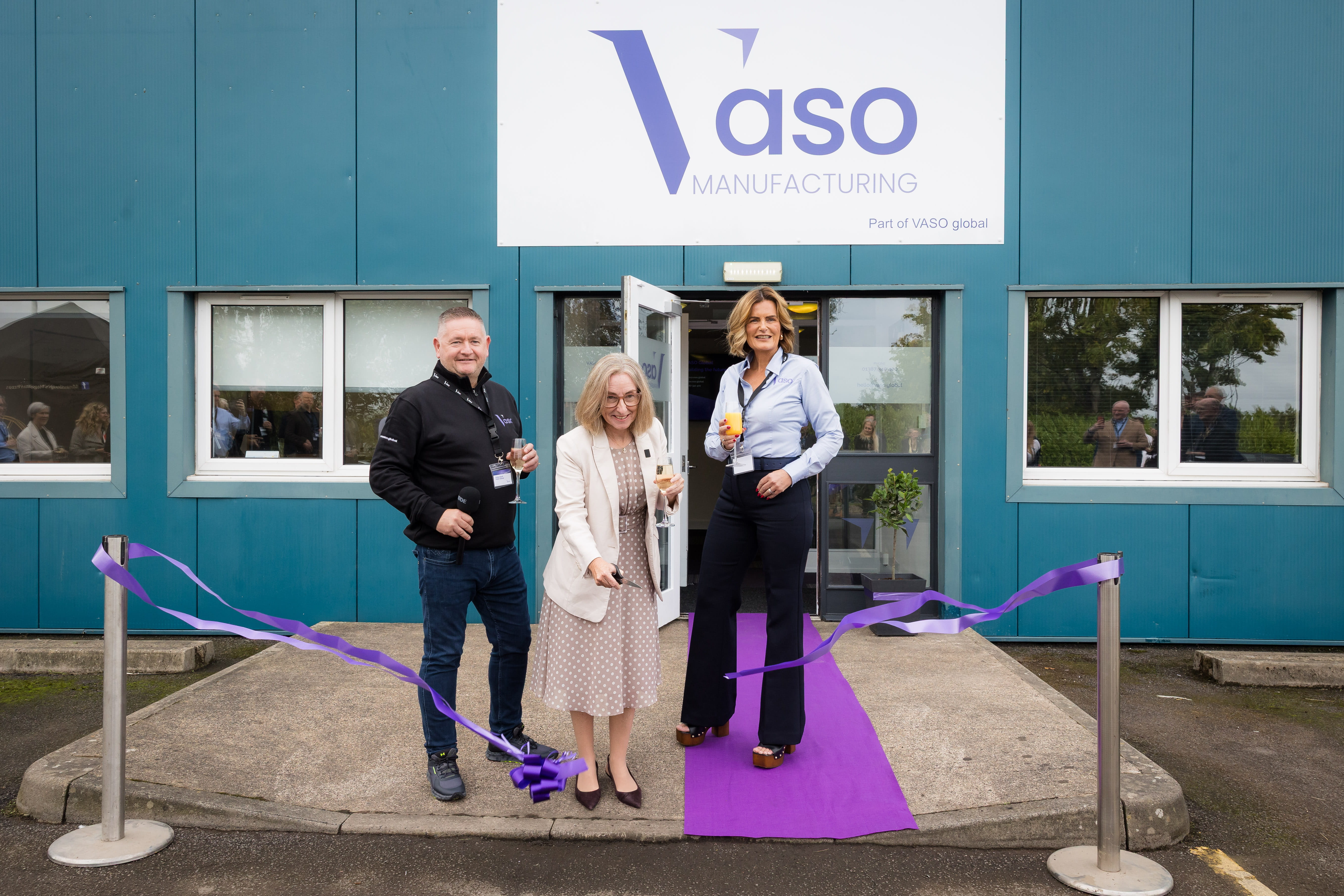
The launch of the Dumfries facility is therefore more than an increase in manufacturing capacity. It provides the infrastructure to test and refine production processes, develop the workforce and begin delivering projects using the system at a meaningful scale. The company has secured more than £5 million in investment from organisations including PXN Ventures, Scottish Enterprise, South of Scotland Enterprise, Innovate UK Loans Limited and Eco Group. The new site is expected to support up to 70 jobs over five years, with 15 positions already filled by people from the Dumfries area at the time of its opening.

For Black, the milestone represents the culmination of a sustained effort to introduce a different approach to construction. Speaking at the launch, he said: “Today is far more than the opening of a production facility. Today is the continuation of a vision, a belief, and almost four years of determination, resilience, sacrifice, frustration, excitement, setbacks, breakthroughs and, above all, unwavering commitment.”
He also acknowledged the challenge of introducing new materials and processes into a traditionally conservative industry. “We firmly believe that moment has arrived,” he said, referring to the need for construction to choose between protecting established methods and embracing change.
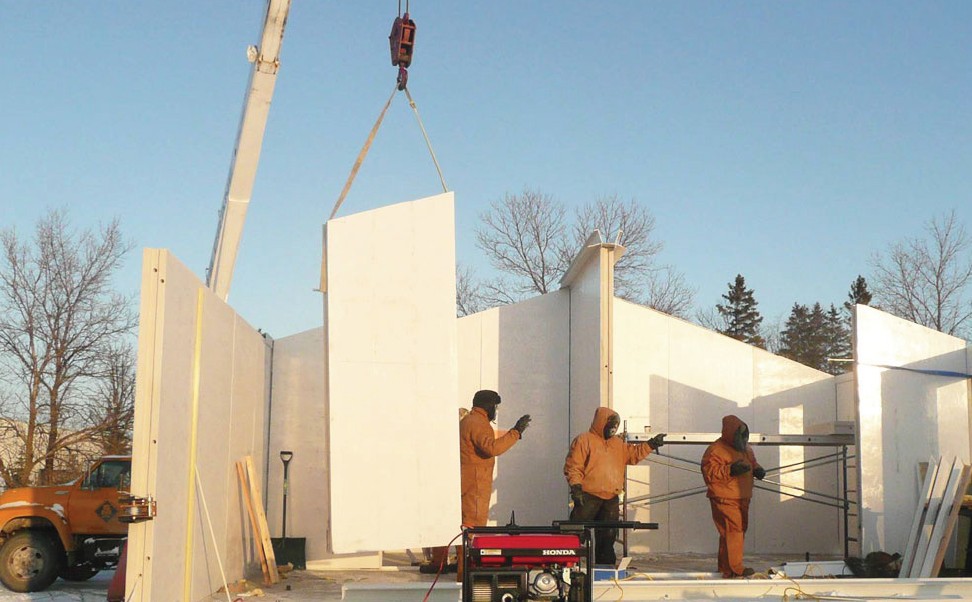
With production now underway, VASO's immediate task is to demonstrate that its recycled-glass panels can translate their technical promise into reliable building delivery. The Closeburn development will provide an early application of the system, while a planned demonstration home in Annan is intended to make the technology more tangible.
The longer-term ambition is international, with a manufacturing model that the company hopes can be replicated in other locations. For now, the Dumfries facility establishes the production base from which VASO intends to take its material-led construction system into the market.