

Surface Perpectives: Specification starts with understanding

As we mark the one-year anniversary of our Surface Perspectives series, we’re bringing together some of the themes that have emerged across the conversations to look more closely at the specification and use of stone.
Over the past year, we’ve spoken to people across the stone and surfaces industry, from quarry operators, architects and designers to fabricators, stonemasons, conservators, suppliers and specialists in restoration and aftercare. Their perspectives have highlighted recurring questions around material knowledge, performance, sustainability, skills and long-term value.
For the first of four round-up articles, we look at what good specification actually requires, and why it needs to go beyond choosing a material that simply looks right.
Stone is rarely short of visual appeal. The harder question is whether the material is being understood well enough before it is specified. One theme that comes through repeatedly relates to better specification, which depends on moving beyond the sample and considering how a material will perform, how it will be fabricated and installed, how it will be maintained, along with what its value will be over time.

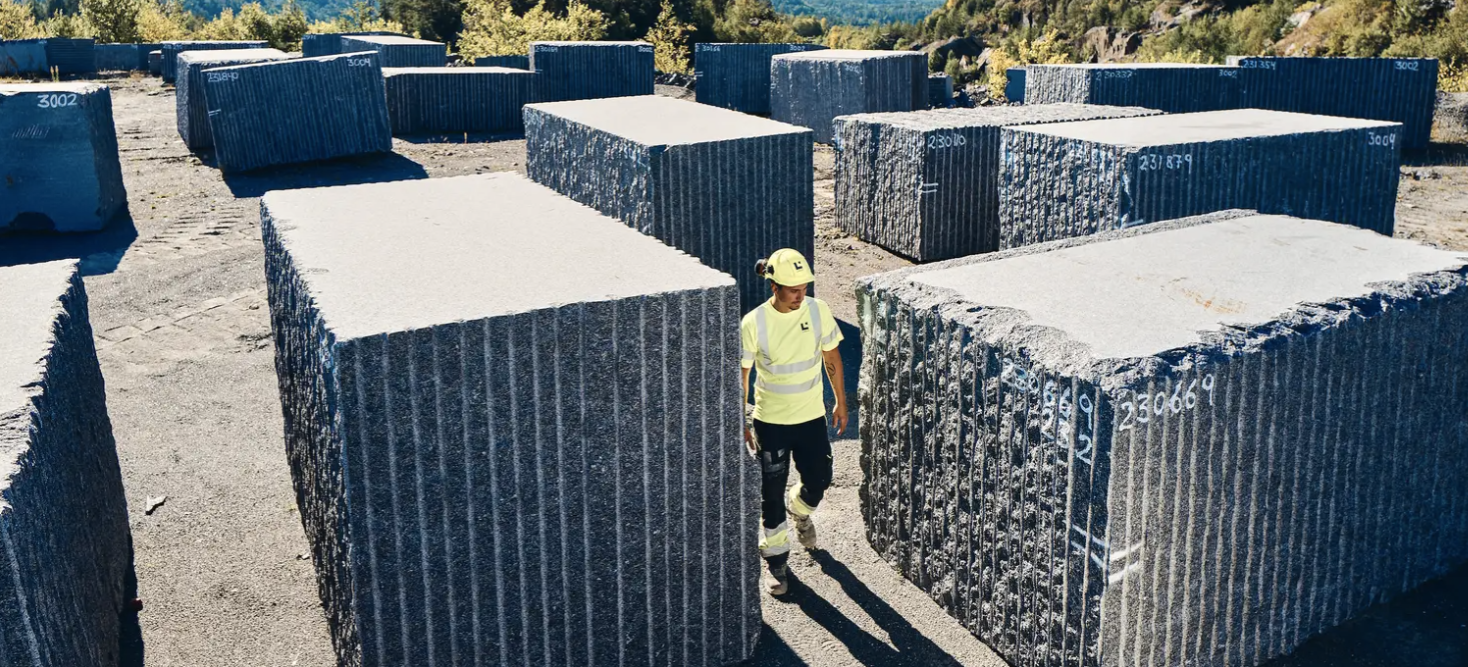
Lundhs HQ
For Ben Ayling of Lundhs, education is central to that process. His role involves helping architects, designers and fabricators understand how natural stone can address both practical and aesthetic requirements, translating technical information from the quarry into guidance for project teams. “Good decisions rely on people understanding a material, its performance, and its purpose,” he says.

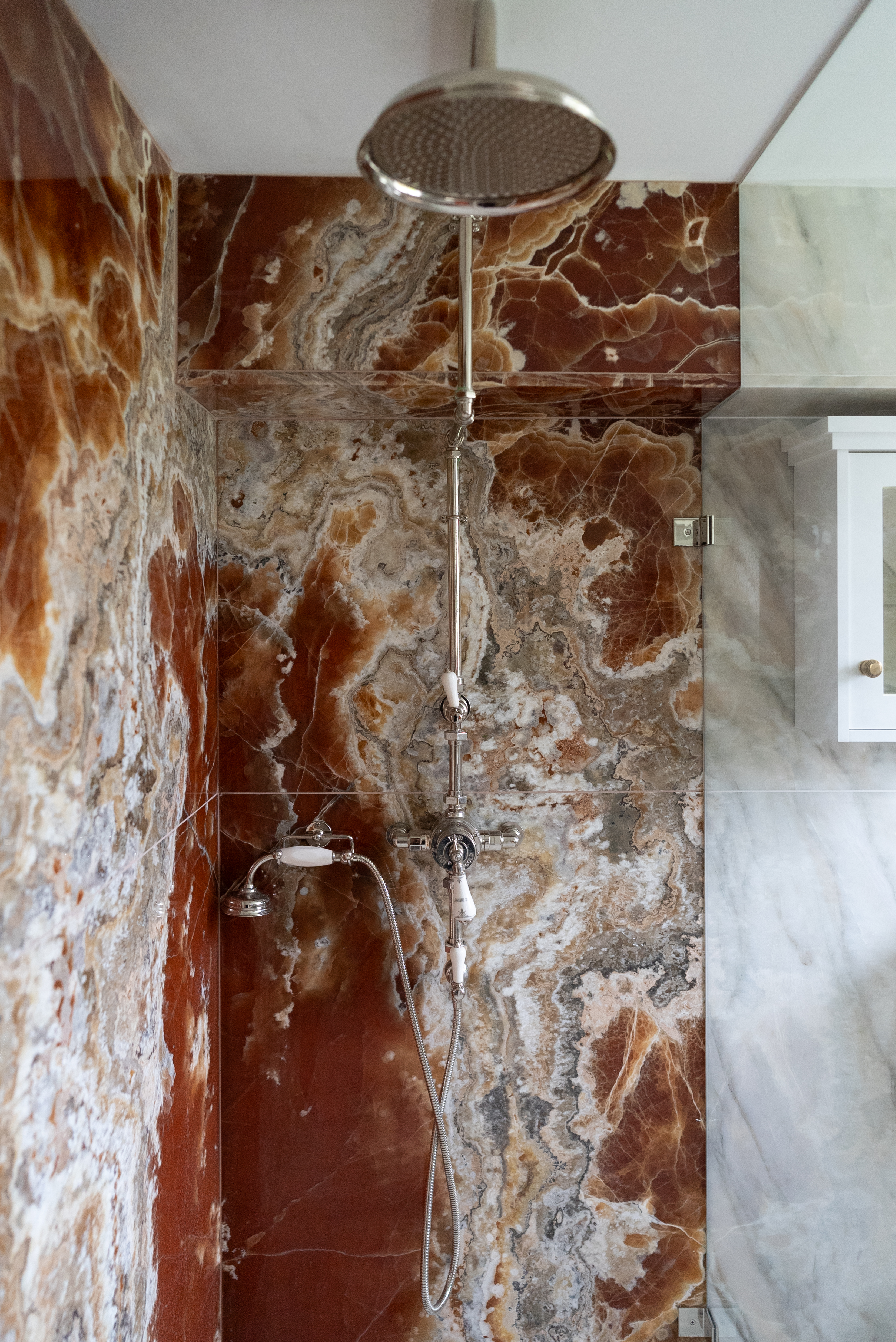
Ca' Pietra
That distinction between appearance and performance is particularly relevant as the range of stone and surface materials available to designers continues to expand. Holly Kerslake of Ca’ Pietra describes a working day that involves “moodboarding samples, discussing stone vs porcelain, and chatting about trends”, but stresses that visual appeal cannot be separated from application. “It’s vital to consider how spaces will be used and not just get lost in the aesthetics.”

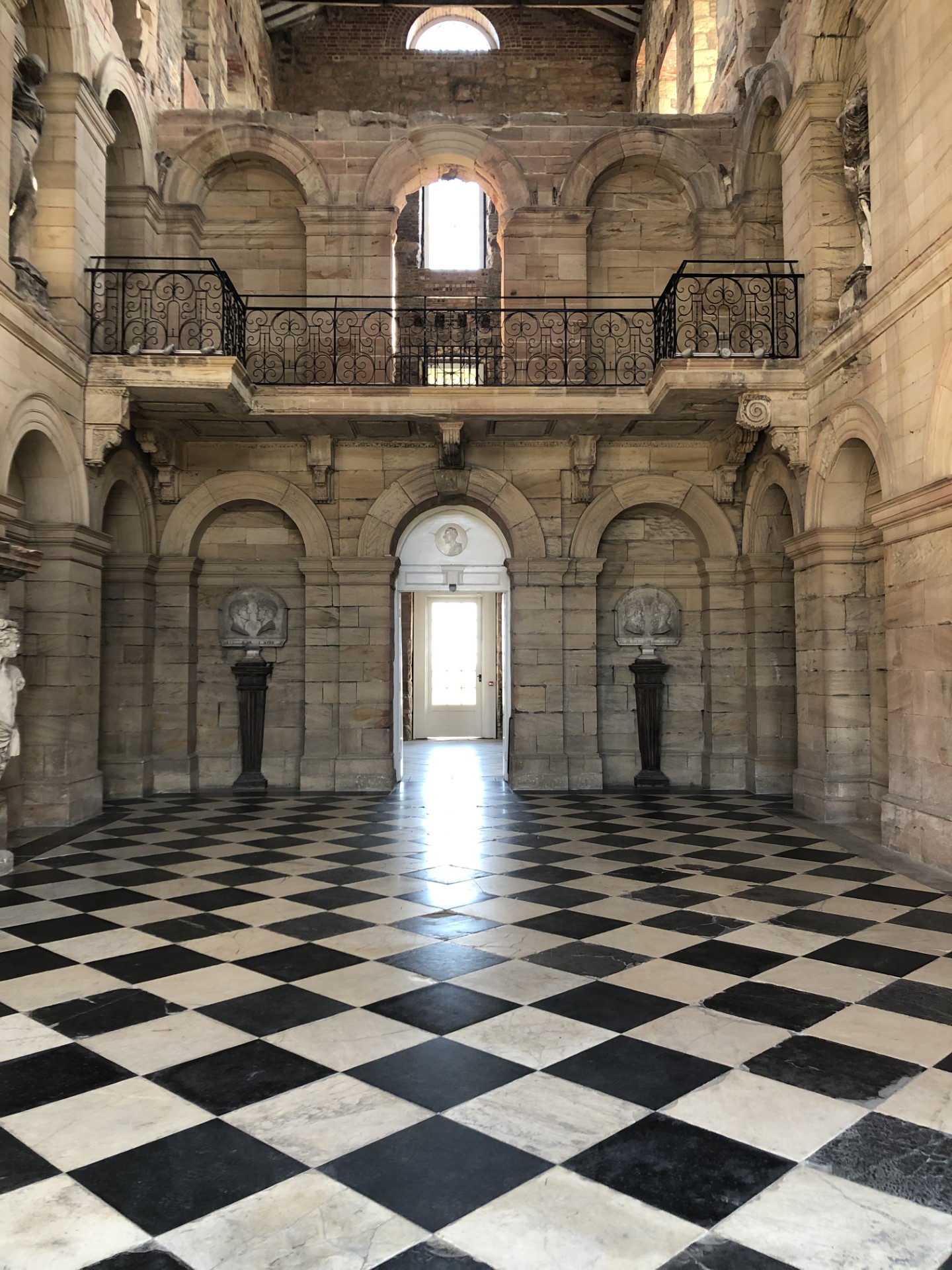
Faye Newman
Faye Newman makes a similar point from the design side, identifying education around material choices as one of the industry's main challenges. Designers and clients need to understand not only what a stone looks like but whether it suits the way a space will be used. She points to misconceptions about granite, including the assumption that all natural granite is highly porous, while knowledge of different finishes and technical characteristics remains uneven.

The Surface Collection
The problem is compounded when specification is driven primarily by price. Ross Williamson of The Surface Collection, working across stone and hard surfaces, identifies “rising costs, supply chain pressures, labour shortages, and increasing competition” as current pressures, but also highlights education as a challenge: customers need to understand “the real differences between materials and the long-term value of investing in quality surfaces rather than making decisions based purely on price.”
That long-term view can be difficult when surfaces are selected towards the end of a project, after other costs have accumulated. Newman notes that kitchen surfaces are often specified late, when renovation budgets are already under pressure. This can make the cheapest quotation appear attractive, even though installation quality and material suitability can have a much greater effect on the eventual outcome.
Ca' Pietra
Specification, then, is not simply the selection of a slab. It is also a process of communication.
Williamson describes regularly working with fabricators, designers, architects and developers on “technical performance, aesthetics, installation requirements, and long-term durability”. The role is partly about product knowledge, but also about listening. “Understanding what a customer really needs often leads to better long-term partnerships than simply focusing on the immediate sale.”

Athena Stonecare
That knowledge needs to extend beyond the point of purchase. Becca Cranfield of Athena Stonecare sees a related problem at the aftercare stage. Her company encounters homeowners who have installed stone without being given adequate information about cleaning and maintenance. The resulting problems can reinforce the misconception that stone is difficult to live with.
Her response has been to develop an aftercare guide distributed through stone suppliers. “It can benefit the entire industry if we make sure that anyone using stone can do so with the right knowledge and fall in love with the material,” she says.
Cliveden Conservation
There is an important connection here between specification and longevity. A material that is technically appropriate but badly installed or maintained can fail to deliver the service life expected of it. Conversely, good information can allow a surface to remain in use rather than being replaced unnecessarily.
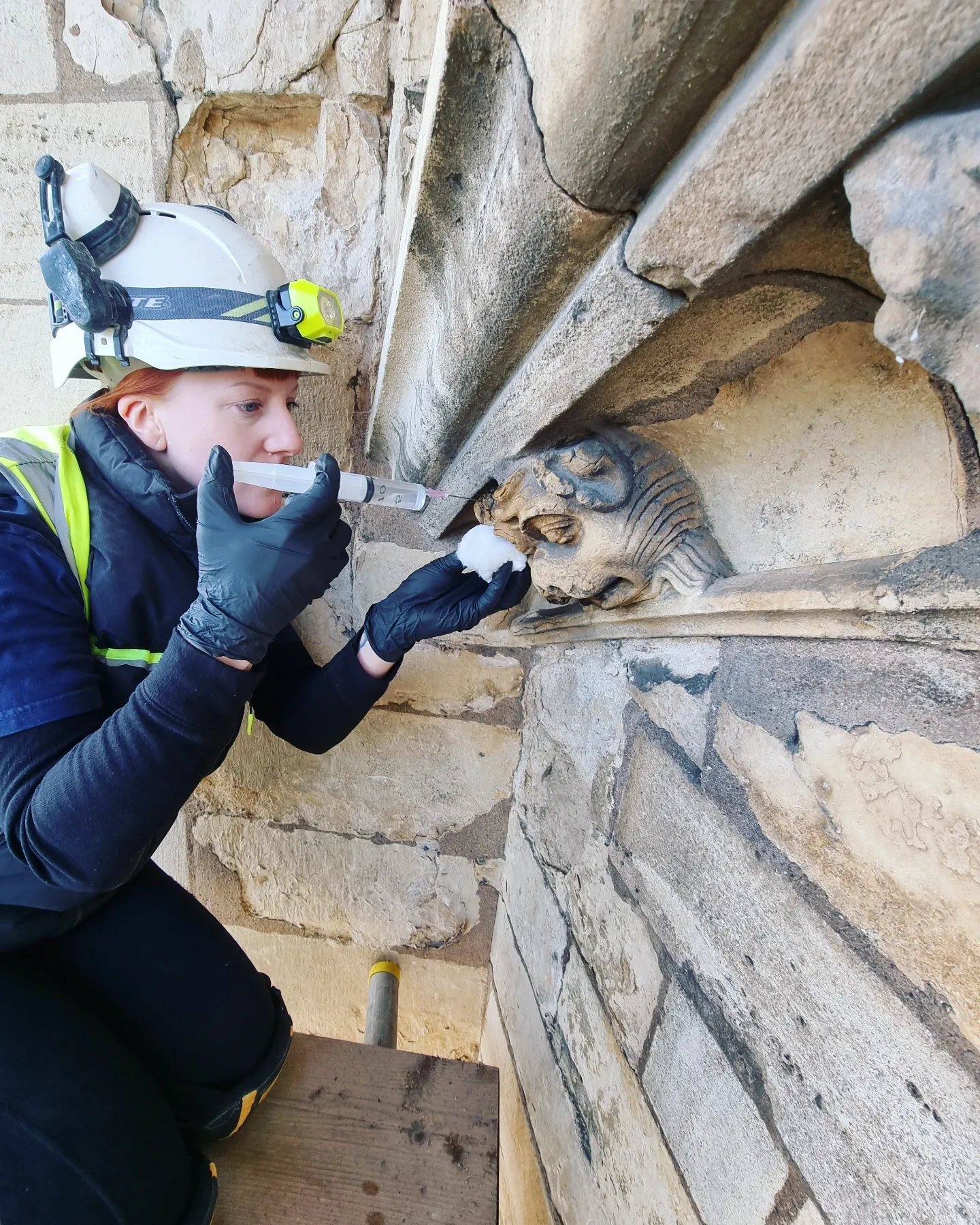
For Tom Flemons of Cliveden Conservation, material knowledge goes deeper still. His work involves identifying materials in historic buildings and sourcing like-for-like stone for repairs. His background as a mason and conservator means understanding the material is inseparable from understanding the building. The stone used in a repair has to relate to the project, its location and the existing construction.

This is one reason the industry's knowledge base matters. Flemons identifies the reduction in practical education as a serious problem, while Lincoln Cathedral mason Rachael Wragg points to the diminishing number of young people entering heritage crafts. Her experience demonstrates how much understanding is acquired through direct contact with the material. “Time spent on the tools, gaining that experience is invaluable in this craft.”
The message across these interviews is therefore less about choosing natural stone over other surfaces than about making better-informed decisions. Ross Williamson acknowledges the different strengths of natural and engineered materials: natural stone brings individuality, while quartz and porcelain can provide consistency, technical performance and design flexibility.
The important point is to understand those differences rather than treating materials as interchangeable images on a moodboard.
For Ayling, that means clearer communication and better data. For Kerslake, it means matching material to use, while for Newman, it means educating clients. For Cranfield, it means explaining care, while for Flemons and Wragg, it means maintaining practical knowledge. Taken together, the perspectives suggest that good specification is less about having more choice than having enough knowledge to make the choice meaningful.
Stone may begin with appearance, but specification should not end there.