

Surface Perspectives: Blair Woodland, Woodland Stonework

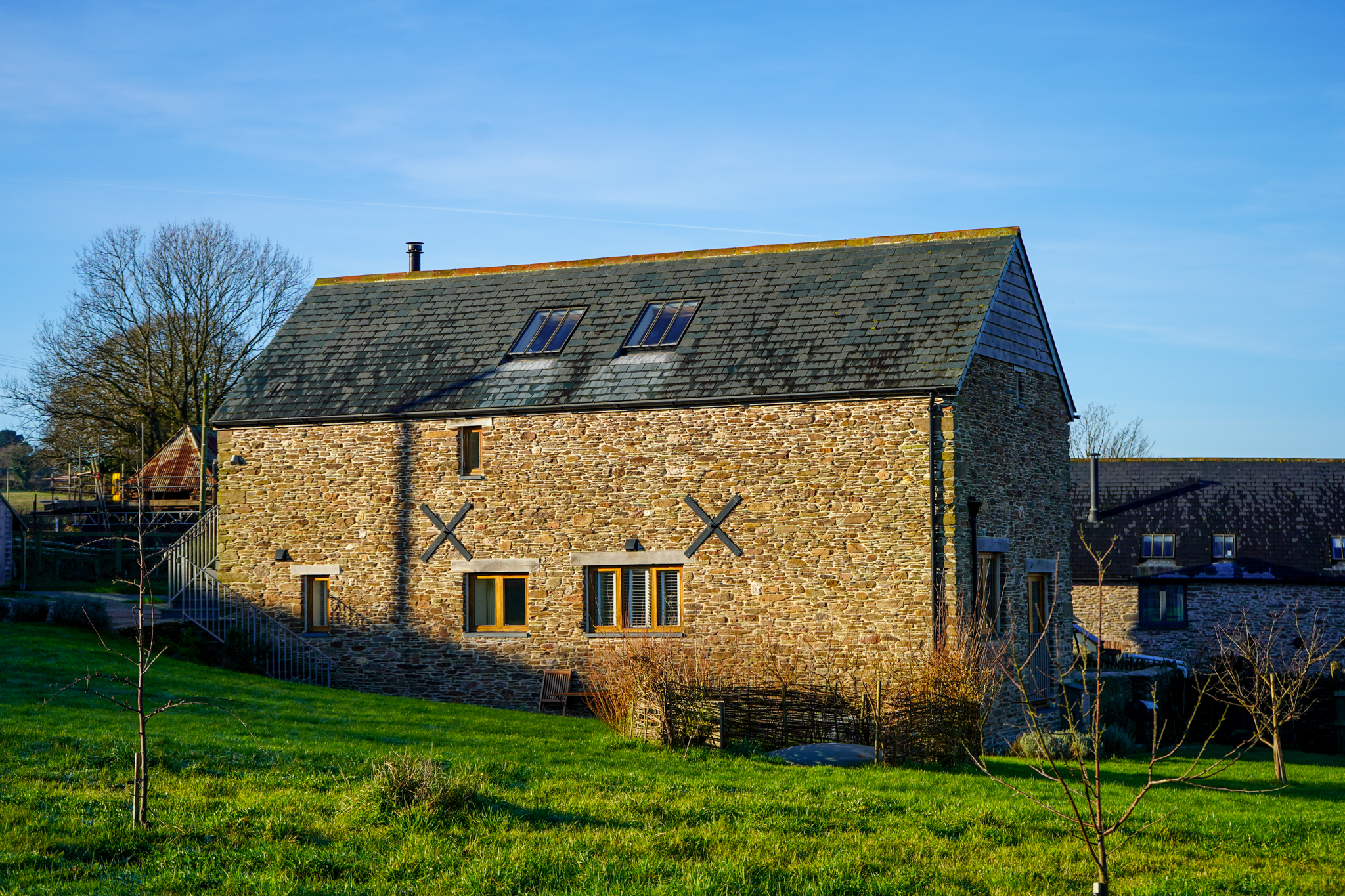
Nestled between the breathtaking north Cornish coast and the rugged Bodmin Moor, Woodland Stonework builds mortared walls, drystone walls, stone cladding for new builds, Cornish hedging, and bespoke commissioned pieces. The man behind the company, Blair Woodland, has a passion for stone craft, which is apparent from the many varied projects in their extensive portfolio. So what makes a traditional craftsperson like Blair tick?
What does a typical day look like for you?
There’s rarely such a thing as a standard day on site. Larger jobs can stay the same for a while, but because I work across so many areas of stonemasonry, no two projects are ever truly alike. That variety is the beauty of the job. It keeps you thinking, learning, and passionate.
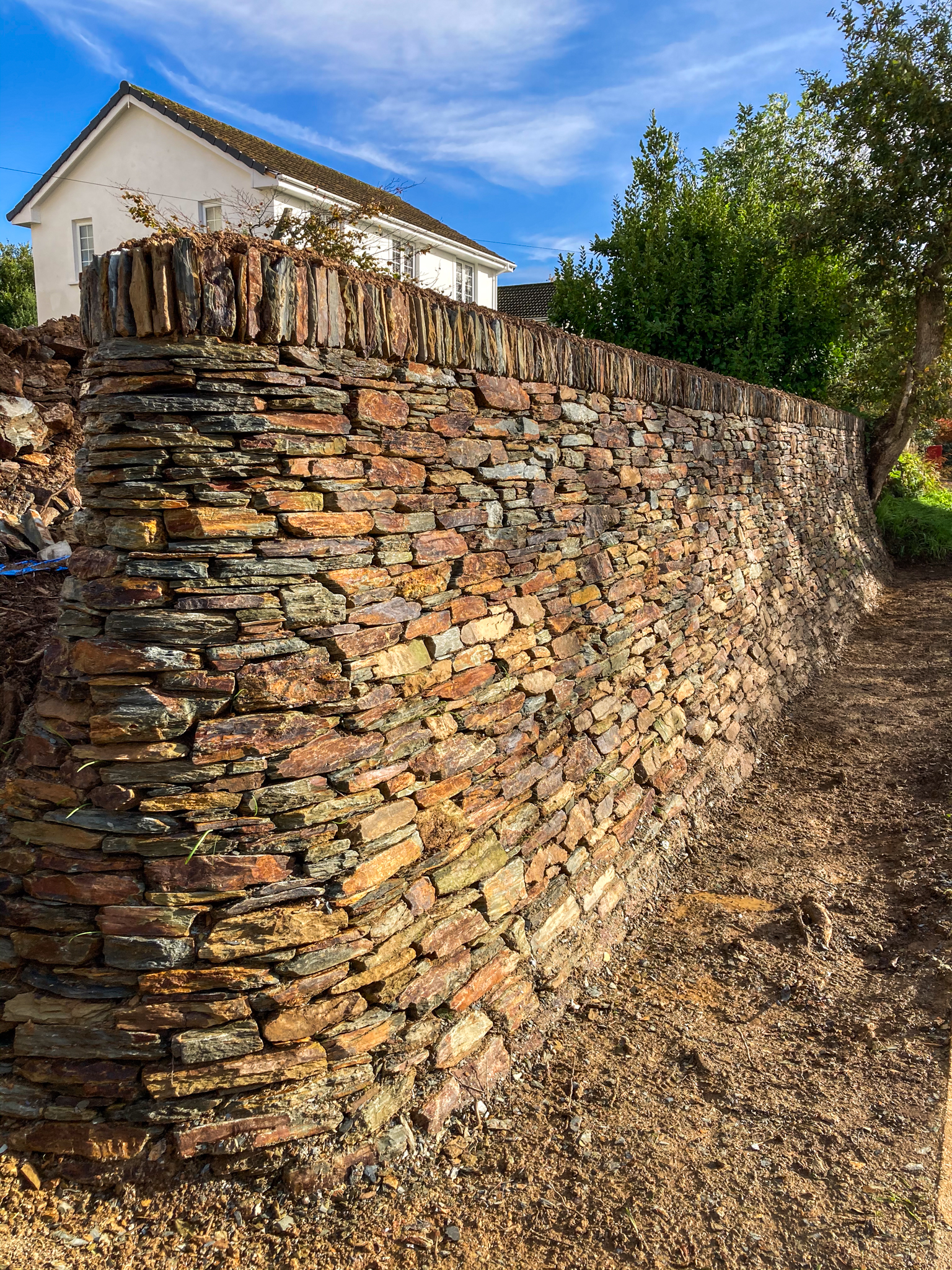
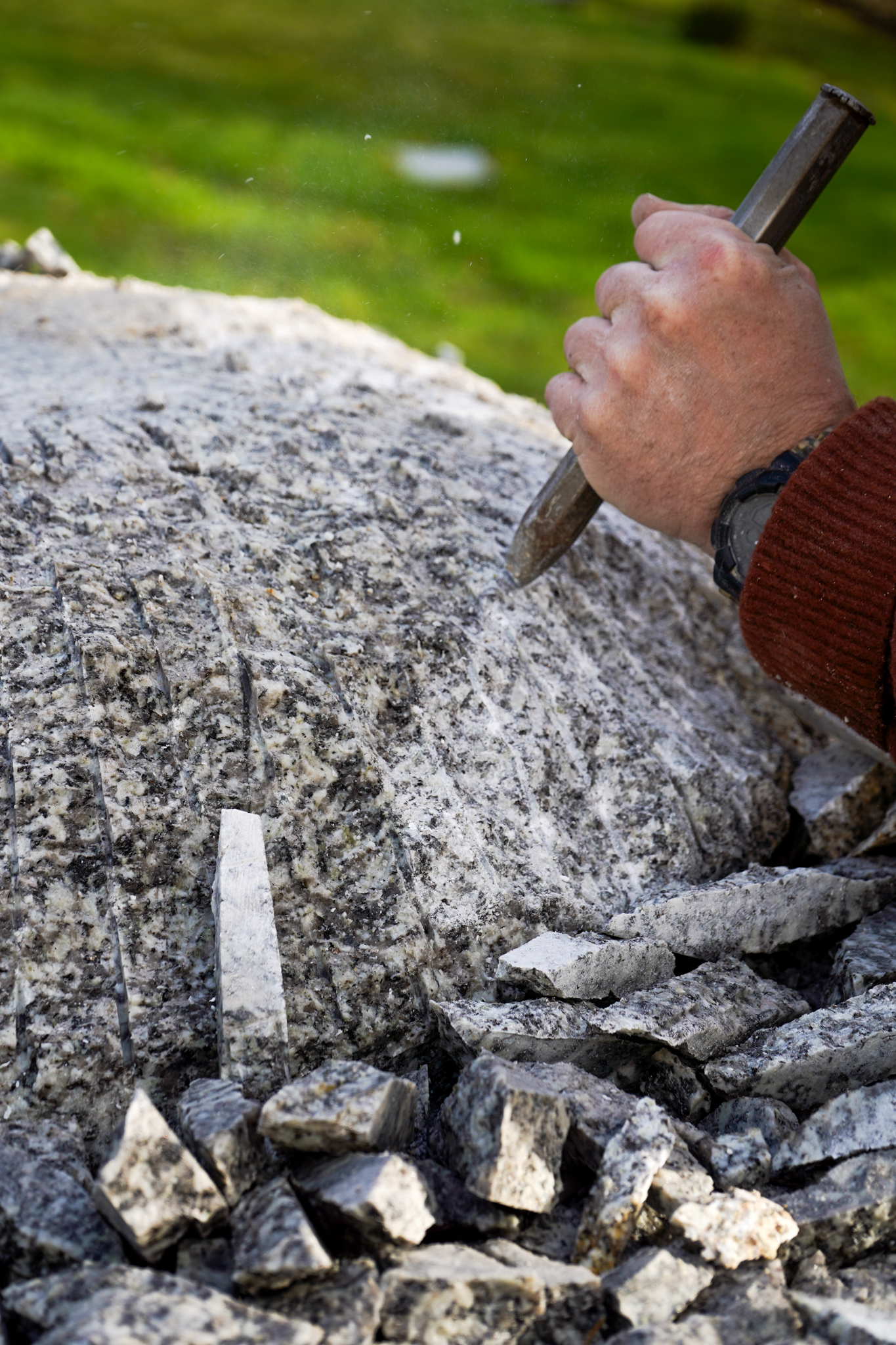
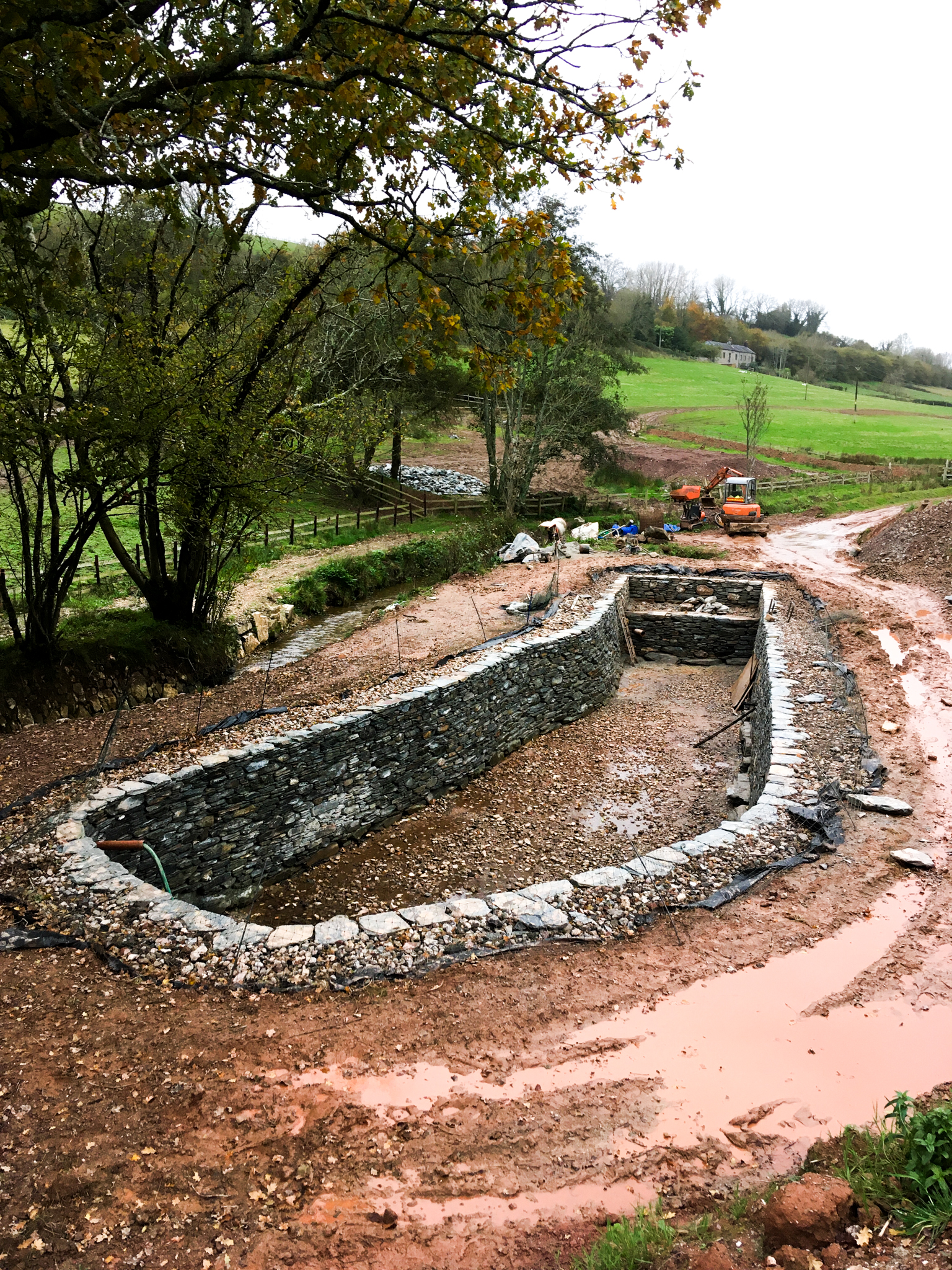
Last winter was spent on a single project. Two large, sweeping Cornish hedges flanking a new driveway. The work involved cutting trenches into compacted farm track, placing heavy slate boulders into the footings, sifting through over 100 tonnes of stone, and shovelling nearly 50 tonnes of soil into the centre of the walls for compaction. This winter couldn’t be more different. I’m now working at a grand Georgian manor house, one of the most picturesque settings I’ve worked in. The project is a bespoke granite and slate sphere for the garden. This will be the centerpiece outside the newly built orangery. While I love all aspects of stonemasonry, jobs like this are the ones where you really invest yourself fully and really push your craft for perfection.
How integral are materials to your day-to-day?
Materials are the most integral part of my work. Without stone, and the right stone, I simply don’t exist. Every job revolves around it, and each project demands something different. Stone is never just a material, it defines the finished work.
Some work involves repair or conservation, where matching existing stonework is essential. That means finding not just the right type of stone, but the right colour, size, and character. People often assume slate is slate or granite is granite, but in Cornwall that couldn’t be further from the truth. I have five slate quarries near where I live, all within a few miles of each other, yet each produces a distinctly different slate.
Because my day-to-day job is laying stone, there’s never a moment when I’m not handling it or thinking about it. Over time, you develop an instinctive understanding of how a stone behaves. Whether it’s soft or hard, how it reacts to a hammer or chisel, whether it needs a gentle touch or a firmer hand. That knowledge becomes second nature. You don’t stop to overthink, your eye reads the wall, your hand selects the stone, and a few taps later, it fits snugly into place. It’s instinct.
What are the biggest lessons you have taken forward from your original training?
I don’t have any formal training in stonemasonry, and if I’m honest, it was never something I planned to do. I vividly remember telling my parents as a child, “I don’t want to be a builder like Dad,” purely because I didn’t want to get up early for work, which probably explains why I still try to ignore my alarm clock.
I set out to become a fine-dining chef and did exactly that, working as a pastry chef in two high-end restaurants. But around fifteen years ago, I fell out of love with the industry. I ended up doing the very thing I’d sworn I never would, working alongside my dad in building.
He’s a skilled stonemason and a real lover of the craft, so there were plenty of jobs where I laboured while he worked the stone. That’s where my real education began. Whenever I wasn’t mixing mortar or shifting stone, I was watching, learning, and absorbing. Stonework immediately caught my attention; it was creative, physical, and permanent, something that would stand for generations.
I started trying to anticipate which stones my dad would need next and handed them to him, quietly proud of my choices, even if he never used them. Over time, I was trusted to lay a few stones myself, then whole sections, and eventually an entire wall on my own. From there, the work grew until I found myself responsible for all the stonework on a multi-million-pound new build. After that, the decision was clear. Stonework was what I wanted to do. From then on, I focused solely on the craft. Studying different styles, techniques, and materials wherever I could and learning by doing.
Which project/s are you most proud of being involved with and why?
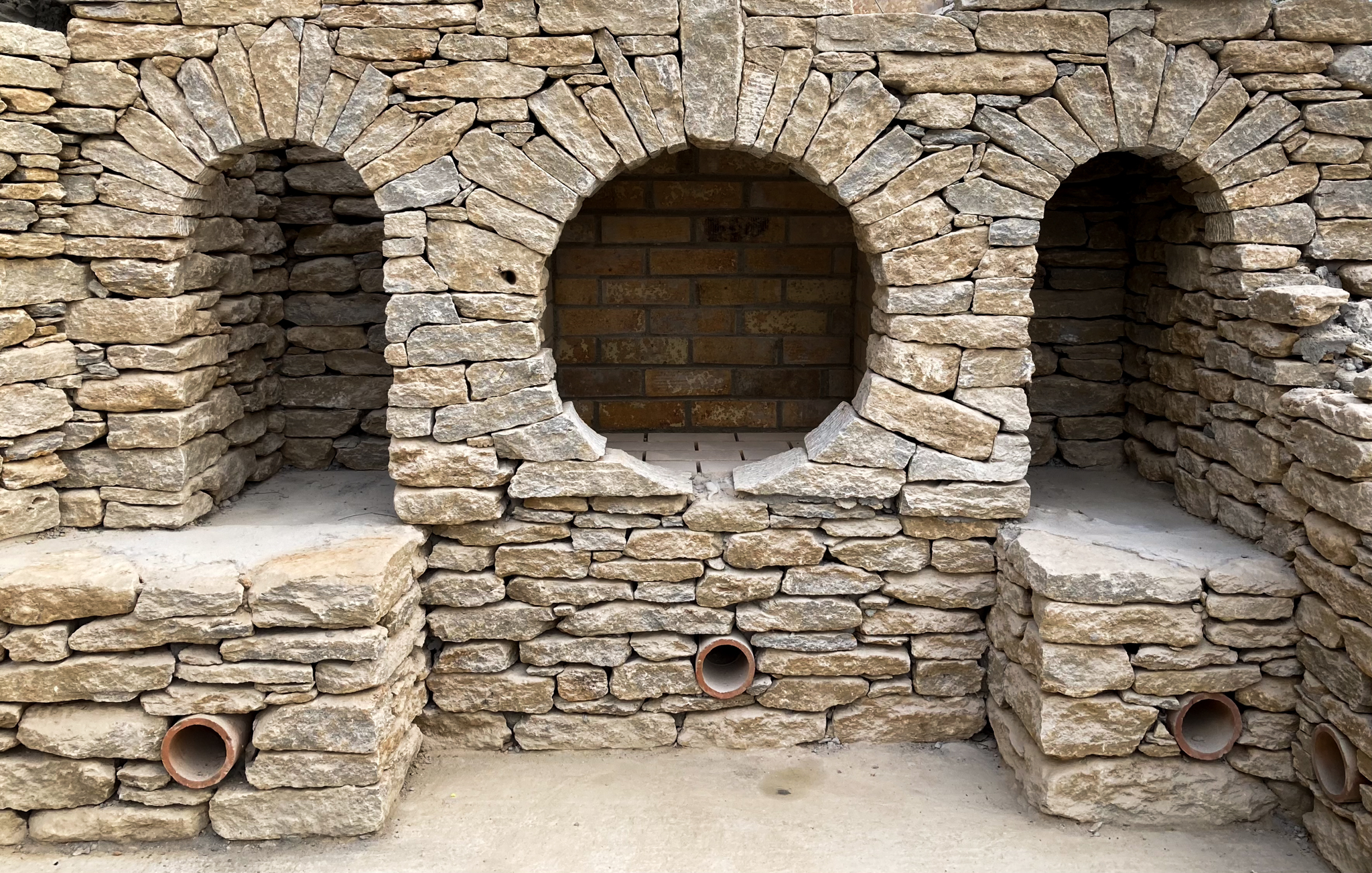
One of the most meaningful projects I’ve ever worked on was helping my dad rebuild a listed threshing barn.
The brief was uncompromising. The barn had to be rebuilt using traditional materials and methods throughout. That meant constructing two-foot-wide solid stone walls with the original stone, laid in lime putty, just as they would have been two centuries ago.
Having the opportunity to build something in this way was extraordinary. I’ve worked with lime before, but this was different. We weren’t repairing or adapting an old structure, we were rebuilding a 200-year-old barn from the ground up.
Projects like that are incredibly rare now, largely because modern materials and methods have replaced traditional building practices. To be trusted with work of that importance and to experience firsthand how buildings were once constructed to last for generations was something special. It’s the kind of job I doubt I’ll ever have the chance to do again, and one that has stayed with me ever since.
What do you feel are the main challenges facing the stone and surfaces industry today?
There is one issue above all others that I believe is doing real damage to my trade. Stonework is being carried out by people with no training, no understanding of the material, and no passion for the craft. It’s driven largely by the demand for work to be done as quickly and cheaply as possible, and in my view, it’s slowly eroding the foundations of stonemasonry.
I see it almost daily; walls built using incorrect techniques, poorly proportioned, structurally unsound, and visually disappointing. More often than not, jobs I price end up going to the cheapest quote. I then drive past once the work is finished and see the result, stonework that simply doesn’t work, either practically or aesthetically. It’s frustrating, especially when there is so much stonework being done, yet so little of it being laid by knowledgeable stonemasons. If this continues, this ancient craft risks being lost altogether, which would be a real shame.
There are also far fewer working quarries now than there once were. Historically, most estates, manor houses, and even farms had their own small quarries, drawing material directly from the land. Today, sourcing stone takes far more care, knowledge, and attention.
In your opinion, what are the positives of using stone in the built environment?
Using stone in the built environment is deeply important to me. It is about holding on to our heritage. England has been built with stone from the very beginning. Our greatest and most beautiful buildings are made of it, and they stand as proof of what was achieved in architecture and engineering long before modern materials took over. From Bath Abbey and York Minster to Rievaulx Abbey, Hadrian’s Wall, and the Roman Baths, the list is endless. From great cathedrals to simple clapper bridges on the moors, stone runs through the fabric of the country. Stone is England, and England is stone.
While I am not building cathedrals or churches, I believe the work I do as a stonemason still matters. I am proud to play my part in keeping the craft alive. Without passionate stonemasons carrying this tradition forward, we risk ending up in a truly concrete jungle, with the closest substitute for stone being a painted tile made to imitate it.
How does sustainability influence your decision-making?
Because stone is always my primary material, the question of sustainability is fairly straightforward. Stone is the epitome of sustainability; it’s a natural product gifted by the earth. As it does need to be quarried and transported, that impact must be considered, but any human-made material requires far more processing, energy, and resources than stone ever will. For that reason, it remains the best option in my book.
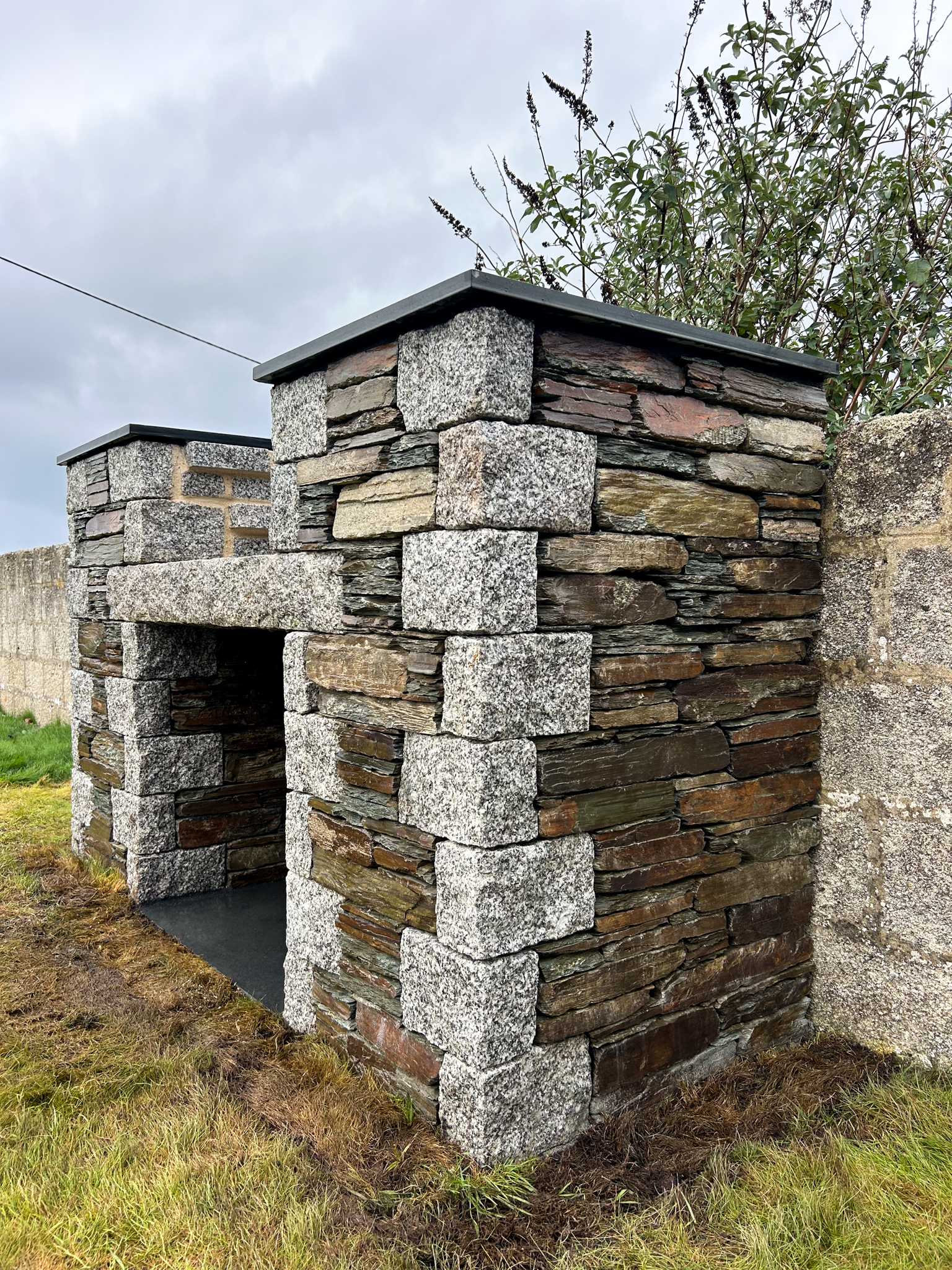
There are, however, key considerations I always take into account when working with it. Location is one of the most important. I aim to source stone as close as possible to where it will be used, which reduces transport distances and ensures the finished work sits naturally within its surroundings. There’s little point in building a wall from dark, heavy slate in an area where the local stone is a lighter brown slate; it simply won’t belong.
The quality of the quarry is equally crucial. Choosing the right source ensures a consistent, reliable material, which reduces waste, unnecessary transport, and the removal of rejected stone. High-quality stone also allows you to produce high-quality work - something that shows not just on the day it’s built, but decades into the future. And if it does fail, it can be repaired using more stone rather than replaced entirely.