

Surface Perspectives: Faye Newman

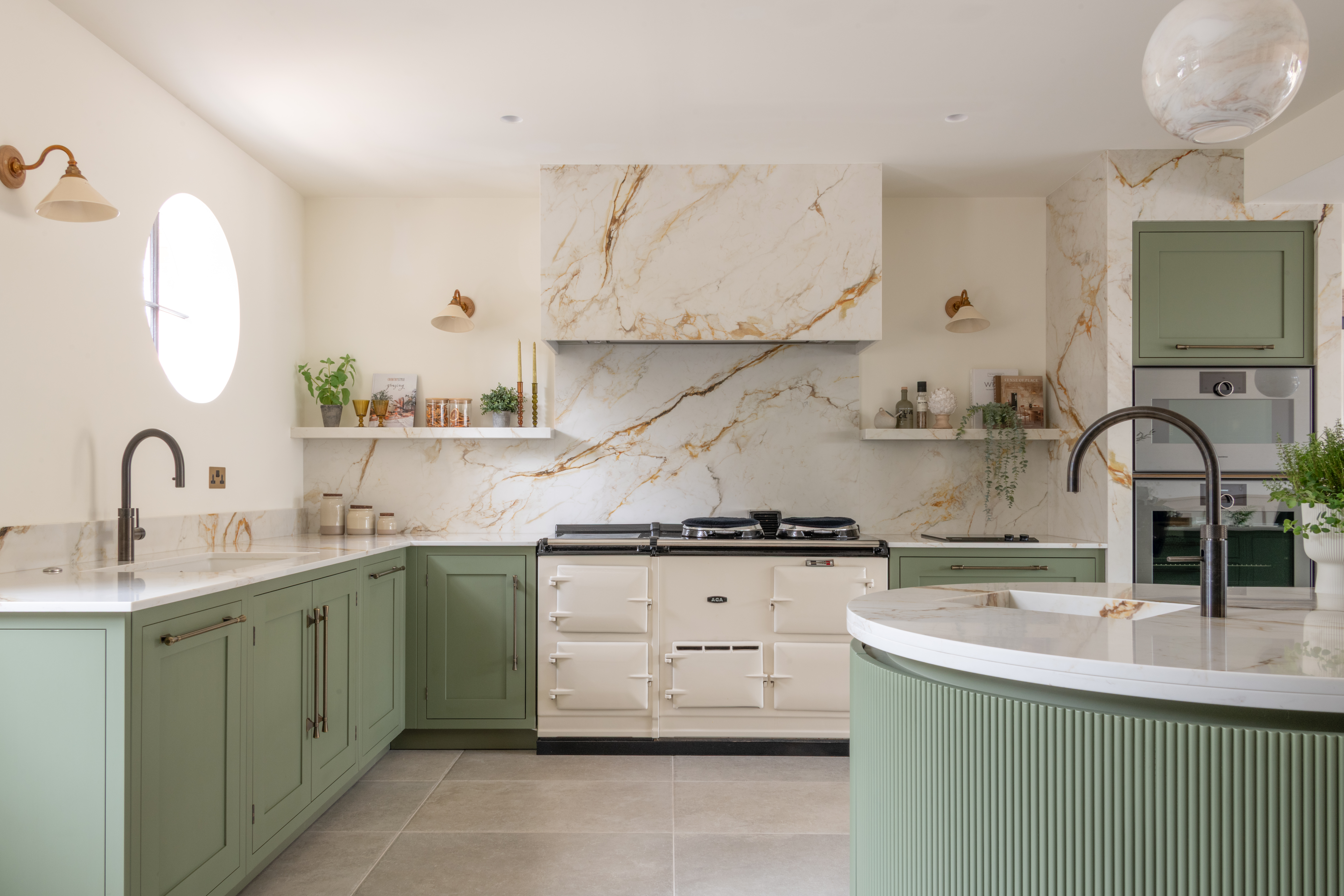
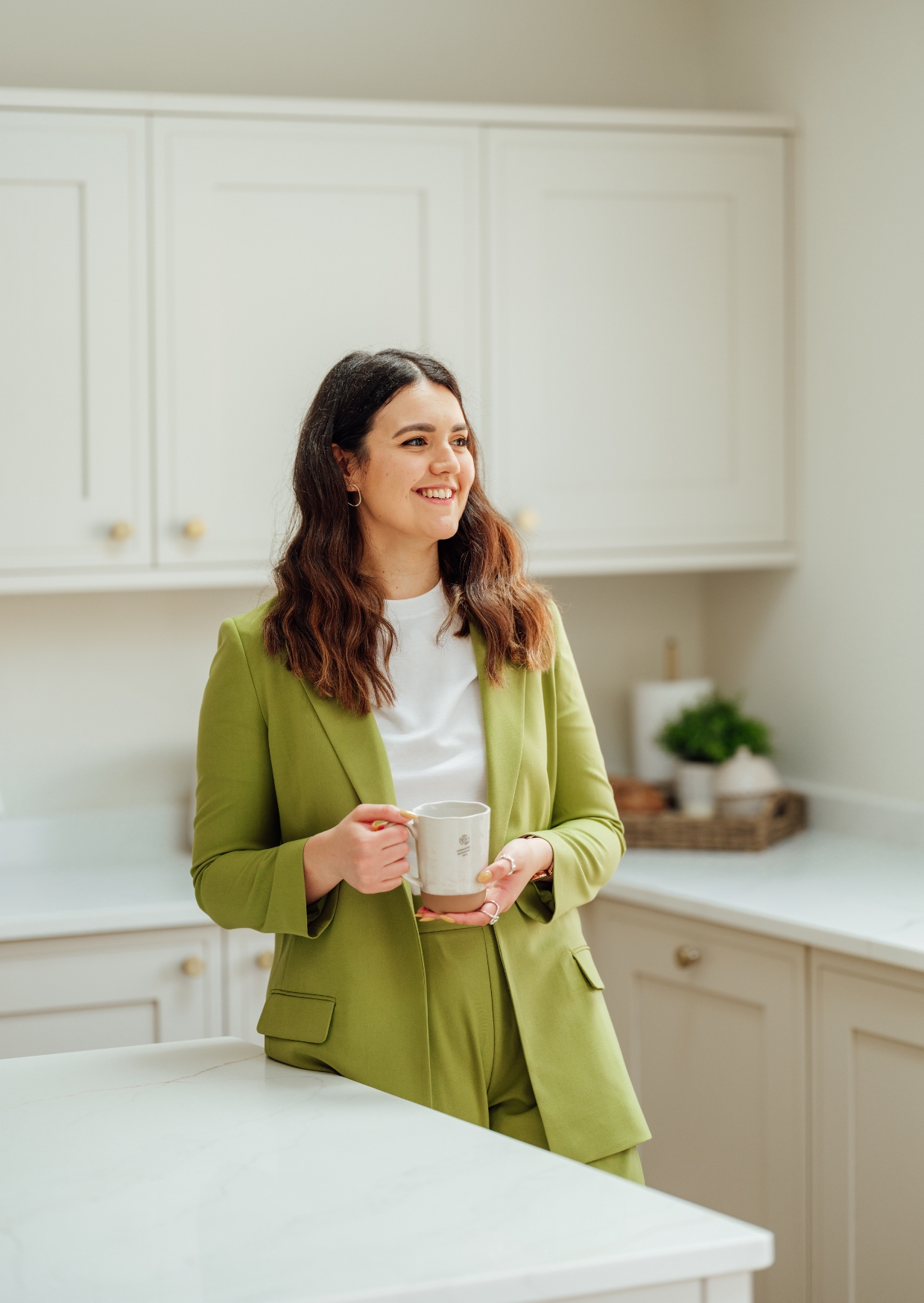
Faye Newman’s day-to-day work as a kitchen designer is rooted in close collaboration with clients, translating how they live into spatial and material decisions that shape the heart of the home. Alongside her design practice, she contributes to broader conversations through her podcast Love Your Kitchen and regular industry events, where she unpicks the decisions and pressures behind the modern renovation process.
As she shares within this Surface Perspectives interview, materials and surfaces have become more than just finishing choices. Once spatial layouts are established, they start to influence atmosphere, rhythm and the sensory experience of a room, quietly shifting how a kitchen is understood and used. For Faye, the expanding landscape of stone, solid surfaces and innovative finishes has opened up a more expressive and considered approach to kitchen design, where detail and texture carry as much weight as function.
What does a typical day look like for you?
Good question! My day-to-day changes frequently depending on the projects and events I'm involved in. For my kitchen design business, a typical day involves frequent calls with clients to work with them on their kitchen design, discuss their projects, and recommend suppliers and trades who would be a perfect fit.
At the early stage, it is important to really home in and understand the reason for the change, as well as the impact a better-planned layout or more storage will have on my clients and their families' lives. I love getting to know their daily habits and how they currently use their space, so I can get a full understanding of everybody involved. Renovating any part of the home, but especially the kitchen, can feel very stressful and overwhelming. Part of my role is guiding clients through these less glamorous phases and reminding them that their beautiful new kitchen is in sight!
Alongside client design work, I host a podcast called 'Love Your Kitchen', which is designed to take the overwhelm out of endless project choices and help homeowners create a space they love walking into every day. I also participate in industry events frequently and co-host the Kitchen Stage at Grand Designs Live.
How integral are materials/surfaces to your day-to-day?
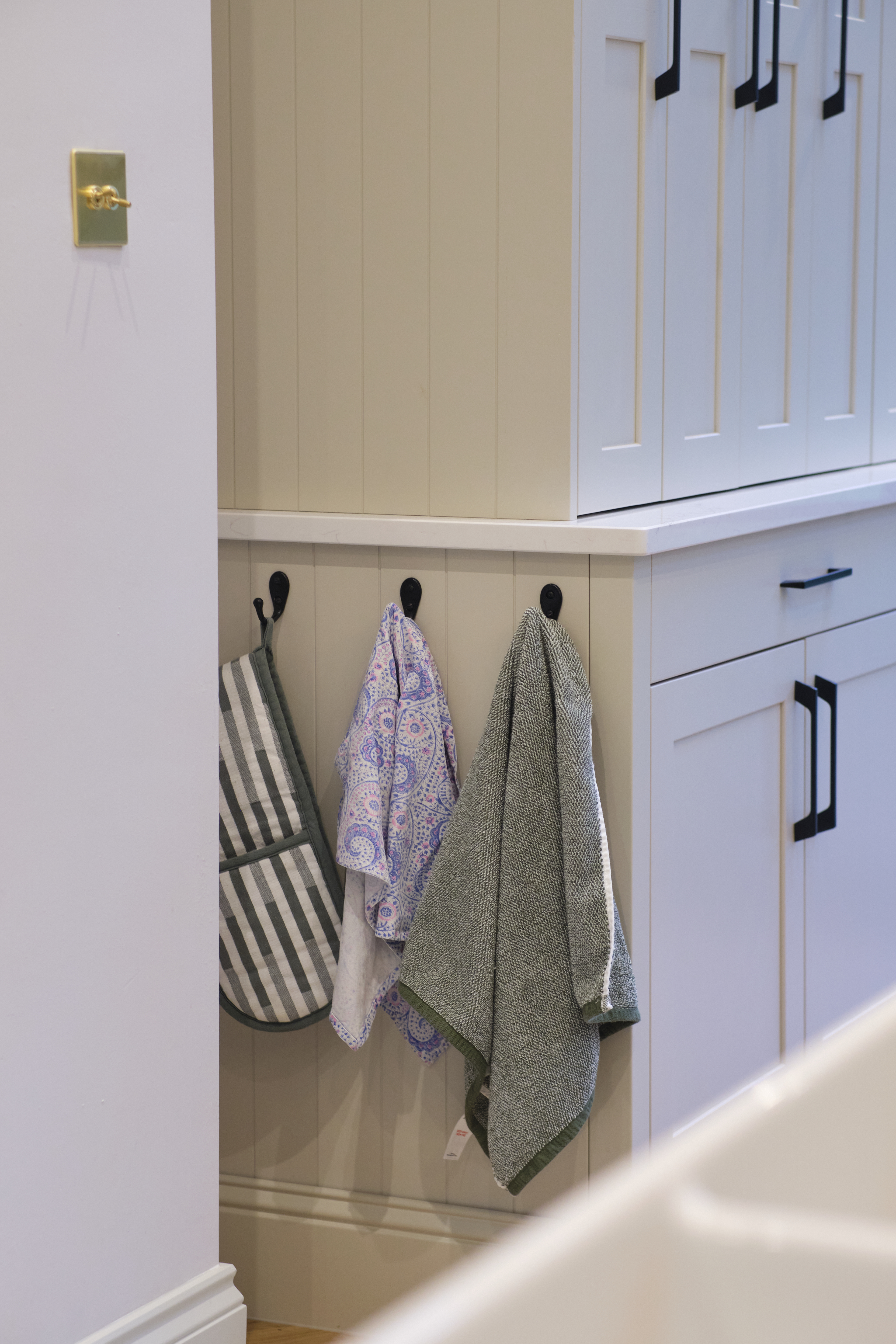
Once the initial layout and space planning of a project are firmed up, materials play a huge role in my day-to-day. The innovation in the choices available now is outstanding, which means we as designers can really tailor these decisions to create a truly personalised and loved space for the homeowner. I'm also finding that the texture of materials is at the forefront of conversations now. Clients aren't just choosing the conventional polished route for stone anymore, and I love playing around with mixing different materials and textures.
Discussing and showing the surfaces available involves frequent conversations during the middle and final stages of the design process. Once the functional aspects are taken care of, materials are always a great opportunity to inject a bit of personality into the design.
What are the biggest lessons you have taken forward from your original training?
When I started designing back in 2016 for an independent kitchen company, I was trained in the basics. I loved learning about the kitchen process and starting to work directly with clients, but material choices back then seemed quite limited or only available to the better-known bespoke companies, which often resulted in more conventional designs for clients.
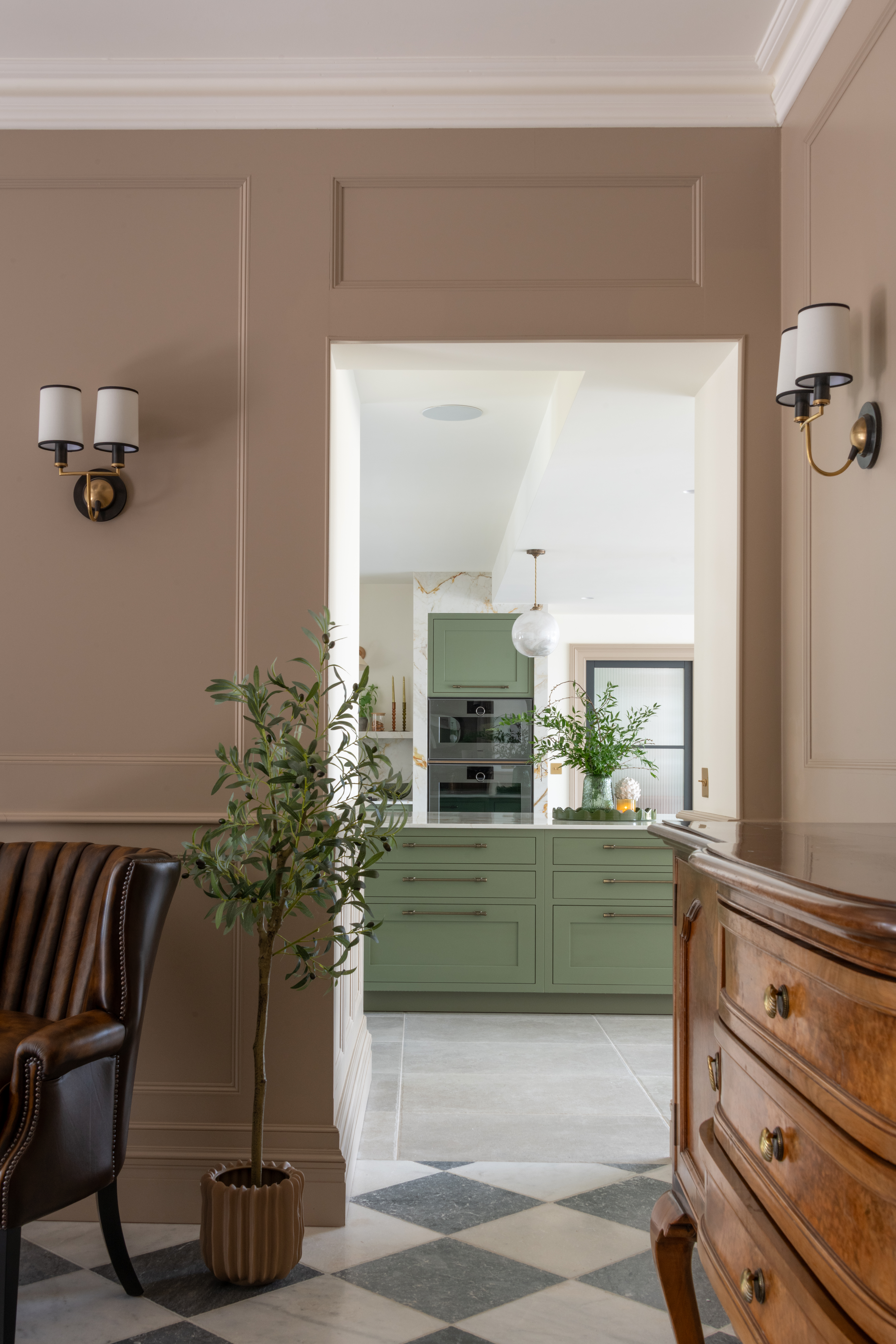
Now, ten years later, there is so much more available in the market for homeowners. Furniture suppliers offer a wider variety of stock colours and styles, and more solid surfaces have become readily available with incredible designs. Playing it safe now is not an option. Even if a client likes the feel of a more neutral scheme, the knowledge and products now available mean that finer details, like layering lighting and textures, create an all-round more tailored approach to their design. It is now completely accessible to everybody if you know where to look.
Which project/s are you most proud of being involved with and why?
As cliché as it sounds, my favourite projects are always all about the clients. As an independent designer, I get to work with so many amazing people and kitchen spaces. To me, a successful project is one where the clients' lives have been transformed for the better, even long after the honeymoon phase of the new design has passed.
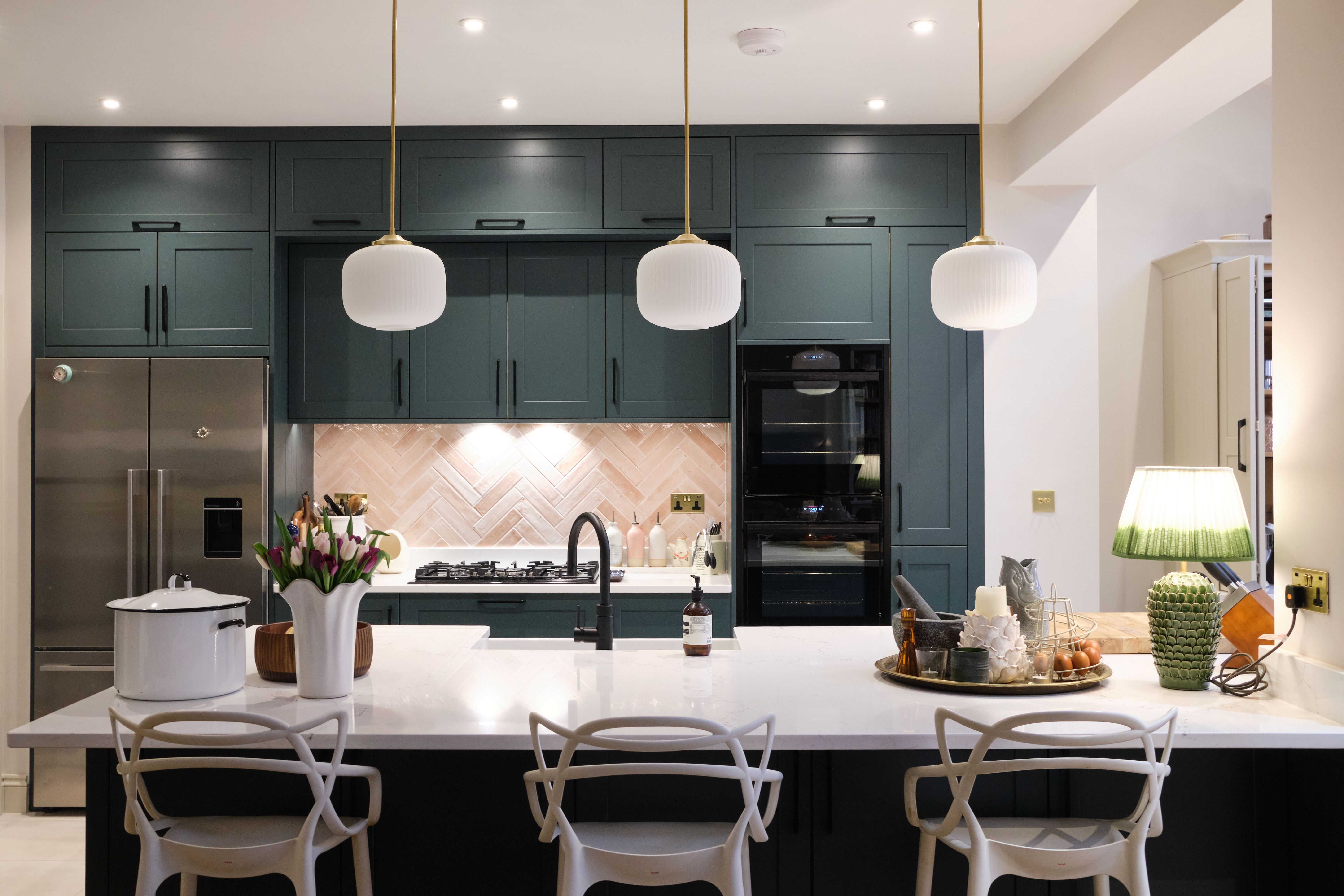
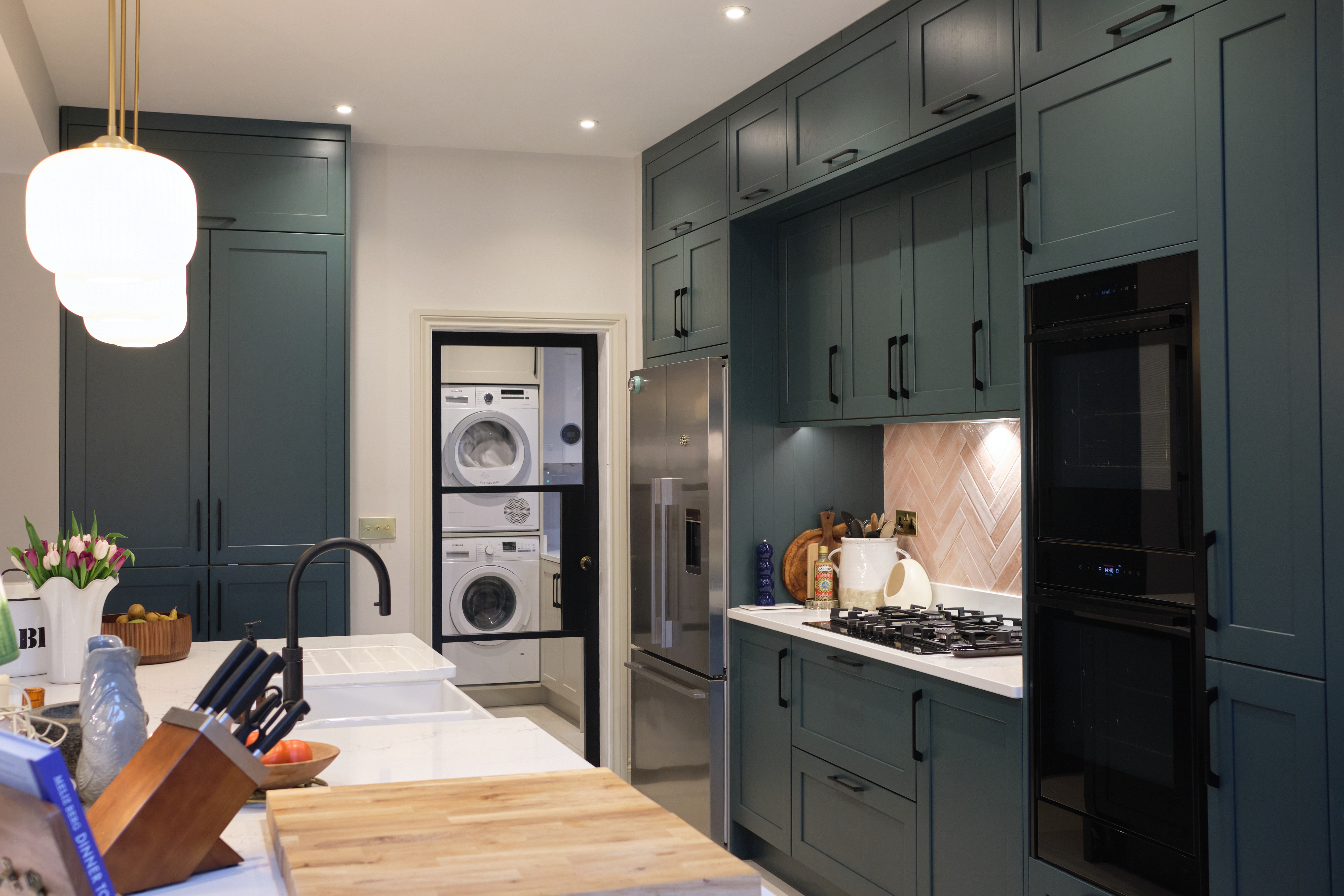
One project I always come back to is the Harborne Project, because the feedback was: "Every day I walk into my kitchen, I sigh a massive sigh of relief because of how much I love it." In this particular open-plan design, we had a lot to include. Although it was a beautifully sized space, a huge central pillar left behind after the walls were knocked through offered a real challenge. Moving the initial entrance door further into the lounge allowed us to create a beautiful family island and make the pillar more of a feature instead of a hindrance. We chose bold colours for the furniture, tiles, and interior elements, and paired them with a more muted, timeless solid worktop to create seamless joins around the pillar. The quality of work from the worktop supplier was outstanding.
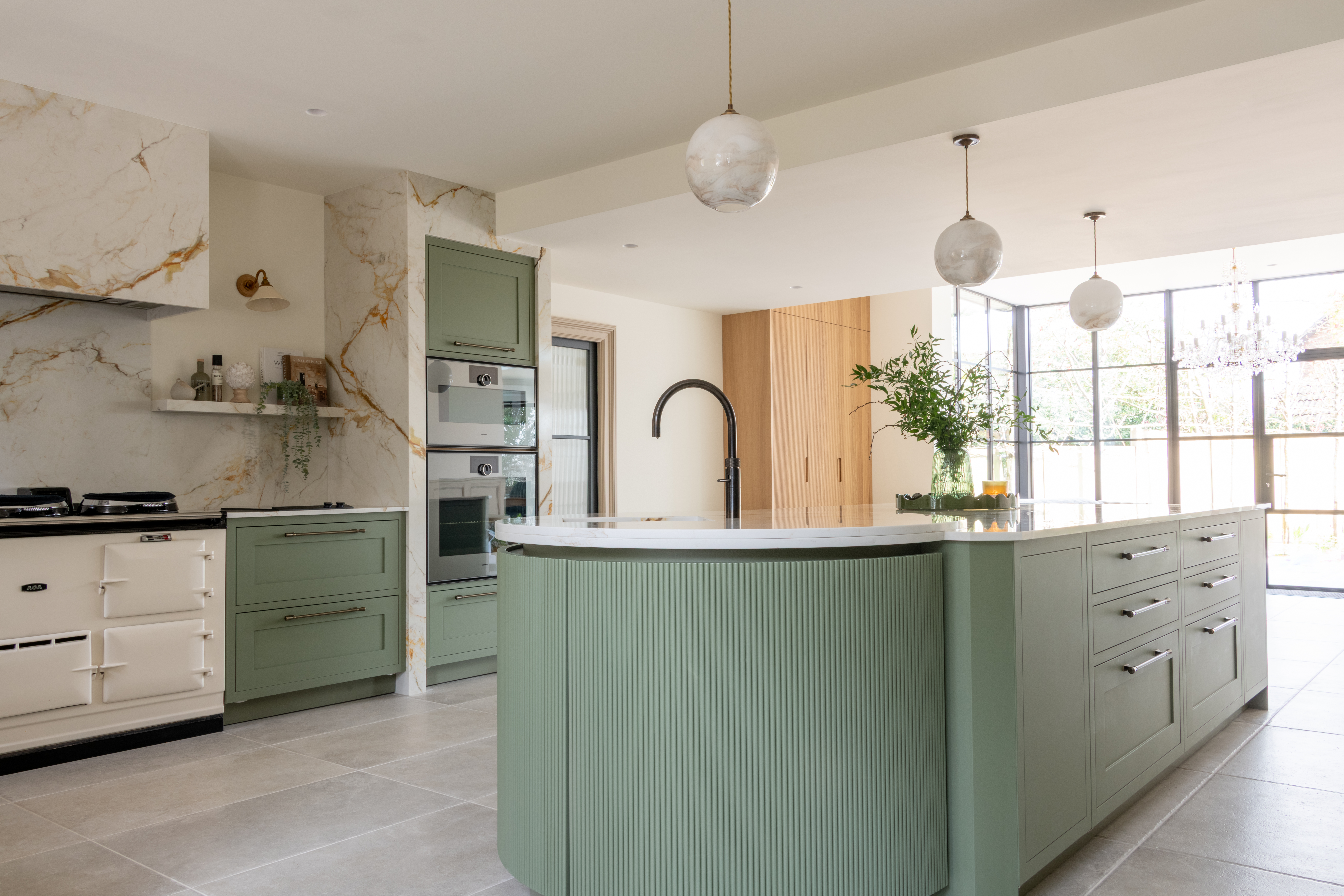
Another project that springs to mind is one where I worked on the initial furniture layouts alongside interior designer Elaine Lewis. It was a completely disjointed room initially, but it had the scope to be something truly special, and the final result looks stunning! This is a great example of how beautiful it can be to mix natural materials with painted furniture, create a subtle difference in texture with the addition of fluted elements, and go all out on a statement worktop choice. The transformation of this kitchen is definitely one of my favourites.
Lastly, another design favourite is a kitchen and home bar design I am currently working on. The apartment looks over the River Thames, and the overarching goals for the design are high functionality and quality, while also bringing the outside in. We are achieving this through the overall colour scheme, the material choices between hard surfaces and fabrics, and strategic lighting positioning to ensure the view is at the forefront of the design. I always love working on open-plan projects because when the finer details, zoning, and material choices harmonise perfectly, you are part of creating a truly holistic design.
What do you feel are the main challenges facing the stone and surfaces industry today?
From a designer's perspective, the main challenge in the stone industry today is the education surrounding material choices. Good design is now accessible to everybody, which means educating clients on the stones available is crucial. Brilliant innovations are constantly evolving behind the scenes that homeowners are completely unaware of. It is up to us to have these conversations about the options available, helping them choose a work surface or flooring suited not solely to the look, but also to their lifestyle, property type, and daily habits.
For example, there is a common misconception that all granites are highly porous because they are natural products, and many clients don't know that textured finishes like leathered or honed effects are even an option. I've been fortunate enough to gain this knowledge directly from worktop distributors and manufacturers, but many designers are still unaware, which unfortunately results in the end-user being left in the dark too.
I find homeowners conduct much more of their own research now, especially when it comes to worktops. They are very savvy at reading online reviews or seeking advice from friends and family about what stone to choose. However, a couple of bad reviews can prevent them from purchasing a great type of worktop, even if the issue mentioned was a unique manufacturing fault or down to a misuse of the product. This is a massive challenge for the industry, alongside navigating high-profile media coverage like the health and safety focus around respirable crystalline silica.
Finally, helping homeowners understand what a high-quality installation looks like versus a poor one is essential. Homeowners might only purchase a kitchen a few times in their lives. If they don't have a past bad experience to compare it to, they will most likely opt for the most cost-effective quotation. Because decisions on these surfaces usually happen towards the end of the project, overall renovation fees have often increased more than planned, making budget a real strain.
In your opinion, what are the positives of using stone in the built environment?
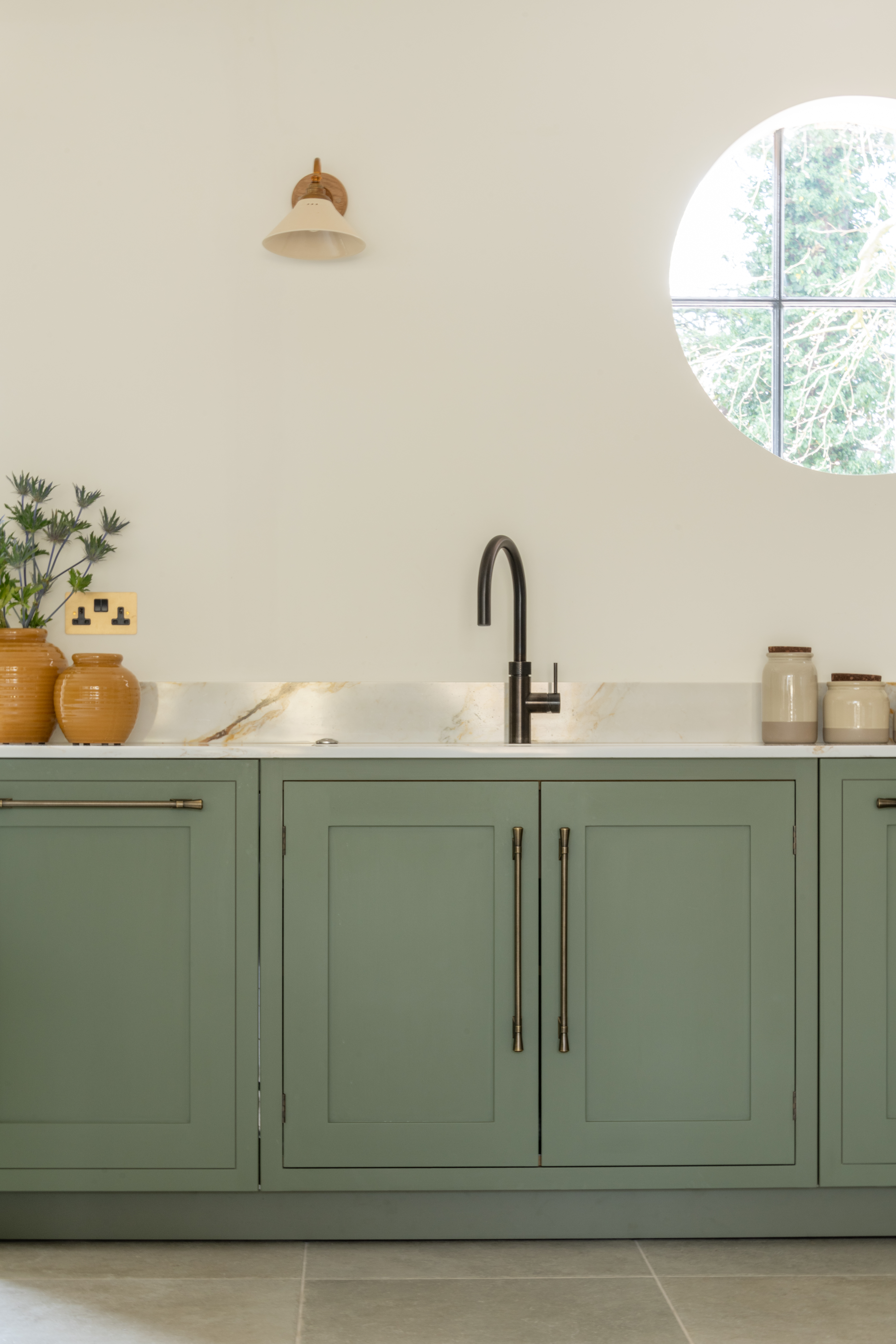
The obvious positive of using stone in a multifunctional room like a kitchen is its durability, ease of cleaning, and how effortless it makes food prep and cooking. From a design perspective, working with a full slab size as opposed to fixed lengths and depths allows for far more flexibility. For instance, it doesn't limit cabinet storage choices below when opting for a wall-mounted vented hob, and it gives you the ability to create a tailored shelf behind a hob or in a bar area for olive oils, seasonings, or spirits. If you aren't eating into a brand-new slab, creating these custom features is actually really inexpensive to do.
Working with full slabs also allows us to make a massive impact vertically. In most cases, being able to continue the worktop as a splashback set at whichever height, or even specifying a contrasting stone here, creates a beautiful contrast and statement. It also opens up the opportunity to play with mixing and matching two different types of stone, perhaps a subtle, hard-working surface for the main run and a bold, dramatic stone for the island. For a true statement piece, especially in a home bar or entertainment zone, the ability to specify translucent stones that can be backlit adds an incredible layer of luxury and ambiance.
Kitchen islands are, of course, the must-have element in any project. Being able to increase the material thickness here to add more personality, or designing with waterfall ends, gives the space that instant 'wow factor' that so many homeowners are looking for.
How does sustainability shape your thinking and decision-making, and how do materials fit into this?
For me, sustainability is all about reducing waste and trying to avoid as much material going into landfill as possible. When working with clients, I always want to make the most out of the products available. This means figuring out how materials are being used across the project and finding clever ways to use any leftovers, perhaps inside a larder cabinet or even in other areas of the home.
To me, utilising the whole slab of material is crucial. A lot of homeowners aren’t aware of this, which can often leave worktop fabricators with lots of offcuts to try and sell. It is great to hear that more and more manufacturers are now repurposing this waste for building materials and other industries.
Material choice is also evolving, and as a designer, I love learning about the ever-growing list of sustainable options available now. For example, there are fabricated options where the main core is made from recycled materials with a thinner layer of solid surface applied to give the same level of durability, as well as worktops made specifically from recycled polymers and set within a bio-resin to create seamless acrylic surfaces. I would have been completely unaware of these options had I not done my own research or spoken with designers who focus heavily on sustainable choices.
Another factor that was a big talking point at the Stone & Surfaces Show is the supply chain, which plays a massive role in sustainability. Where possible, sourcing stone from European suppliers would always be my preference over importing from further afield.