

Surface Perspectives: gruppe aja

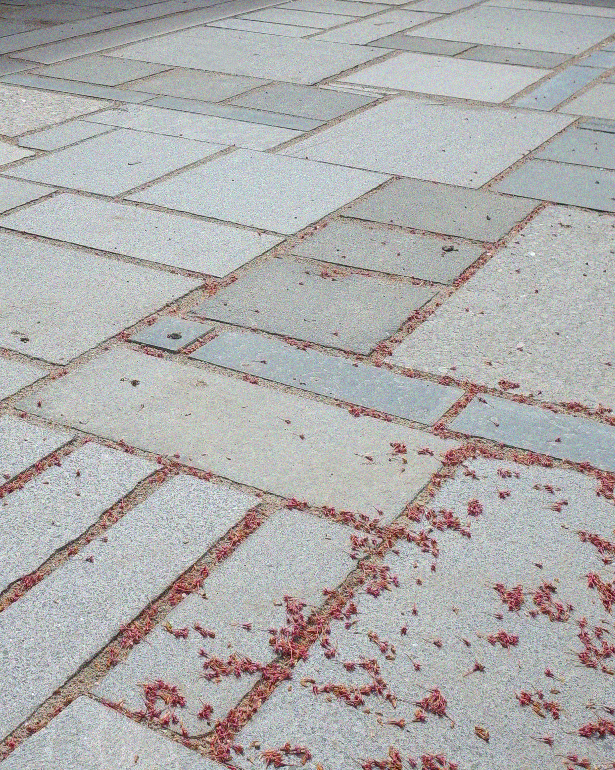
Copenhagen-based gruppe-aja is a material-led architectural practice inspired by the principles of bricolage. The studio works directly with manufacturers, stonemasons, scrap dealers, cemeteries and private individuals to source materials that might otherwise be discarded. In their hands, reclaimed materials, waste streams and whatever resources can be found close to a project are treated as an active part of the design process, challenging the conventional sequence of designing architecture before selecting its finishes.
Drawing with materials from the outset and allowing their physical qualities, availability and histories to shape the work are at the core of their practice, with gravestones, drill cores and granite offcuts used in a series of recent hardscape projects.
For this Surface Perspectives, the team discusses its material-first approach, the value of working directly with reclaimed stone and the need to extend the life of existing materials rather than downcycle them.
What does a typical day look like for you?
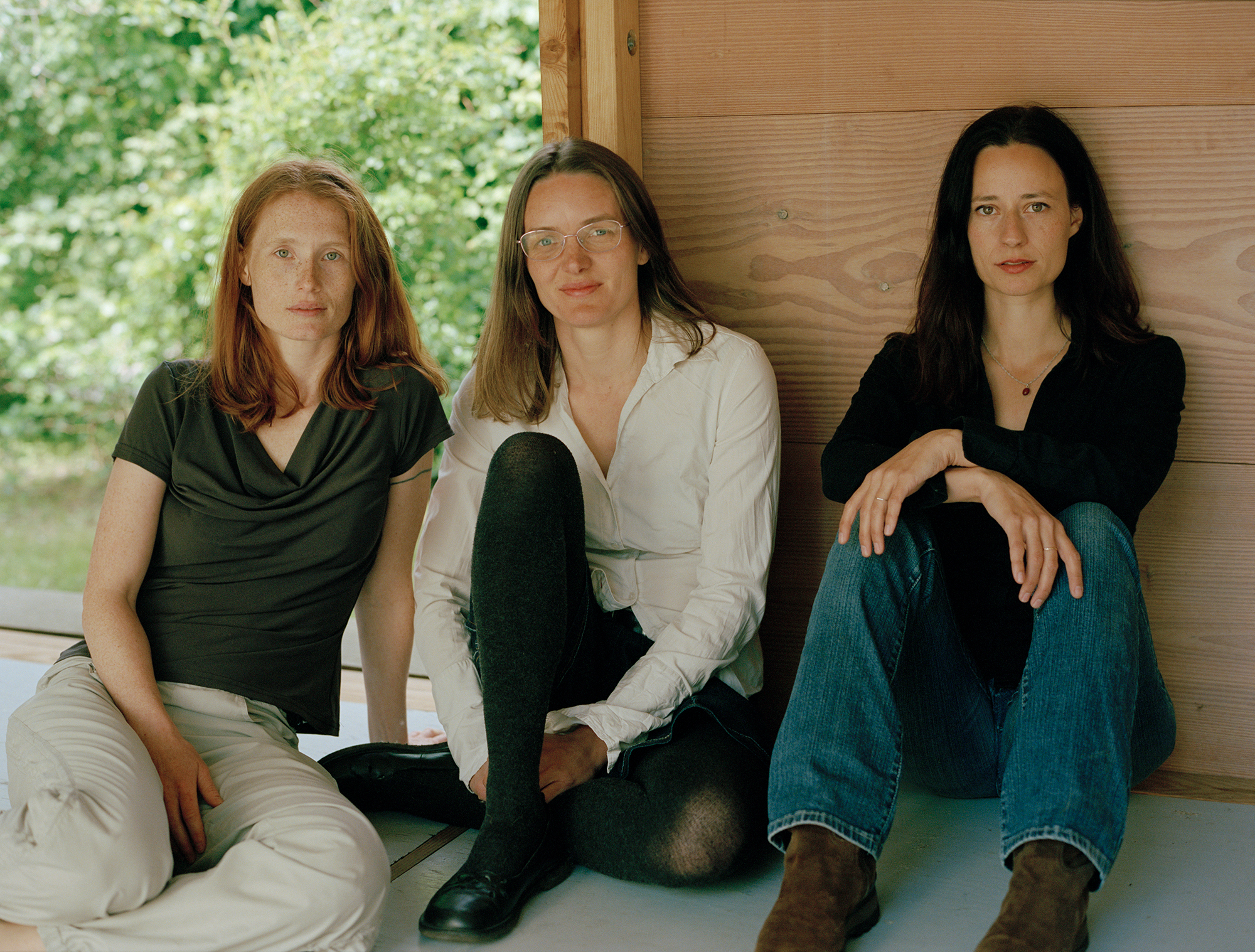
A typical day can take us anywhere—from our office in Copenhagen to a building site, or out searching for materials at industries and businesses close to the site. We work primarily with reclaimed materials and scraps, so we spend a lot of time finding the right materials for each project. We source or purchase materials from brick manufacturers, stonemasons, scrap dealers, private individuals, cemeteries, and many other places. Materials are everywhere in abundance—you just have to know where to look.
How integral are materials/surfaces to your day-to-day?
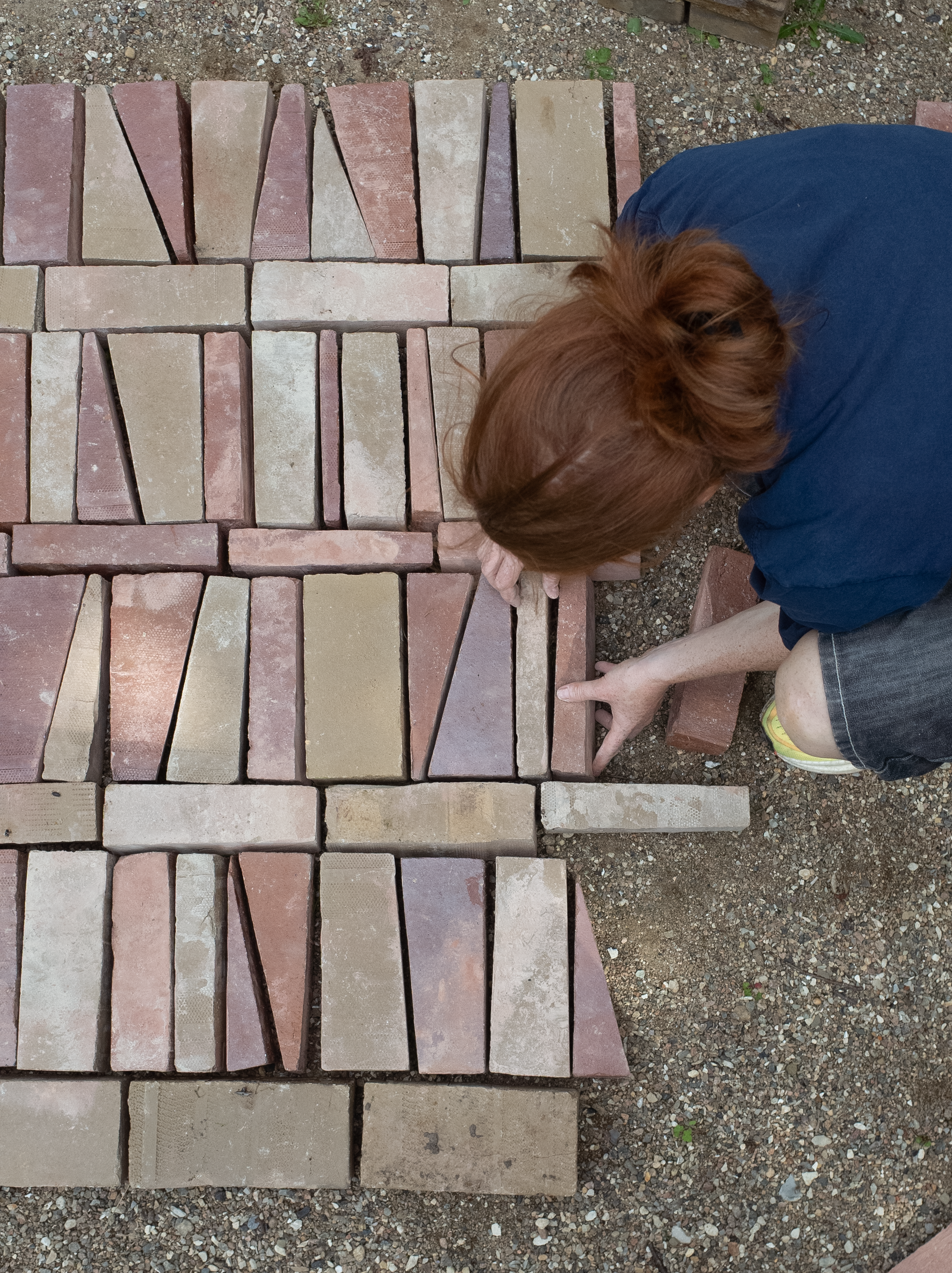
Materials are at the core of our studio. We are a material-based architectural practice, working almost like bricoleurs—using whatever materials are at hand. Rather than designing the architecture first and applying materials at the end, we draw with materials from the very beginning. The material itself becomes part of the design process.
What are the biggest lessons you have taken forward from your original training?
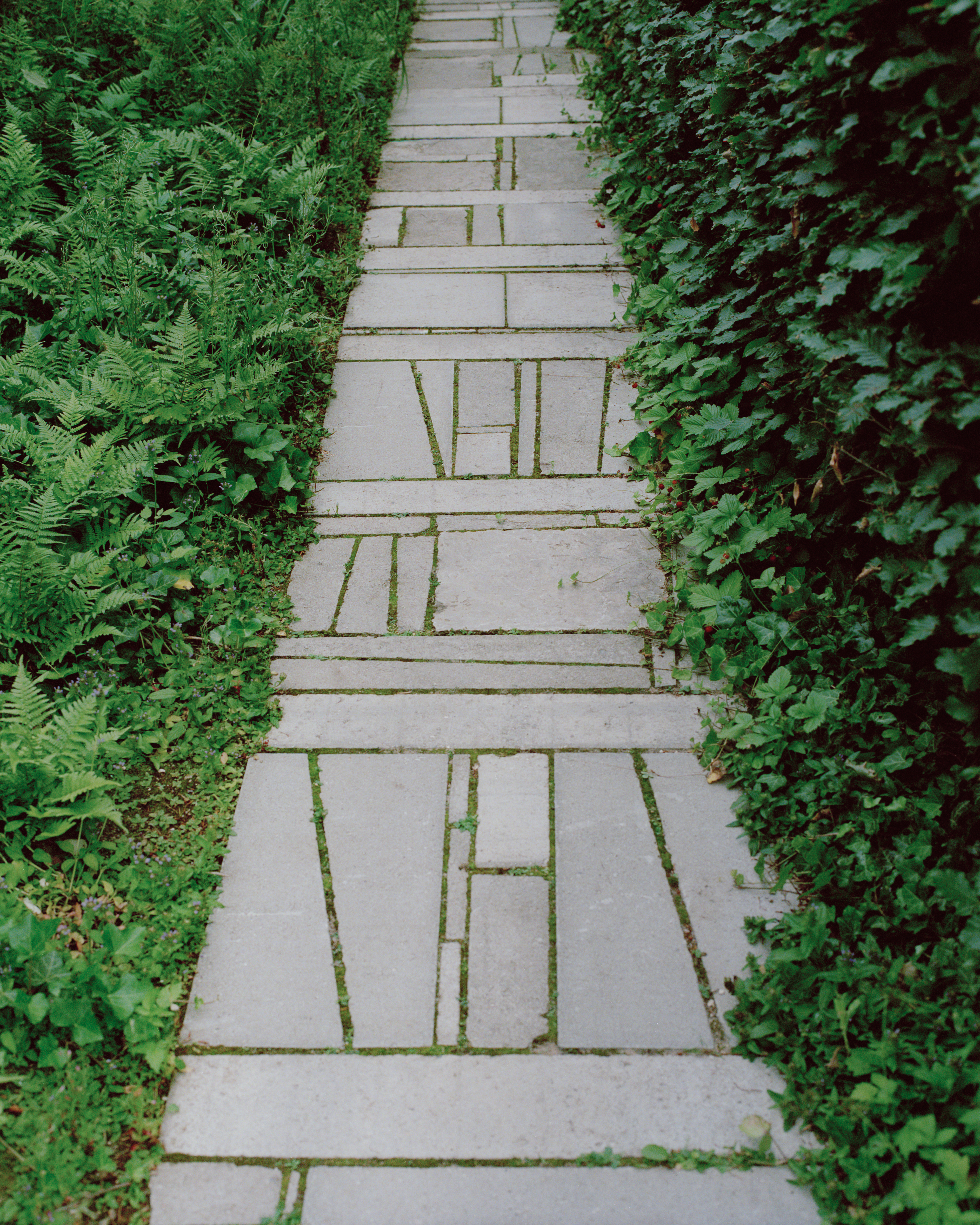
We are all trained as architects at the Royal Danish Academy in Copenhagen. Our education taught us to think as spatial designers, often designing remotely from the site. Our practice is somewhat unconventional in that we spend a great deal of time designing directly with materials and on site. Working this way has changed how we approach architecture and has made the physical material an active part of our design process.
Which project/s are you most proud of being involved with and why?
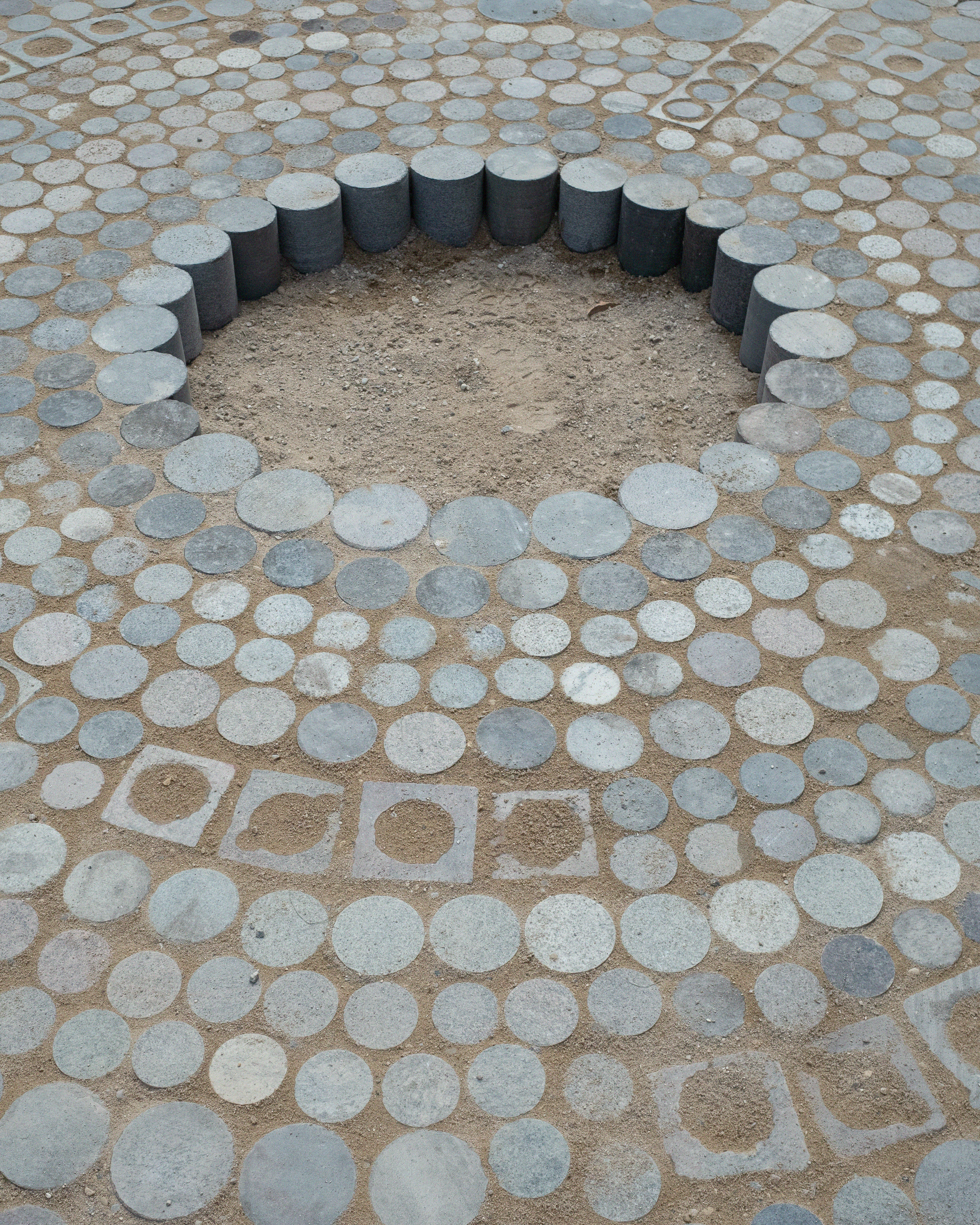
We are proud of all our projects, but we would especially like to highlight our latest landscape project at Lila. The project was made entirely from scraps sourced from a local stonemason. We used gravestones, drill cores, and old granite offcuts to create the hardscape. It is a good example of how discarded materials can become valuable architectural resources when you look at them differently.
What do you feel are the main challenges facing the stone and surfaces industry today?
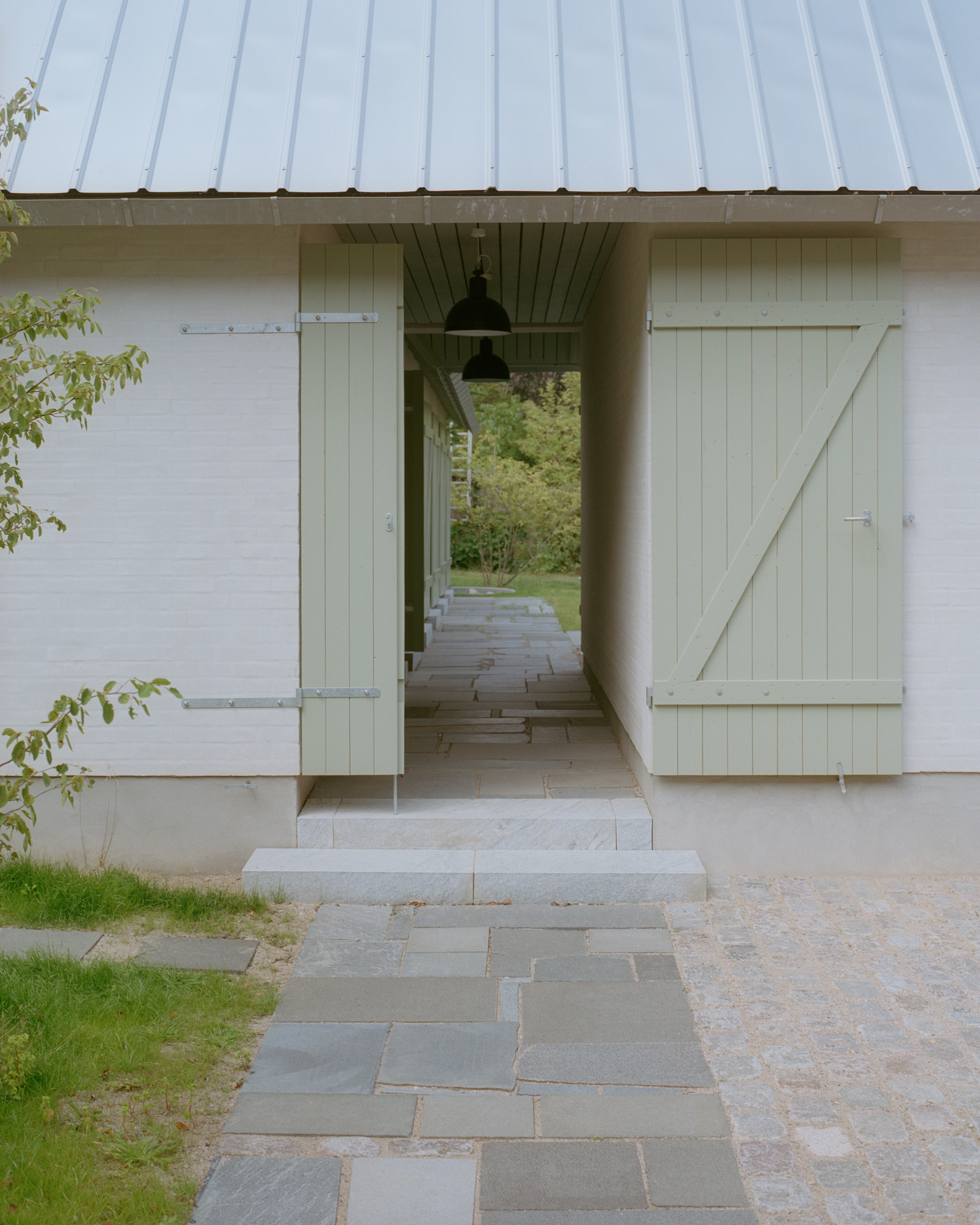
Stone has the huge advantage of having an exceptionally long lifespan, which is one of the reasons we love working with reclaimed stone. We need to become better at extending the life of natural stone rather than treating it as waste. When we no longer know how to use a piece of stone, it too often ends up as road fill. There is so much potential in finding new uses for existing stone before it is downcycled.
In your opinion, what are the positives of using stone in the built environment?
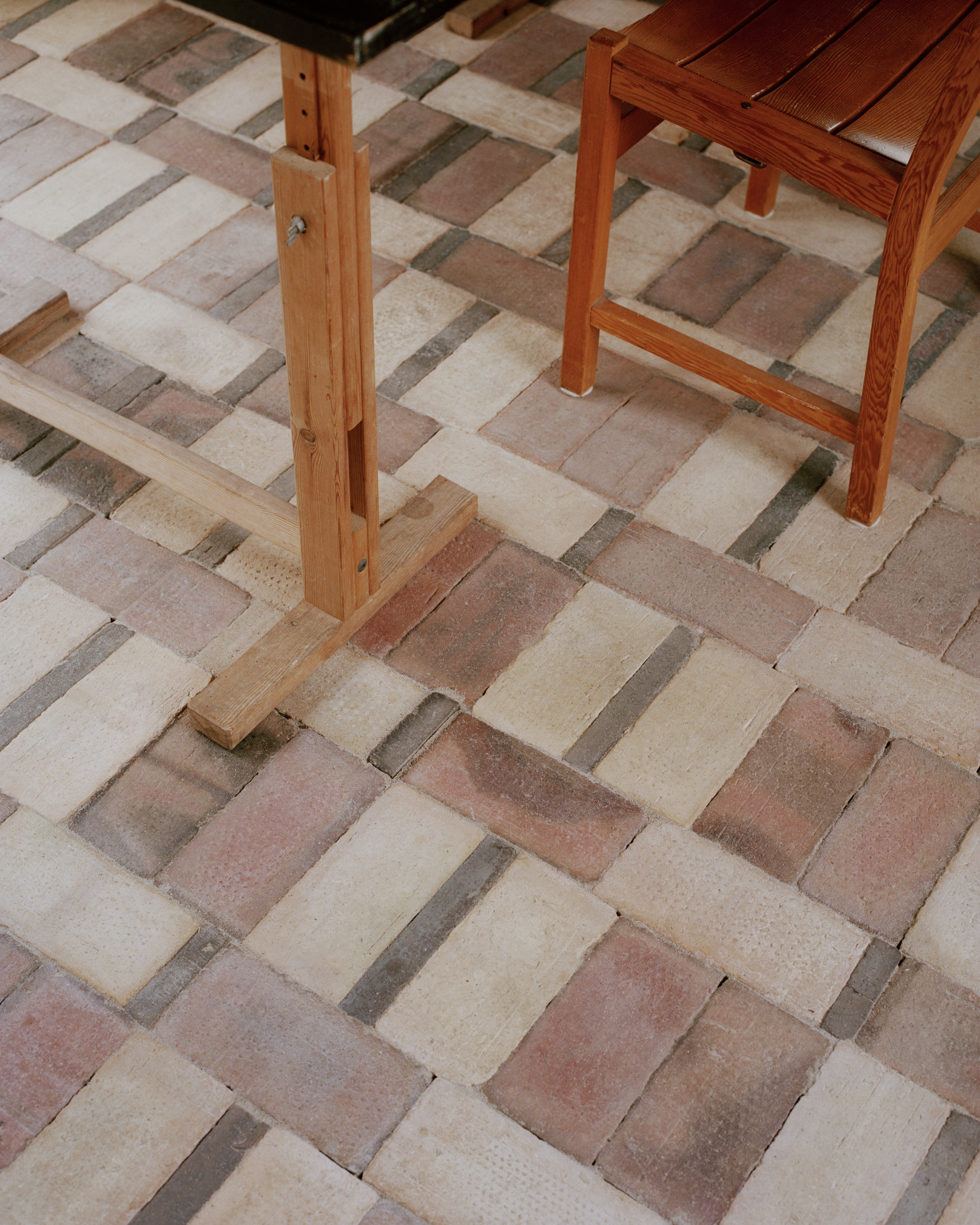
Stone is beautiful, robust, and extremely durable. Its longevity also makes it particularly valuable from a reuse perspective.
How does sustainability shape your thinking and decision-making, and how do materials fit into this?
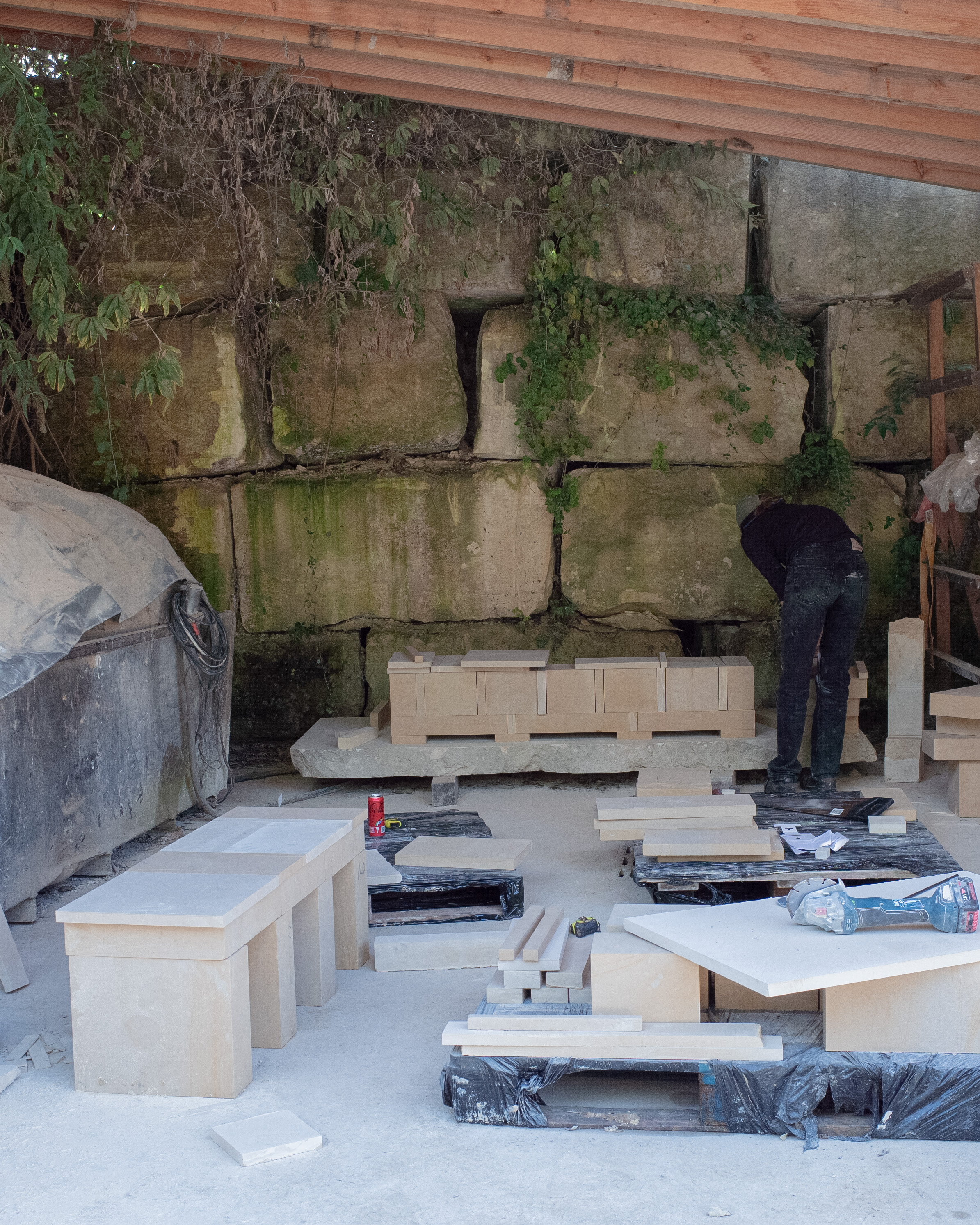
Sustainability is one of the guiding principles of our practice, and it informs almost every decision we make. Working with reclaimed materials is not only a way of reducing waste—it is also an exciting and creative way of working. There is something genuinely fun about discovering what is already available and allowing those materials to shape the architecture.