

Surface Perspectives: Rethinking stone’s sustainability

As we round up the one-year celebration of our Surface Perspectives series, sustainability has been a recurring subject across the interviews. But the conversations have rarely reduced the issue to environmental credentials or a single carbon figure. Instead, they point towards a broader question: what decisions allow stone to be used responsibly, from extraction and transport through to processing, specification and eventual reuse?
For Ben Ayling of Lundhs, that starts with resisting the idea of sustainability as a label. “For me, sustainability is not a badge but a set of decisions around source, transport, lifespan, and performance,” he says.
That approach puts the material itself back at the centre of the discussion. Where a stone comes from, how much processing it requires and how far it travels can all influence its impact, as can the way it is specified and the amount of material that becomes waste. The comparison therefore needs to move beyond the finished product and consider the whole journey from quarry to building.
Cliveden
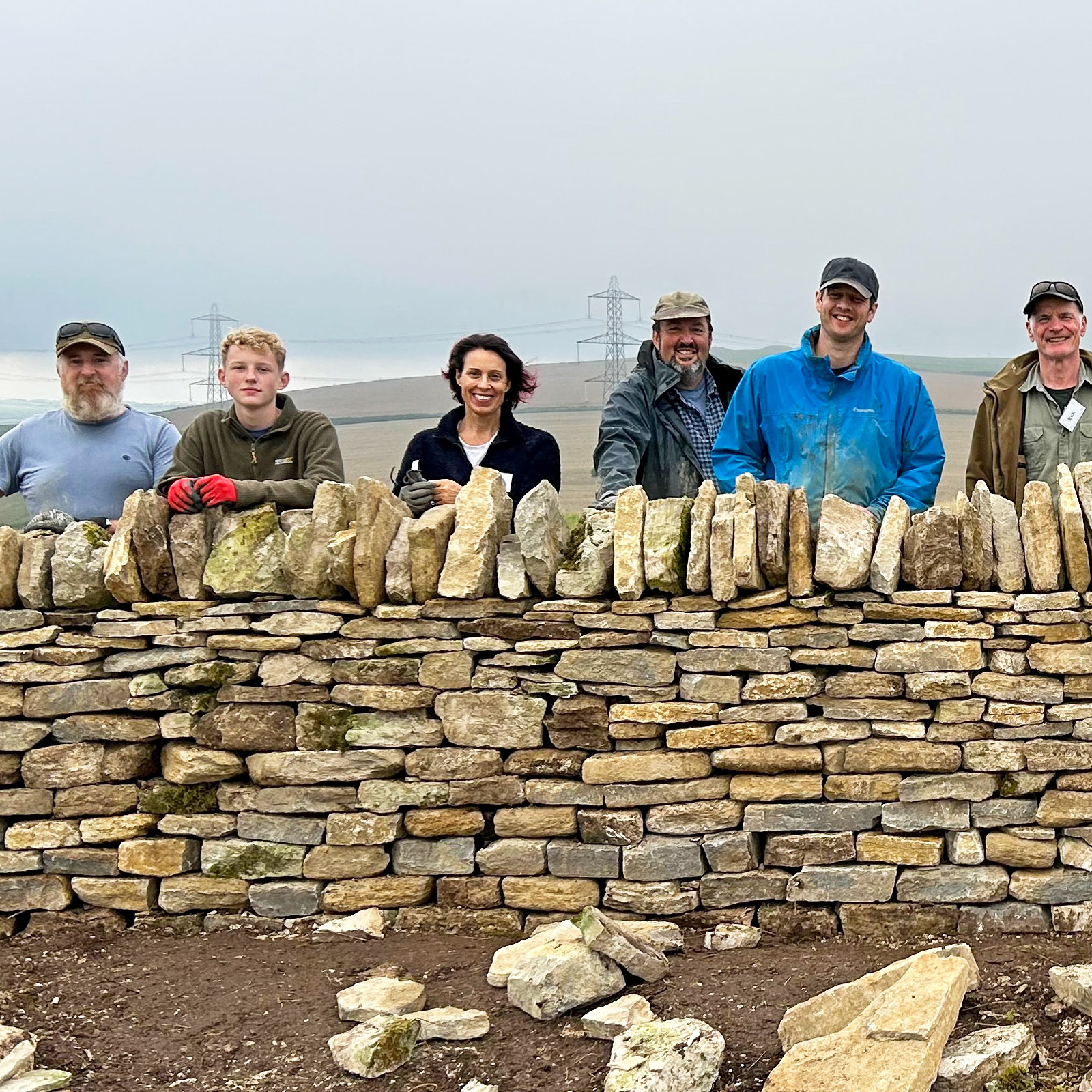
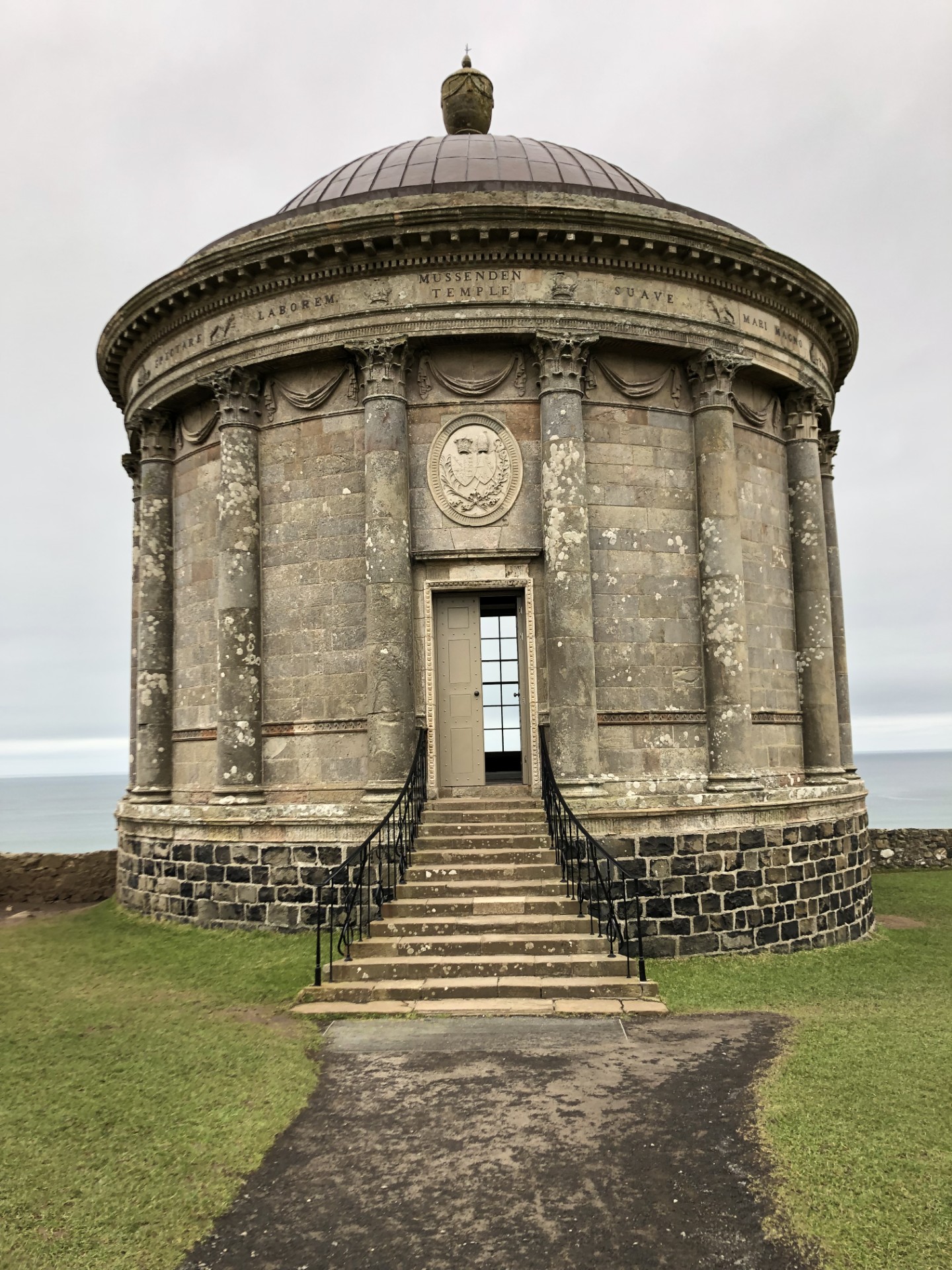
As Tom Flemons of Cliveden Conservation notes, local sourcing is one part of that equation and helps stone have a lower environmental impact when used close to its source. While Alex Bertrand of The Stonemasonry Company points out that his company prioritises local stone where possible, alongside minimising waste and making use of the material’s natural strength.
For stonemason Blair Woodland, locality is equally connected to the character of the finished work. He aims to source stone as close as possible to where it will be used, with regional materials providing a direct relationship between construction and place. His work with Cornish slate demonstrates how geological variation can be an asset rather than something to standardise away. Similarly, stone artist Zoë Wilson also works almost exclusively with British stone. “There is something deeply meaningful about using materials that come from the landscapes I am part of,” she says. Her approach combines the practical benefits of shorter supply chains with a more specific relationship between material, maker and place.

Zoe Wilson
That diversity of stone is important, and Marcus Paine of Hutton Stone has argued for a broader understanding of indigenous stone as a construction material, describing the need to see it as “something more than an overly sanitised, thin, luxury dressing”. The implication is that sustainability is partly a question of how fully the material is understood and what roles it is allowed to perform.
Szerelmey
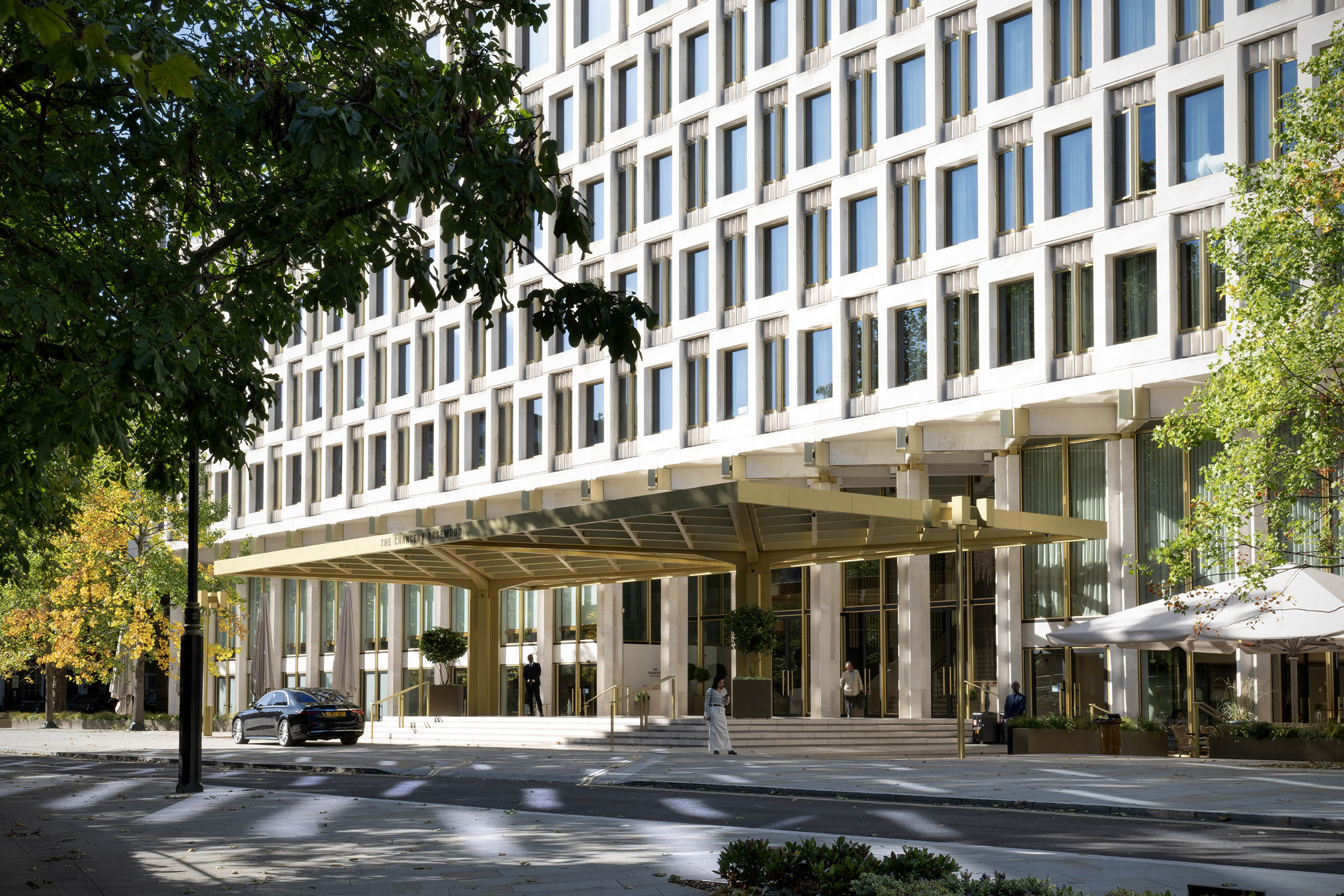
We’ve already examined the growing move towards structural stone in previous articles in the series, but it’s worth noting that it offers sustainable credentials too. The work of Alex Bertrand and co at the Stonemasonry Company has explored stone as a structural material rather than simply a finish, and Tamsin Pickeral of Szerelmey underlines the historical precedent: “the stone was the structure”. Reconsidering that relationship has implications for how much steel, concrete and other materials are required within a building, which can greatly reduce the embodied carbon of a building.
Equally, reuse presents another opportunity for more sustainable practices in construction. Tamsin also observes that “the reuse agenda is really interesting as it is making people think differently about how to do things.” Rather than treating existing stone as an obstacle to new construction, the growing emphasis on reuse creates the possibility of retaining material already in circulation and reconsidering how buildings are altered.
Ca'Pietra
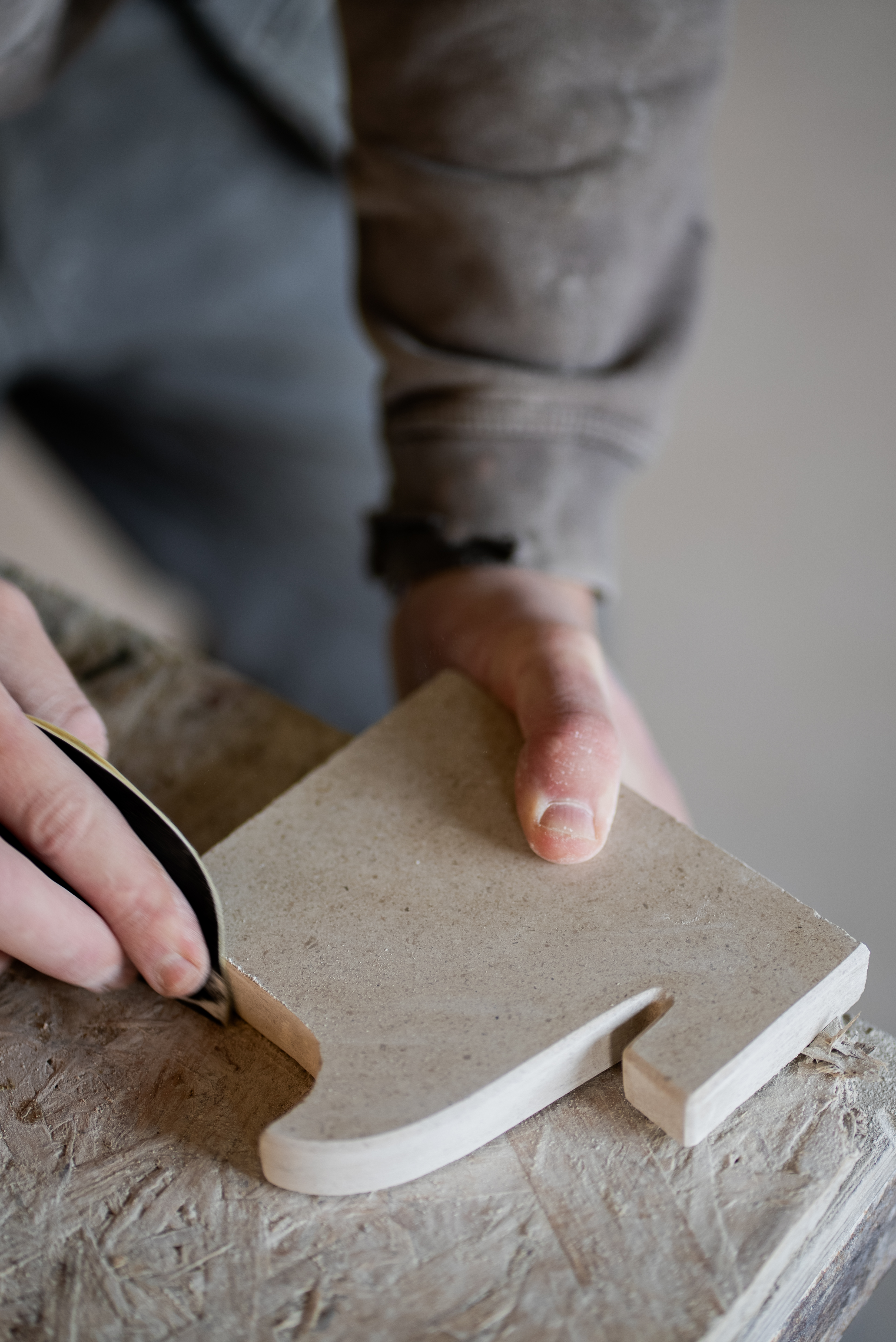
The same principle can be applied at the scale of fabrication. Faye Newman argues that designers should consider how much can be achieved from the material already extracted rather than treating every application in isolation. “To me, utilising the whole slab of material is crucial,” she says. Offcuts and less conventional pieces can have further applications elsewhere in a project, reducing the amount of usable material that is discarded. Holly Kerslake of Ca’ Pietra similarly points to the potential of fabrication off-cuts, including their use in “crazy paving”, while also looking at recycled stone, packaging, sample reuse and transport as parts of a wider effort to reduce waste.
For artist Livia Spinolo, however, sustainability begins before the material reaches the studio or building site. Responsible extraction, environmental impact and ethical labour all need to be considered. “I dedicate time to engaging with the organisations and art institutions I partner with. Conversations with environmental teams and on-site visits - observing how materials interact with their surroundings - form a significant part of my daily practice.”
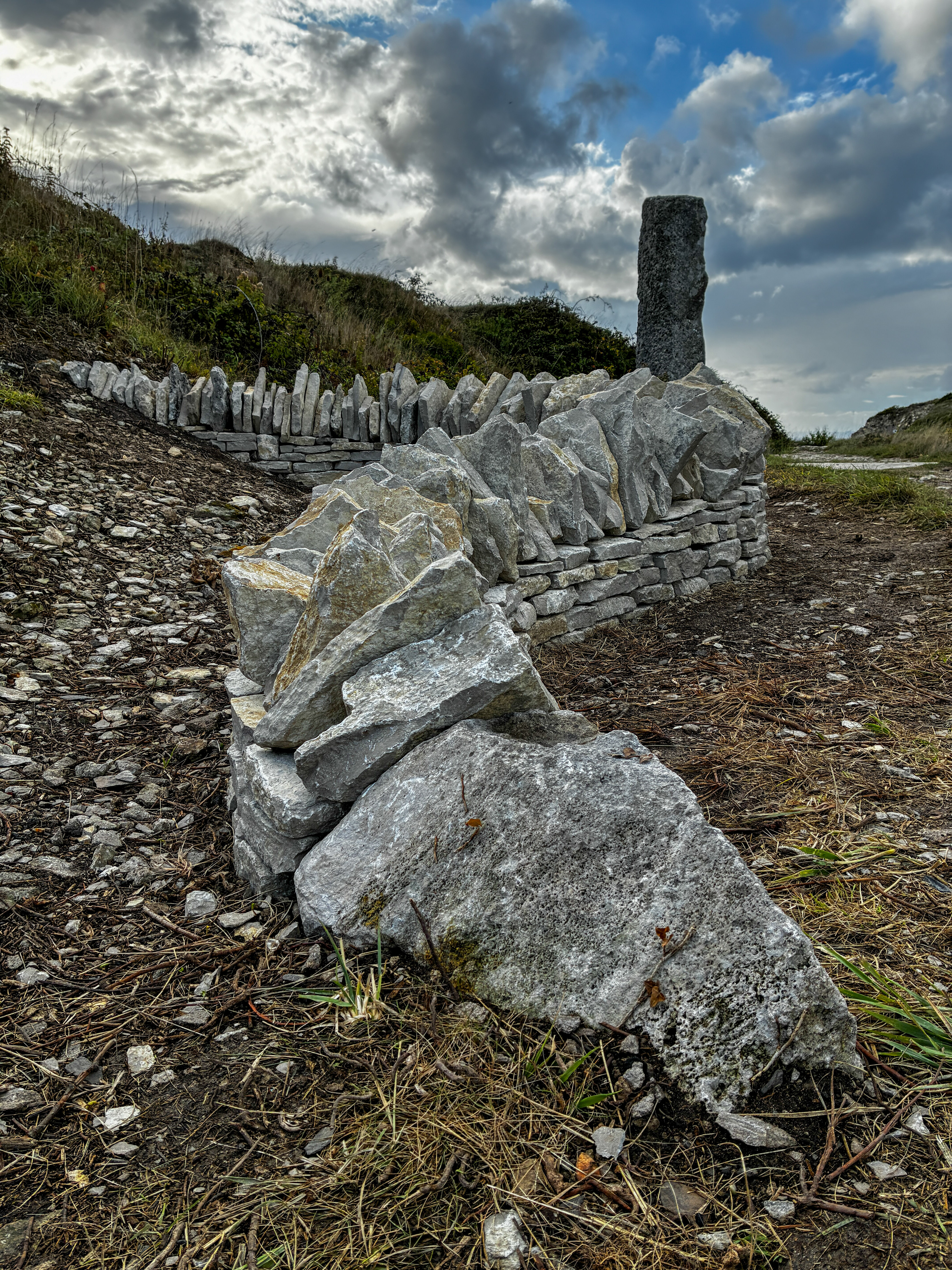
Her work also demonstrates that the relationship between extraction and environment need not be framed entirely in terms of impact. For Ab Initio, Portland stone was selected because of its relationship with the landscape and its ability to form part of an ecological habitat. Here, the material is not simply chosen for its appearance or physical performance, but for what it can contribute to the finished project.
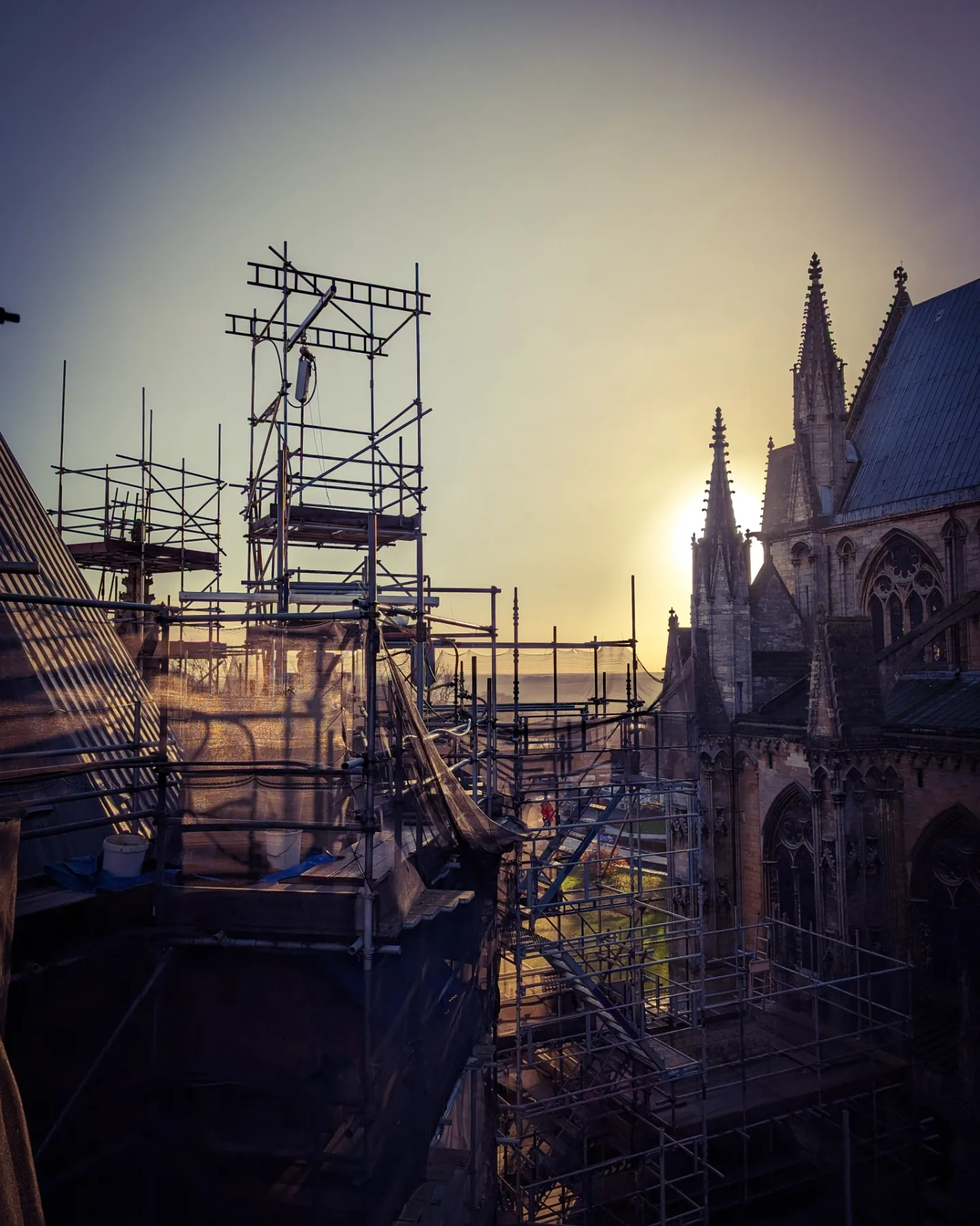
There is also a less tangible resource at stake, and one that sadly appears to be on the decline: knowledge. Lincoln Cathedral mason Rachael Wragg’s concerns about the future of masonry skills and Tom Flemons’ involvement in training point to the importance of retaining the expertise needed to quarry, fabricate, construct, repair and conserve stone. While we have been talking to skilled individuals within the industry, a material cannot be considered a long-term resource if the knowledge required to use it responsibly disappears.
The Surface Perspectives conversations therefore suggest that stone’s sustainability cannot be reduced to the fact that it is natural, nor to the durability of the finished product. It lies in a chain of decisions: responsible extraction, appropriate sourcing, efficient processing, reduced waste, structural use, reuse and the skills needed to make all of those things possible.
The most sustainable approach may ultimately be the one that treats stone as a resource rather than merely a product. That means understanding what has been extracted, making the most of it, keeping it in circulation where possible and considering its environmental and material consequences at every stage.