

Surface Spot: Inspired By Italian Geology

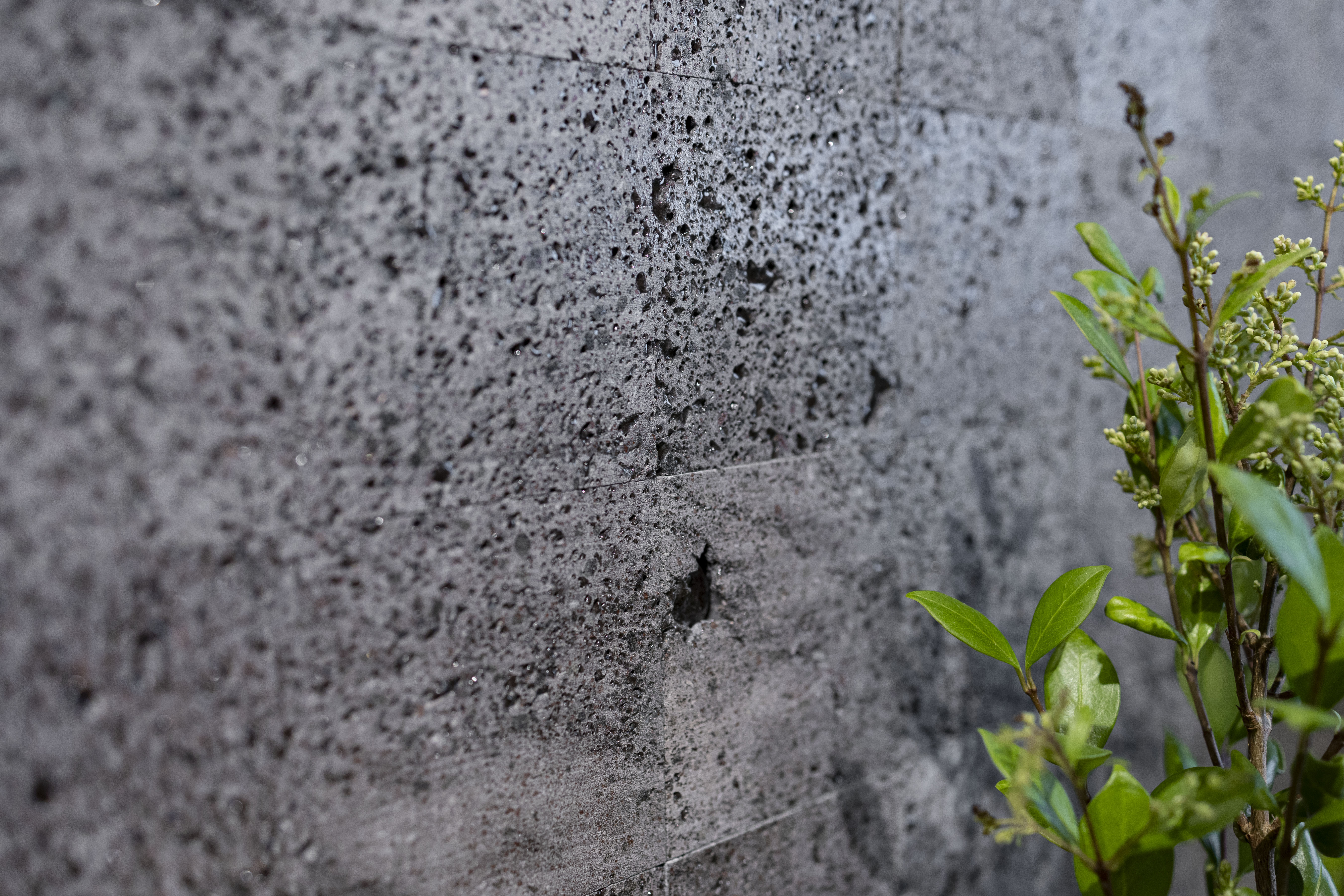
Natural stone continues to influence the development of new surface materials, not only through its visual character but also through renewed interest in provenance, durability and the value of local resources. SensiEtna, a collaboration between Florim, Matteo Thun and Benedetto Fasciana, takes these ideas as its starting point, drawing on the distinctive qualities of Sicilian lava stone to create a collection that celebrates both material heritage and circular production.
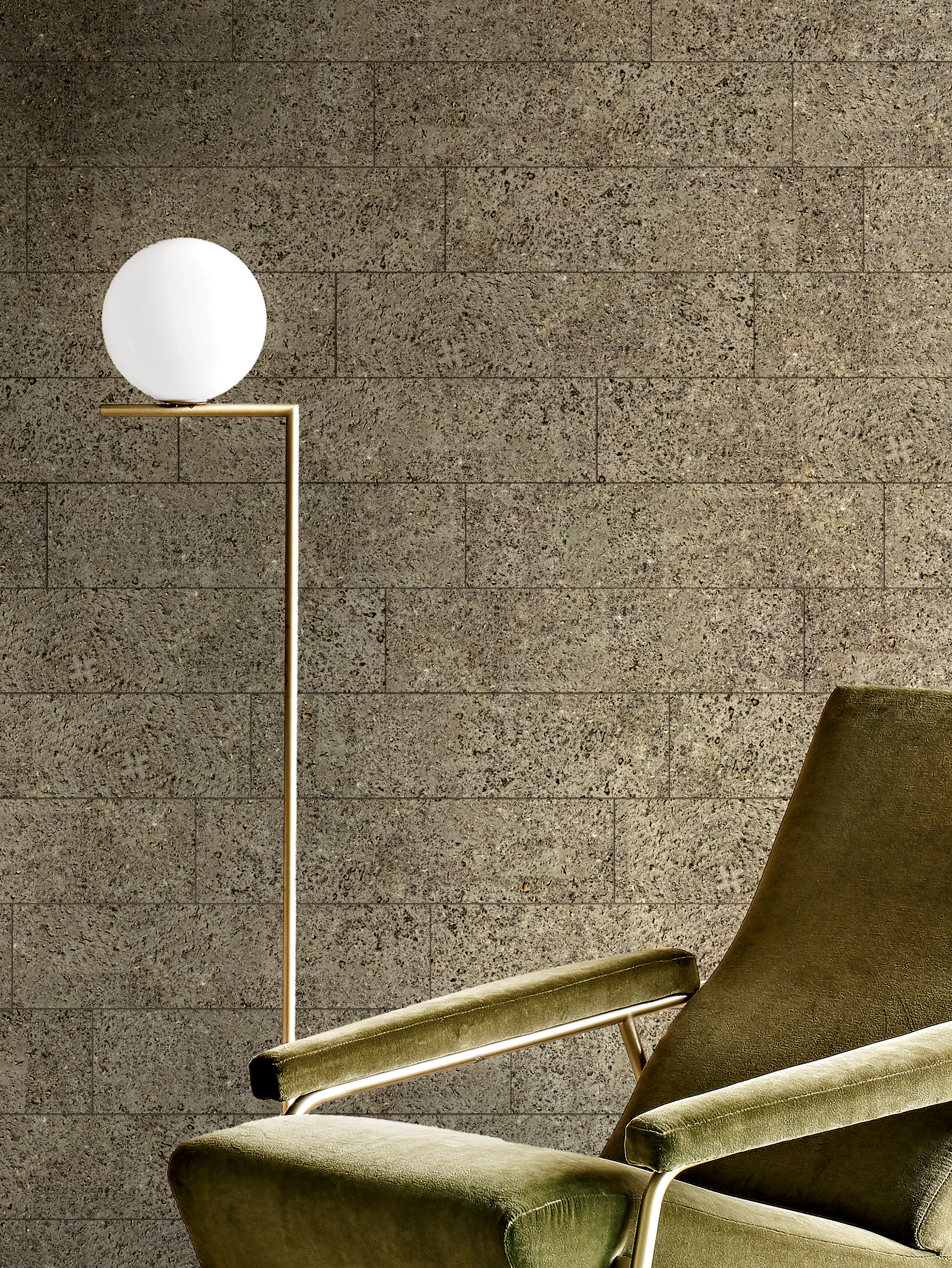
Developed with Sicilian lava stone specialist Nerosicilia, the collection reinterprets one of Italy's most enduring natural materials through a combination of traditional craftsmanship and contemporary manufacturing. Rather than extracting new stone for every product, SensiEtna is produced using offcuts recovered from lava slab production, giving new value to material that would otherwise become waste.
The project centres on the geological character of Mount Etna, where volcanic activity has created lava stone with distinctive mineral variation, colour and texture. Those natural characteristics are preserved rather than concealed, with the collection embracing the irregular surfaces and tactile qualities associated with volcanic rock.
Recycled glass, including reclaimed monitor glass, is fused onto the lava stone surface to create decorative finishes that respond to light while adding another layer of recycled content. The resulting palette ranges from pale ivory through warm ochres and reds to deep charcoal, reflecting different stages in lava's transformation from molten material to solid stone.
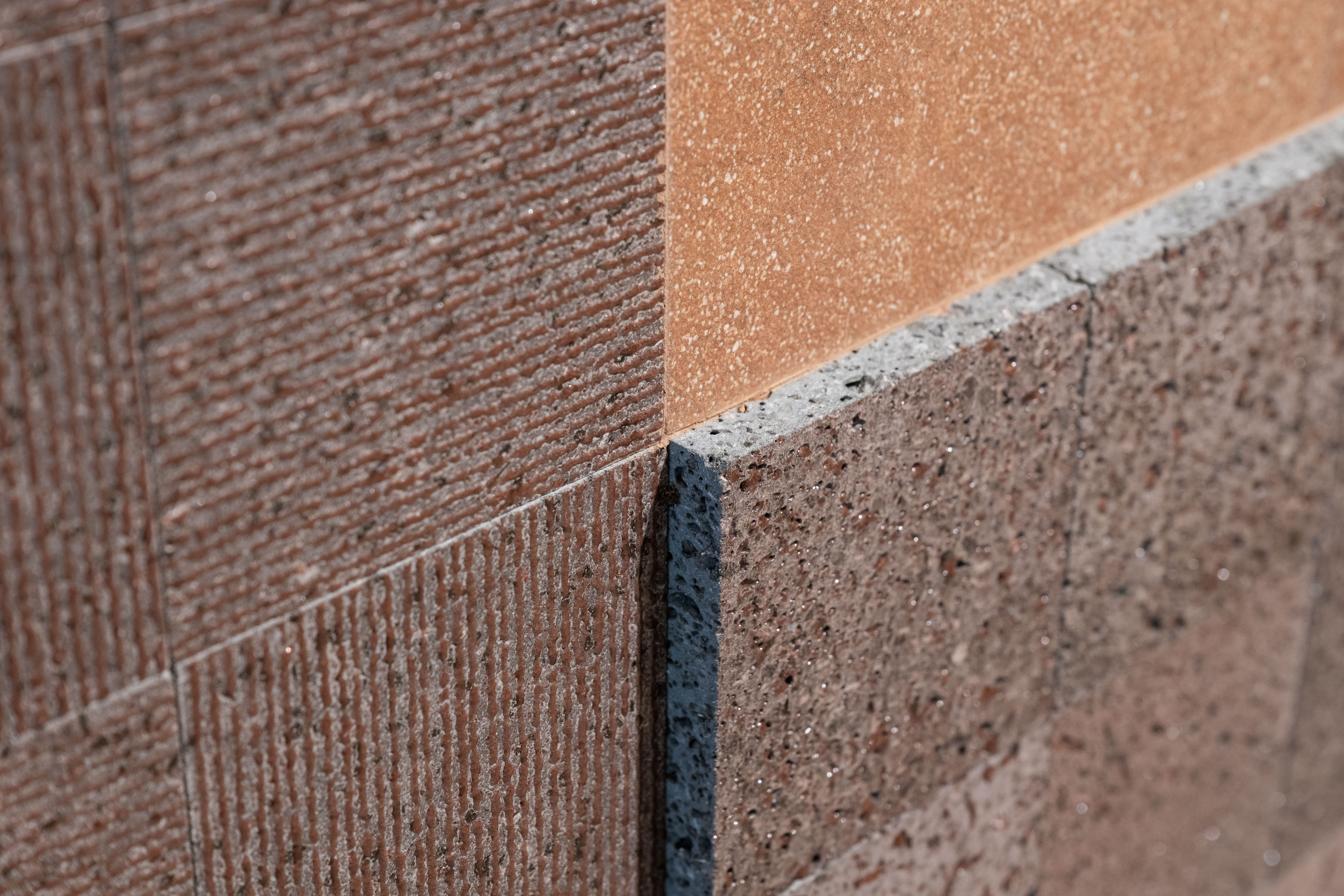
Texture is equally important to the collection. Three surface finishes – Bugnato, Crosta and Rigatino – offer contrasting tactile experiences, from sculpted relief to rough, weathered textures and finely linear grooves. Rather than acting as purely decorative treatments, the finishes emphasise the physical qualities of the lava stone itself and encourage a more sensory engagement with the material.
The collection is produced in compact formats of 10x10cm, 10x40cm and 20x20cm. These dimensions are determined by the recovery of larger lava slabs, allowing smaller components to be cut from reclaimed material while retaining the individuality of each piece. Natural imperfections and variations are preserved, reinforcing the geological origins of the stone.
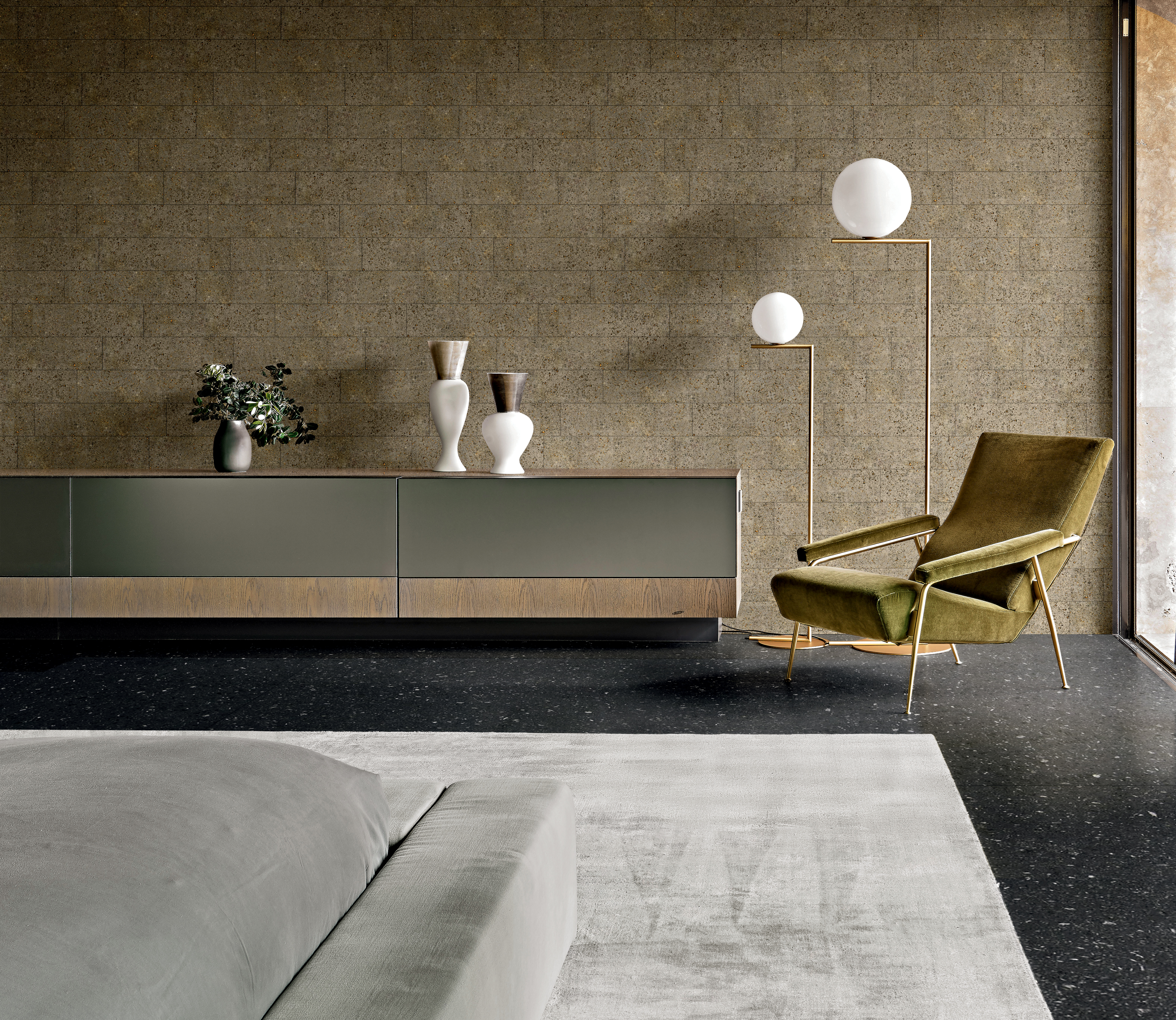
SensiEtna also reflects the broader trend towards combining natural materials with circular manufacturing processes. Lava stone has long been valued for its durability, weather resistance and longevity, while its extraction on Mount Etna carries a relatively limited environmental footprint compared with many processed materials. By pairing reclaimed lava with recycled glass, the collection extends that narrative, demonstrating how waste streams can become part of a high-quality architectural surface.
For Matteo Thun and Benedetto Fasciana, the project is as much about revealing the character of the material as designing a finished product. The result is a collection that balances volcanic geology, artisanal processing and contemporary manufacturing, showing how one of Sicily's defining natural materials can be reinterpreted for modern interiors while maintaining a strong connection to its place of origin.