

Surface Spot: Lava Stone By Sartorialitica

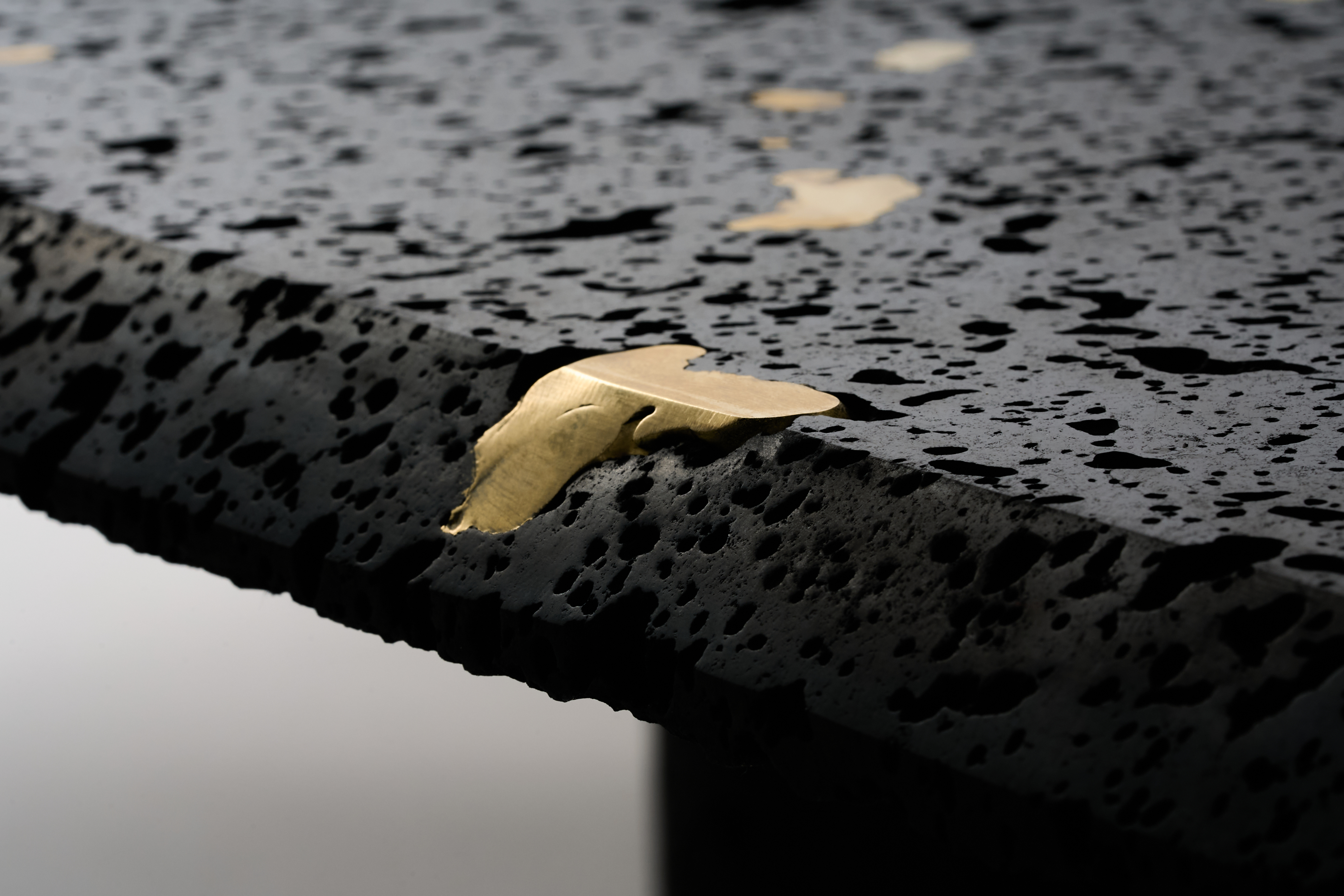
Lava stone has long been associated with durability and architectural permanence, but Sartorialitica approaches it as an open material system rather than a fixed surface. The Italian brand treats volcanic stone as the starting point for experimentation, using craft processes and cross-disciplinary collaboration to explore how its geological properties can be extended, altered and reinterpreted through design.
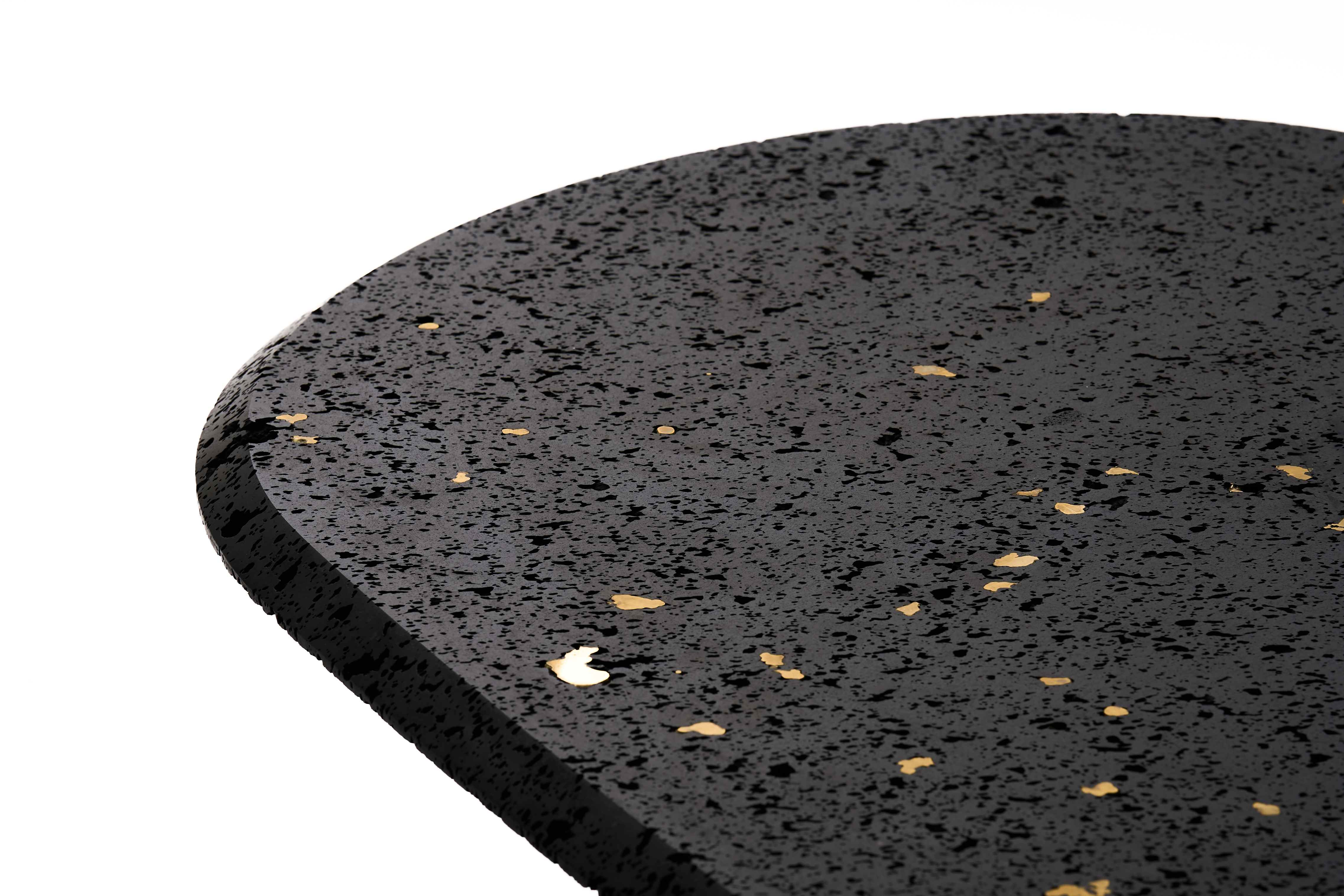
Founded to preserve and evolve specialist making knowledge, Sartorialitica works between stone workshops, foundries and artisan studios, developing proprietary techniques that sit between traditional craft and contemporary fabrication. The emphasis is on process as much as outcome, with each material decision shaped by how lava stone behaves under cutting, casting and surface transformation.
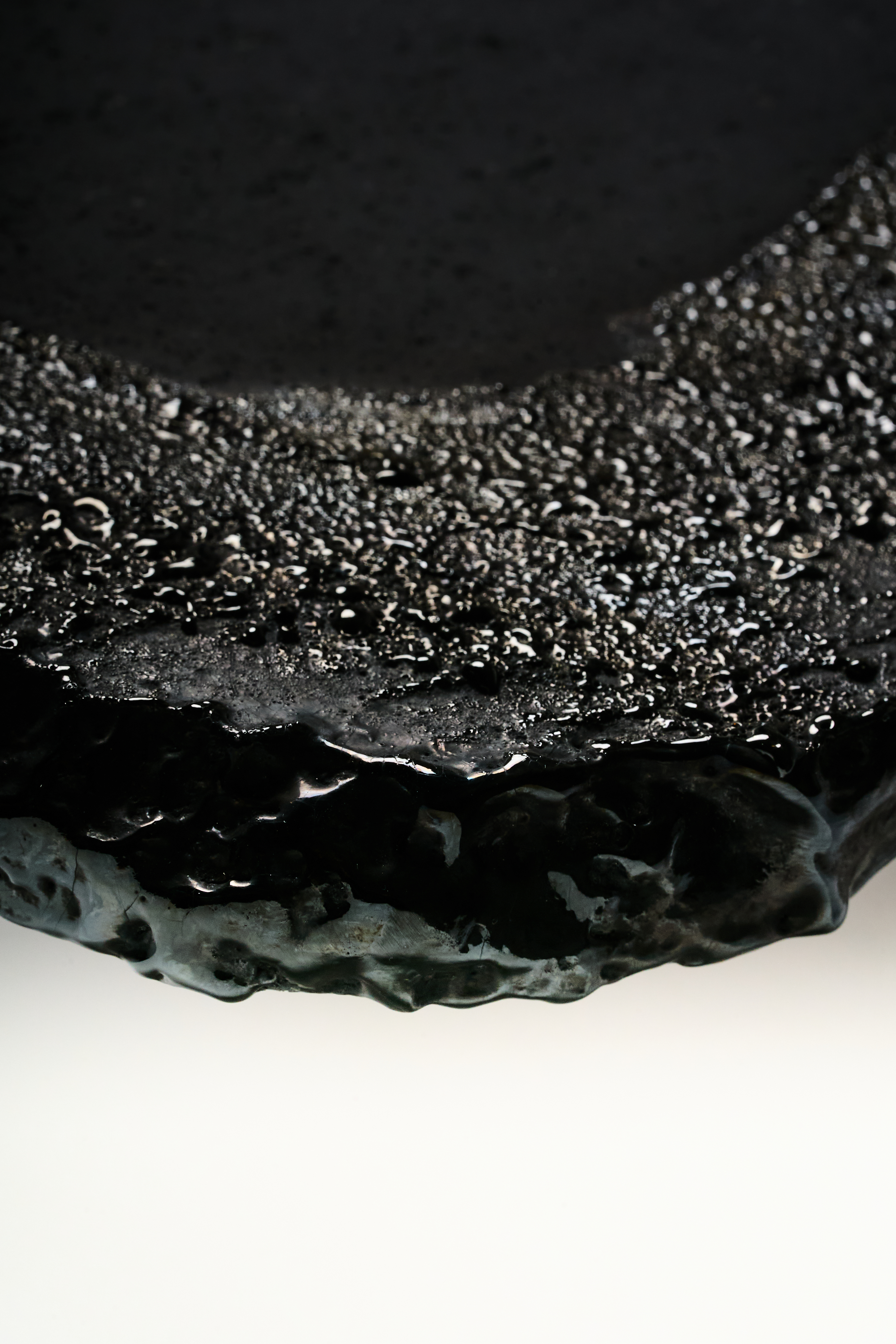
At the core of the practice is an acceptance of the material’s natural variability. Porosity, density and fracture are not corrected but used as drivers of design. In this sense, lava stone is treated less as a uniform product and more as a record of geological processes, with each piece retaining traces of its volcanic origin.
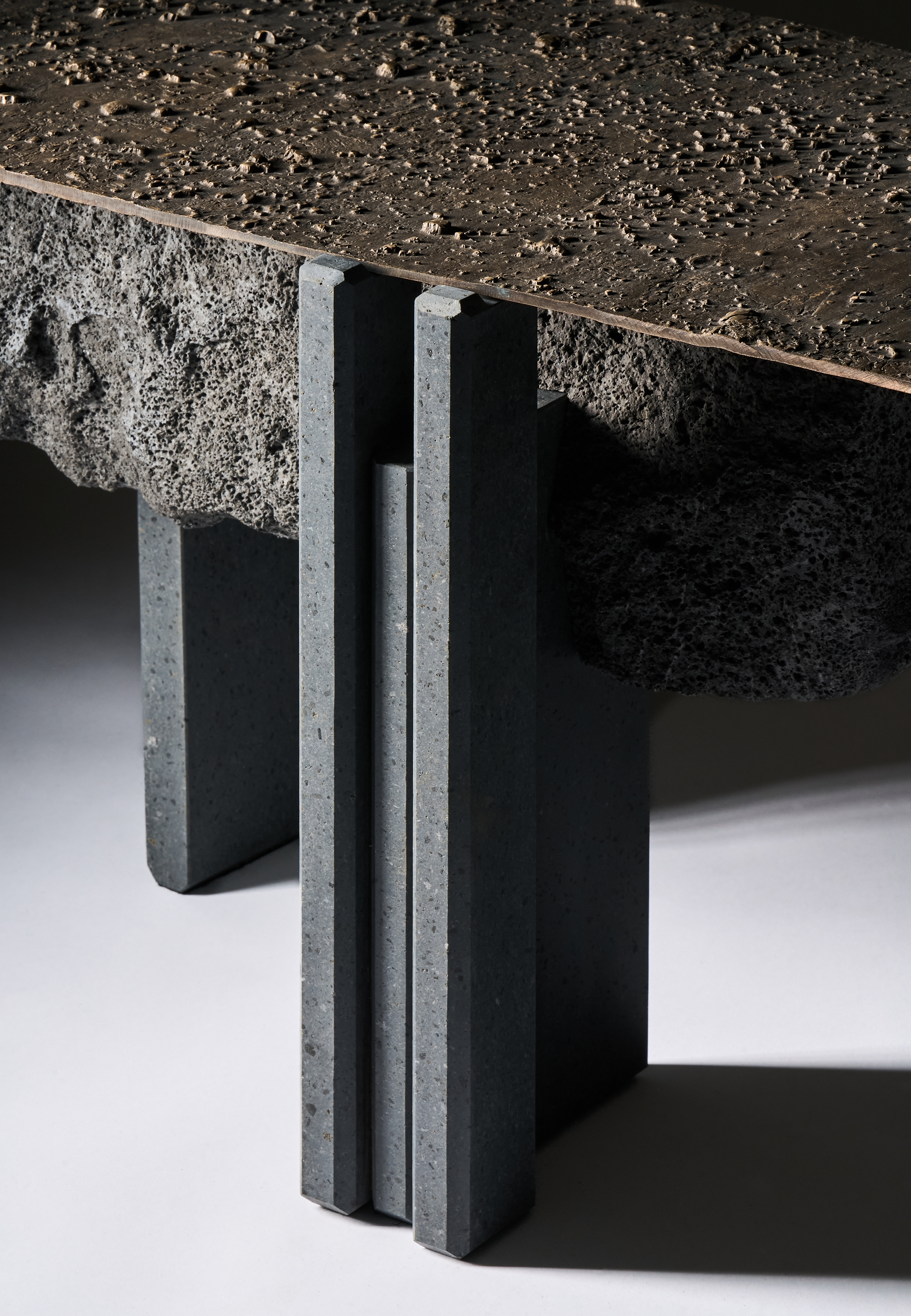
This thinking is expressed in Sartorialitica’s first collection, where lava stone is paired with bronze through a series of experimental techniques. Bronze is infiltrated into open-pored stone, cast into textured surfaces, or precisely inset using CNC machining, while hand-splitting and vitrification introduce controlled irregularities. Across the collection, fabrication is deliberately left visible, allowing each object to read as both artefact and process study.
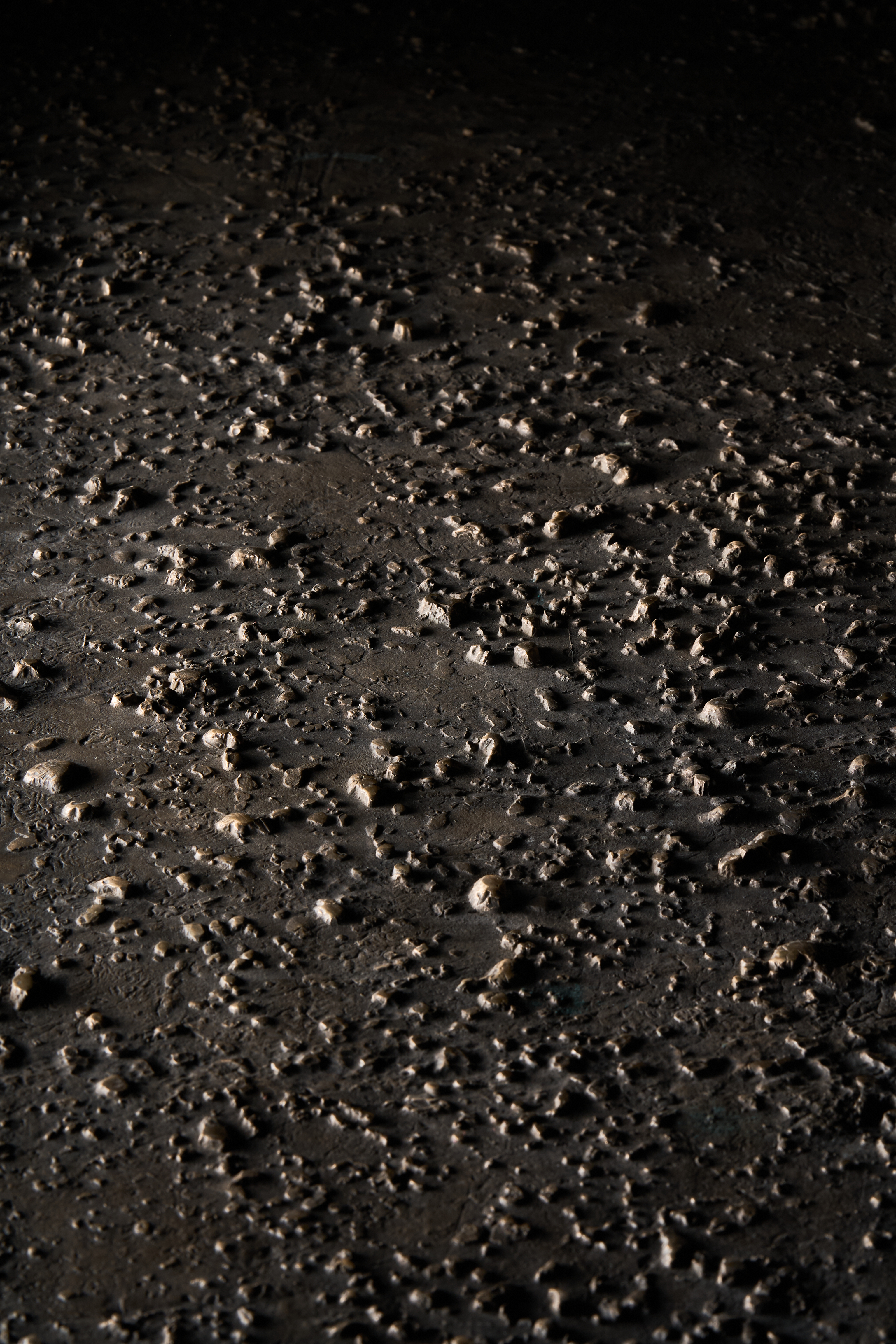
The result is a body of work that sits between furniture and material research, where roughness and refinement are held in tension. Lava stone is never disguised; instead, it is pushed through different manufacturing conditions to reveal how far its structural and aesthetic qualities can be extended.
Sartorialitica describes its approach as akin to a bespoke atelier: slow, iterative and grounded in testing. Each technique is developed as part of a wider material library, intended not only for individual objects but for future architectural and interior applications.
The work reflects a broader shift in surface design towards deep material research rather than substitution, and recently made its international debut at Milan Design Week’s Alcova, where the focus remained firmly on process, material behaviour and the evolving language of stone.