From the organisers of The Stone & Surfaces Show

  • Log in
  • Home
  • News
  • Jobs
  • Call for Submissions
  • Events
  • Advertise
  • Home
  • News
  • Jobs
  • Call for Submissions
  • Events
  • Advertise
Main Image
jane_fox6.jpg

Surface Spot: Jane Fox

2025-12-30


As we’ve been reporting, One Island – Many Visions, the Portland Sculpture & Quarry Trust’s collaboration with the Royal Society of Sculptors, yielded an array of varied creative explorations inspired by the site.


For Artist Jane Fox that meant cultivating biodegradable “fossils” using probiotic microbial cellulose combined with kelp. Probiotic Fossils – Tiny Builders of the Natural World, takes direct inspiration from Portland’s ancient stromatolite formations - layered rocks created by the salivary secretions of Cyanobacteria. These microscopic organisms sit at the foundation of global life systems, constructing entire ecologies from coral reefs upwards and helping maintain environmental homeostasis. Cyanobacteria are also present in SCOBY (Symbiotic Colonies of Bacteria and Yeasts), which ferments tea and sugar to generate microbial cellulose within a miniature, self-sustaining ecosystem. Like the stromatolites they once built, Fox’s probiotic cellulose grows in successive layers through microbial by-products. 


Her research took a significant step in 2023 when her probiotic microbial cellulose samples were accepted into the Future Materials Bank at the Jan van Eyck Academie in Maastricht, a resource dedicated to non-toxic, next-generation materials for art and design. Classified as a smart bacterial bioplastic that is recyclable, regenerative and remarkably adaptable, Jane is now using the material to investigate the potential for probiotic-rich sculptural surfaces that influence the air we breathe in interior spaces. Her experiments also point towards medical applications, including burn treatment and wound healing, hinting at a future where living materials could shape both architecture and healthcare.


limittext
Off
Exclude From Lists
Include
Company Tags
M10
CAPTCHA
SEO Title
Jane Fox
Read more
Main Image
img_20250905_165605.jpg

Surface Perspectives: Livia Spinolo

2025-12-29


Having covered artist Livia Spinolo’s recent installation Ab Initio as part of the One Island, Many Visions exhibition, a collaborative event between Portland Sculpture & Quarry Trust (PSQT) and artist members of the Royal Society of Sculptors (RSS), we couldn’t resist finding out more about her material-led practice.


What does a typical day look like for you?


I spend most of my days in the studio researching, planning, and working hands-on with materials. A key element of my practice is selecting the right material for each project; for this reason, research also involves visiting the sites where the work will develop. The collaborative dimension of my work is equally important. I dedicate time to engaging with the organisations and art institutions I partner with. Conversations with environmental teams and on-site visits - observing how materials interact with their surroundings - form a significant part of my daily practice.


For Ab Initio, my latest work, the chosen material responded directly to the project’s site-specific and environmental requirements. Portland stone was integral to the landscape and possessed the physical properties necessary to function as a habitat.


How integral are materials to your day-to-day?  


Materials and surfaces qualities are central to my practice. I work closely with stone, clay, Jesmonite, metals, and natural or upcycled found materials. Their physical properties, forms, and surface qualities guide many of my decisions. Much of my communication with collaborators revolves around materials - discussing firing processes with technicians, material strength and structural stability with engineers, stone characteristics with quarries, or ecological considerations with environmental partners. 


For me as an artist, being true to the material is fundamental. I approach every project by considering what the material can naturally offer - its texture, weight, fragility, strength, colour, and behaviour. The artwork usually develops from the material’s inherent characteristics rather than from an imposed artificial aesthetic. I also work with the material’s imperfections and natural variations because they carry memory and authenticity. In this way, the material plays an active role in shaping the final work.


What are the biggest lessons you have taken forward from your original training? 


My training instilled a deep respect for material experimentation and for the process of learning through making. I was encouraged to push boundaries, question assumptions, and let materials lead the way. That mindset continues to define my practice. I also carry forward the importance of critical dialogue and working within a creative community - skills that have become essential in the collaborative, site-responsive projects I pursue today.


Which project/s are you most proud of being involved with and why?


The projects I am most proud of are the Wienerberger Ewhurst Reptile Garden with its five large sculptural habitats made from industrial clay and the dry-stone sculptural habitat Ab Initio located in Portland. These sponsored projects are particularly meaningful to me because they bring together sculpture, ecology, and long-term site stewardship in a way that feels both innovative and crucial. I am also proud of Vertical Undergrowth, commissioned by Surrey Hills Arts for the University of Surrey campus, my first sculptural habitat created from upcycled concrete slabs and turf. These projects exemplify how sculptural forms can serve ecological functions in an environmentally conscious way while maintaining a strong material and aesthetic presence.


What do you feel are the main challenges facing the stone and surfaces industry today?


The greatest challenge is sustainability. Responsible extraction, environmental impact, and ethical labour practices are under growing scrutiny. At the same time, the industry faces competition from cheaper synthetic alternatives, which risks diminishing appreciation for natural materials and the craftsmanship behind them. Balancing demand with environmental responsibility will be key.


In your opinion, what are the positives of using stone in the built environment?  

Stone offers durability, stability, and a naturally low environmental impact when sourced responsibly. It performs well over time, requires little maintenance, and has a visual and tactile quality that connects built structures to landscape and history.


How does sustainability influence your decision-making?

Sustainability underpins my approach from the outset. I consider where materials come from, how they can be reused, and whether a project can support or enhance local ecosystems. Many of my works are designed as habitats, so ecological impact is embedded directly into the material choices and the final form. I aim to create work that sits lightly on the environment while contributing something meaningful to it.


limittext
Off
Exclude From Lists
Include
Company Tags
M10
CAPTCHA
SEO Title
A chat with material inspired artist Livia Spinolo
Read more
Main Image
c.saunders.portlandprep.jpg

Surface Spot: Caroline Saunders

2025-12-23


Caroline Saunders works in stone and wood from her studio on the edge of Dartmoor, and was another participant of Portland Sculpture & Quarry Trust’s One Island - Many Visions exhibition earlier this year.


A Develop Your Creative Practice grant from Arts Council England enabled Saunders to create a new site-specific piece for the event, in partnership with nearby Albion Stone. The installation, Portland Stack, draws on Portland’s quarrying heritage by repurposing discarded stone. The work pays tribute to the quarrymen who once arranged unwanted or flawed blocks into stacks, leaving behind the distinctive labyrinthine structures that thread through Tout Quarry. Saunders echoes this tradition with a family of vertical stone stacks, each with its own stance and personality.


The pieces appear deliberately off-balance, their silhouettes referencing three signature traits of the island: the rolling contours of the landscape, the hand tools once used by Portland’s stone workers, and the windswept trees shaped by the island’s constant exposure. 


The playfulness of the work clearly rubbed off on visitors to the site, who Caroline notes got involved with the work, “I made a few little piles of stone near my work and was so happy when I saw they had multiplied with some even appearing on my sculptures - the best feedback!”


By elevating overlooked quarry waste into poised sculptural forms, Caroline folds Portland’s past into a contemporary conversation, turning remnants of industry into objects of quiet reflection and unexpected joy.


limittext
Off
Exclude From Lists
Include
Company Tags
M10
CAPTCHA
Read more
Main Image
stone_demonstrator_photo_credit_bas_princen_courtesy_of_the_design_museum_and_future_observatory.jpg

Case Study: The Stone Demonstrator

2025-12-22


As promised, we are taking a deep dive into the Stone Demonstrator - one of the most seminal stone-related projects to emerge in recent times. Here, we talk to some of the key players involved in the project to discover how collaboration and proactivity have made a case for structural stone.


The Stone Demonstrator is not a pavilion, a folly or a symbolic gesture. It is a working structure, conceived as a full-scale research tool to test whether load-bearing stone can operate as a credible, low-carbon alternative to steel and reinforced concrete. Commissioned by the Design Museum’s Future Observatory and installed on the Earls Court site in London, the three-storey prototype brings together nearly 20 partners across architecture, engineering, quarrying, stone supply, masonry and academia. Its purpose is straightforward: to show, in built form, that structural stone is not only possible, but practical.


Future Observatory, the Design Museum’s national research programme for the green transition, initiated the project as part of its work on low-carbon housing. As Justin McGuirk, Director of Future Observatory, explains, the ambition was to move beyond theory. “Future Observatory is committed to supporting research into low-carbon construction methods, and the Stone Demonstrator is an ambitious contribution to the field,” he says. “It’s a building as a research tool, a 1:1 scale demonstrator of an ultra-low-carbon structure for the sector to study.”


From the outset, the project was structured around collaboration. Groupwork was appointed as architect, with structural engineering led by Webb Yates, working in collaboration with Arup. The Stonemasonry Company developed and delivered the structural stone system, while Earls Court Development Company (ECDC) provided the site. Quarries, stone suppliers and brick manufacturers were engaged early to ensure that the material reality matched the research ambition. “There were nearly twenty partners in this project,” McGuirk notes. “Architects, engineers, stonemasons, quarries, timber companies, contractors etc. So collaboration was absolutely key.”


At the heart of the Demonstrator is a pre-tensioned stone frame developed and patented by The Stonemasonry Company. The system uses mechanically connected stone elements – beams and columns – assembled with threaded steel bars that are tensioned to place the stone into compression.


“For the last 15 years, the stone masonry company had been pioneering a way to allow for stone to be used as a structure in place of concrete,” says Pierre Bidaud of The Stonemasonry Company. “Through our studies, we have found a distinct system that uses mechanical connections, which means all our beams and columns can mesh very efficiently and with other materials.”


A key objective was to remove the perception that stone construction requires specialist, time-intensive skills. “If you know how to use a spanner, the system can be easily deployed without any special or lengthy training,” Bidaud explains. “The people who built the Stone Demonstrator structure were not stone masons; they were people who ordinarily construct steel or concrete frames.”


Much of the work happens off-site, “because we want a fast deployment, there needs to be a clear cutting sheet and for the stone to be drilled, before the rebar is fitted through the holes,” Bidaud says. “The rebar is then tensioned, which means compression is transferred to the stone, and that’s it.” Following around nine days of workshop preparation, the stone frame was erected on site in approximately six days. “We have patented a very simple process,” Bidaud adds, “and it allows us to put a low-carbon structure in place quickly.”


Material choice was also deliberate. “We have used predominantly granite and limestone, as well as the stone bricks,” he says. “But importantly, it’s been made with discarded material, or material that is deemed to be unusable by the quarry – essentially it’s using all the wonky vegetables.”


While the system is visually legible, its credibility rests on engineering rigour. Webb Yates’ involvement spans nearly two decades of research into structural stone, and the Demonstrator consolidates that work into a single, accessible structure. “It’s intended to demonstrate a viable alternative to everyday building methods ,but at a fraction of the embodied carbon, this structure brings together almost two decades of prototyping and testing,” says Amin Taha, Founder and Chairman of Groupwork. “Its purpose is not to promote stone for sentimental reasons but as an ultra-low-carbon alternative.”


Steve Webb, Board Director of Webb Yates, places the argument in a wider context. “The stone in this frame is produced with a fraction of the energy required to produce the alternative materials,” he says. “Adopting stone as a staple building material would close coal mines and not require their replacement with green alternatives.”


For engineers, the challenge is not only material performance but confidence. “There are definitely challenges to starting with structural stone, but also a lot of interest and ambition across the profession,” says Liam Bryant of Webb Yates. “It isn’t really about the material itself, but the attitude we bring to it.” Bryant acknowledges that the absence of dedicated design codes is often cited as a barrier. “While this is an area for improvement, and there are multiple efforts ongoing, it isn’t a complete block,” he explains. “BS EN 1996 does give some methods that can be adapted for working with stone.” He does however stress that testing is critical: “Physical testing not only gives engineers the data we need, but also helps contractors and clients become more familiar with the material,” adding, “There’s a lot of progress and development in the field, and I’m confident there are plenty of engineers ready to take up the challenge.”


But the figures tell a very planet-positive story. Stone Demonstrator achieves substantial carbon savings: around 90% compared to a steel frame and 75% compared to reinforced concrete. Although only three storeys high, its implications extend much further. “We only built a three-storey prototyp,e but the engineers tell me this system could be used for a 50-storey building,” McGuirk says. Regulatory thresholds remain a consideration. “Anything over 18m high changes the fire regulations, so that is currently the limit,” Bidaud notes. “But a 20x20m, 6-storey building only takes around 100m³ of stone – it’s quite a small sampling from a quarry.”


Future Observatory has already funded the next step. Professor Wendel Sebastian at UCL is developing a design guide informed by sensors embedded in the structure and laboratory testing. “The accompanying design guide being produced by UCL is another key step in the adoption of structural stone,” McGuirk says. The ambition is market transformation. “The idea is that the prototype helps drive adoption and further experimentation,” he adds, “encouraging demand for load-bearing stone, creating a market that begins to provide viable alternatives to steel and concrete – used in conjunction with timber.”


While the design of the structure is fundamental, collaboration has been essential, with a number of stone suppliers playing an important role. Marcus Paine of Hutton Stone explains: “We were directly involved in supplying the UK Stone Bricks for the exterior walls… We donated our Darney Heritage Sandstone Bricks and Albion supplied their Heritage Portland Stone Bricks, which the team then decided to blend on site. For Paine, the Demonstrator is about industry-wide change. “This is not simply about individual companies promoting their products,” he says. “It really is entirely focused on a viable and sustainable route forward for the entire Natural Stone Industry in a lower-carbon built future.” Michael Poultney of Albion Stone agrees. “The stones are off the drawing board and sat on site where nobody can ignore them,” he says. “Visually demonstrating that stone is capable of performing structurally in the real world.”


The location matters. “At the Earls Court Development Company, sustainability is a cornerstone of our vision,” says Peter Runacres, Head of Urban Futures. “We’re proud to host the Stone Demonstrator – a striking prototype that embodies our commitment to sustainable urban development.” As Professor Christopher Smith of UKRI AHRC concludes: “Through the Future Observatory… we are quite literally building the future.”


The Stone Demonstrator does not claim to be the only solution, but it makes a compelling case: that through collaboration, testing and openness, structural stone can move from the margins to the mainstream.


limittext
Off
Exclude From Lists
Include
CAPTCHA
SEO Title
Building the Case for Structural Stone Through Collaboration
Read more
Main Image
stone_demonstrator_photo_credit_bas_princen_courtesy_of_the_design_museum_and_future_observatory_12_1_1.jpg

News: Stone and Surfaces Show’s Trends for 2026

2025-12-19


With the Stone & Surfaces Show on the horizon in May 2026, we begin to turn our attention to what to look out for in the year ahead. Led by the programme of panel discussions, presentations, CPDs, films and photography exhibitions that are set to light up the event at ExCeL London, here are five mega-trends in architecture and design are set to evolve and come into focus in 2026. 


Stone Demonstrator


Load-bearing stone in construction


Stone will increasingly be seen as a viable, low-carbon alternative to concrete and steel. 


Over the last couple of years, campaigning initiative The Stone Collective and installations showcasing stone bricks at Clerkenwell Design Week have championed its versatility, beauty and strength. In 2025, The Stone Demonstrator at Earls Court and a research paper from the University of Bath urged architects and developers to recognise stone’s massive potential beyond paving, flooring and cladding. 


The narrative continues to move from inspiration to information in 2026, with the launch of a RIBA-sponsored research platform for indigenous British stone developed by a collaborative team made up of Allies & Morrison, the Stone Federation and Webb Yates. A group exhibition focused on stone and sustainability at London’s landmark 1 Poultry building entitled What lasts doesn’t always hold shape will include talks that aim to break down barriers to specifying stone in construction at scale. Cost consultants are invited to a conversation with stone contractors and architects, and a panel discussion on spolia will be led by the Stone Collective. 


Foresso


Biophilia 2.0


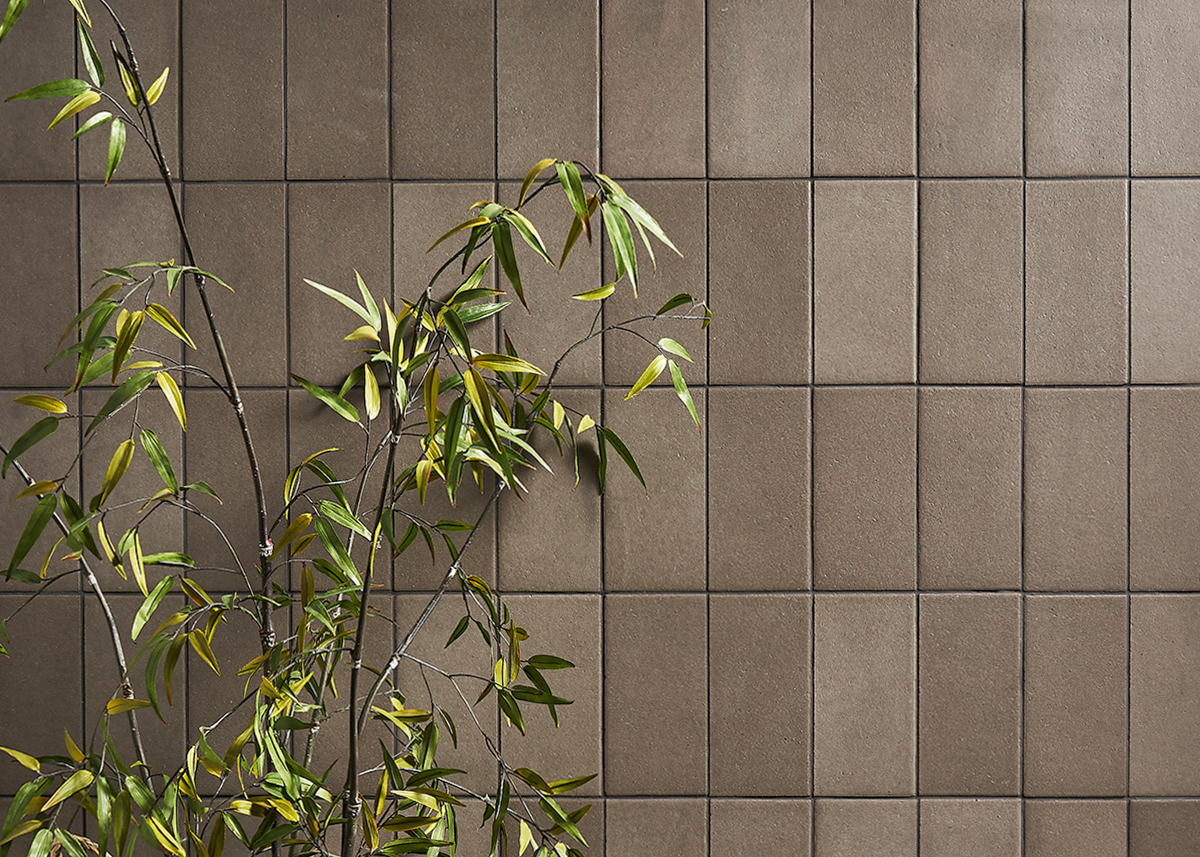
The benefits of biophilic design are well-established in both domestic and commercial interiors, but it is evolving beyond green walls, snake plants and sunlight. Interior designers are discovering bio-based and geo-sourced materials, and are turning to natural surfaces like wood, bamboo, rattan, jute and wool which improve acoustics as well as well-being. Cork is enjoying a moment in the spotlight since a high-profile, immersive installation at Milan Design Week 2025 showcased it as sustainable material that can be used as tiles, wallcoverings and even furnishings. 


Ethical supply chains


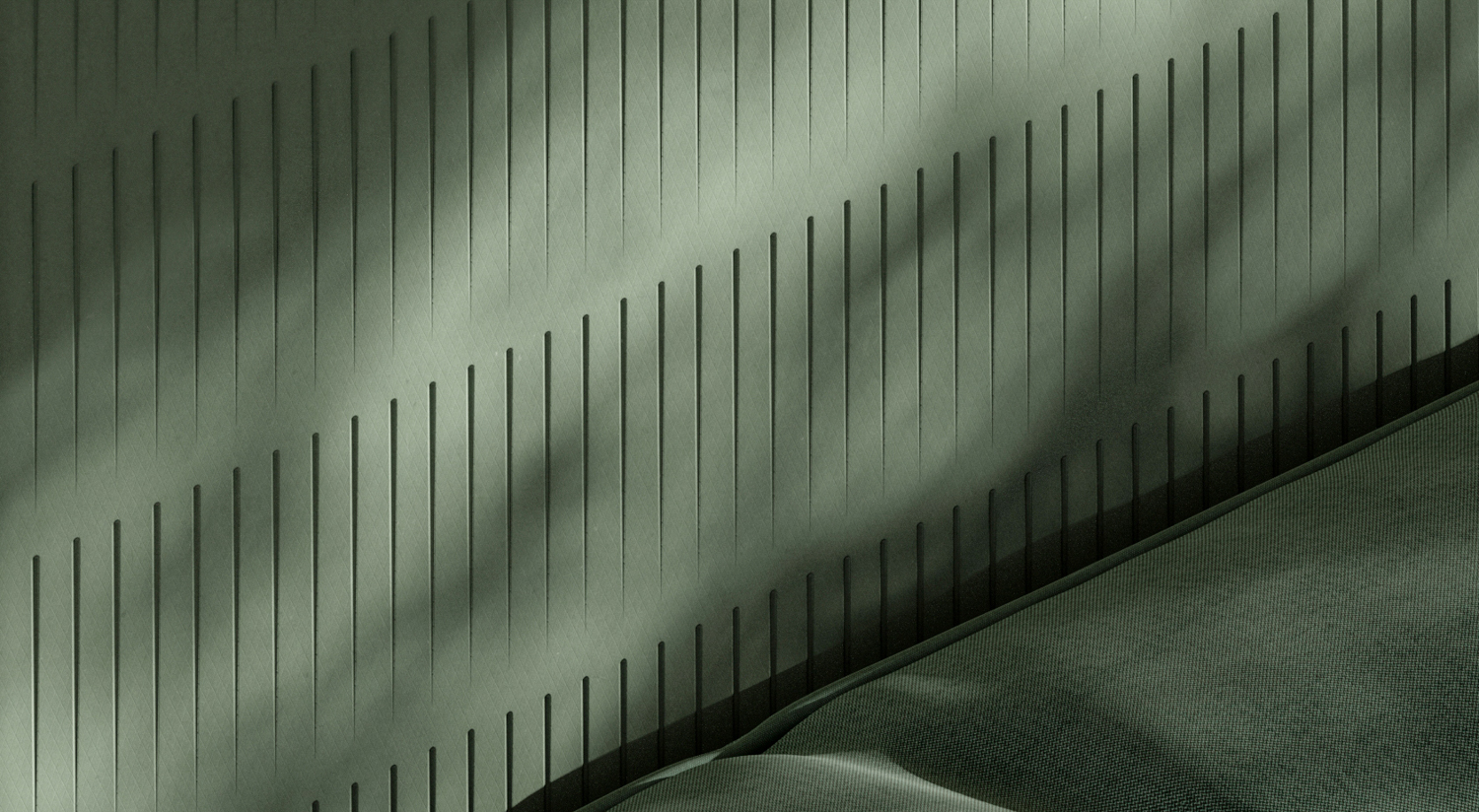
When it comes to sustainability, there are a whole host of frameworks that monitor the component parts and performance of the materials we specify. We’re familiar with EPDs (Environmental Product Declarations), LCAs (Life Cycle Assessments) and CPRs (Construction Products Regulations), but in some jurisdictions there is little to protect the people who made the products and materials we purchase from forced labour and modern slavery. Now there are growing calls to regulate the human face of provenance. 


Smile Materials


Circularity closes the loop


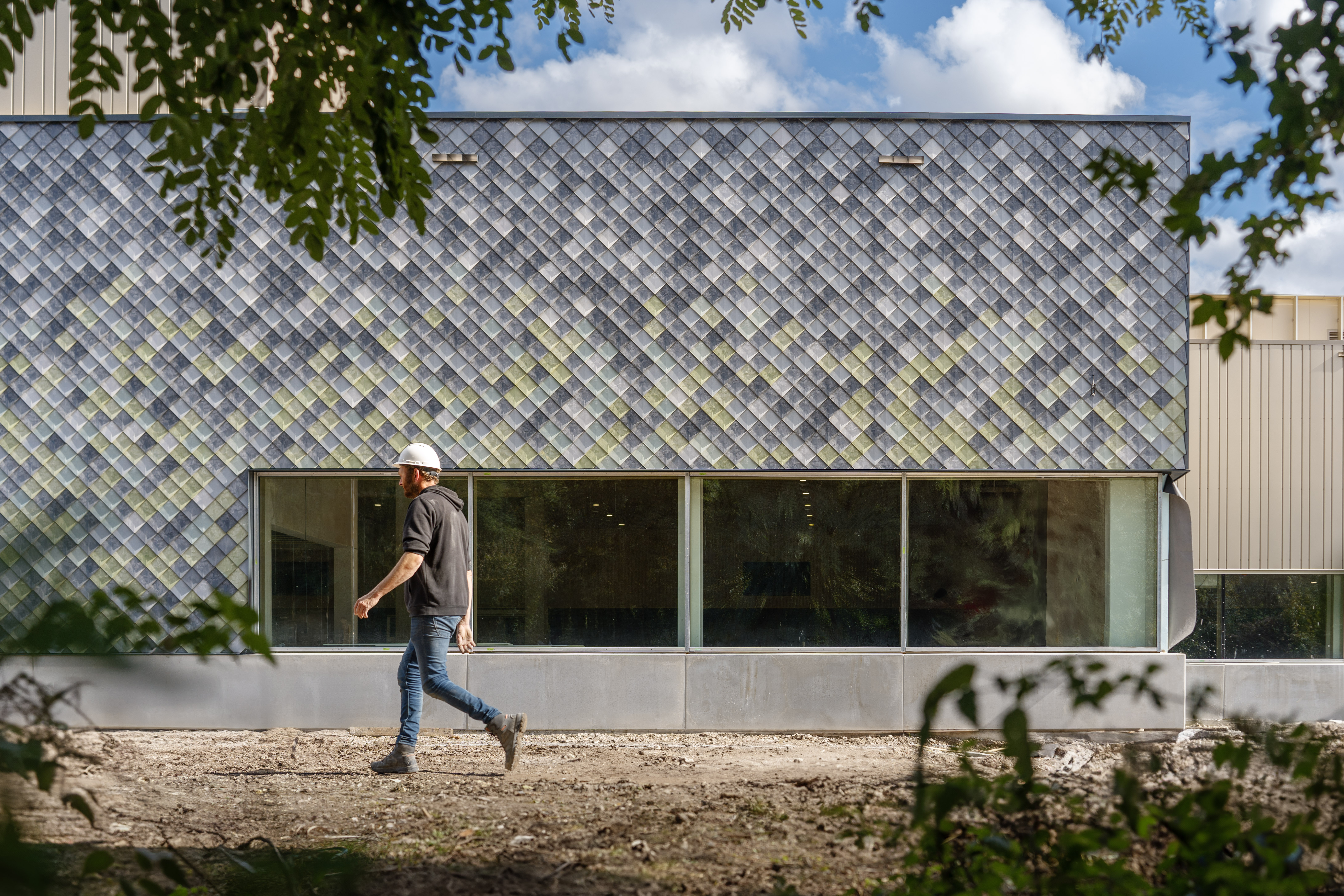
Circularity is reframing sustainability from a focus on end-of-life recycling to a broader consideration of longevity, reuse and intelligent material management. For surface materials, this means moving away from short-term trends, designing products and buildings that prioritise durability and repairability, and improving the ease of disassembly and re-finishing. Natural and engineered surfaces alike are increasingly being specified for their ability to be reclaimed, resized, resurfaced or repurposed, reducing reliance on virgin resources.


Agata Murasko


The Augmented Architect


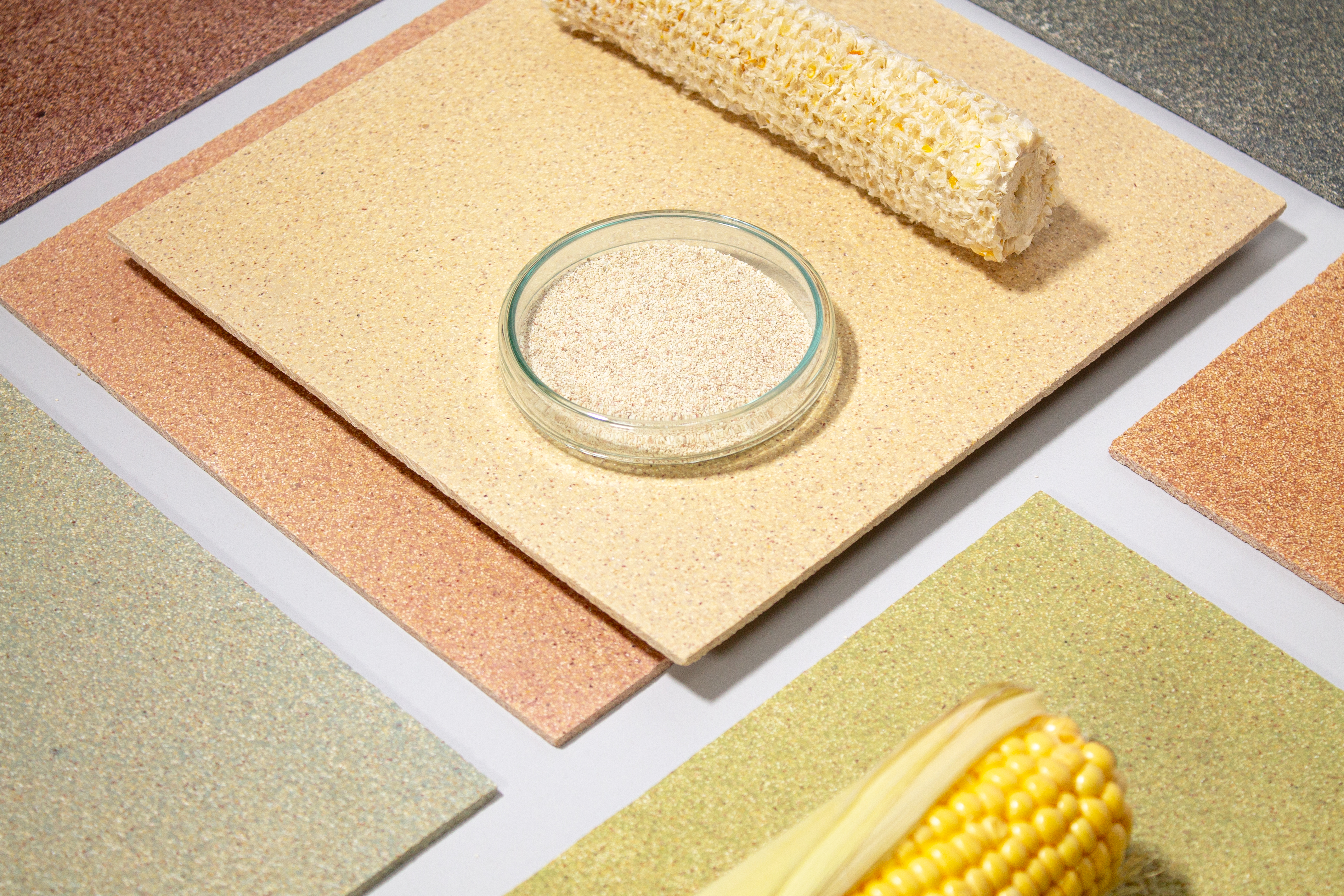
AI is shifting the role of architects beyond drafting and the drudgery of compliance. It will increasingly automate and fast-track structural logic, costing, constructability and energy performance, allowing them to take on a more experimental and curatorial role. Zaha Hadid and Frank Gehry used computers to break geometry and liberate form. AI will empower architects to create an entirely new vernacular that could redefine the built environment.


A Fresh Vision for the Future 


“Our 2026 rebrand champions innovation and celebrates stone, surfaces, materials and the technologies shaping the future of construction, design and architecture,” said Sam Patel, Director of The Stone & Surfaces Show. “Our schedule of talks, presentations, installations and exhibitions will offer a platform to discuss opportunities and challenges for the sector, bringing new energy and opportunities to connect.” 


Join us 12-14 May at ExCel London - register for The Stone & Surfaces Show for free, visit https://forms.reg.buzz/ukcw-london-and-stone-show-2026/pr


The Stone & Surfaces Show will also be co-located with UK Construction Week London and visitors will be able to gain access to both events during their visit. 


For more information, visit www.stoneandsurfaces.co.uk or follow @StoneSurfacesShow on social media.  


limittext
Off
Exclude From Lists
Include
Company Tags
M10
CAPTCHA
SEO Title
Stone and Surfaces Show launches Trends for 2026
Read more
Main Image
22_flipped.jpg

Surface Perspectives: Becca Cranfield, Athena Stonecare

2025-12-18


Becca Cranfield is a director of Athena Stonecare, a leading stone restoration company serving the Home Counties and the South of England. With specialist expertise across marble, limestone, travertine, granite and other natural stones, Becca and the team are committed to ensuring stone surfaces endure beautifully. A former Women in Natural Stone Chair, we caught up with Becca to find out what makes her tick.


What does a typical day look like for you?


I’m a morning person, which many people will know from the 5am emails that land in their inbox! I’m the most creative first thing and so I’ll usually focus on some project work. This could be writing blogs or social media posts, creating a new system for the team to use on-site, or conducting business analysis. I tend to head out to the gym for a break around 9 am. I’ll then have a few hours focused on being reactive - answering client emails and calls, posting on our social media story and checking in with the team to see how their job is progressing. The rest of my day is either spent networking or in meeting with other businesses that we collaborate and partner with. Being a small business means that I look after everything that doesn’t involve doing the actual work. I add content to the website, review our RAMS, build and maintain relationships with our referral partners and create all of the content for social media. 


How integral are materials/surfaces to your day-to-day? 


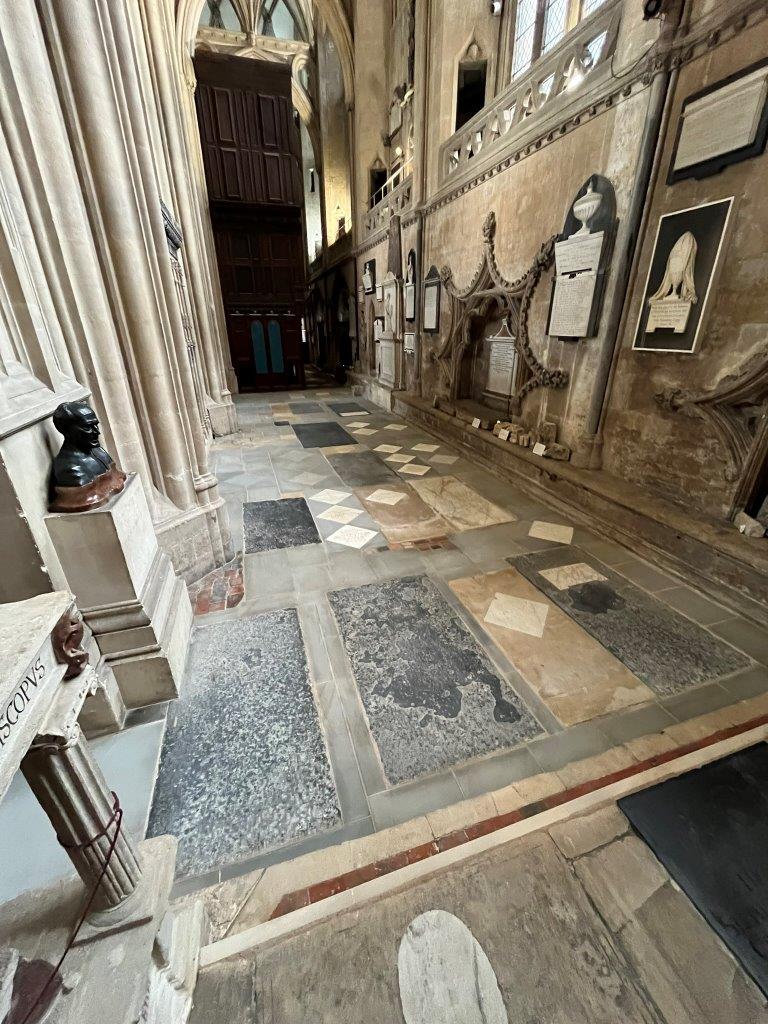
All of our work is centered on natural stone. We restore and maintain any stone surface that is found inside a building. Around 70% of our work is floors and this is usually limestone, marble or travertine, although we do also work with sandstone, slate and granite. The rest of our services focus on worktops and bathrooms and typically this will be marble. 


What are the biggest lessons you have taken forward from your original training? / How has your education informed your career?


Before I joined Dave at Athena Stonecare, I was working in the charity sector. My career has been varied but always focused on income generation/ strategic growth. My first role was at a small national charity where I worked my way up from being a Community Fundraising Assistant to managing HNW donors. This is where I also learned my plate spinning skills. In a small team, I could be hosting an evening at Bonhams one day and then creating new database the next. I learned basic wordpress, social media content writing and importantly relationship building skills too. I took this forwards into my role at a larger national charity as a Business Development specialist creating partnerships with brands that could strategically align with the cause. My latter roles were back in small charities as Head of Fundraising, driving the strategic direction of the team. These combined experiences put me in a good position to grow Athena Stonecare from a business point of view. The biggest gap in my knowledge when I came into the industry was the crucial need to know about stone! That is why when I first started, my role was split between laying the foundations for growth behind the scenes and working on the tools. My first 6 months saw me working 50% of my time on site with Dave. It gave me a real insight not only into how we do the work but also our client base too.


Which project/s are you most proud of being involved with and why?


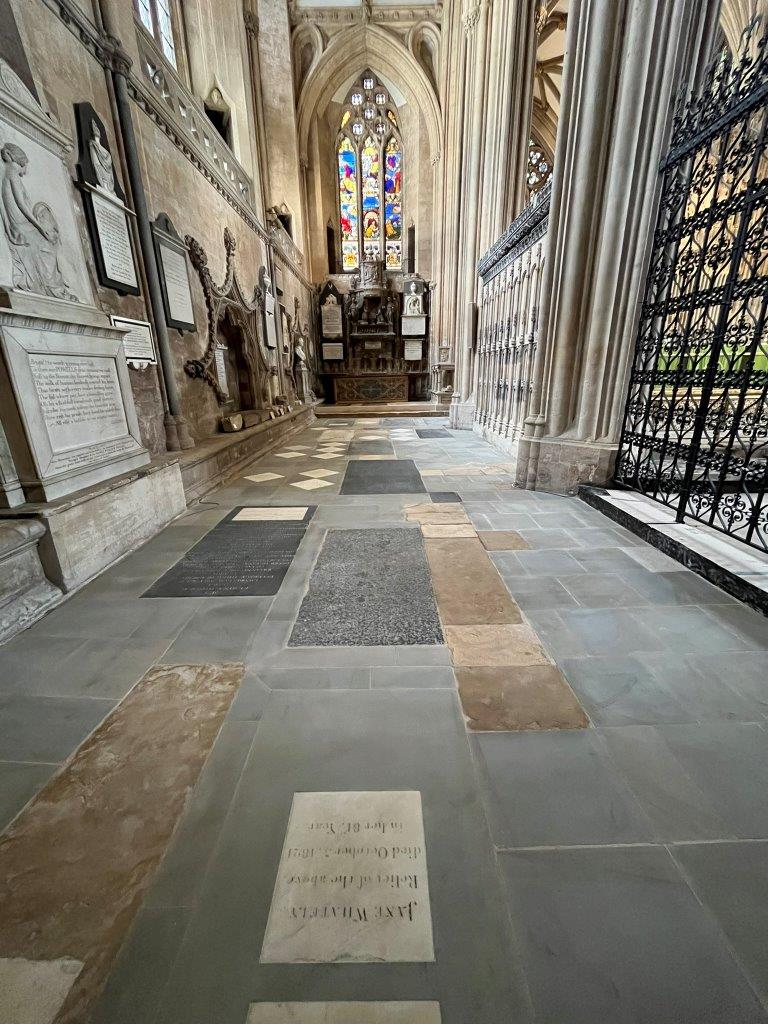
Although most of our work is with private clients, we’ve also been involved in a number of Church projects. These are always a little more special as they mean something to an entire community. Usually the brief is around restoring an older part of the marble or limestone floor to match in with some new tiles that have had to be added as part of a renovation project. One that always stays in mind is Pershore Abbey. Dave feel so much in love with the place and the warm welcome that we actually spent Christmas there the year that the work finished and even had his new wedding ring (long story!) blessed by the vicar on Christmas Eve. 


What do you feel are the main challenges facing the stone and surfaces industry today?


In our part of the industry, it is a lack of knowledge. The very nature of our work is that we come across a lot of people who have installed stone in their home and have not looked after it properly. Many clients will have never been given any information on how to clean or maintain the stone when they buy it. This can then lead to the misconception that stone is difficult to live with/ should be avoided. However, it is actually just as easy to look after as any other surface as long as you know how. This is why we created our Athena Aftercare guide that gives homeowners a clear overview of how to care for all stone surfaces in their home. This is now distributed through stone suppliers for us as the point of purchase. We love working closely with stone suppliers who share this ethos of preventive maintenance. It can benefit the entire industry if we make sure that anyone using stone can do so with the right knowledge and fall in love with the material.  


In your opinion, what are the positives of using stone in the built environment? 


It is durable and timeless. As simple as that. If you walk the streets of Rome, you’ll see travertine and marble everywhere. It doesn’t need to be perfect to be beautiful, in fact, the more wear a surface has it creates a patina that tells the story of that stone in your home. We see clients who renovate and decorate their homes countless times and the stone remains. It will never go out of fashion and there are so many different ways to make it bespoke and personal to a project too. The fact that there is no two pieces of natural stone that are exactly the same makes it pretty special. 


How does sustainability shape your thinking and decision-making, and how do materials fit into this?


Our business feeds into the sustainability conversation as we are restoring only existing stone surfaces. At least half of our work is for clients who are renovating and want to keep their existing stone rather than replacing it. Being able to grind and refinish a stone floor to look new again is not only cost-effective but reduces waste and gives the existing material a new lease of life. We take great pride in being able to ensure that the stone in a client’s home will last forever.


limittext
Off
Exclude From Lists
Include
Company Tags
M10
CAPTCHA
SEO Title
Putting a focus on stonecare with Becca Cranfield
Read more
Main Image
roger_stevens1.jpeg

Surface Spot: From Single Cell to Stone

2025-12-17


Stone mason Roger Stephens has turned a potential nemesis into his muse for a series of sculptures produced for the One Island, Many Visions exhibition at the Portland Sculpture & Quarry Trust in Dorset earlier this year. 


Lamprocyclas Maritalis

Lamprocyclas Maritalis


The milky white, marble structures, which have organic openings, are representations of Lamprocyclas Maritalis, a single-cell marine organism, with intricate silica skeletons. They are also the main constituent of “Chert”, a stone masons’ nightmare, which occur as individual nodules or beds in limestone. As Roger describes, “Chert consists of siliceous fossils that die, sink to the seabed and precipitate in between shell fragments, to become hard-bedded rock nodules. In rare cases, a Medieval stone mason would leave the chert nodule protruding from the surface of the worked stone. This was long before diamond saws and tungsten chisels.” In creating scaled-up versions of these once pesky forms, the sculptor excorises those demons with his application of such modern tools. 


Campylodiscus Hibernicus

Campylodiscus Hibernicus


Roger produced another set of stone sculptures for the exhibition, this time in alabaster, and in celebration of the mini but mighty Diatom. A single-cell algae with a silica casing that occurs worldwide in salt and fresh water, and anywhere that is damp, Campylodiscus Hibernicus, is so numerous that it contributes 20-50% of the world’s oxygen and carbon capture. Here’s to more Diatoms!


limittext
Off
Exclude From Lists
Include
Company Tags
M10
CAPTCHA
SEO Title
Transforming stone to create single cell creations
Read more
Main Image
smile_plastics_material_shoot_4_-_print_10_of_53_1.jpg

Profile: Smile Materials

2025-12-16


There are few in the A&D community who haven’t heard of Smile Plastics. You may even think you already know all there is to know about the company. But a recent change of the long-standing company name to Smile Materials is indicative of an ever-evolving brand, and its current product offering may be even more extensive and less recognisable than you think.


Smile has never followed the conventional path. At a time when more than 400 million tonnes of plastic are produced annually, and less than 10 percent ever find their way into the recycling stream, the Swansea-based manufacturer has made it its business to turn the industry’s problem into a design opportunity. What began as an early experiment in plastics recycling in the 1990s has evolved, after a 2015 revival, into one of the clearest working models of circular surface manufacturing. 


Image Source: Nikolaj Thaning Rentzmann

Image Credit: Nikolaj Thaning Rentzmann


Many of the panels are instantly recognisable with distinctive surface patterns that include high-contrast speckles and expressive, maximalist compositions, all made from carefully sorted post-consumer plastic waste. From yoghurt pots, white goods, food packaging, and medical plastics, what were once considered as valueless waste are instead saved from landfill and incineration.


Image Credit: Handover

Image Credit: Handover


The team intercepts such plastics, bringing in material from more than 60 local businesses, some further afield, and sorts every piece by polymer type, colour, grade and material characteristic. Much of the sorting and preparation is done by hand, not out of nostalgia, but because tactility and judgement matter when you are handling materials this varied. Once sorted, they’re shredded, heated and pressed, transforming into a sheet material that can be cut, jointed, drilled and thermoformed for interior applications, including, counters, shower walling, furniture and signage. 


Image Credit: Paolo Carvalho

Image Credit: Paolo Carvalho


Design plays a big part in the company’s development, and as the team suggests, a surface that openly expresses its origins has the potential to change perception far more effectively than a datasheet ever could. And, their ambitions have clearly grown, with an abundance of new products in the offering that widens the spectrum of colours, patterns and thicknesses available to designers. But these developments haven’t appeared from thin air, and in fact, listening to their client base has played a vital role, as cofounder and creative director Rosalie McMillan explains: 


 “Our transition from Smile Plastics to Smile Materials reflects something simple: the industry asked for more from us, and we listened. Over the past year, we’ve moved beyond just offering recycled plastics to introduce recycled denim materials, and in the New Year we’ll be launching Smile Minerals – an entirely new category for us. These developments come directly from conversations with designers, manufacturers, and fabricators who told us they needed circular materials with broader applications, more personality, and more room for guided customisation.”


Moving forward their products will be split into three distinct material families: Smile Plastics, Smile Fibres and Smile Minerals. The original recycled-plastic panels remain at the heart of the operation, but Smile Fibres introduces a new language altogether. Made from textile and fibre waste, the launch collection begins with Blue Denim and Loom, two expressive, bioresin-bonded surfaces created in collaboration with a specialist manufacturing partner. Blue Denim repurposes post-consumer jeans, capitalising on the inherent durability and long lifespan of the original textile. Loom, made from shredded cotton offcuts and colourful trimmings, is light and speckled, reminiscent of paper pulp or confetti. The newest collection, Smile Minerals,  is inspired by the natural world – more information will be revealed when this is launched in 2026.


These new developments further underline that what continues to make Smile Material so compelling to specifiers is not only its character and workability, but its promise of genuine circularity. Rosalie emphasises this point, “As we grow our offering, we’re committed to keeping the same principles we began with: transparency, curiosity, and the belief that circular solutions should be both practical and inspiring. Our aim isn’t just to supply materials at scale; it’s to help shape where the sector goes next.”


Image Credit: Jurgen Jacob Lodder

Image Credit: Jurgen Jacob Lodder


As true as ever, every Smile panel is made from recycled materials and designed with both aesthetics and durability in mind. What’s more, the factory operates with bespoke, low-energy equipment that uses only a fraction of the power associated with traditional plastics processing. Today, clients can even send end-of-life panels back to Swansea, cleaned of fixings and adhesives, for reprocessing through the company’s buy-back scheme. 


And as the materials palette widens, the ambition remains the same: to challenge the idea of waste entirely and to build material systems designed not for a single life, but for infinite ones.


Solve the model and plastic becomes a resource, not a problem.


limittext
Off
Exclude From Lists
Include
Company Tags
M10
CAPTCHA
SEO Title
A change of name represents a new direction for Smile Materials
Read more
Main Image
df6e083a-21ca-4e8c-a19e-e5a7be86331b.jpg

Case Study: Seamless Porous Flooring for Notable Healthcare Setting

2025-12-15


Barnsley-based KBI UK has carved out a distinct place in the UK surfacing landscape since its formation in 2010, when it began supplying the British market with Flexipave, the porous surfacing system originally pioneered in the United States. From those early days, the business has steadily scaled into a national operation. A network of specialist installers now works alongside an expanded internal team, and the product portfolio has grown with them, with Flexistone arriving in 2012 to meet demand for a vehicular-grade porous surface, followed more recently by the R&D-led introductions of Flexifix, Flexiglo and Flexiglass.


A major milestone came in 2020, when KBI relocated from Halifax to purpose-built headquarters in Barnsley. Despite the challenges of a global pandemic, the move provided increased manufacturing capacity, improved motorway access and modern warehousing, placing the company in a stronger position to service the growing appetite for sustainable, permeable paving. 


Today, KBI systems are specified by housebuilders, local authorities, utilities, engineers, architects, golf courses, and leisure destinations, to name a few. Central to that broad appeal is the business’s long-held focus on sustainability. Flexipave incorporates recycled vehicle tyres as a key component, and some major schemes have diverted the equivalent of more than 15,000 tyres from incineration, preventing hundreds of thousands of kilograms of CO₂ from entering the atmosphere. This ethos underpins the company’s Green Partnership programme, which recognises clients who use Flexipave to support environmental goals.


It was this blend of technical expertise and purpose-led practice that recently aligned KBI with one of the North’s most significant healthcare projects: the new Rob Burrow Centre for Motor Neurone Disease in Leeds. Officially opened by Prince William, the centre has become a symbol of compassion, community support and the powerful legacy of the late Leeds Rhinos legend. Designed by Leeds-based landscape architects Re-Form and built by principal contractor I&G Ltd, the project sought partners able to contribute specialist skills on a charitable basis. 


The company delivered 440m² of resin-bound surfacing, in an elegant Evening Rose blend supplied by long-term materials partner Vuba, across both the north and south elevations of the building. The installation supports accessible movement around the main entrance and weaves through the sensory garden and outdoor areas designed for patients and families. A dedicated five-person team carried out the works, including Anthony Irvine, former KBI project manager and now strategic partner, who once shared the pitch with Rob Burrow at Leeds.


“This project means a lot to us on both a personal and professional level,” said Graham Pell, Managing Director of KBI UK. “It’s a privilege to have contributed to such a vital and compassionate space. We’re grateful to Re-Form and I&G for involving us, and proud to support the legacy of a centre that will bring comfort, care, and community to so many.”


Commissioned by Leeds Teaching Hospitals NHS Trust and funded through Leeds Hospitals Charity’s £6.8 million appeal, the centre consolidates MND treatment, research and support services under one roof. Outdoor spaces, where materials and detailing play a critical therapeutic role, were an important consideration from the outset.


For KBI, the scheme reflects the kind of outcome the company has built its reputation upon: sustainable materials deployed with technical precision, contributing to places that are both purposeful and sensitively designed.


limittext
Off
Exclude From Lists
Include
Company Tags
M10
CAPTCHA
SEO Title
KBI Ltd Supply Durable and Seamless Flooring for Rob Burrows Centre
Read more
Main Image
2.jpg

News: Applications for the Natural Stone Awards open

2025-12-12


Stone Federation Great Britain has opened entries for the Natural Stone Awards 2026, the biennial programme that showcases exemplary natural stone projects from across the UK. Recognised as one of the sector’s most prominent awards initiatives, it highlights the breadth of applications possible with natural stone and its value as a sustainable, durable and visually compelling building material.


Entries are welcomed from any project stakeholder, including architects, main contractors, stone contractors, suppliers, clients and building owners. Last year’s winners include the restoration of The Bank Buildings by Hall Black Douglas Architects and the redesign of Rhodes House, Oxford, by Stanton Williams Architects. This year introduces new categories, notably Structural Stone and Reuse & Retrofit, broadening participation across the industry.


The Bank Buildings

The Bank Buildings


Stone Federation Chief Executive Jane Buxey said, “We are encouraging all those involved in the natural stone industry to enter their projects into the Natural Stone Awards 2026. This is a great opportunity to gain widespread recognition for your practice or company and products or services that you provide.”


Rhodes House

Rhodes House


Categories:
External Stone Cladding (Precast/Rainscreen/Traditional Handset)
New Build Structural Stone, Loadbearing & Hybrid
Reuse & Retrofit
Repair & Restoration (Historic/Ecclesiastical)
Stone Conservation
Interiors (Residential)
Interiors (Commercial)


Projects can be entered digitally. The entry form is available at www.bit.ly/AwardsEntry26


limittext
Off
Exclude From Lists
Include
Company Tags
M10
CAPTCHA
SEO Title
Which stone-based projects should be nominated for awards?
Read more

Pagination

  • First page « First
  • Previous page ‹ Previous
  • …
  • Page 10
  • Page 11
  • Page 12
  • Page 13
  • Current page 14
  • Page 15
  • Page 16
  • Page 17
  • Page 18
  • …
  • Next page Next ›
  • Last page Last »
Subscribe to
  • Advertise
  • Contact Us
  • Acceptable Use
  • Copyright Notice
  • Privacy Policy

© Media 10 Ltd. All Rights Reserved