From the organisers of The Stone & Surfaces Show

  • Log in
  • Home
  • News
  • Jobs
  • Call for Submissions
  • Events
  • Advertise
  • Home
  • News
  • Jobs
  • Call for Submissions
  • Events
  • Advertise
Main Image
df6e083a-21ca-4e8c-a19e-e5a7be86331b.jpg

Case Study: Seamless Porous Flooring for Notable Healthcare Setting

2025-12-15


Barnsley-based KBI UK has carved out a distinct place in the UK surfacing landscape since its formation in 2010, when it began supplying the British market with Flexipave, the porous surfacing system originally pioneered in the United States. From those early days, the business has steadily scaled into a national operation. A network of specialist installers now works alongside an expanded internal team, and the product portfolio has grown with them, with Flexistone arriving in 2012 to meet demand for a vehicular-grade porous surface, followed more recently by the R&D-led introductions of Flexifix, Flexiglo and Flexiglass.


A major milestone came in 2020, when KBI relocated from Halifax to purpose-built headquarters in Barnsley. Despite the challenges of a global pandemic, the move provided increased manufacturing capacity, improved motorway access and modern warehousing, placing the company in a stronger position to service the growing appetite for sustainable, permeable paving. 


Today, KBI systems are specified by housebuilders, local authorities, utilities, engineers, architects, golf courses, and leisure destinations, to name a few. Central to that broad appeal is the business’s long-held focus on sustainability. Flexipave incorporates recycled vehicle tyres as a key component, and some major schemes have diverted the equivalent of more than 15,000 tyres from incineration, preventing hundreds of thousands of kilograms of CO₂ from entering the atmosphere. This ethos underpins the company’s Green Partnership programme, which recognises clients who use Flexipave to support environmental goals.


It was this blend of technical expertise and purpose-led practice that recently aligned KBI with one of the North’s most significant healthcare projects: the new Rob Burrow Centre for Motor Neurone Disease in Leeds. Officially opened by Prince William, the centre has become a symbol of compassion, community support and the powerful legacy of the late Leeds Rhinos legend. Designed by Leeds-based landscape architects Re-Form and built by principal contractor I&G Ltd, the project sought partners able to contribute specialist skills on a charitable basis. 


The company delivered 440m² of resin-bound surfacing, in an elegant Evening Rose blend supplied by long-term materials partner Vuba, across both the north and south elevations of the building. The installation supports accessible movement around the main entrance and weaves through the sensory garden and outdoor areas designed for patients and families. A dedicated five-person team carried out the works, including Anthony Irvine, former KBI project manager and now strategic partner, who once shared the pitch with Rob Burrow at Leeds.


“This project means a lot to us on both a personal and professional level,” said Graham Pell, Managing Director of KBI UK. “It’s a privilege to have contributed to such a vital and compassionate space. We’re grateful to Re-Form and I&G for involving us, and proud to support the legacy of a centre that will bring comfort, care, and community to so many.”


Commissioned by Leeds Teaching Hospitals NHS Trust and funded through Leeds Hospitals Charity’s £6.8 million appeal, the centre consolidates MND treatment, research and support services under one roof. Outdoor spaces, where materials and detailing play a critical therapeutic role, were an important consideration from the outset.
 

For KBI, the scheme reflects the kind of outcome the company has built its reputation upon: sustainable materials deployed with technical precision, contributing to places that are both purposeful and sensitively designed.


limittext
Off
Exclude From Lists
Include
Company Tags
M10
CAPTCHA
SEO Title
KBI Ltd Supply Durable and Seamless Flooring for Rob Burrows Centre
Read more
Main Image
2.jpg

News: Applications for the Natural Stone Awards open

2025-12-12


Stone Federation Great Britain has opened entries for the Natural Stone Awards 2026, the biennial programme that showcases exemplary natural stone projects from across the UK. Recognised as one of the sector’s most prominent awards initiatives, it highlights the breadth of applications possible with natural stone and its value as a sustainable, durable and visually compelling building material.


Entries are welcomed from any project stakeholder, including architects, main contractors, stone contractors, suppliers, clients and building owners. Last year’s winners include the restoration of The Bank Buildings by Hall Black Douglas Architects and the redesign of Rhodes House, Oxford, by Stanton Williams Architects. This year introduces new categories, notably Structural Stone and Reuse & Retrofit, broadening participation across the industry.


The Bank Buildings

The Bank Buildings


Stone Federation Chief Executive Jane Buxey said, “We are encouraging all those involved in the natural stone industry to enter their projects into the Natural Stone Awards 2026. This is a great opportunity to gain widespread recognition for your practice or company and products or services that you provide.”


Rhodes House

Rhodes House


Categories:
External Stone Cladding (Precast/Rainscreen/Traditional Handset)
New Build Structural Stone, Loadbearing & Hybrid
Reuse & Retrofit
Repair & Restoration (Historic/Ecclesiastical)
Stone Conservation
Interiors (Residential)
Interiors (Commercial)


Projects can be entered digitally. The entry form is available at www.bit.ly/AwardsEntry26


limittext
Off
Exclude From Lists
Include
Company Tags
M10
CAPTCHA
SEO Title
Which stone-based projects should be nominated for awards?
Read more
Main Image
chris_summerfield.jpeg

Surface Spot: Reconstituting Stone

2025-12-12


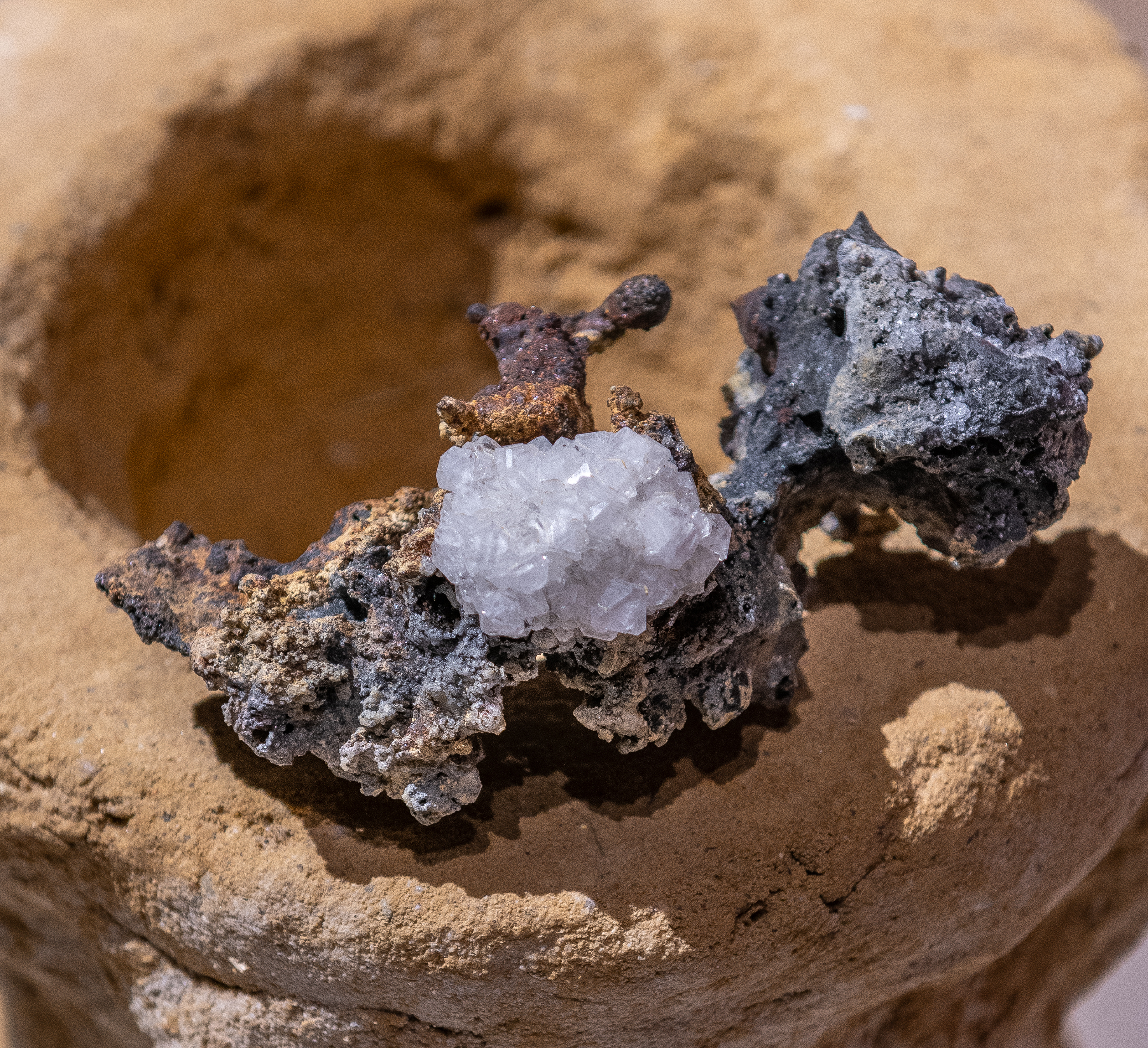
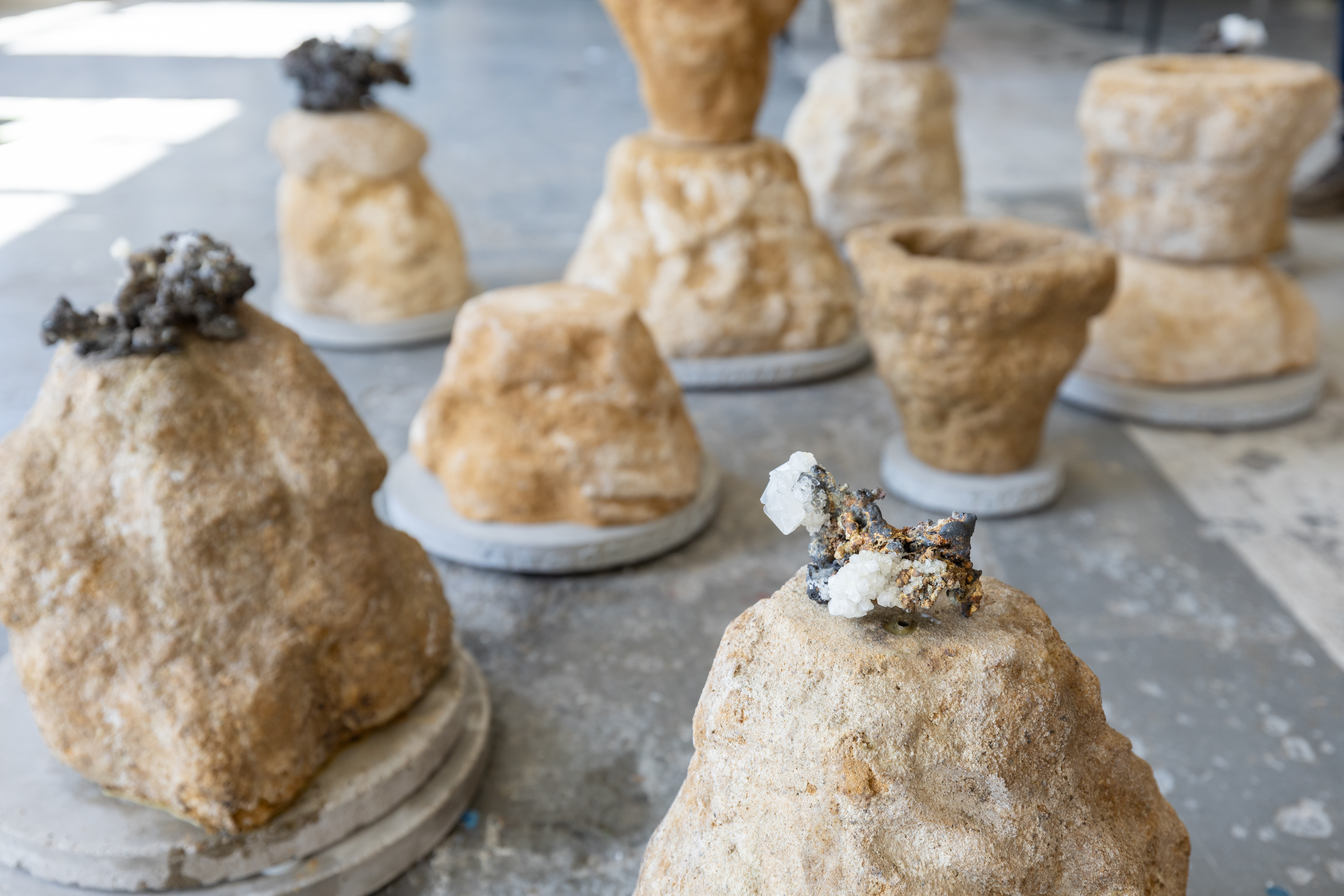
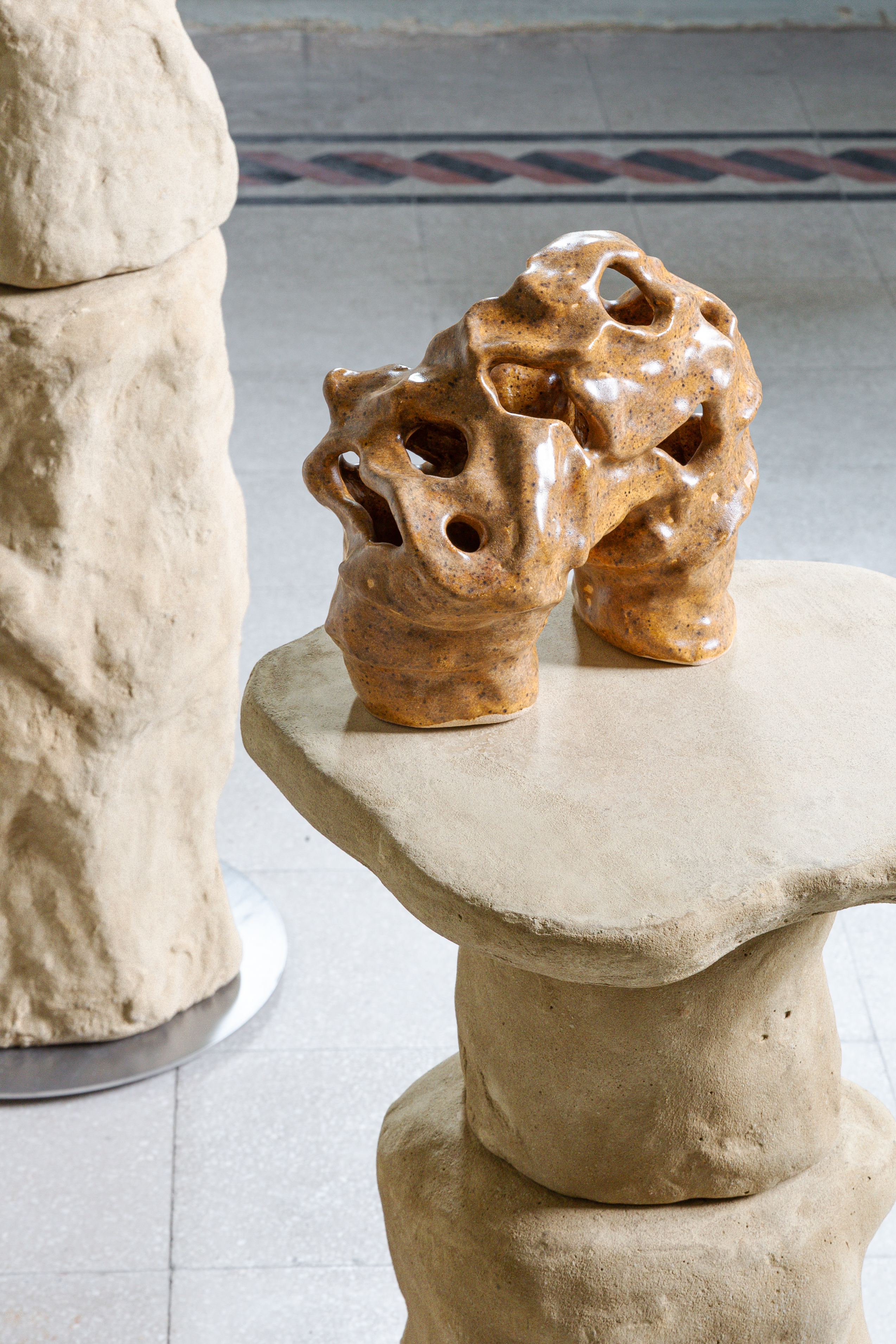
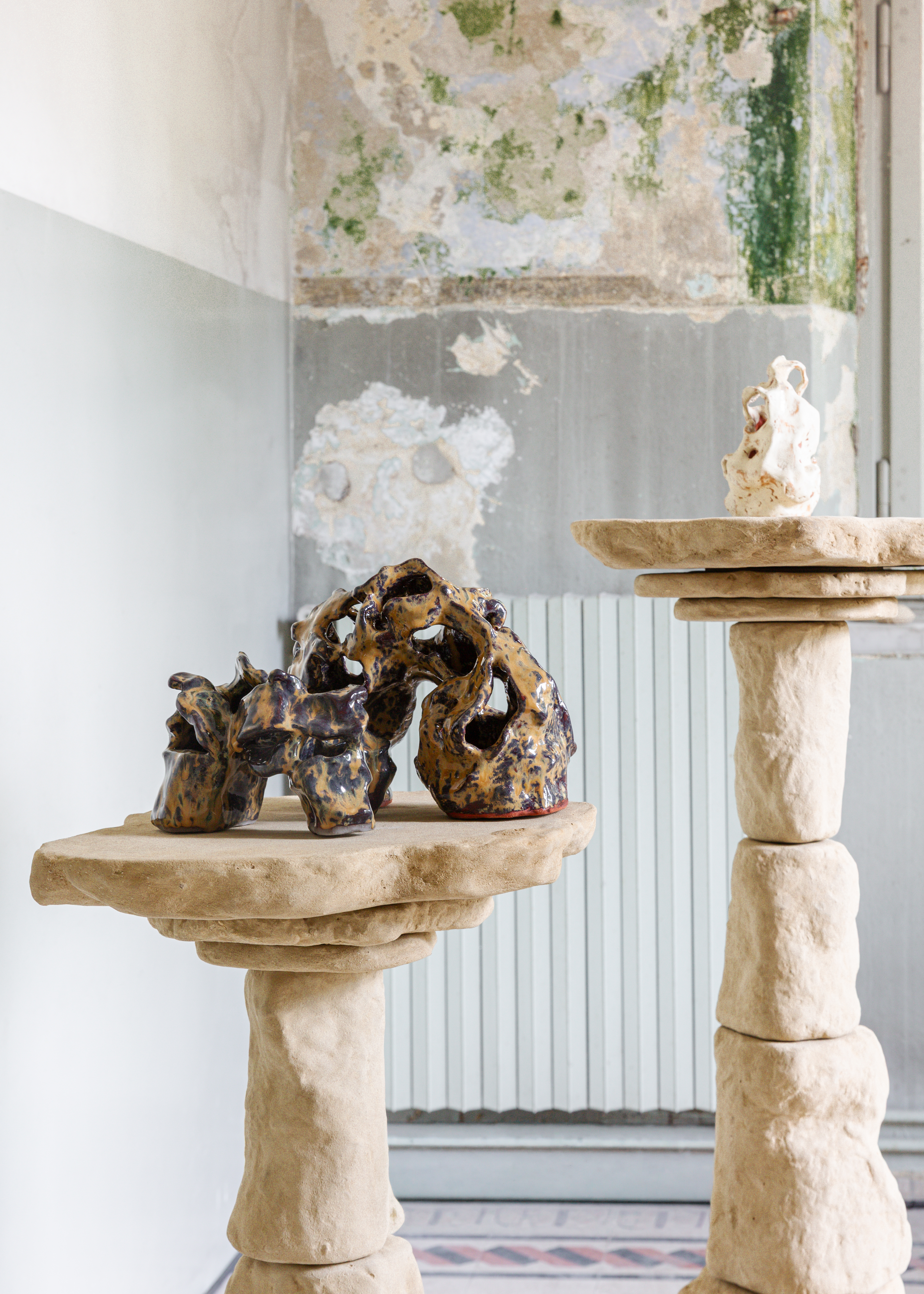
Another example of the creative and insightful work on display during this year's One Island, Many Visions exhibition and symposium, Chris Summerfield’s inventive sculptures breathe new life into Portland Stone.


One of 27 artists from the Royal Society of Sculptors, who made work for the Portland Sculpture & Quarry Trust event, Chris explored stone waste to create his own imagined fossil forms. A graduate of the Royal College of Arts and former assistant to Henry Moore , his work is essentially Biomorphic, and often hybridised with mechanical forms. At the core of his practice has been his lifelong response to the natural world and its relationship with human interventions and its stimuli for design, architecture and manufacturing. 


As opposed to seeking sizeable lumps of stone to carve into these beguiling, mutated forms, Chris chose to recycle remnants from a local community carving project, which he combined with Portland Cement to fill his fossil moulds.    


limittext
Off
Exclude From Lists
Include
Company Tags
M10
CAPTCHA
SEO Title
Turning portland stone waste into alternative fossils
Read more
Main Image
22.12.12_tog_bw_0434.jpg

Surface Perspectives: Andrew Waugh, Waugh Thistleton

2025-12-11


Andrew Waugh is one of the founders of London-based Waugh Thistleton Architects. Along with Anthony Thistleton and the extended team, the practice produce a wide range of building types, both in the UK and internationally. They are world leaders in engineered timber, pioneering tall timber buildings, including the renowned Black and White Building.


What does a typical day look like for you?


There is no such thing!! I travel quite a lot – we have projects in the US and across Europe, so I’m too often in an airport. But actually, travel has become my thinking time – so that’s enjoyable! When I’m in the studio it’s a mix of meetings and design reviews and is usually pretty full on! And then once in a while I end up in our local pub with Anthony.


Image Credit: Will Pryce

Image Credit: Will Pryce


How integral are materials/surfaces to your day-to-day? 


The studio is bursting with samples – there are pieces of timber, lumps of stone – window sections on every shelf and spare corner! I remember as a kid I loved visiting DIY stores – even now, I’m still excited by the incredible potential of all those things to buy!


We do have tremendous amount of timber in the studio – we get sent samples from from around the world from manufacturers whenever they do something new, and we have sections of beams, walls and floor slabs from various projects.


What are the biggest lessons you have taken forward from your original training?


I think that my biggest take away from Architecture School was a strong sense of direction – that it is not enough to react to problems or briefs but that you should be pro-active, find the projects that you want and have a clear set of principles to apply. What’s your ethos!? Also, an important teacher told me always be an architect, never be a salesperson, a politician or a builder. Remember what you do and always prioritize. 


Image Credit: Lewis Kahn

Image Credit: Lewis Kahn


Which project/s are you most proud of being involved with and why?


Rather than anyone project, I am most proud of our progress as a practice. Each project adds to our knowledge and our understanding of architecture and seen together there feels a real sense of achievement. But… if I had to pick it would be our Prayer Halls at Bushey Cemetery. We worked with the community for 10 years and I feel incredibly close to the project – and they really love the buildings!


Image Credit: Jim Stephenson

Image Credit: Jim Stephenson


What do you feel are the main challenges facing the construction industry today?


Architecture is always a direct reflection of the societies it serves – a society in trouble is writ large in its architecture. So affordability, climate crisis, AI - all these are issues we face in every aspect of our work. 


In your opinion, what are the positives of using timber in the built environment? 


So many!! It is a readily available low-carbon technology that we can scale, it is easy to re-use and recycle, it is fast and accurate to build with, its light weight, and it has the potential to produce healthy, happy beautiful architecture that can deliver a better future! 


How does sustainability shape your thinking and decision-making, and how do materials fit into this?


It shapes all our thinking. Buildings generate carbon emissions in two main ways: through the carbon used to produce materials and construct them, and through the energy required to heat, cool and power them. This operational carbon is measured over 60 years, and when expressed as a single figure it can appear large, but the carbon released in making the materials, the embodied carbon, is both highly energy-intensive and immediate.

This embodied carbon is where we focus our efforts. Our aim is to transform architecture by prioritising bio-based and low-carbon materials, and by recognising the direct impact that our design decisions have on the climate crisis.


limittext
Off
Exclude From Lists
Include
Company Tags
M10
CAPTCHA
SEO Title
A day in the life of a pioneering timber-based architect
Read more
Main Image
greg_meeson_refinery_studios_digital_scanning_c_matt_bateman.jpg

News: SPAB launches CPD series exploring the Fusion of Tradition and Innovation

2025-12-10


The Society for the Protection of Ancient Buildings (SPAB) has released a four-part online CPD series, New Ideas for Old Buildings, following its recent SPAB–STBA conference on the pressures facing traditional and historic buildings. The talks address climate challenges, emerging technologies, skills shortages and economic pressures, while highlighting how heritage techniques continue to inform modern practice.


Aimed at building professionals, students and anyone with an interest in conservation, the sessions offer practical insight into current research and project work across the sector. Details fo each talk are as follows:


Technology and Tradition: Using Digital Tools to Support the Traditional Woodcarving Process with Matt Bateman and Greg Meeson, Refinery Studio

Matt Bateman, a conservation joiner and woodcarver, teams up with digital artist Greg Meeson of Refinery Studio to demonstrate how CGI and digital modelling can aid the repair of carved timber features. Their award-winning workflow blends technology with hand skills, improving efficiency without displacing traditional craftsmanship.


Using Site Excavated Subsoil to Make Earth Blocks for Building Construction with Nikolay Shahpazov, Bennetts Associates

Bennetts Associates’ Nikolay Shahpazov presents the Tribeca development at King’s Cross, where subsoil excavated on site was transformed into earth blocks for the London BioScience Innovation Centre. The material, used at unprecedented scale in the UK, emits around one-tenth of the CO₂ of cement alternatives, pointing to new opportunities for low-carbon construction rooted in long-standing building traditions.


A Lime Seamless Floor at the Royal Hospital Chelsea: An Experimental Approach with Laura Morgante, Peregrine Bryant Architects

Laura Morgante of Peregrine Bryant Architects outlines the creation of a seamless lime floor in the Royal Hospital Chelsea’s Stable Block. Inspired by the Venetian ‘cocciopesto’ technique, which dates back to Roman times, the breathable, durable flooring offers a sustainable alternative for future projects, despite being relatively rare in the UK.


Light Touch to Old Buildings: New Ideas at the Old House Project with Jonathan Garlick, SPAB and Mal Fryer, Malcolm Fryer Architects


Architect Mal Fryer and SPAB project manager Jonny Garlick discuss recent interventions at St Andrew’s Chapel, Boxley. Their presentation covers the project’s rammed-earth wall and new oak walkway, designed to connect historic fabric with modern needs while offering acoustic protection for the site. The team also examines conservation challenges posed by the rediscovery of an ornate doorway previously concealed behind a fireplace.


 These online CPD sessions are £10 each and can be bought individually or as a package of four at the discounted price of £30.

All four CPD recordings are available through the SPAB website


limittext
Off
Exclude From Lists
Include
Company Tags
M10
CAPTCHA
SEO Title
Protecting Ancient Buildings With Tradition and Innovation
Read more
Main Image
new_stone_reused_stone_and_supporting_structural_works.jpg

Case Study: Working on a National Treasure

2025-12-09


As the National Gallery celebrated its 200th anniversary in 2024, its NG200 programme set out not only to mark the milestone but to future-proof one of the world’s most visited cultural institutions. Central to the transformation were major interventions to the Grade I listed Wilkins Building and the Sainsbury Wing - works that brought Szerelmey back to Trafalgar Square for the first time since 1996, a return the company describes as “a privilege”.


The gallery’s story began in 1824 with John Julius Angerstein’s donation of 38 paintings. Since opening its Wilkins-designed home in 1838, the institution has grown into one of the world’s leading collections, housing more than 2,300 artworks. In May 2024, NG200 set out to improve both the visitor journey and the spaces that support it.


Much of Szerelmey’s contribution focused on reworking the Sainsbury Wing entrance. Their involvement began during demolition by others, providing enabling works and stone removal to allow new openings through the internals and basement link. One of the most technically demanding tasks was creating the new slab edge to the foyer in Gascoigne Blue limestone. The flamed finish, large curved units and extremely tight working conditions required mini floor cranes projecting over the edge to position each piece.


The existing column arrangement was also overhauled. Several columns were removed, cleaned, extended by a full storey and reinstated; a new double-height column in French Chamesson limestone was installed, supported by a full steel and Unistrut backing structure designed by Szerelmey. Twelve Pietra Serena single-height columns with a bush-hammered finish completed the revised rhythm across the ground floor, level 1 and basement.


Dismantling one of the original atrium columns revealed a surprise: a letter hidden inside by the late Lord Sainsbury. It noted that if discovered, it meant the “unnecessary” columns had finally been removed—much to his satisfaction. His son Mark later explained that the letter dated back to a disagreement between Lord Sainsbury and architects Robert Venturi and Denise Scott Brown, placed there “as a way of keeping the peace.”


With the new layout established, Szerelmey installed two storeys of Chamesson limestone cladding along the Whitcomb Street internal façade, complete with rusticated profiles matched to existing stonework. Historic walls and floors were cleaned, repaired and restored, while extensive new Gascoigne Blue limestone flooring was laid through the reception, basement and link. WC areas received hand-finished terrazzo with bespoke stainless-steel shadow gaps and moulded skirtings, along with complementary ceramic tiling.


The scheme also drove a new subterranean link beneath the Jubilee Walk, connecting the Sainsbury Wing basement with the Wilkins Building. Szerelmey supported the structural work with temporary stone removal and reinstatement, before installing Chamesson limestone cladding and a suspended stone soffit. The Jubilee Walk bottle balustrade was removed, refurbished and reinstated, while Sainsbury Wing signage was refreshed and rehomed on a new SFS background with newly carved entrance lettering.


Outside, to the front of the Wilkins Building, Grizelda’s Garden, named after the long-serving Gallery assistant Grizelda Grimond, has been completely reshaped. The soft bank and lawn wall were replaced with a new curved wall built largely from salvaged stone, opening up views and access. Stonework around the façade was dismantled and reused to accommodate a new entrance formed in Jordans Basebed Portland stone, tied into the historic fabric with a decorative lintel and adapted spandrel. Steel supports for blast-proof glazing were added, and two 4-tonne precast benches in reclaimed Portland stone now anchor the newly paved garden.


The result is a reimagined arrival sequence for visitors and a sensitive update to one of London’s most iconic public institutions—delivered through a blend of new stone, reclaimed material and meticulous conservation craftsmanship.


All photographs courtesy of The National Gallery


limittext
Off
Exclude From Lists
Include
Company Tags
M10
CAPTCHA
SEO Title
Szerelmey Help Give the National Gallery a Facelift
Read more
Main Image
lbs_enterprises_design_interiors_photo_by_makkiphoto_2.jpeg

News: WFF Unveils Revamped Website to Boost Industry Standards

2025-12-08


The Worktop Fabricators Federation (WFF) has relaunched its website, giving the UK stone-worktop sector a clearer, more accessible online hub for guidance, safety information and membership support.


Founded in 2020, the WFF represents businesses involved in the fabrication of natural-stone and engineered-stone worktops. The federation says the new site strengthens its identity while delivering simpler navigation, dedicated sections for news, events, downloads, health & safety, and an improved members’ portal.


Bath Granite and Marble

Bath Granite and Marble


The homepage now signposts tailored guidance for fabricators, designers, architects and homeowners, supported by new technical content and refreshed best-practice resources. RCS (respirable crystalline silica) safety remains a core focus, with updated advice aimed at raising awareness and promoting safer working across the sector.


The federation says the revamped platform will further support collaboration between fabricators, suppliers, machinery providers and slab producers, reinforcing its role as a unified industry voice.


Brachot QuarryBrachot Quarry


With more than 1,000 UK businesses involved in worktop fabrication, the WFF describes the relaunch as an important step in promoting professionalism, ethical practice and higher standards throughout the supply chain.


The new site is live at worktopfabricators.org


If you’re a fabricator and want to join WFF or simply wish to learn more about what membership entails, hit Join Now on the homepage.


For further information, contact:

Nigel Fletcher – operations officer

Phone: 07591 339 144

Email: office@worktopfabricators.org


limittext
Off
Exclude From Lists
Include
Company Tags
M10
CAPTCHA
SEO Title
A fresh look for the Worktop Fabricators federation
Read more
Main Image
img_20251023_154338.jpg

Surface Spot: Mother of Pearl by Plasticiet

2025-12-05


In a market that’s always hungry for fresh thinking, Plasticiet has delivered something genuinely different with Mother of Pearl - a surface material born not from quarries or composites, but from discarded car headlights.


By reclaiming high-grade polycarbonate and reworking it into solid sheets, Plasticiet has created a material that feels less like recycled plastic and more like a premium, design-led surface. Karlite’s silky translucency, achieved using carefully selected mineral pigments, gives it a subtle, almost stone-like depth. Each sheet is crafted and hand-finished, adding to the material’s refined feel.


But its appeal isn’t just aesthetic. Polycarbonate’s natural strength gives Karlite the kind of stability designers can rely on. The material can be joined, machined or thermoformed, opening the door to applications ranging from wall panels and lighting features to signage, furniture and decorative installations across hospitality, retail, residential and office spaces.


limittext
Off
Exclude From Lists
Include
Company Tags
M10
CAPTCHA
SEO Title
Headlights Reborn as High-End Surface Material
Read more
Main Image
tools_for_transition_at_the_design_museum_photo_credit_luke_hayes.jpg

News: Tools for Transition - A New Way to Build

2025-12-04


The Design Museum’s new long-term display, Tools for Transition, brings together four major research projects that explore how design, materials and community-led innovation can help the UK transition toward greener ways of living. 


Along with the Stone Demonstrator, it’s another initiative initiated by Future Observatory this year that explores ways of construction that are healthier for people and the planet. As Future Observatory Director Justin McGuirk explains, “Future Observatory’s mission is not just to help drive the green transition through design research but to get that research to a broad audience. Tools for Transition brings together the four projects in our flagship Green Transition Ecosystems grants programme. 


Launched during the London Design Festival with the help of the Arts & Humanities Research Council (AHRC), the exhibition shows how collaborative approaches can reshape healthcare, housing, resource management and climate planning. With material choice and lifecycle thinking becoming central to modern construction, the work on display reflects themes increasingly relevant to the stone sector: circularity, community resilience and the value of regionally rooted material systems.


The first project, Design HOPES, focuses on NHS Scotland and its reliance on single-use plastic products. As one of the country’s largest consumers of disposables, the NHS faces significant challenges in reducing emissions tied to material waste. Design HOPES is working with health practitioners and policymakers to map hospital waste streams and identify durable, reusable and bio-based alternatives to items such as PPE. The exhibition features theatre scrubs and caps produced from plant-based fibres like flax and cellulose, showing how renewable materials could replace fossil-derived plastics without compromising the hygiene standards required in clinical settings. A commissioned visualisation by designer Irena Gajic imagines what an NHS estate could look like by the late 2030s, integrated more fully into surrounding communities and shaped by greener, more resource-efficient systems. 


Another strand of the exhibition, Future Island–Island, is rooted in Rathlin Island, Northern Ireland’s only inhabited offshore island. With a small population and a heightened exposure to climate impacts, the island provides a testbed for community-driven resilience. The research supports residents in setting up circular systems to manage waste, resources and local production as part of Rathlin’s goal to achieve carbon neutrality by 2030. Repair cafés, shared waste initiatives and design-led approaches to local materials all play a part in building self-sufficiency. Material innovation is prominent: Rathlin’s sheep’s wool, previously undervalued, is being channelled into the Rathlin Wool Hub, where it becomes a useful raw material for craft and product design. Meanwhile, the Beach Clean 2.0 initiative is transforming marine plastic washed ashore into functional items for the community. In the exhibition, naturally dyed wool sits alongside categorised marine plastic samples, and an interactive installation by Rifke Saidler introduces visitors to Rathlin’s coastline and stories. While highly localised, the work highlights principles of resource circularity, decentralised production and community ownership that could be adopted in other rural or coastal regions.


The third project, Transforming Homes, addresses a national challenge: the retrofitting of older homes. Working in Bristol and Swansea, the research explores how council-built houses from the 1920s to 1940s - many affected by damp, poor insulation and outdated layouts - can be redesigned to remain viable for another century. The team collaborates with residents and local authorities to monitor performance indicators such as heat loss and humidity, and to experiment with retrofitting methods grounded in locally available materials. The exhibition includes community-made model houses and a commissioned architectural model by Studio Saqqra, built from reclaimed stone and bio-based materials including hemp and wood fibre. These choices reflect a growing recognition of the value of regionally specific materials and the embodied carbon benefits of reusing existing stock. 


The final project, Public Map Platform, looks at how communities can better understand the environmental changes happening around them. Working with residents of Anglesey in North Wales, the project blends scientific datasets with sensory and cultural memory, integrating stories, sounds, and local knowledge with environmental data to build a more holistic view of the island’s climate risks and future planning needs. The exhibition features community-made zines about Anglesey’s wildlife and landscapes, as well as a handwoven textile artwork by Sahra Hersi that captures everyday experiences of place that are not always visible in maps. 


Taken together, the four research strands illustrate how design and material innovation can support communities to navigate both the immediate and long-term challenges of climate transition. The exhibition also underscores a growing need for collaboration between designers, scientists, local authorities, material producers and the public.


Design Museum Director Tim Marlow underlines the exhibitions significance, “Future Observatory is unlike any initiative in any museum in the world. Its work is transformative, and the Design Museum is both energised and inspired to showcase this ongoing design research.” As mentioned, Future Observatory’s flagship Green Transition Ecosystems programme underpins the exhibition, and with AHRC announcing a further £15 million to extend the initiative to 2028, the Design Museum signals a long-term commitment to design-led climate research. As Future Observatory Director Justin McGuirk explains, “Future Observatory’s mission is not just to help drive the green transition through design research but to get that research to a broad audience. Tools for Transition brings together the four projects in our flagship Green Transition Ecosystems grants programme. These are ambitious, multi-partner collaborations tackling systemic issues, and the display makes them brilliantly accessible. We can’t wait to see this work evolve as Future Observatory moves into our second phase.”


Tools for Transition runs on Level 2 of the Design Museum until autumn 2026 and is free to visit.


limittext
Off
Exclude From Lists
Include
Company Tags
M10
CAPTCHA
SEO Title
Future Observatory's vision for future building
Read more
Main Image
img_20230215_180118_797.jpg

Surface Perspectives: Rachael Wragg, Lincoln Cathedral

2025-12-03


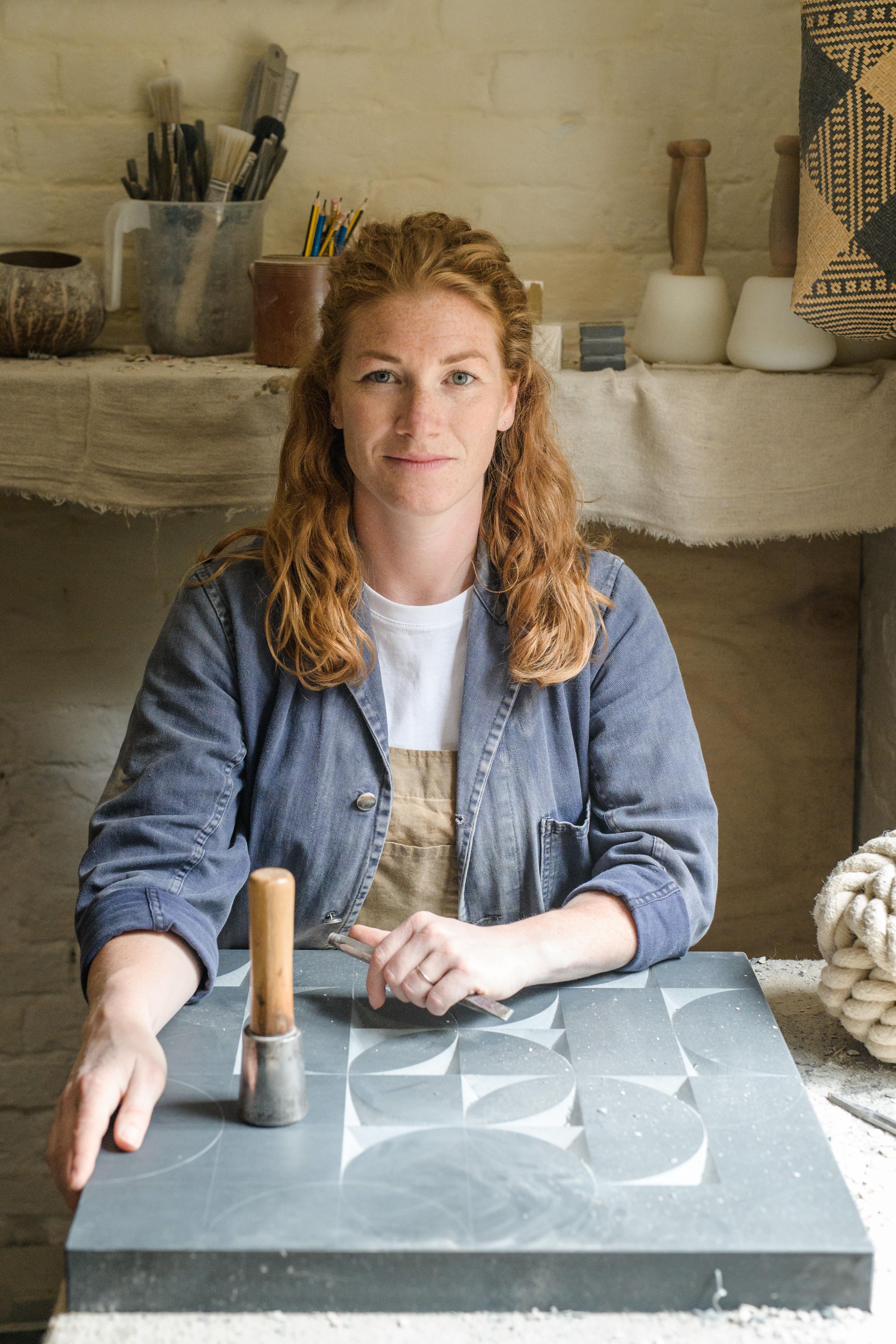
Fresh off the back of winning the On The Tools Traditional Craftsperson of the Year Award, stone mason Rachael Wragg shares with us some of her unique perspectives from her role at Lincoln Cathedral. 


What does a typical day look like for you?


Work at the cathedral can be very repetitive like a lot of masonry jobs; working the same stone for weeks or re-pointing on the building for months. But at the same time it can be changeable and reactive. We're part of the staff on a working building, so are often called on to do emergency repairs in the building, help the faculties team moving equipment, and even emptying the gutters when they overflow! There's always a weird odd job to get roped in to, but it keeps it interesting. 


How integral are materials to your day-to-day?  


Obviously stone is integral to my job. We are very lucky at Lincoln to have had our own quarry for many decades (recently quarried out!) and have a large supply of stone reserved for repairs to the cathedral. We recently opened a new cutting facility with 2 new saws so we can process our own stone. This direct line to a stone source means we can access the materials we need very quickly. 


What are the biggest lessons you have taken forward from your original training? 


I was very lucky to be part of one of the last class of apprentices to be able to complete the traditional level 3 NVQ apprenticeship qualification before the course was changed. This meant I was able to spend much more time on the tools. Time spent on the tools, gaining that experience is invaluable in this craft. 


After my apprenticeship in masonry at Lincoln cathedral I went on to complete a foundation degree in Historic buildings conservation and repair with the Cathedral Workshop Fellowship (CWF), and am now halfway through a master's degree in Historic Buildings Archaeology at York University. Going in to higher education while working has given me a broader perspective of my job as a cathedral mason and helped inform my path through the cathedral workshop system. 


Which project/s are you most proud of being involved with and why?


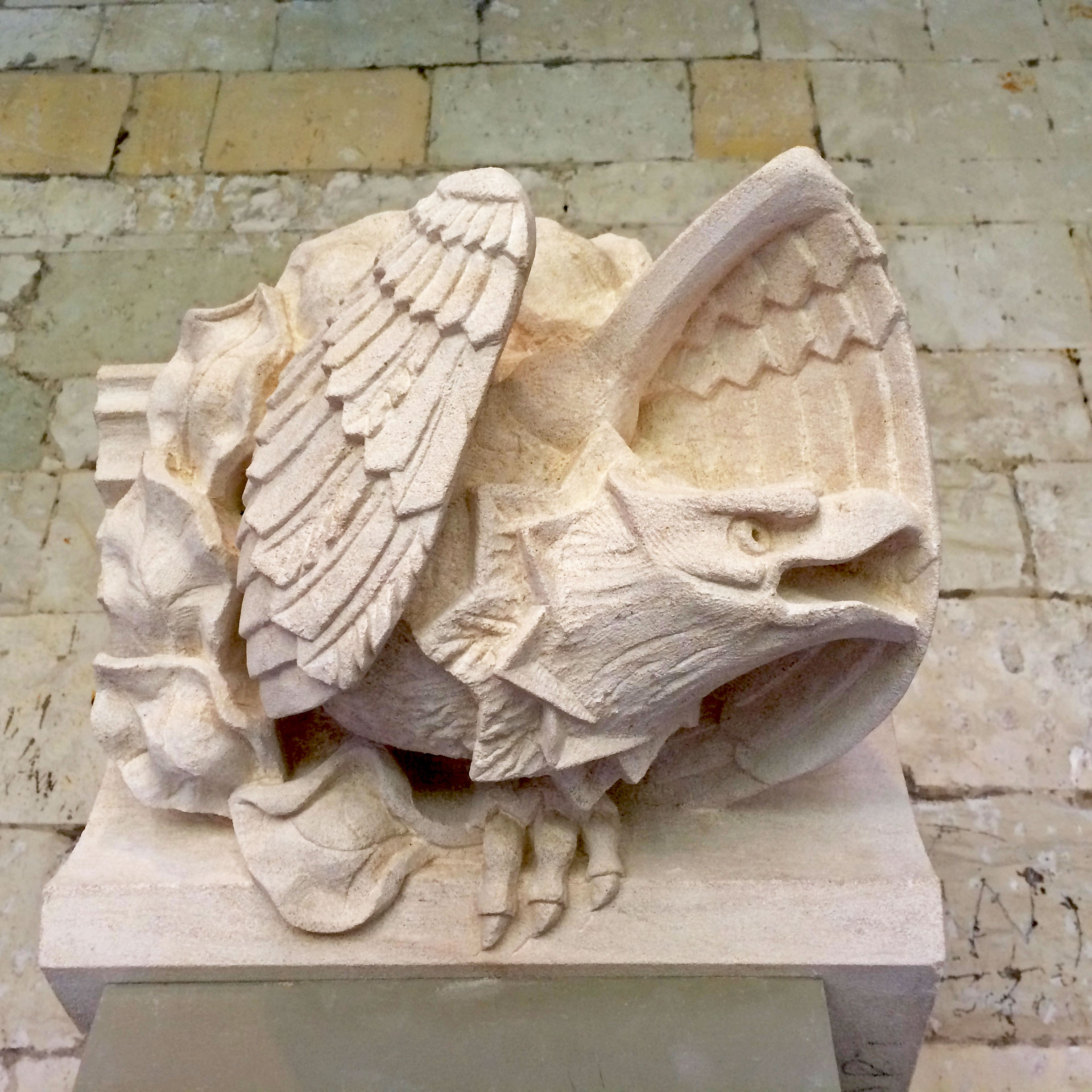
I was very proud to have contributed in a small way to the West Front works at Lincoln 5 years ago. But most recently, building two full new pinnacles on Lincoln Cathedral's 13th-century chapter house has been a real highlight! It's not often that you’re able to completely rebuild an entire feature like that, so it was a real treat! 


What do you feel are the main challenges facing the stone and surfaces industry today?


I think getting new people, especially young people, interested in training as masons or heritage craftspeople in general. 


Heritage crafts in England are made up of an ageing workforce with very few youngsters coming through. It sadly only takes 2 generations for a craft skill to die out, so we urgently need new people to train in these trades. Our built heritage in the UK is an essential part of our culture, and if we lose the intangible heritage -and the skills to maintain them - then we will start to struggle to maintain our beautiful buildings. 


In your opinion, what are the positives of using stone in the built environment?  


I think using any natural material - stone or wood - gives people more connection to the natural world. Aside from the sustainability aspect, there's something very tangible and grounding about living and working amongst natural materials. 


limittext
Off
Exclude From Lists
Include
Company Tags
M10
CAPTCHA
SEO Title
Ever wondered about the life of a cathedral stonemason?
Read more

Pagination

  • First page « First
  • Previous page ‹ Previous
  • …
  • Page 4
  • Page 5
  • Page 6
  • Page 7
  • Current page 8
  • Page 9
  • Page 10
  • Page 11
  • Page 12
  • …
  • Next page Next ›
  • Last page Last »
Subscribe to
  • Advertise
  • Contact Us
  • Acceptable Use
  • Copyright Notice
  • Privacy Policy

© Media 10 Ltd. All Rights Reserved